

Book Your Appointment
Verified Patient Reviews of DCDC Diagnostic Center in Dubai
Verified reviews and real patient stories from Dubai Healthcare City
I'm very satisfied with this medical clinic. I had my first pregnancy screening here. It was affordable and very professional. The radiologist was welcoming, kind, and made the experience great.
Aizhan Tokmanbetova
Hurt my knee Friday night and got an MRI appointment Sunday evening (booked Sunday afternoon). Waited about 2 minutes and was done in just over 30 minutes. The team was amazing, friendly and efficient.
Kirsten Evans
Dr. Osama's team was gentle and amazing. After a bad experience elsewhere, my pelvic exam here was much more professional. Great report and very precise.
Mary




Postnatal Care in Dubai: Postpartum Care & After Delivery Care
Care for New Moms
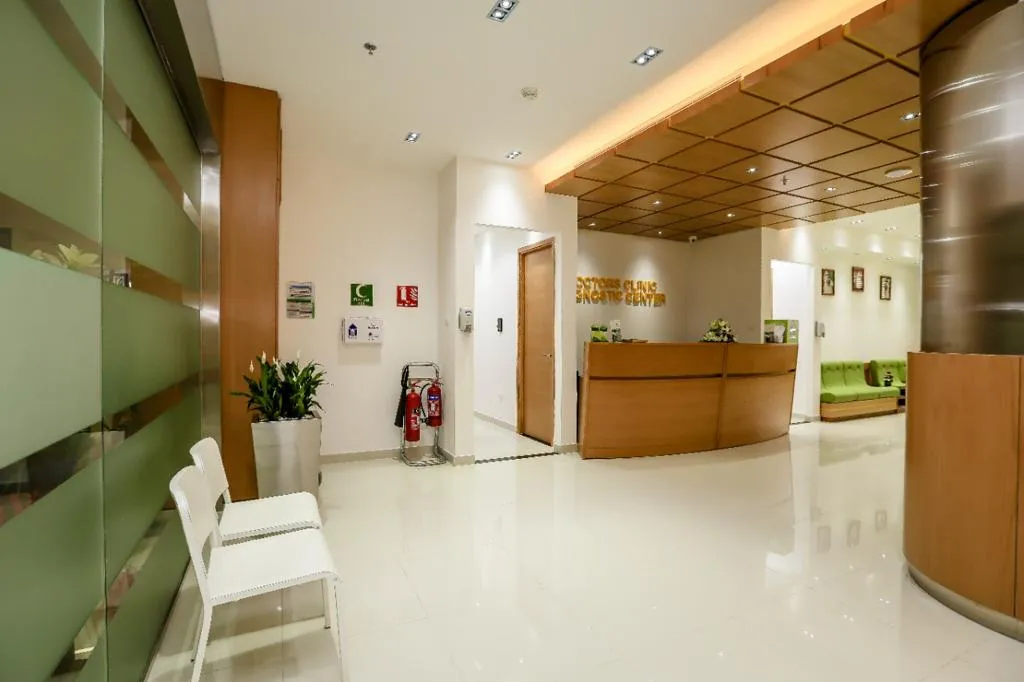
Postnatal care in Dubai is critical during the weeks after childbirth for proper healing and adjustment. At Doctors Clinic Diagnostic Center, accessible via the Healthcare City exit off Sheikh Zayed Road with free dedicated parking, we provide comprehensive postnatal care and postpartum care Dubai mothers trust to ensure you recover safely. Whether after vaginal birth or C-section. And feel supported as you care for your baby.
Our postnatal care Dubai includes physical recovery checks, C-section/perineal healing assessment, breastfeeding support, mood screening, contraception guidance, and safe return-to-activity advice. We provide comprehensive after delivery care and mother care services including newborn support in Dubai to address pain, bleeding, feeding concerns, and any questions you have during this critical recovery period.
Located in Umm Hurair 2, our mother care Dubai Healthcare City clinic offers same-day postnatal visits with postnatal care at our clinic near Oud Metha for wound issues, heavy bleeding, fever, or mood concerns. We provide postpartum recovery support and newborn support to help you navigate this important transition. Specialist capacity is limited, so book early.
The postpartum period, often called the fourth trimester, is a time of significant physical and emotional adjustment. Your body undergoes remarkable changes as it recovers from pregnancy and birth, and adjusting to life with a newborn brings its own challenges. Our experienced obstetricians understand that every recovery is different. Whether you had an uncomplicated vaginal delivery, an assisted delivery, or a caesarean section, your care plan is tailored to your specific needs and circumstances.
Beyond physical recovery, we prioritize the emotional well-being of new mothers. Postnatal depression and anxiety are common, affecting up to 1 in 5 women, and early identification allows prompt access to support and treatment. Our postnatal visits include validated mood screening tools, open discussion about your emotional state, and referral to mental health specialists when needed. We believe that caring for the mother is essential to caring for the baby, and we provide a supportive, judgment-free environment where you can share any concerns. If you would rather be supported at home, see our postnatal care at home service. Our team also provides delivery services and the Pap smear test when you are due for cervical screening.
- Healing & SafetyIncision/perineal healing, bleeding and pain review
- Breastfeeding SupportLatch, supply, and comfort guidance
- Whole Well-BeingMood screening, contraception, and return-to-activity plan

Dr. Parisa Dini
Specialist OB/GYN·Gynecology & ObstetricsExplore Our Services
Comprehensive post-delivery care services at DCDC Dubai Healthcare City.

All services performed by DHA-licensed specialists
Who Should Get Post-Delivery Care?
Every new mother should have a postnatal checkup, typically 6 weeks after birth.
All new mothers (vaginal or C-section)
Most CommonExperiencing pain or healing issues
Most CommonConcerns about breastfeeding
Feeling overwhelmed or sad (baby blues)
Needing birth control advice
Planning return to exercise
Heavy or prolonged postpartum bleeding beyond 6 weeks
Signs of wound infection (redness, swelling, discharge from incision)
Urinary incontinence or pelvic floor weakness after delivery
Hair loss, fatigue, or thyroid concerns in the postpartum period
Why Choose DCDC for Post-Delivery Care in Dubai?
MOHAP-licensed clinic in DCDC with female obstetricians providing safe, supportive postnatal care. Same-day review for urgent concerns; limited specialist slots.
MOHAP Licensed
Licensed facility in DHCC (MOHAP license NIMY7VY5-240925) following strict clinical and infection control standards.
Female Obstetricians
Experienced OBs providing compassionate, thorough postnatal recovery checks and guidance.
Same-Day Review
Same-day appointments for wound issues, fever, heavy bleeding, or urgent concerns. Limited slots. Book early.
Comprehensive Support
Healing assessment, breastfeeding support, mood screening, contraception, and return-to-activity planning.
Prime DHCC Location
Building 64, Block A, our center with free parking and easy access for moms and babies.
Patient-Centered
Non-judgmental, supportive environment focused on your recovery and well-being.
Your Comfortable Visit
A simple, step-by-step Post-Delivery scan process designed for comfort, speed, and accuracy.
Book
Schedule 6-week (or earlier) check; same-day if concerns.
Visit
Bring baby if you like; focus on your recovery.
Check
Healing assessment, vitals, breastfeeding support.
Talk
Discuss mood, energy, sleep, and any concerns.
Plan
Contraception, activity plan, and follow-up.
Postnatal Care Fees
Post-Delivery pricing in Dubai varies by service type and insurance coverage for various service types.
- Pricing varies by scan type and whether contrast is required
- Insurance coverage accepted with referral and verification
- Transparent self-pay rates available with instant quote on request
- Insurance verification in minutes
- No hidden fees
- Fast response on WhatsApp
What to Expect During Your Postnatal Visit
Focused on your healing, comfort, and confidence at our DCDC clinic.
Check-In
- How are you?
- Discuss:Recovery, sleep, and daily comfort.
- Mood:Mental health check for baby blues/PPD.
- Baby:Feeding progress and support needs.
Physical Exam
- Healing well.
- Exam:Uterus, perineum/C-section incision healing.
- Vitals:BP & weight; bleeding pattern review.
- Pelvic:Healing check and pelvic floor discussion.
Planning
- Moving forward.
- Advice:Gradual return to activity, diet, and rest.
- Plan:Contraception options compatible with breastfeeding.
- Support:Referrals for physio, lactation, or counseling if needed.
Insurance & Location
MOHAP License: Fully licensed diagnostic center in Dubai Healthcare City








- 20+ insurance providers in Dubaiincluding Daman, AXA, ADNIC, and others
- Pre-authorization supportand direct billing (where applicable)
- Coverage verificationbefore your appointment at our Dubai Healthcare City clinic
- Transparent pricingwith no hidden fees for post-delivery care services
Visit Us in Dubai Healthcare City
Doctors Clinic Diagnostic Center
Building 64, Block A, Al Razi Medical Complex, Dubai Healthcare City, Dubai, UAE
Near Oud Metha Road · Easy access from Bur Dubai, Downtown Dubai, Business Bay · Free dedicated parking available
Working Hours
Mon-Thu, Sat: 8AM - 10:30PM | Sun: 8:30AM - 10:30PM | Fri: 9AM - 10PM
How Insurance Works at DCDC
Check Coverage
Verify your plan covers Post-Delivery Care
Get a Referral
Some insurers require a GP referral — we can guide you
Pre-Authorization
We handle pre-auth directly with your insurer
Direct Billing
No upfront payment — we bill your insurer directly
Co-Pay Only
You only pay any applicable co-pay at the clinic
Dr. Parisa Dini
Specialist OB/GYN
MD, Specialist OB/GYN
Dr. Parisa Dini is a distinguished Obstetrician and Gynecologist known for her excellence and compassionate approach to women's health. With over 10 years of dedicated experience, she provides exceptional, patient-centered care and ensures clear, supportive communication in both English and Persian.
- Preconception counseling
- Prenatal and high-risk pregnancy management
- Natural and cesarean deliveries
English · Persian
Postnatal Recovery: What Every New Mother Should Know
The postnatal period, spanning the first 6-12 weeks after childbirth, is a time of profound physical and emotional transformation. Your body undergoes remarkable changes as it recovers from pregnancy and delivery, while simultaneously adapting to the demands of caring for a newborn. Understanding what to expect during this recovery period helps you distinguish between normal postpartum changes and symptoms that require medical attention. In Dubai, access to experienced obstetricians and postnatal support services ensures that new mothers receive comprehensive care during this critical transition.
Physical recovery after childbirth varies depending on the type of delivery. After vaginal birth, the perineum heals over 2-6 weeks, with pain gradually decreasing. Perineal tears or episiotomy sites require careful hygiene and may benefit from sitz baths and ice packs. After caesarean section, the abdominal incision typically heals within 6-8 weeks, during which lifting heavy objects and strenuous activity should be avoided to prevent wound complications. Regardless of delivery type, the uterus contracts back to its pre-pregnancy size over approximately 6 weeks (a process called involution), causing postpartum bleeding (lochia) that gradually decreases in volume and changes from red to pink to brownish discharge.
Breastfeeding is a learned skill that often requires patience and support. While breast milk provides optimal nutrition for newborns, establishing breastfeeding can be challenging in the early days. Common difficulties include sore nipples from poor latch technique, concerns about milk supply, engorgement, blocked ducts, and mastitis (breast infection). Professional breastfeeding support from trained lactation consultants or experienced midwives can resolve most difficulties. Understanding that breast milk supply works on a demand-and-supply principle, and that frequent feeding in the early weeks establishes supply, helps new mothers build confidence. For mothers who choose formula feeding, safe preparation and feeding guidance is equally important.
Mental health in the postpartum period deserves as much attention as physical recovery. Baby blues, affecting up to 80% of new mothers, involve mood swings, tearfulness, and anxiety in the first 1-2 weeks after delivery and typically resolve on their own. Postnatal depression, which is more persistent and severe, affects approximately 15-20% of mothers and requires professional support. Symptoms include persistent sadness, loss of interest, difficulty bonding with the baby, overwhelming anxiety, sleep disturbance beyond what is caused by the baby's needs, and changes in appetite. Postnatal anxiety disorders, post-traumatic stress following difficult births, and rarely, postpartum psychosis also require prompt recognition and treatment. Screening at the postnatal checkup, open communication, and early intervention lead to excellent outcomes for both mother and baby.
Postnatal Conditions We Assess and Manage
C-Section Wound Healing
Assessment of incision healing, management of infection or wound complications, and scar care guidance.
Perineal Tear Recovery
Evaluation of perineal healing after vaginal delivery with pain management and hygiene guidance.
Postpartum Hemorrhage
Assessment and management of heavy bleeding after delivery, including investigation of retained products if suspected.
Postnatal Depression/Anxiety
Validated mood screening with referral for counseling, therapy, or breastfeeding-safe medication when indicated.
Breastfeeding Difficulties
Latch assessment, supply concerns, nipple damage management, and lactation consultant referral when needed.
Mastitis
Prompt diagnosis and antibiotic treatment of breast infection with continued breastfeeding support.
Diastasis Recti
Assessment of abdominal muscle separation with physiotherapy referral for core rehabilitation exercises.
Pelvic Floor Weakness
Evaluation of incontinence or pelvic heaviness with pelvic floor exercise guidance and physiotherapy referral.
Related Articles
Obstetrics and Gynecology in Dubai: Complete Maternity Care
An overview of pregnancy, delivery, and postnatal care services available at our DHCC clinic.
DCDCRead ArticleWomen's Health Screening After Pregnancy
Essential health checks for new mothers to ensure long-term well-being after childbirth.
DCDCRead ArticlePelvic Ultrasound for Women: Postpartum Assessment
How pelvic ultrasound can help assess recovery and identify any concerns after delivery.
DCDCRead ArticlePostnatal Recovery Physiotherapy
DCDCRead ArticleDiastasis Recti Physiotherapy Treatment
DCDCRead ArticlePelvic Floor Physiotherapy Dubai
DCDCRead ArticleRelated Services
Explore other diagnostic and consultation services available at our Dubai Healthcare City clinic.
Frequently Asked Questions
Common questions about Post-Delivery Care in Dubai.
The standard postnatal checkup is scheduled at 6 weeks after delivery, allowing sufficient time for initial recovery. However, earlier visits may be needed in several situations: C-section wound check at 7-10 days to assess incision healing and remove any non-dissolvable sutures, perineal tear review if you had significant tearing during vaginal delivery, persistent heavy bleeding beyond the expected lochia pattern, signs of infection (fever, wound redness, foul-smelling discharge), or mood concerns requiring prompt support. We recommend booking your 6-week appointment before you leave hospital so it is already scheduled during the busy early weeks with your newborn.
Yes, absolutely! You are welcome and encouraged to bring your baby to your postnatal appointment. While the consultation focuses primarily on your health and recovery, having your baby present allows us to observe breastfeeding if you have latch concerns and provides reassurance that you do not need to arrange childcare. If you have a support person who can accompany you to hold the baby during your physical examination, that can be helpful but is not essential. Our clinic environment is baby-friendly with changing facilities available.
Postnatal depression affects up to 1 in 5 women and is a medical condition that responds well to treatment when identified early. Symptoms may include persistent sadness, loss of interest in activities, difficulty bonding with your baby, overwhelming fatigue beyond normal newborn exhaustion, changes in appetite, anxiety, irritability, and in severe cases, thoughts of harming yourself or your baby. Please tell us how you are feeling openly. There is no judgment. Treatment options include counseling, cognitive behavioral therapy, support groups, and in some cases medication that is safe during breastfeeding. Early intervention makes a significant difference in recovery.
Return to exercise should be gradual and guided by your recovery. Light walking is generally encouraged from the early days after delivery and helps both physical and mental recovery. Pelvic floor exercises (Kegels) can begin within days of a vaginal delivery. At your 6-week checkup, we assess your healing, abdominal separation (diastasis recti), and pelvic floor strength before clearing you for more vigorous activity. After C-section, core exercises and heavy lifting should be avoided for at least 6-8 weeks to allow proper incision healing. We provide individualized guidance and can refer you to postnatal fitness specialists or physiotherapists experienced in postpartum rehabilitation.
Several contraceptive options are safe to use while breastfeeding. Progestogen-only methods are preferred as they do not affect milk supply and include the mini-pill (progestogen-only pill), contraceptive injection (Depo-Provera), subdermal implant (Nexplanon), and hormonal IUD (Mirena). The copper IUD is another excellent non-hormonal option. These can typically be started from 6 weeks postpartum at your postnatal checkup. Combined hormonal methods (combined pill, patch, ring) are generally avoided during breastfeeding as estrogen may reduce milk supply. We discuss your preferences, future family planning goals, and lifestyle to recommend the most suitable option for you.
Yes, same-day visits are available and prioritized for urgent postnatal concerns including wound infection signs (increasing redness, swelling, warmth, or discharge from C-section incision or perineal repair), heavy or foul-smelling vaginal bleeding, fever above 38 degrees Celsius, severe pain not responding to prescribed medication, difficulty or pain with urination, breast infection symptoms (red, hot, painful area with fever), or significant mood deterioration. These symptoms require prompt evaluation and should not wait until your scheduled 6-week checkup. Contact us immediately if you experience any of these warning signs.
Postpartum bleeding (lochia) is a normal part of recovery as the uterus heals where the placenta was attached. Initially, lochia is bright red and heavy (similar to a heavy period) for the first 3-5 days. It gradually becomes lighter in flow and changes color from red to pink to brownish to yellowish-white over 4-6 weeks. Some women experience intermittent increases in bleeding with activity or breastfeeding. You should seek medical attention if bleeding becomes heavier instead of lighter over time, if you pass large clots (bigger than a golf ball), if lochia has a foul odor, or if heavy bright red bleeding returns after it had previously lightened.
The World Health Organization recommends waiting at least 18-24 months between giving birth and becoming pregnant again to allow your body to fully recover and reduce the risk of complications in the next pregnancy, including preterm birth and low birth weight. After a caesarean section, waiting at least 12-18 months before conceiving allows the uterine scar to heal adequately, reducing the risk of uterine rupture in subsequent pregnancies. However, individual circumstances vary, and we discuss your specific situation, health status, and family planning goals during your postnatal visit to provide personalized guidance.
Key Facts
- Modality
- Post-Delivery Care
- Primary Indication
- 6-week postnatal checkup, C-section wound review, breastfeeding difficulty, postpartum mood concerns
- Duration
- 30-45 minutes consultation
- Preparation
- No special preparation. Bring baby if convenient for joint assessment
- Report Time
- Same-day assessment and recovery plan
- Location
- Dubai Healthcare City — Building 64, Block A
- Insurance
- Covered with physician referral. Direct billing with 20+ insurers
Medical Review & Oversight
All services are provided under the supervision of licensed medical professionals in our MOHAP-accredited facility.