Key Takeaways
- About 75% of menstruating women experience some premenstrual symptoms, and up to 30% have symptoms that affect daily life
- PMS symptoms appear in the second half of the cycle and fade within a few days of your period starting; a symptom-free week afterwards is a key diagnostic clue
- PMDD is a severe form of PMS with marked mood symptoms; it is diagnosed with DSM-5 criteria and at least two cycles of daily tracking
- Regular exercise, balanced meals, good sleep and calcium (about 1,200 mg per day) are first-line options for mild to moderate PMS
- SSRIs and certain hormonal contraceptives can help when symptoms are severe, and CBT is an evidence-based option for emotional symptoms
- See a doctor if symptoms disrupt work or relationships, self-care has not helped after 2 to 3 cycles, or you have thoughts of self-harm (seek urgent help)
- DCDC offers gynecology consultations from AED 299 with female doctors, on-site hormone testing from AED 149 and 3D ultrasound at Dubai Healthcare City
If you feel bloated, tearful or on edge in the days before your period, you are far from alone. According to ACOG, around 75% of menstruating women notice premenstrual symptoms at some point, and for many they are more than a minor nuisance. This guide explains the common symptoms of premenstrual syndrome, what causes them, how PMS differs from PMDD, which treatments have real evidence behind them and when it is time to book a gynecology consultation at Doctors Clinic Diagnostic Center (DCDC) in Dubai Healthcare City. It also includes a practical tracking checklist you can start using this cycle.
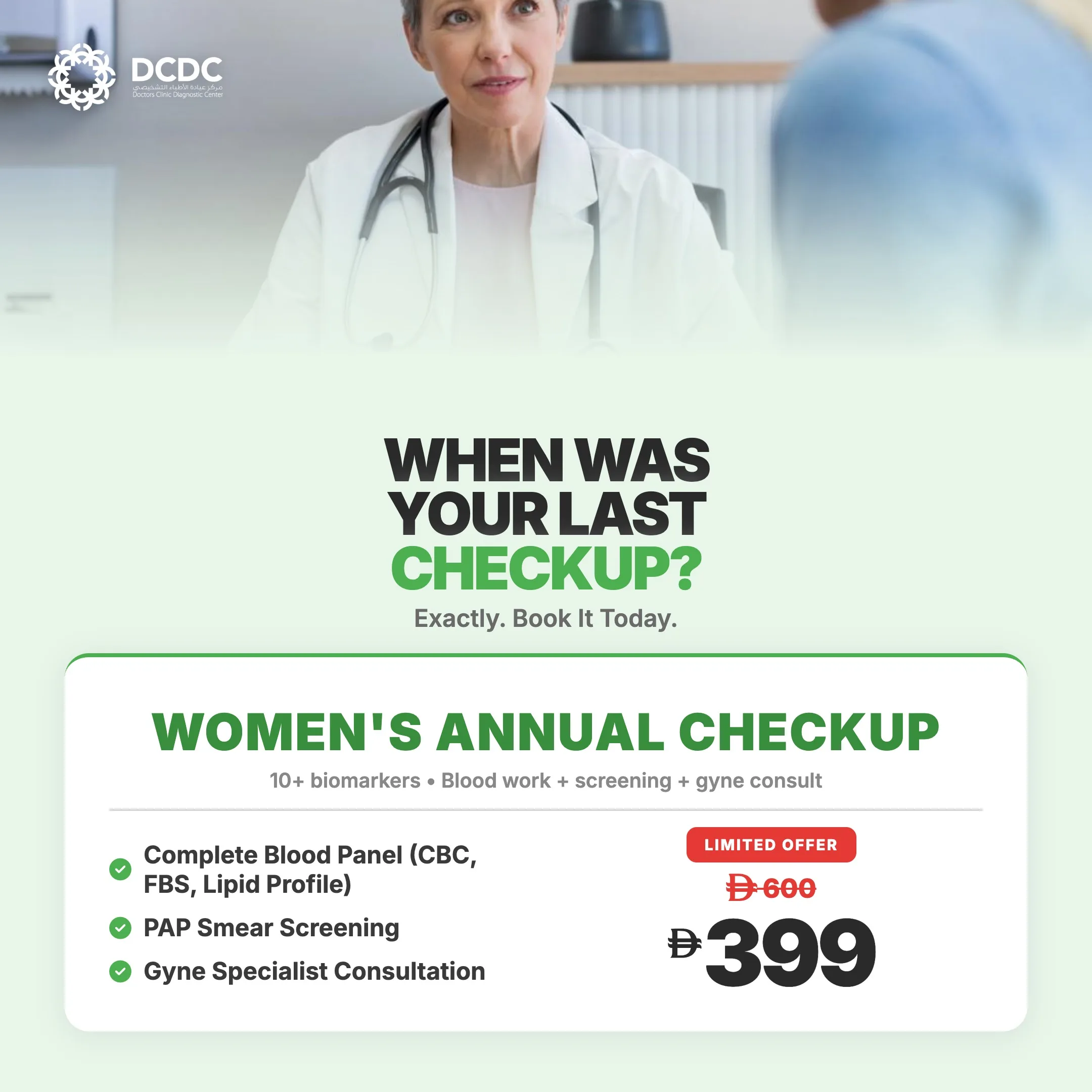
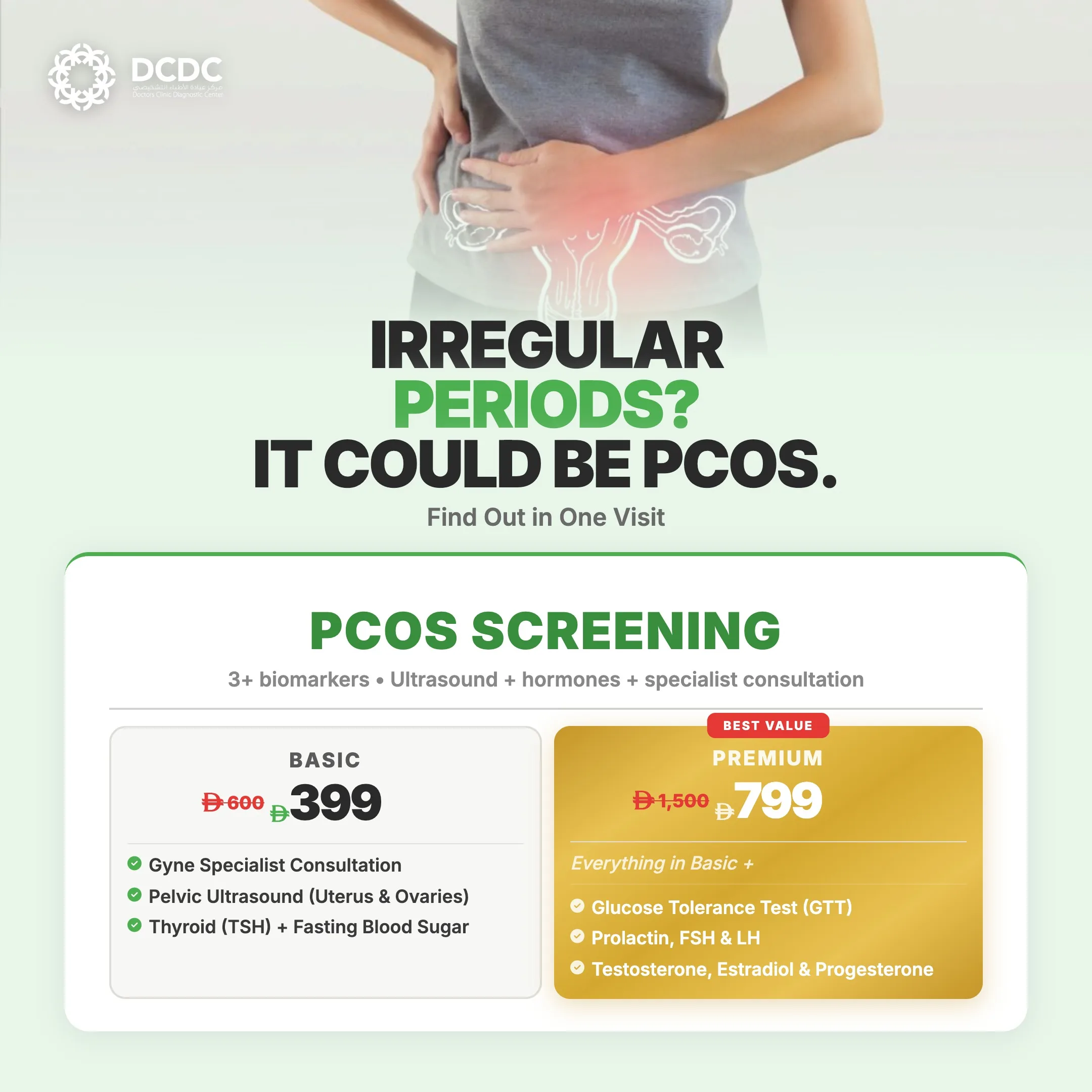
Health Screening Packages
Save with our bundled screening packages — specialist consultation included




What Is Premenstrual Syndrome (PMS)?
Premenstrual syndrome, usually shortened to PMS, is a group of physical, emotional and behavioural symptoms that appear in the days before your period and ease once bleeding begins or shortly afterwards. The symptoms follow your menstrual cycle, which is what separates PMS from everyday stress, tiredness or a bad week. If the same symptoms return in the luteal phase (roughly the 7 to 14 days after ovulation) and settle once your period is under way, PMS is a likely explanation.
PMS is very common, but common does not mean you have to simply put up with it. Most women have mild symptoms that are easy to manage. For others, symptoms are moderate to severe and affect work, study, sleep, exercise or relationships. Medical guidance from the American College of Obstetricians and Gynecologists (ACOG) is clear that premenstrual disorders deserve proper assessment and a treatment plan that fits your goals, rather than being dismissed as "just hormones".
A key point for diagnosis is timing. Symptoms must appear in the second half of the cycle, resolve within a few days of your period starting, and leave a symptom-free window in the first half of the cycle. Doctors confirm this pattern by asking you to track symptoms for at least two cycles, which is why the tracking checklist later in this guide is so useful.
In Dubai, many women also notice that heat, long working hours, disrupted sleep, jet lag from frequent travel and being far from family support can make premenstrual symptoms feel harder to cope with. These factors do not cause PMS, but they can amplify it, and they are worth addressing alongside any medical treatment.
Common PMS Symptoms
More than 100 different symptoms have been linked to PMS, but most women experience a handful of recurring ones. The pattern is personal: your symptoms in one cycle tend to resemble those in the next, which helps your doctor recognise the condition.
Physical Symptoms
- Bloating and a feeling of abdominal fullness or water retention, often the most common complaint
- Breast tenderness, swelling or heaviness
- Headaches or migraines that cluster before your period
- Fatigue and low energy, even after a full night of sleep
- Cramping or lower back pain (see our guide to menstrual cramps relief if pain is your main symptom)
- Acne flare-ups, changes in appetite and food cravings, particularly for sweet or salty foods
- Constipation or loose stools, and sometimes joint or muscle aches
- Sleep changes, including trouble falling asleep or waking unrefreshed
Emotional and Behavioural Symptoms
- Mood swings, with tearfulness or sudden sadness for no clear reason
- Irritability, anger or a shorter fuse with family, partners or colleagues
- Anxiety, tension or feeling "on edge"
- Difficulty concentrating, forgetfulness or "brain fog"
- Low mood or feeling overwhelmed
- Reduced interest in usual activities or social withdrawal
- Changes in libido
Because these emotional symptoms can look similar to anxiety, depression or thyroid problems, the cyclical pattern matters. A doctor will ask whether you feel well in the week after your period. If you do, that strongly points toward a premenstrual cause.
The table below shows when each group of symptoms typically occurs and how long it usually lasts. Individual timing varies, so use it as a general guide rather than a rule.
| Symptom | When It Typically Occurs | How Long It Lasts |
|---|---|---|
| Bloating and water retention | 5 to 7 days before your period | Eases within 1 to 3 days of bleeding starting |
| Breast tenderness | 7 to 10 days before your period | Usually settles when bleeding begins |
| Headaches or migraines | 2 to 5 days before, sometimes at period onset | 1 to 3 days, linked to the oestrogen drop |
| Fatigue and sleep changes | 7 to 10 days before your period | Gradually improves during the first days of the period |
| Mood swings and irritability | 5 to 10 days before your period | Resolve within 1 to 4 days of bleeding starting |
| Anxiety and tension | 5 to 10 days before your period | Resolve soon after your period begins |
| Difficulty concentrating | 3 to 7 days before your period | Usually gone by day 4 to 5 of the cycle |
| Food cravings and appetite changes | 5 to 10 days before your period | Fade as the period progresses |
Typical timing based on a 28-day cycle with ovulation around day 14. Cycle length and symptom timing differ between women.
What Causes PMS?
The exact cause of PMS is still not fully understood, but research points to a sensitive response to normal hormonal changes rather than to abnormal hormone levels. Most women with PMS have hormone levels within the normal range. What differs is how their brain and body respond to the monthly rise and fall.
Hormonal Fluctuations
After ovulation, levels of oestrogen and progesterone rise and then fall sharply in the days before your period if you are not pregnant. This drop appears to trigger symptoms in sensitive women. Progesterone is also broken down into allopregnanolone, a compound that acts on calming receptors in the brain called GABA receptors. Some women seem to react differently to these shifts, which may explain mood and sleep changes.
Because PMS only occurs in women who ovulate, it generally disappears during pregnancy, after menopause and when ovulation is suppressed by certain hormonal treatments. This is one of the strongest clues that the menstrual cycle is the driver. If you have irregular cycles, symptoms can be harder to pin to a pattern, and it is worth reading about irregular periods and conditions such as PCOS.
Serotonin and Neurotransmitters
Serotonin is a brain chemical that helps regulate mood, appetite, sleep and pain. Oestrogen influences how much serotonin is made and how well it works. When oestrogen falls before a period, serotonin activity may dip, which could contribute to low mood, irritability, carbohydrate cravings and sleep disturbance. This is also why antidepressants that act on serotonin (SSRIs) can help severe PMS, and why they sometimes work quickly when taken only in the second half of the cycle.
Other factors that may make symptoms worse include a family history of PMS or depression, previous postnatal depression, high stress, a diet low in calcium, lack of exercise, smoking, caffeine and alcohol, and being overweight. Genetics may also play a role in how sensitive you are to hormonal change.
PMS vs PMDD: How to Tell the Difference
Premenstrual dysphoric disorder (PMDD) is a severe form of premenstrual disorder. It is recognised in the DSM-5 as a mood disorder, and it is defined by marked emotional symptoms that seriously disrupt daily life. ACOG estimates that PMS symptoms that affect daily functioning occur in up to 30% of women, while PMDD affects a smaller group, with estimates ranging from roughly 3% to 8%.
| Feature | PMS | PMDD |
|---|---|---|
| How common | Up to 3 in 4 menstruating women have some symptoms | Roughly 3% to 8% of women |
| Severity | Mild to moderate, usually manageable | Severe and disabling |
| Main symptoms | Physical and emotional, such as bloating, tender breasts, irritability, tiredness | Marked mood symptoms: depression, hopelessness, intense anger or anxiety, feeling out of control |
| Impact on daily life | Uncomfortable but you can usually work and function | Disrupts work, relationships and daily activities |
| Diagnostic criteria | No single formal checklist; based on a pattern of cyclical symptoms that affect you | DSM-5: at least 5 symptoms, including at least 1 core mood symptom, in most cycles over the past year |
| Confirmation | Symptom diary over 2 or more cycles | Daily prospective ratings (for example the DRSP) over at least 2 cycles |
| Symptom-free window | Yes, in the week after your period | Yes, symptoms are absent in the first half of the cycle |
| Usual first treatment | Lifestyle changes, calcium, pain relief, sometimes combined pill | SSRIs, CBT, certain hormonal pills; specialist support |
Based on ACOG guidance and DSM-5 criteria. Only a doctor can diagnose PMDD.
There is no blood test or scan that diagnoses PMS or PMDD. Diagnosis rests on your history, symptom diary and ruling out other causes. If you are having thoughts of self-harm or suicide at any point in your cycle, seek urgent help immediately, whether from your nearest emergency department or a trusted person. This is a medical priority and effective treatment exists.
When to See a Gynecologist for PMS
Mild PMS can often be managed at home. But you do not need to wait until symptoms are unbearable to ask for help. A gynecology consultation is appropriate whenever PMS affects your quality of life or you are unsure whether what you experience is PMS. Use the severity guide below to decide how soon to be seen.
| Severity Level | What It Looks Like | Recommended Action |
|---|---|---|
| Mild | Noticeable symptoms but normal work, sleep and relationships; relief from lifestyle changes | Self-care and tracking for 2 to 3 cycles; routine check-up if symptoms persist |
| Moderate | Symptoms affect concentration, mood, exercise or social plans for several days each cycle | Book a consultation within the next few weeks |
| Severe | Missing work or school, relationship conflict, intense anger, hopelessness or crying spells | Book a consultation soon; ask about PMDD assessment |
| Urgent | Thoughts of self-harm or suicide, or feeling unable to keep yourself safe | Seek emergency help immediately |
Severity guide for general information. It does not replace medical advice.
Consider booking an appointment if any of the following applies:
- Your symptoms interfere with work, study, parenting or relationships
- Self-help measures have not helped after two to three cycles
- Your mood symptoms are severe, including deep sadness, hopelessness or rage
- Symptoms last beyond the first few days of your period, or do not disappear at all in the first half of your cycle
- Your symptoms have recently become worse or changed in character, especially if you are in your late 30s or 40s
- You have heavy bleeding or periods lasting more than 7 days (read about heavy periods causes and treatment)
- You have severe pelvic pain, pain during sex or pain that gets worse each month, which may point to conditions such as endometriosis
- You have bleeding between periods, very irregular cycles or no periods
- You are considering contraception and want to know whether hormonal options could also help your PMS
- You want to rule out thyroid, anaemia or other health conditions that can mimic PMS
A doctor can also consider other conditions that mimic PMS, including thyroid disease, anaemia, depression or anxiety disorders, perimenopause, and chronic fatigue. A cyclical pattern is what points toward PMS, which is why the tracking you do at home matters.
PMS Treatment and Relief Options
Treatment depends on how severe your symptoms are and what matters most to you. Evidence reviews support starting with lifestyle changes and certain supplements for mild to moderate symptoms, and considering medication when symptoms are more disruptive. There is no single best option, which is why ACOG recommends shared decision-making based on your preferences, goals, and the risks and benefits of each option.
Lifestyle Changes
- Exercise regularly: aim for at least 150 minutes of moderate activity per week, such as brisk walking, swimming, cycling or yoga. Exercise is linked to better mood, sleep and energy, and indoor options are useful during Dubai summers.
- Eat balanced, regular meals: choose whole grains, vegetables, fruit, lean protein and healthy fats. Eating smaller meals more often can steady blood sugar and reduce cravings and irritability.
- Limit salt, caffeine and alcohol in the second half of your cycle: salt can worsen bloating, while caffeine and alcohol may worsen anxiety, breast tenderness and sleep.
- Prioritise sleep: aim for 7 to 9 hours with a consistent routine, and keep the bedroom cool and dark.
- Manage stress: mindfulness, breathing exercises, time outdoors in the cooler hours and setting realistic expectations for your luteal phase can all help.
- Stop smoking: smoking is associated with more severe premenstrual symptoms.
- Plan around your cycle: where possible, schedule demanding meetings and big decisions in the first half of the cycle.
Cognitive behavioural therapy (CBT) also has evidence behind it for the emotional symptoms of PMS. Reviews suggest it can reduce mood-related symptoms, and the American Family Physician summary of the ACOG guideline reports it may be about as effective as fluoxetine for PMDD. It can be particularly helpful for women who prefer to avoid medication.
Supplements and Nutrition
Some supplements have reasonable evidence. Always discuss supplements with a doctor or pharmacist before starting, especially if you take other medication, are pregnant or planning pregnancy.
| Supplement | Typical Dose Studied | What the Evidence Suggests |
|---|---|---|
| Calcium (carbonate or citrate) | About 1,200 mg per day from diet and supplements | Among the best-supported options for reducing physical and mood symptoms |
| Vitamin B6 | 50 to 100 mg per day in studies | Possibly helpful for mood-related symptoms; high doses over a long time can cause nerve damage, so stay within medical advice |
| Magnesium | Varies | Evidence is limited and mixed; may help some women with fluid retention or sleep |
| Vitamin D | Based on blood level | Low levels are common in the UAE; correcting a deficiency supports overall wellbeing |
| Chasteberry (Vitex) | As directed on the product | Some studies suggest benefit; quality varies, and it can interact with hormonal medications |
| Evening primrose oil | Varies | Evidence is not convincing |
Dose information is from published studies and is not a personal recommendation. Check with your doctor before starting any supplement.
Food sources of calcium include dairy, fortified plant milks, leafy greens, almonds and sardines. A diet rich in complex carbohydrates may also help serotonin balance and reduce cravings.
Medical Treatment
If lifestyle changes and supplements are not enough, a doctor may discuss prescription options. The right choice depends on your symptoms, your age, whether you want contraception or are trying to conceive, and your medical history.
- Pain relief: over-the-counter anti-inflammatories such as ibuprofen can ease headaches, cramps and breast pain when taken with food and as directed.
- Combined hormonal contraceptives: by suppressing ovulation, certain pills can reduce physical premenstrual symptoms, and some containing drospirenone are used for PMDD. They help some women more than others, and may not help every mood symptom.
- SSRIs (antidepressants such as fluoxetine, sertraline or paroxetine): these are first-line medication for severe PMS and PMDD. They can be taken every day or only during the second half of the cycle, and they often work within days rather than weeks.
- Diuretics: occasionally used for severe fluid retention, usually short-term.
- GnRH agonists: reserved for severe cases that do not respond to other treatments, usually with add-back hormone therapy and specialist oversight.
- Surgery: removal of the ovaries is an absolute last resort and very rarely needed.
Medication decisions are individual. Your doctor will discuss side effects and review your response after a few cycles, adjusting your plan if needed. Never stop or start a prescription medicine without medical advice.
What to Expect at DCDC
Seeing a doctor about emotional or intimate symptoms can feel awkward. At Doctors Clinic Diagnostic Center (DCDC) in Dubai Healthcare City, your care is delivered in a private, comfortable setting with female staff. Here is what the journey typically looks like.
- Step 1, booking: book online, by phone or via WhatsApp. Same-day appointments are available when schedules allow, and extended hours make it easier to fit a visit around work. Free parking is available at Building 64, Block A.
- Step 2, consultation with a female gynecologist: your doctor will take a detailed history including your cycle, symptom pattern, mood, sleep, family history and any medication. Dr. Parisa Dini specialises in PCOS, menopause and preventive women's health. Consultations start from AED 299.
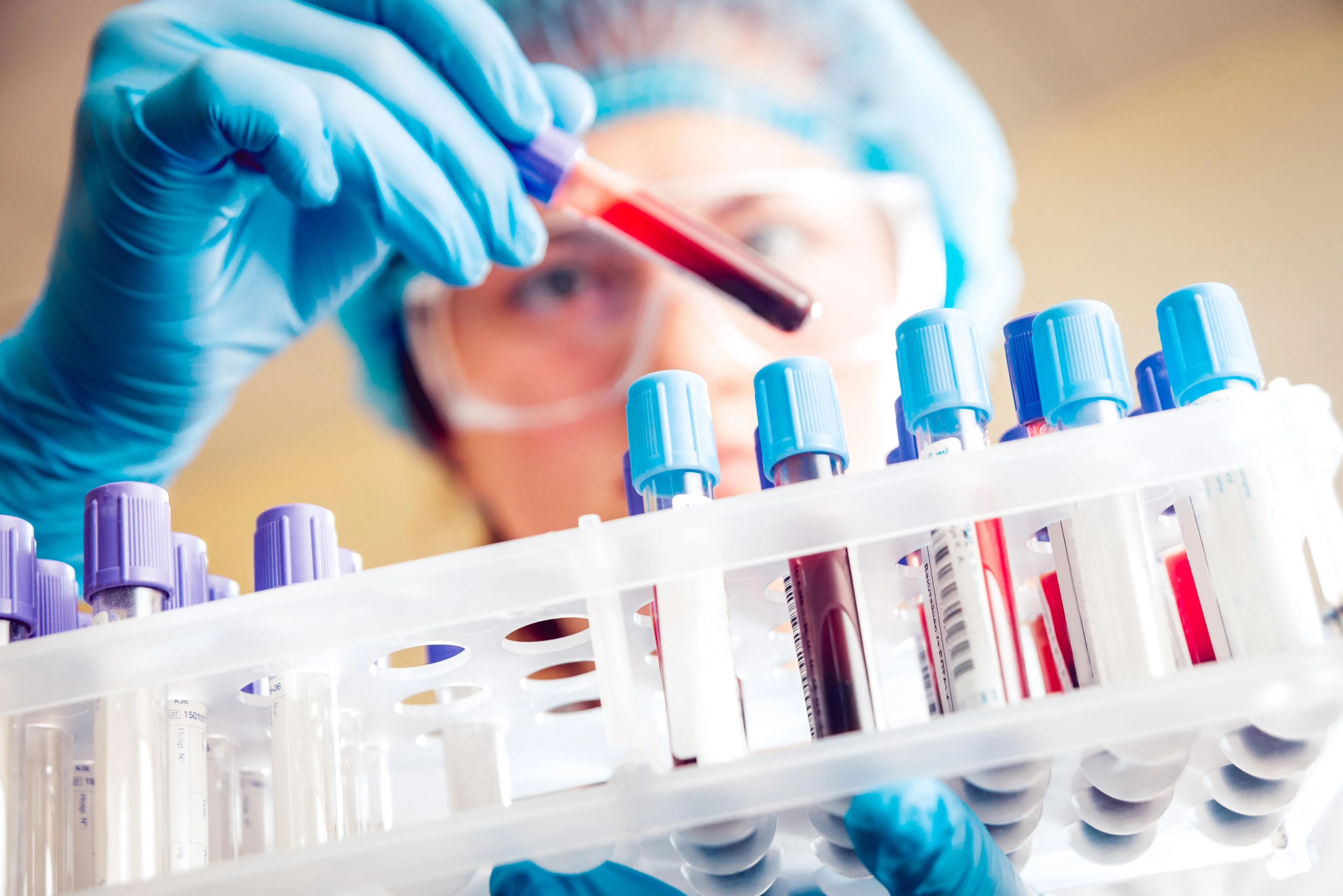
- Step 3, tests if needed: PMS itself is diagnosed from your history and diary, but blood tests can rule out other causes or check for conditions such as thyroid disease, anaemia or PCOS. Hormone tests available in our on-site laboratory include FSH, LH, prolactin, estradiol and progesterone (each from AED 149) and a female hormone panel (from AED 499). Learn more in our hormone balance test guide.
- Step 4, ultrasound if indicated: if you also have heavy bleeding, pelvic pain or irregular cycles, an on-site 3D ultrasound can check the uterus and ovaries during the same visit. A Pap smear can be arranged if you are due one, with results in 3 to 5 days.
- Step 5, your treatment plan: you will receive a personalised plan that may include lifestyle advice, supplements, a symptom-tracking schedule and, where appropriate, medication. You decide which options suit you.
- Step 6, follow-up: a follow-up visit after two to three cycles reviews your diary, checks how treatment is working and adjusts the plan.
DCDC works with more than 20 insurance partners and offers direct billing, so you can check your coverage before your visit. Test results from our on-site laboratory help avoid the delay of visiting separate facilities.
Tracking Your Symptoms: A Practical Checklist
A symptom diary is the most valuable tool for diagnosing PMS. It helps you and your doctor see the pattern, confirm timing and measure whether treatment is working. Track for at least two full cycles before your appointment, and bring your notes with you.
- Record the first day of your period each cycle, and the last day of bleeding
- Each day, rate each symptom as none, mild, moderate or severe
- Track physical symptoms: bloating, breast tenderness, headache, cramps, fatigue, appetite and sleep quality
- Track emotional symptoms: mood, irritability, anxiety, sadness, concentration and ability to cope
- Note any days you missed work, avoided plans or felt unable to function normally
- Record your medications, supplements, caffeine, alcohol and exercise
- Note symptom-free days: the week after your period is especially useful
- Look for the pattern: do symptoms start after ovulation and fade after bleeding starts?
- Write down questions and concerns to bring to your appointment
- Use a paper diary, a period-tracking app or a notes app, whichever you will actually keep up
Rating each symptom daily rather than relying on memory matters: studies show women often recall symptoms inaccurately, and in PMDD the formal diagnosis specifically requires prospective daily ratings.
Book Your Gynecology Consultation
Do not put up with monthly symptoms that affect your life. Our female gynecology team at Dubai Healthcare City can review your symptoms, order hormone tests if needed and build a plan that suits you. Book your gynecology consultation from AED 299, or message us on WhatsApp.
Related Services at DCDC
Expert care and advanced diagnostics at Dubai Healthcare City
Frequently Asked Questions
Final Thoughts on PMS Symptoms and Relief
PMS is real, common and treatable. You do not have to accept monthly mood changes, pain or exhaustion as simply part of being a woman. Tracking your symptoms, making a few lifestyle adjustments and getting the right medical support can make a significant difference to how you feel in the second half of your cycle.
If symptoms are affecting your work, relationships or wellbeing, the team at Doctors Clinic Diagnostic Center in Dubai Healthcare City is here to help. You can book a gynecology consultation with our female doctors, arrange hormone tests in our on-site laboratory and leave with a clear plan. This article is for general information and does not replace personal medical advice.
Sources & References
This article references the following sources:
- ACOG: Premenstrual Syndrome (PMS) patient FAQ
- American Family Physician (2024): Premenstrual Disorders, Guidelines From ACOG
- NHS: Premenstrual syndrome (PMS)
- PubMed: Premenstrual syndrome. Evidence-based treatment in family practice
- PubMed: Cognitive-behavioral therapy for premenstrual syndrome and premenstrual dysphoric disorder: a systematic review
This information is educational and does not replace individual medical advice. See our editorial policy for more information.

Written by
Dr. Parisa Dini
OB-GYN
MD, OB-GYN
Dr. Parisa Dini is an OB-GYN at Doctors Clinic Diagnostic Center (DCDC) in Dubai Healthcare City.
Related Articles

Heavy Periods Dubai: Causes & Treatment
Irregular Periods Treatment Dubai
PCOS Treatment & Diagnosis Dubai: Guide

Menstrual Cramps Dubai: Relief & When to Worry
Hormone Balance Test Dubai: Full Guide
More in Women's Health
Overactive Bladder Treatment Dubai: Guide (2026)
Read More
Pregnancy Test Dubai: Types & Accuracy (2026)
Read More
Ovarian Cancer Warning Signs Dubai (2026)
Read MoreEmsella vs Incontinence Surgery Dubai (2026)
Read More
Double Marker Test Dubai: Timing, Results & Price (2026)
Read More
Emsella Side Effects & Safety Dubai (2026)
Read More© 2026 Doctors Clinic Diagnostic Center (DCDC), Dubai Healthcare City. Originally published at https://doctorsclinicdubai.ae/blog/pms-symptoms-relief-dubai. All rights reserved. Unauthorized reproduction is prohibited.