Key Takeaways
- Endometriosis affects approximately 1 in 10 women of reproductive age worldwide, with an average diagnostic delay of 7-10 years.
- Common symptoms include severe period pain, chronic pelvic pain, pain during intercourse, and difficulty conceiving.
- Transvaginal ultrasound performed by experienced sonographers can detect endometriomas and deep endometriosis with high accuracy.
- Pelvic MRI is the gold standard for mapping deep infiltrating endometriosis before planning treatment.
- Treatment ranges from hormonal medication to fertility-preserving laparoscopic surgery, depending on severity and reproductive goals.
- DCDC offers same-week gynecology appointments with on-site ultrasound and MRI referral from AED 500.
- Early diagnosis significantly improves outcomes for both pain management and fertility preservation.
- Insurance coverage is available through 20+ direct billing partners at DCDC in Dubai Healthcare City.
Endometriosis is a chronic gynecological condition where tissue similar to the uterine lining grows outside the uterus, causing pain, inflammation, and potential fertility complications. In Dubai, many women endure years of symptoms before receiving an accurate diagnosis. At Doctors Clinic Diagnostic Center (DCDC's gynecological conditions clinic), we combine detailed clinical assessment with advanced imaging to identify endometriosis early and create personalized, fertility-preserving treatment plans.
This comprehensive guide explains what endometriosis is, how to recognize its symptoms, what diagnostic methods are available in Dubai, and how DCDC's multidisciplinary approach helps women take control of their health. Whether you suspect endometriosis or have already been diagnosed, this resource provides the evidence-based information you need to make informed decisions about your care.
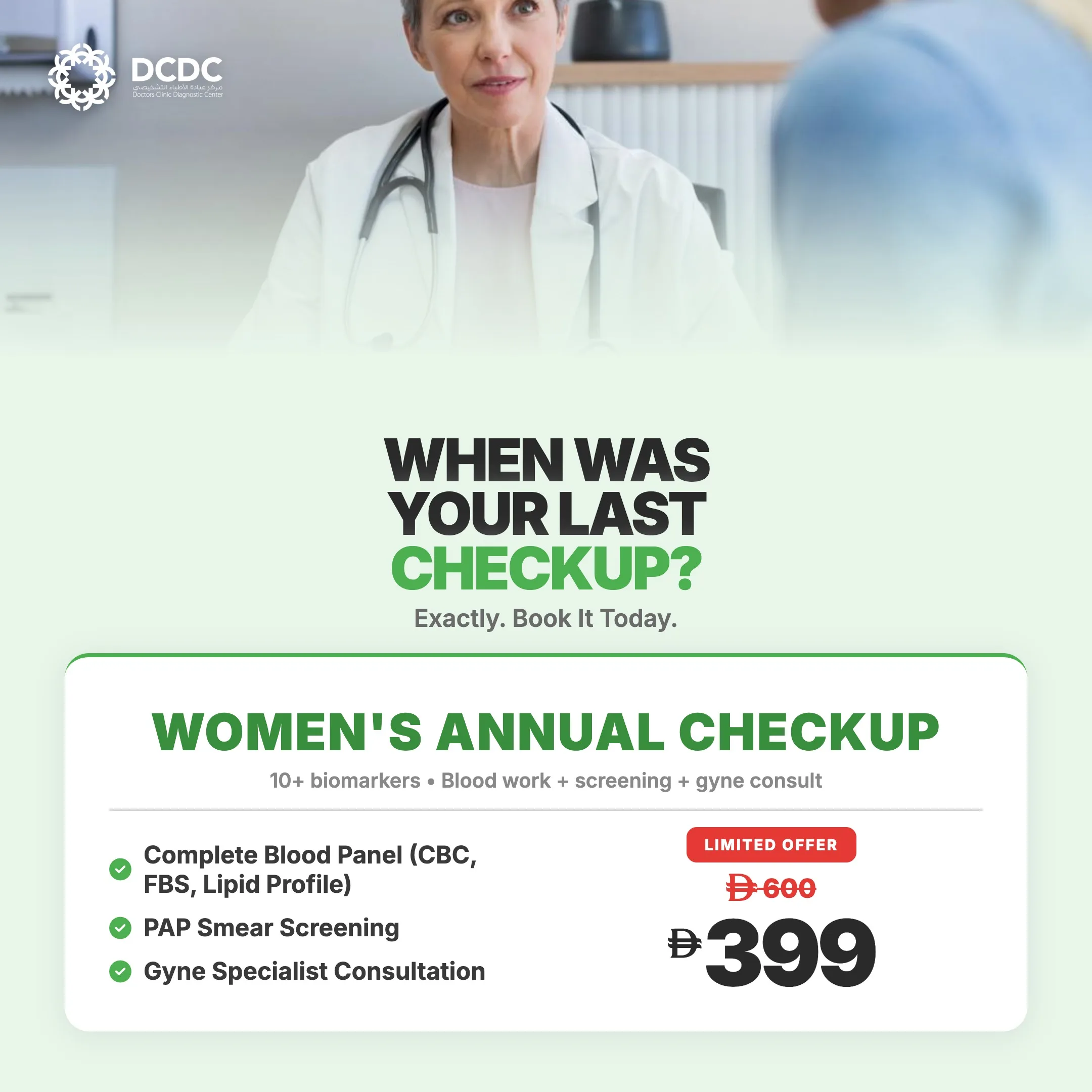
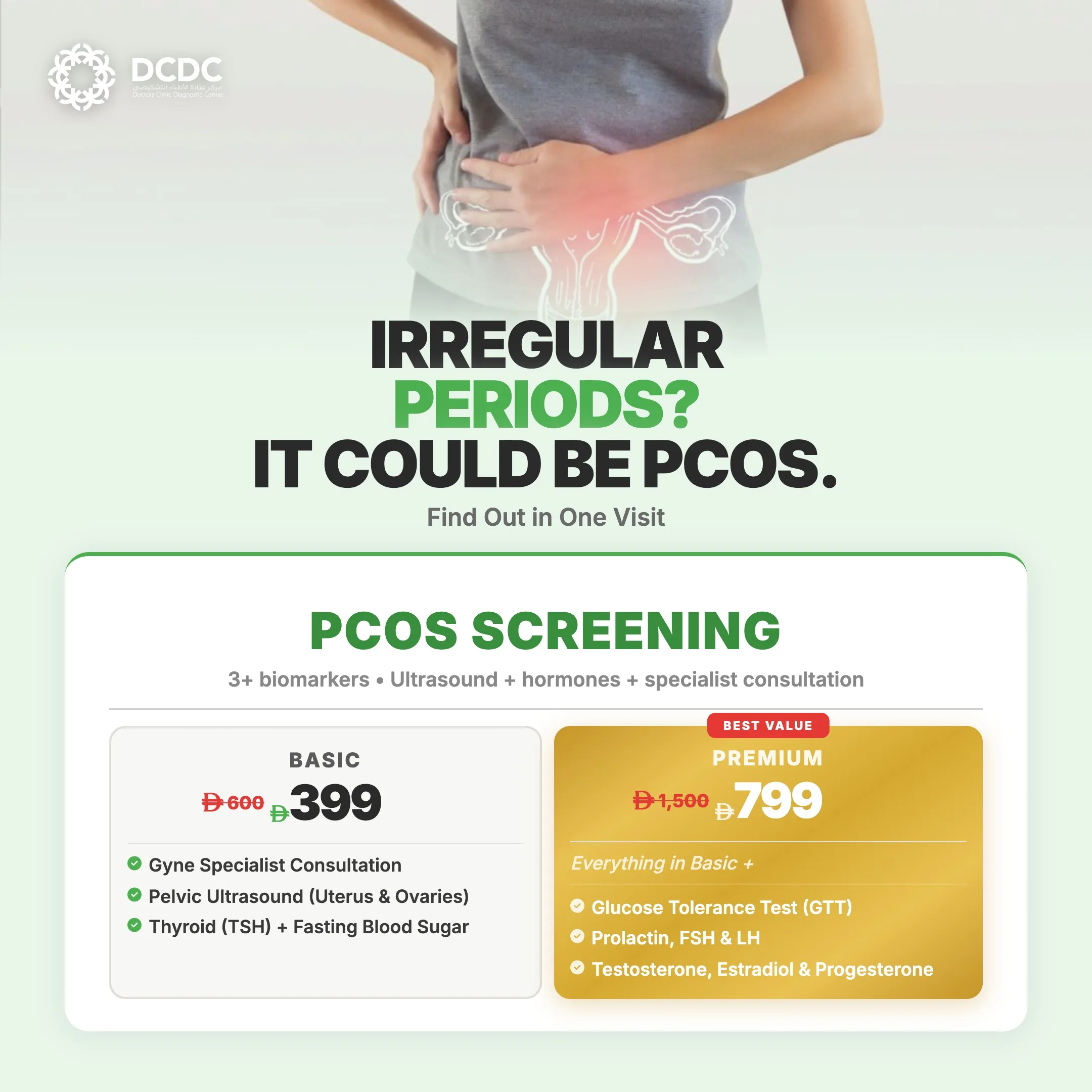
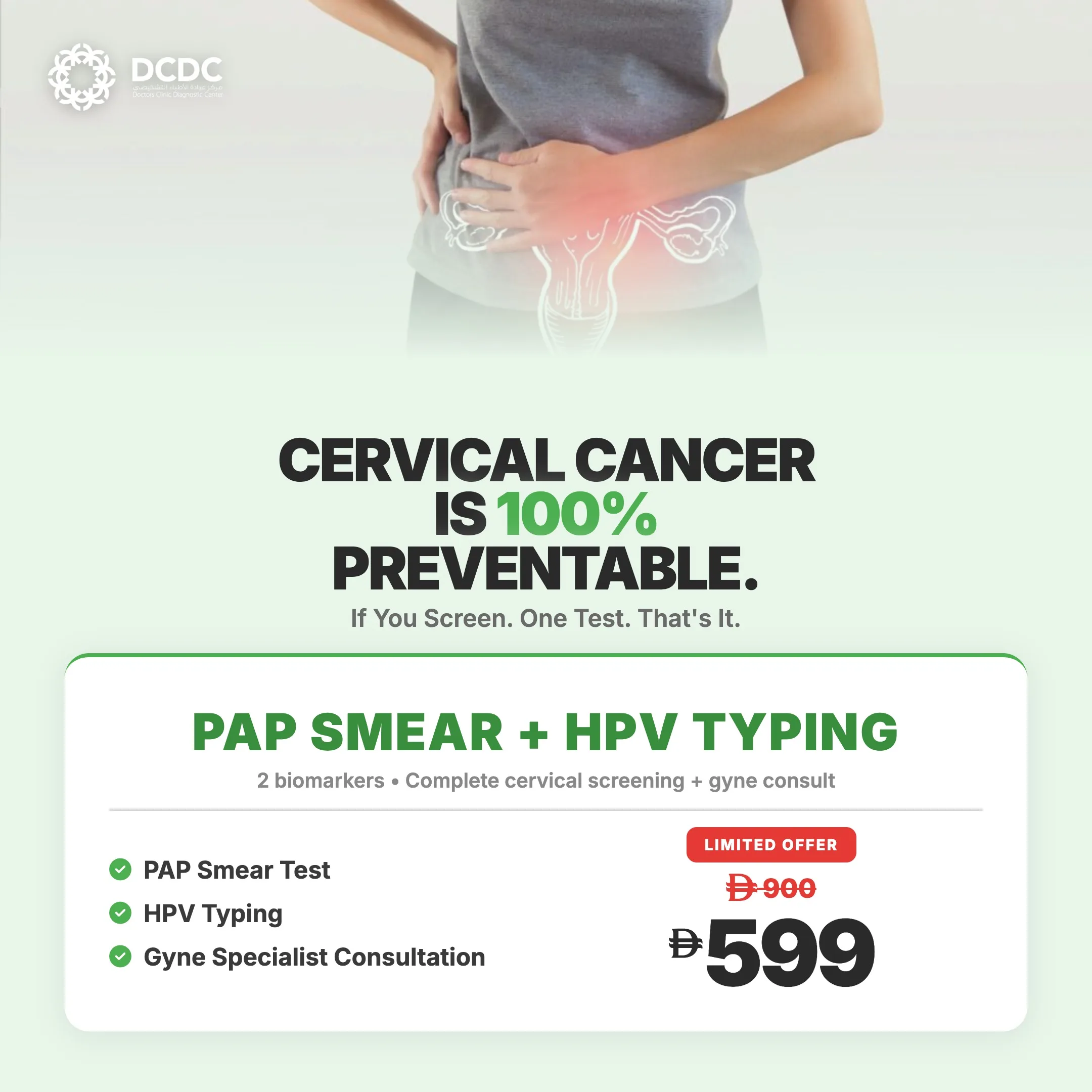
Health Screening Packages
Save with our bundled screening packages — specialist consultation included



What Is Endometriosis? Understanding the Condition
Endometriosis occurs when tissue that resembles the endometrium (the lining of the uterus) implants and grows in locations outside the uterine cavity. These endometrial-like implants most commonly affect the ovaries, fallopian tubes, the tissue lining the pelvis (peritoneum), and the space between the uterus and rectum. Less frequently, endometriosis can involve the bladder, bowel, and even distant organs like the diaphragm or lungs.
During each menstrual cycle, these displaced tissue implants respond to hormonal changes just like the endometrium inside the uterus. They thicken, break down, and bleed with each cycle. However, unlike the normal endometrium that exits through the vagina during menstruation, this displaced tissue has no way to leave the body. The result is chronic inflammation, scar tissue formation (adhesions), and the development of endometriotic cysts (endometriomas) on the ovaries.
According to the World Health Organization, endometriosis affects approximately 190 million women and girls globally — roughly 10% of women of reproductive age. Despite its prevalence, the condition remains significantly underdiagnosed, with studies showing an average delay of 7 to 10 years between symptom onset and definitive diagnosis. This delay often results from the normalization of menstrual pain and a lack of awareness among both patients and some healthcare providers.
Common Endometriosis Symptoms in Women
Endometriosis symptoms vary widely in presentation and severity. Some women experience debilitating pain that significantly affects daily activities, while others may have extensive endometriosis with minimal symptoms. The most common signs and symptoms include:
- Dysmenorrhea (painful periods): Severe cramping that begins before menstruation and continues throughout the period, often unresponsive to standard painkillers. Pain typically worsens over time and may radiate to the lower back and thighs.
- Chronic pelvic pain: Persistent pain in the lower abdomen and pelvis that occurs outside of menstruation, affecting daily activities and quality of life.
- Dyspareunia (painful intercourse): Deep pain during or after sexual intercourse, particularly with deep penetration, which may indicate deep infiltrating endometriosis affecting the uterosacral ligaments.
- Heavy or irregular menstrual bleeding: Menorrhagia (excessively heavy periods) or intermenstrual spotting between cycles.
- Infertility or difficulty conceiving: Endometriosis is found in 30-50% of women experiencing infertility, making it one of the leading causes of reproductive difficulties.
- Painful bowel movements or urination: Pain during defecation (dyschezia) or urination (dysuria), particularly during menstruation, may indicate bowel or bladder endometriosis.
- Fatigue and gastrointestinal symptoms: Chronic fatigue, bloating, nausea, constipation, or diarrhea — especially cyclical symptoms that correlate with the menstrual cycle.
- Lower back pain: Persistent or cyclical pain in the lumbar region that intensifies during menstruation.
It is important to note that symptom severity does not always correlate with the extent of disease. A woman with minimal endometrial implants may experience severe pain, while another with extensive disease may have few noticeable symptoms. This variability makes clinical assessment by an experienced gynecologist essential for accurate evaluation.
Types and Stages of Endometriosis
Endometriosis is classified into several types based on the location and depth of tissue involvement, as well as staged according to severity using the revised American Society for Reproductive Medicine (rASRM) classification system.
Types of Endometriosis
- Superficial peritoneal endometriosis: The most common form, involving shallow implants on the peritoneum (the membrane lining the pelvic cavity). These lesions may appear as red, black, or white spots.
- Ovarian endometriomas (chocolate cysts): Cysts that form on the ovaries filled with old menstrual blood, appearing dark brown on ultrasound. These can range from small to large and may affect ovarian reserve.
- Deep infiltrating endometriosis (DIE): The most severe form, where endometrial-like tissue penetrates more than 5mm below the peritoneal surface, potentially involving the bowel wall, bladder, ureters, or uterosacral ligaments.
- Adenomyosis: A related condition where endometrial tissue grows into the muscular wall of the uterus itself, often coexisting with pelvic endometriosis.
rASRM Staging System
- Stage I (Minimal): Small, isolated implants with no significant adhesions.
- Stage II (Mild): More implants that are deeper, with possible minor adhesions.
- Stage III (Moderate): Many deep implants, small endometriomas on one or both ovaries, and filmy adhesions.
- Stage IV (Severe): Extensive deep implants, large endometriomas, dense adhesions involving the bowel or bladder.
Understanding the type and stage of endometriosis is critical for treatment planning. At DCDC, our gynecologists work closely with subspecialty radiologists to characterize the disease precisely, ensuring that treatment recommendations are tailored to each patient's specific pattern of involvement. PCOS is another common gynecological condition that can coexist with endometriosis, and our specialists evaluate for both during comprehensive assessment.
Risk Factors for Developing Endometriosis
While the exact cause of endometriosis remains incompletely understood, research has identified several factors that increase a woman's likelihood of developing the condition:
- Family history: Women with a first-degree relative (mother, sister) with endometriosis have a 7-10 times higher risk of developing the condition, suggesting a strong genetic component.
- Early menarche: Starting menstruation before age 11 is associated with increased risk due to longer lifetime exposure to estrogen.
- Short menstrual cycles: Cycles shorter than 27 days result in more frequent menstruation and potentially more retrograde menstrual flow.
- Heavy or prolonged periods: Menstruation lasting more than 7 days increases exposure to retrograde flow.
- Nulliparity: Never having given birth is associated with higher risk, likely related to uninterrupted ovulation and menstruation.
- Low body mass index: Lower BMI has been consistently associated with increased endometriosis risk in epidemiological studies.
- Mullerian anomalies: Structural abnormalities of the reproductive tract that obstruct menstrual outflow increase risk.
- Immune system dysfunction: Impaired immune surveillance may allow endometrial cells to survive and implant outside the uterus.
Having one or more risk factors does not mean endometriosis will develop, and many women with the condition have no identifiable risk factors. However, awareness of these factors helps women and their doctors maintain appropriate clinical vigilance, particularly when symptoms suggestive of endometriosis are present.
How Endometriosis Is Diagnosed in Dubai
Diagnosing endometriosis requires a systematic approach combining clinical history, physical examination, imaging studies, and sometimes blood markers. At DCDC in Dubai Healthcare City, our diagnostic pathway is designed to minimize delay and provide clarity as quickly as possible.
Clinical Assessment
The diagnostic process begins with a thorough clinical history focusing on pain patterns, menstrual history, family history, and impact on daily life and fertility goals. A careful pelvic examination may reveal tenderness, nodularity in the uterosacral ligaments, fixed retroversion of the uterus, or adnexal masses suggestive of endometriomas. According to Dr. Parisa Dini, 'Many women with endometriosis suffer for years before receiving a proper diagnosis. At DCDC, we use a combination of detailed clinical assessment, advanced pelvic ultrasound, and hormonal profiling to identify endometriosis early — before it significantly impacts fertility or quality of life. Our fertility-preserving approach means we always consider your future reproductive goals when planning treatment.'
Blood Markers
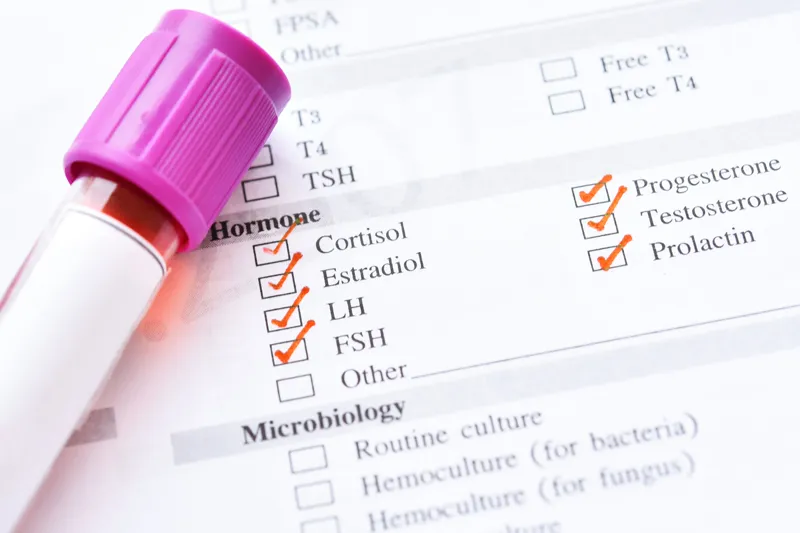
CA-125 is a blood marker that may be elevated in endometriosis, particularly in moderate to severe cases. While not specific enough to confirm diagnosis alone (it can also be elevated in other conditions), CA-125 levels above 35 U/mL support the clinical suspicion of endometriosis and can be useful for monitoring treatment response. At DCDC, hormone panels including CA-125 are available from AED 149 with same-day results for most tests.
The Role of Laparoscopy
Historically, diagnostic laparoscopy with histological confirmation was considered the gold standard for endometriosis diagnosis. However, advances in imaging technology — particularly expert transvaginal ultrasound and MRI — have significantly reduced the need for surgical diagnosis. Current ESHRE guidelines support clinical and imaging-based diagnosis without mandatory surgical confirmation, particularly when imaging findings are consistent with endometriosis symptoms.
Pelvic Ultrasound for Endometriosis Detection
Transvaginal ultrasound (TVS) performed by an experienced sonographer is the first-line imaging investigation for suspected endometriosis. At DCDC, our on-site ultrasound capabilities include high-resolution transvaginal scanning with subspecialty radiologist interpretation, providing immediate clinical correlation.
What Ultrasound Can Detect
- Ovarian endometriomas: Characteristic ground-glass echogenicity cysts that can be identified with high sensitivity (over 90%) and specificity.
- Deep infiltrating endometriosis: When performed by trained operators using systematic protocols, TVS can detect DIE nodules in the rectovaginal septum, uterosacral ligaments, bladder, and rectosigmoid.
- Adenomyosis: Ultrasound findings of heterogeneous myometrium, asymmetric uterine wall thickening, and myometrial cysts suggest coexisting adenomyosis.
- Adhesions: The sliding sign assessment during ultrasound can identify pelvic adhesions with good accuracy.
Research published in The Lancet demonstrates that expert transvaginal ultrasound has sensitivity of 79-93% for detecting ovarian endometriomas and 85-95% for deep infiltrating endometriosis when performed by experienced operators using standardized protocols. This makes it an invaluable first-line diagnostic tool. Our detailed guide on pelvic ultrasound for women explains the procedure, preparation, and what results mean for your health.
MRI and Advanced Imaging for Deep Endometriosis
Pelvic MRI is the most comprehensive imaging modality for mapping the full extent of endometriosis, particularly deep infiltrating disease. When ultrasound findings suggest DIE, or when surgical planning requires detailed anatomical mapping, MRI provides superior soft tissue contrast and multiplanar assessment.
Advantages of MRI for Endometriosis
- Comprehensive visualization of all pelvic compartments in a single examination
- Superior detection of deep infiltrating endometriosis involving the bowel wall, ureters, and diaphragm
- Accurate measurement of endometrioma size and assessment of bilateral disease
- Pre-surgical mapping to plan the extent of laparoscopic excision
- Non-invasive assessment of disease response to medical treatment
DCDC facilitates pelvic MRI from AED 900, with imaging performed at partner facilities and interpreted by subspecialty radiologists experienced in gynecological imaging. Results are typically available within 24-48 hours and reviewed directly with you by your treating gynecologist. For complex cases, our multidisciplinary approach ensures that imaging findings are correlated with clinical presentation to formulate the optimal treatment strategy.
Endometriosis Treatment Options in Dubai
Treatment for endometriosis in Dubai is individualized based on the severity of symptoms, extent of disease, the patient's age, fertility goals, and response to previous treatments. At DCDC, Dr. Parisa Dini takes a fertility-preserving approach, meaning that reproductive potential is always considered when recommending treatment — even in women who are not currently trying to conceive.
Medical (Non-Surgical) Treatment
- NSAIDs and analgesics: First-line pain management for mild symptoms, used during menstruation to reduce prostaglandin-mediated inflammation.
- Combined oral contraceptives: Continuous or cyclical use suppresses ovulation and reduces endometrial growth, providing symptom relief in many women.
- Progestin therapy: Including oral progestins (dienogest), the Mirena IUS, or injectable progestins that create a hypoestrogenic environment unfavorable to endometrial implant growth.
- GnRH agonists and antagonists: Create a temporary menopause-like state that significantly reduces endometriosis activity. Newer oral GnRH antagonists (like elagolix) offer convenience with add-back therapy to minimize bone loss.
- Aromatase inhibitors: Used in refractory cases where endometriosis produces its own estrogen locally, particularly effective when combined with progestins.
Surgical Treatment
Surgery is recommended when medical treatment fails to provide adequate relief, when endometriomas are large (typically >4cm), when deep infiltrating endometriosis causes organ compromise, or when fertility is desired and endometriosis is the suspected cause of infertility. Laparoscopic excision surgery, performed by experienced minimally invasive gynecological surgeons, offers the best outcomes with preservation of healthy tissue and ovarian reserve.
Fertility Treatment
For women with endometriosis-related infertility, treatment options include ovulation induction with timed intercourse, intrauterine insemination (IUI), or in vitro fertilization (IVF). The choice depends on the stage of endometriosis, the woman's age, ovarian reserve, and duration of infertility. DCDC's gynecology team works collaboratively with fertility specialists in Dubai to ensure seamless continuity of care.
Concerned About Endometriosis Symptoms?
Book a gynecology consultation at DCDC from AED 500. Same-week appointments available with on-site ultrasound.
Direct billing with 20+ insurance partners. Free parking at Dubai Healthcare City.
Living with Endometriosis: Lifestyle Management
While medical and surgical treatments address the underlying disease, lifestyle modifications can complement treatment and improve overall quality of life for women living with endometriosis. Evidence-based strategies include:
- Regular exercise: Moderate physical activity (150 minutes per week) reduces systemic inflammation, improves pain tolerance, and supports mental health. Low-impact options like swimming, yoga, and walking are well-tolerated during flare-ups.
- Anti-inflammatory diet: Increasing omega-3 fatty acids (fish, flaxseed), fruits, vegetables, and whole grains while reducing red meat, processed foods, and alcohol may help modulate inflammation.
- Stress management: Chronic pain and stress create a bidirectional cycle. Mindfulness meditation, cognitive behavioral therapy (CBT), and adequate sleep support pain management and emotional wellbeing.
- Heat therapy: Localized heat application to the lower abdomen can provide significant pain relief during flare-ups by relaxing smooth muscle and improving blood flow.
- Pelvic floor physiotherapy: Specialized physiotherapy addressing pelvic floor muscle tension, which commonly develops secondary to chronic pelvic pain, can significantly reduce dyspareunia and pelvic pain.
- Supplement support: Some evidence supports the use of omega-3 fatty acids, vitamin D, magnesium, and N-acetyl cysteine (NAC) as complementary approaches, though these should be discussed with your doctor.
Dr. Parisa Dini emphasizes that lifestyle management works best as part of a comprehensive treatment plan rather than a replacement for medical therapy. At DCDC, patients receive individualized guidance on integrating lifestyle strategies with their medical treatment for optimal outcomes. Hormonal profiling can help identify additional imbalances that may be contributing to symptoms.
What to Expect at DCDC for Endometriosis Care
At Doctors Clinic Diagnostic Center in Dubai Healthcare City, endometriosis care follows a structured, patient-centered pathway designed to minimize diagnostic delay and maximize treatment effectiveness. Here is what you can expect from your first visit:
- Step 1 — Booking and arrival: Schedule your gynecology appointment online, by phone, or via WhatsApp. With extended hours (Saturday-Thursday 8 AM-10:30 PM, Friday 9 AM-10 PM) and an average wait time of just 15 minutes, you can be seen at a time that suits your schedule. Free parking is available on-site.
- Step 2 — Comprehensive consultation: Dr. Parisa Dini conducts a detailed clinical history covering your symptoms, menstrual patterns, pain characteristics, family history, and reproductive goals. A focused pelvic examination is performed with your consent.
- Step 3 — On-site imaging: If indicated, a transvaginal pelvic ultrasound is performed immediately during the same visit using DCDC's on-site imaging equipment. This eliminates the need for a separate imaging appointment and provides instant visual correlation with your symptoms.
- Step 4 — Blood investigations: Relevant blood tests including CA-125, hormonal profile (FSH, LH, estradiol, AMH for fertility assessment), and inflammatory markers are drawn at the on-site laboratory.
- Step 5 — Advanced imaging referral: If deep infiltrating endometriosis is suspected, a pelvic MRI is arranged promptly through our imaging partners, with results reviewed at your follow-up appointment.
- Step 6 — Personalized treatment plan: Based on your diagnosis, disease stage, and goals, a tailored treatment plan is developed. This may include medical management, surgical referral, or fertility-focused intervention — always with a fertility-preserving philosophy.
- Step 7 — Ongoing monitoring: Regular follow-up appointments track treatment response, with imaging repeated as needed to assess disease progression or regression.
DCDC maintains a 4.8/5 Google rating from over 1,000 verified patient reviews and a 98% patient satisfaction rate — reflecting our commitment to compassionate, thorough gynecological care. As a MOHAP-licensed facility in Dubai Healthcare City's Al Razi Medical Complex, we meet the highest standards of clinical governance and patient safety.
Endometriosis and Fertility: What You Need to Know
Endometriosis is one of the most significant causes of subfertility in women, with the condition found in 30-50% of women undergoing fertility investigations. Understanding how endometriosis affects fertility is essential for women planning their reproductive future.
How Endometriosis Impairs Fertility
- Anatomical distortion: Adhesions can block or distort the fallopian tubes, preventing sperm from reaching the egg or blocking embryo transport to the uterus.
- Ovarian damage: Endometriomas and their surgical removal can reduce ovarian reserve (the number of available eggs), measured by AMH levels and antral follicle count.
- Inflammatory environment: The peritoneal fluid in women with endometriosis contains elevated cytokines and inflammatory mediators that are toxic to sperm, eggs, and embryos.
- Impaired implantation: Endometriosis may alter the uterine environment, reducing receptivity to embryo implantation even when conception occurs.
- Adenomyosis coexistence: When adenomyosis accompanies endometriosis, it can further impair implantation and increase miscarriage risk.
Importantly, not all women with endometriosis will experience infertility. Many conceive naturally, particularly those with Stage I-II disease. However, early assessment of ovarian reserve (AMH testing, available at DCDC from AED 300) allows women to make informed decisions about their reproductive timeline. For women not ready to conceive, fertility preservation through egg freezing may be discussed as a proactive measure.
Endometriosis Diagnosis and Treatment Cost in Dubai
Understanding the cost of endometriosis care helps patients plan their diagnostic and treatment journey. DCDC offers competitive, transparent pricing with direct insurance billing, making specialist gynecological care accessible across Dubai.
| Service | DCDC Price | Dubai Average |
|---|---|---|
| Gynecology consultation | From AED 500 | AED 500-1,200 |
| Pelvic ultrasound (transvaginal) | From AED 400 | AED 400-900 |
| Pelvic MRI | From AED 900 | AED 1,500-3,500 |
| Hormone panel (CA-125, AMH, etc.) | From AED 300 | AED 400-800 |
| Follow-up consultation | From AED 350 | AED 400-800 |
Prices are indicative and may vary based on insurance coverage and specific tests required. Direct billing available with 20+ insurance partners.
DCDC partners with over 20 insurance providers for direct billing, meaning many patients pay only their copay or deductible at the time of visit. Our patient services team verifies your coverage before your appointment, ensuring no unexpected costs. For self-pay patients, comprehensive endometriosis evaluation packages can be discussed with our team.
Ready to Get Answers About Your Symptoms?
Schedule your endometriosis consultation at DCDC today. On-site ultrasound, same-week appointments, and direct insurance billing available.
Building 64, Block A, Al Razi Medical Complex, Dubai Healthcare City. Call or WhatsApp to book.
Related Services at DCDC
Expert care and advanced diagnostics at Dubai Healthcare City
Frequently Asked Questions
Taking the First Step Toward Diagnosis
Endometriosis is a common but frequently underdiagnosed condition that can significantly impact quality of life and fertility. The key to better outcomes lies in early recognition of symptoms, prompt specialist evaluation, and individualized treatment planning that considers both immediate symptom relief and long-term reproductive goals.
At Doctors Clinic Diagnostic Center in Dubai Healthcare City, our gynecology team led by Dr. Parisa Dini provides comprehensive endometriosis evaluation with on-site pelvic ultrasound, hormonal profiling, and coordinated MRI assessment — all within a supportive, patient-centered environment. With same-week appointments available from AED 500, direct insurance billing, and extended clinic hours, accessing specialist care has never been more convenient.
If you are experiencing symptoms suggestive of endometriosis — severe period pain, chronic pelvic pain, pain during intercourse, or difficulty conceiving — we encourage you to seek evaluation rather than normalizing your symptoms. Early diagnosis and proactive management can preserve fertility, reduce pain, and restore quality of life.
Sources & References
This article was reviewed by our medical team and references the following sources:
- World Health Organization — Endometriosis Fact Sheet
- American College of Obstetricians and Gynecologists (ACOG) — Endometriosis Management
- NHS — Endometriosis Overview
- Mayo Clinic — Endometriosis: Symptoms and Causes
- Zondervan KT et al. Endometriosis. The Lancet. 2020;396(10247):447-461
- ESHRE Guideline: Endometriosis (2022 Update)
Medical content on this site is reviewed by DHA-licensed physicians. See our editorial policy for more information.

Written by
Dr. Parisa Dini
Obstetrician & Gynecologist
MD, OB-GYN
Dr. Parisa Dini is an Obstetrician & Gynecologist at Doctors Clinic Diagnostic Center (DCDC) in Dubai Healthcare City.
Related Articles
PCOS Treatment & Diagnosis Dubai: Complete Guide
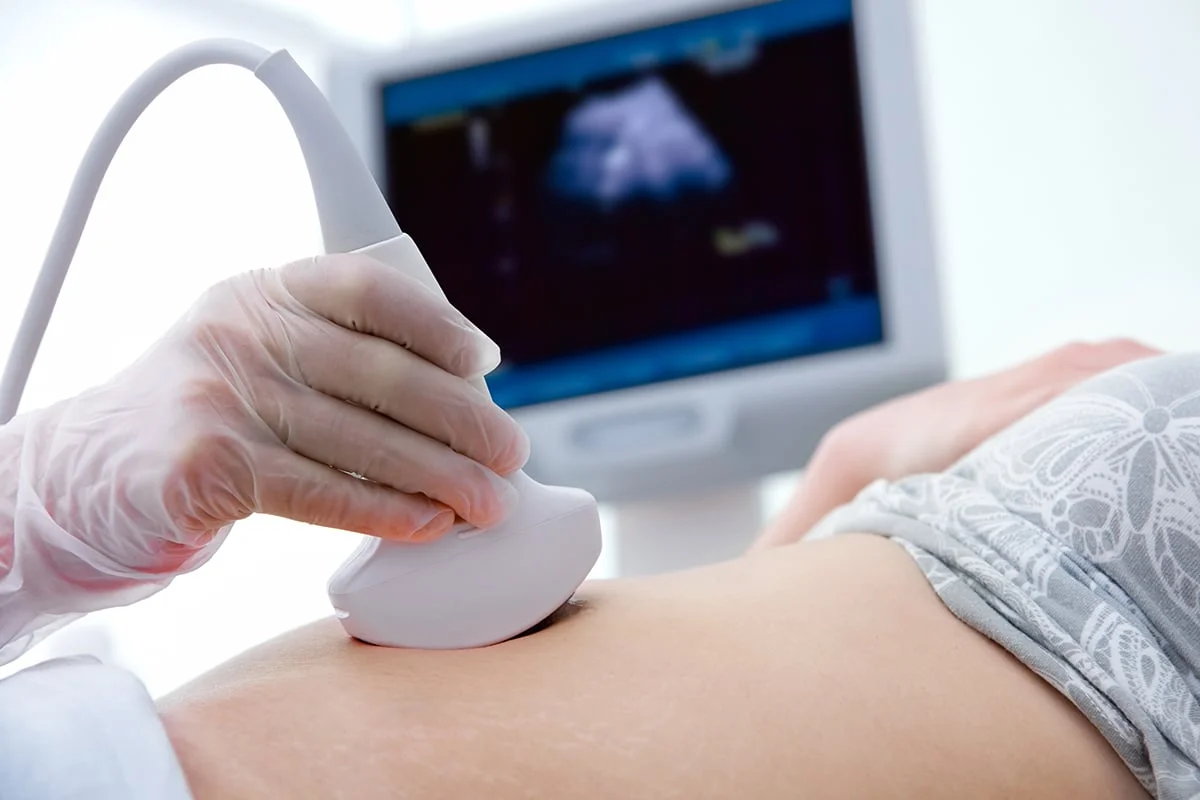
Pelvic Ultrasound for Women Dubai: Types & What to Expect
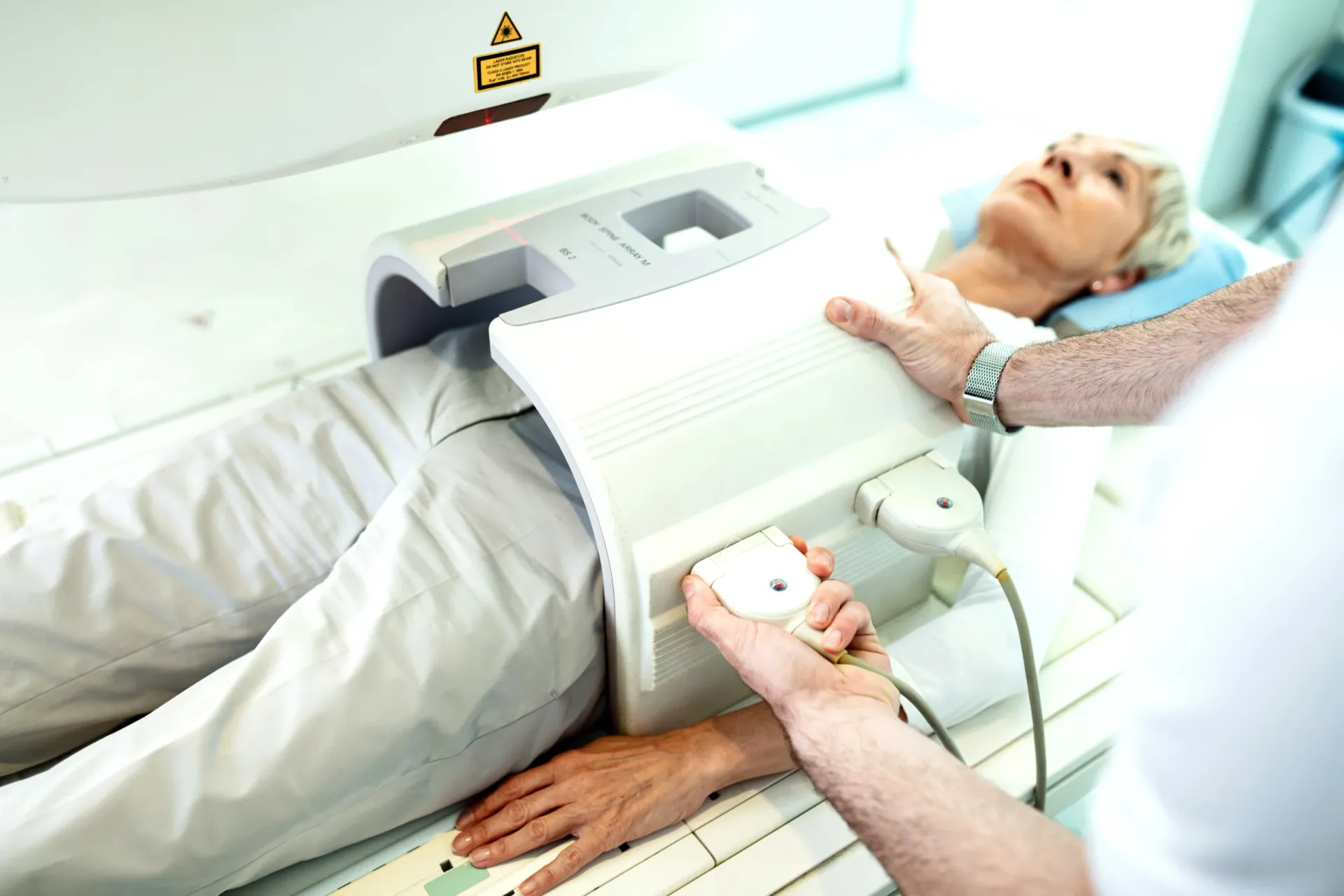
Pelvic MRI Dubai: What It Detects, Cost & Preparation

Gynecologist Cost Dubai: From AED 500 (2026)

Hormonal Imbalance in Dubai: Signs, Causes & Treatment Options
More in Women's Health
Double Marker Test Dubai: Timing, Results & Price (2026)
Read More
Emsella Side Effects & Safety Dubai (2026)
Read More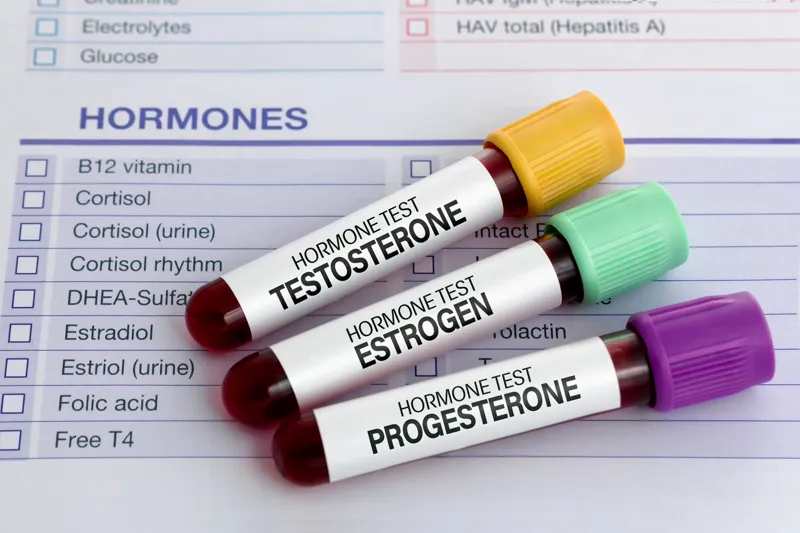
FSH & LH Test Dubai: Day 3 Levels, Ratio & Price
Read More
NIPT Test Dubai: Cost, Accuracy & Timing (2026)
Read More
NIPT Results: High-Risk vs Low-Risk Explained (2026)
Read MoreNT Scan Dubai: Cost, Timing & Results (2026)
Read More© 2026 Doctors Clinic Diagnostic Center (DCDC), Dubai Healthcare City. Originally published at https://doctorsclinicdubai.ae/blog/endometriosis-symptoms-diagnosis-dubai. All rights reserved. Unauthorized reproduction is prohibited.