النقاط الرئيسية
- تبدأ البانلات الهرمونية الشاملة في DCDC بمدينة دبي الطبية من 750 درهماً مع نتائج خلال 24-48 ساعة.
- ينبغي فحص هرمونات الإنجاب الأنثوية (FSH وLH والإستراديول) في اليومين الثاني إلى الرابع من الدورة الشهرية للحصول على قيم أساسية دقيقة.
- يجب إجراء فحص التستوستيرون قبل الساعة 10 صباحاً بسبب تباينه اليومي — إذ يمكن أن تنخفض المستويات 20-30% بعد الظهر.
- تصيب متلازمة تكيس المبايض 10-15% من النساء في سن الإنجاب وتستلزم بانلات هرمونية محددة تشمل التستوستيرون وDHEA-S والأنسولين.
- يُعدّ هرمون AMH (هرمون مضاد لمولر) المعيار الذهبي لتقييم احتياطي المبيض ويمكن فحصه في أي يوم من الدورة الشهرية.
- يوفر DCDC رعاية متكاملة — يُراجع نتائج هرموناتك متخصصون في المبنى ذاته، وغالباً في اليوم نفسه.
تُنظّم الهرمونات كل وظيفة تقريباً في جسمك، من الأيض والطاقة إلى الخصوبة والمزاج. وحين تختل هذه المواد الكيميائية الناقلة للرسائل، يمكن للأعراض — كالإرهاق، وتغيرات الوزن، وعدم انتظام الدورة الشهرية، وضعف الرغبة الجنسية، وتساقط الشعر — أن تؤثر تأثيراً بالغاً على جودة حياتك. يوفر فحص الهرمونات في DCDC بمدينة دبي الطبية بانلات شاملة للذكور والإناث من 750 درهماً، مع توفر معظم النتائج خلال 24-48 ساعة وإحالة مباشرة للمتخصص عند الحاجة.
يغطي هذا الدليل كل جانب من جوانب فحص الهرمونات في دبي: أي الهرمونات تُفحص، والتوقيت الأمثل للحصول على نتائج دقيقة، وكيفية تفسير قيمك، وتكلفة كل بانل، ومتى ينبغي مراجعة متخصص.




ما هو فحص الهرمونات ومتى تحتاجه؟
فحص الهرمونات هو تحليل دم يقيس مستويات هرمونات معينة في الدورة الدموية. يُنتج الجهاز الغدي الصماء ما يزيد على 50 هرموناً مختلفاً تتحكم في وظائف الجسم كافة — من التمثيل الغذائي وتنظيم السكر في الدم إلى الخصوبة والمزاج والنوم وتوازن الطاقة.
ينبغي لك النظر في إجراء فحص هرموني إذا كنت تعاني من أعراض مستمرة لا يمكن تفسيرها بأسباب أخرى. تشمل الأسباب الشائعة لطلب فحص هرموني في دبي: الإرهاق غير المبرر الذي يمتد أكثر من أسبوعين، والتغيرات الملحوظة في الوزن دون تغيير في النظام الغذائي، وعدم انتظام الدورة الشهرية أو انقطاعها، وصعوبة الحمل بعد 12 شهراً من المحاولة، وانخفاض الطاقة أو ضعف الرغبة الجنسية، وحب الشباب المستمر أو نمو الشعر غير الطبيعي، واضطرابات المزاج كالقلق أو الاكتئاب.
أنواع فحوصات الهرمونات المتاحة في دبي
تُجمَّع البانلات الهرمونية عادةً حسب الغرض السريري. في DCDC، يقدم مختبرنا المرخّص من وزارة الصحة ووقاية المجتمع فحوصات الهرمونات الفردية فضلاً عن البانلات الشاملة المصممة لحالات محددة.
البانل الهرموني للإناث
يُقيّم البانل الهرموني للإناث الصحة التناسلية وإمكانية الخصوبة والتوازن الهرموني. يشمل عادةً FSH (هرمون منبه الجريب)، وLH (هرمون ملوتن)، والإستراديول (E2)، والبروجسترون، والبرولاكتين، وأحياناً AMH وDHEA-S. يُعدّ هذا البانل ضرورياً لتقييم عدم انتظام الدورة الشهرية وتكيس المبايض ومشكلات الخصوبة وما قبل انقطاع الطمث.
البانل الهرموني للذكور
يُقيّم البانل الهرموني للذكور مستويات التستوستيرون والوظيفة التناسلية والصحة الهرمونية الشاملة. يشمل التستوستيرون الكلي والتستوستيرون الحر وSHBG (الغلوبولين الجنسي الرابط للهرمونات) وFSH وLH والإستراديول. يُستخدم هذا البانل لتشخيص قصور الغدد التناسلية (انخفاض التستوستيرون)، وتقييم الخصوبة، والتحقيق في أعراض كالإرهاق وتراجع كتلة العضلات وضعف الانتصاب.
بانل هرمونات الغدة الدرقية
يُعدّ خلل الغدة الدرقية من أكثر اضطرابات الغدد الصماء شيوعاً في العالم، إذ يؤثر على نحو 200 مليون شخص. يشمل بانل الغدة الدرقية TSH وT3 الحر وT4 الحر، وأحياناً أجسام الغدة الدرقية المضادة (TPO وTG). يقدم DCDC فحص الغدة الدرقية المنفرد من 249 درهماً.
هرمونات الغدة الكظرية والتوتر
يُفحص الكورتيزول وDHEA-S والألدوستيرون لتقييم وظيفة الغدة الكظرية. يُنتج كلٌّ من الإجهاد المزمن ومرض أديسون ومتلازمة كوشينغ أنماطاً مميزة من الكورتيزول. يُعدّ الكورتيزول الصباحي (المسحوب قبل الساعة 9 صباحاً) الفحص المعياري للتحري الأولي.
متى تُجري فحص الهرمونات: التوقيت مهم
تتقلب مستويات الهرمونات طوال اليوم والدورة الشهرية وحتى مع الوجبات. إجراء الفحص في الوقت الخطأ يمكن أن يُنتج نتائج مضللة. اتباع بروتوكول التوقيت الصحيح ضروري للتفسير الدقيق.
| الهرمون | أفضل وقت للفحص | سبب أهمية التوقيت |
|---|---|---|
| FSH وLH والإستراديول | اليوم 2-4 من الدورة الشهرية | القيم الأساسية للمرحلة الجريبية ضرورية للتقييم الدقيق |
| البروجسترون | اليوم 21 (أو 7 أيام قبل الدورة المتوقعة) | يؤكد الإباضة — تبلغ المستويات ذروتها في منتصف مرحلة الجسم الأصفر |
| AMH | أي يوم من الدورة | AMH مستقر طوال الدورة |
| التستوستيرون (الرجال) | قبل الساعة 10 صباحاً | المستويات في أعلاها صباحاً وتنخفض 20-30% بعد الظهر |
| الكورتيزول | قبل الساعة 9 صباحاً (صائم) | يمثل الكورتيزول الصباحي ذروة إنتاج الغدة الكظرية |
| TSH | صباحاً، أي يوم من الدورة | يشهد تبايناً طفيفاً خلال اليوم؛ الاتساق مهم للمتابعة |
| البرولاكتين | صباحاً، صائم، استرح 30 دقيقة قبل السحب | التوتر والطعام يمكن أن يرفعا المستويات مؤقتاً |
| الأنسولين | صائم (8-12 ساعة) | الأنسولين الصائم يعكس الوظيفة الأيضية الأساسية |
التوقيت الأمثل لفحوصات الهرمونات الشائعة
في DCDC، يفتح مختبرنا في وقت مبكر من الصباح لاستيعاب المرضى الذين يحتاجون إلى سحب الدم صائمين أو في ساعات الصباح الباكر. يُرحَّب بالمراجعين دون موعد، وإن كان الحجز المسبق يضمن أقل وقت انتظار. للاطلاع على نظرة شاملة حول التحضير للتحاليل، راجع دليل تحاليل الدم في دبي.
تكلفة فحص الهرمونات في دبي: دليل الأسعار 2026
تختلف تكاليف فحص الهرمونات في دبي بحسب عدد الهرمونات المفحوصة والمختبر وما إذا كان لديك تأمين. في DCDC، تبدأ البانلات الشاملة من 750 درهماً وتشمل تفسيراً متخصصاً للنتائج.
| الفحص / البانل | سعر DCDC | النطاق السعري في دبي |
|---|---|---|
| البانل الهرموني للإناث (FSH، LH، الإستراديول، البروجسترون، البرولاكتين) | من 499 درهم | 500-1,500 درهم |
| البانل الهرموني للذكور (التستوستيرون الكلي والحر، SHBG، FSH، LH) | من 750 درهم | 500-1,200 درهم |
| AMH (احتياطي المبيض) | من 280 درهم | 280-450 درهم |
| بانل الغدة الدرقية (TSH، T3، T4) | من 399 درهم | 100-350 درهم |
| الكورتيزول (صباحاً) | من 120 درهم | 90-200 درهم |
| بانل العافية الشامل (الهرمونات + الفيتامينات + الأيض) | من 1,500 درهم | 1,200-3,000 درهم |
مقارنة أسعار فحوصات الهرمونات في دبي (2026)
يقبل DCDC الفوترة المباشرة لأكثر من 20 شركة تأمين رئيسية من بينها Daman وAXA وBupa وCigna وMetLife. تُغطي كثير من خطط التأمين فحص الهرمونات حين يصفه الطبيب لمؤشر طبي. يحصل المرضى الذين يدفعون من جيوبهم على أسعار شفافة دون رسوم خفية.
أعراض اختلال الهرمونات: علامات تستدعي الفحص
يمكن أن تتجلى اختلالات الهرمونات بصور مختلفة لدى الرجال والنساء، لكن ثمة أعراضاً مشتركة بين الجنسين. التعرف المبكر على هذه العلامات يمكن أن يُسرّع التشخيص ويجعل العلاج أكثر فاعلية.
الأعراض لدى النساء
- عدم انتظام الدورة الشهرية أو غزارتها أو انقطاعها
- زيادة الوزن غير المبررة، لا سيما في منطقة البطن
- حب شباب مستمر، خاصةً على خط الفك والذقن
- نمو زائد للشعر في الوجه أو الجسم (شُعرانية)
- ترقق الشعر أو تساقطه من فروة الرأس
- صعوبة الحمل بعد 12 شهراً من المحاولة
- هبّات ساخنة وتعرق ليلي وجفاف مهبلي (ما قبل انقطاع الطمث)
- تقلبات مزاجية أو قلق أو اكتئاب غير مبرر
الأعراض لدى الرجال
- إرهاق مستمر رغم النوم الكافي
- تراجع كتلة العضلات وزيادة دهون الجسم
- ضعف الرغبة الجنسية أو ضعف الانتصاب
- اكتئاب المزاج أو صعوبة التركيز
- التثدي (تضخم الأنسجة الثديية)
- انخفاض كثافة العظام
إذا تعرّفت على عدة أعراض من هذه الأعراض، فإن بانلاً هرمونياً موجهاً يمكنه تحديد السبب الكامن. تُسهم عوامل أسلوب الحياة في دبي — التوتر العالي، وأنماط النوم غير المنتظمة، ونقص فيتامين د الذي يصيب ما يصل إلى 80% من سكان الإمارات، وبيئات العمل المستقرة — في اضطراب الهرمونات. للاطلاع على معلومات ذات صلة حول نقص شائع مرافق، راجع دليلنا حول نقص فيتامين د في دبي.
افحص مستويات هرموناتك في DCDC
بانلات هرمونية شاملة من 750 درهم. النتائج خلال 24-48 ساعة. يُرحَّب بالمراجعين دون موعد في مدينة دبي الطبية.
اتصل على +971 54 219 5008 أو واتساب للحجز
فحص هرمونات الخصوبة في دبي
يستلزم تقييم الخصوبة مجموعة محددة من فحوصات الهرمونات التي تُقيّم احتياطي المبيض والإباضة والوظيفة التناسلية. تُوصى بهذه الفحوصات عادةً بعد 12 شهراً من عدم نجاح الحمل (أو 6 أشهر للنساء فوق سن 35).
هرمونات الخصوبة الرئيسية للنساء
- AMH (هرمون مضاد لمولر): المعيار الذهبي لاحتياطي المبيض. تُشير القيم فوق 1.0 نانوغرام/مل إلى احتياطي كافٍ؛ وما دون 0.5 نانوغرام/مل يدل على احتياطي منخفض. يمكن فحصه في أي يوم من الدورة.
- FSH (اليوم 3): تُشير القيم دون 10 وحدة دولية/مل إلى وظيفة مبيض جيدة. ارتفاع FSH فوق 10-15 وحدة دولية/مل قد يدل على انخفاض الاحتياطي.
- الإستراديول (اليوم 3): ينبغي أن يكون دون 80 بيكوغرام/مل في اليوم الثالث. الارتفاع المبكر يمكن أن يخفي ارتفاع FSH ويعطي انطباعاً زائفاً بالسلامة.
- البروجسترون (اليوم 21): المستويات فوق 3 نانوغرام/مل تؤكد الإباضة. المستويات المثلى في منتصف مرحلة الجسم الأصفر 10-20 نانوغرام/مل.
- البرولاكتين: يمكن لارتفاع البرولاكتين أن يُثبّط الإباضة ويُسبّب عدم انتظام الدورة الشهرية.
في DCDC، يُراجع فريق أمراض النساء نتائج هرمونات الخصوبة ويمكنه البدء بمزيد من التحقيقات أو الإحالة في اليوم ذاته. مختبرنا وعياداتنا المتخصصة في المبنى ذاته في DHCC، مما يُلغي التأخير بين الفحص والاستشارة.
تكيس المبايض وفحص الهرمونات
متلازمة تكيس المبايض (PCOS) هي أكثر اضطرابات الغدد الصماء شيوعاً لدى النساء في سن الإنجاب، إذ تصيب 10-15% من هذه الفئة في العالم. يتبع التشخيص معايير روتردام التي تستلزم توافر اثنتين من الخصائص الثلاث: ضعف الإباضة أو غيابها، وفرط الأندروجينات سريرياً أو بيوكيميائياً، والمبايض متعددة الكيسات بالموجات فوق الصوتية.
يشمل البانل الهرموني للاشتباه بتكيس المبايض عادةً التستوستيرون الكلي والحر وDHEA-S والأندروستيندايون و17-هيدروكسي بروجسترون والأنسولين الصائم والغلوكوز الصائم وأحياناً الكورتيزول (لاستبعاد متلازمة كوشينغ). تُعدّ نسبة LH إلى FSH الأعلى من 2:1 نتيجة كلاسيكية لكنها غير تشخيصية في تكيس المبايض.
فهم نتائج فحص الهرمونات
يجب دائماً تفسير نتائج الهرمونات في سياقها السريري — إذ تؤثر سنّك وأعراضك ويوم دورتك والأدوية التي تتناولها في ما يُعدّ نتيجة "طبيعية". يقدم الجدول التالي نطاقات مرجعية عامة، لكن طبيبك هو من يُفسّر قيمك المحددة.
| الهرمون | النطاق المرجعي للإناث | النطاق المرجعي للذكور |
|---|---|---|
| FSH | المرحلة الجريبية: 3-9 وحدة دولية/مل | 1.5-12.4 وحدة دولية/مل |
| LH | المرحلة الجريبية: 2-10 وحدة دولية/مل | 1.8-9.0 وحدة دولية/مل |
| الإستراديول | الجريبية: 30-100 بيكوغرام/مل؛ الجسم الأصفر: 70-300 بيكوغرام/مل | 10-40 بيكوغرام/مل |
| التستوستيرون الكلي | 6-86 نانوغرام/ديسيلتر | 245-1,840 نانوغرام/ديسيلتر |
| الكورتيزول (صباحاً) | 6-23 ميكروغرام/ديسيلتر | 6-23 ميكروغرام/ديسيلتر |
| TSH | 0.4-4.0 وحدة دولية/لتر | 0.4-4.0 وحدة دولية/لتر |
| البروجسترون (اليوم 21) | >3 نانوغرام/مل يؤكد الإباضة | لا ينطبق |
| البرولاكتين | 2-29 نانوغرام/مل | 2-18 نانوغرام/مل |
| AMH | 1.0-3.5 نانوغرام/مل (حسب العمر) | لا ينطبق |
النطاقات المرجعية العامة للهرمونات — تتباين القيم بحسب المختبر وطريقة الفحص
النطاقات المرجعية خاصة بكل مختبر وقد تتباين بحسب طريقة الفحص المستخدمة. يُدرج مختبر DCDC النطاقات المرجعية في كل تقرير، وتُشار النتائج الشاذة للمراجعة الطبية. لتفسير الغدة الدرقية تحديداً، اطلع على دليل فحص الغدة الدرقية في دبي.
فحص التستوستيرون في دبي: ما يجب أن يعرفه الرجال
التستوستيرون هو الهرمون الجنسي الذكوري الأساسي ويؤدي دوراً حيوياً في كتلة العضلات وكثافة العظام وإنتاج خلايا الدم الحمراء وتوزيع الدهون والرغبة الجنسية. تنخفض مستويات التستوستيرون بشكل طبيعي مع التقدم في العمر بمعدل نحو 1% سنوياً بعد سن الثلاثين. تُحدّد الجمعية الأمريكية لعلم الغدد الصماء قصور الغدد التناسلية الذكورية بانخفاض مستمر في مستوى التستوستيرون في الدم (دون 300 نانوغرام/ديسيلتر أو 10.4 نانومول/لتر) مؤكَّد في عينتين صباحيتين منفصلتين مع وجود أعراض سريرية.
نظراً لأن التستوستيرون يتبع إيقاعاً يومياً — يبلغ ذروته بين الساعة 7 و10 صباحاً — يجب إجراء جميع سحوبات الدم للتستوستيرون قبل الساعة 10 صباحاً. يمكن أن يُعطي الفحص بعد الظهر قيماً أقل بنسبة 20-30% من القيمة الأساسية الحقيقية، مما قد يُفضي إلى تشخيص غير ضروري لانخفاض التستوستيرون. تستلزم توجيهات الجمعية الأمريكية لعلم الغدد الصماء عينتين صباحيتين منفصلتين بمستويات دون 300 نانوغرام/ديسيلتر قبل تشخيص قصور الغدد التناسلية وبدء العلاج ببدائل التستوستيرون.
تُظهر المستويات المتوسطة للتستوستيرون بحسب العمر انخفاضاً تدريجياً: يملك الرجال في العشرينيات والثلاثينيات عادةً مستويات 600-700 نانوغرام/ديسيلتر، وأولئك في الأربعينيات بمعدل 500-600، والخمسينيات نحو 400-550، وما فوق الستين 300-500. غير أن الأعراض تبقى أهم من الأرقام — فبعض الرجال يعملون بكفاءة عند مستويات أدنى بينما يعاني آخرون من أعراض رغم قيم ضمن النطاق الطبيعي. ينبغي دائماً فحص التستوستيرون الحر وSHBG إلى جانب التستوستيرون الكلي للحصول على الصورة الكاملة. للاطلاع على توصيات الفحص الوقائي الخاصة بالعمر بما فيها الهرمونات، راجع دليل الفحص الصحي للمرأة في دبي.
فحص هرمونات انقطاع الطمث: الإستروجين وFSH ومتابعة العلاج بالهرمونات البديلة
تتضمن مرحلة التحول نحو انقطاع الطمث انخفاضاً تدريجياً في إنتاج الإستروجين والبروجسترون، يبدأ عادةً في منتصف الأربعينيات. يمكن أن تمتد مرحلة ما قبل انقطاع الطمث 4-10 سنوات، تتقلب خلالها مستويات الهرمونات بصورة غير منتظمة. يؤكد مستوى FSH المرتفع باستمرار فوق 25-30 وحدة دولية/مل مع الإستراديول المنخفض (دون 30 بيكوغرام/مل) وانقطاع الدورة لـ 12 شهراً تشخيصَ انقطاع الطمث. غير أنه خلال مرحلة ما قبل الانقطاع، قد لا يكون فحص هرموني واحد حاسماً لأن المستويات تتغير شهراً بعد شهر.
يُساعد فحص الهرمونات في هذه المرحلة على التمييز بين أعراض انقطاع الطمث وأمراض الغدة الدرقية (التي تتشارك في أعراض عديدة منها الإرهاق وزيادة الوزن وتغيرات المزاج)، ويوجّه قرارات العلاج بالهرمونات البديلة، ويوفر خطاً أساسياً لمتابعة فاعلية العلاج. ينبغي للنساء اللواتي يفكرن في العلاج بالهرمونات البديلة إجراء فحوصات أساسية تشمل FSH والإستراديول والبروجسترون وTSH وبانل الدهون ووظائف الكبد قبل بدء العلاج. للاطلاع على نظرة شاملة لخيارات العلاج، راجع دليل علاج انقطاع الطمث في دبي.
لماذا تختار DCDC لفحص الهرمونات في دبي؟
- مختبر مرخّص من وزارة الصحة ووقاية المجتمع: أجهزة تحليل مناعي متطورة لقياسات هرمونية دقيقة
- وصول متكامل للمتخصصين: أقسام الغدد الصماء وأمراض النساء والمسالك البولية في المبنى ذاته
- مرونة في المواعيد: مواعيد في الصباح الباكر للفحوصات الصائمة وفحوصات الكورتيزول
- فحص مزامن مع الدورة: سحب هرمونات الإناث يُجدوَل في اليوم الأمثل من الدورة سريرياً
- نتائج سريعة: معظم نتائج الهرمونات خلال 24-48 ساعة
- يُقبَل التأمين: فوترة مباشرة لأكثر من 20 شركة تأمين رئيسية في دبي
- موقع مريح: مبنى 64 DHCC، على بعد دقيقتين من محطة مترو عود ميثاء
احجز فحص الهرمونات اليوم
يُرحَّب بالمراجعين دون موعد أو احجز مسبقاً لفحص مزامن مع الدورة. بانلات شاملة من 750 درهم.
واتساب +971 50 970 3884 للاستفسار عن المواعيد
مقارنة شاملة بين بانل الذكور وبانل الإناث
يختلف تقييم الهرمونات اختلافاً جوهرياً بين الرجال والنساء لأن لكل جنس مسارات غدية متمايزة ونطاقات مرجعية مختلفة ومخاوف سريرية فريدة. يوضح جدول المقارنة الشامل التالي بالضبط أي الهرمونات تُفحص في بانلات الذكور والإناث، وسبب تضمين كل منها، والاختلافات الرئيسية في التفسير.
| الهرمون | بانل الإناث | بانل الذكور | الغرض |
|---|---|---|---|
| FSH (هرمون منبه الجريب) | نعم — يُفحص في اليوم 2-4 من الدورة | نعم — أي عينة صباحية | النساء: احتياطي المبيض وحالة انقطاع الطمث. الرجال: تكوين الحيوانات المنوية ووظيفة الخصيتين |
| LH (هرمون ملوتن) | نعم — يُفحص في اليوم 2-4 من الدورة | نعم — أي عينة صباحية | النساء: الإباضة وتكيس المبايض (نسبة LH:FSH). الرجال: إشارة إنتاج التستوستيرون |
| الإستراديول (E2) | نعم — يُفحص في اليوم 2-4 من الدورة | نعم (اختياري) | النساء: وظيفة المبيض وتقييم الخصوبة. الرجال: تحقيق التثدي ونشاط إنزيم الأروماتاز |
| التستوستيرون الكلي | نعم — يُفحص لتكيس المبايض والشُّعرانية | نعم — يُفحص قبل الساعة 10 صباحاً (ضرورة قصوى) | النساء: فرط الأندروجينات. الرجال: فحص قصور الغدد التناسلية الأولي |
| التستوستيرون الحر | أحياناً (تحقيق تكيس المبايض) | نعم — دائماً مُدرَج | الرجال: أكثر دقة سريرياً من التستوستيرون الكلي وحده لأنه يأخذ تقلبات SHBG بعين الاعتبار |
| SHBG (الغلوبولين الجنسي الرابط للهرمونات) | أحياناً | نعم — دائماً مُدرَج | يؤثر في التوافر البيولوجي للتستوستيرون والإستراديول في كلا الجنسين |
| البروجسترون | نعم — يُفحص في اليوم 21 من الدورة | لا | النساء: يؤكد الإباضة. يُستخدم في تقييم الخصوبة ومتابعة العلاج بالهرمونات البديلة |
| البرولاكتين | نعم — صائم، مستريح 30 دقيقة | نعم (عند وجود أعراض) | الارتفاع يكبت وظيفة الغدد التناسلية في كلا الجنسين. فحص الأورام عند الارتفاع الشديد |
| AMH (هرمون مضاد لمولر) | نعم — أي يوم من الدورة | لا | النساء: احتياطي المبيض — المعيار الذهبي لتقييم إمكانية الخصوبة |
| DHEA-S | نعم — تقييم تكيس المبايض والغدة الكظرية | أحياناً — وظيفة الغدة الكظرية | إنتاج الأندروجينات من الغدة الكظرية. يُستخدم للتمييز بين الأسباب المبيضية والكظرية لفرط الأندروجينات لدى النساء |
| TSH | نعم — مُدرَج في كلا البانلين | نعم — مُدرَج في كلا البانلين | خلل الغدة الدرقية يُحاكي اختلال الهرمونات ويُفاقمه في كلا الجنسين |
| الكورتيزول (صباحاً) | اختياري — بانل التوتر/الكظرة | اختياري — بانل التوتر/الكظرة | تحري متلازمة كوشينغ وتقييم قصور الغدة الكظرية |
| الأنسولين (صائم) | نعم — تقييم تكيس المبايض والأيض | أحياناً — تقييم الأيض | مقاومة الأنسولين جوهرية في إمراضية تكيس المبايض ومتلازمة الأيض في كلا الجنسين |
مقارنة شاملة بين بانل الذكور وبانل الإناث. الهرمونات المدرجة بانتظام والاختيارية تُضاف بحسب الاشتباه السريري.
بانل هرمونات تكيس المبايض: ما الذي يُفحص ولماذا
متلازمة تكيس المبايض هي أكثر اضطرابات الغدد الصماء شيوعاً لدى النساء في سن الإنجاب، إذ تصيب 10-15% منهن عالمياً. يتخطى الفحص الهرموني الكامل لتكيس المبايض البانل الأنثوي الأساسي ليشمل الأندروجينات والمؤشرات الأيضية وفحوصات لاستبعاد الحالات التي تُحاكي تكيس المبايض.
| الفحص | ما يُظهره | النتيجة المتوقعة في تكيس المبايض | وقت الفحص | التكلفة في DCDC (درهم) |
|---|---|---|---|---|
| التستوستيرون الكلي | المستوى الكلي للأندروجينات | مرتفع بصورة خفيفة إلى متوسطة (غالباً 50-120 نانوغرام/ديسيلتر) | اليوم 2-4 من الدورة (عند وجود دورات) | مُدرَج في البانل |
| التستوستيرون الحر | مستوى التستوستيرون النشط بيولوجياً | كثيراً ما يكون مرتفعاً حتى حين يكون الكلي طبيعياً | اليوم 2-4 من الدورة | مُدرَج في البانل |
| DHEA-S | إنتاج الأندروجينات من الغدة الكظرية | مرتفع بصورة خفيفة (المكوّن الكظري لتكيس المبايض) | أي يوم | مُدرَج في البانل |
| الأندروستيندايون | أندروجين وسيط | مرتفع في ~60% من حالات تكيس المبايض | أي يوم | مُدرَج في البانل |
| 17-هيدروكسي بروجسترون | يستبعد تضخم الغدة الكظرية الخلقي (CAH) | طبيعي في تكيس المبايض؛ مرتفع في CAH | صباحاً، المرحلة الجريبية | مُدرَج في البانل |
| نسبة LH إلى FSH | اختلال الغونادوتروبينات | نسبة LH:FSH >2:1 (كلاسيكي لكن غير تشخيصي) | اليوم 2-4 من الدورة | مُدرَج في البانل |
| الأنسولين الصائم | تقييم مقاومة الأنسولين | مرتفع (>12 وحدة دولية/مل يُشير إلى مقاومة) | صباحاً، صائم 8-12 ساعة | مُدرَج في البانل |
| الغلوكوز الصائم | تحري السكري | طبيعي أو مرتفع قليلاً | صباحاً، صائم 8-12 ساعة | مُدرَج في البانل |
| HbA1c | متوسط الغلوكوز على مدى 3 أشهر | طبيعي أو مرتفع قليلاً | أي وقت | مُدرَج في البانل |
| AMH | عدد جريبات المبيض (بديل) | كثيراً ما يكون مرتفعاً (>4.5 نانوغرام/مل) — يعكس كثرة الجريبات | أي يوم | من 280 درهماً |
| الكورتيزول (صباحاً) | يستبعد متلازمة كوشينغ | طبيعي في تكيس المبايض؛ مرتفع في كوشينغ | قبل الساعة 9 ص، صائم | من 120 درهماً |
| TSH | يستبعد خلل الغدة الدرقية | ينبغي أن يكون طبيعياً (مرض الغدة الدرقية يمكن أن يُحاكي أعراض تكيس المبايض) | صباحاً | من 149 درهماً (البانل) |
البانل الهرموني الكامل لتكيس المبايض في DCDC. تبدأ بانلات تكيس المبايض الشاملة من 750 درهماً.
يتبع تشخيص تكيس المبايض معايير روتردام التي تستلزم توافر اثنتين من الخصائص الثلاث على الأقل: ضعف الإباضة أو غيابها، وفرط الأندروجينات سريرياً أو بيوكيميائياً، والشكل المبيضي متعدد الكيسات في الموجات فوق الصوتية الحوضية. لا تلزم الخصائص الثلاث معاً — يكفي اثنتان من الثلاث للتشخيص. يتعاون فريق أمراض النساء والمختبر في DCDC لتقديم تقييم تكيس المبايض في اليوم ذاته بما يشمل الفحوصات الدموية والموجات فوق الصوتية الحوضية.
بانل التستوستيرون للرجال: دليل الفحص الكامل
يتجاوز تقييم التستوستيرون الشامل رقم التستوستيرون الكلي وحده. توصي الجمعية الأمريكية لعلم الغدد الصماء بقياس هرمونات متعددة ذات صلة للتمييز بين أسباب انخفاض التستوستيرون المختلفة وتوجيه العلاج المناسب.
| الفحص | ما يقيسه | النطاق الطبيعي | النقاط السريرية الرئيسية |
|---|---|---|---|
| التستوستيرون الكلي | إجمالي التستوستيرون المتداول (المرتبط + الحر) | 245-1,840 نانوغرام/ديسيلتر (8.5-64 نانومول/لتر) | يجب سحبه قبل الساعة 10 صباحاً. قراءتان منخفضتان في يومين منفصلين مطلوبتان لتشخيص قصور الغدد التناسلية. |
| التستوستيرون الحر | التستوستيرون غير المرتبط والنشط بيولوجياً | 5-21 بيكوغرام/مل (يتباين حسب طريقة الفحص) | أكثر دلالة سريرية من التستوستيرون الكلي. مفيد حين يكون SHBG مرتفعاً أو منخفضاً بشكل غير طبيعي. |
| SHBG (الغلوبولين الجنسي الرابط للهرمونات) | بروتين يرتبط بالتستوستيرون مما يجعله غير نشط | 13-71 نانومول/لتر | ارتفاع SHBG (أمراض الكبد، الشيخوخة، الغدة الدرقية) يخفض التستوستيرون الحر. انخفاض SHBG (السمنة، السكري) يرفعه. |
| FSH | الإشارة النخامية للخصيتين لإنتاج الحيوانات المنوية | 1.5-12.4 وحدة دولية/مل | ارتفاع FSH + انخفاض التستوستيرون = فشل خصيوي أولي. انخفاض FSH + انخفاض التستوستيرون = مشكلة نخامية. |
| LH | الإشارة النخامية للخصيتين لإنتاج التستوستيرون | 1.8-9.0 وحدة دولية/مل | نفس نمط تفسير FSH — يُساعد على التمييز بين قصور الغدد التناسلية الأولي والثانوي. |
| الإستراديول | مستوى الإستروجين لدى الرجال | 10-40 بيكوغرام/مل | مرتفع في السمنة (تحويل الأروماتاز)، وأمراض الكبد، أو استخدام التستوستيرون الخارجي. |
| البرولاكتين | هرمون نخامي | 2-18 نانوغرام/مل | ارتفاع شديد للبرولاكتين (>100) يُشير إلى ورم نخامي. الارتفاع الخفيف يُثبّط التستوستيرون. |
| CBC (تحليل الدم الكامل) | خلايا الدم الحمراء، الهيموغلوبين | النطاقات الطبيعية | يُفحص قبل بدء العلاج بالتستوستيرون — التستوستيرون يزيد إنتاج خلايا الدم الحمراء وقد يسبب كثرة الحمر. |
| PSA | مؤشر البروستاتا | <4.0 نانوغرام/مل | يجب فحصه قبل العلاج بالتستوستيرون إذ يُعدّ العلاج موانع استعماله في سرطان البروستاتا النشط. |
البانل الكامل للتستوستيرون لدى الذكور. في DCDC، يبدأ سعر البانل الكامل من 750 درهماً مع نتائج خلال 24-48 ساعة.
فحص هرمونات الغدة الدرقية: شرح TSH وT3 وT4 والأجسام المضادة
تُعدّ اضطرابات الغدة الدرقية من أكثر الحالات الغدية الصماوية شيوعاً في العالم، وكثيراً ما تتعايش مع اختلالات هرمونية أخرى. يبدأ بانل الغدة الدرقية في DCDC من 399 درهماً ويوفر معلومات أساسية حول وظيفة الأيض.
| الفحص | ما يقيسه | النطاق الطبيعي | الأهمية السريرية |
|---|---|---|---|
| TSH (الهرمون المنبّه للغدة الدرقية) | التحكم النخامي في الغدة الدرقية | 0.4-4.0 وحدة دولية/لتر | أهم فحص واحد للتحري عن الغدة الدرقية. ارتفاع TSH = قصور. انخفاض TSH = فرط نشاط. |
| T4 الحر (ثيروكسين) | الهرمون الدرقي النشط (الشكل الرئيسي المتداول) | 0.8-1.8 نانوغرام/ديسيلتر | انخفاض T4 + ارتفاع TSH = تأكيد قصور الغدة الدرقية. ارتفاع T4 + انخفاض TSH = تأكيد فرط نشاطها. |
| T3 الحر (ثيرايودوثيرونين) | أكثر هرمونات الغدة الدرقية نشاطاً | 2.3-4.2 بيكوغرام/مل | أحياناً طبيعي حتى حين يكون T4 منخفضاً (T3 يُحفَظ بشكل تفضيلي). مهم في تسمم الغدة الدرقية بـT3. |
| أجسام TPO المضادة | مؤشر مناعي ذاتي لالتهاب هاشيموتو | < 35 وحدة دولية/مل | إيجابي في 90% من حالات هاشيموتو. يتنبأ بقصور الغدة الدرقية المستقبلي لدى أصحاب TSH الطبيعي. |
| أجسام الثيروغلوبولين المضادة (TgAb) | مؤشر مناعي ذاتي | < 40 وحدة دولية/مل | يُستخدم مع أجسام TPO لأمراض الغدة الدرقية المناعية الذاتية. مهم أيضاً في متابعة سرطان الغدة الدرقية. |
| أجسام مستقبل TSH المضادة (TRAb) | مؤشر مرض غريفز | < 1.75 وحدة دولية/لتر | إيجابي في 95% من حالات مرض غريفز. يُستخدم لتأكيد فرط نشاط الغدة الدرقية المناعي الذاتي. |
البانل الكامل لهرمونات الغدة الدرقية في DCDC. البانل الأساسي (TSH، T3، T4) من 249 درهماً؛ البانل الكامل مع الأجسام المضادة من 350 درهماً.
يكتسب فحص الغدة الدرقية أهمية خاصة للنساء اللواتي يعانين من العقم أو عدم انتظام الدورة الشهرية أو تغيرات الوزن غير المبررة، إذ إن خلل الغدة الدرقية تحت السريري (T3/T4 طبيعي مع ارتفاع خفيف في TSH) يمكن أن يُعيق الإباضة والخصوبة. للاطلاع على دليل تفصيلي حول فحص الغدة الدرقية، راجع دليل فحص الغدة الدرقية في دبي.
بانل هرمونات الخصوبة: دليل شامل للذكور والإناث
يستلزم تقييم الخصوبة فحوصات هرمونية محددة مُزامنة بدقة مع الدورة الشهرية (للنساء) أو مسحوبة في الصباح الباكر (للرجال). يغطي الجدول التالي كل هرمون يُفحص في تحقيق خصوبة شامل.
| الهرمون | دور الخصوبة للإناث | دور الخصوبة للذكور | التوقيت الأمثل | التكلفة في DCDC |
|---|---|---|---|---|
| AMH | احتياطي المبيض — عدد البويضات المتبقية | لا يُفحص | أي يوم من الدورة | من 280 درهماً |
| FSH (اليوم 3) | وظيفة المبيض — ارتفاع FSH يدل على احتياطي ضعيف | تنظيم إنتاج الحيوانات المنوية | النساء: اليوم 2-4. الرجال: أي صباح | مُدرَج في البانل |
| LH | مُطلِق الإباضة — ذروة LH تسبق الإباضة بـ24-36 ساعة | تنظيم إنتاج التستوستيرون | النساء: اليوم 2-4 (أساسي) أو متابعة الذروة. الرجال: أي صباح | مُدرَج في البانل |
| الإستراديول (اليوم 3) | خط أساس وظيفة المبيض — ينبغي أن يكون <80 بيكوغرام/مل في اليوم 3 | لا يُفحص بانتظام للخصوبة | النساء: اليوم 2-4 | مُدرَج في البانل |
| البروجسترون (اليوم 21) | يؤكد الإباضة — >3 نانوغرام/مل يعني حدوث الإباضة | لا يُفحص | النساء: 7 أيام قبل الدورة المتوقعة (اليوم 21 من دورة 28 يوماً) | مُدرَج في البانل |
| البرولاكتين | زيادة البرولاكتين تُثبّط الإباضة | زيادة البرولاكتين تكبت الرغبة الجنسية والتستوستيرون | صباحاً، صائم، مستريح 30 دقيقة | مُدرَج في البانل |
| TSH | قصور الغدة الدرقية تحت السريري يُضعف الخصوبة | خلل الغدة الدرقية يُقلل جودة الحيوانات المنوية | صباحاً | مُدرَج في البانل |
| التستوستيرون الكلي | زيادة التستوستيرون تدل على تكيس المبايض | الهرمون الذكوري الأساسي للخصوبة | النساء: أي يوم. الرجال: قبل الساعة 10 ص | مُدرَج في البانل |
| تحليل السائل المنوي | لا ينطبق | عدد الحيوانات المنوية وحركتها وشكلها | بعد 2-5 أيام من الامتناع | فحص منفصل |
بانل هرمونات الخصوبة الشامل. يُزامَن البانل الأنثوي مع الدورة الشهرية؛ البانل الذكوري يستلزم عينة صباحية مبكرة.
بانل هرمونات انقطاع الطمث: ماذا تُفحص ومتى
ينطوي التحول نحو انقطاع الطمث على تفاعل معقد بين هرمونات متراجعة تُنتج أعراضاً تؤثر على كل تقريباً جهاز في الجسم. يُساعد فحص الهرمونات المناسب على تأكيد التشخيص وتوجيه قرارات العلاج بالهرمونات البديلة واستبعاد الحالات التي تُحاكي انقطاع الطمث.
| الهرمون | النمط قبل انقطاع الطمث | النمط بعد انقطاع الطمث | الاستخدام السريري |
|---|---|---|---|
| FSH | متقلب — قد يكون مرتفعاً شهراً وطبيعياً التالي | مرتفع باستمرار (>25-30 وحدة دولية/مل) | يؤكد انقطاع الطمث حين يُقترن بانقطاع الدورة لـ12 شهراً |
| الإستراديول | متقلب — كثيراً ما يكون متأرجحاً بشدة | منخفض باستمرار (<30 بيكوغرام/مل) | يوجّه جرعة العلاج بالهرمونات البديلة؛ يُستخدم لمتابعة العلاج التعويضي |
| LH | مرتفع (أقل تقلباً من FSH) | مرتفع | يدعم تشخيص انقطاع الطمث؛ أقل تحديداً من FSH |
| TSH | طبيعي (لكن يجب فحصه) | طبيعي (لكن يجب فحصه) | ضرورة قصوى: أمراض الغدة الدرقية تتشارك أعراض انقطاع الطمث (إرهاق، زيادة وزن، تغيرات مزاج، هبّات ساخنة) |
| البروجسترون | منخفض أو غائب في دورات بلا إباضة | منخفض جداً أو غير قابل للكشف | يوجّه نظام العلاج بالهرمونات البديلة: النساء اللواتي لديهن رحم يحتجن للبروجسترون إلى جانب الإستروجين |
| التستوستيرون الكلي | منخفض تدريجياً | منخفض (يُسهم في انخفاض الرغبة الجنسية) | بعض أنظمة العلاج بالهرمونات البديلة تتضمن جرعة منخفضة من التستوستيرون للرغبة الجنسية المتراجعة المستمرة |
| SHBG | قد يرتفع | كثيراً ما يكون مرتفعاً | ارتفاع SHBG يُقلل التستوستيرون والإستراديول المتاحَين بيولوجياً مما يُفاقم الأعراض |
| بانل الدهون | قد يسوء | كثيراً ما يسوء (فقدان التأثير الوقائي للإستروجين على القلب) | ضروري كخط أساس قبل العلاج بالهرمونات البديلة ولتقييم مخاطر القلب والأوعية |
| فيتامين د | كثيراً ما يكون ناقصاً في الإمارات | كثيراً ما يكون ناقصاً في الإمارات | خط أساس لصحة العظام — حيوي نظراً لزيادة مخاطر هشاشة العظام بعد انقطاع الطمث |
بانل هرمونات انقطاع الطمث. الفحص أكثر فائدة في مرحلة ما قبل انقطاع الطمث المبكرة لإدارة الأعراض وقبل بدء العلاج بالهرمونات البديلة.
خلال مرحلة ما قبل انقطاع الطمث، تتقلب مستويات الهرمونات بصورة غير منتظمة من شهر لآخر، مما يعني أن فحصاً دموياً واحداً قد لا يعكس وضعك الهرموني بدقة. قد يوصي طبيبك بالفحص في مناسبتين منفصلتين للتأكيد. في DCDC، يقدم فريق أمراض النساء بقيادة Dr. Parisa Dini تقييم انقطاع الطمث المتكامل الجامع بين فحص الهرمونات وتقييم كثافة العظام وفحص مخاطر القلب والأوعية. للاطلاع على خيارات العلاج التفصيلية، راجع دليل علاج انقطاع الطمث في دبي.
تكلفة فحص الهرمونات حسب نوع البانل: دليل الأسعار الكامل
تعتمد تكلفة فحص الهرمونات في دبي على عدد الهرمونات المفحوصة ونوعها. يغطي جدول التسعير التفصيلي التالي كل نوع بانل متاح في DCDC، مع أسعار DCDC والنطاق السعري النموذجي في سوق دبي للمقارنة.
| نوع البانل | الهرمونات المشمولة | سعر DCDC (درهم) | النطاق السعري في دبي (درهم) | الأنسب لـ |
|---|---|---|---|---|
| بانل الغدة الدرقية الأساسي | TSH، T3 الحر، T4 الحر | من 149 | 100-350 | الإرهاق، تغيرات الوزن، الاشتباه باضطراب الغدة الدرقية |
| بانل الغدة الدرقية الكامل مع الأجسام المضادة | TSH، T3 الحر، T4 الحر، أجسام TPO، TgAb | من 350 | 250-600 | تقييم مناعة الغدة الدرقية المؤكّد، متابعة هاشيموتو |
| البانل الهرموني للإناث | FSH، LH، الإستراديول، البروجسترون، البرولاكتين | من 750 | 500-1,500 | عدم انتظام الدورة، تقييم ما قبل انقطاع الطمث، التقييم الهرموني العام |
| بانل تكيس المبايض | التستوستيرون (كلي + حر)، DHEA-S، 17-OHP، LH، FSH، الأنسولين الصائم، الغلوكوز الصائم، HbA1c | من 950 | 700-1,800 | الاشتباه بتكيس المبايض، الشُّعرانية، حب الشباب، الدورات غير المنتظمة |
| بانل الخصوبة (للإناث) | AMH، FSH، LH، الإستراديول، البروجسترون، البرولاكتين، TSH | من 950 | 700-1,800 | تقييم ما قبل أطفال الأنابيب، تقييم إمكانية الخصوبة، تخطيط تجميد البويضات |
| البانل الهرموني للذكور | التستوستيرون الكلي، التستوستيرون الحر، SHBG، FSH، LH، الإستراديول | من 750 | 500-1,200 | الإرهاق، ضعف الرغبة الجنسية، ضعف الانتصاب، الاشتباه بقصور الغدد التناسلية |
| بانل خصوبة الذكور | التستوستيرون، FSH، LH، البرولاكتين، الإستراديول + تحليل السائل المنوي | من 950 | 700-1,500 | تقييم العقم الذكوري، تحقيق الذكور قبل أطفال الأنابيب |
| بانل انقطاع الطمث | FSH، الإستراديول، LH، TSH، البروجسترون، التستوستيرون، SHBG، الدهون، فيتامين د | من 1,200 | 800-2,000 | تأكيد ما قبل/بعد انقطاع الطمث، تقييم الخط الأساسي قبل العلاج بالهرمونات البديلة |
| بانل الغدة الكظرية / التوتر | الكورتيزول الصباحي، DHEA-S، ACTH | من 450 | 300-800 | الإرهاق المزمن، الاشتباه بقصور الغدة الكظرية أو متلازمة كوشينغ |
| بانل العافية الشامل | الهرمونات + الفيتامينات (B12، د، فولات) + الأيض (الدهون، الغلوكوز، HbA1c، الكبد، الكلى) | من 1,500 | 1,200-3,000 | الفحص الصحي التنفيذي، التقييم الأساسي الشامل |
تسعير فحص الهرمونات حسب نوع البانل في DCDC بمدينة دبي الطبية (2026). تشمل جميع الأسعار سحب الدم وتفسير الطبيب.
متى تُجري فحص الهرمونات: دليل شامل للتوقيت والصيام
التوقيت الصحيح حاسم لدقة نتائج الهرمونات. الفحص في الوقت الخطأ — اليوم الخطأ من الدورة للنساء، أو الوقت الخطأ من اليوم للرجال — يمكن أن يُنتج قيماً طبيعية أو شاذة بصورة مضللة تُفضي إلى تشخيص خاطئ أو علاج غير ضروري.
| الهرمون / البانل | الوقت الأمثل للفحص | هل يلزم الصيام؟ | تعليمات خاصة |
|---|---|---|---|
| FSH وLH والإستراديول (خط أساس) | اليوم 2-4 من الدورة الشهرية | لا | اليوم 1 = أول يوم من نزول الدورة الكامل (لا التبقيع) |
| البروجسترون (تأكيد الإباضة) | اليوم 21 من الدورة (أو 7 أيام قبل الدورة المتوقعة) | لا | إذا كانت الدورات غير منتظمة، قد يُحدد الطبيب التوقيت بناءً على ذروة LH أو سلسلة من الفحوصات |
| AMH (احتياطي المبيض) | أي يوم من الدورة | لا | AMH مستقل عن الدورة — يمكن فحصه حتى أثناء تناول موانع الحمل الهرمونية (مثير للجدل) |
| التستوستيرون (الرجال) | قبل الساعة 10:00 صباحاً | الصيام مُفضَّل | المستويات تنخفض 20-30% بعد الظهر. عينتان صباحيتان منفصلتان ضروريتان لتشخيص قصور الغدد التناسلية |
| الكورتيزول (صباحاً) | قبل الساعة 9:00 صباحاً | نعم (صائم) | الكورتيزول الصباحي يعكس ذروة إنتاج الغدة الكظرية. لا تمارس رياضة مكثفة قبل الفحص |
| البرولاكتين | صباحاً | نعم (صائم) | استرح 30 دقيقة قبل سحب الدم. التوتر وتحفيز الحلمة والوجبات الأخيرة يمكن أن ترفع البرولاكتين زيفاً |
| الأنسولين الصائم | صباحاً | نعم (صيام 8-12 ساعة) | يُسمح بالماء. قد يُطلب اختبار تحمل الغلوكوز الفموي (OGTT) إلى جانبه لتقييم تكيس المبايض |
| TSH | صباحاً (للاتساق) | لا (لكن الصباح مُفضَّل) | TSH يشهد تبايناً طفيفاً خلال اليوم — اختبر في الوقت ذاته للمتابعة المتسلسلة |
| DHEA-S | أي وقت من اليوم | لا | DHEA-S يشهد تبايناً يومياً ضئيلاً على خلاف الكورتيزول |
| بانل الغدة الدرقية الكامل مع الأجسام المضادة | صباحاً | لا | مكملات البيوتين يمكن أن تتداخل مع الفحوصات المناعية الدرقية — أوقف البيوتين 48 ساعة قبل الفحص |
دليل مرجعي شامل لتوقيت فحص الهرمونات والصيام. اتبع هذه التعليمات للحصول على نتائج دقيقة ذات مغزى سريري.
في DCDC، يفتح مختبرنا في الصباح الباكر لاستيعاب المرضى الذين يحتاجون إلى سحب الدم صائمين أو في وقت محدد. فريق سحب الدم لدينا متمرس في فحص الهرمونات المزامَن مع الدورة ويمكنه إرشادك إلى اليوم الأمثل لتحديد موعدك. يُرحَّب بالمراجعين دون حجز، لكن للبانلات الهرمونية الأنثوية المزامنة مع الدورة، نوصي بالحجز المسبق لضمان وقوع سحب الدم في اليوم الصحيح من الدورة.
خدمات ذات صلة في DCDC
رعاية متخصصة وتشخيص متقدم في مدينة دبي الطبية
الأسئلة الشائعة
خلاصة القول
يُعدّ فحص الهرمونات من أقوى أدوات الطب الحديث للكشف عن السبب الجذري للأعراض التي كثيراً ما تظل دون تفسير لأشهر أو سنوات. سواء كنت تتحقق من إرهاق أو مخاوف خصوبة أو تغيرات وزن أو اضطرابات مزاج، فإن البانل الهرموني الموجّه يُزود طبيبك بالبيانات التي يحتاجها لوضع خطة علاجية فعّالة.
في DCDC بمدينة دبي الطبية، يعمل فريقا المختبر والمتخصصين معاً تحت سقف واحد لتقديم بانلات هرمونية شاملة من 750 درهماً، مع توفر النتائج في الغالب خلال 24-48 ساعة. احجز فحصك اليوم بالاتصال على +971 54 219 5008 أو أرسل لنا رسالة واتساب.
كتبه
Dr. Hadeel Elnur
طبيب عام
دكتوراه في الطب، الممارسة العامة
Dr. Hadeel Elnur طبيبة عامة في مركز أطباء العيادات التشخيصي (DCDC) بمدينة دبي الطبية.
مقالات ذات صلة
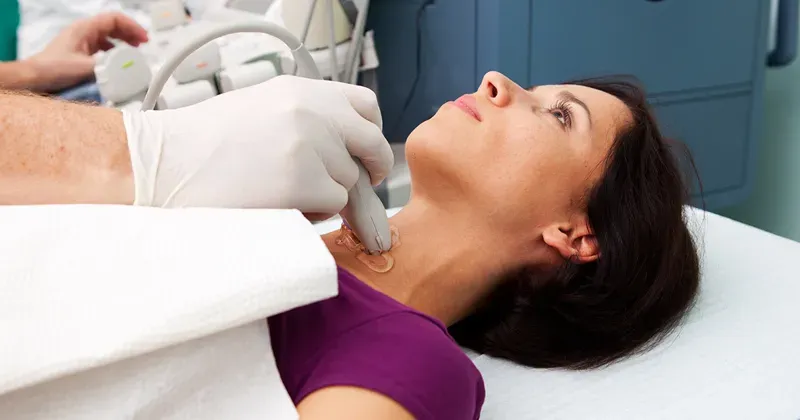
فحص الغدة الدرقية في دبي: دليل TSH وT3 وT4
تحاليل الدم في دبي: الأنواع والتكلفة ودليل الصيام
الفحص الصحي للمرأة في دبي: الفحوصات حسب العمر
علاج انقطاع الطمث في دبي: الأعراض وخيارات العلاج بالهرمونات البديلة
المزيد في General Health
Epilepsy Treatment Dubai: Symptoms & Care (2026)
اقرأ المزيد
Food Allergy vs Food Intolerance Dubai (2026)
اقرأ المزيد
Pneumonia vs Flu Dubai: Key Differences (2026)
اقرأ المزيد
Swollen Lymph Nodes Dubai: When to Worry (2026)
اقرأ المزيدFlu vs Cold Dubai: How to Tell the Difference (2026)
اقرأ المزيد
Sleep Study Cost Dubai: Tests & Pricing (2026)
اقرأ المزيد© 2026 Doctors Clinic Diagnostic Center (DCDC), Dubai Healthcare City. Originally published at https://doctorsclinicdubai.ae/blog/hormone-test-dubai-guide. All rights reserved. Unauthorized reproduction is prohibited.