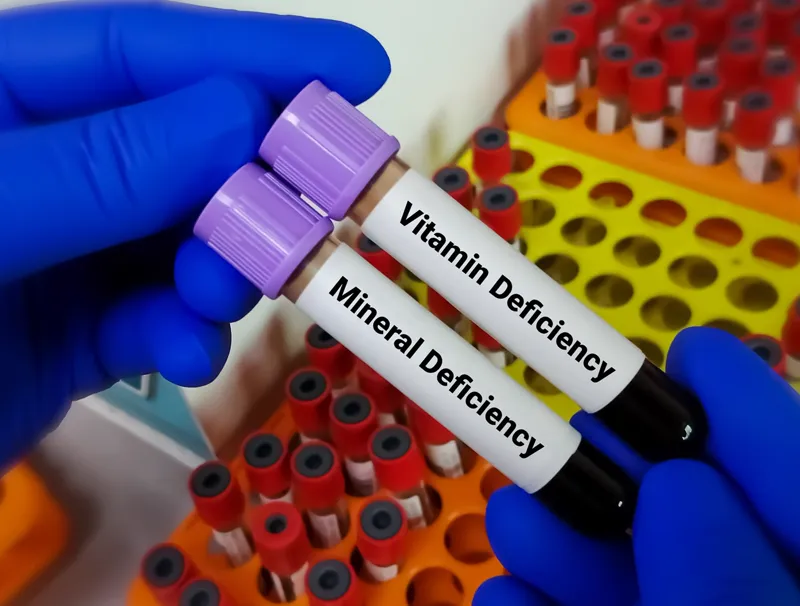
Key Takeaways
- Low magnesium symptoms include muscle cramps, fatigue, sleep disturbances, anxiety, irregular heartbeat, and tingling in the hands and feet
- Dubai's extreme summer heat accelerates magnesium loss through excessive sweating, making residents more susceptible during hot months
- A simple blood test is the only reliable way to confirm hypomagnesemia, since early symptoms often overlap with dehydration, stress, or vitamin D deficiency
- Magnesium testing at DCDC starts from AED 50-150 as part of a mineral panel, compared to AED 100-300 at many other Dubai clinics
- People on diuretics, those with digestive conditions, heavy coffee or alcohol drinkers, and older adults face a higher risk of deficiency
- Mild deficiency often responds to dietary changes and oral supplements, while severe or symptomatic cases may require medical supervision
- Untreated low magnesium can affect heart rhythm, bone density, and blood sugar control over time
If you have been dealing with unexplained muscle cramps, twitching eyelids, restless sleep, or a racing heartbeat, low magnesium could be the reason. Magnesium is involved in more than 300 enzymatic reactions in the body, and even a mild shortfall can leave you feeling drained and unwell. In Dubai, where soaring summer temperatures push residents to sweat out minerals faster than usual, magnesium deficiency is more common than many people realize. This guide walks through the warning signs, who is most at risk, and how magnesium and mineral testing at DCDC can confirm what is really going on.
Because low magnesium symptoms are often vague and easy to blame on stress or dehydration, the condition frequently goes undiagnosed for months. Below we cover the science, the Dubai-specific risk factors, testing options, treatment paths, and practical prevention steps grounded in current medical guidance.
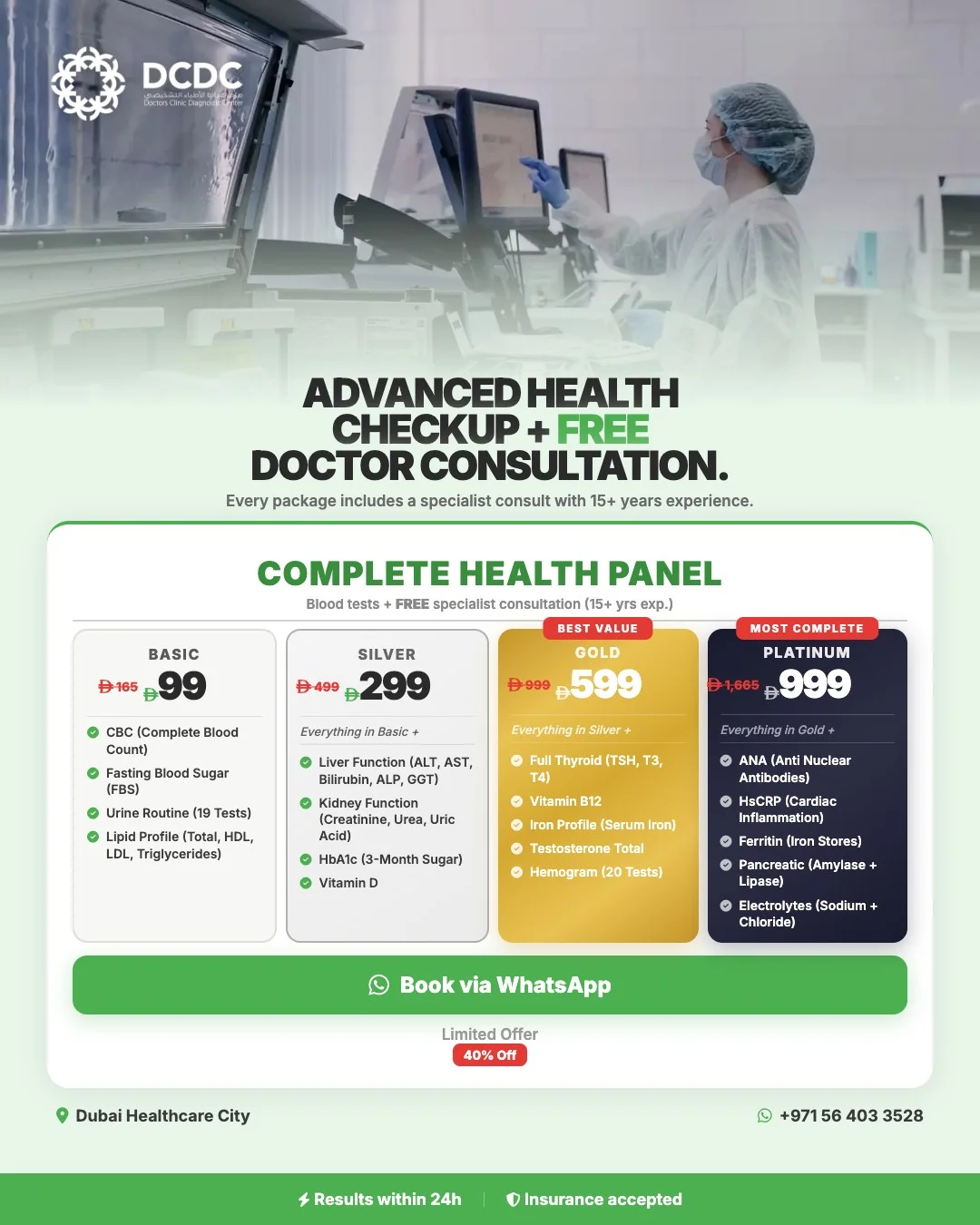
Health Screening Packages
Save with our bundled screening packages — specialist consultation included




What Is Magnesium and Why Your Body Needs It
Magnesium is an essential mineral that your body cannot produce on its own, meaning it has to come from food or supplements. It is the fourth most abundant mineral in the body, with roughly 60% stored in bone, about 39% inside cells and soft tissue, and less than 1% circulating in the blood. That last small fraction is what a standard magnesium blood test measures, which is one reason mild whole-body deficiency can sometimes be missed on a basic panel.
Magnesium supports muscle and nerve function, keeps your heartbeat steady, helps regulate blood sugar and blood pressure, and is needed to build protein, bone, and DNA. It also works closely with calcium and potassium, so a shortage in magnesium can throw off the balance of these other minerals as well.
Normal Magnesium Levels
| Category | Serum Magnesium Level (mg/dL) | Classification |
|---|---|---|
| Normal | 1.7 - 2.2 mg/dL | Adequate |
| Mild deficiency | 1.4 - 1.69 mg/dL | Hypomagnesemia (mild) |
| Moderate deficiency | 1.0 - 1.39 mg/dL | Hypomagnesemia (moderate) |
| Severe deficiency | Below 1.0 mg/dL | Hypomagnesemia (severe) |
Reference ranges vary slightly between laboratories; always review results with your doctor.
Common Signs of Low Magnesium (Hypomagnesemia)
Early-stage low magnesium symptoms tend to be mild and easy to dismiss, which is why many people live with the condition without realizing it. As levels drop further, symptoms become more noticeable and can affect multiple body systems at once.
Early and Mild Symptoms
- Muscle cramps and spasms: Particularly in the legs and feet, often worse at night
- Fatigue and low energy: A persistent tired feeling that does not improve with rest
- Loss of appetite and mild nausea: Often one of the first signs to appear
- Eyelid twitching or facial muscle tics: Small involuntary muscle movements
- Tingling or numbness: Pins-and-needles sensation in the hands and feet
- Sleep difficulties: Trouble falling asleep or staying asleep through the night
More Serious Symptoms
- Irregular heartbeat (arrhythmia): Palpitations or a fluttering sensation in the chest
- Muscle weakness: Difficulty with everyday tasks that require sustained muscle effort
- Anxiety, irritability, or low mood: Magnesium plays a role in regulating stress hormones
- Personality changes or confusion: More common in severe or long-standing deficiency
- Seizures: A rare but serious complication of severe hypomagnesemia
- Abnormal calcium and potassium levels: Because magnesium helps regulate both minerals
Because these symptoms overlap so closely with other common conditions, many patients first suspect chronic fatigue or general burnout before magnesium deficiency is ever considered. If cramps, twitching, or persistent tiredness sound familiar, it is worth discussing testing with your doctor rather than assuming it will pass on its own.
Who Is at Risk for Magnesium Deficiency in Dubai?
Certain groups face a meaningfully higher risk of low magnesium, and several of these risk factors are especially relevant to life in the UAE.
- People with digestive disorders: Crohn's disease, celiac disease, and chronic diarrhea reduce magnesium absorption
- Type 2 diabetics: High blood sugar increases magnesium loss through urine
- Older adults: Absorption naturally declines with age, and kidney function changes increase excretion
- People on certain medications: Diuretics, proton pump inhibitors, and some antibiotics deplete magnesium over time
- Heavy alcohol or coffee consumers: Both increase magnesium loss through the kidneys
- Athletes and manual laborers in Dubai's heat: Sustained sweating during outdoor work or exercise accelerates mineral loss
- Pregnant and breastfeeding women: Magnesium requirements increase significantly during this period
- Anyone recently observing extended fasting: Reduced fluid and food intake over long hours can lower mineral stores
Magnesium and Dubai's Summer Climate: The Connection
August brings some of the harshest conditions of the year, with daytime temperatures regularly exceeding 40°C and high humidity that keeps the body in a near-constant state of sweating. Sweat is not just water — it carries dissolved electrolytes and minerals, including sodium, potassium, and magnesium, out of the body. The more you sweat, the more magnesium you lose, and most people do not replace it simply by drinking water.
This creates a compounding effect for local residents. Time spent outdoors, commuting between air-conditioned buildings and the heat outside, and exercising in warm conditions all add up to greater mineral turnover than in cooler climates. Air conditioning itself can also contribute to low-grade dehydration by drying out the air indoors, further tipping the balance.
For residents who recently completed an extended period of daytime fasting, magnesium stores may already be running lower than usual heading into the hottest months, since reduced food and fluid intake during fasting hours limits the body's ability to replenish minerals. Combined with summer heat, this can leave people particularly vulnerable to the symptoms described earlier in this guide. If cramping or fatigue has felt worse this summer than in previous years, magnesium status is a reasonable place to start looking.
How Low Magnesium Affects Your Heart, Muscles, and Bones
Magnesium's role extends well beyond preventing muscle cramps. Chronically low levels have measurable effects on three major systems.
Cardiovascular System
Magnesium helps regulate the electrical signals that control your heartbeat. Low levels can lead to palpitations and, in more severe cases, dangerous arrhythmias. Magnesium deficiency has also been linked to higher blood pressure over time, which is why doctors sometimes check magnesium alongside an electrolyte panel when evaluating cardiovascular symptoms.
Muscular and Nervous System
Magnesium acts as a natural muscle relaxant by balancing calcium's role in muscle contraction. When magnesium is low, muscles contract more easily and relax less efficiently, which is why cramps, twitching, and restless legs are such classic symptoms. Nerve signaling can also become erratic, contributing to the tingling and numbness some patients describe. This overlaps closely with the pattern our patients describe when researching leg cramps causes and treatment.
Bone Health
Roughly 60% of the body's magnesium is stored in bone tissue, where it works alongside calcium and vitamin D to maintain bone density. Long-term deficiency has been associated with reduced bone mineral density and a higher fracture risk, particularly in older adults.
When to See a Doctor About Magnesium Levels
Not every muscle twitch or restless night warrants a blood test, but certain patterns are worth flagging to a doctor sooner rather than later.
- Muscle cramps or spasms that occur several times a week, especially at night
- Persistent fatigue that does not improve with adequate sleep and rest
- Heart palpitations or a noticeably irregular heartbeat
- Ongoing insomnia or difficulty staying asleep without an obvious cause
- Numbness or tingling in the hands, feet, or face
- New or worsening anxiety alongside physical symptoms
- You take diuretics, proton pump inhibitors, or have a digestive condition affecting absorption
- You have diabetes, kidney disease, or another condition known to affect mineral balance
According to Dr. Hadeel Elnur, "Many patients with chronic fatigue, muscle cramps, or sleep difficulties don't realize that low magnesium could be the underlying cause. A simple blood test can confirm whether supplementation is needed." As a general practitioner, Dr. Elnur is often the first point of contact for patients presenting with these vague, overlapping symptoms and can coordinate further testing or specialist referral when needed.
Magnesium Blood Test: What to Know Before Testing
A magnesium blood test is a straightforward test that measures the amount of magnesium circulating in your serum. It is usually ordered alongside other minerals such as calcium, potassium, and sodium as part of a broader electrolyte test or mineral panel, since these levels are closely interrelated.
Do You Need to Fast?
Fasting is generally not required for a standalone magnesium test, but if it is being combined with a glucose or lipid panel as part of a broader check-up, your doctor may ask you to fast for 8-12 hours beforehand. Always confirm preparation instructions when you book.
Understanding the Limits of a Serum Test
Because less than 1% of the body's magnesium circulates in the blood, a serum test can sometimes appear normal even when tissue stores are genuinely low. Your doctor will interpret results alongside your symptoms, medical history, and, in select cases, may recommend additional testing such as a 24-hour urine magnesium test if the clinical picture does not match the blood result. This is one reason it is important to review results with a physician rather than a lab printout alone — a topic we cover in more depth in our guide to understanding blood test results.
Magnesium Test Cost in Dubai: Pricing Comparison
Magnesium testing pricing in Dubai varies depending on whether it is ordered as a standalone test or bundled into a broader mineral or metabolic panel. At DCDC, magnesium testing starts from AED 50-150 as part of a mineral panel — compared to AED 100-300 at other clinics in the city for a similarly bundled test.
| Test Type | DCDC Price Range (AED) | Typical Dubai Market Range (AED) |
|---|---|---|
| Standalone magnesium test | from AED 50-100 | AED 80-180 |
| Magnesium as part of mineral panel | from AED 50-150 | AED 100-300 |
| Comprehensive electrolyte + mineral panel | from AED 120-250 | AED 200-450 |
| Full vitamin & mineral panel (incl. magnesium, vitamin D, B12) | from AED 300-600 | AED 450-900 |
Final pricing depends on the specific panel ordered and insurance coverage. Many major insurers, including Daman, AXA, Bupa, MetLife, and Cigna, cover magnesium testing when medically indicated.
If cost is a factor, it is often more economical to test magnesium as part of a bundled panel rather than as a standalone item, particularly since your doctor will usually want to see calcium and potassium levels alongside it for accurate interpretation. Patients comparing overall lab pricing may also find our guide to vitamin D and B12 test cost useful, since these are commonly ordered together with magnesium.
Think Your Symptoms Could Be Low Magnesium?
Muscle cramps, fatigue, and disrupted sleep are easy to dismiss but worth checking properly. At DCDC Dubai Healthcare City, our on-site laboratory offers magnesium and mineral panel testing with same-day results for routine tests, direct billing with over 20 insurance partners, and a 4.8/5 patient rating from more than 1,000 verified reviews. WhatsApp us now to book your magnesium test or learn more about our vitamin and mineral testing services.
WhatsApp Us to Book
What to Expect During Magnesium Testing at DCDC
Many patients delay testing simply because they are unsure what the process involves. Here is what a visit for magnesium testing at DCDC in Dubai Healthcare City typically looks like.
- Arrival and check-in: You'll arrive at Building 64, Block A, Al Razi Medical Complex, DHCC, with free dedicated parking available on-site. Average wait time is around 15 minutes.
- Initial consultation: A brief consultation with Dr. Hadeel Elnur or another physician to review your symptoms, medical history, and current medications
- Sample collection: A quick, routine blood draw performed on-site by our trained phlebotomy team
- Same-day results: Routine magnesium and mineral panel results are typically available the same day
- Follow-up consultation: Your doctor reviews the results with you, explains what they mean, and discusses whether supplementation, dietary changes, or further testing is needed
- Insurance and billing: DCDC works with over 20 insurance partners including Daman, AXA, Bupa, MetLife, and Cigna, with direct billing available to minimize out-of-pocket costs
DCDC is a MOHAP-licensed facility, and the clinic maintains a 98% patient satisfaction rate alongside its 4.8/5 Google rating from over 1,000 verified reviews. The clinic is open Saturday to Thursday from 8AM to 10PM and Friday from 9AM to 9PM, making it straightforward to fit testing around a busy work schedule.
Treatment Options: Supplements vs Dietary Changes
Treatment for low magnesium depends heavily on the severity of the deficiency and the underlying cause. Mild deficiency often responds well to dietary and lifestyle changes, while moderate to severe deficiency usually requires supplementation under medical supervision.
Oral Magnesium Supplements
Several forms of magnesium supplements are available, and absorption varies significantly between them. Magnesium glycinate and citrate are generally well absorbed and tend to cause fewer digestive side effects than magnesium oxide, which is cheaper but less bioavailable and more likely to cause loose stools at higher doses. Your doctor can recommend the most appropriate form and dosage based on your test results and any other medications you take, since magnesium supplements can interact with certain antibiotics and other drugs.
When Medical Supervision Is Needed
Severe hypomagnesemia, or deficiency accompanied by heart rhythm changes, may require closer monitoring or, in some cases, intravenous magnesium administered under medical care. This is why self-diagnosing and self-treating with over-the-counter supplements is not recommended for anyone with significant symptoms — a confirmed blood test result should guide the treatment plan.
Best Food Sources of Magnesium
For most people, increasing dietary magnesium intake is the safest first step, whether used alone for mild cases or alongside supplementation for more significant deficiency.
| Food | Serving Size | Approximate Magnesium Content |
|---|---|---|
| Pumpkin seeds | 30g (1 oz) | 150 mg |
| Almonds | 30g (1 oz) | 80 mg |
| Spinach, cooked | 1/2 cup | 78 mg |
| Cashews | 30g (1 oz) | 74 mg |
| Black beans, cooked | 1/2 cup | 60 mg |
| Dark chocolate (70-85% cacao) | 30g (1 oz) | 65 mg |
| Avocado | 1 medium | 58 mg |
| Salmon | 100g (3.5 oz) | 27 mg |
| Banana | 1 medium | 32 mg |
The recommended daily allowance is approximately 310-320 mg for adult women and 400-420 mg for adult men.
How to Prevent Magnesium Deficiency in Dubai
Given Dubai's climate and lifestyle patterns, a few targeted habits can meaningfully reduce your risk of low magnesium.
- Prioritize magnesium-rich foods regularly, especially nuts, seeds, leafy greens, and legumes
- Rehydrate with electrolyte-inclusive fluids, not just plain water, after heavy sweating or outdoor time in summer heat
- Limit excessive alcohol and caffeine intake, both of which increase magnesium excretion
- Review medications with your doctor if you take diuretics or long-term acid-reducing medications
- Consider a mineral panel as part of your annual health checkup, particularly heading into or during peak summer months
- Address related concerns early: unexplained fatigue, cramping, or sleep problems are worth investigating rather than ignoring, and often overlap with issues covered in our guides on insomnia causes and treatment and dehydration symptoms
Get Your Magnesium and Mineral Levels Checked Today
Whether you're dealing with cramps, fatigue, poor sleep, or simply want a baseline check ahead of summer, DCDC's laboratory team can help. Same-day results for routine tests, MOHAP-licensed care, and direct billing with 20+ insurers make testing simple.
WhatsApp Us
Frequently Asked Questions
Related Services at DCDC
Expert care and advanced diagnostics at Dubai Healthcare City
Vitamin Testing
Comprehensive vitamin and mineral level testing including magnesium, calcium, and more
Book AppointmentBlood Tests
Full blood panel to assess overall health and nutritional status
Book AppointmentGeneral Consultation
Medical consultation for mineral deficiency symptoms and treatment planning
Book AppointmentFrequently Asked Questions
Final Thoughts
Low magnesium symptoms are easy to overlook because they mimic so many other common complaints, from stress to dehydration to plain tiredness. In Dubai's climate, where summer heat and sweating place extra demand on your body's mineral reserves, it is worth taking persistent cramps, fatigue, or sleep problems seriously rather than assuming they'll resolve on their own.
A simple blood test can clarify whether magnesium deficiency is contributing to your symptoms, and treatment — whether through diet, supplements, or a combination — is usually straightforward once identified.
For magnesium and mineral panel testing in Dubai, DCDC offers same-day results for routine tests, direct billing with 20+ insurance partners, and a MOHAP-licensed laboratory backed by a 4.8/5 patient rating. Book your vitamin and mineral testing today to get clear answers.
Sources & References
This article was reviewed by our medical team and references the following sources:
- Cleveland Clinic - Hypomagnesemia (Low Magnesium)
- Mayo Clinic - Magnesium (Supplement)
- NHS - Vitamins and Minerals: Others (Magnesium)
- World Health Organization - Micronutrients
- National Institutes of Health Office of Dietary Supplements - Magnesium Fact Sheet
- PubMed - Hypomagnesemia (StatPearls)
Medical content on this site is reviewed by DHA-licensed physicians. See our editorial policy for more information.

Written by
Dr. Hadeel Elnur
General Practitioner
MD, General Practice
Dr. Hadeel Elnur is a General Practitioner at Doctors Clinic Diagnostic Center (DCDC) in Dubai Healthcare City.
Related Articles

Vitamin D Deficiency Dubai

Chronic Fatigue Causes Dubai
Electrolyte Test Dubai
Blood Test Results Explained

Vitamin D & B12 Test Cost Dubai

Leg Cramps Causes & Treatment

Insomnia Causes Treatment Dubai

Dehydration Symptoms Dubai
More in General Health

Flu vs Cold Dubai: How to Tell the Difference (2026)
Read More
Sleep Study Cost Dubai: Tests & Pricing (2026)
Read More
Calcium Deficiency Signs Dubai: Guide (2026)
Read More
Brain Fog Causes Dubai: When to Worry (2026)
Read More
Blood Pressure by Age Dubai: Normal Ranges (2026)
Read MoreSummer Health Risks in Dubai: Expert Guide (2026)
Read More© 2026 Doctors Clinic Diagnostic Center (DCDC), Dubai Healthcare City. Originally published at https://doctorsclinicdubai.ae/blog/low-magnesium-symptoms-dubai. All rights reserved. Unauthorized reproduction is prohibited.