Key Takeaways
- Dubai's summer heat (40-48 degrees Celsius with humidity above 80%) drives a measurable annual rise in heat exhaustion, heat stroke, severe dehydration, and gastrointestinal infections seen in clinics across the city from May through September
- Heat exhaustion and heat stroke are not the same emergency — heat stroke involves a body temperature above 40 degrees Celsius, confusion, and hot skin that may have stopped sweating, and it requires immediate emergency medical treatment, not just rest and fluids
- Adults in Dubai need approximately 3-4 litres of water daily at rest, rising to 4-6 litres for anyone working outdoors or exercising in the heat — thirst alone is an unreliable indicator, as it typically appears after mild dehydration has already begun
- AC sickness, food poisoning, and vitamin D deficiency are three underrated summer risks — extreme indoor-outdoor temperature swings, faster bacterial growth in heat, and paradoxical sun-avoidance behaviour each cause a distinct pattern of illness that is frequently misdiagnosed as "just a summer bug"
- Children and elderly residents face disproportionately higher risk from heat and dehydration because of less efficient thermoregulation, so families should watch for subtle warning signs rather than waiting for obvious distress
- Vitamin D deficiency affects an estimated 70-90% of Dubai residents despite year-round sunshine, largely due to sun avoidance, indoor lifestyles, and sunscreen use — a simple blood test can confirm levels and guide supplementation
- Most summer illnesses are preventable with hydration, food safety, and heat-avoidance habits, but persistent, severe, or rapidly worsening symptoms need same-day medical evaluation — DCDC Dubai Healthcare City offers walk-in and same-day GP consultations from AED 200-350 with extended hours until 10 PM, including weekends
- DCDC's on-site laboratory delivers same-day results for routine electrolyte and blood tests (from AED 199), and the clinic holds a 4.8/5 Google rating from 1,000+ verified reviews with direct billing through 20+ insurance partners
Dubai's summer, stretching roughly from May through September, brings sustained daytime temperatures of 40-48 degrees Celsius, humidity levels frequently above 80%, and heat index readings that can feel like 55 degrees Celsius or higher. For residents and visitors alike, this is far more than a seasonal inconvenience — it is a genuine health hazard linked to a measurable spike in emergency visits, GP consultations, and hospital admissions every year. From heat stroke and severe dehydration to AC-triggered respiratory illness, food poisoning, skin damage, and vitamin D deficiency despite constant sunshine, Dubai's summer creates a unique cluster of health risks that many residents underestimate until they are already unwell. This guide brings together what you need to know to stay healthy through the hottest months, drawing on international medical guidance and the clinical experience of our team at DCDC's general consultation service in Dubai Healthcare City, where our doctors see these conditions daily throughout the summer.
This comprehensive guide covers the most significant summer health risks in Dubai, how to recognise them early, evidence-based prevention strategies, and when self-care is not enough and you need to see a doctor. Reviewed by Dr. Hadeel Elnur, General Practitioner at DCDC Dubai Healthcare City. For deeper detail on any individual topic, we link throughout to our dedicated guides covering each specific condition.
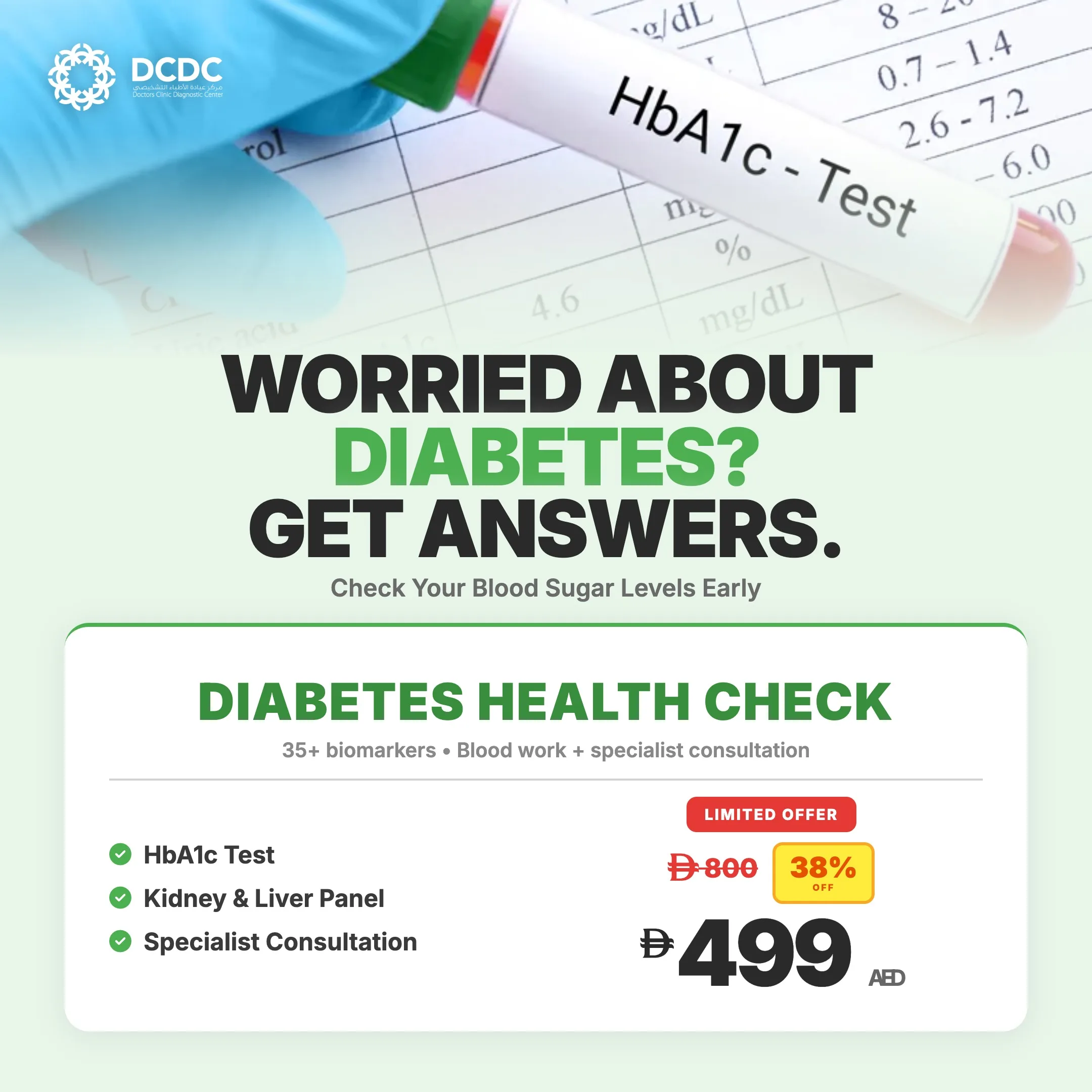
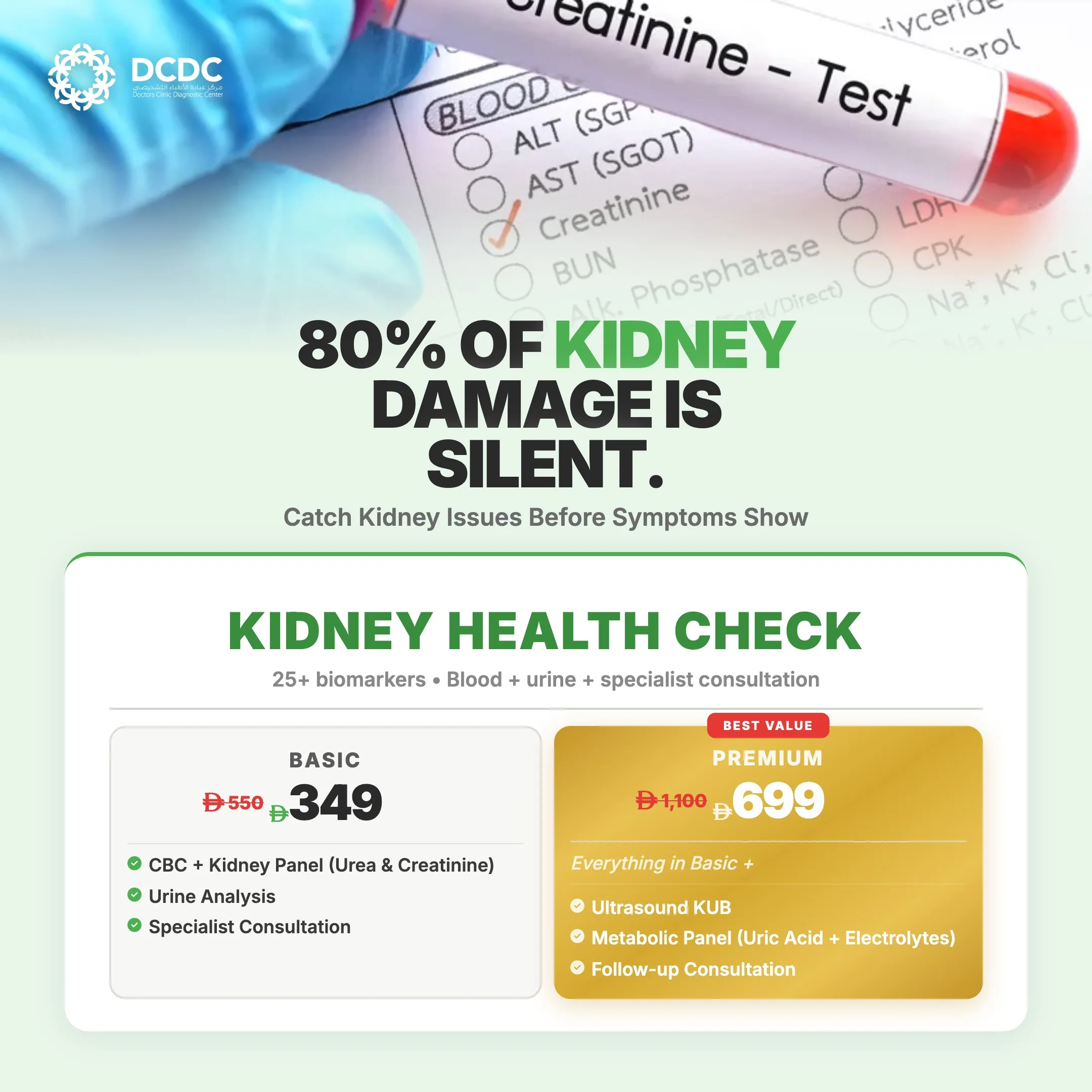
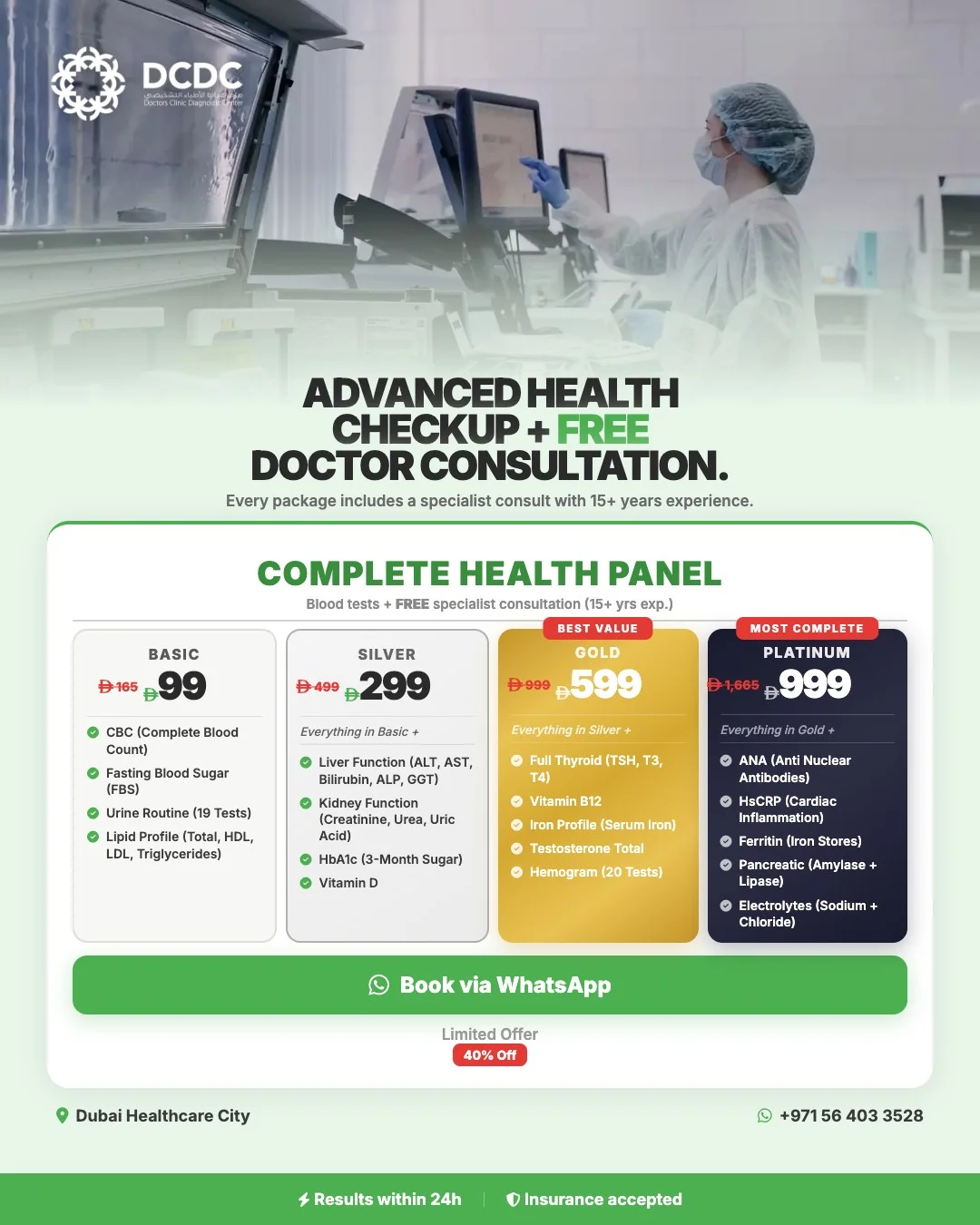
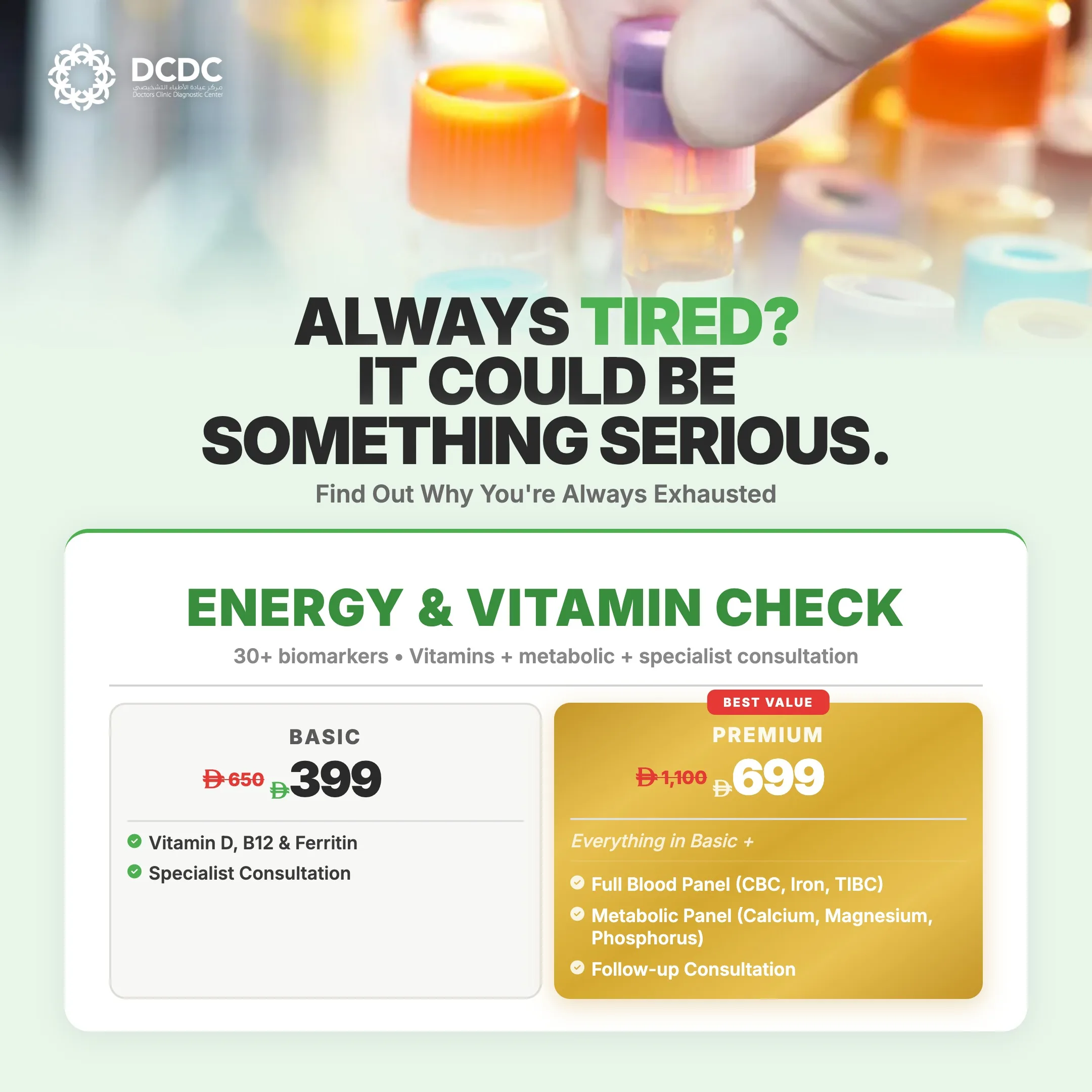
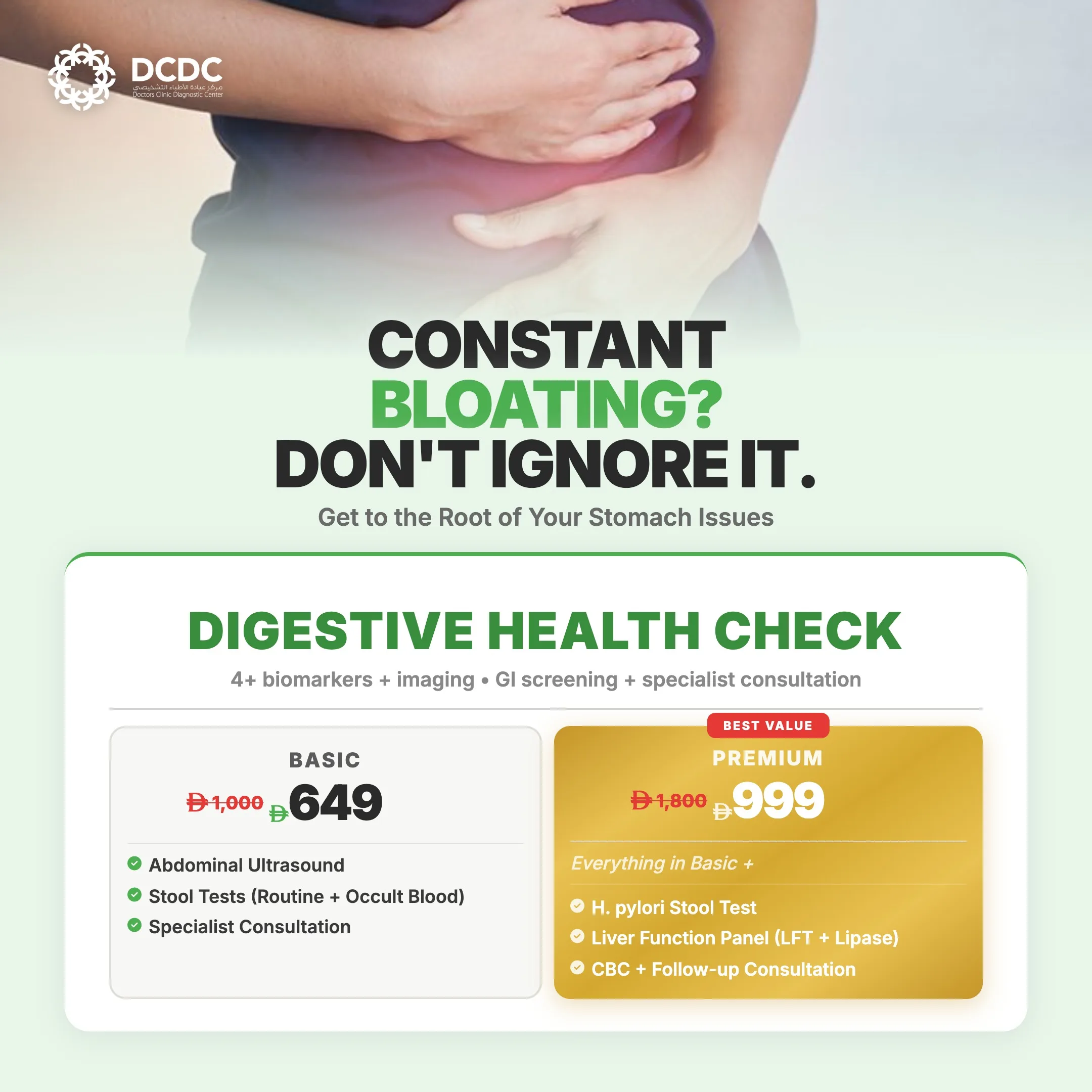
Health Screening Packages
Save with our bundled screening packages — specialist consultation included

Why Dubai Summers Demand Extra Health Precautions
Dubai's climate is among the most physiologically demanding in the world during summer. From June to September, daytime temperatures routinely reach 42-48 degrees Celsius, and combined with humidity levels of 70-90%, the "feels like" temperature (heat index) can exceed 55 degrees Celsius. At this level, the human body's normal cooling mechanism — sweat evaporation — becomes far less effective because the surrounding air is already saturated with moisture. Sweat simply sits on the skin rather than evaporating and carrying heat away, which means the body retains heat even while sweating heavily.
This is compounded by lifestyle patterns unique to Dubai: extended periods outdoors for commuting, deliveries, construction, and sport are still common even in extreme heat, while indoor spaces are cooled aggressively, often to 18-20 degrees Celsius, creating temperature swings of 25-30 degrees Celsius multiple times a day. Research examining the impact of increased heat on adults in the United Arab Emirates has documented wide-ranging effects on physical, social, and mental health domains during peak summer months, underscoring that heat exposure in the Gulf is a genuine public health issue rather than a minor seasonal discomfort.
Understanding the specific risks — and how they differ from a typical summer elsewhere — is the first step toward staying well. The sections below walk through each major risk category, starting with the most urgent: heat-related illness.
Heat Exhaustion vs Heat Stroke: Know the Difference
Heat exhaustion and heat stroke exist on the same spectrum of heat-related illness, but they are clinically very different in urgency. Heat exhaustion is the body's response to excessive fluid and salt loss through sweating — it is uncomfortable and can progress if ignored, but it is generally manageable with rest, fluids, and cooling. Heat stroke, by contrast, occurs when the body's temperature-regulation system fails entirely: core temperature rises rapidly, sweating may stop, and organ damage can begin within minutes. Heat stroke is a medical emergency with a real risk of death or permanent disability if not treated immediately.
| Sign or Symptom | Heat Exhaustion | Heat Stroke (Medical Emergency) |
|---|---|---|
| Body temperature | Normal or mildly elevated (up to 39 degrees Celsius) | Above 40 degrees Celsius |
| Skin | Cool, pale, clammy, heavy sweating | Hot, red, dry or damp; sweating may have stopped |
| Mental state | Tired, weak, mildly dizzy but alert and oriented | Confusion, slurred speech, agitation, or loss of consciousness |
| Pulse | Fast but weak | Rapid and strong, then potentially erratic |
| Breathing | Fast, shallow | Fast and laboured, may become irregular |
| Other symptoms | Headache, nausea, muscle cramps, fainting | Seizures, vomiting, throbbing headache, loss of coordination |
| Onset | Gradual, over hours of heat exposure | Can develop rapidly, sometimes within 10-15 minutes |
| Immediate action | Move to shade or AC, remove excess clothing, sip water, cool with wet cloths | Call 999/998 immediately, cool aggressively while waiting, do not give fluids if unconscious |
If you are unsure which condition you are seeing, treat it as heat stroke and seek emergency help — the risk of waiting outweighs the risk of an unnecessary hospital visit.
The single most important distinguishing feature is mental status. A person with heat exhaustion is tired and unwell but remains alert and able to answer questions normally. A person tipping into heat stroke becomes confused, disoriented, or unusually agitated — this is a red flag that demands immediate emergency care, not home management. Our dedicated guide on heat stroke prevention in Dubai covers first-aid steps, risk factors, and recovery in full detail.
Dehydration in Dubai: Signs Most People Miss
Dehydration is arguably the most under-recognised summer health risk in Dubai because its early signs are subtle and easy to dismiss as ordinary tiredness. Fluid loss through sweat can reach 1-2 litres per hour during intense outdoor activity in Dubai's heat, and losses of just 2% of body weight in fluid are enough to measurably impair concentration, mood, and physical performance. By the time thirst becomes noticeable, the body is often already mildly to moderately dehydrated.
Early signs that are frequently missed include a mild headache that feels like tension rather than dehydration, dark yellow urine, dry lips and mouth, subtle fatigue or brain fog in the early afternoon, and slightly reduced urine output. More advanced dehydration produces dizziness on standing, a noticeably fast heart rate, muscle cramps (especially in the legs and abdomen), and confusion in severe cases. Chronic low-grade dehydration, common among people who work in air-conditioned offices and forget to drink because they do not feel hot, can also contribute to recurrent headaches and kidney stone formation over time — a link well documented in Dubai's urology and general medicine clinics during summer.
For a full breakdown of dehydration stages, rehydration strategies, and when intravenous fluids may be needed, see our detailed guide to dehydration symptoms and treatment in Dubai.
AC Sickness: Why Indoor Cold Makes You Ill
Somewhat counterintuitively, one of Dubai's biggest summer health complaints is not caused directly by heat but by the aggressive air conditioning used to escape it. Repeatedly moving between 45-degree outdoor heat and offices or homes cooled to 18-20 degrees Celsius creates a thermal shock to the upper airways, while indoor humidity often drops below 20-25%, far under the World Health Organization's recommended 30-60% range for respiratory comfort. The result is a cluster of symptoms — recurrent sore throat, nasal congestion, dry cough, headaches, and fatigue — that many people describe as a summer cold that never fully clears.
This pattern, widely known in Dubai as AC sickness, is distinct from a viral cold because it tends to persist as long as the environmental trigger continues and improves when AC exposure decreases (for example, on weekends or holidays). Setting indoor temperatures to a more moderate 23-24 degrees Celsius and using a humidifier are the two most effective preventive steps. Our full guide on AC sickness and summer colds in Dubai explains how to tell it apart from a genuine viral infection and when antibiotics are (and are not) appropriate.
Summer Food Poisoning: Prevention and Warning Signs
Bacteria that cause food poisoning — including Salmonella, E. coli, and Staphylococcus aureus — multiply far more rapidly in Dubai's summer temperatures, particularly when food is left unrefrigerated even briefly during transport, delivery, or outdoor gatherings. The combination of extreme outdoor heat and the popularity of food delivery, buffets, and outdoor iftar or barbecue events during summer months makes food poisoning noticeably more common between May and September.
Warning signs typically appear within 30 minutes to several hours (occasionally days) of eating contaminated food, and include nausea, vomiting, watery or bloody diarrhoea, abdominal cramping, and low-grade fever. Most cases resolve with rest and rehydration within 24-48 hours, but red-flag symptoms — blood in stool, high fever above 39 degrees Celsius, signs of severe dehydration, or symptoms lasting beyond three days — need prompt medical assessment. Prevention centres on the basics: refrigerate perishable food within one hour in summer heat (rather than the usual two), avoid food left out at events for more than 90 minutes, check delivery food arrives properly insulated, and be cautious with unpasteurised dairy and undercooked seafood or eggs. Our detailed guide to food poisoning treatment in Dubai covers rehydration protocols and when to seek care in full.
Sun Exposure and Skin Health in Dubai
Dubai's UV index frequently reaches 10-11+ (classified as "extreme") during summer months, meaning unprotected skin can burn in as little as 10-15 minutes at midday. Beyond the immediate risk of sunburn, cumulative UV exposure over years contributes to premature skin ageing, pigmentation disorders (melasma is particularly common and can worsen dramatically in summer), and an elevated long-term risk of skin cancer. Heat and sweat also aggravate several existing skin conditions, including heat rash (miliaria), fungal infections in skin folds, and eczema flare-ups triggered by sweat irritation combined with harsh AC-dried air.
Practical sun protection for Dubai's summer includes broad-spectrum SPF 30-50+ sunscreen reapplied every two hours outdoors, wide-brimmed hats and UV-protective sunglasses, seeking shade between 11 AM and 4 PM when UV intensity peaks, and wearing lightweight, breathable, light-coloured fabrics that both reflect heat and reduce sweat-related skin irritation. Heat rash and sweat-triggered hives are also common summer complaints — if you notice raised, itchy welts or persistent rash that does not settle with cooling and loose clothing, our guide on skin allergy and hives treatment in Dubai explains the difference between heat rash, hives, and allergic reactions, and when a doctor's assessment is needed.
Summer Health Risks for Children and Elderly Residents
Children and elderly residents face disproportionately higher risk from every summer health hazard described above. Children have a larger body surface area relative to their weight, which means they absorb heat faster and lose fluid proportionally more quickly than adults, yet they are often less able to recognise or communicate early symptoms such as thirst or dizziness. Elderly residents, meanwhile, frequently have a blunted thirst response, may be taking medications (such as diuretics or blood pressure medication) that increase dehydration risk, and often have reduced sweating capacity due to age-related changes in skin and circulation.
For children, warning signs of trouble include unusual irritability or lethargy, fewer wet nappies or reduced urination, a dry mouth or lack of tears when crying, and sunken eyes. For elderly family members, watch for confusion or unusual drowsiness, unsteadiness, a noticeable drop in appetite or fluid intake, and skin that feels unusually hot or, conversely, unusually dry despite the heat. Both groups should avoid outdoor activity during peak heat hours (typically 11 AM to 4 PM), have easy access to fluids throughout the day, and be checked on regularly by family members or caregivers during Dubai's hottest months. Parents should also read our dedicated guide on child dehydration signs in Dubai, which explains age-specific warning signs and when paediatric medical care is needed.
Electrolyte Imbalances: The Hidden Summer Danger
Heavy sweating in Dubai's heat does not just remove water from the body — it also removes essential electrolytes, particularly sodium, potassium, magnesium, and chloride. These minerals are critical for normal muscle function, nerve signalling, and heart rhythm. Replacing only water without electrolytes, especially after prolonged sweating, can in some cases worsen the imbalance rather than correct it, a condition known as hyponatraemia (low blood sodium), which can itself cause confusion, headache, nausea, and in severe cases, seizures.
Warning signs of electrolyte imbalance include persistent muscle cramps or twitching, unusual fatigue or weakness disproportionate to activity level, heart palpitations or an irregular heartbeat, and confusion or brain fog. People at particular risk include outdoor workers, athletes training in the heat, anyone with prolonged vomiting or diarrhoea, and those on certain blood pressure or diuretic medications. A simple blood test can confirm electrolyte status precisely — our guide to the electrolyte test in Dubai explains what sodium, potassium, and other mineral panels measure, typical costs, and how results are interpreted.
Vitamin D Paradox: Deficiency Despite Sunshine
One of Dubai's most surprising summer health issues is that vitamin D deficiency remains extremely common despite near-constant sunshine. Studies and clinical experience across the UAE suggest that an estimated 70-90% of residents have insufficient or deficient vitamin D levels. The explanation is almost entirely behavioural: extreme summer heat pushes people indoors for most daylight hours, sun exposure that does occur is typically brief and covered by sunscreen or clothing (both of which are appropriate for skin protection but reduce vitamin D synthesis), and modest dress norms further limit skin exposure to UVB rays, which are what the body needs to produce vitamin D naturally.
Low vitamin D is linked to fatigue, mood changes, muscle and bone pain, weakened immune defences (contributing to more frequent infections, including the recurrent colds associated with AC sickness), and long-term bone health risks. Because symptoms are often vague, deficiency frequently goes unnoticed until a routine blood test reveals it. A vitamin D level check is quick, affordable, and one of the highest-value tests to add to any summer health checkup. For a complete explanation of testing, optimal ranges, and supplementation protocols suited to Dubai's climate, see our guide on vitamin D deficiency in Dubai.
Summer Exercise Safety in Dubai's Heat
Exercising outdoors in Dubai's summer heat carries genuine risk if timing and hydration are not managed carefully. Even short periods of exertion in extreme heat and humidity can overwhelm the body's cooling capacity, particularly for anyone unaccustomed to the climate, recently arrived in the UAE, or exercising at an intensity their body is not conditioned for. The safest approach is to shift outdoor exercise to the early morning (before 7-8 AM) or after sunset, move higher-intensity training indoors to air-conditioned gyms during peak heat months, and treat any outdoor activity between 11 AM and 6 PM as high-risk regardless of fitness level.
Hydration needs rise significantly with exercise intensity and duration. As a general guide, the table below outlines recommended daily fluid intake by activity level for adults in Dubai's summer climate — actual needs vary by body size, acclimatisation, and individual sweat rate, and anyone with kidney, heart, or other chronic conditions should follow personalised fluid guidance from their doctor.
| Activity Level | Recommended Daily Water Intake | Practical Notes |
|---|---|---|
| Sedentary, mostly indoors (AC) | 2.5 - 3 litres | Set reminders — low thirst awareness is common in cooled offices |
| Normal daily activity with some outdoor time | 3 - 4 litres | Increase further on days with significant sun exposure |
| Moderate outdoor activity or gym exercise | 4 - 5 litres | Add electrolytes if exercising more than 45-60 minutes |
| Heavy outdoor labour or intense training | 5 - 6+ litres | Electrolyte replacement is essential, not optional |
| Children (6-12 years) | 1.5 - 2 litres | Offer fluids proactively — children often forget to drink |
| Pregnant or breastfeeding women | 3.5 - 4.5 litres | Discuss individual needs with your obstetrician or GP |
General guidance for healthy adults acclimatised to Dubai's climate; individual needs vary and medical conditions may require different targets.
Warning signs to stop exercising immediately include dizziness, nausea, a pounding headache, confusion, or a sudden absence of sweating despite continued exertion — the last is a particularly concerning sign that may indicate impending heat stroke. Our guide on heat stroke prevention in Dubai includes a full breakdown of exercise-specific precautions and recovery steps.
Doctor's Perspective: Preventing Summer Illness in Dubai
According to Dr. Hadeel Elnur, "Every summer we see a sharp increase in patients with dehydration, heat-related illness, and gastrointestinal infections. Most of these are preventable with proper hydration, food safety, and knowing when to seek medical attention."
Dr. Hadeel continues: "What stands out clinically is how often these conditions overlap in the same patient. Someone comes in for what they think is a stomach bug, and testing reveals they are also significantly dehydrated and electrolyte-depleted, which is slowing their recovery. Or a patient with what seems like a persistent summer cold turns out to have both AC-related irritation and a low vitamin D level contributing to their weakened resistance. A thorough assessment that looks at the whole picture, rather than treating one symptom in isolation, gets patients back to normal faster and helps prevent the same problem recurring later in the season." — Dr. Hadeel Elnur, MD, General Practice, DCDC Dubai Healthcare City
When to Visit DCDC for Summer Health Concerns
Most mild summer symptoms — a bit of extra fatigue, a slightly dry throat from the AC, mild thirst on a hot day — respond well to simple home measures: rest, hydration, shade, and time. However, several situations call for prompt medical evaluation rather than continued self-care. See a doctor the same day if you experience persistent vomiting or diarrhoea lasting more than 24 hours, a fever above 38.5 degrees Celsius that does not settle, signs of moderate-to-severe dehydration (very dark urine, dizziness on standing, rapid heartbeat), a skin rash or hives that is spreading or accompanied by swelling, or cold and respiratory symptoms that have lasted beyond 10-14 days despite adjusting your environment.
Certain symptoms require emergency care rather than a routine appointment: confusion or disorientation in the heat, a body temperature above 40 degrees Celsius, hot skin with reduced or absent sweating, difficulty breathing, chest pain, seizures, or loss of consciousness. If in doubt, err on the side of urgent evaluation — heat stroke and severe dehydration can progress quickly, and early treatment significantly improves outcomes.
For everything in between — the everyday summer complaints that are uncomfortable but not immediately dangerous, yet are not improving on their own — DCDC Dubai Healthcare City offers same-day walk-in and booked GP consultations with Dr. Hadeel Elnur, who acts as your first point of contact and coordinates any further specialist workup or imaging that may be needed under one roof. The clinic is open extended hours, Saturday to Thursday 8 AM to 10 PM and Friday 9 AM to 9 PM, which means you do not need to take time off work or wait until the following day to be seen for a bothersome summer illness. Average wait time from check-in to consultation is approximately 15 minutes, and DCDC's on-site laboratory delivers same-day results for routine tests such as electrolyte panels, complete blood count, and vitamin D — meaning you often leave with answers and a treatment plan in a single visit rather than being sent elsewhere for diagnostics.
GP consultation at DCDC starts from AED 200-350. Electrolyte panels and blood tests start from AED 199, and comprehensive health checkup packages — useful for identifying heat-related deficiencies such as low vitamin D or electrolyte depletion before they cause symptoms — start from AED 249. DCDC partners with 20+ insurance providers (including Daman, AXA, and Bupa) for direct billing, so most insured patients pay only their co-pay rather than the full consultation fee upfront.
Feeling Unwell This Summer? Get Checked at DCDC
Book a same-day general consultation at DCDC Dubai Healthcare City for heat-related illness, dehydration, food poisoning, or persistent summer symptoms. On-site laboratory with same-day results, MOHAP licensed, 4.8/5 Google rating from 1,000+ verified reviews, and direct billing with 20+ insurance partners. General consultation from AED 200.
Call +971 54 219 5008 or WhatsApp
Essential Summer Health Checklist for Dubai Residents
Preventing summer illness in Dubai is far easier than treating it after it develops. Use the checklist below as a practical reference for the essentials to keep in mind throughout the hottest months, whether you are a long-term resident, a new arrival, or hosting family visiting from a cooler climate.
| Category | Essential Actions | Why It Matters |
|---|---|---|
| Hydration | Drink water consistently through the day, not just when thirsty; add electrolytes after heavy sweating | Thirst lags behind actual fluid need, especially in air-conditioned environments |
| Sun protection | SPF 30-50+ reapplied every 2 hours, hats, shade between 11 AM-4 PM | Dubai's summer UV index frequently reaches extreme levels (10-11+) |
| Food safety | Refrigerate perishables within 1 hour, avoid food left out over 90 minutes at events | Bacteria multiply significantly faster in Dubai's ambient summer heat |
| Home and office AC | Set to 23-24 degrees Celsius, use a humidifier, service units regularly | Reduces AC sickness, mucosal irritation, and mould/allergen exposure |
| Vitamin D and nutrition | Test levels annually, supplement if deficient, eat a balanced diet | 70-90% of Dubai residents have low vitamin D despite year-round sun |
| Outdoor activity timing | Exercise before 8 AM or after sunset; avoid outdoor exertion 11 AM-6 PM | Reduces risk of heat exhaustion, heat stroke, and dehydration |
| Warning sign awareness | Know the difference between heat exhaustion and heat stroke; act fast on confusion, high fever, or fainting | Early recognition significantly improves outcomes in heat emergencies |
Print or save this checklist as a quick reference for your household or workplace throughout Dubai's summer season.
Building these habits into your routine — rather than reacting only once symptoms appear — is the single most effective strategy for staying well through Dubai's summer. If you are unsure about your hydration status, vitamin D level, or general health going into the hottest months, a preventive health checkup can identify issues before they become symptomatic.
Stay Ahead of Summer Health Risks
Book a comprehensive health checkup at DCDC Dubai Healthcare City to check hydration markers, electrolytes, and vitamin D before summer symptoms catch you off guard. Health checkup packages from AED 249, with same-day results from our on-site laboratory. Extended hours until 10 PM, including weekends.
Call +971 54 219 5008 or WhatsApp
Related Services at DCDC
Expert care and advanced diagnostics at Dubai Healthcare City
General Consultation
Comprehensive health assessment for summer-related illnesses and preventive care
Book AppointmentBlood Tests
Lab panels to check hydration, electrolytes, and vitamin levels
Book AppointmentHealth Checkup
Complete health screening packages to identify heat-related deficiencies
Book AppointmentFrequently Asked Questions
Staying Healthy Through Dubai's Summer
Dubai's summer heat, humidity, and lifestyle patterns combine to create a distinct set of health risks that go well beyond ordinary hot-weather discomfort — from heat exhaustion and heat stroke to AC sickness, food poisoning, electrolyte imbalances, and a surprising paradox of vitamin D deficiency despite constant sunshine. The encouraging news is that the vast majority of these conditions are preventable with consistent hydration, sensible food handling, moderate AC temperatures, sun protection, and awareness of who is most at risk, particularly children and elderly residents.
Knowing the warning signs — and, critically, knowing the difference between symptoms that respond to rest and fluids at home and those that need urgent medical attention — is what keeps a difficult summer day from becoming a genuine emergency. If you or a family member develops persistent, worsening, or concerning symptoms this summer, DCDC Dubai Healthcare City offers same-day GP consultations, on-site diagnostics with same-day results, and extended hours until 10 PM, seven days a week. Our MOHAP-licensed team, 4.8/5 Google rating from 1,000+ verified reviews, and direct billing with 20+ insurance partners mean help is close by whenever you need it. Walk in, call, or WhatsApp to book your consultation today.
Sources & References
This article was reviewed by our medical team and references the following sources:
- World Health Organization — Climate Change, Heat and Health
- NHS UK — Heat Exhaustion and Heatstroke
- Mayo Clinic — Heat Stroke: Symptoms and Causes
- Cleveland Clinic — Heatstroke: Symptoms, Treatment and Recovery
- Centers for Disease Control and Prevention (CDC) — Heat-Related Illnesses
- PubMed — The Impact of Increased Heat on the Physical, Mental, and Social Health Domains of Adults in the United Arab Emirates
- PubMed — Association Between High Temperature and Heatwaves With Heat-Related Illnesses: A Systematic Review and Meta-Analysis
Medical content on this site is reviewed by DHA-licensed physicians. See our editorial policy for more information.

Written by
Dr. Hadeel Elnur
General Practitioner
MD, General Practice
Dr. Hadeel Elnur is a General Practitioner at Doctors Clinic Diagnostic Center (DCDC) in Dubai Healthcare City.
Related Articles

Heat Stroke Dubai: Symptoms & Prevention (2026)
Dehydration Dubai: Symptoms & Treatment (2026)

AC Sickness Dubai: Summer Cold Symptoms (2026)
Food Poisoning Dubai: Symptoms & Treatment (2026)

Vitamin D Deficiency Dubai: Signs & Treatment (2026)

Child Dehydration Dubai: Signs & Prevention (2026)
Skin Allergy Treatment Dubai: Hives Guide (2026)
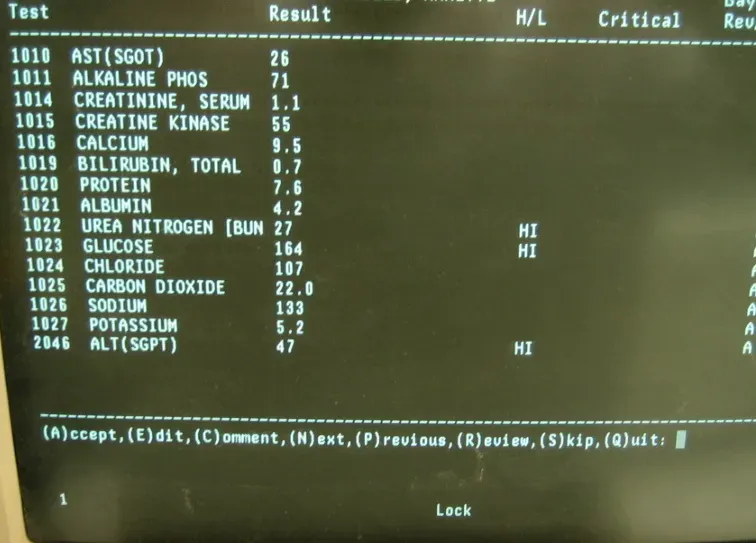
Electrolyte Test in Dubai: Sodium, Potassium & Mineral Panel Guide (2026)
More in General Health

Epilepsy Treatment Dubai: Symptoms & Care (2026)
Read More
Food Allergy vs Food Intolerance Dubai (2026)
Read More
Pneumonia vs Flu Dubai: Key Differences (2026)
Read MoreSwollen Lymph Nodes Dubai: When to Worry (2026)
Read MoreFlu vs Cold Dubai: How to Tell the Difference (2026)
Read More
Sleep Study Cost Dubai: Tests & Pricing (2026)
Read More© 2026 Doctors Clinic Diagnostic Center (DCDC), Dubai Healthcare City. Originally published at https://doctorsclinicdubai.ae/blog/summer-health-risks-dubai. All rights reserved. Unauthorized reproduction is prohibited.