Key Takeaways
- Hives (urticaria) are raised, itchy welts that appear suddenly on the skin and affect up to 20% of people at some point in their lives. Acute hives last less than 6 weeks and are usually triggered by food, medication, or infection. Chronic hives persist beyond 6 weeks and often have no identifiable cause.
- Dubai's environment creates unique skin allergy triggers: desert dust and sandstorms, mould from AC systems, high humidity causing sweat-related urticaria, swimming pool chlorine, construction dust, year-round UV exposure, and unfamiliar food allergens from the city's diverse cuisines.
- Most acute hives episodes resolve within 24-48 hours with second-generation antihistamines (cetirizine, loratadine, fexofenadine). Chronic urticaria may require higher-dose antihistamines, H2 blockers, short-course corticosteroids, or biologic therapy (omalizumab) for refractory cases.
- Seek immediate medical attention if hives are accompanied by throat or tongue swelling, difficulty breathing, dizziness, or rapid heartbeat — these may indicate anaphylaxis, which is a medical emergency requiring epinephrine.
- At DCDC Dubai Healthcare City, a GP consultation for skin allergy evaluation starts from AED 250, with on-site IgE allergy blood panels from AED 350. The clinic offers direct billing with 20+ insurance providers and extended hours (Sat-Thu 8AM-10PM, Fri 9AM-9PM).
- Angioedema — deep swelling beneath the skin, commonly affecting the lips, eyelids, hands, or feet — can occur alongside hives and requires prompt medical evaluation to rule out hereditary or ACE-inhibitor-related causes.
If you have woken up with itchy, raised welts spreading across your skin, or noticed red patches erupting after a meal, a change in detergent, or seemingly for no reason at all, you are not alone. Hives (medically known as urticaria) are one of the most common skin conditions seen in Dubai clinics, and the city's unique mix of desert dust, high humidity, intense air conditioning, and multicultural dietary exposures makes skin allergies particularly prevalent here. This guide covers everything you need to know about skin allergy and hives treatment in Dubai — from identifying triggers and understanding the difference between acute and chronic urticaria, to when you should see a doctor, what treatments are available, and what a general consultation at DCDC involves for skin allergy evaluation.
According to Dr. Hadeel Elnur, General Practitioner at DCDC, many patients in Dubai present with skin allergies triggered by the desert climate, air conditioning, and unfamiliar environmental allergens. "Expatriates who never had skin problems in their home country are often surprised when they develop hives or allergic rashes after moving to the UAE," she explains. "The good news is that with proper evaluation and treatment, most skin allergies can be effectively managed."
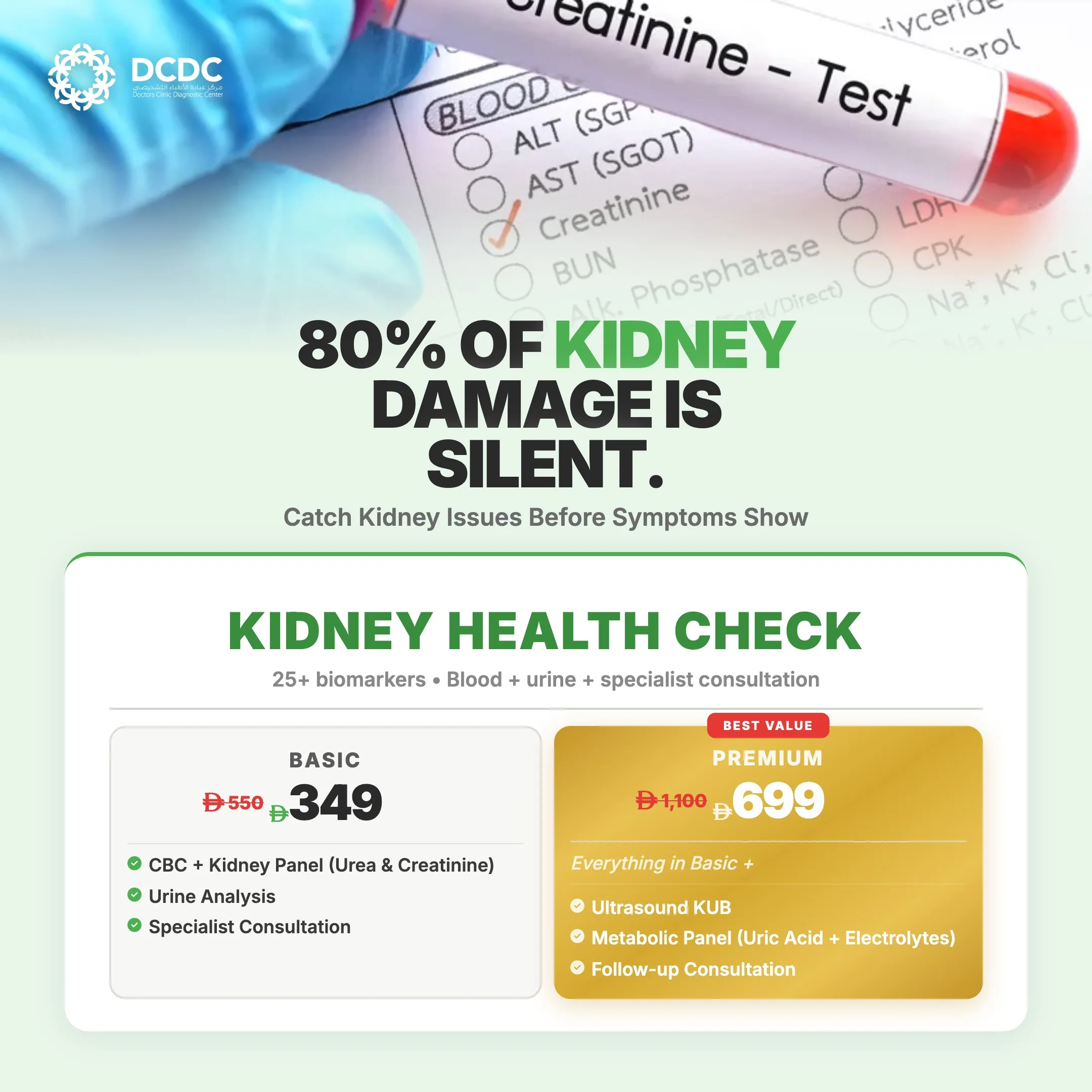
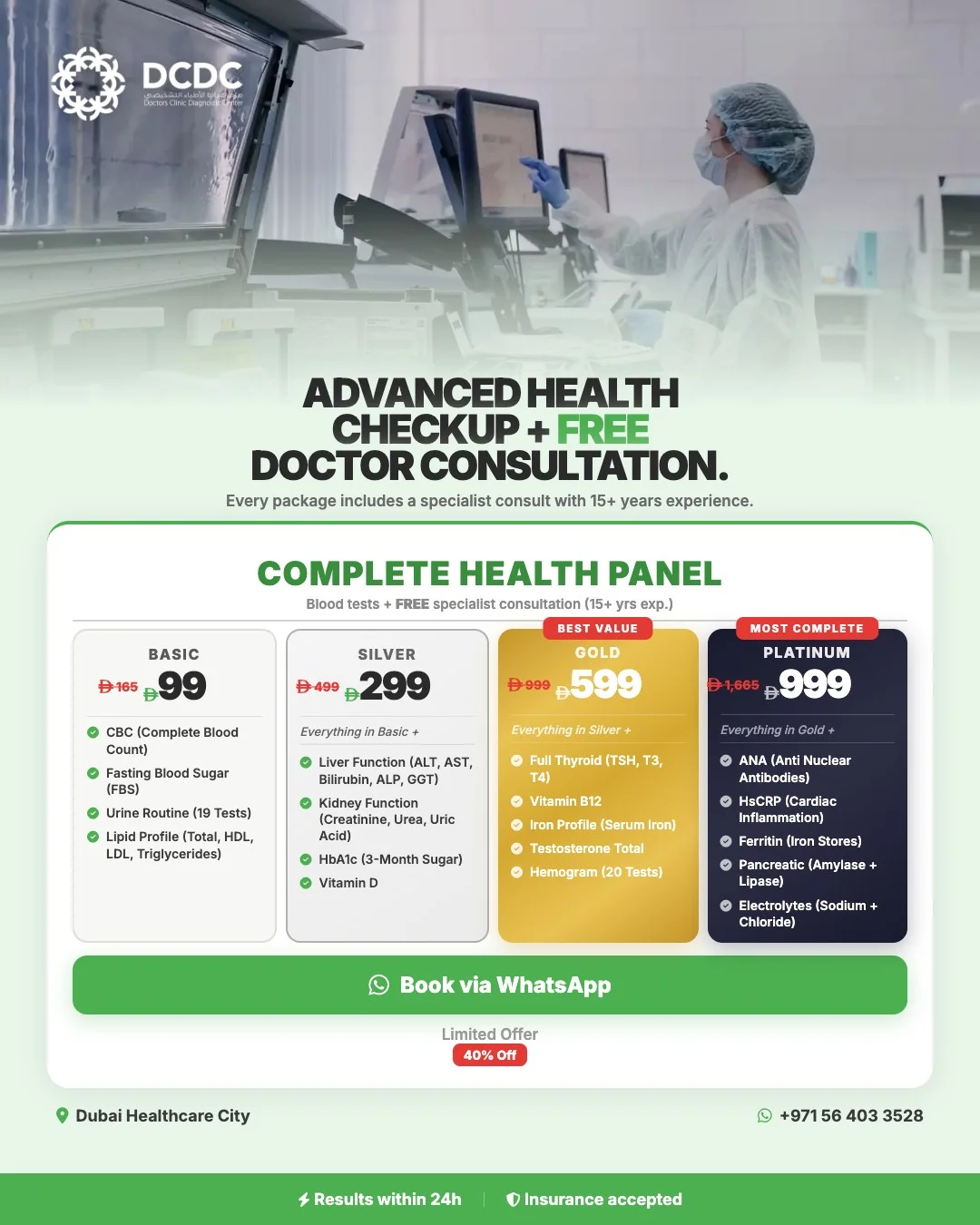
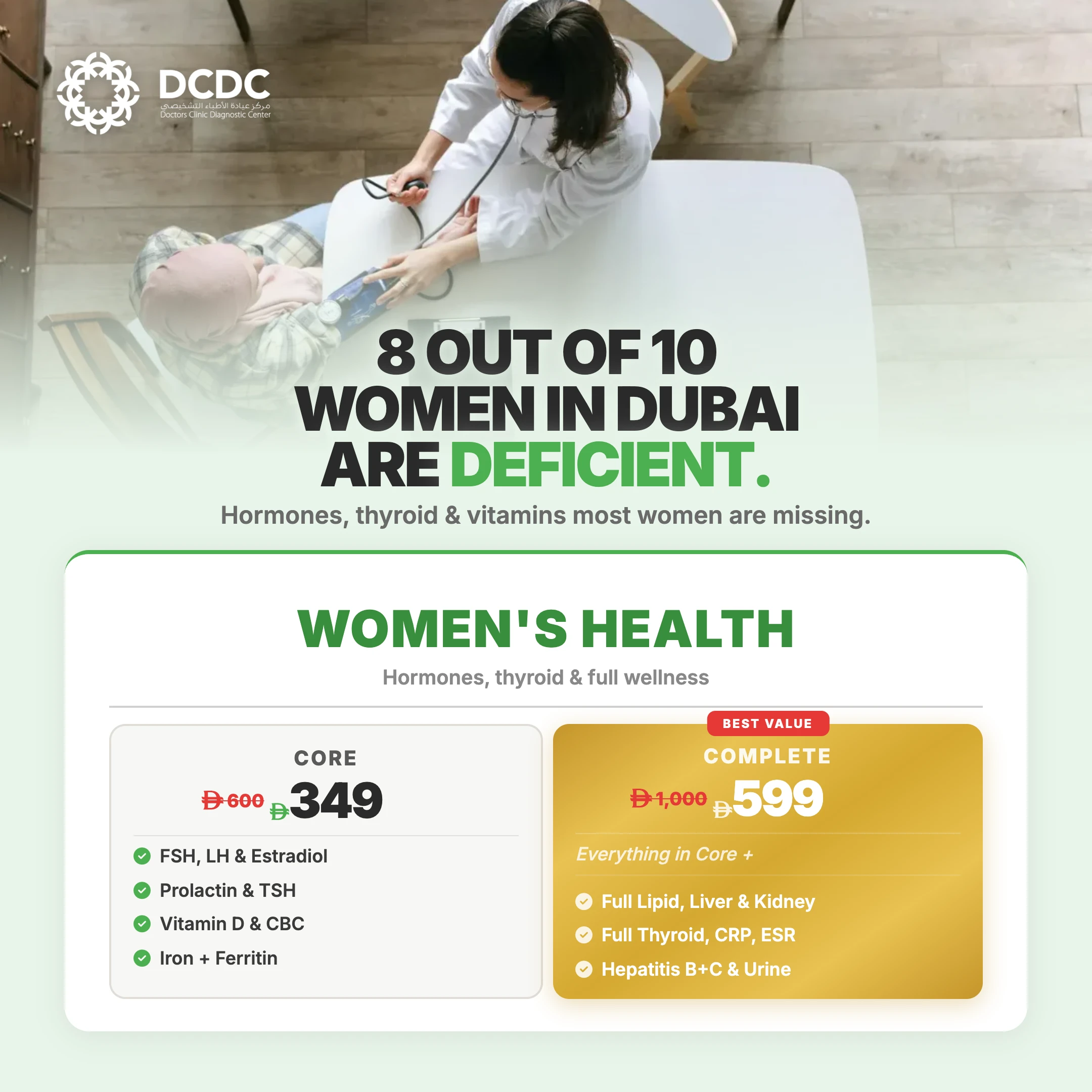
Health Screening Packages
Save with our bundled screening packages — specialist consultation included



What Are Skin Allergies and Hives (Urticaria)?
A skin allergy occurs when the immune system overreacts to a normally harmless substance (an allergen), producing symptoms on or beneath the skin. The term covers a broad range of conditions including urticaria (hives), contact dermatitis, atopic dermatitis (eczema), and angioedema. While these conditions share some overlap, they differ in their mechanisms, appearance, and treatment approaches.
Hives (Urticaria)
Hives are raised, well-defined welts (wheals) that appear suddenly on any part of the body. They are typically pink or red on lighter skin and may appear as raised bumps without colour change on darker skin. Each individual wheal usually lasts less than 24 hours before fading without leaving a mark, though new ones can appear as old ones resolve, creating the impression that the rash is moving or spreading. Hives occur when mast cells in the skin release histamine and other inflammatory chemicals, causing blood vessels to leak fluid into the surrounding tissue.
- Size: Individual hives range from a few millimetres to several centimetres; they can merge into large patches (giant urticaria)
- Sensation: Intensely itchy (pruritic), sometimes with a burning or stinging quality
- Blanching: Hives turn white when pressed (blanch test) — this distinguishes them from other rashes
- Duration: Individual wheals last minutes to 24 hours; episodes can recur for days, weeks, or longer
Angioedema
Angioedema is deeper swelling beneath the skin, most commonly affecting the lips, eyelids, tongue, hands, feet, and genitals. It occurs through a similar mechanism to hives but involves deeper blood vessels. About 40% of people with chronic hives also experience angioedema. The swelling is often asymmetric (one lip swollen, one eye puffy), not typically itchy but may feel painful or tight, and can take 24-72 hours to resolve. Angioedema affecting the tongue or throat requires emergency treatment due to the risk of airway obstruction.
Contact Dermatitis vs Hives
It is important to distinguish hives from contact dermatitis, which is a localised skin reaction at the exact point of contact with an irritant or allergen (nickel jewellery, fragrances, latex). Contact dermatitis produces an eczema-like rash with redness, scaling, and sometimes blistering, confined to the contact area, and typically takes days to develop and weeks to heal. Hives, by contrast, can appear anywhere on the body regardless of where the trigger contacted the skin, and individual wheals resolve within 24 hours.
Common Causes of Skin Allergies in Dubai
Dubai's environment presents a unique combination of allergen exposures that make skin allergies more common than in many other cities. Understanding these local triggers is essential for both prevention and targeted treatment.
Environmental and Climate-Related Triggers
- Desert dust and sandstorms (shamal winds): Fine particulate matter carried by shamal winds — common from March to August — can trigger contact urticaria and irritant reactions on exposed skin. The dust contains silica particles and dried organic matter that irritate the skin barrier
- AC mould and indoor allergens: Air conditioning systems running 8-10 months per year in Dubai accumulate mould, dust mites, and bacteria. Poorly maintained AC ducts distribute these allergens throughout enclosed spaces, triggering both respiratory and skin allergic responses
- High humidity and sweat-related urticaria: Dubai's humidity can exceed 90% in summer months. Excessive sweating combined with heat can trigger cholinergic urticaria — small, intensely itchy welts appearing during exercise, hot showers, or emotional stress
- Construction dust: In rapidly developing areas, cement dust, fibreglass particles, and chemical compounds from construction sites are airborne irritants that can cause both irritant and allergic contact dermatitis
- Swimming pool chlorine: Frequent pool use — extremely common in Dubai's heat — exposes skin to chlorine and other pool chemicals that strip the skin's protective barrier and can trigger contact urticaria or worsen existing eczema
- Year-round UV exposure: Intense ultraviolet radiation can trigger solar urticaria (sun-induced hives) in susceptible individuals and worsens many other skin conditions. UV exposure also damages the skin barrier, increasing sensitivity to other allergens
Food, Medication, and Other Triggers
- Food allergens from diverse cuisines: Dubai's multicultural dining scene exposes residents to unfamiliar ingredients — shellfish, tree nuts, sesame, specific spices — that may not have been part of their diet before relocating. New food exposures are a common cause of acute urticaria in expatriates
- Medications: Non-steroidal anti-inflammatory drugs (NSAIDs like ibuprofen), antibiotics (especially penicillins and cephalosporins), and ACE inhibitors for blood pressure are among the most common drug triggers for hives and angioedema
- Insect stings and bites: Wasp and bee stings, ant bites, and mosquito bites can trigger localised or widespread hives. Desert-adapted insect species may carry different venom proteins than species in temperate climates
- Viral and bacterial infections: Upper respiratory infections, urinary tract infections, and gastroenteritis commonly trigger acute hives, particularly in children. The hives are a systemic immune response to the infection, not to any allergen
- Stress and fatigue: Physical and emotional stress — common in Dubai's high-pressure work environment — are well-documented triggers for urticaria flares, likely through neuroimmune pathways that stimulate mast cell degranulation
- Cosmetics and personal care products: Fragrances, preservatives (methylisothiazolinone, parabens), hair dyes, and sunscreen chemicals are common causes of contact urticaria and contact dermatitis in Dubai, where cosmetic use is high
Types of Urticaria: Acute vs. Chronic Hives
The medical classification of urticaria is based on duration, which has significant implications for the underlying cause, diagnostic workup, and treatment approach.
Acute Urticaria (Less Than 6 Weeks)
Acute urticaria accounts for the majority of hives cases and is defined as episodes lasting less than 6 weeks. In most cases, the trigger can be identified — a food, medication, infection, or insect sting. Many episodes are self-limiting and resolve within days with or without treatment. Acute urticaria is extremely common, affecting an estimated 15-20% of people at least once in their lifetime.
- Common causes: Food allergy (shellfish, nuts, eggs, milk), medications (NSAIDs, antibiotics), viral infections, insect stings, latex, contrast dyes
- Duration: Hours to days; rarely exceeds 2-3 weeks
- Prognosis: Excellent — most episodes resolve completely and do not recur unless the trigger is re-encountered
- Treatment: Second-generation antihistamines; trigger avoidance if identified
Chronic Spontaneous Urticaria (CSU — More Than 6 Weeks)
Chronic spontaneous urticaria (CSU) is defined as hives occurring on most days for more than 6 weeks without an identifiable external trigger. CSU affects approximately 0.5-1% of the population at any given time and is significantly more common in women (2:1 ratio). In up to 80-90% of CSU cases, no external allergen or cause can be identified — the condition is driven by autoimmune mechanisms where the body's own antibodies activate mast cells.
- Autoimmune component: Up to 45% of CSU patients have functional autoantibodies (IgG anti-IgE or IgG anti-FcERI) that directly activate mast cells, making this an autoimmune condition
- Associated conditions: CSU is frequently associated with thyroid autoimmunity (Hashimoto's), and patients should have thyroid function and antibodies checked
- Duration: Average duration is 2-5 years, but up to 20% of patients experience symptoms for more than 5 years
- Impact: CSU significantly affects quality of life — sleep disturbance, work productivity loss, anxiety, and depression are common
Inducible Urticaria (Physical Urticaria)
Inducible urticarias are triggered by specific physical stimuli and can overlap with both acute and chronic urticaria:
- Dermatographism (skin writing): Hives appear along lines where the skin is firmly stroked or scratched — the most common form of physical urticaria, affecting up to 5% of the population
- Cholinergic urticaria: Small (2-4mm), intensely itchy wheals triggered by sweating — from exercise, hot baths, spicy food, or emotional stress. Very relevant in Dubai's heat
- Cold urticaria: Hives triggered by cold exposure — ice, cold water, cold wind. Though less common in Dubai, cold urticaria can occur with air conditioning and swimming in cold pools
- Solar urticaria: Hives on sun-exposed skin within minutes of UV exposure. Uncommon but potentially significant in Dubai's high-UV environment
- Pressure urticaria: Deep, painful swelling appearing 4-6 hours after sustained pressure (tight clothing, sitting for long periods, carrying heavy bags)
- Aquagenic urticaria: Extremely rare — hives triggered by contact with water regardless of temperature
Symptoms and Warning Signs
Recognising the full spectrum of skin allergy symptoms helps determine urgency and guides the appropriate level of medical care.
Common Symptoms of Hives
- Raised, well-defined welts (wheals) that are pink, red, or skin-coloured
- Intense itching (pruritus) — often worse at night and disrupting sleep
- Welts that blanch (turn white) when pressed
- Individual welts that shift location and resolve within 24 hours
- Welts varying in size from small spots to large patches several centimetres across
- Stinging or burning sensation in the affected area
Red Flags Requiring Emergency Care
Anaphylaxis is a severe, life-threatening allergic reaction that can accompany hives. If any of the following symptoms occur alongside hives, call emergency services (998 in the UAE) or go directly to the nearest emergency department:
- Airway involvement: Throat tightness, difficulty swallowing, hoarse voice, tongue or lip swelling
- Breathing difficulty: Wheezing, shortness of breath, chest tightness
- Cardiovascular symptoms: Dizziness, lightheadedness, rapid heartbeat, fainting
- Gastrointestinal distress: Severe abdominal pain, vomiting, diarrhoea occurring with hives
- Rapid progression: Hives spreading rapidly across the body within minutes, especially after a known allergen exposure (food, medication, insect sting)
If you are experiencing recurrent hives or skin allergies and want to identify your triggers, understanding the range of allergy testing options available in Dubai is an important first step toward targeted treatment.
When to See a Doctor for Hives in Dubai
While a single, mild episode of hives that responds to over-the-counter antihistamines may not require a doctor visit, several scenarios warrant professional medical evaluation.
- Hives lasting more than a few days despite taking antihistamines — this may indicate a persistent trigger or the beginning of chronic urticaria
- Recurring episodes — hives that keep coming back, even if each episode resolves, suggest an ongoing trigger that needs identification
- Hives accompanied by angioedema — deep swelling of the lips, eyes, hands, or feet alongside surface hives requires medical assessment to rule out serious underlying causes
- Suspected medication reaction — if hives appeared after starting a new medication, do not stop the medication abruptly without medical guidance, but seek a consultation
- Hives with systemic symptoms — joint pain, fever, or general malaise alongside hives may indicate urticarial vasculitis or serum sickness, which require different treatment
- Individual wheals lasting more than 24 hours — normal hives resolve within a day. Wheals persisting longer and leaving bruise-like marks may indicate urticarial vasculitis
- Impact on daily life — sleep disruption, inability to concentrate at work, or avoidance of activities due to hives all justify medical evaluation
- Children with widespread hives — particularly if accompanied by fever or after a new food introduction, medical evaluation is advisable to establish the cause and prevent recurrence
At DCDC, you do not need a referral to see a GP about hives. Walk-in consultations are available during our extended hours (Saturday to Thursday 8AM-10PM, Friday 9AM-9PM), with an average wait time of 15 minutes.
Diagnosis: How Skin Allergies Are Identified
Diagnosing the cause of skin allergies and hives involves a systematic approach combining clinical history, physical examination, and targeted investigations.
Clinical History
The medical history is the single most important diagnostic tool for urticaria. Your doctor will ask detailed questions about the timeline (when did hives start, how long does each episode last, how often do they recur), potential triggers (new foods, medications, insect stings, physical stimuli, stress), associated symptoms (angioedema, breathing difficulty, joint pain), personal and family history of allergies, and current medications including supplements.
Physical Examination
Examination of the skin rash itself provides important clues. True hives present as raised wheals that blanch on pressure, with individual lesions resolving within 24 hours without scarring. The distribution pattern can suggest specific triggers — for example, hives only on sun-exposed areas suggest solar urticaria, while hives under clothing elastic suggest pressure urticaria. Your doctor will also check for angioedema and signs of systemic involvement.
Laboratory Investigations
For acute urticaria with an obvious trigger, laboratory tests are usually unnecessary. For chronic or recurrent urticaria, the following investigations may be ordered:
- Complete blood count (CBC): To check for elevated eosinophils (suggesting allergic or parasitic cause) and baseline white cell count
- Erythrocyte sedimentation rate (ESR) and C-reactive protein (CRP): Markers of inflammation that can suggest urticarial vasculitis or autoimmune disease
- Thyroid function tests (TSH, free T4) and thyroid antibodies: Thyroid autoimmunity is present in up to 30% of chronic urticaria patients
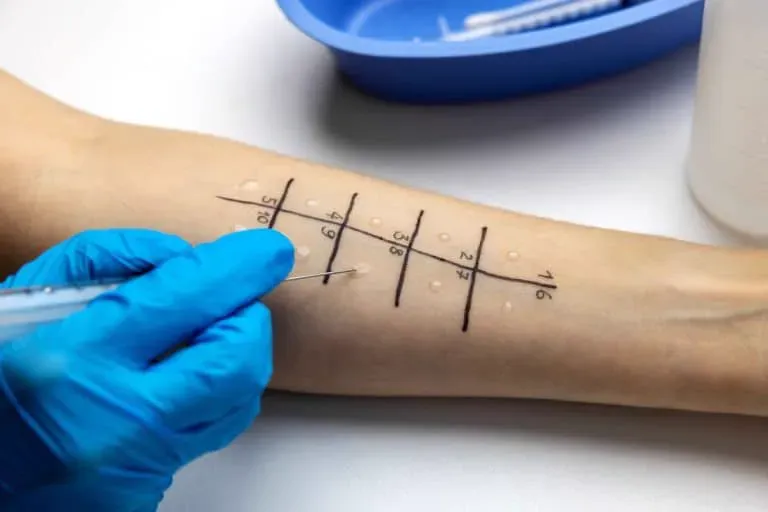
- Specific IgE blood panels: To identify allergic sensitisation to environmental allergens (dust mites, mould, pet dander) or food allergens if a specific trigger is suspected
- Total IgE: Elevated total IgE supports an allergic component but is not diagnostic on its own
- Autologous serum skin test (ASST): A specialised test for chronic spontaneous urticaria that detects functional autoantibodies by injecting the patient's own serum into the skin
- Infection screening: Hepatitis B and C serology, H. pylori testing, and stool analysis for parasites may be considered in chronic cases, as chronic infections can perpetuate urticaria
At DCDC, all blood investigations are conducted at our MOHAP-licensed, on-site laboratory, with same-day sample collection and most results available within 2-3 working days.
Skin Allergy Treatment Options in Dubai
Treatment for skin allergies and hives follows a stepwise approach, starting with first-line therapies and escalating as needed based on response. International guidelines from EAACI/GA2LEN recommend a structured algorithm for urticaria management.
Step 1: Second-Generation Antihistamines (First-Line)
Second-generation (non-sedating) antihistamines are the cornerstone of urticaria treatment. They block H1 histamine receptors, reducing itching, swelling, and wheal formation. Available over the counter in Dubai pharmacies, these are safe for long-term daily use.
- Cetirizine (Zyrtec): 10mg once daily — effective for most types of urticaria; may cause mild drowsiness in some patients
- Loratadine (Claritin): 10mg once daily — least sedating option; good for patients who need to stay alert
- Fexofenadine (Telfast): 180mg once daily — truly non-sedating; preferred for cholinergic urticaria and daytime use
- Desloratadine (Aerius): 5mg once daily — active metabolite of loratadine with strong anti-inflammatory properties
- Bilastine (Ilaxten): 20mg once daily — newer generation; non-sedating and does not interact with food
Step 2: Up-Dosing Antihistamines (Second-Line)
If standard doses are insufficient, international guidelines recommend increasing the dose of a single second-generation antihistamine up to 4 times the standard dose (e.g., cetirizine 40mg/day) before adding additional medications. This approach is safe under medical supervision and significantly more effective than switching between different antihistamines. This step requires medical guidance — do not up-dose without consulting your doctor.
Step 3: Add-On Therapies (Third-Line)
- Montelukast (Singulair): Leukotriene receptor antagonist — added to antihistamines for additional benefit, particularly effective in NSAID-exacerbated urticaria and pressure urticaria
- H2 antihistamines (ranitidine, famotidine): Blocking H2 receptors in addition to H1 can provide incremental benefit in some patients
- Short-course oral corticosteroids: Prednisolone 20-40mg daily for 3-7 days may be used for severe flares but is not appropriate for long-term management due to significant side effects
Step 4: Specialist Therapies (Fourth-Line)
- Omalizumab (Xolair): A biologic anti-IgE monoclonal antibody administered by subcutaneous injection every 4 weeks. Approved for chronic spontaneous urticaria unresponsive to antihistamines. Response rates exceed 70%, with many patients achieving complete symptom control
- Ciclosporin: An immunosuppressant used off-label for severe, refractory chronic urticaria — reserved for cases failing omalizumab due to potential side effects requiring regular monitoring
Topical Treatments
- Calamine lotion: Provides cooling relief for localised hives — safe to use frequently but does not address the underlying cause
- Menthol-containing creams (1-2%): Mild anti-itch effect through cooling the skin — suitable for temporary relief
- Emollients and moisturisers: Essential for maintaining the skin barrier, especially in Dubai's climate where AC and heat strip natural moisture. Apply fragrance-free moisturiser twice daily
- Topical corticosteroids: Generally not effective for urticaria (hives are too widespread and transient) but are appropriate for contact dermatitis and eczema
If you are also dealing with eczema alongside hives, our detailed eczema treatment guide for Dubai covers specific management strategies for atopic dermatitis, including moisturiser selection and topical steroid use in Dubai's climate.
What to Expect at DCDC: Your Skin Allergy Consultation
At Doctors Clinic Diagnostic Center (DCDC) in Dubai Healthcare City, we offer a streamlined, patient-focused approach to skin allergy evaluation. Here is what your visit looks like from arrival to follow-up.
Arrival and Check-In
DCDC is located in Building 64, Dubai Healthcare City (DHCC), with free parking available for patients. Upon arrival, our reception team checks you in and verifies your insurance details — we offer direct billing with 20+ insurance providers including Daman, AXA, Bupa, MetLife, Oman Insurance, and many others. The average wait time from check-in to consultation is approximately 15 minutes. Walk-in appointments are available during our extended hours, or you can book in advance via phone or WhatsApp.
GP Consultation
Your consultation with a General Practitioner typically lasts 15-20 minutes. The doctor will take a detailed history of your skin symptoms, examine the rash (if present at the time of the visit), and assess whether any warning signs require urgent intervention. Tip: If your hives come and go, take photos on your phone when they appear — showing your doctor images of the rash is extremely helpful, especially if the hives have resolved by the time of your appointment.
Allergy Blood Testing
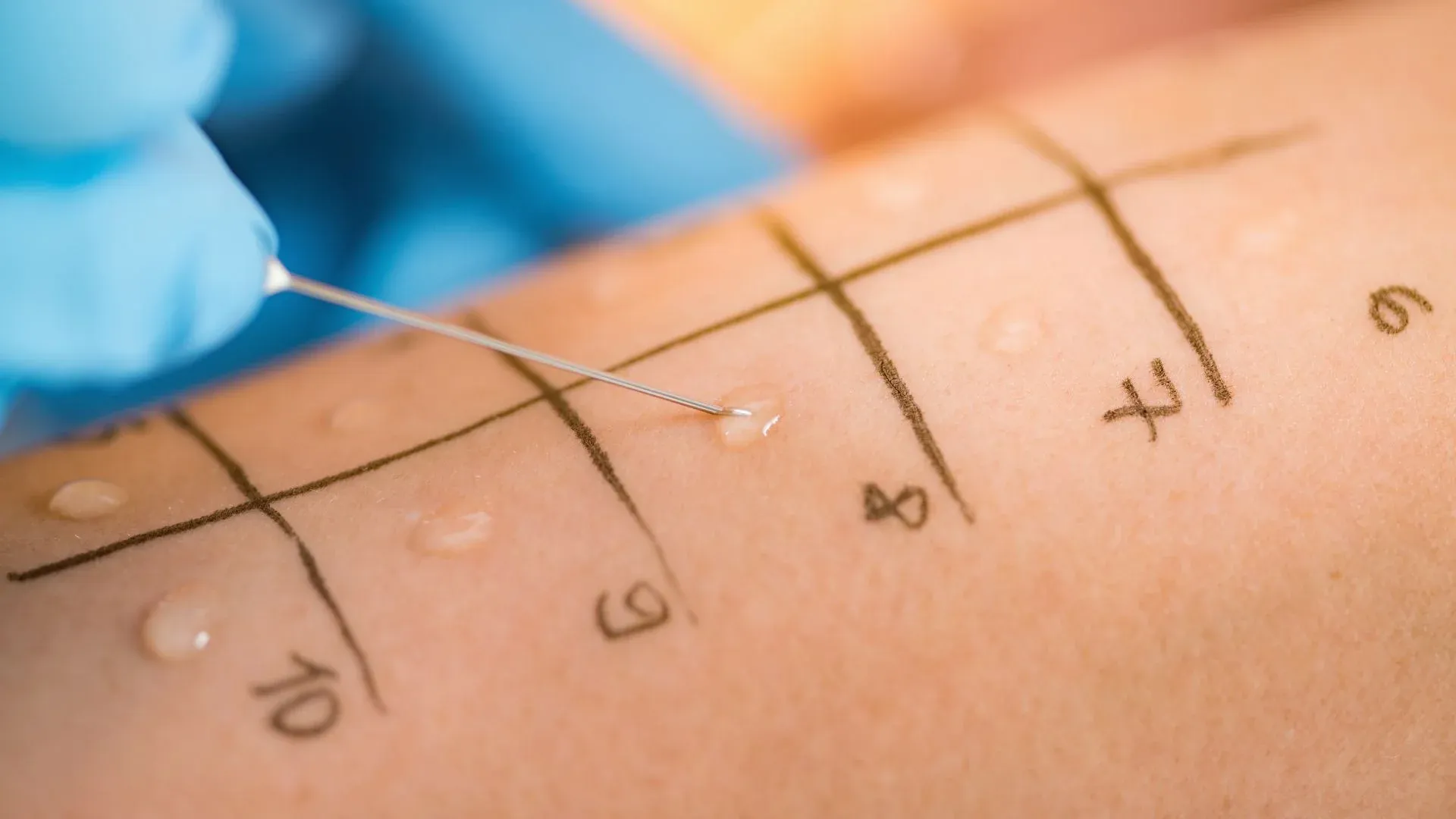
If allergy testing is indicated, blood samples are collected immediately at our MOHAP-licensed, on-site laboratory — no need to visit a separate lab. IgE blood panels can identify sensitisation to specific environmental and food allergens. Sample collection is same-day, and results are typically available within 2-3 working days. Your doctor will contact you to discuss the results and adjust your treatment plan accordingly.
Treatment and Follow-Up
Based on your evaluation, your GP will prescribe appropriate treatment — typically starting with a second-generation antihistamine and lifestyle modifications. For chronic urticaria requiring further investigation or specialist-level therapy (such as omalizumab), your GP can coordinate referral while continuing to manage your care. Follow-up appointments are scheduled as needed, usually 2-4 weeks after initial treatment to assess response.
Book Your Skin Allergy Consultation at DCDC
Comprehensive skin allergy evaluation available at DCDC Dubai Healthcare City — GP consultation, on-site IgE allergy blood panels, and personalised treatment plans. Walk-in or appointment.
GP consultation from AED 250 — most insurance accepted with direct billing
Cost of Skin Allergy Treatment in Dubai
Understanding the costs involved in skin allergy diagnosis and treatment helps you plan your care. The following table compares DCDC's pricing with typical market rates across Dubai.
| Service | DCDC Price (AED) | Typical Dubai Market Range (AED) | Notes |
|---|---|---|---|
| GP Consultation | From 250 | 300-500 | Initial evaluation, diagnosis, and treatment plan |
| Specialist Dermatology Consultation | Referral arranged | 400-800 | For complex or refractory cases requiring specialist input |
| IgE Allergy Panel (Standard) | From 350 | 550-1,000 | 20-40 allergens; environmental and food panels available |
| Total IgE Blood Test | From 100 | 100-200 | Screening test for overall allergic tendency |
| Complete Blood Count (CBC) | 149 | 80-150 | Baseline blood test; checks eosinophil levels |
| Thyroid Function Panel | 399 | 200-400 | Recommended for chronic urticaria workup |
| Follow-Up Consultation | From 150 | 200-400 | Review results and adjust treatment plan |
| Antihistamines (Monthly Supply) | 30-80 | 30-100 | Over-the-counter; pharmacy prices vary |
Skin allergy treatment costs in Dubai — DCDC pricing vs. market range. Prices are approximate and may vary. Insurance coverage applies for medically indicated consultations and tests. DCDC offers direct billing with 20+ insurance providers.
DCDC's pricing reflects our position as a MOHAP-licensed primary care clinic in Dubai Healthcare City. A GP-led approach to skin allergy evaluation is significantly more cost-effective than going directly to a specialist dermatologist, particularly for first-line assessment. Most straightforward skin allergies and hives are effectively diagnosed and treated at the GP level, with specialist referral reserved for complex or refractory cases.
Living with Skin Allergies in Dubai: Home Remedies and Lifestyle Tips
Beyond medical treatment, several practical strategies can help you manage skin allergies and reduce hives frequency in Dubai's unique environment.
Home Remedies and Immediate Relief
- Cool compresses: Apply a clean, damp, cool cloth to affected areas for 10-15 minutes to reduce itching and swelling. Avoid ice directly on the skin (can trigger cold urticaria in sensitive individuals)
- Oatmeal baths: Colloidal oatmeal (finely ground oatmeal) added to lukewarm bath water soothes inflamed skin and reduces itching. Available from most Dubai pharmacies
- Aloe vera gel: Pure aloe vera (without fragrance or alcohol) has natural anti-inflammatory properties that can calm mild skin irritation
- Loose, breathable clothing: Wear cotton or moisture-wicking fabrics; avoid tight clothing, rough textiles, and wool, which can trigger pressure urticaria and worsen itching
- Temperature management: Keep indoor temperature comfortable (22-24 degrees C) — overheating is a common hives trigger. Use fans rather than bundling up, and take lukewarm rather than hot showers
Dubai-Specific Lifestyle Modifications
- AC maintenance: Have air conditioning ducts professionally cleaned every 6-12 months. Change AC filters monthly during summer. Consider a HEPA air purifier for the bedroom
- Post-swimming routine: Shower immediately after pool use to remove chlorine. Apply moisturiser within 3 minutes of showering to lock in hydration. Consider a pre-swim barrier cream
- Sandstorm precautions: During shamal season, keep windows closed, use air purifiers, shower and change clothes after outdoor exposure, and apply a fragrance-free moisturiser to protect the skin barrier
- Sun protection: Use broad-spectrum SPF 30-50 sunscreen (choose mineral/physical sunscreens if you are sensitive to chemical filters). Wear UV-protective clothing and limit peak sun exposure (10AM-4PM)
- Hydration: Drink 2-3 litres of water daily in Dubai's heat. Dehydration worsens skin barrier function and can concentrate histamine in the skin
- Food diary: If you suspect food triggers, keep a detailed food and symptom diary for 2-4 weeks before your consultation. Note everything you eat, when hives appear, and how long they last
Skin allergies often coexist with respiratory allergies. If you also experience nasal congestion, sneezing, or itchy eyes alongside your skin symptoms, read our comprehensive allergic rhinitis treatment guide for a complete understanding of how these conditions overlap and are managed together.
Skin Allergies in Children
Skin allergies are particularly common in children, with hives affecting an estimated 6-7% of preschool-aged children and atopic dermatitis (eczema) affecting up to 20% of children worldwide. In Dubai, where environmental allergens are abundant and children are frequently exposed to new foods and climates, understanding paediatric skin allergies is essential for parents.
Common Causes of Hives in Children
- Viral infections: The most common trigger for acute hives in children — upper respiratory infections, gastroenteritis, and other viral illnesses frequently cause widespread hives that can last days to weeks
- Food allergies: Cow's milk, eggs, peanuts, tree nuts, wheat, soy, fish, and shellfish account for over 90% of food-triggered hives in children. Hives appearing within 2 hours of eating suggest a food allergy
- Medication reactions: Antibiotics (especially amoxicillin) and fever-reducing medications can trigger hives. Rashes appearing during antibiotic treatment are extremely common and are often viral-related rather than true drug allergy
- Insect bites: Papular urticaria — a hypersensitivity reaction to insect bites (mosquitoes, bedbugs, fleas) — is very common in young children, producing itchy, persistent bumps
When to Seek Medical Help for a Child with Hives
- Any difficulty breathing, throat swelling, or hoarse cry — call 998 immediately
- Hives with facial or lip swelling (angioedema)
- Hives appearing shortly after eating a new food — document the food and seek allergy testing
- Hives with fever, joint pain, or appearing unwell
- Hives lasting more than 1 week or recurring frequently
- Hives significantly affecting the child's sleep or school attendance
Treatment of Hives in Children
Children's hives are treated with weight-adjusted doses of second-generation antihistamines. Cetirizine and loratadine are licensed for children from 2 years of age (in syrup form from 6 months) and are safe for daily use. First-generation antihistamines (such as diphenhydramine/Benadryl) should be avoided in young children due to sedation and potential side effects. A GP consultation is recommended to ensure the correct diagnosis and appropriate dosing for your child's age and weight.
Prevention Strategies for Dubai Residents
While not all skin allergies can be prevented, adopting the following strategies can significantly reduce the frequency and severity of hives and allergic skin reactions in Dubai.
Environmental Control
- Indoor air quality: Invest in a HEPA air purifier for bedrooms and living areas. Change AC filters monthly. Schedule professional AC duct cleaning twice yearly. Maintain indoor humidity between 40-50% using dehumidifiers during humid months
- Dust mite reduction: Use allergen-proof mattress and pillow covers. Wash bedding weekly in hot water (60 degrees C). Remove thick carpets where possible — hard floors are easier to keep allergen-free. Vacuum with a HEPA-filter vacuum cleaner
- Mould prevention: Fix any water leaks promptly. Clean bathroom tiles and shower areas with mould-killing solutions. Do not dry laundry indoors in humid weather. Check AC drip trays regularly for mould growth
Personal Care
- Skincare routine: Use fragrance-free, hypoallergenic cleansers and moisturisers. Apply moisturiser within 3 minutes of showering. Avoid hot showers (lukewarm is best). Pat skin dry rather than rubbing
- Product selection: Choose products labelled "for sensitive skin" or "dermatologically tested." Patch-test new products on a small area of skin (inner forearm) for 48 hours before full use
- Clothing: Wash new clothes before first wear (to remove factory chemicals). Choose loose, cotton or bamboo fabrics. Avoid wool and synthetic materials directly against skin if you are prone to hives
- Laundry: Use fragrance-free, dye-free detergent. Run an extra rinse cycle. Avoid fabric softeners and dryer sheets, which deposit irritating chemicals on clothing
Dietary Awareness
- New foods: Introduce unfamiliar foods one at a time, particularly shellfish, tree nuts, and exotic fruits common in Dubai's diverse restaurant scene. Watch for reactions within 2 hours
- Histamine-rich foods: Some patients with chronic urticaria find that reducing histamine-rich foods (aged cheese, fermented foods, red wine, canned fish, spinach, tomatoes) helps reduce flare frequency. This is not a true allergy but a histamine-intolerance response
- Food additives: Artificial colours (particularly tartrazine), preservatives (benzoates, sulphites), and flavour enhancers (MSG) are triggers for a subset of urticaria patients. A food diary can help identify these patterns
Stress Management
Stress is a well-documented trigger for hives, and Dubai's fast-paced lifestyle can be a contributing factor. Regular exercise (in a cool environment to avoid heat-triggered hives), adequate sleep (7-9 hours), mindfulness or breathing exercises, and maintaining work-life balance all contribute to reducing stress-related urticaria flares. If stress is a significant trigger for your hives, discuss this with your GP — addressing the stress component is as important as the antihistamine.
Struggling with Recurring Hives or Skin Allergies?
Get a comprehensive evaluation at DCDC Dubai Healthcare City. Our GPs provide thorough skin allergy assessments with on-site IgE testing and personalised management plans. Rated 4.8/5 on Google from 1,000+ patient reviews.
Walk-in or appointment — extended hours including evenings and Fridays
Related Services at DCDC
Expert care and advanced diagnostics at Dubai Healthcare City
Frequently Asked Questions
Final Thoughts
Skin allergies and hives are among the most common conditions seen in Dubai clinics, driven by the city's unique combination of desert dust, air conditioning, high humidity, UV exposure, and multicultural food environments. The good news is that the vast majority of hives episodes respond well to treatment — second-generation antihistamines control most acute cases, and even chronic urticaria can be effectively managed with a structured, stepwise approach.
The key is not to suffer in silence. If your hives are recurring, lasting more than a few days, disrupting your sleep or work, or accompanied by swelling, a medical evaluation is the essential first step. Identifying your triggers — whether through clinical history, IgE allergy testing, or a structured elimination approach — allows for targeted management rather than guesswork.
At Doctors Clinic Diagnostic Center in Dubai Healthcare City, our General Practitioners provide thorough skin allergy evaluations with on-site IgE blood panel testing, personalised treatment plans, and coordinated specialist referral when needed. With a 4.8/5 Google rating from over 1,000 patient reviews and 98% patient satisfaction, walk-in availability during extended hours, and direct billing with 20+ insurance providers, getting your skin allergies properly assessed has never been more straightforward.
Sources & References
This article was reviewed by our medical team and references the following sources:
- World Health Organization (WHO) — International Classification of Diseases: Urticaria
- NHS — Hives (Urticaria): Causes, Symptoms & Treatment
- Mayo Clinic — Chronic Hives: Symptoms and Causes
- EAACI/GA2LEN/EDF/WAO Guideline — Urticaria (2022 Revision and Update)
- American Academy of Allergy, Asthma & Immunology (AAAAI) — Hives (Urticaria) Overview
- British Association of Dermatologists — Urticaria and Angioedema Patient Information
- Journal of Allergy and Clinical Immunology — Prevalence of Urticaria: A Systematic Review
Medical content on this site is reviewed by DHA-licensed physicians. See our editorial policy for more information.

Written by
Dr. Hadeel Elnur
General Practitioner
MD, General Practice
Dr. Hadeel Elnur is a General Practitioner at Doctors Clinic Diagnostic Center (DCDC) in Dubai Healthcare City.
Related Articles
Complete Allergy Testing Guide Dubai

Eczema Treatment Dubai
Allergy Test Cost Dubai

IgE Allergy Test Dubai
More in Dermatology

Skin Tag Removal Cost Dubai: From AED 300 (2026)
Read MoreSkin Rash Causes in Dubai: When to See a Doctor (2026)
Read MoreAlopecia Areata Treatment Dubai: Guide (2026)
Read MoreEczema vs Psoriasis Dubai: Key Differences (2026)
Read MoreRosacea Treatment Dubai: Causes & Care (2026)
Read MoreFungal Skin Infections Dubai: Treatment (2026)
Read More© 2026 Doctors Clinic Diagnostic Center (DCDC), Dubai Healthcare City. Originally published at https://doctorsclinicdubai.ae/blog/skin-allergy-hives-treatment-dubai. All rights reserved. Unauthorized reproduction is prohibited.