Key Takeaways
- Alopecia areata is an autoimmune condition affecting approximately 2% of the global population (1 in 50 people). The immune system mistakenly attacks hair follicles, causing sudden round bald patches on the scalp, beard, eyebrows, or body.
- There are five main types: patchy alopecia areata (most common), alopecia totalis (complete scalp hair loss), alopecia universalis (total body hair loss), ophiasis (band-like pattern at the hairline), and diffuse alopecia areata (overall thinning without distinct patches).
- Approximately 50% of patients with mild patchy alopecia areata experience spontaneous regrowth within one year without treatment. However, recurrence is common, and early intervention improves long-term outcomes.
- JAK inhibitors represent a breakthrough in alopecia areata treatment. Baricitinib (FDA-approved June 2022) was the first systemic treatment, with 32-35% of patients achieving 80% or greater scalp coverage at 36 weeks. Ritlecitinib (approved June 2023) is the first option for patients aged 12 and older.
- Alopecia areata treatment costs in Dubai range from AED 50 for topical medications to AED 5,000 per month for oral JAK inhibitors. At DCDC, initial consultations with blood work start from AED 99, and intralesional steroid injections start from AED 450 per session.
- At DCDC in Dubai Healthcare City, alopecia areata evaluation includes same-day blood tests for thyroid function, iron studies, autoimmune markers, and vitamin D levels to identify treatable underlying triggers before starting therapy.
Alopecia areata affects approximately 2% of the global population, causing sudden, round bald patches that can appear without warning. If you are seeking alopecia areata treatment in Dubai, understanding your options — from corticosteroid injections to breakthrough JAK inhibitors — is the first step toward regrowth. This comprehensive guide covers causes, types, diagnosis, treatment options, costs, and what to expect at DCDC in Dubai Healthcare City.
Whether you have just noticed your first bald patch or have been managing alopecia areata for years, this guide provides the medical information you need to make informed decisions about treatment in Dubai.
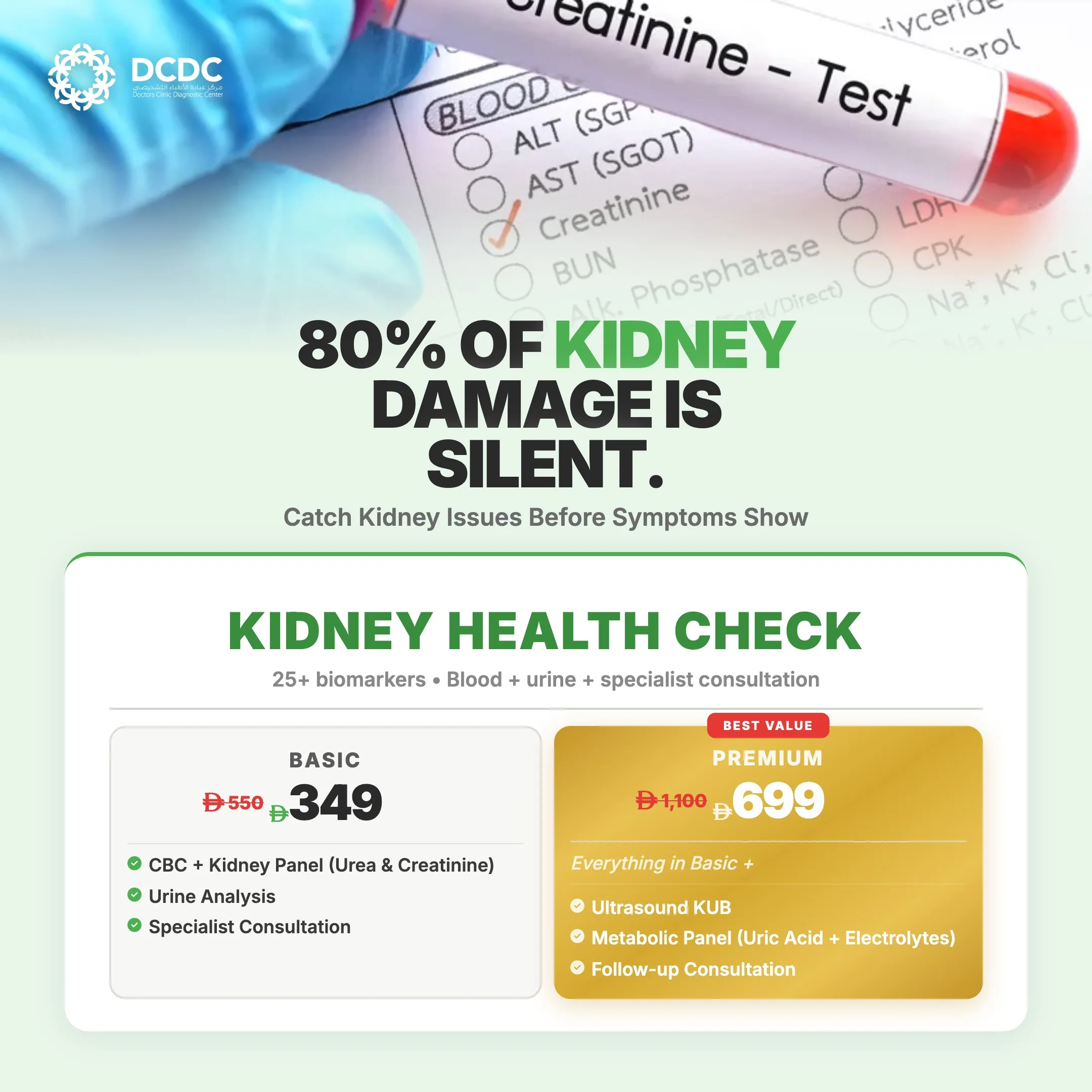
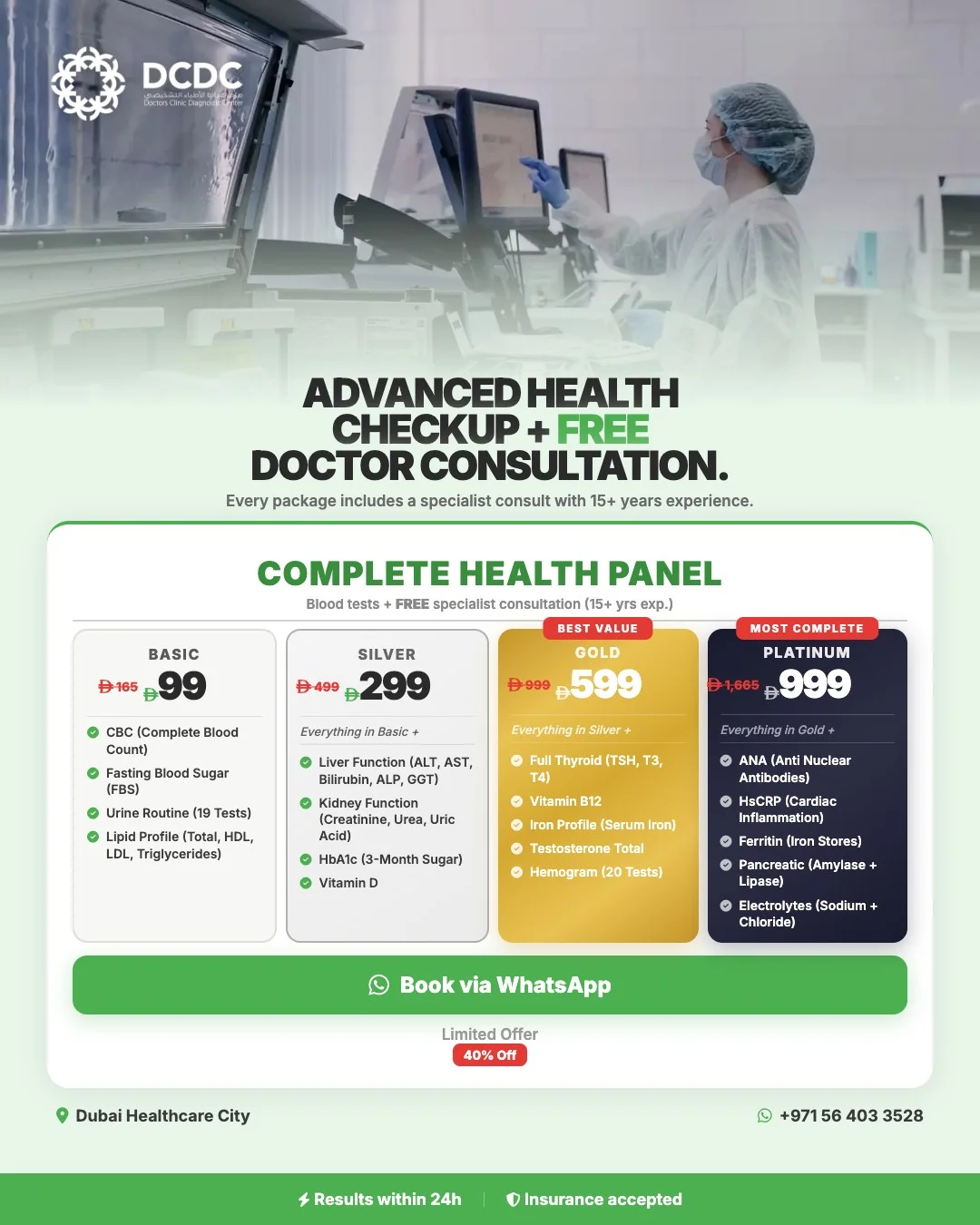
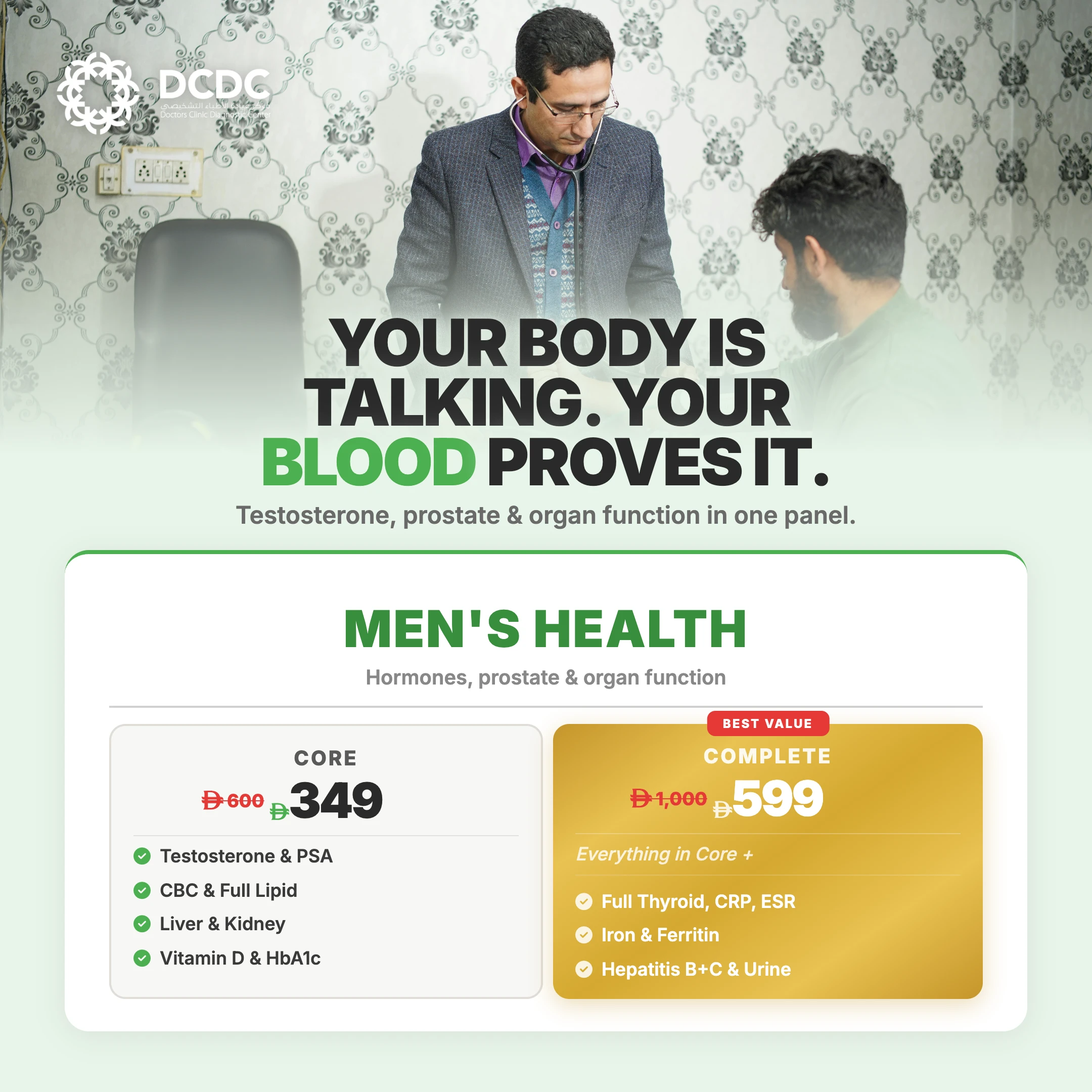
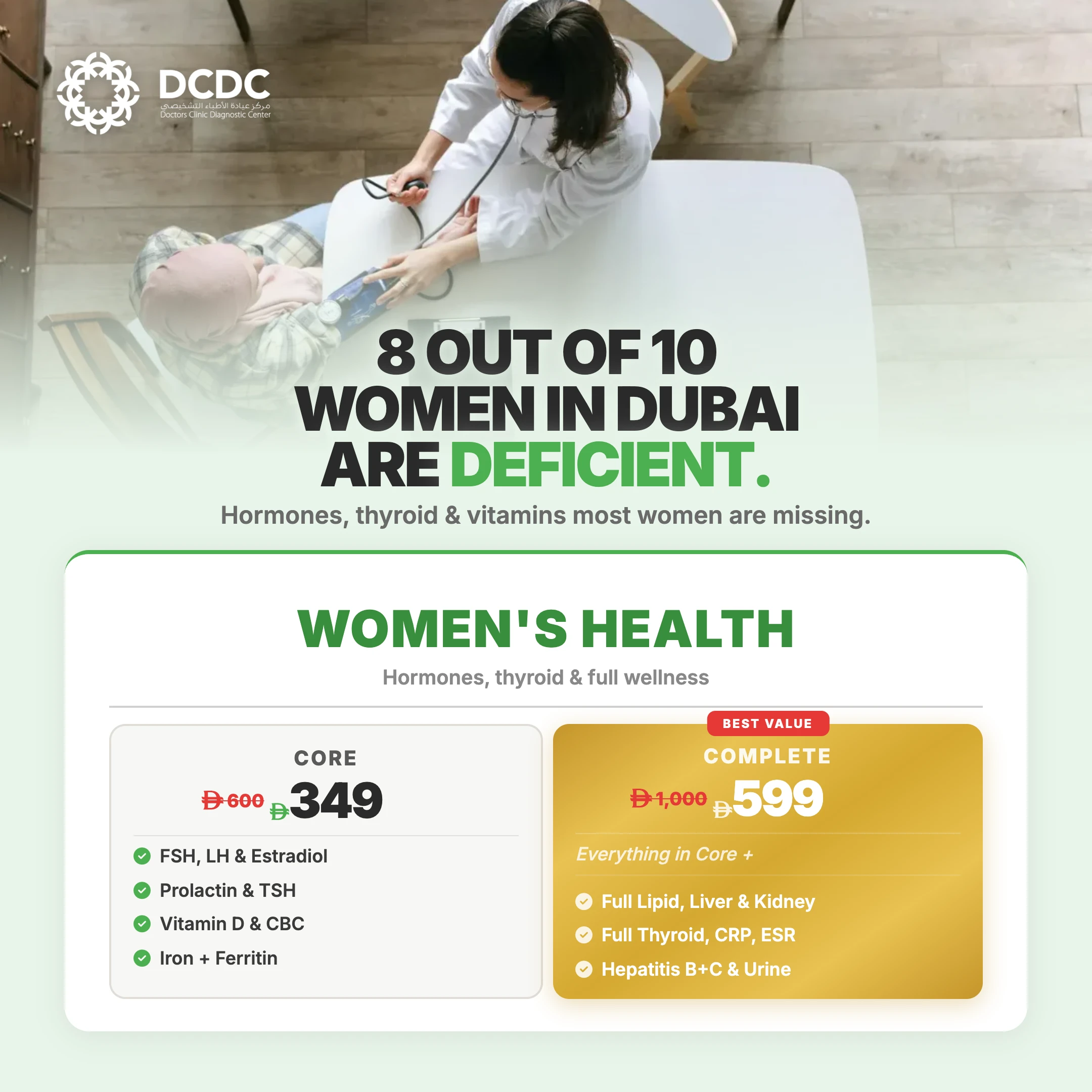
Health Screening Packages
Save with our bundled screening packages — specialist consultation included


What Is Alopecia Areata?
Alopecia areata is a chronic autoimmune condition in which the body's immune system mistakenly identifies hair follicles as foreign invaders and attacks them. This immune assault causes hair follicles to shrink and dramatically slow hair production, resulting in sudden hair loss that typically presents as smooth, round or oval bald patches on the scalp. Unlike other forms of hair loss such as androgenetic alopecia (pattern baldness), alopecia areata does not destroy the hair follicle permanently — the follicle retains the ability to regrow hair once the immune attack subsides.
The condition affects roughly 1 in 50 people at some point in their lifetime, making it one of the most common autoimmune diseases worldwide. According to the American Academy of Dermatology, approximately 6.8 million people in the United States alone have alopecia areata, and the condition occurs equally in men and women across all ethnic groups. Around 60% of people with alopecia areata experience their first episode before the age of 20, though it can develop at any age.
The underlying immunological mechanism involves CD8+ T lymphocytes (a type of white blood cell) infiltrating the hair follicle bulb during its active growth phase (anagen). These T cells release inflammatory cytokines — particularly interferon-gamma and interleukin-15 — that disrupt normal hair growth and push follicles prematurely into the resting phase (telogen). This is why hair falls out rapidly but the follicle itself remains intact beneath the skin surface, preserving the potential for regrowth.
Types of Alopecia Areata: From Patchy to Universal
Alopecia areata is not a single uniform condition. It presents in several distinct clinical patterns, and the type you have significantly influences both the prognosis and the recommended treatment approach. Your doctor will classify your condition at diagnosis to guide the treatment plan.
- Patchy alopecia areata: The most common form, accounting for roughly 75% of cases. It presents as one or more well-defined, smooth, round or oval bald patches on the scalp. Patches typically range from 1 to 5 centimetres in diameter. This type has the best prognosis, with approximately 50% of patients experiencing spontaneous regrowth within one year.
- Alopecia totalis: Complete loss of all hair on the scalp. This represents a more extensive form of the disease and occurs in approximately 5% of patients. Regrowth is possible but less predictable than with the patchy form. Alopecia totalis may develop gradually from patchy alopecia areata or appear rapidly.
- Alopecia universalis: The most extensive form, involving complete loss of hair across the entire body — scalp, eyebrows, eyelashes, beard, underarms, and body hair. This affects approximately 1% of alopecia areata patients. Treatment is more challenging, and systemic therapies such as JAK inhibitors are often the primary consideration.
- Ophiasis alopecia areata: A distinctive band-like pattern of hair loss that follows the temporal and occipital hairline (around the sides and back of the head). Ophiasis is considered a more treatment-resistant variant and may require more aggressive therapy. It accounts for roughly 5% of alopecia areata cases.
- Diffuse alopecia areata: Rather than producing distinct bald patches, diffuse alopecia areata causes widespread thinning across the entire scalp. This form can be challenging to diagnose because it mimics other conditions such as telogen effluvium or androgenetic alopecia. Trichoscopy (magnified scalp examination) is particularly valuable for identifying this variant.
Causes and Triggers of Alopecia Areata
Alopecia areata is fundamentally an autoimmune condition — the core cause is the immune system's misdirected attack on hair follicles. However, the question of why the immune system behaves this way involves a complex interplay of genetic predisposition, environmental triggers, and immune dysregulation. Understanding these factors is essential for effective management.
Genetic Predisposition
There is a strong genetic component to alopecia areata. Studies show that approximately 10-20% of patients have a family history of the condition. If you have a first-degree relative (parent or sibling) with alopecia areata, your risk is significantly higher than the general population. The genetic basis involves human leukocyte antigen (HLA) genes, particularly HLA-DRB1 and HLA-DQB1, which play a critical role in immune system regulation. However, genetics alone do not determine whether you will develop the condition — environmental triggers are needed to activate the disease in genetically susceptible individuals.
Autoimmune Associations
People with alopecia areata have a higher prevalence of other autoimmune conditions. According to the Cleveland Clinic, the most common associations include thyroid disease (Hashimoto's thyroiditis and Graves' disease, affecting up to 25% of alopecia areata patients), vitiligo, type 1 diabetes, lupus, rheumatoid arthritis, and pernicious anaemia. This clustering of autoimmune diseases suggests a shared underlying immune dysfunction. This is why comprehensive blood tests for thyroid function and autoimmune markers are a standard part of the diagnostic workup.
Environmental Triggers
- Psychological stress: Severe emotional stress — bereavement, job loss, divorce, major life changes — is one of the most commonly reported triggers. Stress activates the hypothalamic-pituitary-adrenal (HPA) axis, releasing cortisol and pro-inflammatory cytokines that can disrupt immune tolerance and trigger the autoimmune attack on hair follicles.
- Physical illness or trauma: Viral infections, surgery, injury, and chronic illness can trigger or exacerbate alopecia areata episodes. COVID-19 infection has been associated with new-onset alopecia areata in published case series.
- Vitamin D deficiency: Multiple studies have found significantly lower vitamin D levels in alopecia areata patients compared to healthy controls. Vitamin D plays an important immunomodulatory role, and deficiency may contribute to immune dysregulation. This is particularly relevant in Dubai, where despite abundant sunshine, vitamin D deficiency is extremely common due to indoor lifestyles and sun avoidance.
- Iron deficiency: Low ferritin (iron storage) levels have been associated with more severe and prolonged episodes of alopecia areata. Iron is essential for hair follicle cell division and growth.
- Dubai climate factors: The extreme heat, high humidity, and UV exposure in Dubai can create physiological stress on the body. While these factors do not directly cause alopecia areata, they may act as triggers in genetically susceptible individuals. Additionally, the high-stress lifestyle common in Dubai's fast-paced work environment can contribute to flare-ups.
For a broader overview of hair restoration options, see our guide on hair loss treatment in Dubai.
Signs and Symptoms of Alopecia Areata
Recognising the early signs of alopecia areata allows for prompt diagnosis and treatment, which improves outcomes. The hallmark symptom is sudden hair loss in well-defined patches, but there are several additional clinical signs that help distinguish alopecia areata from other types of hair loss.
Hair Loss Patterns
- Round or oval bald patches: The defining feature. Patches are typically smooth, skin-coloured, and free of scaling or scarring. They may appear on the scalp, beard, eyebrows, eyelashes, or any hair-bearing area of the body.
- Exclamation mark hairs: Short, broken hairs approximately 3-4 millimetres long that taper at the base, appearing wider at the top and narrower where they enter the scalp. These are a hallmark diagnostic sign found at the edges of active patches and indicate ongoing disease activity.
- Rapid onset: Hair loss typically develops over days to weeks, not months. Many patients discover a patch suddenly while styling their hair or when it is noticed by a family member or hairdresser.
- Positive pull test: In active disease, gently pulling on hairs at the border of a bald patch will cause multiple hairs to come out easily — a clinical sign called a positive pull test.
Nail Changes
Nail involvement occurs in up to 46% of alopecia areata patients and may sometimes precede hair loss. The most common nail findings include fine pitting (small dents on the nail surface, resembling a thimble), trachyonychia (rough, sandpaper-like nail texture), Beau's lines (horizontal grooves across the nail), onychorrhexis (longitudinal ridging and splitting), and red lunula (reddening of the half-moon at the nail base). Nail changes can help confirm the diagnosis, especially in cases where hair loss is subtle or in the diffuse form.
Associated Symptoms
Alopecia areata is not typically painful. However, some patients report mild tingling, burning, or tenderness in the affected area just before or during active hair loss. The bald patches themselves are usually asymptomatic — no itching, scaling, or redness — which helps distinguish alopecia areata from fungal infections (tinea capitis) or inflammatory conditions like psoriasis.
How Alopecia Areata Is Diagnosed in Dubai
Diagnosis of alopecia areata is primarily clinical, based on the characteristic appearance of the bald patches and associated signs. However, a thorough diagnostic workup goes beyond visual inspection to identify the specific type, assess disease activity, and screen for underlying conditions that may be contributing to or worsening the hair loss.
Clinical Examination and Trichoscopy
Your doctor will perform a detailed scalp examination, looking for the characteristic smooth, round patches, exclamation mark hairs, and the presence of vellus hairs (fine, short hairs that suggest early regrowth). Trichoscopy — a non-invasive magnified examination of the scalp using a dermatoscope — reveals specific patterns that confirm alopecia areata: yellow dots (empty hair follicles filled with keratinous material), black dots (broken hairs at the scalp surface), and short vellus hairs. These trichoscopic findings are highly specific to alopecia areata and help differentiate it from other conditions.
Blood Tests and Laboratory Workup
According to Dr. Hadeel Elnur, "The key to managing alopecia areata effectively is early diagnosis and a personalized treatment plan. At DCDC, we start with comprehensive blood work to rule out thyroid disorders, iron deficiency, and other autoimmune conditions before recommending treatment — because treating the underlying trigger often makes the biggest difference in outcomes."
The standard blood test panel for alopecia areata evaluation includes thyroid function tests (TSH, free T3, free T4) because thyroid disease is present in up to 25% of patients; complete blood count (CBC) to assess overall health and rule out anaemia; serum ferritin and iron studies, as iron deficiency is associated with worsening hair loss; vitamin D level, given the strong association between deficiency and disease severity; antinuclear antibody (ANA) to screen for systemic autoimmune conditions like lupus; thyroid peroxidase antibodies (anti-TPO) to detect Hashimoto's thyroiditis; and fasting glucose and HbA1c to screen for diabetes.
Scalp Biopsy (When Needed)
In most cases, alopecia areata can be diagnosed without a biopsy. However, a punch biopsy of the scalp may be performed when the diagnosis is uncertain — particularly in diffuse alopecia areata, which can mimic telogen effluvium or androgenetic alopecia. Histopathology shows the characteristic peribulbar lymphocytic infiltrate (a "swarm of bees" pattern around the hair follicle bulb) that confirms the autoimmune nature of the disease.
Alopecia Areata Treatment Options in Dubai
Treatment for alopecia areata aims to suppress the immune attack on hair follicles, stimulate regrowth, and maintain remission. The treatment approach depends on the extent of hair loss, the patient's age, disease duration, and individual response to therapy. While there is no permanent cure for alopecia areata, multiple effective treatments can induce regrowth and maintain it over time.
Topical Corticosteroids
High-potency topical corticosteroids such as clobetasol propionate 0.05% are often the first-line treatment for limited patchy alopecia areata. Applied directly to the bald patches once or twice daily, they work by suppressing the local immune response. Topical steroids are well-suited for patients with a few small patches (less than 50% scalp involvement) and are particularly useful in children, where injections may not be practical. Treatment typically continues for 2-3 months before assessing response. Side effects include local skin thinning and folliculitis with prolonged use.
Intralesional Corticosteroid Injections
Intralesional injection of triamcinolone acetonide is considered the gold standard treatment for limited patchy alopecia areata in adults. A dilute corticosteroid solution is injected directly into the bald patches using a fine needle, delivering a concentrated anti-inflammatory effect precisely where it is needed. Injections are typically administered every 4-6 weeks, and most patients notice new hair growth within 4-8 weeks of the first session. This treatment is most effective for patches covering less than 50% of the scalp. The main side effects are temporary skin atrophy (thinning) at the injection site, which usually resolves within several months.
Minoxidil (Topical)
Topical minoxidil 5% is a well-established hair growth stimulant that can be used as an adjunct treatment for alopecia areata. Applied twice daily to affected areas, minoxidil works by prolonging the anagen (growth) phase of the hair cycle and increasing blood flow to the follicles. Studies report an 82% response rate when minoxidil is used in combination with topical corticosteroids. It is available over the counter in Dubai and is commonly used alongside other treatments to accelerate regrowth. Minoxidil is particularly useful as a maintenance treatment after initial regrowth is achieved with corticosteroids.
Topical Immunotherapy (DPCP)
Diphenylcyclopropenone (DPCP) topical immunotherapy is one of the most effective treatments for extensive alopecia areata involving more than 50% of the scalp. The treatment works by deliberately inducing an allergic contact dermatitis on the scalp, which redirects the immune response away from hair follicles. DPCP is applied weekly in a clinical setting, starting with a sensitising dose and gradually increasing the concentration. Treatment duration is typically 6-12 months before optimal results are seen. Published studies report response rates of 60-100% for patchy alopecia areata, making it one of the highest efficacy treatments available.
PRP (Platelet-Rich Plasma) Therapy
PRP therapy involves drawing a small amount of the patient's blood, concentrating the platelets through centrifugation, and injecting the platelet-rich plasma into the scalp. Platelets release growth factors — including PDGF, VEGF, and TGF-beta — that stimulate hair follicle activity, reduce inflammation, and promote new blood vessel formation around dormant follicles. For alopecia areata, PRP has shown promising results in clinical studies, particularly when combined with corticosteroid injections. A typical protocol involves 4-6 sessions spaced 4 weeks apart, with maintenance sessions every 3-6 months.
PRP therapy has shown promising results for various types of hair loss — learn more in our PRP hair treatment guide.
Concerned About Hair Loss Patches?
Book a consultation at DCDC from AED 300. Same-day blood tests available to check thyroid, iron, and autoimmune markers.
WhatsApp +971 50 970 3884 to book
JAK Inhibitors: Breakthrough Treatment for Severe Alopecia Areata
Janus kinase (JAK) inhibitors represent the most significant advancement in alopecia areata treatment in decades. These oral medications work by blocking the JAK-STAT signalling pathway — the specific immune pathway responsible for the T cell attack on hair follicles. By interrupting this pathway, JAK inhibitors directly address the root cause of alopecia areata rather than simply managing symptoms.
FDA-Approved JAK Inhibitors
- Baricitinib (Olumiant): Approved by the FDA in June 2022 as the first-ever systemic treatment specifically indicated for severe alopecia areata in adults. Baricitinib is a JAK1/JAK2 inhibitor taken as a daily oral tablet. In the pivotal BRAVE-AA1 and BRAVE-AA2 clinical trials, 32-35% of patients with severe alopecia areata achieved 80% or greater scalp hair coverage (SALT score of 20 or less) at 36 weeks. This marked a transformative moment for patients with extensive disease who previously had limited treatment options.
- Ritlecitinib (Litfulo): Approved by the FDA in June 2023, ritlecitinib is a JAK3/TEC family kinase inhibitor and the first treatment approved for alopecia areata in patients aged 12 years and older. This approval was particularly significant for adolescents with severe disease. In clinical trials, approximately 23% of patients achieved significant regrowth at 24 weeks, with continued improvement over time.
- Deuruxolitinib (Leqselvi): The most recently FDA-approved JAK inhibitor for alopecia areata, deuruxolitinib is a selective JAK1/JAK2 inhibitor. Clinical trials demonstrated strong efficacy, with a notable proportion of patients achieving substantial hair regrowth. This addition to the treatment arsenal provides another option for patients who may not respond adequately to other JAK inhibitors.
Who Is a Candidate for JAK Inhibitors?
JAK inhibitors are generally reserved for patients with severe alopecia areata (50% or more scalp hair loss), alopecia totalis, or alopecia universalis who have not responded adequately to conventional treatments. Before starting JAK inhibitor therapy, patients require baseline blood tests including CBC, liver function, lipid panel, and screening for tuberculosis and hepatitis. Regular monitoring during treatment is essential, as JAK inhibitors can affect immune function, blood counts, and liver enzymes.
Availability in Dubai
JAK inhibitors are available in Dubai through specialist prescriptions. The cost ranges from AED 2,000 to AED 5,000 per month, and treatment is typically ongoing as hair loss may recur if the medication is discontinued. Some insurance plans in Dubai provide partial or full coverage for JAK inhibitors when prescribed for severe alopecia areata. At DCDC, your GP can perform the initial assessment, order the necessary baseline blood work, and coordinate a specialist referral for JAK inhibitor prescription if appropriate.
Alopecia Areata Treatment Cost in Dubai
Treatment costs for alopecia areata in Dubai vary depending on the type of therapy, severity of hair loss, and the number of sessions required. The following table provides current market price ranges to help you plan your treatment budget.
| Treatment | Sessions Needed | Dubai Price Range | Results Timeline |
|---|---|---|---|
| Initial Consultation + Blood Work | 1 visit | From AED 300 | Same day |
| Topical Corticosteroids | Daily application | AED 50–200/month | 2–3 months |
| Intralesional Steroid Injections | Every 4–6 weeks | AED 450–1,999/session | 4–8 weeks |
| PRP Therapy | 4–6 sessions | From AED 800/session | 3–6 months |
| Topical Immunotherapy (DPCP) | Weekly for 6–12 months | AED 500–1,500/session | 3–6 months |
| JAK Inhibitors (oral) | Daily medication | AED 2,000–5,000/month | 4–6 months |
| Minoxidil (5%) | Daily application | AED 100–300/month | 3–6 months |
Alopecia areata treatment costs in Dubai (2026)
At DCDC, GP consultations for hair loss start from AED 249, which includes a thorough clinical assessment and blood test orders. Many insurance plans cover consultations and prescription medications when ordered by a physician. DCDC accepts direct billing with over 20 insurance partners including Daman, AXA, and Bupa, helping to reduce your out-of-pocket expenses. The on-site laboratory means blood samples can be collected on the same day as your consultation, avoiding the inconvenience of a separate lab visit.
Alopecia Areata in Children
Children represent a significant proportion of alopecia areata patients — approximately 20% of cases occur in children under 16, and 60% of patients experience their first episode before the age of 20. Childhood alopecia areata carries unique considerations for diagnosis and treatment.
The good news is that children with limited patchy alopecia areata have a relatively high rate of spontaneous regrowth. Studies suggest that up to 50-60% of children with a few small patches will regrow hair within one year without treatment. However, children who develop alopecia areata before age 5, those with extensive involvement at onset, or those with concurrent atopic conditions (eczema, asthma, allergies) tend to have a more chronic and relapsing course.
Treatment Approach for Children
Treatment in children prioritises safety and tolerability. First-line options include topical corticosteroids (clobetasol propionate or betamethasone valerate) applied to affected patches, which are well-tolerated and effective for limited disease. Topical minoxidil 5% can be added to accelerate regrowth. Intralesional injections may be considered in older children (typically over 10 years) who can tolerate the procedure. DPCP immunotherapy is used for children with extensive involvement. The recently approved ritlecitinib (Litfulo) is now an option for patients aged 12 and older with severe disease.
The psychological impact of alopecia areata on children should not be underestimated. Hair loss can significantly affect a child's self-esteem, social interactions, and school performance. A supportive, multidisciplinary approach that addresses both the physical and emotional aspects of the condition is essential. Parents should be reassured that the condition is not caused by anything they or the child did wrong, that it is not contagious, and that many children experience significant regrowth with appropriate treatment.
For information on other skin conditions, see our dermatologist guide for Dubai.
What to Expect at DCDC for Alopecia Areata Treatment
If you choose DCDC in Dubai Healthcare City for your alopecia areata evaluation and treatment, here is a step-by-step overview of the patient journey from arrival to follow-up.
- Step 1 — Arrival and check-in: DCDC is located in Building 64, Block A, Al Razi Medical Complex in Dubai Healthcare City (DHCC), with dedicated free parking available on-site. Check-in is straightforward and takes approximately 5 minutes. Walk-in appointments are accepted, or you can book ahead for a specific time slot. The average wait time is just 15 minutes.
- Step 2 — Consultation and clinical examination: Your GP will conduct a detailed consultation lasting 15-20 minutes. This includes a thorough medical history covering the onset and progression of hair loss, family history of alopecia areata or other autoimmune conditions, recent illnesses or stressors, current medications, and any associated symptoms. The doctor will examine the affected areas, check for exclamation mark hairs, assess nail changes, and perform trichoscopy to confirm the diagnosis and assess disease activity.
- Step 3 — Same-day blood tests: Based on the clinical assessment, your doctor will order a comprehensive blood panel. At DCDC's on-site, MOHAP-licensed laboratory, blood samples are collected immediately after your consultation — no separate lab visit required. The standard panel includes thyroid function (TSH, T3, T4), iron studies (ferritin, serum iron, TIBC), vitamin D, CBC, and autoimmune markers (ANA, anti-TPO). Routine results are typically available same-day or within 24 hours.
- Step 4 — Treatment plan discussion: Once the clinical picture and blood test results are reviewed, your doctor will discuss a personalised treatment plan. This includes an explanation of the diagnosis and prognosis, the recommended treatment options and their expected timelines, any lifestyle modifications that may help, and a follow-up schedule. For patients requiring specialist-level care or systemic treatments like JAK inhibitors, a referral is coordinated promptly.
- Step 5 — Treatment initiation: Many treatments can begin on the same day. Intralesional steroid injections are performed in-clinic, topical prescriptions are written for dispensing at nearby DHCC pharmacies, and PRP therapy sessions can be scheduled at your convenience.
- Step 6 — Follow-up and monitoring: Follow-up appointments are typically scheduled every 4-6 weeks to assess treatment response, perform repeat injections if needed, and adjust the treatment plan based on progress. Photographic documentation is used to track regrowth over time.
DCDC's 4.8/5 Google rating from over 1,000 verified reviews and 98% patient satisfaction rate reflect a commitment to thorough, evidence-based care. The clinic is open Saturday through Thursday from 8 AM to 10 PM and Friday from 9 AM to 9 PM, with direct billing available through 20+ insurance partners.
Lifestyle Tips and Self-Care for Alopecia Areata
While medical treatment is the cornerstone of managing alopecia areata, lifestyle modifications and self-care practices can support treatment outcomes and help manage the emotional impact of the condition.
Nutritional Support
- Ensure adequate vitamin D: Given the strong association between vitamin D deficiency and alopecia areata severity, maintaining optimal vitamin D levels (above 30 ng/mL) through supplementation is important, particularly for Dubai residents who spend most of their time indoors. Your blood test results will guide the appropriate supplementation dose.
- Optimise iron intake: Iron-rich foods (red meat, spinach, lentils, fortified cereals) and iron supplementation if ferritin levels are low can support hair regrowth. Pair iron-rich foods with vitamin C sources to enhance absorption.
- Anti-inflammatory diet: A diet rich in omega-3 fatty acids (salmon, sardines, walnuts, flaxseeds), colourful vegetables and fruits (rich in antioxidants), lean proteins (for keratin building blocks), and zinc-containing foods (oysters, pumpkin seeds, chickpeas) may help modulate the immune response and support hair follicle health.
- Biotin supplementation: While biotin deficiency is uncommon, some studies suggest that biotin supplementation (2.5-5 mg daily) may support hair quality in alopecia areata. Discuss with your doctor, as biotin can interfere with certain blood test results.
Stress Management
Since psychological stress is a well-documented trigger for alopecia areata flares, incorporating stress management strategies into your routine is valuable. Regular physical exercise (at least 150 minutes of moderate activity per week), adequate sleep (7-9 hours nightly), mindfulness meditation or deep breathing exercises, maintaining social connections, and seeking professional psychological support if needed can all contribute to reducing stress-related immune dysregulation.
Scalp and Cosmetic Care
- Sun protection: Bald patches are vulnerable to UV damage. Apply SPF 30-50 sunscreen to exposed scalp areas or wear a hat when outdoors in Dubai, especially during the summer months.
- Gentle hair care: Use mild, sulphate-free shampoos. Avoid harsh chemical treatments, tight hairstyles, and excessive heat styling on remaining hair to prevent additional breakage.
- Cosmetic options: While awaiting regrowth, options include scalp micropigmentation, hair fibres (keratin-based powders that adhere to existing hair), medical-grade wigs, and scarves or head coverings. These can significantly improve confidence during the treatment period.
- Eyebrow and eyelash solutions: For patients with eyebrow or eyelash loss, cosmetic options include microblading, semi-permanent makeup, and false eyelashes. These are available at numerous clinics in Dubai.
Ready to Start Your Alopecia Areata Treatment?
DCDC offers comprehensive hair loss evaluation from AED 300 with same-day blood tests. MOHAP-licensed facility in Dubai Healthcare City with 4.8/5 Google rating.
Call +971 54 219 5008 or WhatsApp to book
FAQs About Alopecia Areata Treatment in Dubai
Related Services at DCDC
Expert care and advanced diagnostics at Dubai Healthcare City
Frequently Asked Questions
Final Thoughts
Alopecia areata can be a distressing condition, but the treatment landscape has never been more promising. From well-established options like intralesional corticosteroid injections and topical immunotherapy to the breakthrough JAK inhibitors approved since 2022, patients now have multiple effective pathways to regrowth. The key is early diagnosis, a thorough investigation of underlying triggers through blood work, and a personalised treatment plan that addresses both the autoimmune mechanism and any contributing factors such as thyroid disease, iron deficiency, or vitamin D deficiency.
At DCDC in Dubai Healthcare City, our approach to alopecia areata combines affordable GP consultations (from AED 249), same-day on-site blood tests for autoimmune, thyroid, and nutritional markers, evidence-based treatment protocols, and prompt specialist referrals when systemic therapies are needed. With free parking, extended hours (Saturday to Thursday 8 AM to 10 PM, Friday 9 AM to 9 PM), direct insurance billing with 20+ partners, and an average wait time of just 15 minutes, getting professional help for your hair loss is straightforward and accessible. Book your consultation today by calling +971 54 219 5008 or send us a WhatsApp message.
Sources & References
This article was reviewed by our medical team and references the following sources:
- American Academy of Dermatology — Alopecia Areata: Overview and Treatment
- Mayo Clinic — Alopecia Areata: How Is It Treated?
- Cleveland Clinic — Alopecia Areata: Causes, Symptoms and Treatment
- National Alopecia Areata Foundation — FDA-Approved JAK Inhibitors for Alopecia Areata
- British Association of Dermatologists — 2024 Guideline for the Management of Alopecia Areata
Medical content on this site is reviewed by DHA-licensed physicians. See our editorial policy for more information.

Written by
Dr. Hadeel Elnur
General Practitioner
MD, General Practice
Dr. Hadeel Elnur is a General Practitioner at Doctors Clinic Diagnostic Center (DCDC) in Dubai Healthcare City.
Related Articles
Hair Loss Treatment Dubai: PRP & Options (2026)
PRP Hair Treatment Dubai: Cost & Results (2026)

Exosome Treatment Dubai: Hair & Skin Guide (2026)
Dermatologist Dubai: Skin Specialist Guide (2026)
Hair Loss Treatment Dubai: Costs & Options (2026)
More in Dermatology
Skin Tag Removal Cost Dubai: From AED 300 (2026)
Read MoreSkin Rash Causes in Dubai: When to See a Doctor (2026)
Read MoreEczema vs Psoriasis Dubai: Key Differences (2026)
Read MoreRosacea Treatment Dubai: Causes & Care (2026)
Read MoreSkin Allergy Treatment Dubai: Hives Guide (2026)
Read MoreFungal Skin Infections Dubai: Treatment (2026)
Read More© 2026 Doctors Clinic Diagnostic Center (DCDC), Dubai Healthcare City. Originally published at https://doctorsclinicdubai.ae/blog/alopecia-areata-treatment-dubai. All rights reserved. Unauthorized reproduction is prohibited.