Key Takeaways
- Skin conditions affect approximately 1.9 billion people worldwide at any given time. Common dermatological concerns in Dubai include acne, eczema, melasma, psoriasis, hair loss, and sun-related skin damage.
- Dermatology consultations in Dubai typically cost AED 300-500 for an initial visit. Follow-up appointments and procedures vary by complexity and clinic type.
- DCDC in Dubai Healthcare City offers GP-led skin assessments with same-day blood tests for hormonal, autoimmune, and nutritional causes of skin conditions, with specialist referral when needed.
- Medical dermatology treats diseases like eczema, psoriasis, and skin cancer, while cosmetic dermatology addresses concerns like pigmentation, wrinkles, and acne scarring. Many patients need both.
- Dubai's climate (intense UV, humidity, and constant air conditioning) creates unique dermatological challenges including accelerated photoageing, melasma, heat rash, and AC-related dry skin.
- Most major insurance providers in Dubai cover medical dermatology consultations but typically exclude cosmetic procedures. Pre-authorisation is recommended before your first visit.
Finding the right dermatologist in Dubai can feel overwhelming given the hundreds of clinics across the city. Whether you are dealing with persistent acne, unexplained rashes, hair loss, or concerns about a suspicious mole, understanding what dermatology entails, what to expect during a consultation, and how much it costs will help you make an informed decision. At DCDC in Dubai Healthcare City, our general practitioners provide comprehensive skin assessments as a first step, with same-day blood tests to investigate underlying causes and referral to specialist dermatologists when advanced treatment is needed.
This guide covers everything you need to know about seeing a dermatologist in Dubai: the conditions they treat, the difference between medical and cosmetic dermatology, how to evaluate credentials, typical costs, insurance coverage, and what DCDC offers for skin-related care.
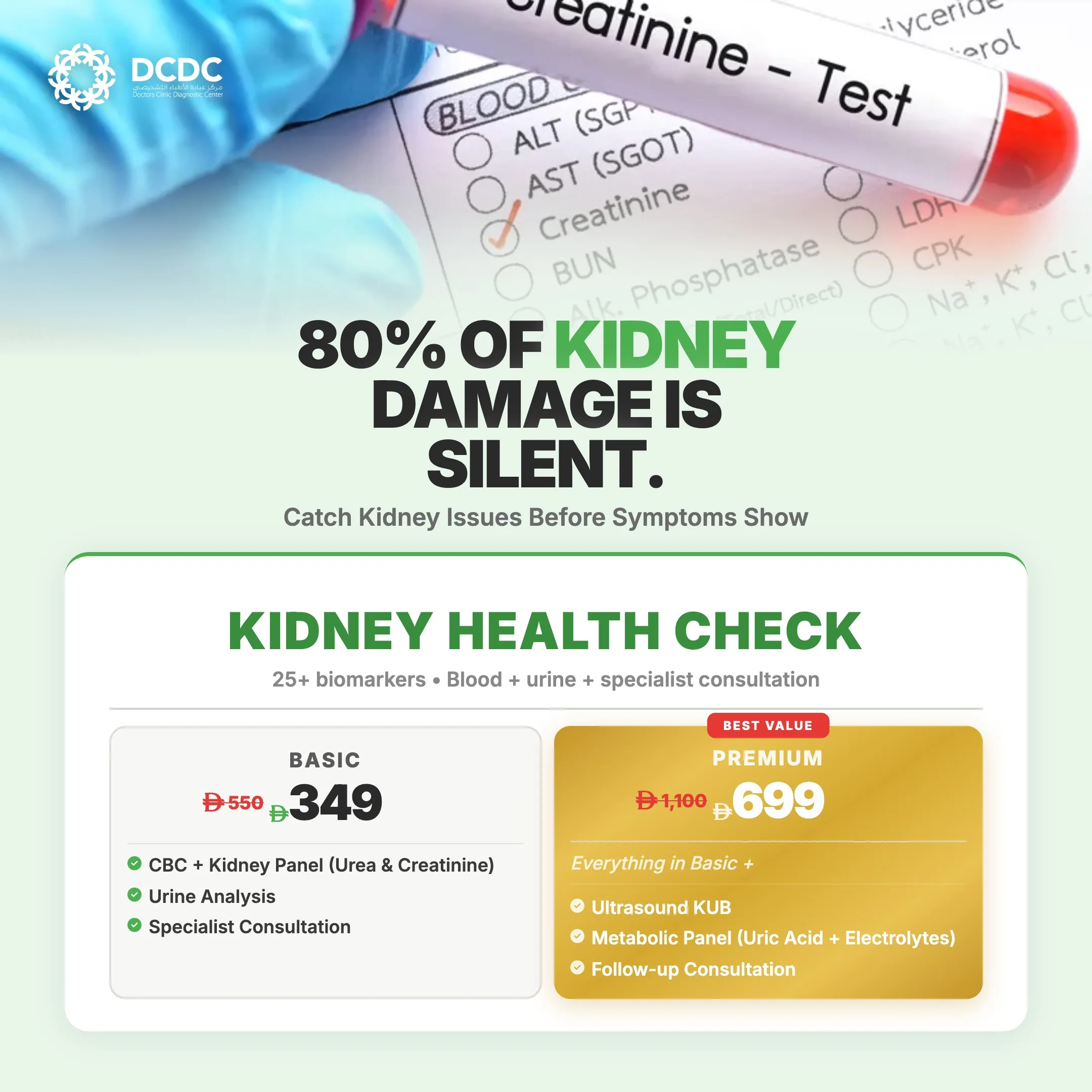
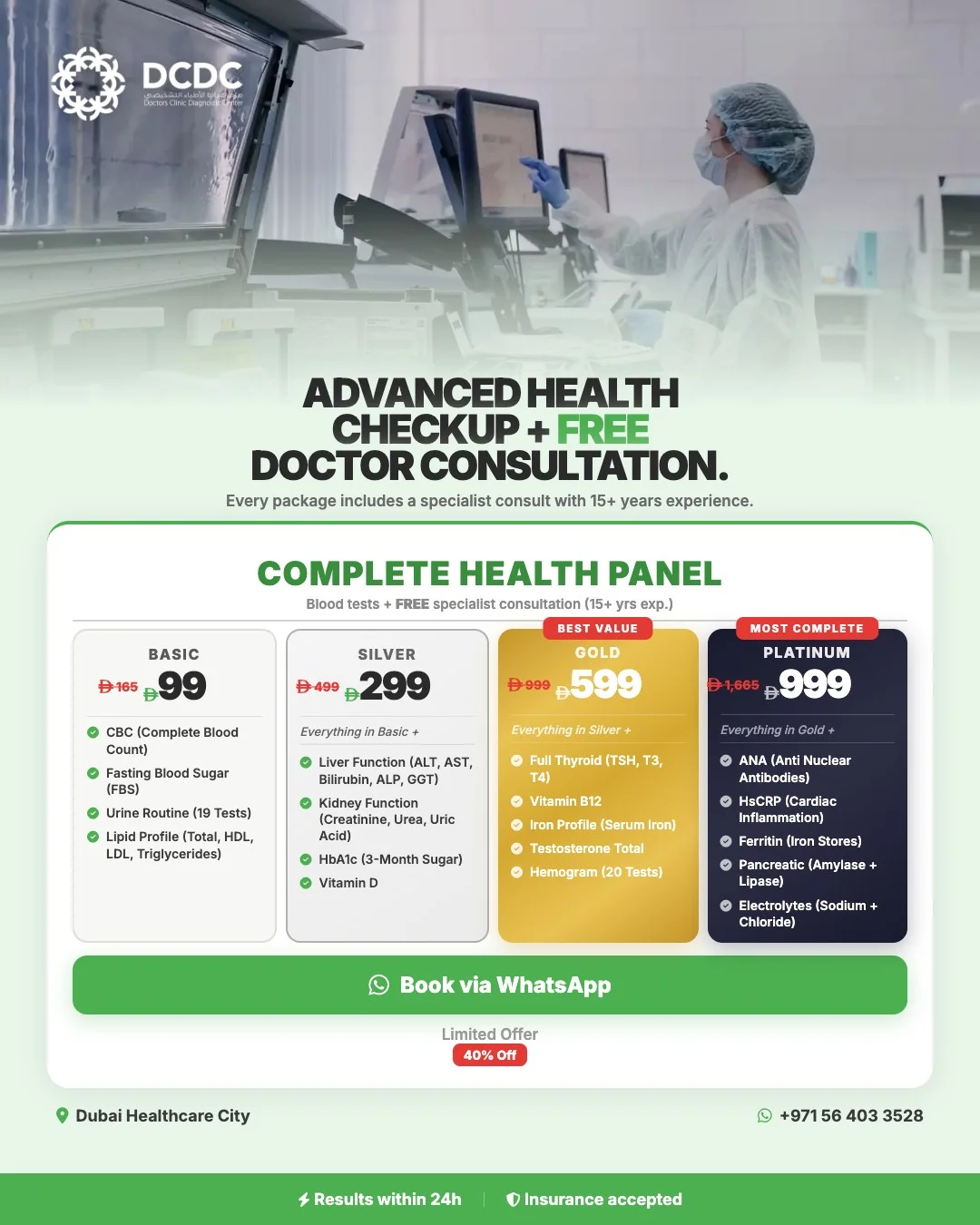
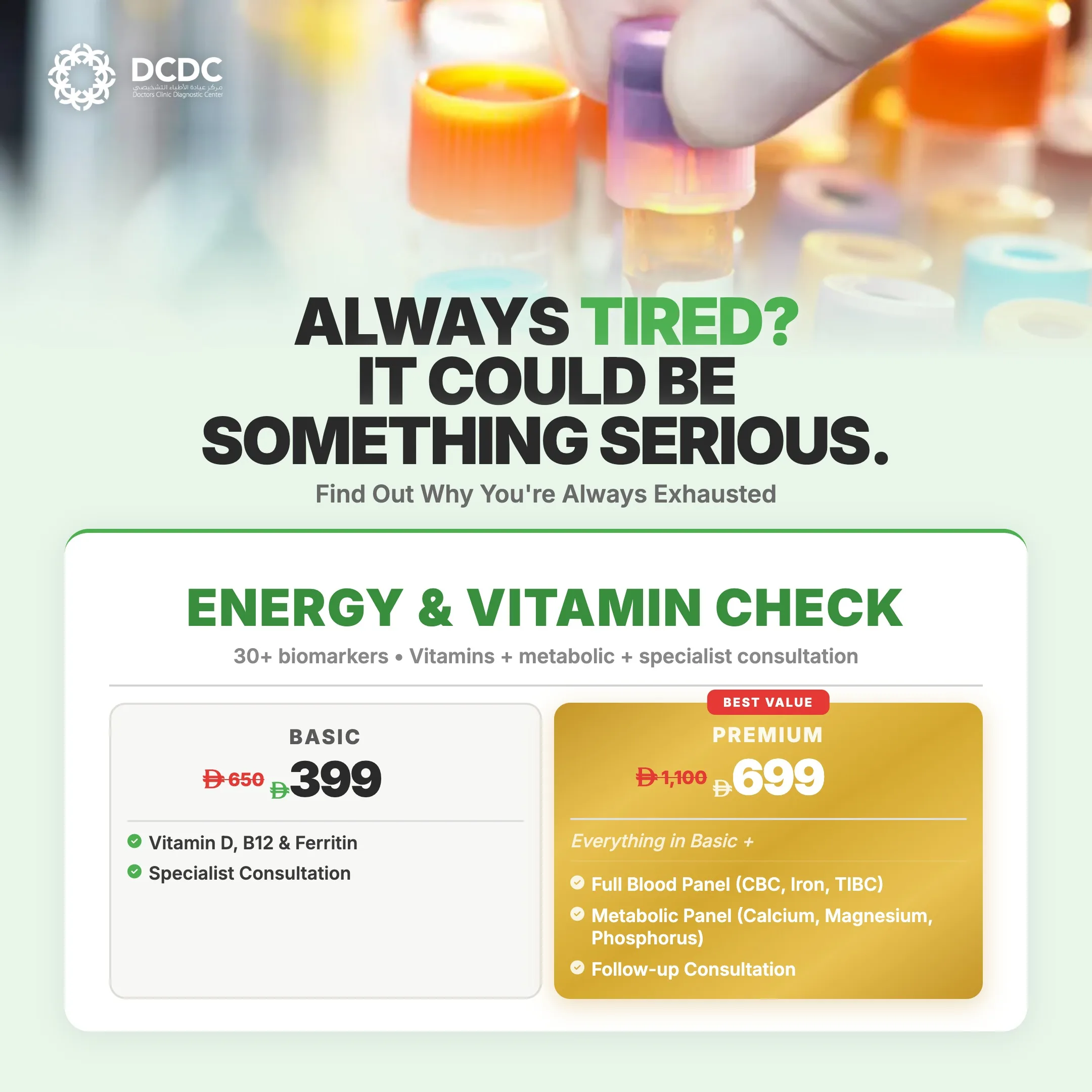
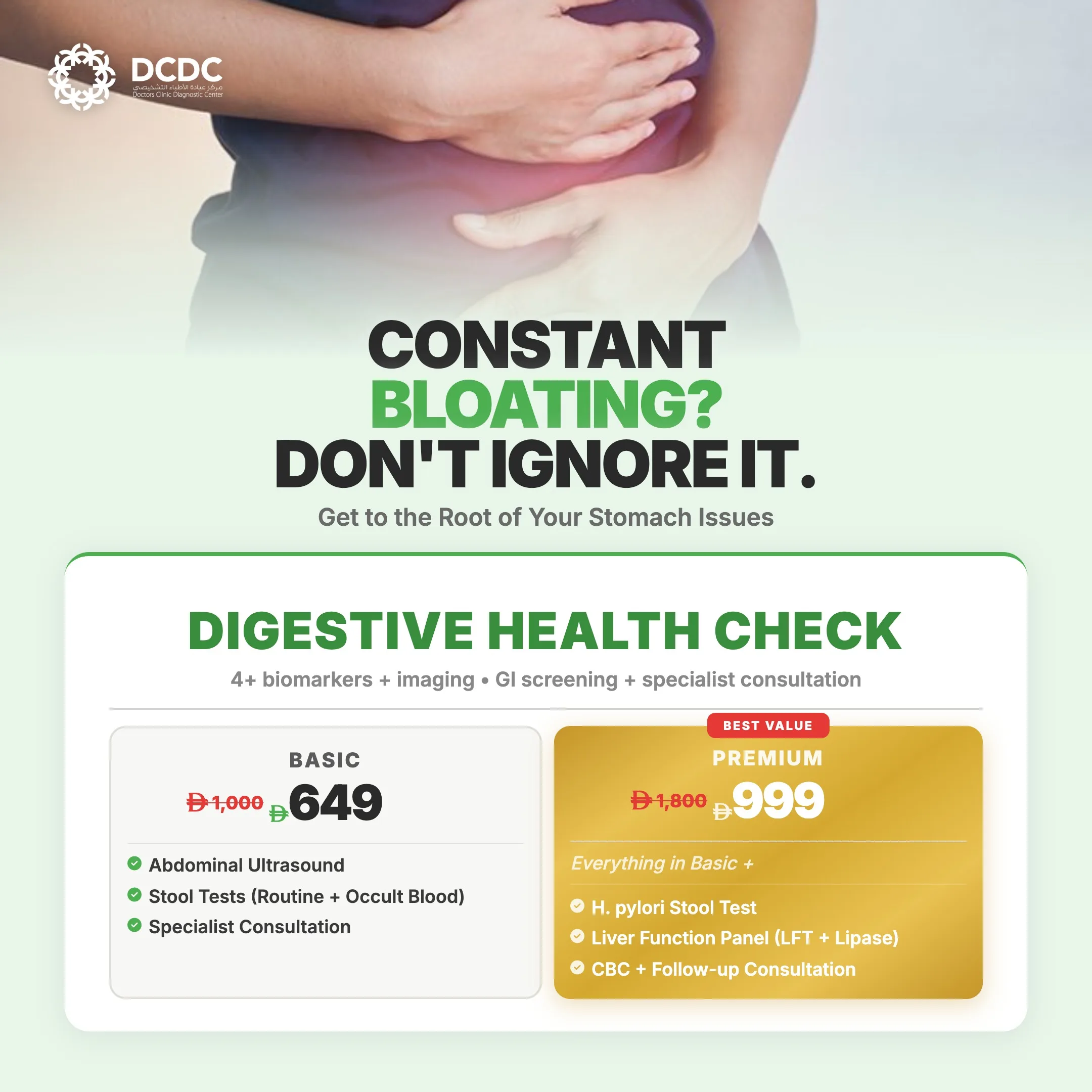
Health Screening Packages
Save with our bundled screening packages — specialist consultation included


What Does a Dermatologist Do?
A dermatologist is a medical doctor who specialises in diagnosing and treating conditions affecting the skin, hair, and nails. After completing medical school, dermatologists undergo an additional 3-4 years of residency training specifically in dermatology. Some pursue further subspecialty fellowships in areas like dermatopathology (skin biopsy analysis), paediatric dermatology, or Mohs micrographic surgery for skin cancer.
According to the American Academy of Dermatology (AAD), dermatologists are trained to diagnose and manage more than 3,000 different conditions of the skin, hair, and nails. This includes inflammatory conditions like eczema and psoriasis, infectious diseases like fungal infections and warts, autoimmune disorders like vitiligo and lupus, and malignancies like melanoma and basal cell carcinoma.
Medical Dermatology vs Cosmetic Dermatology
Understanding the distinction between medical and cosmetic dermatology is important because it affects both the type of specialist you need and whether your insurance will cover the visit.
| Aspect | Medical Dermatology | Cosmetic Dermatology |
|---|---|---|
| Focus | Diagnosing and treating skin diseases | Improving skin appearance |
| Common procedures | Biopsies, patch testing, phototherapy, excisions | Botox, fillers, laser resurfacing, chemical peels |
| Conditions treated | Eczema, psoriasis, acne, skin cancer, rosacea | Wrinkles, pigmentation, acne scars, skin laxity |
| Insurance coverage | Usually covered under medical insurance | Typically not covered (out-of-pocket) |
| Who performs it | Board-certified dermatologist | Dermatologist, plastic surgeon, or trained aesthetician |
| Referral needed | Often requires GP referral for insurance | Usually direct booking |
Medical vs cosmetic dermatology comparison in Dubai
Common Skin Conditions Treated by Dermatologists in Dubai
Dubai's unique climate and multicultural population create a specific profile of dermatological conditions that are particularly prevalent in the region. The combination of intense UV radiation year-round, high humidity from May to October, and constant transitions between outdoor heat and indoor air conditioning places significant stress on the skin barrier.
Acne Vulgaris
Acne affects up to 85% of people between ages 12 and 24, and approximately 25% of adults over 25 continue to experience breakouts. In Dubai, the hot, humid climate increases sebum production, while frequent air conditioning disrupts the skin's moisture barrier. A dermatologist can prescribe topical retinoids, antibiotics, hormonal therapy, or oral isotretinoin depending on severity. At DCDC, our GPs assess acne patients with same-day hormone blood tests to identify underlying causes like PCOS or thyroid dysfunction before treatment. For more detailed information, see our guide on acne treatment in Dubai.
Eczema (Atopic Dermatitis)
Eczema affects approximately 15-20% of children and 1-3% of adults worldwide according to the World Health Organization. In Dubai, triggers commonly include dust mites (prevalent in carpeted apartments), air conditioning that strips skin moisture, harsh water quality, and stress. Treatment ranges from emollients and topical corticosteroids to newer biologic therapies like dupilumab for severe cases. For comprehensive information, read our eczema treatment guide.
Psoriasis
Psoriasis is a chronic autoimmune condition affecting approximately 2-3% of the global population. It causes raised, red, scaly patches most commonly on the elbows, knees, scalp, and lower back. While moderate sun exposure can improve psoriasis, Dubai's extreme UV can worsen it. Treatment options include topical therapies, phototherapy (controlled UV light), oral medications like methotrexate, and biologic injections for moderate-to-severe cases.
Hair Loss (Alopecia)
Hair loss affects both men and women and has multiple causes including androgenetic alopecia (genetic pattern hair loss), alopecia areata (autoimmune), telogen effluvium (stress-related shedding), nutritional deficiencies (iron, vitamin D, zinc), and thyroid disorders. Dermatologists diagnose the specific type through clinical examination, blood tests, and sometimes scalp biopsy. Treatment varies from topical minoxidil and oral finasteride to PRP therapy and hair transplantation. DCDC offers comprehensive hair loss evaluation including blood panels and PRP treatment.
Melasma and Hyperpigmentation
Melasma is particularly common in Dubai's diverse population, affecting up to 40% of women and 20% of men in certain ethnic groups according to the Indian Journal of Dermatology. The condition causes brown or grey-brown patches typically on the face, triggered by UV exposure, hormonal changes (pregnancy, birth control pills), and heat. Treatment includes prescription hydroquinone, retinoids, azelaic acid, chemical peels, and strict sun protection. Dubai's year-round UV makes management especially challenging.
Skin Cancer Screening
The UAE receives approximately 350+ days of sunshine annually, making regular skin cancer screening essential. According to the Skin Cancer Foundation, 1 in 5 Americans will develop skin cancer by age 70, and rates are rising globally. Dermatologists perform full-body skin examinations using dermoscopy (a specialised magnifying tool) to evaluate moles and lesions. The ABCDE rule (Asymmetry, Border irregularity, Colour variation, Diameter over 6mm, Evolving) guides when to seek urgent evaluation.
Rosacea
Rosacea affects approximately 10% of fair-skinned adults and causes persistent facial redness, visible blood vessels, and sometimes acne-like bumps. Dubai's heat, spicy food culture, and alcohol can trigger flares. Treatment includes topical metronidazole, azelaic acid, oral antibiotics for inflammatory rosacea, and laser therapy for persistent redness. Early treatment prevents progression to rhinophyma (thickened nose skin).
When Should You See a Dermatologist in Dubai?
Not every skin concern requires a dermatologist immediately. A general practitioner can assess and treat many common conditions, referring to a specialist when needed. However, certain situations warrant direct dermatological evaluation.
- Persistent acne that has not responded to over-the-counter treatments after 3 months. A dermatologist can prescribe stronger medications and investigate hormonal causes.
- A new or changing mole — any mole that changes in size, shape, colour, or begins to bleed should be evaluated urgently for potential skin cancer.
- Chronic skin conditions like eczema or psoriasis that are not adequately controlled with GP-prescribed treatments.
- Unexplained hair loss — especially if rapid, patchy, or affecting eyebrows and eyelashes alongside scalp hair.
- Suspected skin infection that is spreading, worsening, or accompanied by fever.
- Allergic skin reactions where the trigger is unknown despite standard allergy testing.
- Skin conditions affecting quality of life — visible conditions causing significant emotional distress or social withdrawal.
- Family history of melanoma or skin cancer — annual screening is recommended for high-risk individuals.
How to Choose the Right Dermatologist in Dubai
Selecting a dermatologist requires evaluating several factors beyond just location and availability. The right specialist for you depends on your specific condition, treatment preferences, and practical considerations like insurance coverage.
Credentials and Qualifications to Check
- DHA or MOHAP licence: Every practising dermatologist in Dubai must be licensed by the Dubai Health Authority (DHA) or the Ministry of Health and Prevention (MOHAP). You can verify licences through the DHA Sheryan system.
- Board certification: Look for certification from recognised bodies such as the American Board of Dermatology (ABD), Royal College of Physicians (UK), or Arab Board of Dermatology and Venereology.
- Subspecialty training: If you need a specific procedure (e.g., Mohs surgery for skin cancer, paediatric dermatology), confirm the doctor has fellowship training in that area.
- Years of experience: While new graduates can be excellent, complex conditions like autoimmune skin disorders or skin cancer benefit from experienced practitioners.
- Published research: Dermatologists who publish in peer-reviewed journals typically stay current with the latest evidence-based treatments.
Practical Considerations
- Insurance acceptance: Confirm the clinic accepts your insurance plan with direct billing to avoid paying out-of-pocket and claiming later.
- Location and accessibility: Regular follow-ups are common in dermatology, so choose a location convenient for repeat visits.
- Language: Effective communication about skin concerns is critical. Ensure the dermatologist speaks your preferred language.
- Technology and equipment: Modern dermatology relies on dermoscopy, laser devices, and phototherapy units. Ask about available technology.
- Patient reviews: Google reviews and patient testimonials provide insight into bedside manner, wait times, and treatment outcomes.
Dermatologist Consultation Cost in Dubai
Understanding the cost structure helps you budget appropriately and avoid unexpected expenses. Dermatology costs in Dubai vary widely depending on the clinic type, doctor's experience, and whether the visit is medical or cosmetic.
| Service | Estimated Cost (AED) | Insurance Coverage |
|---|---|---|
| Initial dermatology consultation | 300-500 | Usually covered with referral |
| Follow-up consultation | 200-350 | Usually covered |
| Skin biopsy (punch/shave) | 500-1,500 | Covered for medical necessity |
| Patch testing (allergy) | 800-2,000 | Often covered |
| Phototherapy session | 200-500 per session | Covered for psoriasis/eczema |
| Mole removal (medical) | 500-2,000 | Covered if medically necessary |
| Acne treatment (isotretinoin program) | 1,500-5,000 total | Medication often covered |
| Chemical peel (cosmetic) | 500-2,000 | Not covered |
| Laser treatment (cosmetic) | 1,000-5,000 per session | Not covered |
| Botox (cosmetic) | 1,000-3,000 per area | Not covered |
Dermatology consultation and treatment costs in Dubai (2026 estimates)
At DCDC, a general consultation that includes skin assessment starts from AED 250. This is often a practical first step because your GP can diagnose many common conditions, order relevant blood tests the same day, and provide referrals to a specialist dermatologist if needed, potentially saving you the higher cost of a direct dermatology consultation for conditions that can be managed at the primary care level.
Concerned About a Skin Condition?
Book a GP consultation at DCDC in Dubai Healthcare City for a thorough skin assessment with same-day blood tests. We will investigate the underlying cause and refer you to a specialist dermatologist if needed.
Call +971 4 243 4429 or WhatsApp to book
Insurance Coverage for Dermatology in Dubai
Understanding your insurance coverage before booking a dermatology appointment can save significant out-of-pocket expense. The key distinction is between medical and cosmetic services.
What Insurance Typically Covers
- Medical dermatology consultations — diagnosis and treatment of skin diseases like eczema, psoriasis, acne, and suspected skin cancer are generally covered.
- Diagnostic procedures — skin biopsies, patch testing, and blood tests ordered to investigate skin conditions.
- Prescription medications — topical and oral medications prescribed for diagnosed skin conditions.
- Phototherapy — UV light treatment for conditions like psoriasis, vitiligo, and severe eczema.
- Medically necessary mole removal — excision of suspicious or symptomatic moles.
What Insurance Typically Does NOT Cover
- Cosmetic procedures — Botox, fillers, laser skin resurfacing, chemical peels for aesthetic purposes.
- Cosmetic mole removal — removal of benign moles for appearance reasons.
- Hair transplantation — considered cosmetic even if hair loss has a medical cause.
- Scar treatment — laser or injection treatment for acne scars, surgical scars, or keloids is often excluded.
DCDC offers direct billing with 20+ insurance providers including Daman, AXA, Bupa, MetLife, and Cigna. Our staff handles pre-authorisation so you can focus on your treatment rather than paperwork.
Dubai's Climate and Your Skin: What You Need to Know
Dubai's environment creates unique dermatological challenges that both residents and visitors should understand. These factors influence which skin conditions are most common and how effectively they can be managed.
UV Exposure
The UAE has a UV index of 10+ (very high) for approximately 8 months of the year. Even on cloudy days, up to 80% of UV radiation reaches the skin. This contributes to accelerated photoageing (wrinkles, age spots, loss of elasticity), worsening of melasma, increased risk of skin cancer, and post-inflammatory hyperpigmentation lasting longer after any skin injury or inflammation.
Humidity and Heat
Dubai's humidity reaches 90% or higher from June through September. High humidity increases sebum production and sweat, clogs pores (leading to acne and miliaria/heat rash), promotes fungal skin infections (tinea corporis, tinea versicolor), and exacerbates conditions like folliculitis (infected hair follicles).
Air Conditioning
Constant air conditioning is a reality of Dubai life, but it reduces indoor humidity to 20-30% (well below the 40-60% ideal for skin health). This strips the skin's moisture barrier, triggers eczema flares, causes dry, cracked lips, and worsens rosacea. Dermatologists in Dubai frequently advise patients to use humidifiers indoors and apply ceramide-based moisturisers to maintain the skin barrier.
Skin-Related Services Available at DCDC
While DCDC does not operate a dedicated dermatology department, several of the clinic's services directly address skin-related concerns. The multi-specialty structure means many skin conditions can be assessed, investigated, and managed under one roof.
GP Skin Assessment
According to Dr. Hadeel Elnur, "Many skin conditions have underlying systemic causes that a thorough general assessment can identify. Acne may be driven by hormonal imbalances, persistent rashes may signal an autoimmune condition, and hair loss often has nutritional or thyroid-related roots. Our approach at DCDC is to investigate these causes with same-day blood tests before referring to a specialist dermatologist, so you arrive at the specialist with diagnostic data already in hand."
Laboratory Investigations for Skin Conditions
DCDC's on-site laboratory offers same-day results for routine tests, allowing your GP to identify underlying causes of skin conditions during a single visit. Common tests ordered for skin patients include the following.
- Hormone panel (FSH, LH, testosterone, DHEA-S): Essential for hormonal acne, hirsutism, and female pattern hair loss.
- Thyroid function tests (TSH, T3, T4): Thyroid disorders cause dry skin, hair loss, and brittle nails.
- Vitamin D and ferritin: Deficiencies are common in Dubai and linked to hair loss, eczema severity, and poor wound healing.
- CBC and inflammatory markers (ESR, CRP): To screen for systemic inflammation or infection.
- IgE allergy panel: To identify environmental or food allergens triggering eczema, urticaria, or contact dermatitis.
- Autoimmune markers (ANA, anti-dsDNA): If lupus, dermatomyositis, or other autoimmune skin conditions are suspected.
Allergy Testing
DCDC offers IgE blood panels that can identify specific allergens (dust mites, pet dander, moulds, foods) contributing to skin reactions. This is particularly valuable for patients with chronic urticaria (hives), persistent eczema, or contact dermatitis where the trigger is unknown.
PRP Treatment for Hair Loss
Platelet-Rich Plasma (PRP) therapy is available at DCDC for hair loss treatment. The procedure involves drawing a small blood sample, concentrating the platelets, and injecting them into the scalp to stimulate hair follicle growth. Clinical studies have shown PRP can increase hair density by 25-30% after 3-6 sessions.
What to Expect at DCDC for a Skin Concern
If you visit DCDC with a skin-related concern, the process follows a structured pathway designed to identify underlying causes and provide effective treatment or an informed specialist referral.
- Step 1 — Arrival and check-in: DCDC is located in Building 64, Block A, Al Razi Medical Complex in Dubai Healthcare City, with free dedicated parking. Average wait time is just 15 minutes.
- Step 2 — GP consultation: Your doctor will examine the affected skin, take a detailed medical history (including medications, allergies, family history), and assess whether the condition is localised or part of a systemic issue.
- Step 3 — Same-day investigations: If blood tests are needed (hormones, vitamins, thyroid, allergy panels), samples are collected on-site with routine results available the same day.
- Step 4 — Treatment plan or referral: For conditions manageable at the GP level (mild-moderate acne, eczema, fungal infections), your doctor will prescribe treatment immediately. For complex or severe conditions, you will receive a referral to a specialist dermatologist along with your test results.
- Step 5 — Follow-up: Results are accessible through the patient portal, and follow-up appointments can be booked for treatment monitoring.
Types of Dermatology Specialists in Dubai
Dermatology has several subspecialties, and understanding which type of specialist you need can help you find the right doctor more efficiently.
| Subspecialty | Focus Area | When to See |
|---|---|---|
| General dermatologist | All skin, hair, and nail conditions | First-line specialist for most skin concerns |
| Dermatopathologist | Microscopic diagnosis of skin biopsies | When biopsy results need expert interpretation |
| Paediatric dermatologist | Skin conditions in children | Childhood eczema, birthmarks, genetic skin disorders |
| Mohs surgeon | Skin cancer removal | Basal cell or squamous cell carcinoma on face/hands |
| Cosmetic dermatologist | Aesthetic procedures | Botox, fillers, laser, chemical peels |
| Dermatological surgeon | Surgical treatment of skin conditions | Cyst removal, large mole excision, skin grafts |
| Trichologist | Hair and scalp disorders | Complex hair loss, scalp conditions |
Dermatology subspecialties and when to see each specialist
Common Dermatology Treatments Available in Dubai
Dubai offers the full spectrum of dermatological treatments, from conservative medical management to advanced procedures. Understanding what is available helps you have informed conversations with your dermatologist about treatment options.
Medical Treatments
- Topical medications: Retinoids, corticosteroids, calcineurin inhibitors, antifungals, and antibiotics applied directly to the skin.
- Oral medications: Antibiotics (doxycycline, minocycline), isotretinoin (Accutane), immunosuppressants (methotrexate, cyclosporine), and antihistamines.
- Phototherapy: Narrowband UVB or PUVA therapy for psoriasis, vitiligo, and severe eczema. Usually 2-3 sessions per week for 6-12 weeks.
- Biologic injections: Targeted immunotherapy (dupilumab for eczema, secukinumab for psoriasis) for moderate-to-severe cases that have not responded to conventional treatment.
- Intralesional injections: Corticosteroid injections directly into cystic acne, keloids, or localised inflammatory lesions.
Procedural Treatments
- Cryotherapy: Liquid nitrogen treatment for warts, actinic keratoses, and small skin lesions.
- Electrosurgery: Removal of skin tags, small growths, and superficial lesions using electrical current.
- Excisional biopsy: Surgical removal of suspicious moles or lesions for pathological examination.
- Chemical peels: Glycolic, salicylic, or trichloroacetic acid (TCA) peels for acne, hyperpigmentation, and skin texture improvement.
- Laser therapy: CO2 fractional laser, IPL (intense pulsed light), and vascular lasers for scars, pigmentation, redness, and skin rejuvenation.
Dermatology for Children in Dubai
Children experience different skin conditions than adults, and treatment approaches must account for their developing skin and immune systems. Common paediatric dermatology conditions in Dubai include atopic dermatitis (eczema, affecting up to 20% of children in the UAE), nappy rash, cradle cap, viral exanthems (rashes from childhood illnesses), molluscum contagiosum, and warts.
The Cleveland Clinic recommends seeing a paediatric dermatologist if your child has eczema that is not responding to standard treatment, a rash that is spreading or accompanied by fever, unusual birthmarks or moles, or any skin condition affecting their daily activities or sleep.
Skin Concerns for Your Child?
DCDC offers paediatric consultations with same-day blood tests for allergy panels, vitamin levels, and immune markers. Book an appointment at our Dubai Healthcare City clinic.
Call +971 4 243 4429 or WhatsApp
Questions to Ask Your Dermatologist
Preparing questions before your appointment helps you get the most value from your consultation. Dermatology appointments in Dubai typically last 15-30 minutes, so having focused questions ensures nothing important is missed.
- What is the exact diagnosis, and what is causing this condition?
- Is this condition curable or will it need ongoing management?
- What are all the treatment options, and what do you recommend as first-line?
- What are the side effects of the recommended treatment?
- How long before I can expect to see improvement?
- Are there any lifestyle changes that could help (diet, skincare, sun protection)?
- Do I need any blood tests to check for underlying causes?
- Should I come back for a follow-up, and if so, when?
- Is this condition hereditary, and should my family members be screened?
- Will my insurance cover this treatment, or is it considered cosmetic?
Skincare Tips for Dubai's Climate
While professional dermatological care is essential for diagnosed conditions, daily skincare adapted to Dubai's climate can prevent many common problems. The British Association of Dermatologists and AAD recommend the following evidence-based practices for sun-intense environments.
- Sunscreen SPF 30+ daily: Apply broad-spectrum sunscreen every morning, even indoors (UV penetrates windows). Reapply every 2 hours if outdoors. Choose water-resistant formulas during summer.
- Ceramide-based moisturiser: Restores the skin barrier disrupted by AC. Apply within 3 minutes of showering when skin is slightly damp.
- Gentle cleanser: Avoid harsh soaps that strip natural oils. Use pH-balanced, fragrance-free cleansers, especially if prone to eczema or rosacea.
- Vitamin D supplementation: Paradoxically, Dubai residents are frequently vitamin D deficient despite abundant sunshine, because sun avoidance and sunscreen use limit synthesis. Blood testing can confirm your levels.
- Hydration: Drink 2.5-3 litres of water daily in Dubai's heat. Dehydration directly affects skin elasticity and barrier function.
- Humidifier use: Place a humidifier in bedrooms to counteract AC-driven dryness, especially during winter months when outdoor humidity also drops.
Where to Find a Dermatologist in Dubai
Dubai has dermatology services available across several healthcare zones and areas. Knowing where to look can help you find a specialist that fits your needs.
- Dubai Healthcare City (DHCC): Dubai's dedicated medical free zone with multiple clinics, hospitals, and pharmacies in one area. DCDC is located here in Building 64, Block A of the Al Razi Medical Complex.
- Hospital-based dermatology departments: Cleveland Clinic Abu Dhabi, Mediclinic, Aster, and NMC hospitals all have dermatology departments with multiple specialists.
- Standalone dermatology clinics: Specialised clinics focusing exclusively on dermatology and aesthetics, often with advanced laser and cosmetic equipment.
- Multi-specialty clinics: Clinics like DCDC that offer dermatology-related services (GP assessment, blood tests, allergy testing) alongside other specialties, providing a comprehensive one-stop approach.
DCDC's location in Dubai Healthcare City is 10 minutes from Downtown Dubai, Business Bay, Jumeirah, Sheikh Zayed Road, and Bur Dubai. The clinic operates Saturday to Thursday 8 AM to 10 PM and Friday 9 AM to 9 PM, with free dedicated parking on site.
Related Services at DCDC
Expert care and advanced diagnostics at Dubai Healthcare City
General Consultation
Comprehensive GP consultation including skin condition assessment and referral.
Book AppointmentBlood Tests
Laboratory panels to investigate hormonal, autoimmune, or nutritional causes of skin conditions.
Book AppointmentAllergy Testing
IgE blood panels to identify environmental and food allergens triggering skin reactions.
Book AppointmentFrequently Asked Questions
Final Thoughts
Finding the right dermatologist in Dubai requires understanding your specific condition, knowing the difference between medical and cosmetic dermatology, verifying credentials, and confirming insurance coverage. Dubai's intense UV exposure, high humidity, and constant air conditioning create unique challenges for skin health that make professional guidance particularly valuable.
If you are unsure whether you need a GP or a specialist dermatologist, starting with a comprehensive GP consultation at DCDC in Dubai Healthcare City is a practical first step. With same-day blood tests, allergy panels, and direct specialist referrals, you can get the investigation started immediately. Book your appointment by calling +971 4 243 4429 or sending a WhatsApp message.
Sources & References
This article was reviewed by our medical team and references the following sources:
- American Academy of Dermatology - Skin Conditions by the Numbers
- World Health Organization - Skin Diseases
- British Association of Dermatologists - Sun Protection
- Skin Cancer Foundation - Skin Cancer Facts & Statistics
- Cleveland Clinic - When to See a Dermatologist
- NHS - Eczema (Atopic Dermatitis)
- Mayo Clinic - Psoriasis
Medical content on this site is reviewed by DHA-licensed physicians. See our editorial policy for more information.

Written by
Dr. Hadeel Elnur
General Practitioner
MD, General Practice
Dr. Hadeel Elnur is a General Practitioner at Doctors Clinic Diagnostic Center (DCDC) in Dubai Healthcare City.
Related Articles

Acne Treatment Dubai: Causes & Care (2026)

Eczema Treatment Dubai: Causes & Guide (2026)
Hair Loss Treatment Dubai: Complete Guide (2026)
Allergy Testing Dubai: Complete Guide (2026)
PRP Treatment for Hair Loss Dubai (2026)
More in General Health
Epilepsy Treatment Dubai: Symptoms & Care (2026)
Read More
Food Allergy vs Food Intolerance Dubai (2026)
Read More
Pneumonia vs Flu Dubai: Key Differences (2026)
Read MoreSwollen Lymph Nodes Dubai: When to Worry (2026)
Read MoreFlu vs Cold Dubai: How to Tell the Difference (2026)
Read More
Sleep Study Cost Dubai: Tests & Pricing (2026)
Read More© 2026 Doctors Clinic Diagnostic Center (DCDC), Dubai Healthcare City. Originally published at https://doctorsclinicdubai.ae/blog/dermatologist-dubai-guide. All rights reserved. Unauthorized reproduction is prohibited.