Key Takeaways
- Insomnia affects roughly one in three adults occasionally and one in ten chronically — and Dubai's high-pressure work culture, irregular shift patterns, and extreme summer heat make residents especially vulnerable
- Insomnia is classified by duration (acute versus chronic) and by pattern (difficulty falling asleep, staying asleep, or waking too early), and identifying your specific type helps target the right treatment
- Causes fall into four categories — medical, psychological, lifestyle, and environmental — and many, such as thyroid dysfunction, hormonal imbalance, or anxiety, are fully treatable once correctly diagnosed
- Chronic insomnia — trouble sleeping at least three nights a week for three months or longer — is a medical condition that deserves proper evaluation, not just another round of over-the-counter sleep aids
- DCDC's on-site laboratory can run thyroid, cortisol, and hormone panels with same-day results, ruling out common medical causes of sleeplessness in a single visit, with tests from AED 200
- Cognitive behavioural therapy for insomnia (CBT-I) is the first-line treatment recommended by international sleep guidelines and is more effective long-term than sleeping pills, which are best used short-term
- A neurology consultation at DCDC in Dubai Healthcare City starts from AED 400 and can include a full history, examination, and coordinated blood workup to identify exactly why you can't sleep
Lying awake at 3 a.m. scrolling your phone, exhausted at your desk the next day, and dreading another night of watching the ceiling — if this sounds familiar, you are far from alone. Insomnia is one of the most common health complaints among Dubai residents, driven by a demanding work culture, punishing summer heat, jet lag from frequent travel, and the general stress of expat life. At Doctors Clinic Diagnostic Center (DCDC) in Dubai Healthcare City, our neurology team sees patients every week whose sleeplessness has a clear, treatable cause once properly investigated. This guide explains the different types of insomnia, the medical, psychological, lifestyle, and environmental causes behind them, practical home remedies to try first, and exactly when it is time to see a doctor — with a neurology consultation available from AED 400.
Everyone has the occasional bad night's sleep. Insomnia is different: it is a persistent difficulty falling asleep, staying asleep, or waking up too early and being unable to get back to sleep, occurring despite having adequate opportunity to rest. The American Academy of Sleep Medicine estimates that up to a third of adults experience insomnia symptoms in any given year, and roughly one in ten meet the criteria for chronic insomnia disorder. In Dubai, where long working hours, air-conditioned indoor living, high caffeine consumption, and seasonal disruptions like Ramadan and summer heat are the norm, insomnia is arguably even more common than global averages suggest — yet it remains under-discussed and under-treated.
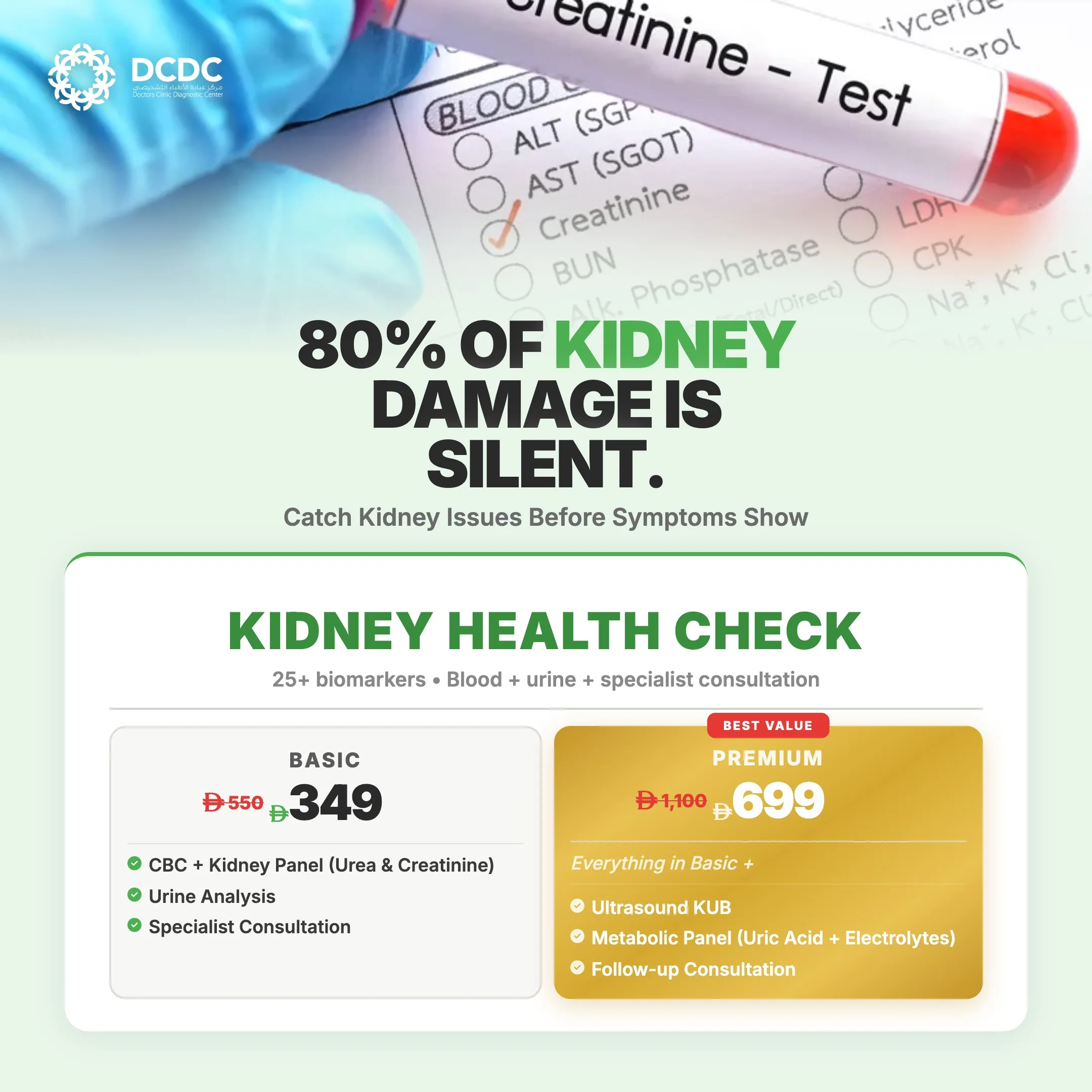
Health Screening Packages
Save with our bundled screening packages — specialist consultation included





What Is Insomnia? Types and Patterns You Should Know
Insomnia is not a single condition but a spectrum of sleep difficulty that is usually classified along two dimensions: how long it has lasted, and what part of the night it affects. Understanding which pattern applies to you helps your doctor narrow down the likely cause and choose the most effective treatment.
Acute Insomnia vs Chronic Insomnia
Acute insomnia, also called short-term or adjustment insomnia, lasts anywhere from a single night to a few weeks and is usually triggered by an identifiable stressor — a work deadline, a family crisis, jet lag after travel, or a change in environment. It typically resolves on its own once the trigger passes. Chronic insomnia is defined as difficulty falling asleep or staying asleep at least three nights a week for three months or longer, and it usually persists even after the original trigger has gone. Chronic insomnia often develops a life of its own: the anxiety about not sleeping becomes a cause of sleeplessness in itself, creating a self-reinforcing cycle that rarely improves without structured treatment.
Onset, Maintenance, and Early Morning Awakening Insomnia
Insomnia is also described by which part of sleep it disrupts. Sleep-onset insomnia is difficulty falling asleep at the start of the night and is frequently linked to anxiety, racing thoughts, or an irregular body clock. Sleep-maintenance insomnia involves waking repeatedly during the night and struggling to fall back asleep, and is more often associated with medical causes such as sleep apnoea, pain, or an overactive bladder. Early morning awakening insomnia — waking two or more hours before your intended time and being unable to return to sleep — is classically associated with depression and ageing, though it can also occur with an advanced circadian rhythm. Many patients experience a combination of all three, which is why a detailed sleep history is the starting point of any proper evaluation.
Why Can't I Sleep at Night? Common Causes of Insomnia in Dubai
Insomnia rarely has a single cause. In our neurology clinic at DCDC, we group the contributing factors into four broad categories — medical, psychological, lifestyle, and environmental — and most patients have overlap across more than one.
Medical Causes of Insomnia
A surprising number of insomnia cases have an underlying medical driver that, once treated, resolves the sleep problem entirely. Thyroid disorders are a classic example — an overactive thyroid (hyperthyroidism) raises heart rate and metabolism, making it hard to switch off at night, while an underactive thyroid can disturb sleep architecture and cause early waking. Recognising the wider signs of a thyroid disorder is often the first clue. Hormonal shifts — perimenopause, low testosterone, or elevated cortisol from chronic stress — are another frequent cause, and our guide to hormonal imbalance treatment in Dubai covers this in more depth. Chronic pain conditions, gastro-oesophageal reflux, an overactive bladder, asthma, and neurological conditions such as restless legs syndrome or peripheral neuropathy can all fragment sleep. Certain medications — decongestants, some antidepressants, corticosteroids, and stimulant-containing supplements — are also common culprits that patients often overlook when reviewing their sleep history with a doctor.
Psychological Causes
Anxiety and depression are among the strongest and most common drivers of insomnia. Anxiety tends to cause difficulty falling asleep, as the mind races through worries the moment the day's distractions disappear. Depression more often causes early morning awakening and unrefreshing sleep. Work-related stress is a major factor for Dubai's professional population — long hours, high-pressure targets, and the emotional weight of building a life away from extended family and familiar support networks all elevate cortisol and keep the nervous system in a state of alert that is incompatible with restful sleep. Grief, relationship difficulties, and financial pressure tied to the cost of living in the UAE are additional psychological contributors we regularly hear about during consultations.
Lifestyle Causes
Everyday habits play a bigger role in insomnia than most people realise. Excessive caffeine — easy to accumulate across a day of coffee meetings and afternoon tea — has a half-life of five to six hours, meaning a 4 p.m. coffee can still be affecting your ability to fall asleep at 10 p.m. Alcohol may help you fall asleep faster but fragments sleep in the second half of the night. Screen use before bed suppresses melatonin production through blue light exposure, delaying the body's natural signal to wind down. Irregular sleep schedules — common among shift workers in Dubai's retail, hospitality, and healthcare sectors — confuse the circadian rhythm, while daytime napping, especially long or late naps, can reduce the pressure to sleep at night. A sedentary lifestyle, often worsened by Dubai's heat keeping people indoors, also reduces the physical tiredness that promotes deep sleep.
Environmental and Dubai-Specific Causes
Dubai's environment presents sleep challenges that residents of more temperate climates rarely face. Bedroom temperature is critical for sleep quality, and even with air conditioning, poorly insulated buildings or units facing direct afternoon sun can leave bedrooms uncomfortably warm at bedtime during the summer months. Light pollution from Dubai's dense, brightly lit skyline can interfere with melatonin production if blackout curtains are not used. Noise from traffic, construction, or neighbours in high-density residential towers is another common disruptor. Frequent international travel for work or family visits brings recurring jet lag, and Dubai's role as a global travel hub means many residents cross multiple time zones several times a year. Seasonal schedule changes during Ramadan — with pre-dawn suhoor meals and altered work hours — and irregular shift patterns in 24-hour industries round out the environmental picture unique to life in the UAE.
Insomnia vs Sleep Apnea, Restless Legs, and Narcolepsy: How to Tell the Difference
Insomnia is only one of several sleep disorders, and the treatments differ significantly, so an accurate diagnosis matters. The table below compares insomnia with three other common sleep disorders to help you recognise which pattern best matches your symptoms.
| Sleep Disorder | Key Symptoms | Typical Underlying Cause | How It's Diagnosed |
|---|---|---|---|
| Insomnia | Difficulty falling asleep, staying asleep, or waking too early; daytime fatigue despite time in bed | Stress, anxiety, poor sleep habits, medical or hormonal conditions | Clinical history, sleep diary, and targeted blood tests to rule out medical causes |
| Obstructive Sleep Apnea | Loud snoring, witnessed breathing pauses, gasping at night, severe morning grogginess | Airway collapse during sleep, often linked to excess weight or anatomy | Overnight sleep study (polysomnography) or home sleep apnoea test |
| Restless Legs Syndrome | Uncomfortable, crawling sensation in the legs with an urge to move, worse in the evening and at rest | Iron deficiency, kidney disease, pregnancy, or genetic predisposition | Clinical evaluation plus ferritin and iron studies |
| Narcolepsy | Excessive, sudden daytime sleep attacks, sometimes with muscle weakness triggered by emotion (cataplexy) | Loss of hypothalamic neurons that regulate wakefulness | Specialist neurology referral, sleep study, and multiple sleep latency test |
Insomnia is the most common sleep disorder, but overlapping symptoms with sleep apnoea, restless legs syndrome, and narcolepsy mean a proper neurology evaluation is important before assuming any single diagnosis.
Chronic Insomnia Symptoms: When Sleeplessness Becomes a Medical Issue
Occasional poor sleep is normal. Chronic insomnia is different — it is persistent, disruptive, and affects far more than just how tired you feel. Review the checklist below. If three or more of these apply to you for a month or longer, it is time to take your sleep seriously as a medical issue rather than something to push through.
- Taking more than 30 minutes to fall asleep most nights, despite feeling tired
- Waking up multiple times during the night and struggling to fall back asleep
- Waking too early — two hours or more before your alarm — and being unable to return to sleep
- Daytime fatigue or sleepiness that affects concentration, mood, or performance at work
- Irritability or low mood that seems tied to how poorly you slept the night before
- Anxiety about sleep itself — dreading bedtime or watching the clock throughout the night
- Relying on sleep aids, alcohol, or over-the-counter medication most nights to fall asleep
- Sleep problems occurring at least three nights a week for three months or longer
Struggling to Sleep? Talk to a Neurologist in Dubai
Book a neurology consultation at DCDC to identify the cause of your insomnia — from AED 400, with same-day thyroid, cortisol, and hormone testing available on-site if needed. View neurology consultation details.
Open Sat-Thu 8 AM-10 PM, Fri 9 AM-9 PM in Dubai Healthcare City. Direct billing with 20+ insurance partners including Daman, AXA, Bupa, MetLife, and Cigna.
Sleep Hygiene Checklist: Home Remedies to Try First
For mild or recent insomnia — especially when it is linked to an obvious trigger like stress or jet lag — good sleep hygiene is often enough to restore normal sleep within a few weeks. Work through this checklist consistently for two to three weeks before assuming you need medical treatment.
- Keep a consistent schedule: Go to bed and wake up at the same time every day, including weekends, to anchor your circadian rhythm
- Cool your bedroom: Aim for 18 to 20 degrees Celsius — critical in Dubai, where AC efficiency and window exposure vary widely between buildings
- Cut caffeine after 2 p.m.: Caffeine's effects can linger for five to six hours, so an afternoon coffee can still disrupt sleep onset at night
- Limit alcohol in the evening: Alcohol may help you fall asleep faster but fragments sleep and worsens sleep quality overall
- Power down screens 60 minutes before bed: Blue light delays melatonin release; switch to reading or a dim lamp instead
- Get morning sunlight exposure: 15 to 20 minutes of natural light early in the day helps reset your internal clock, best done before Dubai's midday heat
- Avoid long or late naps: Keep daytime naps under 30 minutes and before 3 p.m. to protect your night-time sleep drive
- Reserve the bed for sleep: Avoid working, eating, or scrolling your phone in bed so your brain associates it purely with rest
- Wind down with a routine: A consistent 30-minute pre-sleep routine — stretching, journaling, or a warm shower — signals to your body that it's time to rest
- Exercise regularly, but not right before bed: Aim for morning or early evening activity; in summer, move workouts indoors given Dubai's extreme heat
When to See a Doctor vs When to Try Home Remedies First
Not every sleepless night requires a clinic visit, but knowing where the line falls prevents both unnecessary worry and unnecessary delay. Use the table below as a general guide.
| Your Situation | Recommended Action |
|---|---|
| Occasional poor sleep tied to a clear trigger (travel, deadline, one-off stress), resolving within a few nights | Try sleep hygiene measures first; no medical visit usually needed |
| Difficulty sleeping for more than 2 to 4 weeks despite good sleep habits | Book a GP or neurology consultation to screen for underlying causes |
| Insomnia occurring 3+ nights a week for 3 months or longer | Meets criteria for chronic insomnia — see a doctor for structured evaluation and treatment |
| Loud snoring, witnessed breathing pauses, or gasping during sleep | See a doctor promptly to screen for obstructive sleep apnoea |
| Insomnia with low mood, loss of interest in activities, or feelings of hopelessness | Seek medical evaluation soon — this may indicate depression requiring combined treatment |
| Reliance on sleep aids, alcohol, or medication most nights to fall asleep | See a doctor to address dependence risk and find the underlying cause |
| Sudden, severe daytime sleepiness with sleep attacks or muscle weakness | Seek urgent neurology evaluation to rule out narcolepsy or other neurological causes |
General guidance only — if in doubt, a neurology or GP consultation can quickly clarify whether your sleep problem needs medical treatment.
How Insomnia Is Diagnosed at DCDC
Diagnosing insomnia starts with a detailed conversation, not a scan. At DCDC, our neurology team takes a full sleep history — when the problem started, which part of the night is affected, your typical schedule, caffeine and alcohol intake, medications, stress levels, and any symptoms like snoring or leg discomfort. Because so many cases of insomnia trace back to a medical cause, we frequently pair this history with targeted blood tests. Our on-site laboratory can run a thyroid panel, morning cortisol, and hormone testing with same-day results, allowing us to check for hyperthyroidism, hypothyroidism, elevated stress hormones, and reproductive hormone imbalances — all common but frequently missed contributors to poor sleep — without you needing to visit a separate lab or wait days for answers. If the pattern suggests a different disorder, such as suspected sleep apnoea or restless legs syndrome, we can arrange further specialist testing or refer you within DCDC's multi-specialty setup, which brings neurology, laboratory testing, and cardiology together under one roof for a comprehensive workup.
Insomnia Treatment Options: CBT-I, Medication, Supplements, and Lifestyle Change
Once a cause — or combination of causes — is identified, treatment is tailored accordingly. The table below summarises the main treatment approaches used for insomnia, from first-line behavioural therapy to short-term medication.
| Treatment Approach | How It Works | Best Suited For |
|---|---|---|
| Cognitive Behavioural Therapy for Insomnia (CBT-I) | Structured programme addressing sleep-disrupting thoughts and habits through stimulus control, sleep restriction, and relaxation training | Chronic insomnia; considered the first-line treatment by major sleep guidelines, with effects that last after treatment ends |
| Treating the underlying medical cause | Correcting thyroid dysfunction, hormone imbalance, reflux, pain, or other conditions identified on evaluation | Insomnia with an identified medical driver — often resolves sleep problems without needing separate sleep treatment |
| Short-term prescription medication | Sleep aids used under medical supervision to break an acute insomnia cycle or provide short-term relief | Acute insomnia or as a bridge while CBT-I or an underlying cause takes effect; not intended for long-term nightly use |
| Supplements (melatonin, magnesium) | Melatonin can help reset circadian timing, particularly for jet lag or shift work; magnesium may support relaxation | Mild, situational sleep difficulty or circadian misalignment; best used under guidance rather than self-prescribed long-term |
| Lifestyle and sleep hygiene changes | Consistent schedule, reduced caffeine and screen use, cooler bedroom, and regular exercise | All insomnia types — forms the foundation of treatment alongside any medical or behavioural therapy |
Treatment is most effective when matched to the underlying cause identified during a proper evaluation, rather than relying on a single approach in isolation.
What to Expect at DCDC: Your Insomnia Evaluation Journey
We know that reaching out about a sleep problem can feel like a small thing to bring to a doctor — but insomnia is a legitimate medical concern, and getting it evaluated properly can be life-changing. Here is what a typical visit for insomnia looks like at DCDC in Dubai Healthcare City.
Step 1: Neurology Consultation
Your visit begins with a thorough consultation covering your sleep history, medical background, current medications, stress levels, and lifestyle factors such as caffeine, alcohol, screen use, and work schedule. A focused neurological examination helps rule out other conditions that may be contributing, such as restless legs syndrome or signs of a broader neurological issue. This consultation is available from AED 400.
Step 2: Same-Day Lab Workup if Needed
If a medical cause is suspected, you can have blood drawn immediately at DCDC's on-site laboratory — no separate appointment required. Thyroid, cortisol, and hormone panels are available from AED 200, with same-day results for routine tests. This lets us confirm or rule out common medical drivers of insomnia in a single visit rather than sending you elsewhere and waiting days for answers.
Step 3: A Personalised Treatment Plan
Based on your history and results, we build a treatment plan tailored to your specific pattern of insomnia — whether that means treating an underlying thyroid or hormonal issue, guidance on CBT-I techniques and sleep hygiene, short-term medication where appropriate, or referral for a sleep study if a disorder like sleep apnoea is suspected. Follow-up is built into the plan so we can track your progress and adjust as needed.

Neurologist
Dr. Riad Trabulsi is a Neurologist at Doctors Clinic Diagnostic Center (DCDC) in Dubai Healthcare City, specialising in stroke care and neuropathy, and also evaluates patients with sleep disorders including insomnia. "Patients often assume insomnia is simply the price of a busy life in Dubai, but in my experience, a meaningful number have a treatable driver — a thyroid imbalance, an iron deficiency behind restless legs, or unrecognised anxiety. Taking a careful history and pairing it with the right blood tests usually points us straight to the answer, and having our own laboratory on-site means we don't have to send patients away and wait days to find out."
Dubai's August Heat and Long Daylight Hours: Why Summer Sleep Suffers
August is one of the hardest months for sleep in Dubai. Daytime temperatures regularly exceed 40 degrees Celsius, and even well-insulated homes can struggle to maintain a truly sleep-friendly bedroom temperature overnight, particularly in units that absorb heat through the day. Extended daylight hours in summer can also delay the natural release of melatonin if bedrooms are not properly blacked out, pushing sleep onset later than intended. Heat additionally increases the likelihood of dehydration, which is itself linked to poorer sleep quality, headaches, and next-day fatigue — issues covered in more depth in our guide to headache types and when to worry. Many residents also reduce outdoor activity entirely during summer to avoid the heat, which lowers the physical exertion that normally supports deep, restorative sleep. If your insomnia seems to worsen specifically in the summer months, prioritising a cooler, fully blacked-out bedroom and shifting exercise indoors or to early morning hours can make a meaningful difference.
Ramadan, Jet Lag, and Shift Work: Dubai's Unique Sleep Disruptors
Beyond the heat, Dubai's lifestyle brings several recurring sleep disruptors that are less common elsewhere. During Ramadan, pre-dawn suhoor meals, adjusted working hours, and evening iftar gatherings shift the entire sleep-wake cycle, and many residents experience temporary insomnia or fragmented sleep during this period — this typically settles within the first week as the body adapts, though persistent difficulty deserves attention. Frequent international travel, whether for business or to visit family, brings recurring jet lag as residents cross multiple time zones, which can compound into chronic circadian disruption if flights are frequent. Shift work in Dubai's retail, hospitality, aviation, and healthcare sectors is another major factor — rotating or overnight schedules fight directly against the body's natural circadian rhythm and are strongly associated with chronic insomnia and daytime fatigue. If shift work or frequent travel is a persistent part of your life, our article on chronic fatigue causes in Dubai explores the overlap between poor sleep and persistent tiredness in more detail, and a migraine treatment guide is also useful, since disrupted sleep is a well-known migraine trigger.
DCDC Insomnia Care: Pricing, Insurance, and Convenience
We have structured our insomnia evaluation pathway to be thorough, fast, and accessible for busy Dubai residents. The table below summarises typical pricing for an insomnia workup at DCDC.
| Service | What's Included | Price |
|---|---|---|
| Neurology Consultation | Full sleep history, neurological examination, and personalised assessment with Dr. Riad Trabulsi | From AED 400 |
| Thyroid Panel | TSH and thyroid hormone testing to check for hyperthyroidism or hypothyroidism affecting sleep | From AED 399 |
| Cortisol / Hormone Panel | Morning cortisol and hormone testing to screen for stress-related and hormonal causes of insomnia | From AED 200 |
| Combined Neurology Consultation + Lab Workup | Consultation plus same-day thyroid, cortisol, and hormone testing in a single visit | From AED 600 |
Indicative pricing only — final cost depends on the specific tests ordered and insurance coverage. Direct billing available with 20+ insurance partners.
Beyond pricing, here is what makes the process convenient at DCDC.
- Neurology consultation from AED 400: A full history, examination, and personalised assessment of your sleep pattern
- Thyroid, cortisol, and hormone testing from AED 200: Same-day results from our on-site laboratory to identify or rule out medical causes
- 20+ insurance partners with direct billing: Including Daman, AXA, Bupa, MetLife, and Cigna — present your card and we handle the billing directly
- Extended operating hours: Open Saturday to Thursday 8 AM to 10 PM and Friday 9 AM to 9 PM, making appointments easy to fit around work
- Multi-specialty, one-stop workup: Neurology, laboratory testing, and cardiology available under one roof for a comprehensive evaluation if needed
- Free on-site parking: Dedicated free parking at Building 64, Block A, Al Razi Medical Complex, Dubai Healthcare City
- Average wait time of just 15 minutes: Reflecting our commitment to respecting your time
- MOHAP Licensed: DCDC operates under full Dubai Health Authority licensing standards
With a Google rating of 4.8 out of 5 from more than 1,000 verified reviews and a 98 percent patient satisfaction rate, DCDC is trusted by thousands of Dubai residents for neurology, sleep-related concerns, and diagnostic care.
Get to the Bottom of Your Sleep Problem Today
Book a neurology consultation with Dr. Riad Trabulsi at DCDC — from AED 400, with same-day thyroid, cortisol, and hormone testing available on-site if needed. View neurology consultation details or WhatsApp us to book.
Located in Building 64, Block A, Al Razi Medical Complex, Dubai Healthcare City. 4.8/5 Google rating from 1,000+ reviews. Direct billing with 20+ insurance partners.
Frequently Asked Questions About Insomnia in Dubai
Related Services at DCDC
Expert care and advanced diagnostics at Dubai Healthcare City
Frequently Asked Questions
You Don't Have to Accept Sleepless Nights as Normal
Insomnia is exhausting, frustrating, and can affect every part of your life — your mood, your work, your relationships, and your physical health. In a city as demanding as Dubai, it is easy to write off poor sleep as simply the cost of the lifestyle. But chronic insomnia is a medical condition with identifiable causes, and in a large proportion of cases, a treatable one.
The path forward starts with proper evaluation rather than another round of guesswork or over-the-counter remedies. At DCDC in Dubai Healthcare City, we combine a thorough neurology consultation with same-day thyroid, cortisol, and hormone testing when needed, so we can identify — and treat — the actual driver of your sleeplessness, not just the symptom. With consultations from AED 400, blood testing from AED 200, direct billing with 20+ insurance partners, and extended hours seven days a week, getting answers has never been more accessible.
Dr. Riad Trabulsi and the team at DCDC are here to help you understand why you can't sleep and build a treatment plan that actually works — so you can stop dreading bedtime and start waking up rested again.
Sources & References
This article was reviewed by our medical team and references the following sources:
- Mayo Clinic — Insomnia: Symptoms and Causes
- NHS — Insomnia Overview
- Cleveland Clinic — Insomnia
- Sleep Foundation — Insomnia
- National Institute of Neurological Disorders and Stroke — Brain Basics: Understanding Sleep
- CDC — Sleep and Sleep Disorders
Medical content on this site is reviewed by DHA-licensed physicians. See our editorial policy for more information.

Written by
Dr. Riad Trabulsi
Neurologist
MD, Neurology
Dr. Riad Trabulsi is a Neurologist at Doctors Clinic Diagnostic Center (DCDC) in Dubai Healthcare City.
Related Articles on Sleep, Fatigue, and Neurology

Chronic Fatigue Causes Dubai

Headache Types & When to Worry Dubai
Migraine Treatment Dubai Guide

Thyroid Disorder Signs Dubai

Hormonal Imbalance Treatment Dubai
More in Neurology

EEG Test Meaning: Preparation & Results Guide (2026)
Read MoreEMG Test: Procedure, Pain & Preparation Guide (2026)
Read More
German Neurologist in Dubai: Dr. Heike Jacobs at DCDC (2026)
Read MoreNerve Conduction Study: NCS & NCV Explained (2026)
Read MoreNeurologist Dubai: When to See One (2026)
Read MoreConcussion Signs Dubai: What to Do (2026)
Read More© 2026 Doctors Clinic Diagnostic Center (DCDC), Dubai Healthcare City. Originally published at https://doctorsclinicdubai.ae/blog/insomnia-causes-treatment-dubai. All rights reserved. Unauthorized reproduction is prohibited.