Key Takeaways
- You should see a neurologist if you experience persistent headaches, numbness/tingling, dizziness, memory problems, seizures, or unexplained weakness lasting more than 2 weeks without improvement
- DCDC offers Neurology consultations and investigations including EEG, EMG, nerve conduction studies and brain MRI. The team confirms test scope, availability and reporting arrangements for your referral.
- Neurologists treat migraine, stroke, epilepsy, multiple sclerosis, Parkinson's disease, neuropathy, vertigo, dementia, and nerve compression — conditions that affect the brain, spinal cord, and peripheral nerves
- EEG, EMG and NCV/NCS now have dedicated service pages under DCDC Neurology. Specialised protocols and appointment timings should be confirmed before booking.
- EEG records brain electrical activity, EMG records muscle activity, and nerve conduction studies assess peripheral nerve signals. These investigations answer different clinical questions.
- Early neurological intervention significantly improves outcomes: stroke treatment within 4.5 hours can reverse brain damage, and migraine prevention reduces attack frequency by 50–75%
Knowing when to see a neurologist in Dubai can mean the difference between early intervention and progressive neurological damage. A neurologist is a medical doctor specializing in disorders of the brain, spinal cord, and peripheral nerves — from common conditions like migraines and vertigo to complex diagnoses like multiple sclerosis, epilepsy, and stroke. At DCDC Dubai Healthcare City, the Neurology team can arrange appropriate investigations including brain MRI, EEG, EMG and nerve conduction testing. Confirm the requested test, appointment availability and reporting arrangements with the team.
This guide explains when you need a neurologist versus a general practitioner, what symptoms warrant urgent neurological evaluation, common conditions treated, diagnostic tests you may undergo, what to expect at your first consultation, treatment options available, cost breakdown with insurance coverage, and how to choose the right neurologist in Dubai. Reviewed by Dr. Riad Trabulsi, Specialist Neurologist at DCDC Dubai Healthcare City.
Health Screening Packages
Save with our bundled screening packages — specialist consultation included






When to See a Neurologist in Dubai: Warning Signs
Not every headache requires a neurologist, but certain symptoms indicate your nervous system needs specialist evaluation. The key distinction is persistence, severity, and pattern change. A general practitioner handles common acute presentations, but you should see a neurologist when symptoms persist beyond 2 weeks, worsen progressively, or follow specific patterns suggesting neurological origin.
Urgent Symptoms (See a Neurologist Within Days)
- Persistent headaches that don't respond to over-the-counter medication, especially if new in pattern, progressively worsening, or awakening you from sleep
- Numbness or tingling in hands, feet, face, or limbs — especially if one-sided, progressive, or affecting daily function
- Unexplained muscle weakness — difficulty gripping objects, foot drop, facial drooping, or progressive limb weakness
- Chronic dizziness or vertigo — room-spinning episodes, balance problems, or persistent lightheadedness lasting more than a few days
- Memory and cognitive changes — forgetting recent conversations, difficulty finding words, confusion about time/place, personality changes
- Tremors or involuntary movements — shaking hands at rest, jerking movements, or uncontrollable twitching
- Vision changes — double vision, sudden visual loss, or visual field defects (especially with headache)
- Difficulty with balance or coordination — stumbling, unsteady gait, difficulty with fine motor tasks
Emergency Symptoms (Go to ER Immediately)
- Sudden severe headache — "worst headache of your life" (thunderclap headache) — may indicate brain hemorrhage
- FAST signs of stroke: Face drooping, Arm weakness, Speech difficulty, Time to call emergency (within 4.5 hours for clot-dissolving treatment)
- Seizure — especially first-time seizure in an adult, or seizure lasting more than 5 minutes
- Sudden loss of consciousness — unexplained blackout, especially with convulsions or prolonged confusion afterward
- Sudden inability to speak or understand speech — aphasia without prior history
Common Neurological Conditions Treated in Dubai
Neurologists diagnose and treat conditions affecting the central nervous system (brain and spinal cord) and peripheral nervous system (nerves throughout the body). In Dubai's population — with its high-stress lifestyle, extreme heat exposure, and diverse demographics — certain neurological conditions are particularly prevalent:
Migraine and Chronic Headache Disorders
Migraine affects approximately 15% of the global population and is the second leading cause of disability worldwide according to the WHO. In Dubai, heat, dehydration, irregular sleep patterns, and high work stress are common migraine triggers. A neurologist provides accurate classification (migraine with/without aura, tension-type, cluster headache) and preventive treatment that reduces attack frequency by 50–75%. For detailed information, see our guide on migraine treatment in Dubai.
Stroke and Cerebrovascular Disease
Stroke is the leading cause of adult disability globally. In the UAE, stroke risk factors — hypertension, diabetes, high cholesterol, smoking, and sedentary lifestyle — are highly prevalent. A neurologist manages both stroke prevention (risk factor modification, anticoagulation therapy) and post-stroke recovery (rehabilitation coordination). Recognizing stroke symptoms and reaching treatment within 4.5 hours is critical for optimal outcomes.
Epilepsy and Seizure Disorders
Epilepsy affects approximately 50 million people worldwide. Diagnosis requires careful clinical evaluation, EEG recording, and often brain MRI to identify the seizure focus. Modern anti-epileptic medications achieve seizure freedom in 60–70% of patients with appropriate drug selection. A neurologist determines whether a single seizure requires treatment and optimizes long-term seizure control.
Multiple Sclerosis (MS)
MS is an autoimmune condition affecting the brain and spinal cord, causing episodes of neurological dysfunction (vision loss, weakness, numbness, balance problems). Early diagnosis through brain and spine MRI with contrast — followed by prompt initiation of disease-modifying therapy — significantly slows disability progression. The UAE has a growing MS patient population requiring specialist neurological care.
Peripheral Neuropathy
Neuropathy — nerve damage causing numbness, tingling, burning pain, or weakness in the extremities — affects up to 50% of diabetic patients. With diabetes prevalence exceeding 20% in the UAE, diabetic neuropathy is one of the most common neurological presentations in Dubai. Treatment involves addressing the underlying cause, pain management, and nerve-protective therapies. For more details, see our guide on neuropathy treatment in Dubai.
Vertigo and Balance Disorders
Vertigo — the sensation of spinning or movement when stationary — has multiple neurological causes including vestibular neuritis, Meniere's disease, benign paroxysmal positional vertigo (BPPV), and central vertigo from brainstem lesions. A neurologist differentiates between peripheral (inner ear) and central (brain) causes, which determines treatment approach. For dedicated information, see our vertigo treatment guide.
Dementia and Cognitive Decline
Progressive memory loss, difficulty with complex tasks, personality changes, and spatial disorientation may indicate early dementia. A neurologist performs cognitive assessment, orders appropriate imaging (brain MRI, PET scan), and determines whether symptoms represent Alzheimer's disease, vascular dementia, frontotemporal dementia, or a treatable cause (thyroid, B12 deficiency, normal pressure hydrocephalus).
Neurological Diagnostic Tests: What to Expect
Neurological diagnosis relies on a combination of clinical examination and specialized investigations. At DCDC Dubai Healthcare City, all major neurological tests are available on-site — meaning you can complete your workup in a single visit rather than being referred to multiple external facilities.
| Test | What It Measures | Duration | Used For | DCDC Price |
|---|---|---|---|---|
| Brain MRI | Brain structure, lesions, tumors, vascular abnormalities | 30–45 min | Headaches, stroke, MS, seizures, cognitive decline | From AED 900 |
| Spine MRI | Spinal cord compression, disc herniation, nerve root impingement | 30–45 min | Back/neck pain with nerve symptoms, myelopathy | From AED 900 |
| EEG (Electroencephalogram) | Brain electrical activity patterns | 30–60 min | Epilepsy, seizure classification, encephalopathy | From AED 500 |
| EMG/NCS (Nerve Conduction Study) | Nerve signal speed and muscle response | 45–60 min | Neuropathy, carpal tunnel, radiculopathy, myopathy | From AED 600 |
| CT Brain (urgent) | Brain hemorrhage, fractures, acute stroke | 5–10 min | Emergency headache, trauma, acute stroke evaluation | From AED 600 |
| Carotid Doppler | Blood flow in neck arteries to the brain | 20–30 min | Stroke risk assessment, TIA evaluation | From AED 400 |
Neurological diagnostic tests available at DCDC Dubai with pricing (2026)
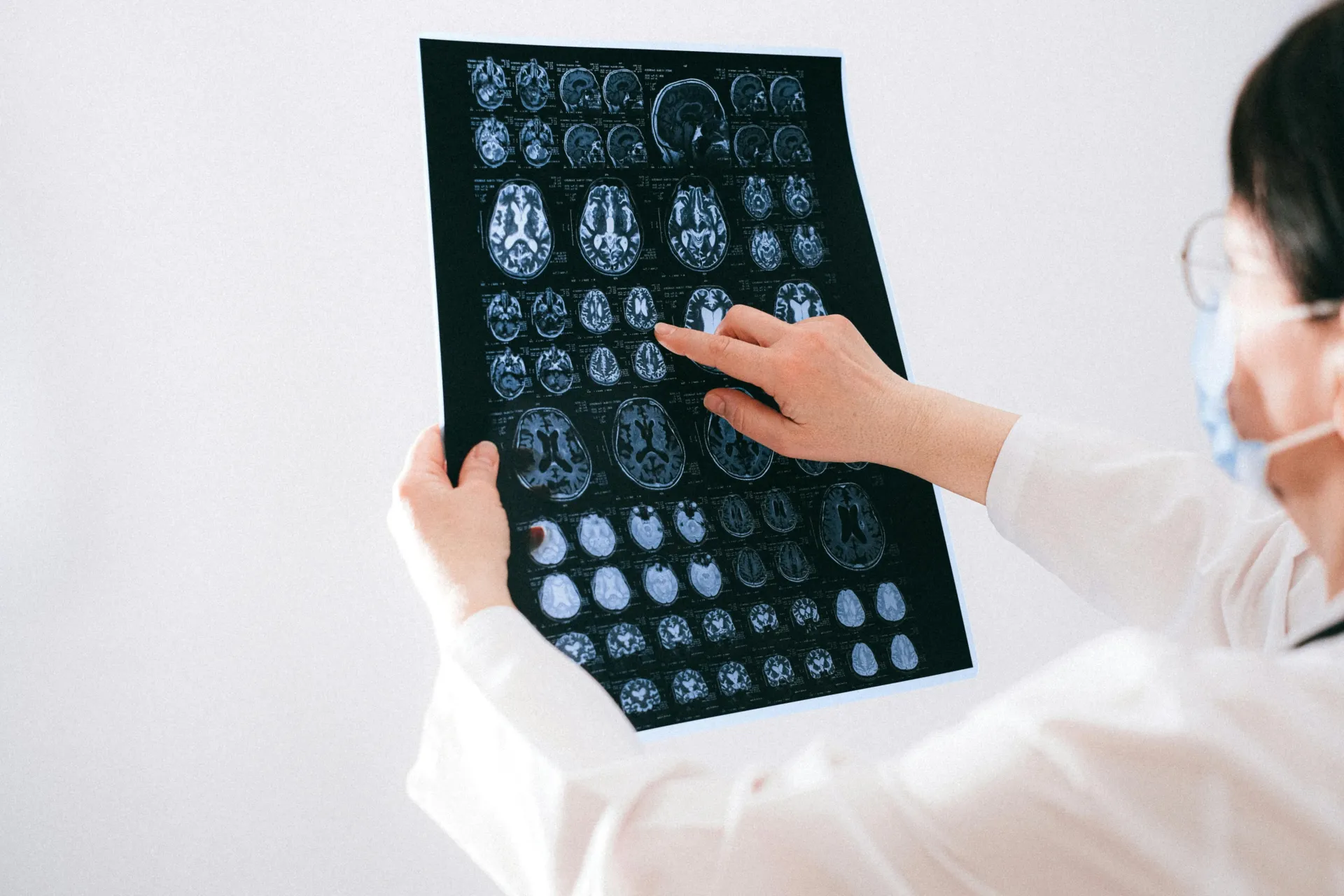
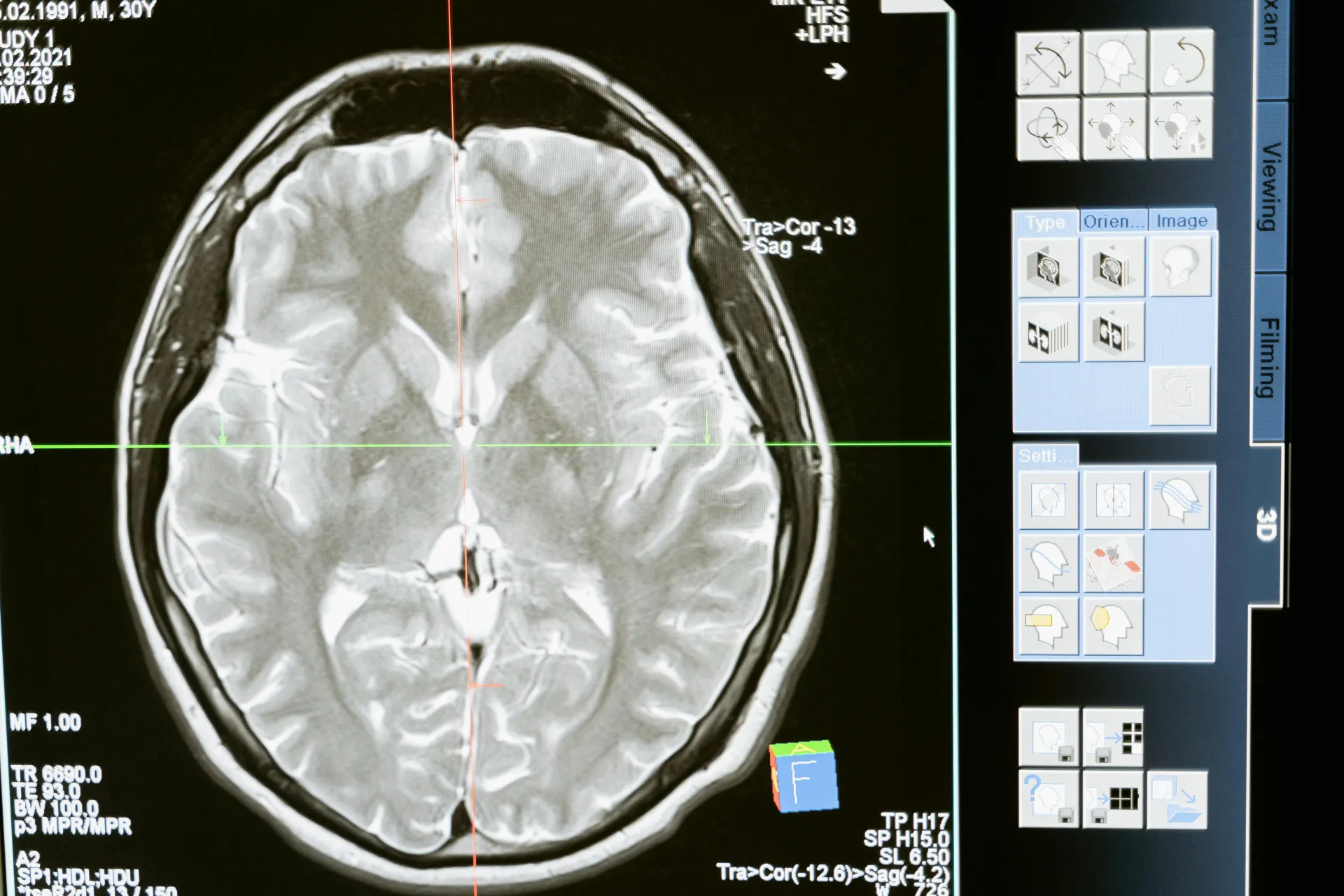
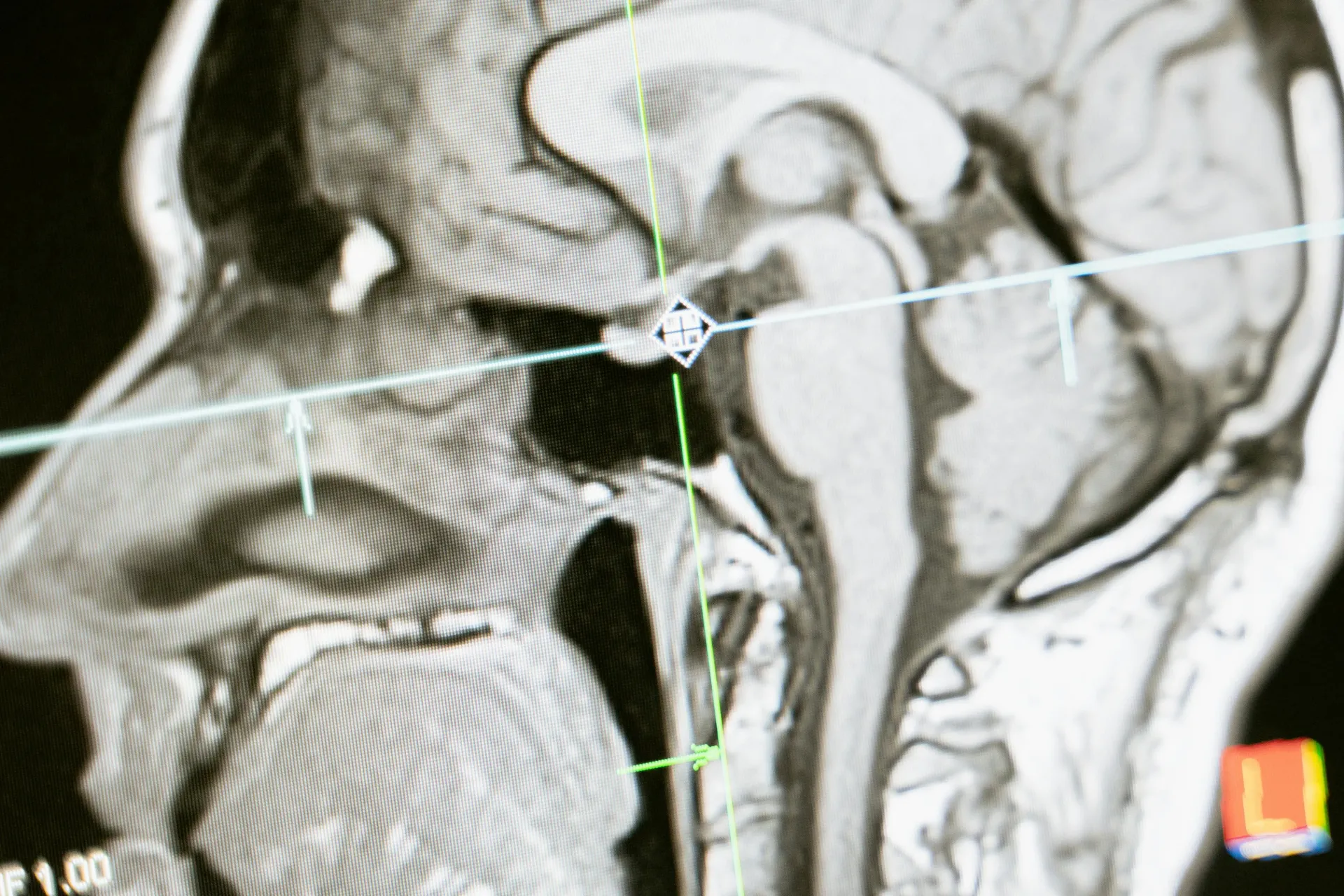
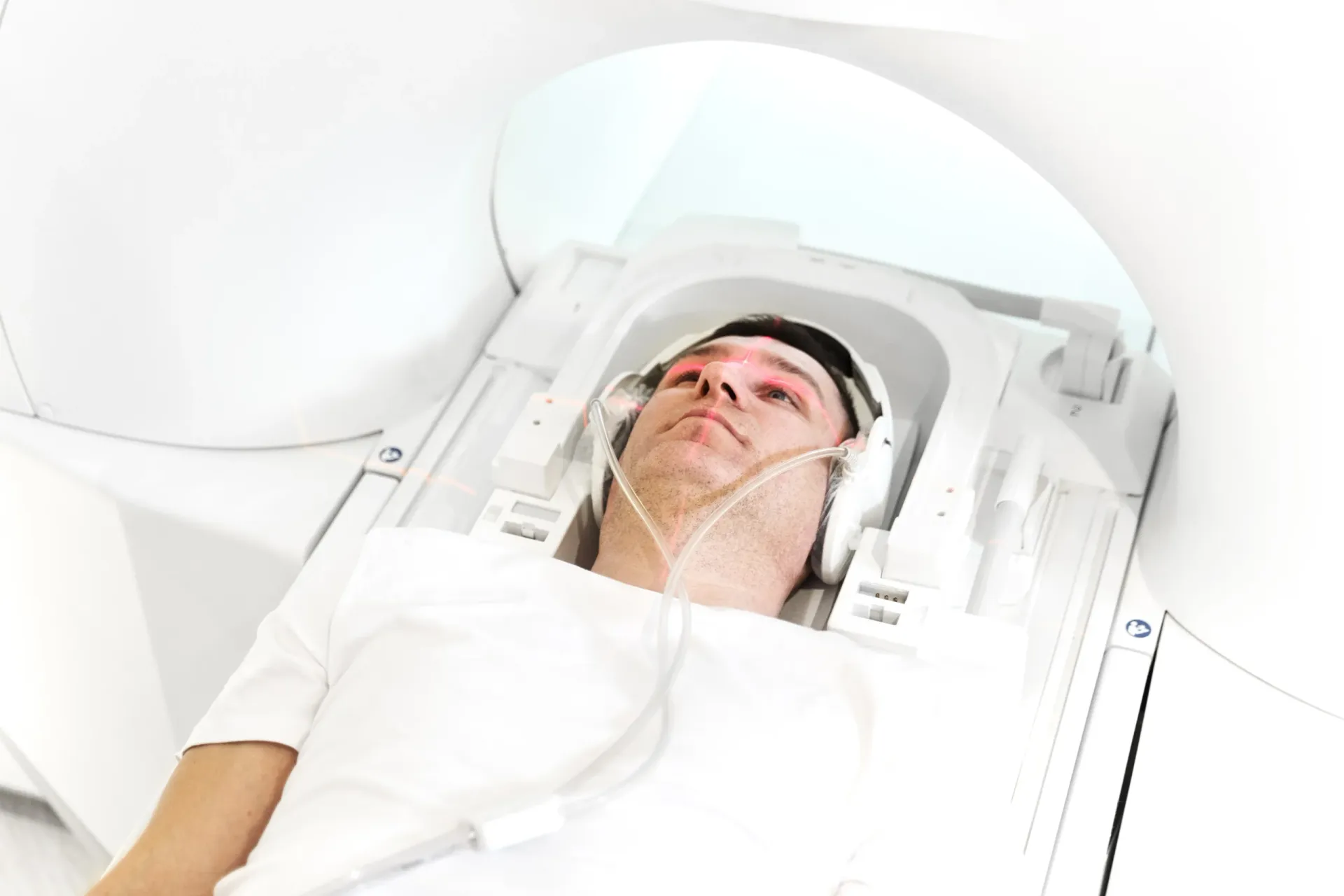
At DCDC, brain MRI scans are performed on a Siemens 1.5T wide-bore scanner with 70 cm opening — reducing claustrophobia compared to standard 60 cm machines. Crucially, all brain MRIs are interpreted by subspecialty neuroradiologists — not general radiologists — ensuring detection of subtle findings that require neurological expertise to identify.
Neurology Consultation Cost in Dubai
Neurology consultation costs in Dubai vary based on provider type, doctor experience, and whether investigations are included. Understanding the pricing landscape helps you plan your visit:
| Service | DCDC Price | Dubai Market Range |
|---|---|---|
| Neurology consultation (initial) | From AED 400 | AED 400–1,200 |
| Follow-up consultation | From AED 300 | AED 250–800 |
| Brain MRI | From AED 900 | AED 900–3,000 |
| EEG | Contact DCDC for a referral-specific quote | Varies by test scope and provider |
| EMG/Nerve conduction study | Contact DCDC for a referral-specific quote | Varies by test scope and provider |
| Consultation + Brain MRI (same visit) | From AED 1,200 | AED 1,500–4,000 |
Neurology consultation and test costs at DCDC vs. Dubai market (2026)
Your neurologist recommends investigations according to the clinical question. See the dedicated pages for EEG testing, EMG testing and NCV/nerve conduction studies. Confirm the requested protocol, consultation and test fees, insurance requirements and report timing before booking.
Insurance coverage for neurology consultations is available through direct billing with 20+ insurance partners at DCDC, including Daman, AXA, Bupa, MetLife, and Cigna. Pre-authorization is handled by the clinic's insurance team before your appointment.
What to Expect at DCDC: Your Neurology Consultation
Understanding the consultation process reduces anxiety and helps you prepare effectively. Here is the complete patient journey for a neurology visit at DCDC Dubai Healthcare City:
- Arrival: Free on-site parking at Building 64, Al Razi Medical Complex, DHCC. The clinic is 10 minutes from Downtown Dubai, Business Bay, and Jumeirah
- Registration (5 minutes): Insurance pre-authorization confirmed, medical history form completed. Average wait time is 15 minutes
- Detailed history taking (15–20 minutes): Your neurologist asks about symptom onset, pattern, duration, associated features, family history, medications, and lifestyle factors
- Neurological examination (15–20 minutes): Systematic testing of cranial nerves, motor function, sensory pathways, reflexes, coordination, gait, and cognitive status
- Clinical impression and plan: Your neurologist explains their initial assessment and recommends any needed investigations (MRI, EEG, blood tests)
- Investigations: The team confirms the appropriate test, preparation and appointment slot. Tests do not automatically take place during the consultation visit.
- Results and follow-up: Confirm how and when each report will be available, and arrange a discussion with the treating clinician.
According to Dr. Riad Trabulsi, Specialist Neurologist at DCDC: "The most important thing patients can do before their neurology consultation is keep a symptom diary — noting when symptoms occur, what triggers them, how long they last, and what makes them better or worse. This information is often more diagnostically valuable than any single test, because neurological conditions reveal themselves through patterns over time."
Book Your Neurology Consultation
Arrange a Neurology consultation at DCDC Dubai Healthcare City. Ask about the appropriate EEG, EMG, nerve conduction or brain-imaging investigation for your referral.
Call 800-DCDC or WhatsApp to book
Neurological Treatment Options in Dubai
Treatment depends entirely on the diagnosis. Modern neurology offers effective interventions for most neurological conditions — from medication management to procedural treatments. Here is an overview of treatment approaches by condition category:
Medication-Based Treatments
- Migraine prevention: Beta-blockers, topiramate, CGRP monoclonal antibodies (Aimovig, Ajovy) — reduce attack frequency by 50–75%
- Epilepsy control: Anti-epileptic drugs (levetiracetam, lamotrigine, valproate) — achieve seizure freedom in 60–70% of patients
- Neuropathic pain: Gabapentin, pregabalin, duloxetine — target nerve pain pathways specifically
- MS disease modification: Interferon, glatiramer, fingolimod, ocrelizumab — slow disease progression
- Parkinson's management: Levodopa/carbidopa, dopamine agonists — restore dopamine signaling
- Stroke prevention: Anticoagulants, antiplatelets, statins — reduce recurrence risk by 60–80%
Procedural and Non-Pharmacological Treatments
- Botox for chronic migraine: FDA-approved injections every 12 weeks for patients with 15+ headache days per month
- Nerve blocks: Targeted local anesthetic injection for occipital neuralgia, trigeminal neuralgia
- Vestibular rehabilitation: Specialized physiotherapy for vertigo and balance disorders
- Cognitive rehabilitation: Structured programs for post-stroke or early dementia cognitive recovery
- Neurorehabilitation: Multidisciplinary recovery after stroke, spinal cord injury, or brain injury
How to Choose the Right Neurologist in Dubai
Dubai has numerous neurologists across hospitals, clinics, and medical centers. Choosing the right one depends on your specific condition, accessibility needs, and preferences. Consider these factors:
- Subspecialty expertise: Some neurologists specialize in epilepsy, others in stroke, movement disorders, or MS. Match your condition to their focus
- Diagnostic access: Ask how the clinic arranges MRI, EEG, EMG and nerve conduction studies when indicated, including preparation and follow-up.
- Wait times: Hospital neurology departments often have 2–4 week waits; private clinics like DCDC offer same-day or next-day availability
- Insurance acceptance: Verify direct billing rather than pay-and-claim, which adds financial stress during medical evaluation
- Location and hours: Extended evening hours and accessible parking matter for ongoing neurological care requiring multiple visits
- Language: Communication is critical in neurology where symptom description drives diagnosis — ensure your neurologist speaks your language fluently
DCDC's neurology department combines multiple advantages: on-site Siemens 1.5T brain MRI with neuroradiologist interpretation, same-day appointment availability, extended hours until 10 PM, free parking in DHCC, multilingual staff (Arabic, English, Farsi, Urdu), and direct billing with 20+ insurance providers. The 4.8/5 Google rating from over 1,000 reviews reflects consistent patient satisfaction across all specialties.
Neurology vs. GP: When to Skip the Referral
In Dubai's private healthcare system, you can see a neurologist directly without a GP referral (unlike NHS or HMO systems). However, knowing when direct specialist access is warranted versus when a GP can manage your condition saves time and money. For understanding when general health checkups are appropriate, see our guide on annual health checkups in Dubai.
| Symptom/Situation | See GP First | See Neurologist Directly |
|---|---|---|
| Occasional mild headache | Yes — likely tension headache | No — unless pattern changes |
| Severe/worsening headaches (>2 weeks) | Optional | Yes — needs specialist evaluation |
| Numbness in hands (both sides) | Yes — may be carpal tunnel/posture | If GP treatment fails after 4 weeks |
| One-sided weakness or numbness | No — urgent | Yes — immediately (rule out stroke/MS) |
| Dizziness after standing | Yes — likely blood pressure | No — unless persistent or severe |
| Room-spinning vertigo episodes | Optional | Yes — needs vestibular assessment |
| First seizure in adult | No — urgent | Yes — immediately (needs EEG/MRI) |
| Progressive memory loss | Yes — for initial blood work | Yes — if blood work normal, refer promptly |
| Tremor at rest | Optional | Yes — needs movement disorder assessment |
When to see a GP vs. neurologist directly in Dubai
Preparing for Your Neurology Appointment
The quality of your neurology consultation depends significantly on the information you bring. Neurological diagnosis is heavily history-dependent — your neurologist needs precise details about symptom patterns, timeline, and associated factors. Prepare the following before your visit:
- Symptom diary: When symptoms started, frequency, duration, triggers, relieving factors, and severity (1–10 scale)
- Medication list: All current medications including supplements, doses, and how long you have been taking them
- Previous investigations: Bring any prior MRI CDs, blood test results, EEG reports, or referral letters from other doctors
- Family history: Note any neurological conditions in blood relatives (migraine, epilepsy, stroke, Parkinson's, MS, dementia)
- Video recordings: If your symptoms are episodic (seizures, tremors, movement disorders), video recordings captured by family members are diagnostically valuable
- Questions list: Write down specific questions you want answered — consultations move quickly and it is easy to forget
Dubai-Specific Neurological Concerns
Living in Dubai presents unique neurological challenges that residents should be aware of. The environment, lifestyle, and demographic factors contribute to specific neurological presentations:
- Heat-related headaches: Extreme summer temperatures cause dehydration headaches often confused with migraines — neurologist can differentiate and prevent unnecessary medication
- Vitamin D deficiency neuropathy: Despite abundant sunshine, 80%+ of Dubai residents have vitamin D deficiency (indoor lifestyle) — contributing to neuropathic symptoms
- Stress-related neurological symptoms: Dubai's high-pressure work culture contributes to tension headaches, insomnia, and functional neurological symptoms
- Diabetic neuropathy prevalence: UAE has one of the highest diabetes rates globally (20%+) — making peripheral neuropathy extremely common
- Traffic-related cervicogenic headache: Long commutes and poor posture cause cervical spine issues radiating as headaches — needs neurological differentiation from primary headache disorders
- Sleep deprivation seizures: Late-night culture and Ramadan schedule changes can lower seizure threshold in predisposed individuals
Concerned About Neurological Symptoms?
Book a same-day neurology consultation at DCDC Dubai Healthcare City. Comprehensive evaluation with on-site brain MRI and neurological testing.
Direct insurance billing with 20+ providers
Insurance Coverage for Neurology in Dubai
Neurology consultations and diagnostic tests are well-covered by most Dubai insurance plans because they are classified as medically necessary specialist care. At DCDC, direct billing eliminates upfront payment — the clinic handles pre-authorization and claims directly with your insurer.
What Is Typically Covered
- Neurology consultation: Covered as specialist visit under most plans (may require GP referral under some HMO-style policies)
- Brain MRI: Covered when ordered by neurologist for investigation of specific symptoms
- EEG: Covered for seizure evaluation, epilepsy monitoring
- EMG/NCS: Covered for neuropathy investigation, carpal tunnel diagnosis, radiculopathy
- Medications: Anti-epileptics, migraine preventives, neuropathic pain medications — covered under pharmacy benefit
- Botox for chronic migraine: Covered by some premium plans when medically documented (15+ headache days/month)
DCDC's insurance team can verify your specific coverage before your appointment. Direct billing is available with Daman, AXA, Bupa, MetLife, Cigna, and 15+ other providers — meaning you pay only your co-pay or deductible at the time of visit.
Related Services at DCDC
Expert care and advanced diagnostics at Dubai Healthcare City
Frequently Asked Questions
Final Thoughts
Neurological symptoms should never be dismissed as "just stress" or "probably nothing" — the nervous system does not produce symptoms without reason, and early specialist evaluation often means the difference between simple treatment and progressive damage. If you have experienced persistent headaches, numbness, weakness, dizziness, or cognitive changes for more than 2 weeks, a neurology consultation is appropriate.
DCDC in Dubai Healthcare City offers Neurology consultations and diagnostic services including EEG, EMG and NCV/nerve conduction studies. Contact the team to confirm the referral, appointment slot and any insurance requirements. Call +971 54 219 5008 to discuss your appointment.
Sources & References
This article was reviewed by our medical team and references the following sources:
- WHO - Neurological Disorders: Public Health Challenges
- NHS - When to See a Neurologist
- Mayo Clinic - Neurology and Neurosurgery Overview
- Cleveland Clinic - Neurological Institute: Conditions & Treatments
- The Lancet Neurology - Global Burden of Neurological Disorders
- American Academy of Neurology - Patient Resources
Medical content on this site is reviewed by DHA-licensed physicians. See our editorial policy for more information.

Written by
Dr. Riad Trabulsi
Neurologist
MD, Neurology
Dr. Riad Trabulsi is a Specialist Neurologist at Doctors Clinic Diagnostic Center (DCDC) in Dubai Healthcare City, specializing in stroke care and neuropathy.
Related Articles

Migraine Treatment Dubai: Specialist Care & Prevention
Neuropathy Treatment Dubai: Causes & Management
Vertigo Treatment Dubai: Causes & Relief
Stroke Warning Signs: When to Call Emergency
Brain MRI Scan Dubai: Guide & Cost
More in Neurology
EEG Test Meaning: Preparation & Results Guide (2026)
Read MoreEMG Test: Procedure, Pain & Preparation Guide (2026)
Read More
German Neurologist in Dubai: Dr. Heike Jacobs at DCDC (2026)
Read MoreNerve Conduction Study: NCS & NCV Explained (2026)
Read MoreConcussion Signs Dubai: What to Do (2026)
Read MoreEssential Tremor vs Parkinson’s Dubai (2026)
Read More© 2026 Doctors Clinic Diagnostic Center (DCDC), Dubai Healthcare City. Originally published at https://doctorsclinicdubai.ae/blog/neurologist-dubai-guide. All rights reserved. Unauthorized reproduction is prohibited.