Key Takeaways
- Essential tremor (ET) appears during action — reaching for a cup, writing, or eating — while Parkinson's disease (PD) tremor appears at rest, typically as a slow "pill-rolling" movement in one hand, and these timing differences are the single most useful clue when telling the two apart.
- Essential tremor is roughly eight times more common than Parkinson's disease, with a pooled prevalence of 1.33% overall and 5.79% (about 1 in 17) in adults aged 65 and older.
- Parkinson's disease is never just a tremor: bradykinesia (slowness), rigidity, stooped posture, shuffling gait, and eventually cognitive changes distinguish it from ET, and 50 to 80 percent of dopamine-producing neurons are already lost before motor symptoms surface.
- Clinical misdiagnosis between ET and PD occurs in 15 to 35 percent of cases, which is why a specialist neurological examination — not a GP visit alone — is strongly recommended when tremor persists or worsens.
- The UAE recorded an 854.71 percent increase in Parkinson's disease incidence between 1990 and 2019, and Emirati nationals develop PD at a notably younger mean age of 48.5 years compared with 64.15 years for expatriates, making early neurological assessment especially relevant for Dubai residents.
- At DCDC in Dubai Healthcare City, a full tremor workup — neurology consultation, blood tests, and brain MRI — costs approximately AED 1,700 to AED 2,600, compared with AED 2,000 to AED 4,000 at other Dubai facilities.
Your hand shakes when you lift a coffee cup — or it trembles quietly in your lap while you watch television. Both are tremors, but they point in very different directions. Essential tremor vs Parkinson's disease is one of the most common diagnostic questions in neurology, and getting the answer right changes everything about treatment, prognosis, and peace of mind. In Dubai, where the UAE has recorded an 854.71 percent increase in Parkinson's disease incidence over three decades, the question carries particular urgency. This guide, reviewed by Dr. Riad Trabulsi, MD, Neurology, at DCDC's neurology clinic in Dubai Healthcare City, walks through every difference that matters — symptom by symptom, test by test — so you can understand what your tremor means and what to do next.
Health Screening Packages
Save with our bundled screening packages — specialist consultation included






Essential Tremor vs Parkinson's Disease: Why the Difference Matters
A tremor is a symptom, not a diagnosis. More than twenty conditions can cause hands to shake, and essential tremor and Parkinson's disease sit at opposite ends of a spectrum in terms of cause, progression, and treatment. Essential tremor arises from abnormal signalling in cerebellar circuits and is usually inherited, while Parkinson's disease results from the progressive loss of dopamine-producing neurons in the substantia nigra. Confusing the two is surprisingly common: clinical misdiagnosis between ET and PD occurs in 15 to 35 percent of cases, according to published diagnostic accuracy studies. Mislabelling essential tremor as Parkinson's can cause years of unnecessary anxiety and inappropriate medication, while missing early Parkinson's can delay treatments that are most effective when started early.
As Dr. Riad Trabulsi explains, "A tremor is a sign, not a diagnosis. When a patient comes in with shaking hands, my job is to work through every treatable cause first — thyroid dysfunction, drug-induced tremor, vitamin B12 deficiency, post-stroke changes — before arriving at essential tremor or Parkinson's. The two look alike to the untrained eye, but a structured neurological examination usually separates them within a single visit."
Essential Tremor vs Parkinson's: Side-by-Side Comparison Table
The table below compares the twelve features that neurologists use most often to distinguish essential tremor from Parkinson's disease. No single row is diagnostic on its own, but the overall pattern across several rows almost always points in one direction.
| Feature | Essential Tremor | Parkinson's Disease |
|---|---|---|
| When tremor appears | During action — reaching, holding a cup, writing | At rest — hand shakes in the lap, stops with intentional movement |
| Frequency | Faster, 6 to 12 Hz | Slower, 4 to 6 Hz |
| Pattern | Usually bilateral and roughly symmetrical | Starts on one side, classic "pill-rolling" motion |
| Body parts affected | Hands ~90%, head ~30%, voice ~20% | Hands, chin, jaw, one leg; head tremor uncommon |
| Other motor symptoms | Generally isolated to tremor | Bradykinesia, rigidity, stooped posture, shuffling gait |
| Handwriting | Large, shaky letters | Micrographia — small, cramped writing that shrinks across the page |
| Family history | Present in roughly 50 to 70% of cases | Mostly sporadic; genetic forms exist but are less common |
| Effect of alcohol | A small amount reduces tremor by 50 to 70% | No meaningful effect on tremor |
| Typical age of onset | Bimodal — peaks in the 20s to 30s and again after 60 | Usually after 60; earlier in Emiratis (mean 48.5 years per the EmPark Study) |
| Response to levodopa | No response | Often marked improvement in early disease |
| Underlying cause | Genetic and cerebellar circuit dysfunction | Loss of dopamine neurons in the substantia nigra |
| Disease course | Slowly progressive over decades; not life-shortening | Progressive neurodegeneration affecting motor and non-motor function |
Clinical features for general comparison. Individual presentations vary, and a specialist neurological examination is recommended for any persistent or worsening tremor.
What Is Essential Tremor? Symptoms, Causes, and Prevalence
Essential tremor is the most common movement disorder in the world. Population-based studies report a pooled prevalence of 1.33 percent across all ages, rising to 5.79 percent — roughly 1 in 17 people — among adults aged 65 and older. ET is approximately eight times more common than Parkinson's disease, yet it receives far less public attention, which partly explains why many patients fear the worst when their hands start to shake.
The hallmark of essential tremor is an action tremor: shaking that appears or worsens during voluntary movement. Lifting a glass, signing a document, threading a needle, or applying makeup become increasingly difficult as the tremor progresses. By contrast, the hands are typically still when resting in the lap. Roughly 90 percent of ET patients have hand tremor, about 30 percent develop head tremor (a rhythmic nodding or side-to-side motion), and around 20 percent notice a tremor in the voice. Family history is present in an estimated 50 to 70 percent of cases, which is why the condition was historically called "familial tremor."
One clinical clue that points specifically toward essential tremor is the alcohol response: low-dose alcohol temporarily reduces ET tremor by 50 to 70 percent in many patients. This response is not seen in Parkinson's disease and, while it should never be used as self-treatment, it is a useful diagnostic observation that neurologists often ask about during the history. If you're unsure whether your tremor warrants assessment, read more about when to see a neurologist in Dubai.
What Is Parkinson's Disease? Early Signs and Red Flags
Parkinson's disease is a progressive neurodegenerative condition caused by the loss of dopamine-producing neurons in the substantia nigra, a small area deep within the brainstem. The World Health Organization reports that over 8.5 million people worldwide live with Parkinson's, and its global burden has been rising steadily. In the UAE, the increase has been especially steep: a Global Burden of Disease analysis published in BMC Public Health documented an 854.71 percent rise in PD incidence between 1990 and 2019.
Unlike essential tremor, Parkinson's disease is never just a tremor. The four cardinal motor features are a resting tremor (slow, 4 to 6 Hz, typically "pill-rolling"), bradykinesia (slowness of movement), rigidity (stiffness felt when the examiner moves the patient's limb), and postural instability (balance problems in later stages). Critically, by the time these motor symptoms appear, an estimated 50 to 80 percent of the dopamine neurons in the substantia nigra have already been lost — which is why recognising the early, subtle signs matters.
Early Warning Signs of Parkinson's Disease
- A resting tremor in one hand, often a "pill-rolling" motion between thumb and forefinger
- Micrographia — handwriting that becomes smaller and more cramped over time
- Reduced arm swing on one side when walking
- A soft, monotone voice (hypophonia)
- Loss of smell (anosmia), sometimes years before motor symptoms
- Constipation that is new and persistent
- REM sleep behaviour disorder — acting out vivid dreams
- A masked facial expression — reduced blinking, blank appearance
- Stooped posture and a shuffling gait
- Difficulty with fine motor tasks such as buttoning shirts or using a phone
The EmPark Study found that Emirati nationals develop Parkinson's disease at a notably younger mean age of 48.5 years, compared with 64.15 years for expatriate residents in the UAE. This earlier onset makes awareness of these early signs particularly important for younger Dubai residents who may not consider Parkinson's a possibility.
Resting Tremor vs Action Tremor: The Core Distinction
The single most clinically useful difference between essential tremor and Parkinson's tremor is when the shaking occurs. A resting tremor — the hand shaking while lying still in the lap — is the hallmark of Parkinson's disease. An action tremor — shaking that appears or worsens when you reach for something, hold a posture, or perform a task — is the hallmark of essential tremor. During a neurological examination, the neurologist will ask you to rest your hands in your lap (checking for resting tremor), hold your arms outstretched (checking for postural tremor), and perform tasks such as the finger-to-nose test and drawing a spiral (checking for kinetic tremor).
That said, the distinction is not always perfectly clean. Some patients with longstanding essential tremor develop a mild resting component, and some patients with Parkinson's disease have a re-emergent postural tremor that appears several seconds after the arms are outstretched. This overlap is one of the key reasons misdiagnosis rates run as high as 15 to 35 percent when assessed by non-specialists, and why a detailed neurological examination by a fellowship-trained neurologist is the most reliable starting point. For a deeper look at neurological imaging, see our guide on brain MRI scan in Dubai.
How Doctors Tell the Difference: The Neurological Examination
A structured neurological examination remains the gold standard for distinguishing essential tremor from Parkinson's disease. Clinical diagnostic accuracy for PD by experienced neurologists reaches approximately 80 percent based on examination alone, and rises further when supported by imaging and response to medication. During a tremor-focused examination at DCDC, Dr. Riad Trabulsi follows a systematic protocol.
Steps in a Specialist Tremor Assessment
- Detailed history: onset, progression, family history, medications, alcohol response, functional impact on daily tasks
- Observation of tremor at rest, with arms outstretched, and during movement
- Spiral drawing and handwriting sample to assess tremor character and detect micrographia
- Finger-to-nose test to evaluate kinetic tremor and coordination
- Assessment of muscle tone for cogwheel rigidity (characteristic of PD)
- Bradykinesia testing: rapid finger tapping, hand opening and closing, foot tapping
- Gait assessment: arm swing symmetry, stride length, turning, postural stability
- Cranial nerve examination, including facial expression and voice assessment
- Review of non-motor symptoms: sleep disturbance, constipation, mood, smell, cognition
"The examination tells me far more than any single scan," says Dr. Trabulsi. "I can usually tell within 15 minutes whether we are dealing with an action tremor pattern or a resting tremor pattern. But a tremor is never investigated in isolation — I'm looking at the whole neurological picture: how the patient walks, how quickly they move, whether they blink normally, whether rigidity is present. That full picture is what separates essential tremor from early Parkinson's."
Tremor Diagnosis Tests: Blood Work, Brain MRI, and DaTscan
While the clinical examination is the cornerstone, several investigations help confirm the diagnosis, exclude treatable mimics, and provide additional certainty when the presentation is ambiguous.
Blood Tests: Ruling Out Treatable Causes
Before diagnosing essential tremor or Parkinson's disease, a responsible neurologist will first exclude conditions that can cause tremor and are fully reversible with treatment. These include thyroid dysfunction (both hyperthyroidism and hypothyroidism can cause tremor), vitamin B12 deficiency, liver or kidney abnormalities, and medication-induced tremor. At DCDC, TSH testing starts from AED 249 and vitamin B12 from AED 149, with same-day blood draws and results typically available within 24 to 48 hours.
Brain MRI: Structural Imaging
A brain MRI does not diagnose essential tremor or Parkinson's disease directly, but it is essential for excluding structural causes of tremor such as stroke, tumours, hydrocephalus, and white matter disease. At DCDC, brain MRI is performed on a Siemens 1.5T wide-bore scanner with a 70 cm opening (comfortable for patients who find narrow scanners difficult) and is read by a subspecialty neuroradiologist. Brain MRI without contrast starts from AED 900; with contrast from AED 1,200. Both are typically completed and reported on the same day.
DaTscan: When Diagnostic Uncertainty Remains
A DaTscan (dopamine transporter scan) is a nuclear medicine imaging study that measures dopamine activity in the brain. It is the most useful advanced test for distinguishing Parkinson's disease from essential tremor in clinically uncertain cases. Published data report sensitivity of 79 to 100 percent and specificity of 97 to 98 percent for identifying dopaminergic deficit. A normal DaTscan effectively rules out Parkinson's disease as the cause of a tremor. DaTscan is not available at DCDC and requires referral to a nuclear medicine facility; Dr. Trabulsi arranges this referral when the clinical picture remains ambiguous after examination and standard imaging. To understand more about what a neurologist does and how to prepare for your appointment, see our guide on what a neurologist does and how to prepare.
Tremor Workup Costs in Dubai: DCDC vs Market Pricing
The cost of investigating a tremor in Dubai varies considerably depending on the facility. The table below compares DCDC pricing with typical market ranges across the city for the most common tests ordered during a tremor evaluation.
| Test or Service | DCDC Price | Typical Dubai Market Range |
|---|---|---|
| Neurology consultation | from AED 500 | AED 500-1,500 |
| Brain MRI (no contrast) | from AED 900 | AED 900-3,000 |
| Brain MRI (with contrast) | from AED 1,200 | AED 1,200-3,500 |
| CT brain | from AED 800 | AED 600-1,500 |
| Thyroid + B12 panel | from AED 249 | Varies by facility |
| Full tremor workup (consultation + bloods + MRI) | approx AED 1,700-2,600 | AED 2,000-4,000 |
Prices are approximate starting rates for 2026 at DCDC, Dubai Healthcare City. Final cost depends on the specific tests ordered and insurance coverage. Direct billing is available with 20+ insurance providers.
Concerned About a Tremor? Book a Neurology Consultation at DCDC
A specialist tremor assessment takes one visit. Our neurology team offers consultations from AED 500, with same-day blood tests and brain MRI on-site at Dubai Healthcare City. View neurology consultation details or message us on WhatsApp to book.
Direct billing with 20+ insurers. Average wait time 15 minutes.
Essential Tremor Treatment Options: What Works in 2026
Essential tremor does not require treatment in every patient — if the tremor is mild and does not interfere with daily activities, reassurance and monitoring may be all that is needed. However, when tremor impairs function, evidence-based treatments are available.
First-Line Medications (AAN Level A Evidence)
The American Academy of Neurology rates propranolol (a non-selective beta-blocker) and primidone (an anticonvulsant) as Level A first-line treatments for essential tremor. Propranolol is typically started at a low dose and titrated upward; it is particularly effective for limb tremor and is often the first medication tried. Primidone is an alternative or addition when propranolol alone is insufficient. Both medications reduce tremor amplitude rather than eliminating it entirely, and side effects — fatigue, dizziness, and low blood pressure with propranolol; sedation and unsteadiness with primidone — are managed by careful dose titration.
Second-Line and Interventional Treatments
- Topiramate, gabapentin, and certain benzodiazepines are used as second-line oral options when first-line drugs are poorly tolerated or insufficient
- Botulinum toxin (Botox) injections into the forearm muscles can reduce hand tremor in selected patients, though temporary weakness is a common side effect
- Deep brain stimulation (DBS) — a neurosurgical procedure placing electrodes in the ventral intermediate nucleus of the thalamus — is highly effective for severe, medication-resistant ET and is available at specialised centres in the UAE
- MRI-guided focused ultrasound (MRgFUS) thalamotomy is a newer, incision-free option that has shown promising results for unilateral hand tremor
Parkinson's Disease Treatment: From Levodopa to Multidisciplinary Care
Parkinson's disease treatment is fundamentally different from ET management because it targets dopamine replacement and the broader neurodegenerative process. Levodopa combined with carbidopa remains the most effective symptomatic therapy and often produces a marked improvement in motor symptoms — a response that itself supports the diagnosis, since essential tremor does not respond to levodopa.
- Levodopa/carbidopa: the gold standard; most patients notice meaningful improvement in tremor, rigidity, and bradykinesia
- Dopamine agonists (pramipexole, ropinirole, rotigotine): sometimes used as initial monotherapy in younger patients to delay levodopa-related motor fluctuations
- MAO-B inhibitors (rasagiline, selegiline, safinamide): mild symptomatic benefit with potential neuroprotective effects under investigation
- COMT inhibitors (entacapone, opicapone): extend levodopa's duration of action in patients experiencing "wearing off"
- Physiotherapy, occupational therapy, and speech therapy: essential components of comprehensive PD management that help maintain mobility, independence, and communication
- Deep brain stimulation (DBS) of the subthalamic nucleus: considered for patients with motor fluctuations or medication-resistant tremor
At DCDC, Dr. Trabulsi coordinates referrals to movement disorder subspecialists and multidisciplinary rehabilitation programmes when Parkinson's disease is diagnosed, ensuring patients receive comprehensive care beyond medication alone. For patients experiencing memory or thinking changes alongside motor symptoms, DCDC offers a structured memory and cognitive assessment that evaluates the cognitive dimensions of Parkinson's.
Can Essential Tremor Turn Into Parkinson's? Understanding the Link
This is one of the most anxiety-provoking questions patients ask. Research from systematic reviews shows that patients with essential tremor are approximately four times more likely to develop Parkinson's disease than the general population — 3.0 percent versus 0.7 percent. However, the absolute risk remains small: roughly 97 percent of people with essential tremor will not develop Parkinson's disease. The statistical association likely reflects shared vulnerability in certain brain circuits rather than one condition directly causing the other.
What does this mean practically? If you have been diagnosed with essential tremor, there is no reason to assume Parkinson's is inevitable, but it is reasonable to remain aware of new symptoms — particularly unilateral stiffness, slowness of movement, a change in walking pattern, or the emergence of a new resting tremor — and to mention them to your neurologist promptly. Periodic follow-up, rather than constant worry, is the appropriate approach.
Parkinson's and Tremor in the UAE: Local Data That Matters
Dubai's diverse population creates a unique epidemiological landscape for movement disorders. A Global Burden of Disease analysis published in BMC Public Health reported that the UAE recorded an 854.71 percent increase in Parkinson's disease incidence between 1990 and 2019 — one of the sharpest rises in the region, driven by population growth, ageing demographics, and improved diagnostic capability.
The EmPark Study provided further insight: Emirati nationals had a mean PD onset age of 48.5 years, nearly 16 years younger than the 64.15-year mean onset for expatriate residents. While the reasons are under investigation, possible contributing factors include genetic predisposition, environmental exposures, and consanguinity rates. For Dubai's large expatriate community, the onset pattern more closely mirrors global averages, but the overall increase in incidence means that neurological assessment for persistent tremor should not be delayed regardless of nationality or age.
What Causes Hand Tremors? Other Conditions to Rule Out
Essential tremor and Parkinson's disease are the two most common causes of chronic hand tremor, but they are not the only ones. A thorough neurologist will consider and exclude the following conditions before settling on a diagnosis.
- Hyperthyroidism: an overactive thyroid increases metabolic rate and can cause a fine, fast tremor in both hands, along with weight loss, palpitations, and heat intolerance — diagnosed with a simple blood test
- Medication-induced tremor: common culprits include valproic acid, lithium, bronchodilators, certain antidepressants (SSRIs), and excessive caffeine intake — the tremor often resolves when the offending agent is adjusted
- Vitamin B12 deficiency: can cause tremor alongside numbness, tingling, and balance problems — easily corrected with supplementation
- Enhanced physiological tremor: a normal tremor amplified by anxiety, fatigue, caffeine, or stimulant medications — not pathological and resolves when the trigger is removed
- Dystonic tremor: associated with abnormal posturing, often position-dependent and irregular
- Cerebellar tremor: a large-amplitude intention tremor seen in conditions affecting the cerebellum, such as multiple sclerosis or stroke
- Wilson's disease: a rare but treatable copper metabolism disorder that can present with tremor and other movement abnormalities, particularly in younger patients
If you're experiencing tremor along with numbness or tingling sensations, see our article on numbness and tingling in the hands for additional context on overlapping neurological symptoms.
When to See a Neurologist for Tremor in Dubai
Not every tremor requires a specialist evaluation — a fine shake after too much coffee or during a stressful presentation is entirely normal. However, a neurological consultation is recommended in the following situations.
- The tremor is persistent, occurring most days for more than a few weeks
- It is progressively getting worse or spreading to new body parts
- It interferes with daily activities: eating, drinking, writing, dressing, or using a phone
- You notice new stiffness, slowness, or a change in your walking pattern
- There is a family history of essential tremor or Parkinson's disease
- The tremor started after a new medication or a head injury
- You experience accompanying symptoms such as memory changes, loss of smell, sleep disturbance, or unexplained constipation
- Your GP or another specialist has suggested the tremor may need further investigation
In any of these situations, a neurology consultation — rather than months of waiting and worrying — is the most efficient path to either reassurance or early treatment. At DCDC, neurology consultations start from AED 500, and same-day appointments are frequently available.
What to Expect at DCDC: Your Tremor Workup Journey
Understanding exactly what happens during a tremor assessment helps remove uncertainty. Here is a step-by-step walkthrough of the patient experience at DCDC in Dubai Healthcare City.
- Check-in and registration: average wait time 15 minutes; direct billing is available with more than 20 insurance providers, so most patients do not need to pay upfront
- Detailed history with Dr. Trabulsi: 30 to 45 minutes covering onset, progression, family history, medications, alcohol response, sleep patterns, and functional impact
- Comprehensive neurological examination: spiral drawing, finger-to-nose testing, handwriting sample, muscle tone assessment, rapid movement testing, gait analysis, and cranial nerve review
- Same-day blood draw: thyroid function, vitamin B12, and other relevant panels to exclude treatable causes — results typically within 24 to 48 hours
- Same-day brain MRI (when indicated): performed on DCDC's Siemens 1.5T wide-bore scanner (70 cm opening), read by a subspecialty neuroradiologist, and reported the same day in most cases
- Diagnosis and management plan: in the majority of cases, a working diagnosis is reached before you leave the clinic, with a clear explanation of what was found, what it means, and what comes next
- DaTscan referral (if needed): for the small number of cases where clinical uncertainty persists, Dr. Trabulsi arranges referral to a nuclear medicine facility for dopamine transporter imaging
DCDC is a MOHAP-licensed facility (license NIMY7VY5-240925) located in Dubai Healthcare City, with free parking and extended operating hours: Saturday to Thursday 8 AM to 10 PM, Friday 9 AM to 9 PM. The clinic holds a 4.8 out of 5 rating on Google from more than 1,000 reviews, with a 98 percent patient satisfaction rate.
Living with Essential Tremor: Practical Tips for Daily Life
While medication can reduce essential tremor, practical adaptations often make as much difference to quality of life as any pill. For patients living with ET in Dubai, the following strategies are commonly recommended.
- Use weighted utensils and cups, which dampen tremor during eating and drinking
- Choose wider-grip pens and consider digital note-taking when handwriting becomes difficult
- Brace your arm against your body or a table edge when performing fine motor tasks
- Reduce caffeine intake, which can amplify tremor
- Prioritise sleep — fatigue and sleep deprivation consistently worsen essential tremor
- Manage stress through regular exercise; tremor typically worsens with anxiety and emotional stress
- Discuss occupational therapy with your neurologist if tremor is limiting your work or independence
- Keep follow-up appointments to monitor progression and adjust treatment as needed
Get a Clear Tremor Diagnosis at DCDC Dubai Healthcare City
Stop wondering whether it's essential tremor, Parkinson's, or something treatable. A single neurology visit at DCDC — with on-site blood work, brain MRI, and a subspecialty neuroradiologist — can give you answers. Consultations from AED 500, full tremor workup from approximately AED 1,700. Book a neurology consultation or message us on WhatsApp.
4.8/5 Google rating from 1,000+ reviews. Free parking. Extended hours.
Related Services at DCDC
Expert care and advanced diagnostics at Dubai Healthcare City
Neurology Consultation
Comprehensive neurological examination and tremor assessment with a board-certified neurologist, from AED 500.
Book AppointmentBrain MRI Scan
Detailed brain imaging on a 70 cm wide-bore scanner, read by a subspecialty neuroradiologist.
Book AppointmentMemory & Cognitive Assessment
Structured cognitive testing for memory and thinking changes that can accompany Parkinson's disease.
Book AppointmentFrequently Asked Questions
Final Thoughts: Getting a Clear Answer About Your Tremor in Dubai
A tremor is unsettling, but uncertainty is worse. Essential tremor and Parkinson's disease are both real, important diagnoses — but they carry very different implications for treatment and prognosis. Essential tremor, while sometimes progressive and functionally limiting, is not life-shortening and responds well to medication, lifestyle modification, and, in severe cases, procedural interventions. Parkinson's disease is a progressive neurodegenerative condition, but modern treatments — particularly when started early — can maintain quality of life and functional independence for many years. In both cases, the first step is the same: a thorough neurological assessment that answers the question rather than leaving it hanging.
At Doctors Clinic Diagnostic Center in Dubai Healthcare City, our neurology team, led by Dr. Riad Trabulsi, MD, Neurology, offers a structured tremor workup designed to reach a diagnosis in a single visit wherever possible. With neurology consultations from AED 500, same-day blood work and brain MRI on-site, direct billing with more than 20 insurers, a 4.8 out of 5 Google rating from more than 1,000 reviews, and extended hours (Saturday to Thursday 8 AM to 10 PM, Friday 9 AM to 9 PM), getting a clear answer is straightforward and accessible. If your hands have been shaking and you want to know why, contact us to book a neurology consultation — the sooner you know, the sooner you can act.
Sources & References
This article was reviewed by our medical team and references the following sources:
- WHO — Parkinson Disease Fact Sheet
- NINDS — Tremor Fact Sheet
- Cleveland Clinic — Essential Tremor
- Mayo Clinic — Essential Tremor: Symptoms and Causes
- Parkinson's Foundation — 10 Early Signs of Parkinson's Disease
- PubMed — Common Misdiagnosis of a Common Neurological Disorder (Essential Tremor)
- PubMed — Essential Tremor and Parkinson's Disease Association: Systematic Review
Medical content on this site is reviewed by DHA-licensed physicians. See our editorial policy for more information.

Written by
Dr. Riad Trabulsi
Neurologist
MD, Neurology
Dr. Riad Trabulsi is a Neurologist at Doctors Clinic Diagnostic Center (DCDC) in Dubai Healthcare City.
Related Articles
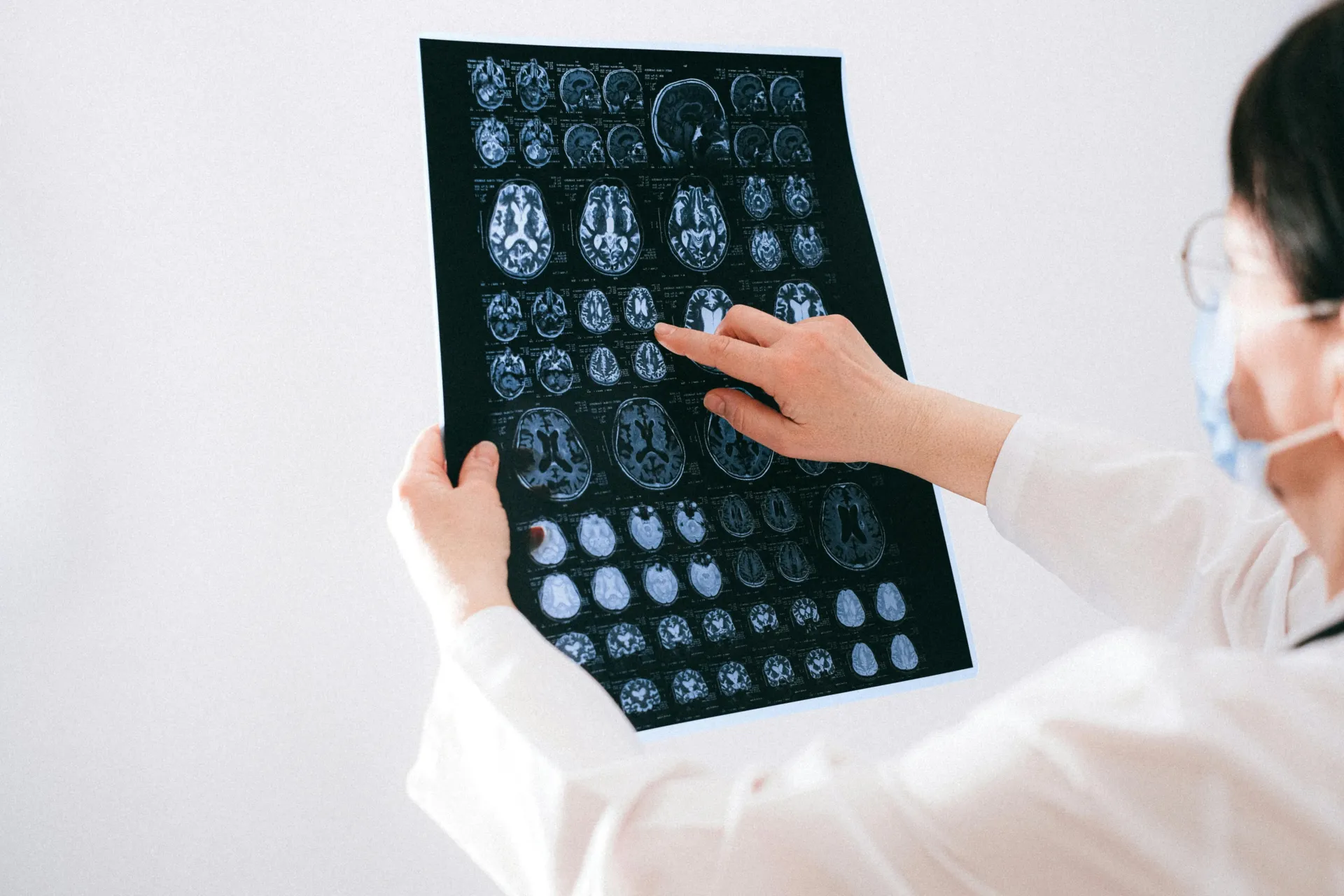
When to See a Neurologist in Dubai (2026)
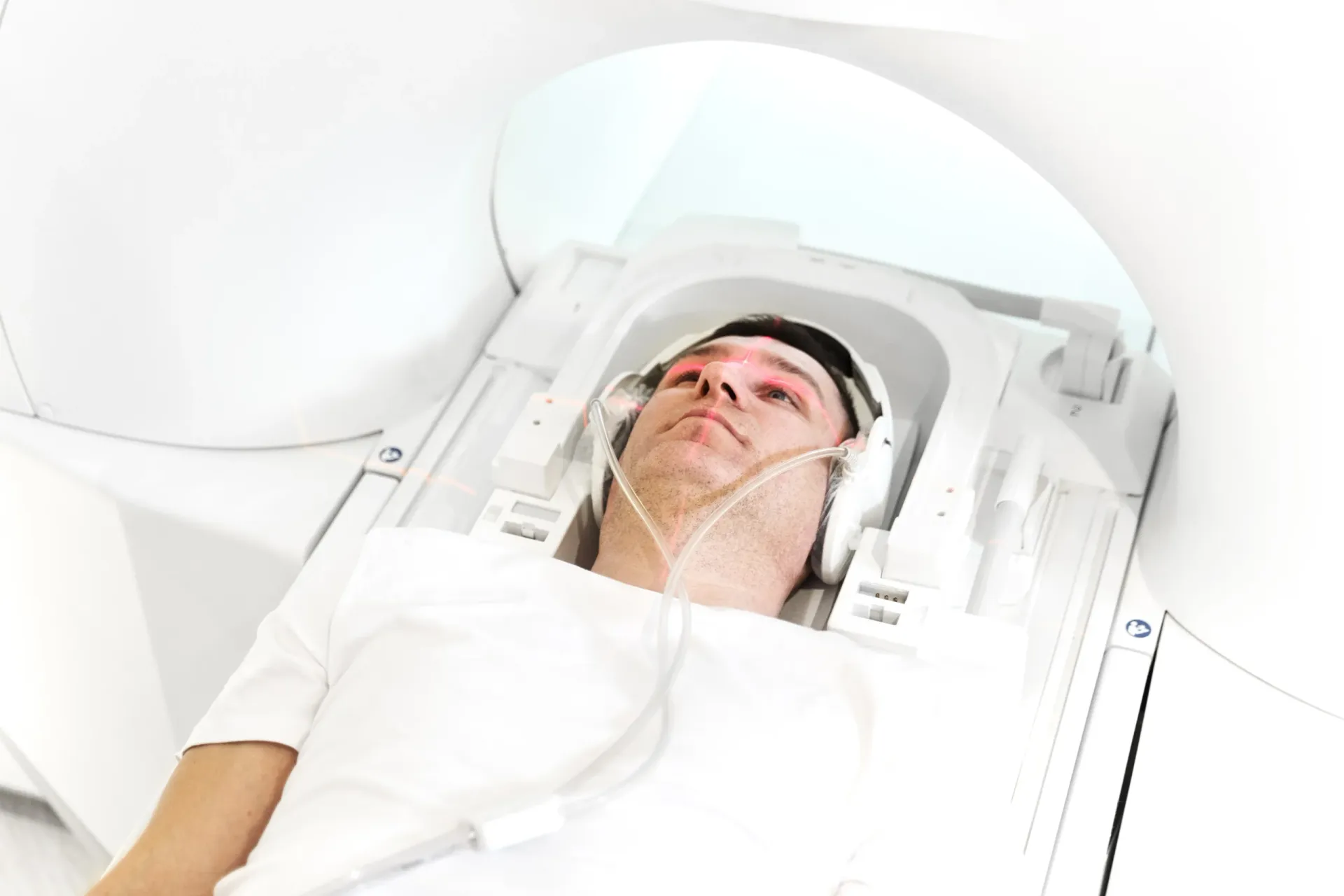
Brain MRI Scan Dubai: Complete Guide (2026)

Best Neurologist Dubai: How to Choose (2026)
Numbness & Tingling Causes Dubai (2026)
Memory Loss Assessment Dubai (2026)
More in Neurology
EEG Test Meaning: Preparation & Results Guide (2026)
Read MoreEMG Test: Procedure, Pain & Preparation Guide (2026)
Read MoreGerman Neurologist in Dubai: Dr. Heike Jacobs at DCDC (2026)
Read MoreNerve Conduction Study: NCS & NCV Explained (2026)
Read MoreNeurologist Dubai: When to See One (2026)
Read MoreConcussion Signs Dubai: What to Do (2026)
Read More© 2026 Doctors Clinic Diagnostic Center (DCDC), Dubai Healthcare City. Originally published at https://doctorsclinicdubai.ae/blog/essential-tremor-vs-parkinsons-dubai. All rights reserved. Unauthorized reproduction is prohibited.