
Prenez votre rendez-vous
Bilan memoire et cognitif a Dubai : evaluation experte
Evaluation complete de la memoire et des fonctions cognitives
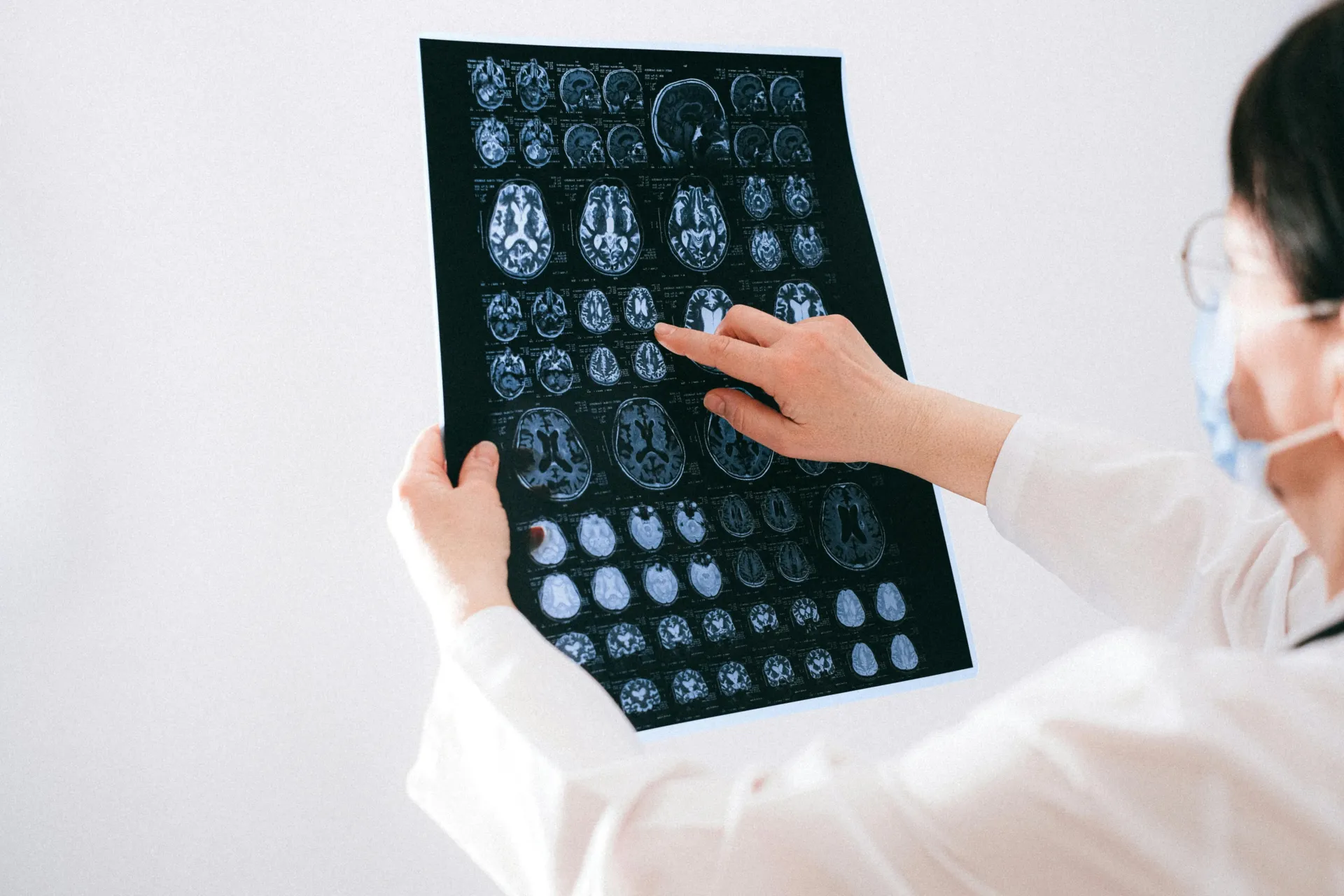
Evaluation complete
Batterie de tests cognitifs comprehensive
Diagnostic precis
Identification des causes traitables
Soins bienveillants
Soutien aux patients et aux familles
Les troubles de la memoire sont frequents, surtout avec l'age. Notre bilan memoire complet permet de distinguer les changements normaux lies a l'age des pathologies necessitant une prise en charge medicale, notamment les troubles cognitifs legers et la demence.
Notre evaluation comprend des tests cognitifs detailles, un examen neurologique et des examens complementaires pour identifier les causes traitables des problemes de memoire. De nombreuses affections touchant la memoire, comme les carences en vitamines, les troubles thyroidiens et la depression, sont reversibles avec un traitement adapte.
Pour les patients et les familles confrontes a un diagnostic de demence, nous offrons une prise en charge bienveillante, un plan de traitement et des ressources pour aider a gerer la maladie et maintenir la qualite de vie.
Evaluation complete
Batterie de tests cognitifs comprehensive
Diagnostic precis
Identification des causes traitables
Soins bienveillants
Soutien aux patients et aux familles
Bilan memoire et cognitif a Dubai : evaluation experte
Evaluation complete de la memoire et des fonctions cognitives
Les troubles de la memoire sont frequents, surtout avec l'age. Notre bilan memoire complet permet de distinguer les changements normaux lies a l'age des pathologies necessitant une prise en charge medicale, notamment les troubles cognitifs legers et la demence.
Notre evaluation comprend des tests cognitifs detailles, un examen neurologique et des examens complementaires pour identifier les causes traitables des problemes de memoire. De nombreuses affections touchant la memoire, comme les carences en vitamines, les troubles thyroidiens et la depression, sont reversibles avec un traitement adapte.
Pour les patients et les familles confrontes a un diagnostic de demence, nous offrons une prise en charge bienveillante, un plan de traitement et des ressources pour aider a gerer la maladie et maintenir la qualite de vie.

Dr. Heike Jacobs
Découvrez nos services
Services bilan de la memoire et evaluation cognitive complets au DCDC Dubai Healthcare City.

Tous les services realises par des specialistes agrees DHA
Qui devrait beneficier de Bilan de la memoire et evaluation cognitive ?
Le bilan memoire est recommande a toute personne preoccupee par sa fonction cognitive ou des changements de memoire.
Oubli d'evenements ou de conversations recents
Difficulte a trouver ses mots ou a suivre les conversations
Desorientation dans des lieux familiers
Difficultes de planification ou de resolution de problemes
Changements d'humeur ou de personnalite
Inquietudes de la famille concernant des changements cognitifs
Pourquoi choisir DCDC pour le bilan memoire ?
Evaluation experte avec une prise en charge complete et bienveillante.
Neurologues experts
Specialistes des troubles cognitifs et de la demence.
Tests approfondis
Batterie d'evaluation cognitive complete et standardisee.
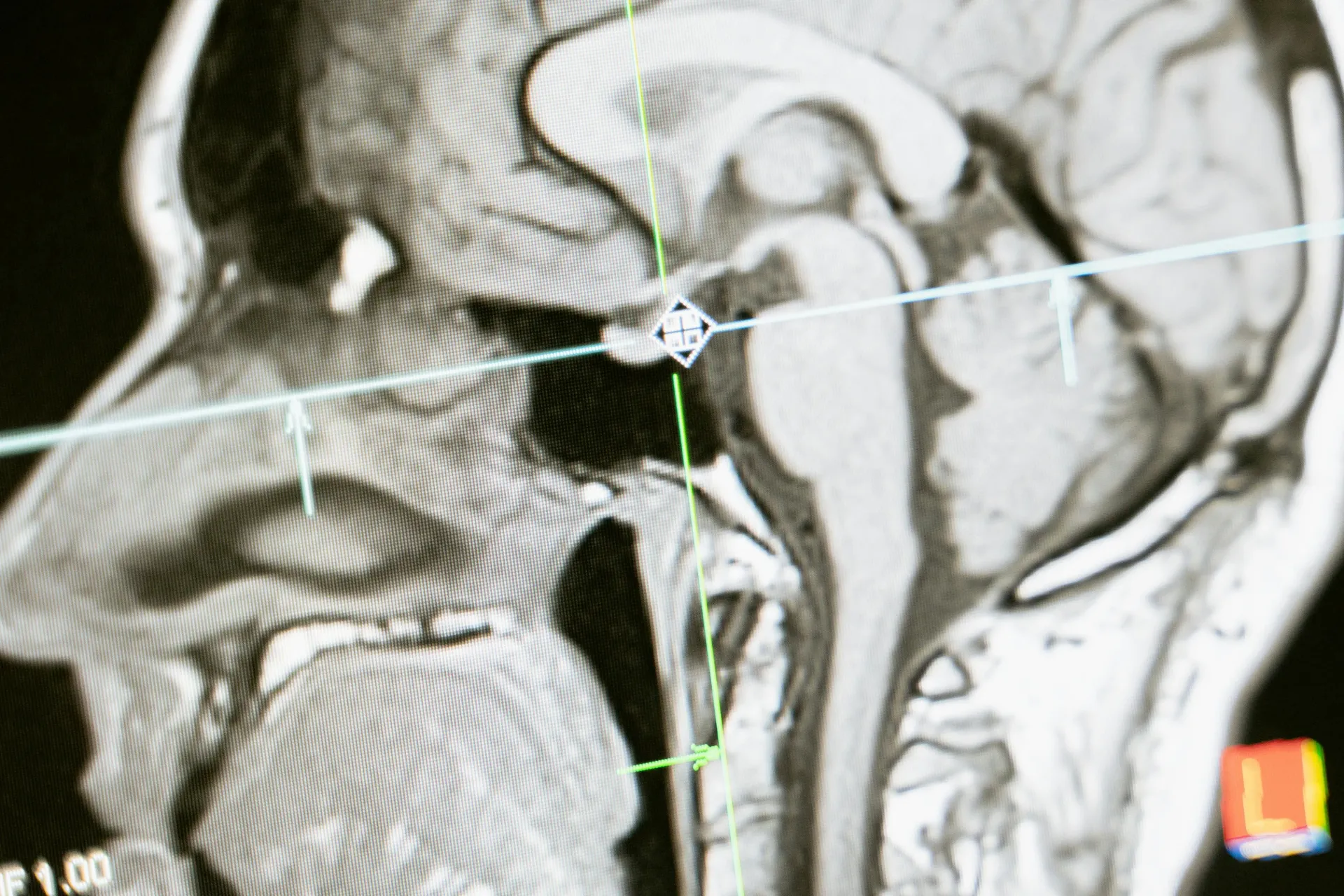
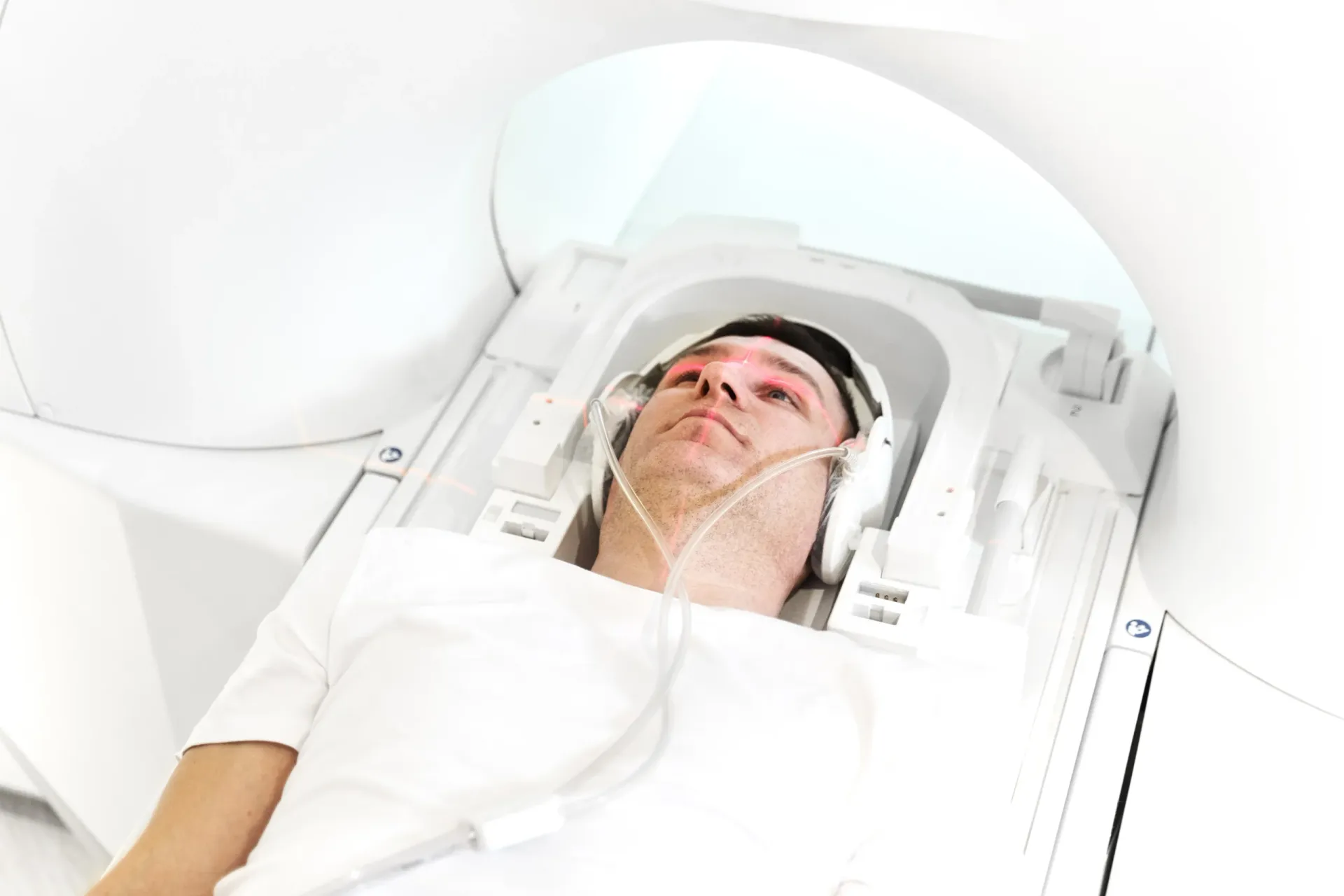
Imagerie avancee
IRM sur place pour l'evaluation de la structure cerebrale.
Soins bienveillants
Approche soutenante pour les patients et les familles.
Pluridisciplinaire
Coordination avec la psychiatrie et d'autres specialites.
Prise en charge assurance
Facturation directe avec les principaux assureurs.
Votre visite en tout confort
Un processus d'examen Bilan simple, etape par etape, concu pour le confort, la rapidite et la precision.
Tarifs du bilan memoire
Les tarifs Bilan à Dubaï varient selon le type de service et la couverture d'assurance pour différents types de services.
- Les tarifs varient selon le type d'examen et la necessite de produit de contraste
- Couverture d'assurance acceptee avec ordonnance et verification
- Tarifs transparents pour paiement direct avec devis instantane sur demande
Verification d'assurance en quelques minutes - Pas de frais caches - Reponse rapide sur WhatsApp
Guide du patient
A quoi s'attendre lors du bilan memoire
Evaluation complete pour comprendre votre fonction cognitive.
Assurance et localisation
Partenaires d'assurance
- •Plus de 20 assureurs à Dubaï dont Daman, AXA, ADNIC et d'autres
- •Assistance pré-autorisation et facturation directe (le cas échéant)
- •Vérification de la couverture avant votre rendez-vous dans notre clinique de Dubai Healthcare City
- •Tarification transparente sans frais cachés pour les services de bilan de la memoire et evaluation cognitive








Rendez-nous visite a Dubai Healthcare City
Doctors Clinic Diagnostic Center
Batiment 64, Bloc A, Al Razi Medical Complex, Dubai Healthcare City, Dubai, EAU
Pres de Oud Metha Road - Acces facile depuis Bur Dubai, Downtown Dubai, Business Bay - Parking gratuit dedie disponible
Horaires d'ouverture
Lun-Jeu, Sam : 8h - 22h30 | Dim : 8h30 - 22h30 | Ven : 9h - 22h
Comment fonctionne l'assurance chez DCDC
Vérifier la couverture
Vérifiez que votre plan couvre Bilan de la memoire et evaluation cognitive
Obtenir une référence
Certains assureurs exigent une référence du médecin — nous pouvons vous guider
Pré-autorisation
Nous gérons la pré-autorisation directement avec votre assureur
Facturation directe
Pas de paiement initial — nous facturons directement votre assureur
Co-paiement uniquement
Vous ne payez que le co-paiement applicable à la clinique
Vérifier la couverture
Vérifiez que votre plan couvre Bilan de la memoire et evaluation cognitive
Obtenir une référence
Certains assureurs exigent une référence du médecin — nous pouvons vous guider
Pré-autorisation
Nous gérons la pré-autorisation directement avec votre assureur
Facturation directe
Pas de paiement initial — nous facturons directement votre assureur
Co-paiement uniquement
Vous ne payez que le co-paiement applicable à la clinique
Your Specialist
Dr. Heike Jacobs
Consultant Neurologist
MD, MRCP, Consultant Neurologist
German · English
Guide du patient
Memory and Cognitive Health: Understanding Assessment and Management
Memory is not a single function but rather a complex system involving multiple brain regions working together. Short-term or working memory holds information for seconds to minutes and is managed by the prefrontal cortex. Long-term memory consolidation, the process of converting experiences into lasting memories, depends critically on the hippocampus. Recall involves retrieval networks spanning multiple brain areas. Different types of dementia affect different memory systems and brain regions, which is why detailed cognitive testing that evaluates multiple domains is essential for accurate diagnosis and distinguishing between conditions.
s disease is the most common cause of dementia, accounting for approximately 60 to 70 percent of cases. It is characterized by the progressive accumulation of abnormal amyloid plaques and tau tangles in the brain, leading to nerve cell damage and death. The disease typically begins with difficulty forming new memories, gradually expanding to affect language, reasoning, behavior, and eventually basic functions. While age is the greatest risk factor, Alzheimer\
The concept of cognitive reserve helps explain why some individuals with brain changes maintain better function than others. Cognitive reserve is built throughout life through education, intellectual engagement, social interaction, and physical activity. People with greater cognitive reserve can tolerate more brain pathology before showing clinical symptoms. This concept has practical implications: continuing to challenge your brain with new learning, maintaining social connections, and staying physically active throughout life builds reserves that may delay or reduce the impact of age-related brain changes.
Comprehensive memory assessment serves multiple purposes beyond simply diagnosing dementia. It establishes a baseline against which future changes can be measured, identifies treatable contributing factors that may be amplifying cognitive difficulties, distinguishes between different types of cognitive conditions that require different treatments, provides prognostic information to guide planning, and often provides reassurance to worried individuals whose concerns fall within the range of normal aging. Regardless of the outcome, a thorough evaluation empowers patients and families with knowledge and a clear plan of action.
Cognitive Conditions We Evaluate and Manage
Alzheimer\
The most common dementia type, characterized by progressive memory loss, language difficulties, and functional decline, managed with medication, cognitive stimulation, and comprehensive support planning.
Mild Cognitive Impairment (MCI)
Measurable cognitive decline beyond normal aging but not meeting criteria for dementia, monitored regularly with intervention strategies to maintain function and address modifiable risk factors.
Vascular Dementia
Cognitive decline caused by stroke or small vessel disease, managed with aggressive cardiovascular risk factor control and cognitive rehabilitation.
Lewy Body Dementia
Dementia with features including visual hallucinations, fluctuating cognition, and parkinsonism, requiring careful medication selection and comprehensive management.
Frontotemporal Dementia
Relatively young-onset dementia affecting behavior, personality, or language, diagnosed through clinical evaluation and brain imaging, with specialized management strategies.
Depression-Related Cognitive Impairment
Memory and concentration difficulties caused by depression (pseudodementia), distinguished from dementia through assessment and dramatically improved with antidepressant treatment.
Articles associés
Complete Guide to MRI Scan in Dubai
Learn how brain MRI supports memory assessment by evaluating brain structure and detecting changes associated with dementia.
Vitamin D Deficiency in Dubai
Understand the link between vitamin deficiencies and cognitive health, and why nutritional screening is part of memory evaluation.
Executive Health Checkup Benefits
Discover how comprehensive health screening including cognitive assessment supports brain health and early detection of treatable conditions.
Services connexes
Decouvrez d'autres services de diagnostic et de consultation disponibles dans notre clinique de Dubai Healthcare City.
Questions frequentes
Questions courantes sur Bilan de la memoire et evaluation cognitive a Dubai.
Certains changements de memoire sont normaux avec l'age (comme oublier occasionnellement des noms). Cependant, des problemes de memoire significatifs affectant la vie quotidienne justifient une evaluation pour ecarter des pathologies traitables ou une demence debutante.
De nombreuses affections peuvent affecter la memoire, notamment les carences en vitamines, les troubles thyroidiens, la depression, les troubles du sommeil, les medicaments et les maladies neurologiques comme la maladie d'Alzheimer. Une evaluation appropriee identifie la cause.
Oui, nous encourageons la presence d'un membre de la famille ou d'un ami proche. Ils peuvent fournir des informations precieuses sur les changements observes et aider a comprendre les recommandations.
Oui, de nombreuses causes sont traitables ou reversibles, notamment la carence en vitamine B12, les troubles thyroidiens, la depression, l'apnee du sommeil et les effets secondaires medicamenteux. C'est pourquoi une evaluation approfondie est importante.
Le trouble cognitif leger implique des changements cognitifs superieurs a ceux attendus pour l'age mais pas assez severes pour affecter la vie quotidienne. La demence implique un declin plus important affectant l'autonomie.
Bien qu'il n'existe pas de guerison, des medicaments peuvent aider a gerer les symptomes et ralentir la progression. Un diagnostic precoce permet de planifier le traitement, d'adapter le mode de vie et de se preparer aux besoins futurs.
Faits cles
Supervision medicale
Tous les services sont fournis sous la supervision de professionnels medicaux agrees dans notre etablissement accredite MOHAP.