Key Takeaways
- EMG examines electrical activity in selected muscles; it is different from an EEG brain recording.
- Needle EMG and nerve conduction studies often complement each other in one assessment.
- Brief discomfort and temporary soreness are possible; tell the team about concerns before testing.
- Avoid skin lotions and share your medication list, bleeding history and implanted-device information.
- The number of muscles and nerves tested depends on the referral, so appointment length varies.
- A report needs interpretation alongside symptoms and examination; arrange a result discussion.
An EMG referral often raises two immediate questions: what will happen, and will it hurt? This guide explains the needle recording, its relationship to nerve conduction testing, preparation and the questions to ask afterwards. For appointment information, see EMG testing at DCDC.
What is an EMG test?
Electromyography, usually shortened to EMG, records electrical activity in muscles. During a needle EMG, a clinician places a fine recording electrode into selected muscles and examines their activity at rest and when you gently contract them. This helps investigate whether symptoms relate to a muscle disorder, a nerve problem or the connection between nerves and muscles. The test is one part of an assessment, alongside your symptoms and physical examination.
If your referral says “EMG and NCS”, it usually requests two complementary parts of an electrodiagnostic assessment. Nerve conduction studies use electrodes on the skin to assess peripheral nerve signals. Needle EMG examines muscle activity. They are often performed together because each supplies information the other cannot. The MedlinePlus patient guide explains this distinction.
Why might your doctor request it?
A clinician may consider EMG when investigating persistent weakness, muscle wasting, cramps or symptoms suggesting a nerve or muscle condition. The exact pattern matters: difficulty lifting one foot is a different clinical question from tingling in both hands. An EMG referral is a request to investigate a possibility, not confirmation of a serious diagnosis.
Bring a short symptom timeline rather than a list of diagnoses found online. Note when the problem began, which side is affected, whether symptoms are constant and which everyday activities have changed. For example, “I started dropping cups three weeks ago” gives the clinician a clearer starting point than “my nerves are bad”. Mention previous operations or injuries involving the affected limb and bring relevant reports.
EMG versus nerve conduction testing
Both tests can be part of the same appointment, but “EMG” is sometimes used informally to describe the whole visit. Ask which components have actually been requested. The number of limbs, nerves and muscles assessed depends on the clinical question; there is no single identical test sequence for every patient. Our NCS and NCV guide explains the surface-electrode part in more detail.
| Question | Needle EMG | Nerve conduction study |
|---|---|---|
| What is assessed? | Electrical activity in selected muscles | Electrical signal conduction in selected peripheral nerves |
| How is it recorded? | A fine electrode placed in a muscle | Recording electrodes attached to the skin |
| What may you feel? | Needle insertion and discomfort during recording | Brief electrical pulses and muscle twitches |
| Why combine them? | Adds information about muscle activity | Adds information about nerve signal function |
The clinician selects the components needed to answer the referral question.
Is an EMG test painful?
Needle insertion can cause a brief sharp sensation, and recording from a muscle may be uncomfortable. People experience this differently. It would be misleading to promise a completely painless test or to assume everyone will find it difficult. Tell the clinician if you are anxious about needles or have had a difficult previous procedure. Ask them to explain each stage before it starts.
The nerve conduction component feels different: brief electrical pulses produce a tapping or tingling sensation and may cause a small muscle twitch. The needles used for diagnostic EMG record activity; they are not a treatment injection. Cleveland Clinic's EMG overview describes the sensations and possible temporary soreness.
Practical communication helps. Say which part is troubling you: the needle itself, not seeing what is happening, holding a position or uncertainty about how long remains. Ask about a pause if needed. Avoid taking an extra sedative or pain medicine simply because an online comment recommends it; discuss any proposed medicine with the team beforehand.
How to prepare before the appointment
Shower or bathe beforehand and avoid lotion, oil or cream on the areas being tested. Wear clothing that allows access to the relevant arms or legs. Bring your referral, medicine list and previous nerve-test reports. Ask the clinic whether your planned assessment has any specific instructions about meals or medication; do not stop prescribed treatment independently.
- Tell the team about blood thinners, a bleeding disorder or a tendency to bruise.
- Mention a pacemaker, implanted defibrillator or other electrical medical device.
- Explain any skin infection, wound or recent operation near the intended test area.
- Tell the team if you have difficulty lying down, transferring onto a couch or holding a position.
- Confirm whether one limb, several limbs or a combined EMG/NCS assessment has been requested.
- Keep any medication instructions from your treating clinician available for the testing team.
These details help the clinician plan appropriately; they do not automatically mean you cannot have the test. Mayo Clinic's EMG guidance highlights medication, bleeding and implanted-device information to discuss in advance.
What happens during the EMG procedure?
The clinician reviews the referral and may examine the affected area before choosing the muscles to sample. During needle recording you will be asked to relax, then gently tighten a muscle. Electrical signals are displayed on a monitor and may also be heard through a speaker. The sounds are part of the recording process; they are not a diagnosis you need to interpret.
Testing can involve more than the exact place where you feel pain or tingling. The clinician may compare muscles supplied by different nerves to answer the referral question. Ask for an explanation if the chosen area surprises you. Try to follow the requested effort rather than contracting as strongly as possible throughout. The clinician will tell you when to relax and when to move.
How long does it take, and what happens afterwards?
There is no reliable single appointment length for every EMG. A focused assessment differs from testing multiple limbs with nerve conduction studies. Tell the booking team exactly what was requested and ask about the total visit length, including preparation and any consultation. This is more useful for planning than a generic time estimate from another clinic.
Temporary tenderness or a small bruise can occur where a needle was inserted. Follow the individual aftercare instructions and ask which symptoms should prompt a call. Tell the clinic about persistent or worsening pain, swelling, redness or bleeding. Johns Hopkins' patient information covers preparation, the recording process and aftercare.
What can an EMG result tell you?
The report describes the findings in the muscles sampled and, when performed, the nerve conduction results. The clinician uses those findings to help identify the location and nature of a possible problem. It is not a whole-body screening examination. A result must be considered with the history, examination and any other relevant investigations.
Do not treat an unfamiliar report term as a diagnosis by itself. Ask your clinician to distinguish between an observation, a likely explanation and a confirmed diagnosis. A useful result discussion answers three questions: does this explain my symptoms, does it change treatment, and is anything still uncertain? If the conclusion is inconclusive, ask what follow-up would clarify it rather than assuming the test was wasted.
Questions worth taking to your result appointment
- Which muscles and nerves were examined, and did that answer the referral question?
- Do the findings fit the symptoms and examination?
- What does a normal result mean in my particular situation?
- Would another test add useful information, and why?
- Is any treatment or activity advice changing because of this result?
- Who will send the report to my referring clinician?
Keep a copy of your report. If testing is repeated later, having the original findings available is more helpful than remembering that the previous test was described as “fine” or “abnormal”. Confirm the report and follow-up arrangements before leaving the clinic.
Arranging an EMG at DCDC
The DCDC EMG service page covers appointment enquiries in Dubai Healthcare City. Share the referral and whether it mentions combined EMG and nerve conduction testing. Ask the team to confirm the appointment scope, preparation, report arrangements and any insurance authorisation required. Do not assume a consultation or follow-up is included without checking.
DCDC is in Building 64, Block A, Al Razi Medical Complex. Call +971 54 219 5008 to discuss your referral. If the letters on your request are EEG rather than EMG, read the EEG meaning and preparation guide: that test records brain activity and requires a different appointment.
Discuss your referral with DCDC
Contact the Neurology team about EMG testing at Building 64, Block A, Dubai Healthcare City. Share the requested test and ask about preparation, appointment availability and reporting.
Call +971 54 219 5008
Related Services at DCDC
Expert care and advanced diagnostics at Dubai Healthcare City
Frequently Asked Questions
Prepare for the assessment, then clarify the result
The most useful preparation is simple: understand which tests were requested, bring the referral and medicine list, and tell the team about any safety or comfort concerns.
Afterwards, ask how the findings relate to your actual symptoms. This guide provides general patient education; your clinician's instructions and interpretation take priority.
Sources & References
This article references the following sources:
- MedlinePlus — Electromyography and nerve conduction studies
- Mayo Clinic — Electromyography (EMG)
- Cleveland Clinic — Electromyography
- Johns Hopkins Medicine — Electromyography
- Cambridge University Hospitals — NCS and EMG patient information
- DCDC — EMG service information
This information is educational and does not replace individual medical advice. See our editorial policy for more information.

Written by
DCDC Editorial Team
Patient education
Patient information from Doctors Clinic Diagnostic Center in Dubai Healthcare City, based on the medical references listed with this article. This guide supports discussion with your clinician and does not provide an individual diagnosis.
Related patient guides
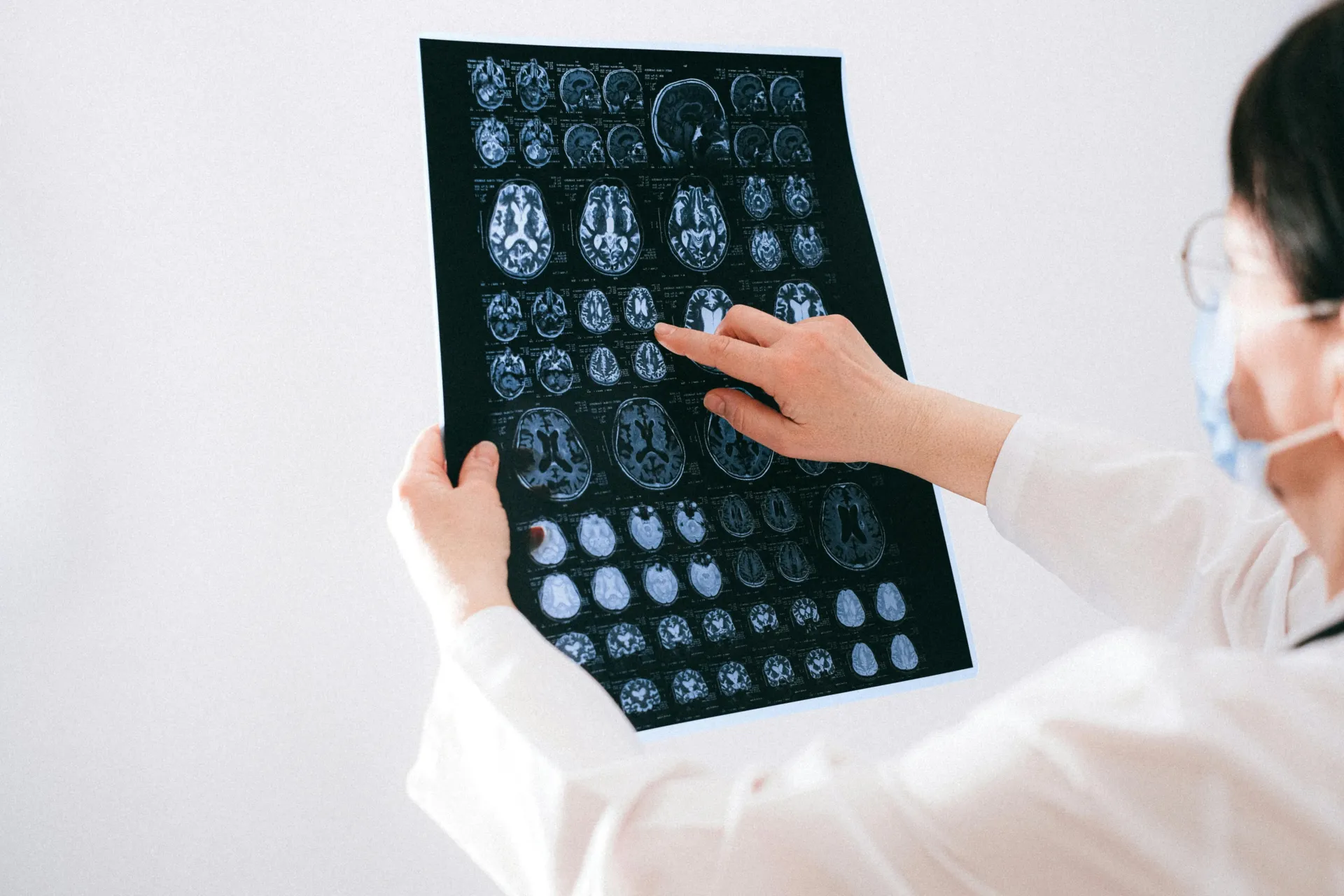
EEG Test Meaning: Preparation & Results Guide
Nerve Conduction Study: NCS & NCV Explained
More in Neurology
EEG Test Meaning: Preparation & Results Guide (2026)
Read More
German Neurologist in Dubai: Dr. Heike Jacobs at DCDC (2026)
Read MoreNerve Conduction Study: NCS & NCV Explained (2026)
Read MoreNeurologist Dubai: When to See One (2026)
Read MoreConcussion Signs Dubai: What to Do (2026)
Read MoreEssential Tremor vs Parkinson’s Dubai (2026)
Read More© 2026 Doctors Clinic Diagnostic Center (DCDC), Dubai Healthcare City. Originally published at https://doctorsclinicdubai.ae/blog/emg-test-procedure-pain-preparation. All rights reserved. Unauthorized reproduction is prohibited.