Key Takeaways
- EEG records brain electrical activity through scalp electrodes; it is different from MRI, ECG and EMG.
- A clinical question and referral help determine the correct recording protocol.
- Follow the appointment instructions; do not stop medicine or reduce sleep on your own.
- A routine recording is generally painless, with preparation included in the appointment time.
- A normal EEG does not independently rule out epilepsy; results need clinical interpretation.
- Confirm the specific test, quote, insurance requirements and report arrangements before booking.
An EEG records electrical activity in the brain. If you have been referred for one, understanding the test can make the appointment less unfamiliar. This guide explains what EEG means, how to prepare, what happens during recording and how results are interpreted. For appointment details, see EEG testing at DCDC in Dubai Healthcare City.
EEG test meaning: what is being recorded?
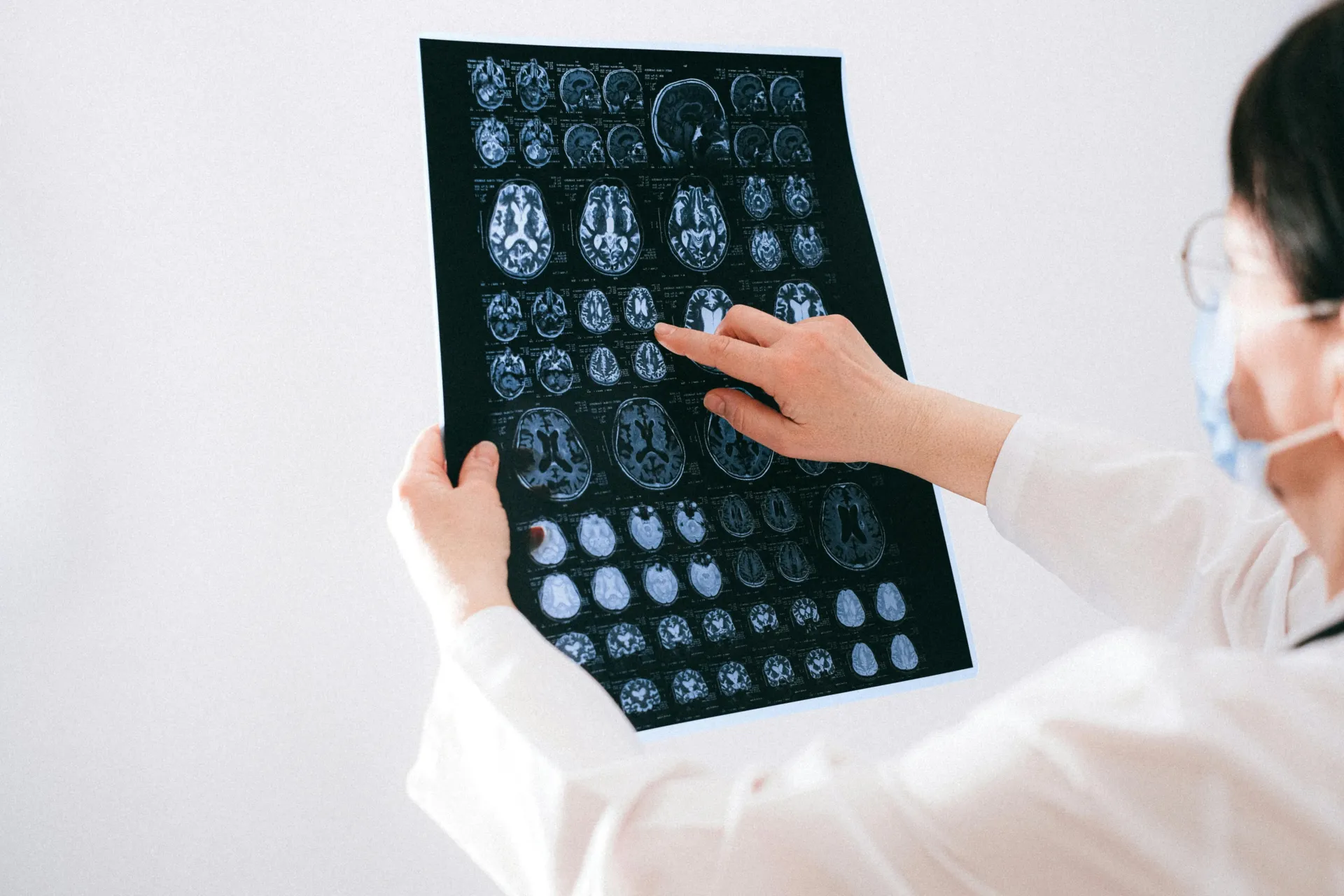
EEG stands for electroencephalogram. It is a recording of the brain's electrical activity, collected through electrodes attached to the scalp. The word can describe the test or its resulting record. Although people sometimes search for an “EEG brain scan”, it does not produce the anatomical pictures you would see on an MRI. An EEG and an MRI can therefore answer different questions in the same person's assessment.
The practical question is why your doctor requested the recording. A referral mentioning a suspected seizure needs a different conversation from a request for prolonged monitoring. Keep the wording of the referral when contacting the clinic. Replacing it with “a brain test” can make it harder for the booking team to identify the correct appointment.
Why a clinician may request an EEG
EEG is commonly used when assessing suspected seizures or monitoring epilepsy. It may contribute to other neurological investigations when the doctor has a specific question. It is not a general screening test that everyone with a headache, poor concentration or dizziness needs. The history and examination help determine whether an electrical recording is useful. The NHS overview of EEG describes its main uses and the recording process.
Before your consultation, write a short account of the episode that led to the referral. Include what you were doing, what you remember, what somebody else observed and how you felt afterwards. A witness may recall details you cannot. Bring existing reports rather than trying to explain their findings from memory. Our guide to epilepsy assessment discusses the wider clinical pathway. UCLH's first-seizure appointment guide explains the value of bringing a witness account and earlier medical documentation.
EEG, ECG and EMG: check the letters on your referral
These abbreviations sound similar but refer to different investigations. Read the full test name before confirming an appointment, especially if the request came through a phone call or a handwritten note. An ECG request should go to a heart-testing service; an EEG request belongs with Neurology. If the referral is unclear, ask the referring clinic to clarify it.
| Test | What it assesses | Where to find details |
|---|---|---|
| EEG | Brain electrical activity | Neurology EEG service |
| ECG / EKG | Heart electrical activity | Cardiology ECG service |
| EMG | Muscle electrical activity | Neurology EMG service |
| NCS / NCV | Signal conduction through peripheral nerves | Neurology nerve conduction service |
Similar abbreviations refer to different investigations.
How to prepare for an EEG appointment
Arrive with clean, dry hair and avoid gel, wax or styling products. Follow the instructions given for your particular recording. Do not independently stop medication or deprive yourself of sleep. Tell the team if you have scalp sensitivities, practical difficulty removing hair accessories or questions about the requested preparation. A routine EEG and a sleep-deprived recording can have different instructions. Johns Hopkins' EEG preparation guidance also emphasises following the instructions for your particular recording.
- Keep the referral and previous EEG or brain-imaging reports together.
- Bring an up-to-date medicine list, including doses and timing.
- Confirm the exact test type, arrival time and expected time at the clinic.
- Ask whether you need someone to accompany you or collect you afterwards.
- Bring a comb or brush; electrode paste can leave the hair untidy.
- Contact the clinic if your preparation instructions conflict with advice from your treating doctor.
Prepare a short question list before leaving home. “May I take my usual morning medicines?”, “Are there specific caffeine instructions?” and “Can I go back to work afterwards?” are more useful than following a generic online checklist intended for a different EEG protocol. The appointment team's individual instructions take priority over this general guide.
What happens during the recording?
The clinician or technologist explains the test, measures the scalp and attaches electrodes using a suitable conductive material. You sit or lie in a comfortable position while the recording is collected. You may be asked to open and close your eyes. Deep breathing or flashing lights may be included when appropriate; the team explains these tasks beforehand. The electrodes detect electrical activity rather than delivering an electrical shock to the brain.
A routine appointment often takes around an hour including preparation, but the requested protocol determines the actual time. Ask about total appointment time rather than only the recording length when planning transport or time away from work. If you are uncomfortable, need a position adjustment or do not understand an instruction, tell the person carrying out the test.
Is an EEG painful, and are there side effects?
Routine scalp recording is generally painless. Hair paste, skin preparation and the need to remain relatively still can feel unfamiliar. Tell the team about adhesive sensitivities. In people being assessed for seizures, activation procedures can occasionally provoke a seizure; trained staff monitor the recording and respond if this happens. This is one reason the protocol should be explained and supervised. Mayo Clinic's EEG guide explains the test's risks and preparation.
An EEG referral does not automatically mean that your clinician believes you have epilepsy. Tests investigate possibilities. Ask what question the recording is intended to answer and what other information will be considered before a diagnosis is made. Avoid interpreting the referral itself as a final medical conclusion.
Routine, sleep-deprived and prolonged EEG are different bookings
A routine recording samples a limited period. Other protocols may involve sleep, planned sleep deprivation, portable monitoring or simultaneous video recording. Their duration, preparation and supervision differ. Mentioning these options in a patient guide does not mean every protocol is available at every clinic. DCDC's team needs the exact referral to confirm the requested service and appointment arrangements.
Do not stay awake overnight to make a routine test “more accurate”. Sleep deprivation should happen only if prescribed for the planned study. If it has been requested, clarify transport and driving restrictions before the appointment. For questions about muscle and peripheral nerve recordings instead, see our EMG procedure and preparation guide.
Understanding a normal or abnormal EEG result
An EEG report describes the patterns seen during the recording. A normal result does not, by itself, exclude epilepsy; relevant changes may not appear in that sampling period. An abnormal result also needs interpretation alongside the symptoms and examination. Your doctor may recommend another recording or a different investigation if the original question remains unanswered.
Online examples of “normal” and “abnormal” traces are not a reliable way to interpret your own report. Instead, ask the clinician to translate the conclusion into the question that prompted testing. For example: did the recording support the suspected diagnosis, was it inconclusive, or did it suggest a different next step? Keep the written report for future appointments so you do not have to rely on a remembered phrase.
Questions to ask when your report is ready
- What did the recording show in relation to my symptoms?
- Does the result change the working diagnosis or the next step?
- Do I need another test, and what would it add?
- Are there instructions about medicines, work, driving or other activities?
- Who is responsible for the follow-up appointment?
- Can I receive a copy of the report for my referring doctor?
Recording and interpretation are separate stages. The person completing the test may not be able to provide the diagnosis immediately. Confirm how you will receive the report and whom to contact if you have not heard by the stated date.
Arranging your EEG at DCDC in Dubai Healthcare City
Start with the EEG service page or call +971 54 219 5008. DCDC is in Building 64, Block A, Al Razi Medical Complex, Dubai Healthcare City. Send the referral through the clinic's agreed booking channel and ask whether a Neurology consultation is needed first. Confirm the actual appointment slot rather than assuming general clinic opening hours are EEG session hours.
Ask for an appointment quote matched to the recording requested, with consultation, interpretation and follow-up clearly identified. If using insurance, check the referral and pre-authorisation requirements before the appointment. A published price from a different clinic or a different protocol is not a substitute for this confirmation.
A final checklist before booking
Have the exact referral, preferred appointment dates, relevant previous reports and insurance information ready. Tell the team if you are enquiring for a child, need accessibility support or have been asked to book a particular protocol. These details help the clinic confirm suitability rather than make assumptions. You do not need to choose between EEG and nerve conduction testing yourself: they assess different parts of the nervous system, and the referring clinician should identify the appropriate investigation.
Discuss your referral with DCDC
Contact the Neurology team about EEG testing at Building 64, Block A, Dubai Healthcare City. Share the requested test and ask about preparation, appointment availability and reporting.
Call +971 54 219 5008
Related Services at DCDC
Expert care and advanced diagnostics at Dubai Healthcare City
Frequently Asked Questions
Make the appointment answer the right question
The most useful EEG appointment starts with a clear referral and ends with a clinical explanation of the result. Keep the preparation instructions and follow-up arrangements together so neither is lost between booking and reporting.
DCDC's Neurology team can help confirm the requested EEG and the next booking step. The information above is general patient education; your clinician's individual instructions take priority.
Sources & References
This article references the following sources:
- NHS — EEG (electroencephalogram)
- Mayo Clinic — EEG: overview, preparation and results
- Johns Hopkins Medicine — EEG preparation and recording
- UCLH — Preparing for a first-seizure appointment
- DCDC — EEG service and booking information
This information is educational and does not replace individual medical advice. See our editorial policy for more information.

Written by
DCDC Editorial Team
Patient education
Patient information from Doctors Clinic Diagnostic Center in Dubai Healthcare City, based on the medical references listed with this article. This guide supports discussion with your clinician and does not provide an individual diagnosis.
Related patient guides
EMG Test: Procedure, Pain & Preparation Guide
Nerve Conduction Study: NCS & NCV Explained
More in Neurology
EMG Test: Procedure, Pain & Preparation Guide (2026)
Read More
German Neurologist in Dubai: Dr. Heike Jacobs at DCDC (2026)
Read MoreNerve Conduction Study: NCS & NCV Explained (2026)
Read MoreNeurologist Dubai: When to See One (2026)
Read MoreConcussion Signs Dubai: What to Do (2026)
Read MoreEssential Tremor vs Parkinson’s Dubai (2026)
Read More© 2026 Doctors Clinic Diagnostic Center (DCDC), Dubai Healthcare City. Originally published at https://doctorsclinicdubai.ae/blog/eeg-test-meaning-preparation-results. All rights reserved. Unauthorized reproduction is prohibited.