Key Takeaways
- Epilepsy affects approximately 50 million people worldwide and around 7 per 1,000 people in the Middle East — it is one of the most common neurological conditions globally.
- A diagnosis requires two or more unprovoked seizures occurring more than 24 hours apart, confirmed by a specialist neurologist through clinical history, EEG, and brain imaging.
- Up to 70% of people with epilepsy can become seizure-free with the right anti-seizure medication, making early and accurate diagnosis critical.
- An epilepsy assessment may include EEG, brain MRI and blood tests according to the clinical question. DCDC offers EEG appointment enquiries through Neurology; confirm the protocol, preparation and fee with the team.
- First-line medications include levetiracetam, sodium valproate, and lamotrigine, selected based on seizure type, age, sex, and potential side effects.
- DCDC uses a Siemens 1.5T wide-bore MRI for detailed brain imaging with subspecialty neuroradiologist reads and results within 18-24 hours.
- Most insurance plans in Dubai cover epilepsy diagnosis and treatment — DCDC offers direct billing with 20+ providers including Daman, AXA, and Bupa.
Being diagnosed with epilepsy, or witnessing a loved one have a seizure, can be frightening. The condition is far more common than most people realise, and the outlook for people with epilepsy has improved dramatically with modern medicine. Up to 70% of patients achieve full seizure control with the right medication, and many eventually discontinue treatment altogether. The key is expert diagnosis to identify the seizure type, find its cause, and match the patient with the most effective therapy. Our neurology team at DCDC in Dubai Healthcare City provides comprehensive epilepsy evaluation, from EEG coordination and advanced brain MRI to personalised medication management — all in a MOHAP-licensed facility with direct insurance billing.
Epilepsy is a chronic neurological disorder characterised by recurrent, unprovoked seizures caused by abnormal electrical activity in the brain. It is not a single disease but a spectrum of conditions with many possible causes, seizure types, and severities. According to the World Health Organization, epilepsy affects approximately 50 million people worldwide, making it one of the most common neurological diseases globally. In the Arab region, systematic reviews report a median lifetime prevalence of 6.9 per 1,000 people. Epilepsy can begin at any age, though onset is most common in children under 10 and adults over 55. This comprehensive guide covers everything you need to know about epilepsy in Dubai: what causes it, how seizures are classified, the diagnostic process, treatment options and their costs, and what to expect when you visit DCDC for epilepsy care.
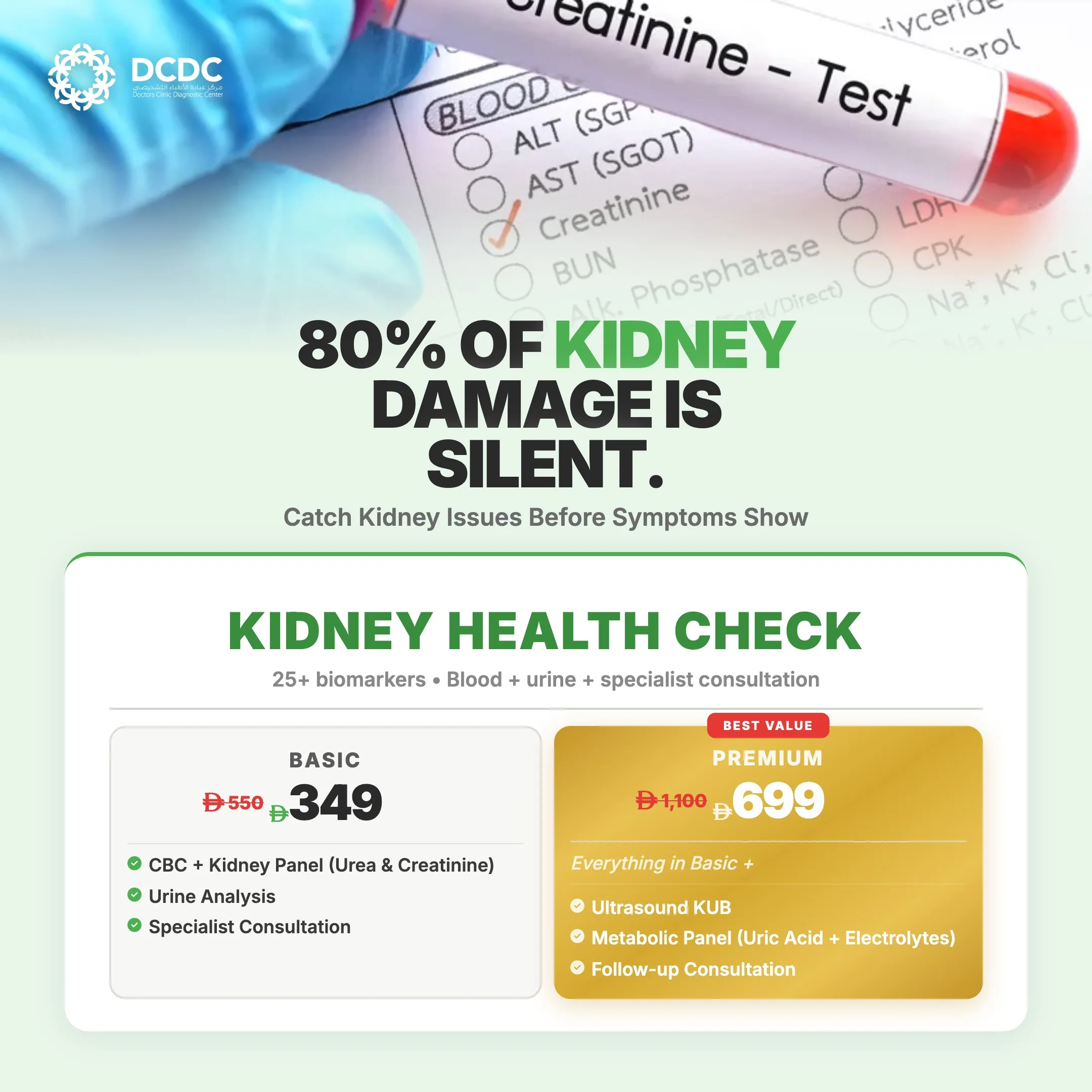
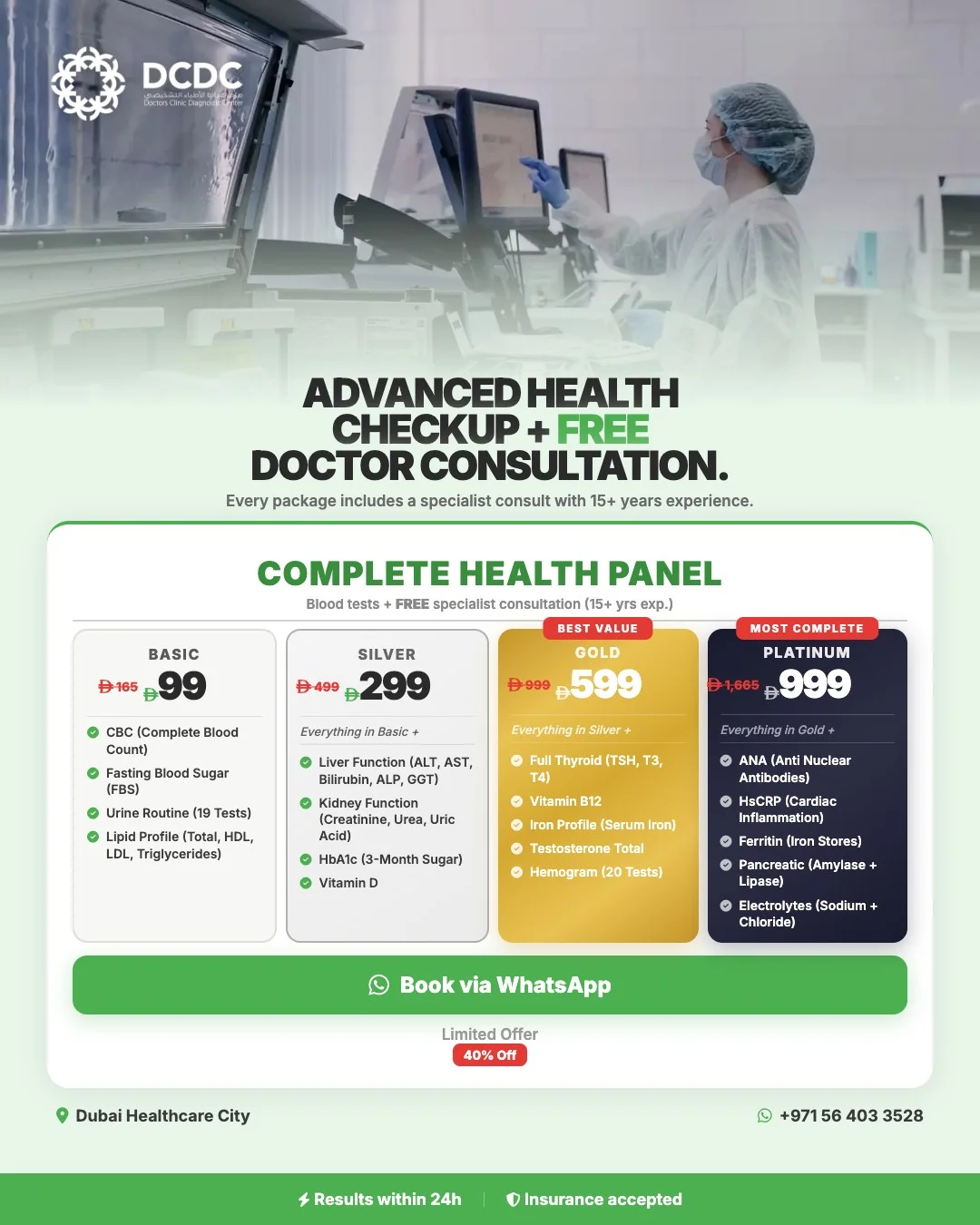
Health Screening Packages
Save with our bundled screening packages — specialist consultation included




What Is Epilepsy?
Epilepsy is defined as a brain disorder characterised by an enduring predisposition to generate epileptic seizures. The International League Against Epilepsy (ILAE) defines epilepsy as the occurrence of at least two unprovoked seizures more than 24 hours apart, or one unprovoked seizure with a high probability of further seizures (greater than 60% risk over the next 10 years), or a diagnosed epilepsy syndrome.
A seizure is a sudden, uncontrolled burst of electrical activity in the brain that temporarily affects how the brain works. Seizures can alter awareness, movement, sensation, behaviour, or consciousness. A single seizure does not necessarily mean a person has epilepsy — provoked seizures caused by fever, low blood sugar, alcohol withdrawal, or acute brain injury are not classified as epilepsy.
Key Facts About Epilepsy
- Prevalence: Around 50 million people worldwide have epilepsy, with nearly 80% living in low- and middle-income countries.
- Treatment gap: Up to 75% of people with epilepsy in developing countries do not receive adequate treatment, though this gap is much smaller in Dubai and the UAE.
- Seizure freedom: With appropriate treatment, up to 70% of people with epilepsy could live seizure-free.
- Age of onset: Epilepsy can start at any age but most commonly begins in early childhood or after age 55.
- Mortality risk: People with epilepsy face a risk of premature death up to three times higher than the general population, primarily due to accidents, status epilepticus, and sudden unexpected death in epilepsy (SUDEP).
Types of Seizures
Understanding seizure type is the foundation of epilepsy treatment because different seizure types respond to different medications. The ILAE classifies seizures into three main categories based on where in the brain the abnormal electrical activity begins.
Focal (Partial) Seizures
Focal seizures originate in a specific area on one side of the brain. They are the most common seizure type in adults, accounting for approximately 60% of all epilepsy cases. Focal seizures are further divided based on whether the person maintains awareness during the event.
- Focal aware seizures (formerly simple partial): The person remains conscious but may experience unusual sensations such as a rising feeling in the stomach, a strange taste or smell, tingling in a limb, sudden intense emotion (fear, joy), or visual disturbances like flashing lights.
- Focal impaired awareness seizures (formerly complex partial): Consciousness is affected. The person may appear confused, stare blankly, make repetitive movements (lip smacking, hand rubbing, fumbling), or be unable to respond. They typically do not remember the episode.
- Focal to bilateral tonic-clonic seizures: A focal seizure that spreads to both sides of the brain, resulting in a full convulsive seizure with loss of consciousness, body stiffening, and rhythmic jerking.
Generalised Seizures
Generalised seizures involve abnormal electrical activity across both hemispheres of the brain from the onset. They include several subtypes.
| Seizure Type | Key Features | Duration | Common Age of Onset |
|---|---|---|---|
| Tonic-clonic (grand mal) | Loss of consciousness, body stiffening (tonic phase), followed by rhythmic jerking (clonic phase), often with tongue biting and urinary incontinence | 1-3 minutes | Any age |
| Absence (petit mal) | Brief staring episodes with a lapse in awareness, may include subtle eyelid fluttering or lip smacking, often mistaken for daydreaming | 5-30 seconds | 4-14 years |
| Myoclonic | Sudden, brief muscle jerks affecting arms, legs, or the whole body — often occurring shortly after waking | 1-2 seconds | Adolescence |
| Tonic | Sudden muscle stiffening, usually in the back, legs, and arms, which can cause falls | Under 20 seconds | Childhood |
| Atonic (drop attacks) | Sudden loss of muscle tone causing the person to collapse or drop their head | Under 15 seconds | Childhood |
| Clonic | Rhythmic jerking movements of the face, neck, and arms | Variable | Infancy/childhood |
Seizure classification based on ILAE 2017 guidelines. Individual seizure presentations may vary, and some patients experience more than one seizure type.
Unknown Onset Seizures
When the beginning of a seizure is not witnessed or is unclear, it is classified as unknown onset. As more information becomes available through EEG monitoring or witness accounts, the classification may be updated to focal or generalised.
Common Causes and Risk Factors
Epilepsy can result from a wide range of underlying conditions. In approximately 50% of cases worldwide, the cause remains unknown (idiopathic or genetic epilepsy). When a cause can be identified, it typically falls into one of the following categories. If you are experiencing new neurological symptoms, consulting a neurologist in Dubai is the essential first step toward diagnosis.
- Genetic factors: Some types of epilepsy run in families. Genetic epilepsies include juvenile myoclonic epilepsy, childhood absence epilepsy, and certain familial focal epilepsies. Having a first-degree relative with epilepsy increases your risk by 2-4 times.
- Structural brain abnormalities: Malformations of cortical development, hippocampal sclerosis, brain tumours, vascular malformations, or prior brain surgery.
- Head injury: Traumatic brain injury from accidents, falls, or sports injuries can cause post-traumatic epilepsy, sometimes years after the initial injury.
- Stroke and vascular disease: Stroke is the leading cause of epilepsy in adults over 35. Seizures can begin immediately after a stroke or develop months to years later.
- Brain infections: Meningitis, encephalitis, brain abscess, and neurocysticercosis can all cause epilepsy. In the Middle East and globally, infectious causes are a significant contributor.
- Prenatal and perinatal factors: Birth injuries, oxygen deprivation during delivery, low birth weight, and maternal infections during pregnancy increase epilepsy risk in children.
- Neurodegenerative diseases: Alzheimer's disease and other dementias are associated with an increased risk of epilepsy in older adults.
- Autoimmune conditions: Autoimmune encephalitis, where the immune system attacks the brain, is an increasingly recognised cause of epilepsy.
In the Arab region, consanguinity (marriage between close relatives) and family history have been identified as the most frequently reported risk factors in epidemiological studies. Perinatal complications are also a significant contributor, particularly in paediatric epilepsy cases.
Epilepsy Symptoms: When to Seek Help
Epilepsy symptoms vary widely depending on the seizure type and the area of the brain affected. Recognising these symptoms is important because early diagnosis leads to better outcomes. Some warning signs are often misattributed to other causes, delaying treatment.
Warning Signs That May Indicate Epilepsy
- Unexplained episodes of staring or unresponsiveness, especially in children
- Sudden, involuntary jerking of the arms or legs
- Unexplained confusion or periods of 'blanking out'
- A rising or strange sensation in the stomach before losing awareness
- Unusual smells, tastes, or visual disturbances without an obvious cause
- Repeated episodes of falling or sudden loss of muscle control
- Waking up with unexplained tongue biting, muscle soreness, or loss of bladder control
- Episodes of fear, anxiety, or deja vu that seem disproportionate or come on suddenly
- Clusters of rapid blinking and staring in children, especially if they seem unaware during the episodes
When to Go to the Emergency Department
- A seizure lasts longer than 5 minutes (this is status epilepticus — a medical emergency)
- A second seizure follows shortly after the first without recovery in between
- The person does not regain consciousness or normal breathing after the seizure
- A seizure occurs during pregnancy, in water, or after a head injury
- The person has diabetes, heart disease, or another serious medical condition
- It is a first-time seizure
If you are experiencing recurrent headaches alongside neurological symptoms, it is also important to understand headache types and when they warrant medical investigation, as some headache disorders share features with epilepsy auras.
How Epilepsy Is Diagnosed
Epilepsy diagnosis is a clinical process that relies on a detailed history, neurological examination, and specialised testing. No single test can confirm or rule out epilepsy on its own. The diagnosis should be made or confirmed by a specialist neurologist with expertise in seizure disorders.
Step 1: Clinical History and Neurological Examination
The most important diagnostic tool is a thorough history, ideally from both the patient and an eyewitness who observed the seizure. Your neurologist will ask about the sequence of events before, during, and after the episode, any triggers (sleep deprivation, alcohol, flashing lights, stress), medical history including head injuries, febrile seizures in childhood, birth complications, and family history of epilepsy or neurological disease. A complete neurological examination assesses mental status, cranial nerves, reflexes, coordination, and sensation.
Step 2: Electroencephalogram (EEG)
An EEG records the electrical activity of the brain through electrodes placed on the scalp. It is the most important test for confirming epilepsy and classifying seizure type. An EEG can detect abnormal brain wave patterns (epileptiform discharges) even between seizures. However, a normal EEG does not exclude epilepsy — approximately 50% of patients with epilepsy have a normal routine EEG on the first recording. If the initial EEG is normal but epilepsy is suspected, your neurologist may order a sleep-deprived EEG, prolonged ambulatory EEG, or video-EEG monitoring.
Step 3: Brain Imaging (MRI)
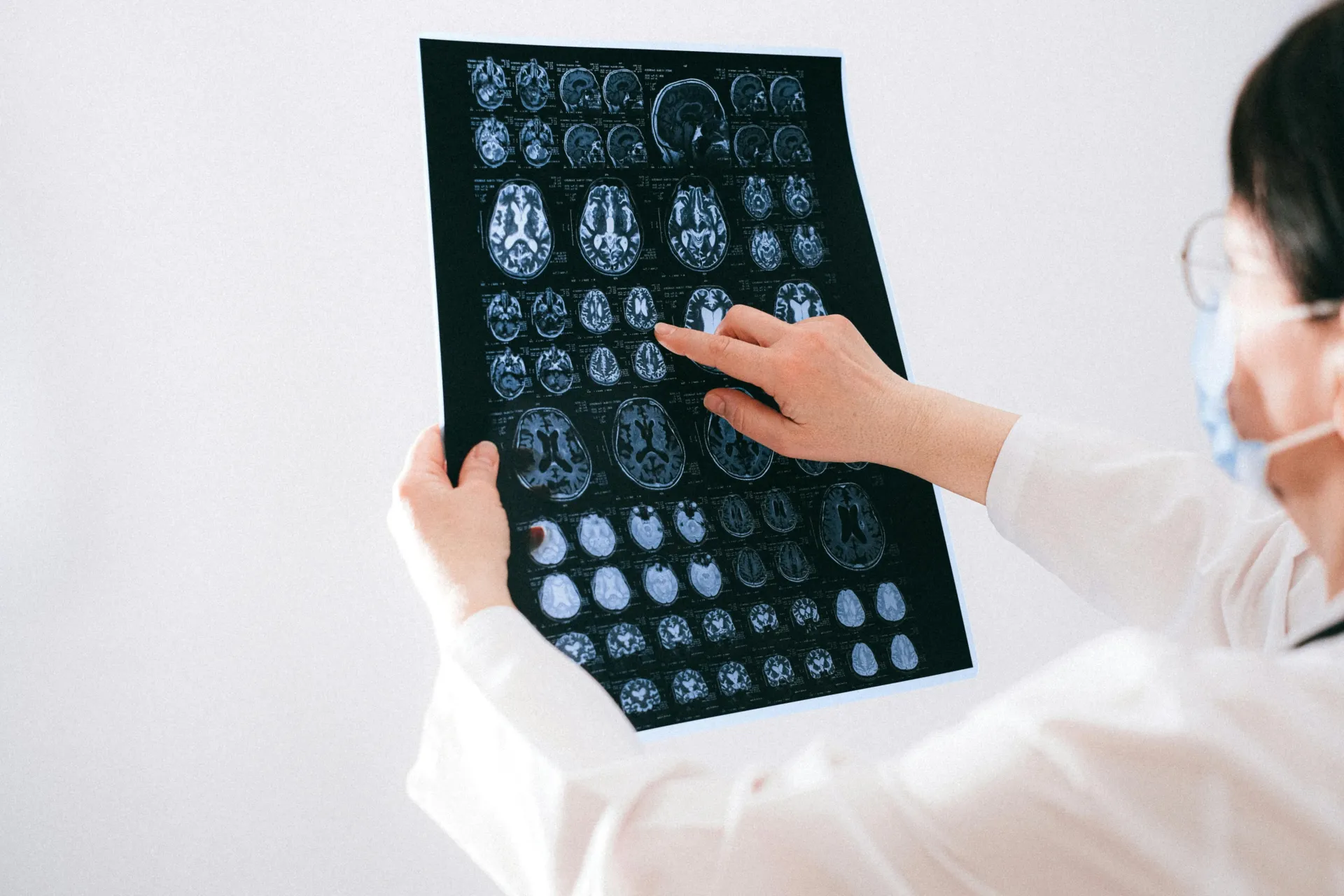
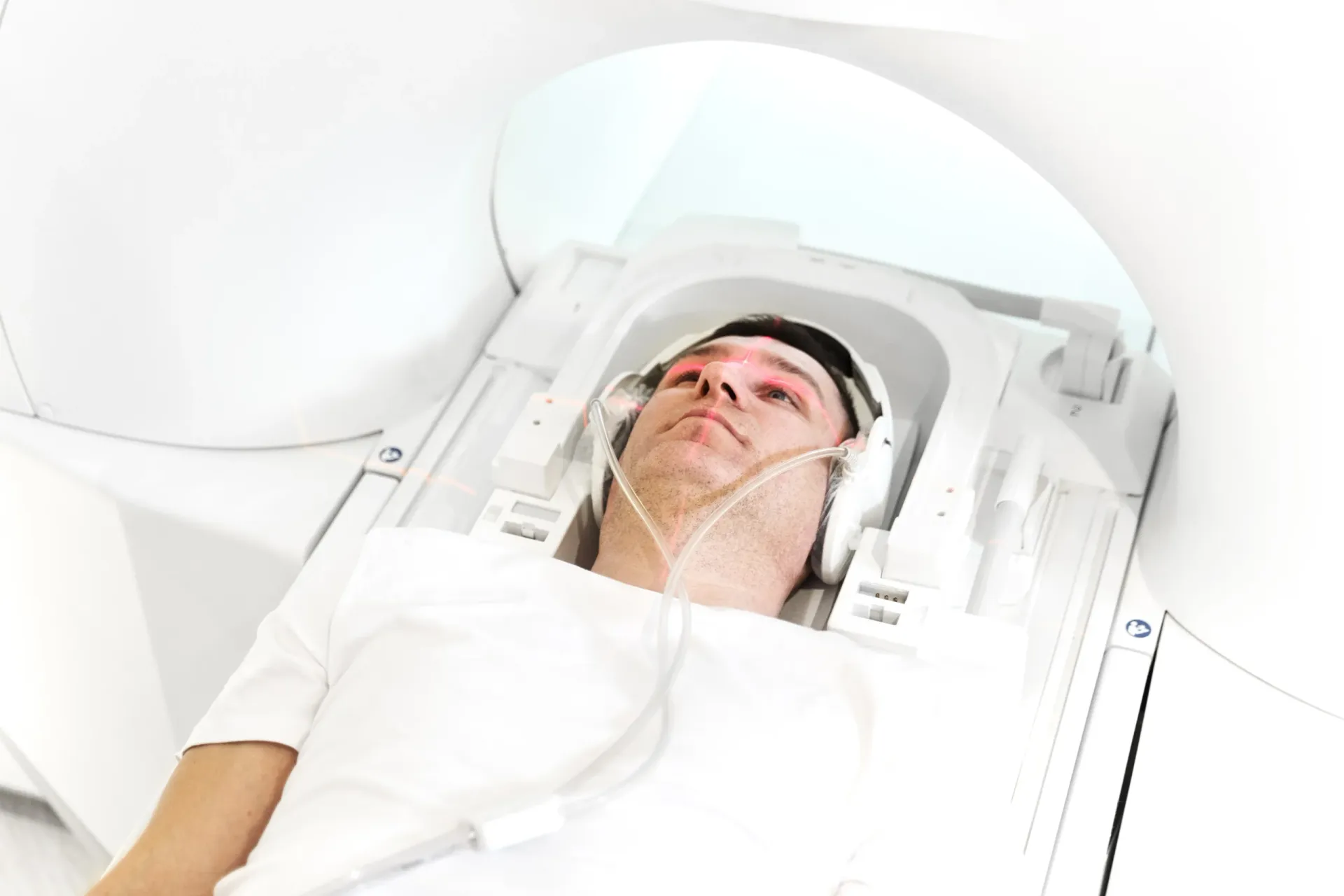
Brain MRI is recommended for all patients with newly diagnosed epilepsy (except those with a clear diagnosis of a generalised genetic epilepsy syndrome). MRI is superior to CT for identifying structural causes of epilepsy, including hippocampal sclerosis, cortical dysplasia, tumours, vascular malformations, and post-traumatic or post-stroke changes. At DCDC, we use a Siemens 1.5T wide-bore MRI with a 70 cm opening, which is more comfortable for patients who experience anxiety or claustrophobia — a common concern during brain imaging. All brain MRIs are read by a subspecialty neuroradiologist, not a generalist, with results available within 18-24 hours and same-day for urgent cases. Learn more in our detailed brain MRI scan guide.
Step 4: Blood Tests and Additional Investigations
Blood tests are performed to identify metabolic causes of seizures (low sodium, low calcium, low blood sugar, kidney or liver dysfunction) and to establish baseline organ function before starting anti-seizure medication. Depending on the clinical picture, your neurologist may also order genetic testing for suspected genetic epilepsy syndromes, lumbar puncture if an infectious or autoimmune cause is suspected, neuropsychological testing to assess cognitive function, or PET or SPECT scans for pre-surgical evaluation in drug-resistant cases.
Epilepsy Diagnostic and Treatment Costs in Dubai
Understanding the cost of epilepsy care helps patients plan and make informed decisions. Below are typical price ranges for diagnostic tests and treatments in Dubai. Costs vary depending on the facility, complexity of the case, and whether the patient has insurance.
| Service | Typical Cost Range (AED) | DCDC Starting Price | Notes |
|---|---|---|---|
| Neurology consultation | AED 400-1,200 | From AED 500 | Initial assessment including history and neurological exam |
| Follow-up neurology consultation | AED 300-800 | From AED 350 | Medication review and management |
| Routine EEG (20-40 min) | Confirm quote for the requested protocol | Confirm fee and protocol availability | Scalp electrode recording of brain electrical activity |
| Sleep-deprived EEG | Confirm quote for the requested protocol | Confirm fee and protocol availability | Higher sensitivity for detecting epileptiform discharges |
| Brain MRI (epilepsy protocol) | AED 2,000-5,000 | From AED 2,000 | Siemens 1.5T wide-bore; neuroradiologist read |
| Blood panel (baseline) | AED 200-600 | From AED 200 | CBC, electrolytes, liver/kidney function, glucose |
| Anti-seizure medication (monthly) | AED 50-500 | — | Varies by drug; generics significantly cheaper |
| Video-EEG monitoring (24-72 hr) | Confirm quote for the requested protocol | Confirm fee and protocol availability | Inpatient monitoring for surgical candidates |
Prices are approximate and may vary. DCDC offers direct billing with 20+ insurance providers including Daman, AXA, and Bupa. Always confirm exact pricing at the time of booking.
Many health insurance plans in Dubai cover epilepsy diagnosis and treatment, as it is classified as an essential neurological condition under DHA regulations. At DCDC, our team handles insurance pre-authorisation on your behalf, reducing out-of-pocket costs and administrative burden.
Epilepsy Assessment at DCDC
Experiencing seizures or concerned about epilepsy? Our neurology team at DCDC in Dubai Healthcare City provides comprehensive epilepsy evaluation including EEG appointment enquiries, brain MRI with neuroradiologist reads, and personalised treatment plans. Neurology consultation from AED 500. Direct billing with 20+ insurance providers including Daman, AXA, and Bupa.
Anti-Seizure Medications: First-Line Treatment
Medication is the cornerstone of epilepsy treatment. Anti-seizure medications (ASMs), also called anti-epileptic drugs (AEDs), work by stabilising electrical activity in the brain to prevent seizures. The goal is seizure freedom with minimal side effects. The choice of medication depends on the seizure type, epilepsy syndrome, patient age, sex, childbearing potential, other medications, and comorbidities.
| Medication | Primary Use | Key Considerations | Monthly Cost (AED) |
|---|---|---|---|
| Levetiracetam (Keppra) | Focal seizures, generalised tonic-clonic, myoclonic | Well tolerated; can cause irritability/mood changes; safe in pregnancy | From AED 80-250 |
| Sodium valproate (Depakine) | Generalised epilepsy, absence, myoclonic, tonic-clonic | Broad-spectrum; avoid in women of childbearing age (teratogenic); weight gain, hair loss | From AED 50-150 |
| Lamotrigine (Lamictal) | Focal and generalised seizures | Good side-effect profile; requires slow dose titration to avoid skin rash; mood-stabilising | From AED 100-300 |
| Carbamazepine (Tegretol) | Focal seizures | Effective for focal epilepsy; can worsen generalised seizures; drug interactions | From AED 50-120 |
| Oxcarbazepine (Trileptal) | Focal seizures | Similar to carbamazepine with fewer drug interactions; risk of low sodium | From AED 100-250 |
| Topiramate (Topamax) | Focal and generalised seizures | Can aid weight loss; cognitive side effects ('brain fog'); migraine prevention | From AED 80-200 |
| Ethosuximide (Zarontin) | Absence seizures only | First-line for childhood absence epilepsy; not effective for other seizure types | From AED 100-200 |
Medication selection is individualised by the treating neurologist based on seizure type, patient profile, and tolerability. Prices reflect approximate monthly costs in Dubai pharmacies; generics are typically cheaper.
Important Principles of Epilepsy Medication
- Start low, go slow: Treatment usually begins with a single medication (monotherapy) at a low dose, gradually increased until seizures are controlled or side effects become limiting.
- Monotherapy first: About 50% of patients achieve seizure freedom with the first medication tried. If the first drug fails, a second monotherapy is tried before combination therapy.
- Consistency matters: Anti-seizure medications must be taken consistently, at the same times each day, to maintain stable blood levels. Missing doses is the most common cause of breakthrough seizures.
- Do not stop abruptly: Suddenly stopping anti-seizure medication can trigger status epilepticus — a life-threatening prolonged seizure. Medication should only be reduced or stopped under medical supervision.
- Regular monitoring: Blood tests to check drug levels and organ function are recommended periodically, especially during dose adjustments.
- Special populations: Women of childbearing age require careful medication selection because some ASMs (especially valproate) carry significant risks to a developing foetus. Pregnancy planning with a neurologist is essential.
Treatment for Drug-Resistant Epilepsy
Approximately 30% of people with epilepsy do not achieve seizure freedom with medication alone. This is termed drug-resistant or refractory epilepsy, defined as failure of two or more adequately chosen and dosed anti-seizure medications. For these patients, several additional treatment options exist.
Epilepsy Surgery
Surgery is the most effective treatment for drug-resistant focal epilepsy when seizures originate from a single identifiable brain region that can be safely removed. The most common procedure is temporal lobectomy for temporal lobe epilepsy, which achieves seizure freedom in 60-70% of carefully selected patients. Pre-surgical evaluation includes prolonged video-EEG monitoring, high-resolution MRI, neuropsychological testing, and sometimes PET or SPECT scans. In Dubai, epilepsy surgery is performed at specialised centres, and DCDC's neurology team can coordinate referrals and pre-surgical diagnostic workup.
Vagus Nerve Stimulation (VNS)
VNS involves implanting a small device under the skin of the chest that sends regular, mild electrical impulses to the brain via the vagus nerve. It is used for patients who are not candidates for surgery. VNS typically reduces seizure frequency by 30-50% and can improve quality of life, though complete seizure freedom is uncommon.
Ketogenic Diet
The ketogenic diet is a high-fat, low-carbohydrate diet that has been used to treat epilepsy since the 1920s. It is most commonly used in children with drug-resistant epilepsy. Studies show that approximately 50% of children on the ketogenic diet achieve a 50% or greater reduction in seizure frequency, and 10-15% become seizure-free. The diet requires strict medical supervision and monitoring by a dietitian and neurologist.
Responsive Neurostimulation (RNS) and Deep Brain Stimulation (DBS)
These are newer neuromodulation therapies. RNS uses a device implanted in the skull that detects abnormal brain activity and delivers targeted electrical stimulation to prevent seizures. DBS involves placing electrodes in specific brain regions (typically the anterior nucleus of the thalamus) connected to a pulse generator. Both are options for patients with drug-resistant epilepsy who are not candidates for resective surgery.
Living with Epilepsy in Dubai
Managing epilepsy extends beyond medication — it involves lifestyle adjustments, safety planning, and understanding your rights and responsibilities. Dubai provides a supportive healthcare environment for people living with epilepsy, with accessible specialist care and strong insurance coverage.
Driving Regulations
In the UAE, people with epilepsy must be seizure-free for a minimum period (typically 12 months) before they can obtain or renew a driving licence. A medical fitness certificate from a treating neurologist is required. Regulations are enforced to protect both the patient and public safety. Your neurologist at DCDC can advise you on current requirements and provide the necessary documentation when you meet the criteria.
Seizure Triggers to Avoid
- Sleep deprivation: One of the most common seizure triggers. Maintain a regular sleep schedule of 7-9 hours per night.
- Alcohol consumption: Alcohol lowers the seizure threshold and can interact with anti-seizure medications. Limit or avoid alcohol.
- Missed medication: Set alarms or use a pill organiser to ensure you never miss a dose.
- Excessive stress: Chronic stress increases seizure frequency in many patients. Consider stress management techniques such as regular exercise, meditation, or counselling.
- Flashing or flickering lights: Affects approximately 3% of people with epilepsy (photosensitive epilepsy). Avoid strobe lights and take breaks from screens.
- Illness and fever: Being unwell, especially with a fever, can lower the seizure threshold. Seek medical attention promptly when ill.
- Dehydration and heat: Particularly relevant in Dubai's climate. Stay well hydrated, especially during summer months.
Epilepsy and Pregnancy
Women with epilepsy can have healthy pregnancies, but planning is essential. Certain anti-seizure medications, particularly sodium valproate, carry significant risks of birth defects and developmental problems. Pre-conception counselling with a neurologist allows time to switch to safer medications (such as levetiracetam or lamotrigine) and start high-dose folic acid supplementation before conception. Most women with epilepsy who are well-managed on appropriate medication have uneventful pregnancies and healthy babies.
If you experience migraine treatment needs alongside epilepsy, inform your neurologist, as some medications (like topiramate) treat both conditions, potentially simplifying your regimen.
What to Expect at DCDC: Your Epilepsy Care Journey
At DCDC in Dubai Healthcare City, we have designed our epilepsy care pathway to be thorough, efficient, and patient-centred. Here is what a typical patient journey looks like from first contact to ongoing management.
Your First Visit
- Booking: Schedule your neurology consultation by phone, WhatsApp, or online. Our team handles insurance pre-authorisation before your visit.
- Arrival: Free parking is available at Building 64, Block A, Al Razi Medical Complex, Dubai Healthcare City. We are open Sat-Thu 8 AM-10:30 PM and Fri 9 AM-10 PM.
- Consultation (30-45 minutes): Dr. Riad Trabulsi will take a comprehensive history, including a detailed seizure description, triggers, family history, and any previous investigations. Bring any previous medical records, imaging CDs, and a list of current medications. If possible, bring a family member or friend who has witnessed your seizures.
- Neurological examination: A complete physical and neurological examination is performed during the consultation.
- Diagnostic plan: Based on the clinical assessment, your neurologist will order the appropriate investigations — typically an EEG and brain MRI, along with baseline blood tests.
Diagnostic Testing
- Brain MRI: Performed on-site using our Siemens 1.5T wide-bore MRI (70 cm opening). The epilepsy protocol includes high-resolution sequences optimised for detecting structural abnormalities. All scans are read by a subspecialty neuroradiologist with results available within 18-24 hours, or same-day for urgent cases.
- EEG: DCDC now has a dedicated EEG service page. Share the referral so the team can confirm the requested recording, preparation, appointment and reporting arrangements. Specialised protocols require individual confirmation.
- Blood tests: Baseline blood work is collected at our on-site laboratory, with results typically available the same day or next morning.
Treatment and Follow-Up
- Treatment plan: Once the diagnosis is confirmed and seizure type classified, your neurologist develops a personalised medication plan, explaining the rationale for the chosen drug, expected benefits, potential side effects, and lifestyle modifications.
- Follow-up schedule: Typically 4-6 weeks after starting medication to assess response and tolerability, then every 3-6 months once stable. Follow-up consultations are shorter (15-20 minutes) and more affordable.
- Ongoing coordination: If your case requires additional expertise — pre-surgical evaluation, genetic testing, or paediatric neurology — DCDC coordinates referrals within Dubai Healthcare City's network of specialists.
First Aid for Seizures
Knowing how to respond when someone has a seizure can prevent injury and save lives. There are many myths about seizure first aid that can actually cause harm.
What to Do During a Tonic-Clonic Seizure
- Stay calm and time the seizure — note when it starts
- Clear the area around the person of hard or sharp objects
- Place something soft under their head (a folded jacket or cushion)
- Turn the person gently onto their side (recovery position) once jerking subsides
- Stay with the person until they are fully recovered and aware
- Speak calmly and reassure them when they regain awareness
What NOT to Do
- Do NOT put anything in the person's mouth — they cannot swallow their tongue, and objects can cause choking or tooth damage
- Do NOT restrain the person or try to hold them down
- Do NOT give food, water, or medication by mouth until they are fully alert
- Do NOT attempt CPR unless the person stops breathing after the seizure ends
Call emergency services (998 in the UAE) if the seizure lasts more than 5 minutes, if the person does not regain consciousness, if it is their first seizure, or if they are injured. Be aware that seizures can sometimes be associated with stroke warning signs, particularly in older adults, which require immediate emergency evaluation.
Epilepsy in Children
Epilepsy is one of the most common neurological conditions in children, with onset frequently occurring in the first few years of life. Childhood epilepsy differs from adult epilepsy in several important ways, and many childhood epilepsy syndromes have an excellent prognosis.
Common Childhood Epilepsy Syndromes
- Childhood absence epilepsy: Typically begins between ages 4-10. Characterised by brief staring spells (5-30 seconds) that can occur dozens of times per day. Most children respond well to ethosuximide or valproate, and many outgrow the condition by adolescence.
- Benign rolandic epilepsy (BECTS): The most common focal epilepsy of childhood. Seizures involve twitching of the face and mouth, often during sleep. Nearly all children outgrow this by age 16, and some may not need medication.
- Juvenile myoclonic epilepsy (JME): Onset in adolescence with morning myoclonic jerks, often accompanied by generalised tonic-clonic seizures. Responds well to medication but typically requires lifelong treatment.
- West syndrome (infantile spasms): A serious epilepsy syndrome of infancy requiring urgent treatment. Characterised by clusters of brief flexion or extension spasms. Early treatment with hormonal therapy or vigabatrin is critical for the best neurodevelopmental outcome.
- Lennox-Gastaut syndrome: A severe childhood epilepsy syndrome with multiple seizure types, cognitive impairment, and drug resistance. Treatment is challenging and often requires a combination of medications.
Parents should know that many childhood epilepsies are outgrown, and most children with epilepsy can attend regular school, participate in sports (with appropriate supervision), and lead full, active lives.
Book Your Neurology Consultation at DCDC
If you or a family member is experiencing seizures or has been diagnosed with epilepsy, book a consultation with our neurology team at DCDC Dubai Healthcare City. Neurology consultation from AED 500. On-site brain MRI with Siemens 1.5T wide-bore scanner. EEG, EMG and NCV/nerve conduction appointments through Neurology; confirm the required protocol and reporting arrangements. Subspecialty neuroradiologist reads within 18-24 hours. Direct billing with 20+ insurance providers including Daman, AXA, and Bupa. Building 64, Block A, DHCC. Open Sat-Thu 8 AM-10:30 PM, Fri 9 AM-10 PM. Free parking. 4.8/5 Google rating from 1,000+ reviews.
Dr. Riad Trabulsi on Epilepsy Care
"Epilepsy remains one of the most misunderstood neurological conditions. Many of my patients arrive with significant anxiety because of the stigma that still surrounds seizure disorders, particularly in our region. What I emphasise in every consultation is this: epilepsy is a treatable medical condition, not a curse or a character flaw. The vast majority of my patients — well over two-thirds — achieve complete seizure control with the right medication. The key is accurate diagnosis. We need to identify the seizure type, find the underlying cause when possible, and select the medication that gives the best chance of seizure freedom with the fewest side effects. Modern imaging, particularly high-quality MRI, and EEG are invaluable tools in this process. I also counsel every patient about lifestyle factors — adequate sleep, medication adherence, and avoiding known triggers — because these are just as important as the prescription itself."
Why Choose DCDC for Epilepsy Care in Dubai
DCDC in Dubai Healthcare City provides a comprehensive, patient-centred approach to epilepsy care with several distinct advantages.
- Expert neurologist: Dr. Riad Trabulsi brings extensive experience in diagnosing and managing epilepsy, stroke, and neuropathy, with a systematic approach to seizure classification and treatment selection.
- Advanced brain imaging: On-site Siemens 1.5T wide-bore MRI (70 cm opening) with epilepsy-specific protocols. All brain scans are read by a subspecialty neuroradiologist — not a generalist radiologist — for the most accurate interpretation.
- Rapid results: MRI and blood test results within 18-24 hours, with same-day reporting available for urgent cases.
- Neurology diagnostics: Dedicated EEG, EMG and NCV/nerve conduction services, with the exact protocol and appointment arrangements confirmed from your referral.
- MOHAP-licensed facility: Full regulatory compliance with UAE Ministry of Health and Prevention standards.
- Insurance and affordability: Direct billing with 20+ insurance providers including Daman, AXA, and Bupa. Neurology consultation from AED 500.
- Proven patient satisfaction: 4.8/5 Google rating from 1,000+ verified reviews and 98% patient satisfaction rate.
- Convenient access: Building 64, Block A, Al Razi Medical Complex, Dubai Healthcare City. Free parking. Open Sat-Thu 8 AM-10:30 PM, Fri 9 AM-10 PM — including extended evening hours for working professionals.
Epilepsy Myths vs. Facts
Misinformation about epilepsy contributes to stigma and can delay treatment. Here are common myths corrected with medical evidence.
| Myth | Fact |
|---|---|
| You can swallow your tongue during a seizure | This is physically impossible. Never put anything in a seizing person's mouth — it can cause choking or dental injuries. |
| Epilepsy is contagious | Epilepsy is a neurological condition caused by abnormal brain electrical activity. It cannot be transmitted from person to person. |
| People with epilepsy cannot work or drive | Most people with well-controlled epilepsy work in all professions. Driving is permitted after a seizure-free period (typically 12 months in the UAE). |
| Epilepsy is a mental illness | Epilepsy is a neurological (brain) disorder, not a psychiatric condition, though it can coexist with anxiety and depression. |
| All seizures involve convulsions | Many seizure types do not involve convulsions — absence seizures, focal aware seizures, and myoclonic seizures may be subtle or invisible to bystanders. |
| Epilepsy cannot be treated | Up to 70% of people with epilepsy can become seizure-free with appropriate medication. Surgery cures 60-70% of eligible drug-resistant cases. |
| Flashing lights cause seizures in everyone with epilepsy | Only about 3% of people with epilepsy have photosensitive epilepsy. Most are not affected by lights. |
Sources: World Health Organization, International League Against Epilepsy.
Long-Term Outlook and Prognosis
The long-term outlook for epilepsy is more positive than many patients expect. With appropriate treatment, the majority of people with epilepsy lead full, productive lives.
- Seizure freedom: Approximately 50% of patients become seizure-free with the first medication, and up to 70% achieve seizure freedom with optimal treatment.
- Medication withdrawal: After 2-5 years of seizure freedom, medication withdrawal can be considered under medical supervision. Approximately 60-70% of patients who attempt withdrawal remain seizure-free.
- Childhood epilepsy: Many childhood epilepsy syndromes are self-limiting. Benign rolandic epilepsy, childhood absence epilepsy, and some other syndromes have remission rates exceeding 90%.
- Quality of life: With seizure control and appropriate psychosocial support, most people with epilepsy report quality of life comparable to the general population.
- Ongoing research: New anti-seizure medications, precision medicine approaches based on genetic testing, and advanced neurostimulation therapies continue to improve outcomes for patients with difficult-to-treat epilepsy.
Related Services at DCDC
Expert care and advanced diagnostics at Dubai Healthcare City
EEG Test
Brain-wave recording for seizure assessment
Book AppointmentNeurology Consultation
Expert neurological assessment for seizure disorders and epilepsy
Book AppointmentBrain MRI
Advanced brain imaging with Siemens 1.5T wide-bore scanner
Book AppointmentMigraine Treatment
Specialized headache and migraine management
Book AppointmentFrequently Asked Questions
Related Resources
Best Neurologist Dubai: Brain & Nerve Specialist
Brain MRI Dubai: What It Detects & Cost
Headache Types Dubai: When to See a Doctor
Migraine Treatment Dubai: Relief & Prevention
Stroke Warning Signs: When to Act Fast
Sources & References
This article was reviewed by our medical team and references the following sources:
- World Health Organization - Epilepsy Fact Sheet
- Mayo Clinic - Epilepsy Diagnosis and Treatment
- International League Against Epilepsy (ILAE) - Seizure Classification
- NHS - Epilepsy Overview
- Cleveland Clinic - Antiseizure Medications
- Seizure Journal - Prevalence of Epilepsy in Arab Countries (Systematic Review)
Medical content on this site is reviewed by DHA-licensed physicians. See our editorial policy for more information.

Written by
Dr. Riad Trabulsi
Neurologist
MD, Neurology
Dr. Riad Trabulsi is a Neurologist at Doctors Clinic Diagnostic Center (DCDC) in Dubai Healthcare City.
Related Articles
Best Neurologist Dubai: Brain & Nerve Specialist
Brain MRI Dubai: What It Detects & Cost

Headache Types Dubai: When to See a Doctor
Migraine Treatment Dubai: Relief & Prevention
Neuropathy Treatment Dubai: Nerve Pain Guide
More in General Health
Food Allergy vs Food Intolerance Dubai (2026)
Read More
Pneumonia vs Flu Dubai: Key Differences (2026)
Read More
Swollen Lymph Nodes Dubai: When to Worry (2026)
Read MoreFlu vs Cold Dubai: How to Tell the Difference (2026)
Read More
Sleep Study Cost Dubai: Tests & Pricing (2026)
Read More
Calcium Deficiency Signs Dubai: Guide (2026)
Read More© 2026 Doctors Clinic Diagnostic Center (DCDC), Dubai Healthcare City. Originally published at https://doctorsclinicdubai.ae/blog/epilepsy-treatment-dubai. All rights reserved. Unauthorized reproduction is prohibited.