
Key Takeaways
- Nocturnal leg cramps affect up to 60% of adults at some point, and Dubai residents face elevated risk due to extreme heat, high sweat losses, indoor AC dehydration, and widespread vitamin D deficiency — making electrolyte imbalance the single most common treatable cause in this region
- The six most frequent causes of leg cramps in Dubai are dehydration, magnesium and potassium deficiency, vitamin D deficiency, prolonged standing or sitting, intense exercise in heat, and medication side effects (statins, diuretics, and certain blood pressure drugs)
- Most nocturnal leg cramps resolve with immediate stretching and hydration, but cramps that occur more than twice per week, last longer than 10 minutes, cause persistent soreness, or are accompanied by swelling or skin colour changes require medical evaluation to rule out vascular, neurological, or metabolic conditions
- Diagnosis at DCDC includes a focused clinical assessment plus targeted blood work — electrolytes, magnesium, calcium, phosphate, vitamin D, B12, thyroid function, and kidney function — all processed in the on-site MOHAP-licensed laboratory with same-day results for routine panels
- Prevention in Dubai's climate centres on proactive hydration (minimum 2.5-3 litres daily, more with exercise or outdoor exposure), electrolyte-aware fluid intake, magnesium-rich foods, pre-sleep calf stretching, and correcting any identified vitamin or mineral deficiency under medical supervision
- GP consultation at DCDC starts from AED 250 with electrolyte panels from AED 200 and comprehensive blood panels from AED 350 — direct billing with 20+ insurers means most patients pay only their co-pay
Nocturnal leg cramps — sudden, involuntary, and often intensely painful contractions of the calf, foot, or thigh muscles that strike during sleep — are one of the most common complaints at general medicine clinics in Dubai. While most people experience an occasional charley horse, residents of the UAE are disproportionately affected due to the region's extreme heat, high rates of dehydration, widespread vitamin D deficiency, and lifestyle factors that accelerate electrolyte losses. At DCDC in Dubai Healthcare City, our general practitioners evaluate leg cramps through clinical assessment and same-day blood testing, identifying the underlying cause so treatment addresses the root problem rather than just the symptom.
This comprehensive guide covers every major cause of leg cramps relevant to Dubai residents — from dehydration and electrolyte imbalance to vitamin deficiency, medication side effects, pregnancy, and vascular conditions. You will learn how to distinguish a benign cramp from a warning sign, what blood tests are needed, which treatments are evidence-based, and what to expect during a leg cramp evaluation at DCDC. Whether you are waking up multiple nights per week with calf cramps, experiencing charley horses after exercise in the heat, or want to understand why cramps worsen during Ramadan or pregnancy, this doctor-reviewed resource will help you take the right next step.
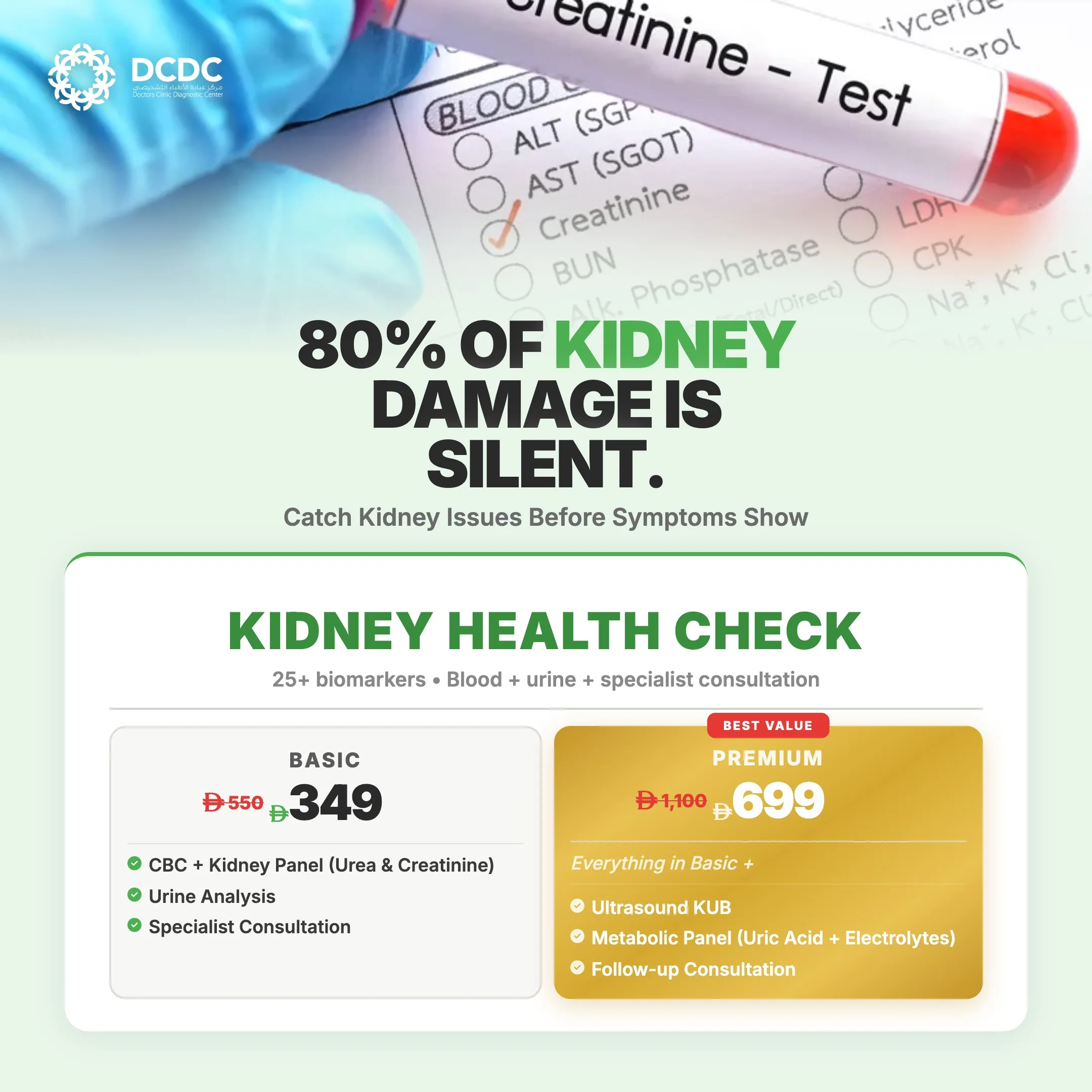
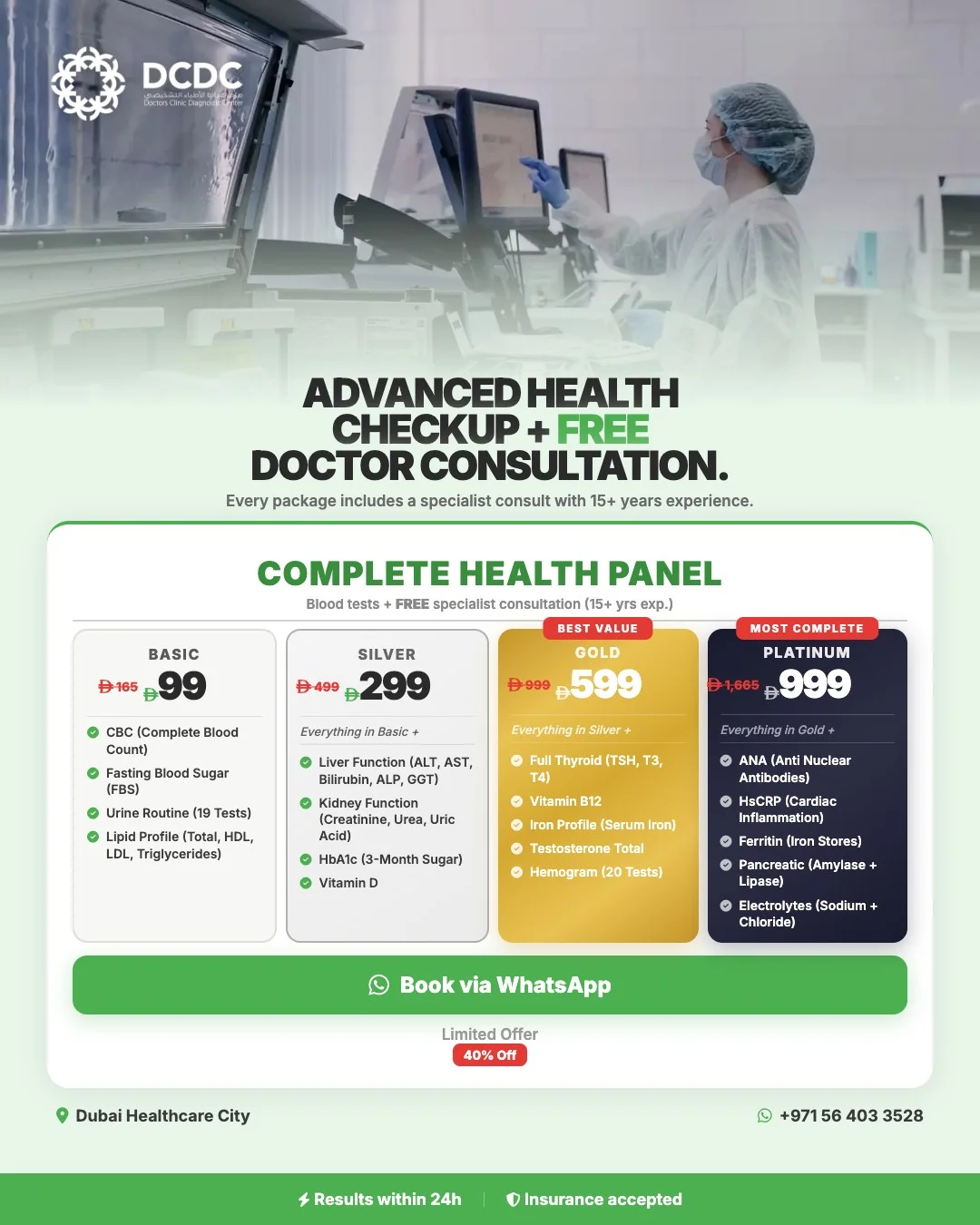
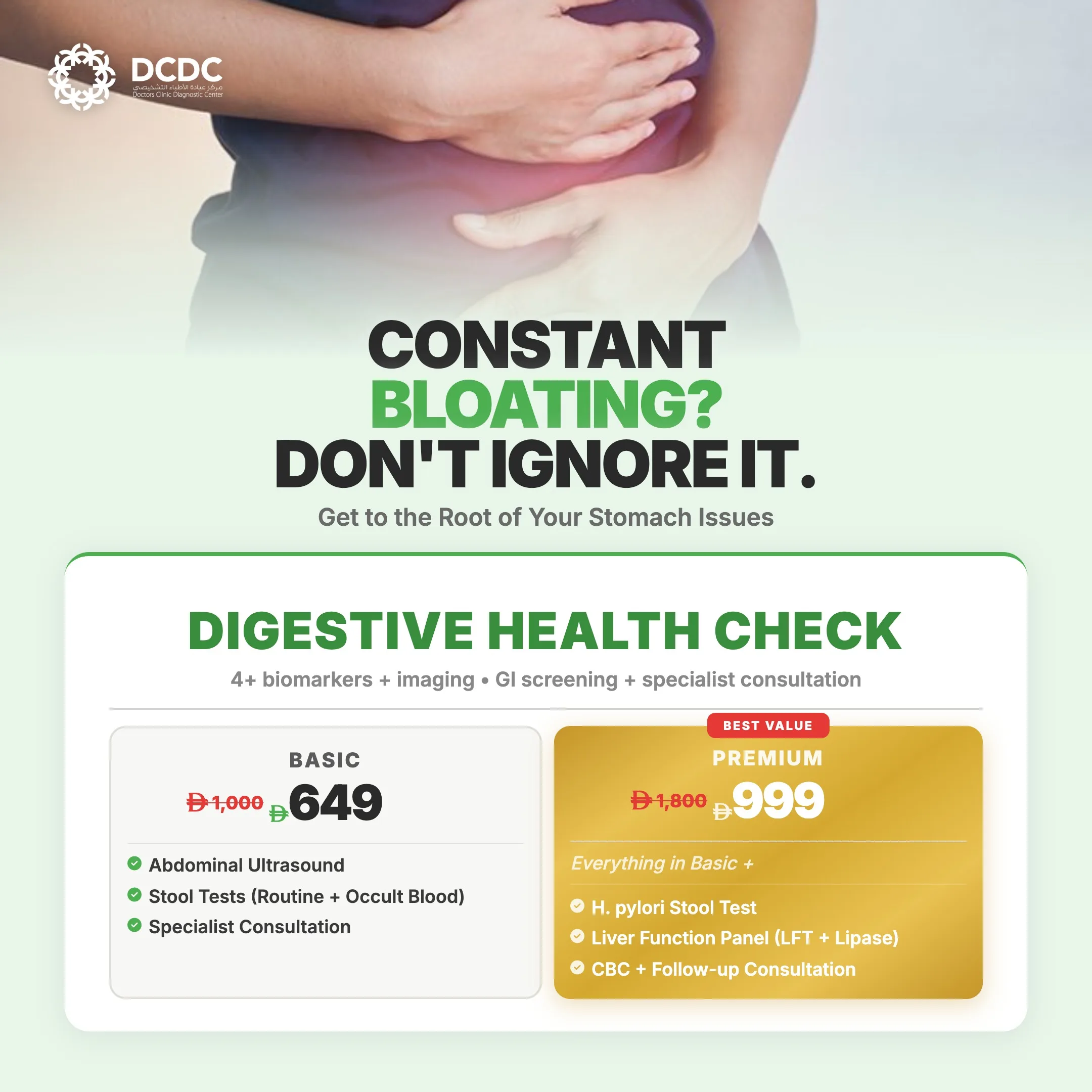
Health Screening Packages
Save with our bundled screening packages — specialist consultation included



What Are Nocturnal Leg Cramps?
Nocturnal leg cramps are sudden, involuntary, sustained contractions of one or more leg muscles that occur during sleep or rest. They most commonly affect the calf muscles (gastrocnemius), but can also involve the foot, thigh, or hamstring. The cramp typically lasts from a few seconds to several minutes, producing intense pain that can wake a person from deep sleep. After the cramp releases, the affected muscle often remains tender and sore for hours or even into the following day.
Nocturnal leg cramps are distinct from restless leg syndrome (RLS), which involves an uncomfortable urge to move the legs rather than a painful contraction, and from muscle spasms caused by exercise, which occur during or immediately after physical activity. Research published in the American Family Physician journal estimates that up to 60% of adults experience nocturnal leg cramps at some point in their lives, with prevalence increasing significantly after age 50. In pregnant women, the prevalence reaches 30-50% during the third trimester.
While nocturnal leg cramps are usually benign, their frequency and severity in Dubai's population are notably higher than global averages. The combination of environmental heat stress, fluid losses from sweating, air-conditioned indoor environments that promote insensible dehydration, and a high prevalence of vitamin and mineral deficiencies creates a perfect storm for recurrent muscle cramping. Understanding the specific causes relevant to the UAE is the first step toward effective prevention and treatment.
Common Causes of Leg Cramps in Dubai
Leg cramps rarely have a single cause. In most patients seen at DCDC, multiple contributing factors overlap — a person who is mildly dehydrated, takes a statin medication, has borderline-low magnesium, and exercises in the heat is far more likely to experience cramps than someone with only one of these risk factors. The following are the most common causes identified in Dubai's clinical population.
Dehydration
Dehydration is the single most common modifiable cause of leg cramps in Dubai. When the body loses more fluid than it takes in, blood volume decreases, electrolyte concentrations shift, and muscle cells become more excitable and prone to involuntary contraction. In Dubai's summer months, when outdoor temperatures regularly exceed 45 degrees Celsius, the average person can lose 1-2 litres of sweat per hour during outdoor activity — and even sedentary individuals lose significant fluid through insensible perspiration. Compounding this, air-conditioned environments with low humidity draw moisture from the body without triggering the thirst response, meaning many Dubai residents are chronically mildly dehydrated without realising it.
Electrolyte Imbalance
Electrolytes — particularly magnesium, potassium, calcium, and sodium — are essential for normal muscle contraction and relaxation. When these minerals fall below optimal levels, the nerve-muscle signalling threshold drops, making involuntary contractions more likely. Magnesium deficiency is especially significant because magnesium acts as a natural calcium channel blocker in muscle cells; without adequate magnesium, calcium floods the cell and triggers sustained contraction. Studies estimate that up to 75% of people do not meet their daily magnesium requirements, and sweat losses in hot climates further deplete stores.
Vitamin D Deficiency
Despite abundant sunshine, vitamin D deficiency is paradoxically one of the most prevalent nutritional deficiencies in the UAE, affecting an estimated 75-90% of the population. Indoor lifestyles (escaping the heat), conservative clothing that limits skin exposure, dark skin pigmentation in much of the population, and liberal sunscreen use all contribute. Vitamin D plays a critical role in calcium and magnesium metabolism — deficiency impairs absorption of both minerals, indirectly increasing the risk of muscle cramps, weakness, and pain. Many patients presenting with chronic leg cramps at DCDC are found to have vitamin D levels below 20 ng/mL.
Medication Side Effects
Several common medications increase the risk of leg cramps. Statins (cholesterol-lowering drugs such as atorvastatin and rosuvastatin) are the most well-known culprits, with muscle cramps and myalgia reported in 5-10% of users. Diuretics (prescribed for hypertension and fluid retention) deplete potassium and magnesium, directly causing electrolyte-related cramps. ACE inhibitors and angiotensin receptor blockers (blood pressure medications) can also contribute, as can long-acting beta-agonists (asthma inhalers) and certain antidepressants. If cramps begin or worsen after starting a new medication, this connection should be discussed with your doctor.
Prolonged Standing or Sitting
Occupational factors play a significant role in Dubai. Workers in retail, hospitality, healthcare, and construction spend hours on their feet, leading to muscle fatigue and venous pooling in the lower legs. Conversely, desk workers and those with long commutes (Dubai's average commute is among the longest in the region) maintain their legs in a fixed position for extended periods, impairing circulation and predisposing to nocturnal cramps. The common thread is that both extremes — too much standing and too much sitting — impair the normal cycle of muscle contraction and relaxation that supports venous return.
Intense Exercise in Heat
Dubai's fitness culture — gym training, outdoor running, padel tennis, cycling, CrossFit, and team sports — is thriving, but exercising in extreme heat amplifies fluid and electrolyte losses to levels that overwhelm the body's compensatory mechanisms. Athletes who train without adequate pre-hydration, fail to replace electrolytes during and after exercise, or exercise intensely during the hottest months are at high risk of exercise-associated muscle cramps (EAMC). These cramps can affect the legs during activity or appear hours later as nocturnal cramps, well after the exercise session has ended.
Why Leg Cramps Are More Common in Dubai's Climate
While leg cramps occur worldwide, Dubai's environmental and lifestyle factors create conditions that make them significantly more common and more severe than in temperate climates. Understanding these regional factors is essential for effective prevention.
Extreme Heat and Sweat Losses
Dubai's summer temperatures routinely reach 45-50 degrees Celsius, with humidity levels of 60-90% along the coast. In these conditions, the body's primary cooling mechanism — sweating — operates at maximum capacity. Sweat is not just water; it contains sodium (40-60 mmol/L), potassium (5-10 mmol/L), magnesium (0.2-1.5 mmol/L), and calcium. A person losing 2 litres of sweat during a morning jog loses approximately 1-2 grams of sodium, 200-400 mg of potassium, and significant amounts of magnesium and calcium — minerals that must be replaced to prevent muscle dysfunction.
The AC Dehydration Trap
Ironically, Dubai's air-conditioned interiors — where residents spend the vast majority of their time — contribute to dehydration in a less obvious way. Air conditioning removes humidity from indoor air, typically reducing it to 20-30%. In this dry environment, the body loses moisture through respiration and skin evaporation at an elevated rate, but because the individual does not feel hot or sweaty, the thirst mechanism is not triggered. Many Dubai residents move from air-conditioned homes to air-conditioned cars to air-conditioned offices, spending entire days in low-humidity environments without ever feeling thirsty — yet steadily losing fluid. This insensible dehydration accumulates over days and weeks, silently depleting electrolyte stores.
The Vitamin D Paradox
Dubai sits at latitude 25 degrees North, receiving intense UV radiation year-round — conditions that should theoretically ensure adequate vitamin D synthesis through skin exposure. Yet study after study documents extremely high rates of vitamin D deficiency in the UAE population. The reasons are behavioural: the extreme heat drives people indoors from approximately April through October, limiting sun exposure to the brief walk from building to car. Cultural clothing practices that cover most of the body reduce exposed skin area. Dark skin pigmentation, prevalent in the diverse expatriate population, requires longer UV exposure for the same vitamin D production. The result is a population-wide deficiency that impairs calcium and magnesium metabolism, weakens muscle function, and predisposes to cramps.
Ramadan Fasting and Electrolytes
During Ramadan, which in 2026 falls in the winter months, Muslims fast from dawn to sunset — abstaining from all food and water during daylight hours. While Ramadan fasting in winter involves shorter fasting periods and cooler temperatures, the complete absence of fluid intake for 10-12 hours still significantly affects hydration status and electrolyte balance. Caffeine withdrawal headaches, altered sleep patterns, and changes in dietary composition during iftar and suhoor all compound the risk of muscle cramps. Patients who already have borderline electrolyte levels are at particular risk during Ramadan.
For a deeper understanding of how electrolyte disturbances affect the body and how they are diagnosed and treated, see our comprehensive guide on electrolyte imbalance treatment in Dubai.
Dehydration and Electrolyte Imbalance: The Dubai Connection
The relationship between dehydration, electrolyte imbalance, and muscle cramps is the central clinical issue for leg cramp sufferers in Dubai. While each factor can independently cause cramps, they almost always occur together in this climate — dehydration concentrates and then depletes electrolytes, and electrolyte depletion impairs the body's ability to retain fluid. This creates a vicious cycle that makes cramps progressively worse until the underlying deficits are corrected.
How Dehydration Triggers Cramps
When total body water decreases by as little as 2-3%, blood volume drops, blood viscosity increases, and circulation to peripheral muscles is reduced. Muscle cells receive less oxygen and fewer nutrients, while metabolic waste products (including lactic acid) accumulate. Simultaneously, the reduced fluid volume causes electrolyte concentrations to shift — even if total electrolyte content has not changed dramatically, the concentration changes alter the electrical signalling at the neuromuscular junction. The muscle becomes hyperexcitable: small signals that would normally produce a controlled twitch instead trigger a sustained, painful contraction.
The Role of Key Electrolytes
Each electrolyte plays a specific role in muscle function, and deficiency of each produces slightly different patterns.
- Magnesium: Acts as a natural muscle relaxant by blocking excessive calcium influx into muscle cells. Low magnesium (hypomagnesemia) is arguably the most common mineral deficiency driving leg cramps in Dubai, as magnesium is lost heavily in sweat and is poorly represented in many diets. Symptoms include cramps, twitches, and restlessness at night
- Potassium: Essential for maintaining the resting membrane potential of muscle and nerve cells. Low potassium (hypokalemia) causes muscle weakness, cramps, and in severe cases cardiac arrhythmias. Diuretic medications, excessive sweating, and inadequate dietary intake are the main causes in Dubai
- Calcium: Required for the contraction phase of the muscle contraction-relaxation cycle. Low calcium (hypocalcemia), often secondary to vitamin D deficiency, causes muscle spasms, cramps, and tetany. The relationship between calcium, vitamin D, and magnesium means that correcting one deficiency often requires addressing all three
- Sodium: The primary electrolyte lost in sweat. Sodium depletion (hyponatremia) causes generalised muscle cramps, nausea, and in severe cases confusion and seizures. Athletes and outdoor workers in Dubai who drink large volumes of plain water without replacing sodium are at particular risk of dilutional hyponatremia
Recognising Chronic Dehydration
Many Dubai residents are chronically mildly dehydrated without realising it. Signs of chronic dehydration beyond leg cramps include persistent fatigue despite adequate sleep, dark-coloured urine (concentrated and amber rather than pale yellow), dry mouth and chapped lips, headaches that improve with fluid intake, dizziness when standing quickly, constipation, and reduced skin turgor (the skin on the back of the hand takes longer to snap back when pinched). If you recognise several of these signs alongside frequent leg cramps, dehydration is a likely contributing factor.
Medical Conditions That Cause Leg Cramps
While dehydration and electrolyte imbalance account for the majority of leg cramps in otherwise healthy individuals, several medical conditions can cause or significantly worsen cramps. When cramps are frequent, severe, resistant to simple measures, or accompanied by other symptoms, underlying medical conditions must be evaluated.
Peripheral Vascular Disease (PVD)
Narrowing of the arteries supplying the legs reduces blood flow and oxygen delivery to the muscles. This produces cramp-like pain during walking (intermittent claudication) that resolves with rest, and can progress to nocturnal cramps as the disease advances. Risk factors prevalent in the UAE include diabetes, smoking, high cholesterol, and hypertension. PVD-related cramps are distinguished from simple nocturnal cramps by their association with exercise, their occurrence in the same muscle group, and accompanying signs such as cool skin, reduced pulses, or colour changes in the affected leg.
Peripheral Neuropathy
Damage to the peripheral nerves — most commonly from diabetes (diabetic neuropathy) or vitamin B12 deficiency — disrupts the normal nerve signals controlling muscle contraction and can cause cramps, spasms, and fasciculations (visible muscle twitching). The UAE has one of the highest diabetes prevalence rates in the world (estimated 16-17% of the adult population), making diabetic neuropathy a significant contributor to leg cramps in this region.
Thyroid Disorders
Both hypothyroidism (underactive thyroid) and hyperthyroidism (overactive thyroid) can cause muscle cramps. Hypothyroidism slows muscle metabolism and impairs electrolyte handling, leading to cramps, stiffness, and myalgia. Hyperthyroidism accelerates muscle metabolism and can cause weakness and cramps. Thyroid disorders are common in women in the UAE, and thyroid function testing (TSH, free T4) should be included in the workup of persistent cramps.
Chronic Kidney Disease
The kidneys regulate electrolyte balance, and impaired kidney function disrupts this regulation — causing accumulation of some electrolytes and depletion of others. Patients with chronic kidney disease frequently experience muscle cramps, particularly during or after dialysis sessions. Kidney function testing (creatinine, eGFR, urea) is part of the standard workup for recurrent cramps at DCDC.
Varicose Veins and Chronic Venous Insufficiency
Varicose veins and chronic venous insufficiency impair blood return from the legs, causing pooling, swelling, and muscle fatigue that predispose to nocturnal cramps. Standing occupations — extremely common in Dubai's retail, hospitality, and healthcare sectors — worsen venous insufficiency. Cramps associated with varicose veins often improve with compression stockings, leg elevation, and, when indicated, treatment of the varicose veins themselves.
When to See a Doctor for Leg Cramps in Dubai
Most occasional leg cramps do not require medical attention. However, there are clear warning signs that indicate a cramp may be more than a simple benign event and warrants professional evaluation. You should see a doctor if your leg cramps meet any of the following criteria.
- Frequency: Cramps occur more than twice per week, disrupting your sleep pattern and affecting daytime function
- Duration: Individual cramps last longer than 10 minutes or leave the muscle sore for more than 24 hours
- Severity: The pain is severe enough to make you unable to walk or bear weight on the affected leg
- Swelling or discolouration: The cramped leg becomes swollen, red, warm, or discoloured — these signs may indicate deep vein thrombosis (DVT), which requires urgent evaluation
- Numbness or tingling: Cramps accompanied by persistent numbness, tingling, or weakness suggest nerve involvement and require investigation
- Both legs affected: Cramps that affect both legs simultaneously or alternate between legs regularly suggest a systemic cause (electrolyte imbalance, medication effect, or metabolic condition)
- New medication: Cramps that begin or worsen within weeks of starting a new medication, particularly statins, diuretics, or blood pressure drugs
- Pregnancy: Leg cramps during pregnancy that are frequent, severe, or accompanied by swelling should be evaluated to exclude pre-eclampsia and check magnesium and calcium levels
- Failure to respond: Cramps that persist despite adequate hydration, stretching, and dietary modification for more than 2-4 weeks
According to Dr. Hadeel Elnur, General Practitioner at DCDC, 'Nocturnal leg cramps are one of the most common complaints I see from Dubai residents, particularly during the summer months when dehydration and electrolyte losses from sweating are at their peak. Most cases have a straightforward cause that responds well to targeted treatment, but it is important to investigate cramps that are frequent or severe because they can occasionally be the first sign of an underlying condition like peripheral vascular disease, neuropathy, or thyroid dysfunction.'
Vitamin D deficiency is one of the most commonly overlooked causes of persistent muscle cramps and weakness in Dubai. For a detailed discussion of this widespread condition, including symptoms, testing, and treatment options, read our guide on vitamin D deficiency in Dubai.
Diagnosis: Tests Your Doctor May Order
When you visit a doctor for recurrent leg cramps, the evaluation begins with a detailed history and physical examination. Your doctor will ask about the frequency, timing, location, and duration of cramps; associated symptoms; medications; hydration habits; exercise patterns; dietary intake; and relevant medical history. Physical examination focuses on the legs — assessing muscle tone, reflexes, pulses, skin temperature, varicose veins, and neurological function.
Based on the clinical assessment, targeted blood tests are ordered to identify correctable causes. The following table outlines the key blood tests used in the evaluation of recurrent leg cramps at DCDC.
| Test | What It Measures | Relevance to Leg Cramps |
|---|---|---|
| Electrolyte Panel (Na, K, Cl, CO2) | Sodium, potassium, chloride, bicarbonate | Identifies potassium and sodium imbalances that directly cause muscle cramps |
| Serum Magnesium | Blood magnesium level | Low magnesium is one of the most common causes of nocturnal cramps; often not included in routine panels unless specifically requested |
| Serum Calcium | Total and/or ionised calcium | Low calcium causes muscle spasms and cramps; results must be interpreted alongside vitamin D and albumin levels |
| Serum Phosphate | Blood phosphorus level | Abnormal phosphate can impair calcium balance and muscle function |
| Vitamin D (25-OH) | Circulating vitamin D level | Deficiency impairs calcium and magnesium absorption, indirectly causing cramps; extremely common in Dubai |
| Vitamin B12 | Circulating cobalamin | Deficiency causes peripheral neuropathy that can manifest as cramps, tingling, and muscle weakness |
| Thyroid Function (TSH, free T4) | Thyroid hormone levels | Both hypothyroidism and hyperthyroidism can cause muscle cramps and weakness |
| Kidney Function (Creatinine, eGFR, Urea) | Renal function markers | Kidney impairment disrupts electrolyte regulation and causes cramps |
| Fasting Glucose / HbA1c | Blood sugar control | Screens for diabetes, which causes neuropathy and cramps; high prevalence in the UAE |
| CBC (Complete Blood Count) | Red cells, white cells, platelets | Screens for anemia, which can worsen muscle fatigue and cramping |
Blood tests commonly ordered for recurrent leg cramp evaluation at DCDC
At DCDC, all of these tests are processed in our on-site MOHAP-licensed laboratory. Routine panels including electrolytes, CBC, and kidney function deliver same-day results, while vitamin D, B12, and thyroid function are typically ready within 24 hours. This rapid turnaround allows your GP to review results and formulate a treatment plan without requiring a separate follow-up visit in most cases.
Treatment Options for Nocturnal Leg Cramps
Treatment for nocturnal leg cramps is directed at the underlying cause identified through clinical assessment and blood testing. In many cases, multiple contributing factors are addressed simultaneously. The following outlines the evidence-based treatment approaches used at DCDC.
Immediate Relief During a Cramp
- Active stretching: The most effective immediate intervention. For a calf cramp, dorsiflect the foot (pull toes toward the shin) while keeping the knee straight. For a thigh cramp, pull the foot toward the buttock. Hold the stretch until the cramp releases, typically 30-60 seconds
- Massage: Firmly massage the cramped muscle, applying pressure along the length of the muscle fibre. This helps break the sustained contraction and restore normal blood flow
- Walking: Once the acute cramp releases, walking on the affected leg helps normalise muscle tone and prevents the cramp from recurring immediately
- Heat application: A warm towel or heating pad applied to the cramped muscle promotes blood flow and muscle relaxation. Some patients find alternating warm and cool applications effective
Correcting Electrolyte and Vitamin Deficiencies
When blood tests identify specific deficiencies, targeted supplementation is prescribed. Magnesium supplementation (magnesium glycinate or citrate, 200-400 mg daily) is the most commonly prescribed treatment for cramp-predominant electrolyte imbalance, as it is well-tolerated and directly addresses the most frequent mineral deficiency. Potassium supplementation may be prescribed if levels are low, though increasing dietary potassium through bananas, avocados, dates, and coconut water is preferred when the deficiency is mild. Vitamin D supplementation (typically 2,000-5,000 IU daily, or higher loading doses for severe deficiency) corrects the downstream calcium and magnesium absorption issues. Calcium supplementation is used cautiously and typically only when both calcium and vitamin D are low.
Hydration Optimisation
For dehydration-related cramps, structured hydration is more effective than simply drinking more water. Dubai residents should aim for a minimum of 2.5-3 litres of fluid daily, with additional intake during exercise, outdoor exposure, and hot weather. Plain water is adequate for most daily needs, but during and after exercise or prolonged outdoor activity, electrolyte-enhanced beverages (oral rehydration solutions, coconut water, or commercially available electrolyte drinks) provide the sodium, potassium, and magnesium that plain water lacks. Caffeine and alcohol both have mild diuretic effects and should not be counted as equivalent to water for hydration purposes.
Medication Review
If a medication is identified as a likely contributor to cramps, your doctor may adjust the dose, switch to an alternative medication within the same class, or add a supplement to counteract the medication's effect on electrolytes. Patients on statins who develop cramps may benefit from switching to a different statin, reducing the dose, or adding CoQ10 supplementation (100-200 mg daily), which some studies suggest can reduce statin-related muscle symptoms. Patients on diuretics may need potassium and magnesium monitoring and supplementation. Never stop or change a prescribed medication without consulting your doctor.
Stretching and Exercise Programme
A structured pre-sleep stretching routine is one of the most effective preventive measures for nocturnal leg cramps. Evidence supports a 3-5 minute stretching programme performed within 30 minutes of bedtime, focusing on the calf muscles (wall stretches, step stretches), hamstrings, and quadriceps. A 2012 study in the Journal of Physiotherapy demonstrated that a six-week programme of nightly calf and hamstring stretching reduced the frequency of nocturnal leg cramps by approximately 50%. Regular low-impact exercise — walking, swimming, cycling — also improves muscle conditioning and reduces cramp susceptibility.
Waking Up with Leg Cramps? Get Evaluated at DCDC
Same-day electrolyte and vitamin testing with GP consultation from AED 250. On-site MOHAP-licensed lab with rapid results. Walk-ins welcome 7 days a week.
WhatsApp 04 254 3700 or walk in — average wait 15 minutes
What to Expect at DCDC: Leg Cramp Evaluation
If you visit DCDC for evaluation of recurrent leg cramps, the following outlines the typical patient journey from arrival to treatment plan. DCDC is located in Building 64, Block A, Al Razi Medical Complex, Dubai Healthcare City, with free parking available in the building.
Step 1: Arrival and Check-In
Upon arrival, you will be greeted at reception and checked in. If you are a new patient, a brief registration process captures your contact details, insurance information, and medical history. Walk-in patients are seen on a first-come-first-served basis, with an average wait time of approximately 15 minutes. Patients with appointments are seen at their scheduled time. Insurance verification is completed at check-in — DCDC offers direct billing with over 20 insurance providers, so insured patients typically need only their insurance card and Emirates ID.
Step 2: GP Consultation
Your consultation with a general practitioner typically lasts 15-20 minutes. The doctor will take a detailed history of your cramps — when they started, how often they occur, which muscles are affected, what triggers or relieves them, and any associated symptoms. Your medication list, hydration habits, exercise patterns, and dietary intake will be reviewed. A focused physical examination of the legs assesses muscle tone, reflexes, pulses, skin condition, and neurological function. Based on this assessment, the GP determines which blood tests are needed.
Step 3: Blood Work
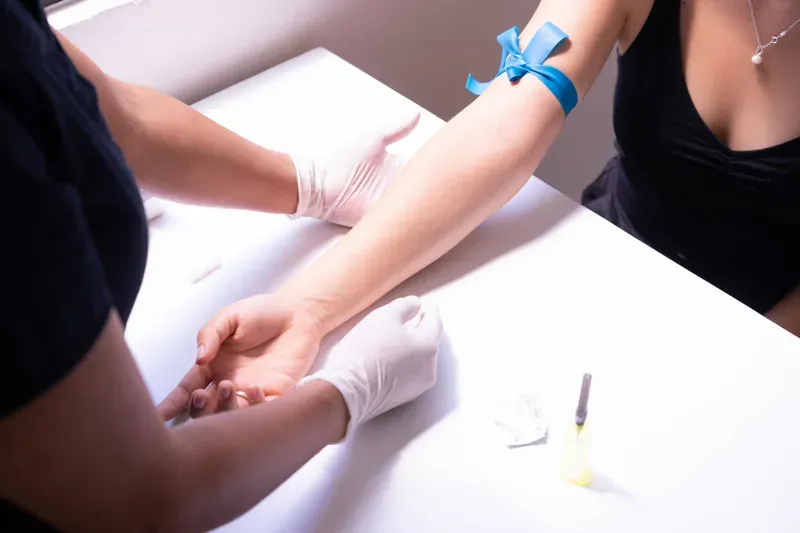
Blood samples are drawn on-site at DCDC's MOHAP-licensed laboratory, located within the same building. The panel is tailored to your clinical picture but typically includes electrolytes (sodium, potassium, chloride, bicarbonate), magnesium, calcium, phosphate, vitamin D, B12, thyroid function (TSH, free T4), kidney function (creatinine, eGFR), and fasting glucose or HbA1c. The blood draw takes approximately 5 minutes. Routine panels (electrolytes, kidney function, CBC) deliver same-day results, while vitamin D, B12, and thyroid function are typically available within 24 hours.
Step 4: Results Review and Treatment Plan
For routine panels with same-day results, your GP may review findings and discuss a treatment plan during the same visit. For tests requiring overnight processing, results are communicated by phone or at a brief follow-up appointment. The treatment plan is individualised based on findings and may include electrolyte and vitamin supplementation, hydration guidance tailored to your lifestyle, a prescribed stretching programme, medication adjustments (if applicable), and referral to a specialist (vascular surgeon for suspected PVD, neurologist for neuropathy, endocrinologist for thyroid or metabolic conditions) when warranted. Follow-up blood testing is typically recommended 6-8 weeks after starting treatment to confirm correction of identified deficiencies.
DCDC maintains a 4.8/5 Google rating from over 1,000 reviews with 98% patient satisfaction, reflecting our commitment to thorough, accessible, patient-centred care. Extended hours and walk-in availability 7 days a week ensure you can be seen when cramps are affecting your quality of life — not weeks later when the problem may have worsened or resolved on its own.
Dehydration is frequently a key contributor to recurrent leg cramps, especially in Dubai's climate. For a comprehensive discussion of dehydration symptoms, risks, and treatment strategies specific to this region, see our guide on dehydration symptoms and treatment in Dubai.
Cost of Leg Cramp Evaluation in Dubai
The cost of leg cramp evaluation depends on the scope of testing required, which is determined by your clinical presentation. DCDC offers transparent, competitive pricing for all consultations and laboratory tests. The table below provides indicative pricing for the most common components of a leg cramp evaluation.
| Service | DCDC Price | Typical Dubai Market Range | Notes |
|---|---|---|---|
| GP Consultation | From AED 250 | AED 200-500 | Includes clinical assessment and treatment plan |
| Electrolyte Panel (Na, K, Cl, CO2) | From AED 200 | AED 150-400 | Same-day results; essential for cramp evaluation |
| Serum Magnesium | From AED 80 | AED 60-150 | Often not included in routine panels — must be specifically requested |
| Serum Calcium + Phosphate | From AED 100 | AED 80-200 | Interpreted alongside vitamin D results |
| Vitamin D (25-OH) | From AED 150 | AED 100-300 | Results within 24 hours; critical for Dubai population |
| Vitamin B12 | From AED 120 | AED 100-250 | Important if neuropathy symptoms present |
| Thyroid Panel (TSH + Free T4) | From AED 200 | AED 150-350 | Screens for thyroid-related muscle symptoms |
| Comprehensive Blood Panel (electrolytes, minerals, vitamins, kidney, thyroid, CBC) | From AED 350 | AED 300-800 | Complete workup combining all relevant tests at bundled pricing |
| Kidney Function (Creatinine, eGFR, Urea) | From AED 100 | AED 80-200 | Rules out renal contribution to cramps |
| Fasting Glucose / HbA1c | From AED 80 | AED 60-150 | Screens for diabetes and pre-diabetes |
Indicative pricing for leg cramp evaluation at DCDC Dubai Healthcare City (2026)
DCDC offers direct billing with over 20 insurance partners, including major UAE providers such as Daman, Oman Insurance, AXA, MetLife, and Cigna. Insured patients typically pay only their co-pay (usually 10-20%) at the time of the visit. For self-pay patients, DCDC's pricing is competitive within Dubai Healthcare City, and the comprehensive blood panel option provides significant savings compared to ordering tests individually. DCDC is a MOHAP-licensed facility committed to transparent pricing with no hidden fees.
Home Remedies and Prevention Strategies
While medical evaluation is important for frequent or severe cramps, many nocturnal leg cramps can be prevented or significantly reduced with consistent lifestyle modifications. The following strategies are specifically adapted for Dubai residents and the region's unique environmental challenges.
Hydration Strategies for Dubai
- Front-load your hydration: Drink 500 mL of water within the first 30 minutes of waking and maintain steady intake throughout the day rather than trying to catch up in the evening, which disrupts sleep with bathroom visits
- Monitor urine colour: Aim for pale yellow urine as a practical indicator of adequate hydration. Dark amber urine indicates significant dehydration
- Add electrolytes strategically: Include electrolyte-enhanced beverages during and after exercise, outdoor exposure, or any activity that causes visible sweating. Coconut water, oral rehydration solutions, and commercially available electrolyte tabs are all effective
- Account for AC environments: Increase fluid intake by approximately 500 mL on days spent entirely in air-conditioned environments, even if you do not feel thirsty
- Limit dehydrating beverages: While moderate caffeine intake is acceptable, limit coffee and tea to 2-3 cups daily and avoid counting them toward your hydration target. Alcohol is a significant dehydrator and should be followed with an equal volume of water
Dietary Recommendations
- Magnesium-rich foods: Dark leafy greens (spinach, kale), nuts (almonds, cashews), seeds (pumpkin seeds, flaxseeds), dark chocolate (70%+ cacao), avocados, bananas, and legumes. Aim for 310-420 mg magnesium daily from food and supplements combined
- Potassium-rich foods: Bananas, sweet potatoes, avocados, coconut water, dates (widely available and culturally significant in the UAE), spinach, and white beans. The recommended daily intake is 2,600-3,400 mg
- Calcium-rich foods: Dairy products (milk, yoghurt, cheese), fortified plant milks, sardines with bones, broccoli, and almonds. Adequate calcium intake (1,000-1,200 mg daily) works synergistically with vitamin D to support muscle function
- Anti-inflammatory foods: Omega-3 fatty acids from fatty fish (salmon, mackerel), turmeric, ginger, and berries may help reduce muscle inflammation and soreness that follow cramps
Pre-Sleep Routine for Cramp Prevention
- Calf stretches: Stand facing a wall, place one foot behind the other, and lean forward with the back knee straight. Hold for 30 seconds per side. Repeat 3 times
- Hamstring stretch: Sit on the edge of the bed with one leg extended. Reach toward the toes of the extended leg, holding for 30 seconds per side
- Warm bath or shower: Warm water relaxes muscles and improves circulation. Adding Epsom salts (magnesium sulfate) to a bath provides topical magnesium absorption — though the evidence for transcutaneous magnesium absorption is limited, many patients report benefit
- Avoid sleeping in pointed-toe position: Sleeping with feet pointed downward (plantar flexion) places calf muscles in a shortened position that predisposes to cramps. Use a pillow or footboard to keep feet in a neutral position, or sleep with blankets loosely tucked to avoid pressing feet downward
- Stay cool: Keep bedroom temperature comfortable (20-22 degrees Celsius) and use light bedding. Overheating during sleep increases fluid loss and can trigger cramps
Leg Cramps During Pregnancy in Dubai
Leg cramps are one of the most common musculoskeletal complaints during pregnancy, affecting an estimated 30-50% of pregnant women, with peak incidence during the third trimester. Pregnant women in Dubai face additional risk due to the climate-related factors discussed above, compounded by the physiological demands of pregnancy on fluid balance, mineral metabolism, and muscle function.
Why Pregnancy Increases Cramp Risk
- Increased blood volume: Blood volume increases by approximately 50% during pregnancy, creating massive demand for electrolytes and diluting mineral concentrations
- Magnesium and calcium demand: The growing foetus draws heavily on maternal calcium and magnesium stores for skeletal development, depleting levels that were often borderline before pregnancy
- Uterine compression: The enlarging uterus compresses the inferior vena cava and iliac veins, impeding venous return from the legs, especially when lying flat — precisely the position most women sleep in
- Weight gain and posture changes: Additional weight places increased load on leg muscles, and postural changes alter gait and muscle activation patterns, leading to fatigue and cramps
- Hormonal changes: Progesterone relaxes smooth muscle throughout the body, potentially affecting the tone and responsiveness of skeletal muscle as well
Safe Treatment During Pregnancy
Treatment of leg cramps during pregnancy requires careful consideration of safety. Magnesium supplementation (typically magnesium glycinate 200-400 mg at bedtime) is the most commonly recommended treatment, supported by a Cochrane review showing modest benefit. Oral magnesium is generally safe during pregnancy and may also help with constipation, another common pregnancy complaint. Adequate calcium intake (1,000-1,200 mg daily from diet and supplements) is essential for both cramp prevention and foetal bone development.
Stretching, gentle exercise (swimming is particularly effective), compression stockings, leg elevation, and sleeping on the left side to optimise venous return are all safe, non-pharmacological strategies. Quinine, which was historically used for leg cramps, is contraindicated in pregnancy and is no longer recommended for cramps in any patient due to serious side effect risks. Pregnant women experiencing frequent or severe leg cramps should have their electrolytes, magnesium, calcium, and vitamin D levels checked — all available with same-day or next-day results at DCDC.
Frequent Leg Cramps? Book Your Evaluation at DCDC Today
Comprehensive electrolyte and vitamin testing with expert GP assessment. Same-day results for routine blood panels. Direct billing with 20+ insurers at Dubai Healthcare City.
Call 04 254 3700, WhatsApp, or walk in 7 days a week
Related Services at DCDC
Expert care and advanced diagnostics at Dubai Healthcare City
Frequently Asked Questions
Final Thoughts
Nocturnal leg cramps are more than a minor inconvenience — when they occur frequently, they disrupt sleep, impair daytime function, and significantly reduce quality of life. In Dubai, the combination of extreme heat, high sweat losses, air-conditioned dehydration, widespread vitamin D deficiency, and a physically active population creates conditions where leg cramps are both more common and more likely to have a treatable underlying cause than in temperate climates. The good news is that the vast majority of cases respond well to targeted intervention once the specific cause is identified through blood testing.
At DCDC in Dubai Healthcare City, our general practitioners provide comprehensive leg cramp evaluation — from focused clinical assessment to same-day blood testing in our on-site MOHAP-licensed laboratory, to individualised treatment plans addressing hydration, electrolyte balance, vitamin supplementation, stretching, and medication review. With a 4.8/5 Google rating from over 1,000 reviews, 98% patient satisfaction, direct billing with over 20 insurers, and walk-in availability seven days a week, getting evaluated for persistent leg cramps has never been more accessible. If nocturnal cramps are disrupting your sleep or daily life, contact us at 04 254 3700 or visit us at Building 64, Block A, Al Razi Medical Complex, DHCC.
Sources & References
This article was reviewed by our medical team and references the following sources:
- American Academy of Family Physicians - Nocturnal Leg Cramps
- Mayo Clinic - Muscle Cramp: Symptoms and Causes
- Cleveland Clinic - Leg Cramps: Causes, Treatment & Prevention
- NHS UK - Leg Cramps
- Cochrane Library - Magnesium for Muscle Cramps
- Journal of Physiotherapy - Stretching Before Sleep Reduces Nocturnal Leg Cramps
Medical content on this site is reviewed by DHA-licensed physicians. See our editorial policy for more information.

Written by
Dr. Hadeel Elnur
General Practitioner
MD, General Practice
Dr. Hadeel Elnur is a General Practitioner at Doctors Clinic Diagnostic Center (DCDC) in Dubai Healthcare City.
Related Articles
Electrolyte Imbalance Treatment Dubai

Dehydration Symptoms & Treatment Dubai

Vitamin D Deficiency Dubai
Chronic Fatigue Causes Dubai

Varicose Veins Treatment Dubai
More in General Health

Sleep Study Cost Dubai: Tests & Pricing (2026)
Read More
Calcium Deficiency Signs Dubai: Guide (2026)
Read MoreBrain Fog Causes Dubai: When to Worry (2026)
Read More
Blood Pressure by Age Dubai: Normal Ranges (2026)
Read MoreLow Magnesium Symptoms Dubai: Testing Guide (2026)
Read MoreSummer Health Risks in Dubai: Expert Guide (2026)
Read More© 2026 Doctors Clinic Diagnostic Center (DCDC), Dubai Healthcare City. Originally published at https://doctorsclinicdubai.ae/blog/leg-cramps-causes-treatment-dubai. All rights reserved. Unauthorized reproduction is prohibited.