Key Takeaways
- Migraine is a neurological disease affecting over 1 billion people worldwide -- it is not just a bad headache and requires specialist management when attacks are frequent or disabling
- A neurology consultation for migraines in Dubai costs from AED 500, Botox treatment from AED 2,000 per session, and CGRP inhibitor injections from AED 1,500 per month
- Modern preventive treatments including CGRP inhibitors (Aimovig, Ajovy) and Botox injections can reduce migraine frequency by 50% or more in chronic migraine sufferers
- Dubai-specific migraine triggers include extreme heat and dehydration, rapid temperature changes between outdoor heat and indoor air conditioning, Ramadan fasting, and high work-related stress
- Red flags that require urgent brain MRI include thunderclap headache, headache with fever and stiff neck, headache with neurological symptoms, and a fundamentally new headache pattern after age 50
- Keeping a migraine diary that tracks triggers, frequency, severity, and medication use is one of the most effective tools for improving treatment outcomes
- Triptans remain the gold standard for acute migraine treatment with a 60-70% response rate, while newer options like gepants and ditans offer alternatives for patients who cannot tolerate triptans
- Using acute migraine medications on more than 10-15 days per month can cause medication-overuse headache, transforming episodic migraine into chronic daily headache
Migraine is a complex neurological condition that goes far beyond an ordinary headache. Affecting approximately 15% of the global population, migraine causes intense, often one-sided head pain accompanied by nausea, vomiting, and extreme sensitivity to light and sound. In Dubai, where lifestyle factors such as heat, dehydration, stress, and irregular schedules are common, effective migraine treatment is essential for the hundreds of thousands of residents who suffer from this disabling condition.
This comprehensive guide covers everything you need to know about migraine diagnosis and treatment in Dubai, from understanding the different types and triggers to navigating the full range of acute and preventive therapies available, including the latest CGRP inhibitors and Botox injections. Whether you are newly diagnosed or looking for better management of chronic migraines, this guide will help you make informed decisions about your care.
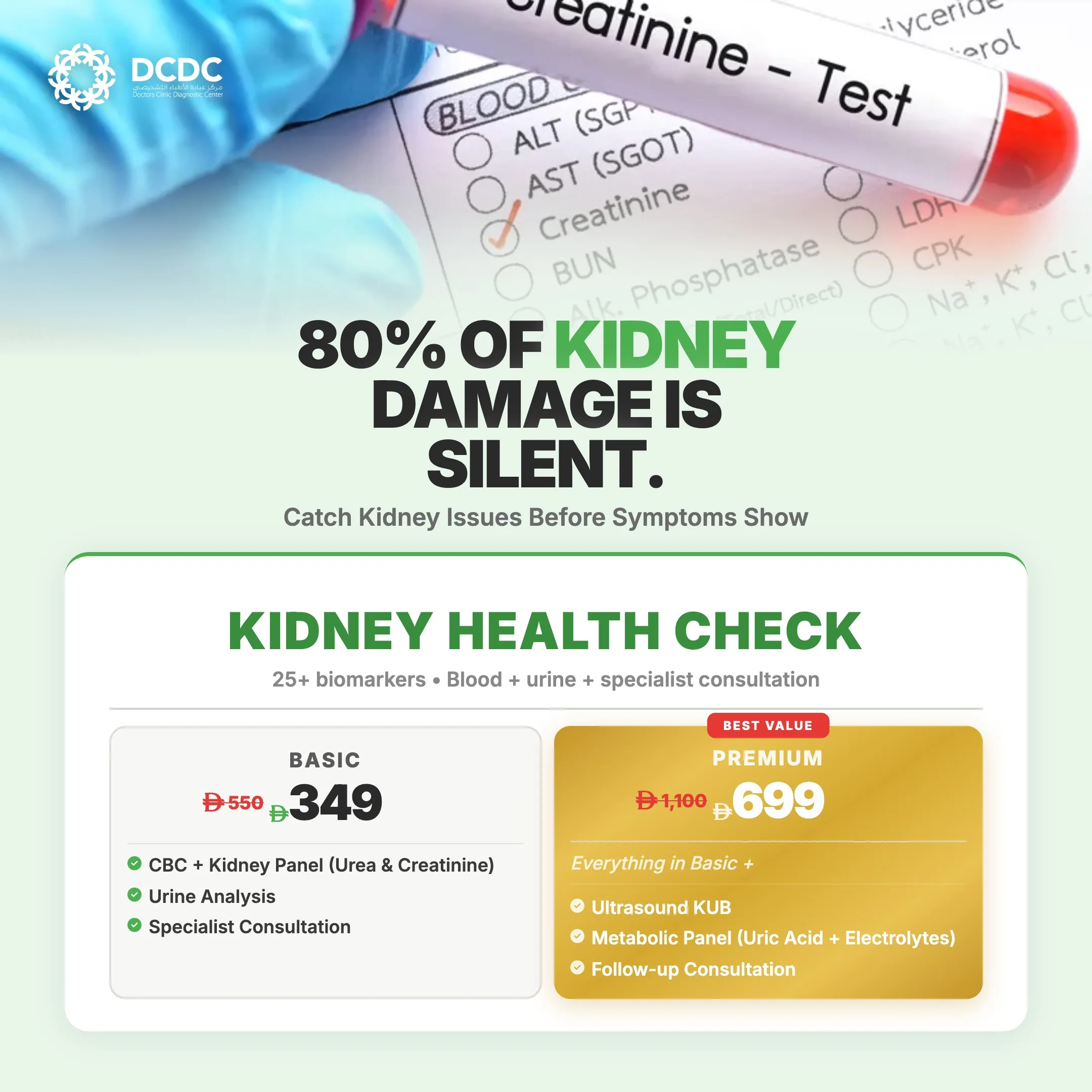
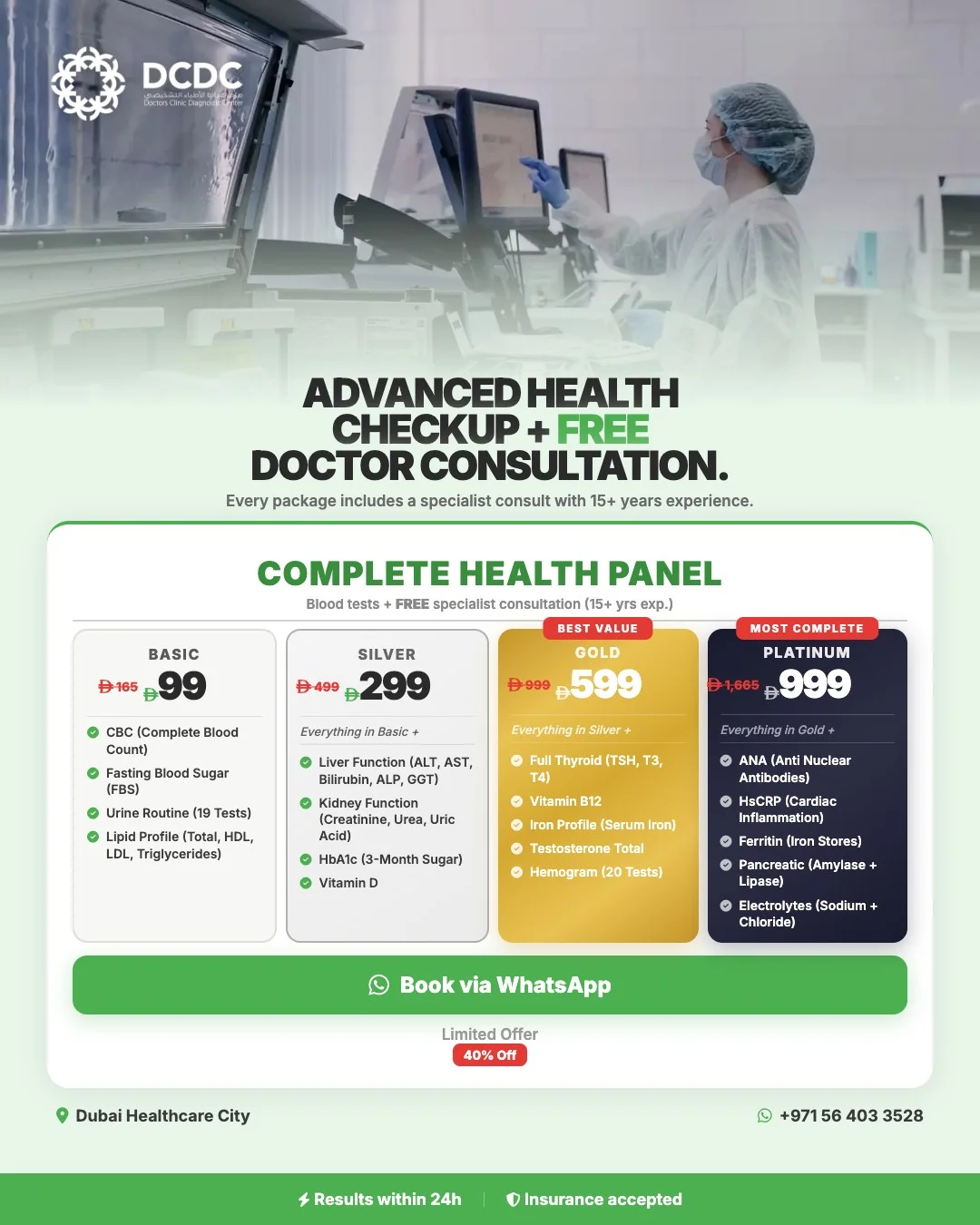
Health Screening Packages
Save with our bundled screening packages — specialist consultation included




Understanding Migraine: More Than Just a Headache
Migraine is classified by the World Health Organization as one of the most disabling medical conditions globally, ranking among the top causes of years lived with disability. Unlike tension headaches, migraines involve complex neurological changes including cortical spreading depression, trigeminal nerve activation, and release of inflammatory neuropeptides such as CGRP (calcitonin gene-related peptide). Understanding this is crucial because it explains why simple painkillers often fail and why targeted neurological treatments are needed.
The International Headache Society's diagnostic criteria (ICHD-3) define migraine as recurring headaches lasting 4-72 hours with at least two of the following characteristics: unilateral location, pulsating quality, moderate-to-severe intensity, and aggravation by routine physical activity. Additionally, attacks must include at least one associated symptom: nausea or vomiting, photophobia, or phonophobia. A minimum of five attacks meeting these criteria is required for formal diagnosis.
Types of Migraine
Migraine is not a single condition -- it encompasses several distinct subtypes, each with different characteristics and treatment approaches. An accurate diagnosis by a neurologist is the first step toward effective treatment.
| Migraine Type | Prevalence | Key Features | Duration | Treatment Approach |
|---|---|---|---|---|
| Migraine without aura | 70-80% of migraines | One-sided throbbing pain, nausea, light/sound sensitivity, no warning symptoms | 4-72 hours | Acute: triptans, NSAIDs. Preventive if frequent |
| Migraine with aura | 25-30% of migraines | Visual disturbances (zigzag lines, blind spots), tingling, speech difficulty before headache | Aura: 20-60 min; headache: 4-72 hours | Same as without aura; avoid combined oral contraceptives |
| Chronic migraine | 2-3% of population | 15+ headache days/month for 3+ months, migraine features on 8+ days | Near-daily; ongoing | Botox, CGRP inhibitors, combination preventive therapy |
| Vestibular migraine | 1-3% of population | Episodes of vertigo/dizziness with or without headache; often misdiagnosed | Minutes to 72 hours | Migraine preventives plus vestibular rehabilitation |
| Hemiplegic migraine | Rare (0.01%) | Temporary one-sided weakness/paralysis mimicking stroke during aura | Aura: 20-60 min; weakness may last hours-days | Requires MRI to exclude stroke; avoid triptans |
| Menstrual migraine | 60% of women with migraine | Attacks linked to menstruation (2 days before to 3 days after period start) | Often longer and more severe than non-menstrual attacks | Timed preventive medication; hormonal strategies |
Migraine subtypes with their prevalence, features, and treatment approaches.
Common Migraine Triggers
Identifying and managing triggers is a cornerstone of migraine treatment. While triggers vary between individuals, research has identified consistent patterns that are particularly relevant to Dubai residents.
- Stress and mental health: Psychological stress is the single most commonly reported migraine trigger, cited by over 70% of patients. Notably, migraines often occur not during the stressful period itself but during the "let-down" phase afterward -- explaining why weekend migraines are so common
- Sleep disturbances: Both too little and too much sleep can trigger migraines. Irregular sleep schedules -- common in Dubai's social culture -- are particularly problematic. Maintaining a consistent sleep-wake cycle is one of the most effective preventive measures
- Dietary triggers: Aged cheese, processed meats, alcohol (especially red wine), chocolate, caffeine withdrawal, artificial sweeteners (aspartame), and monosodium glutamate (MSG) are well-established dietary triggers. Skipping meals is equally potent -- a particularly relevant concern during Ramadan fasting
- Hormonal changes: Approximately 60% of women with migraine report a menstrual association. Oestrogen fluctuations during menstruation, pregnancy, perimenopause, and with oral contraceptive use can trigger or worsen migraines. Menstrual migraine often requires specific treatment strategies
- Weather and environment: Temperature changes, high humidity, bright sunlight, and barometric pressure shifts are common triggers in Dubai. The dramatic temperature difference between outdoor heat (exceeding 45 degrees Celsius in summer) and heavily air-conditioned indoor environments is a trigger unique to Gulf climates
- Screen time and visual stimuli: Prolonged screen exposure, fluorescent lighting, flickering lights, and glare can trigger migraines. In Dubai's office-based work culture, this is a daily exposure for many migraine sufferers
- Dehydration: Dubai's hot climate makes dehydration a constant risk. Even mild dehydration can lower the migraine threshold. During summer months and Ramadan, maintaining adequate hydration is critical for migraine prevention
Dubai-Specific Migraine Triggers and Management
Living in Dubai presents unique challenges for migraine sufferers that deserve specific attention and management strategies. Understanding these local factors is essential for effective prevention.
| Dubai Trigger | Why It Triggers Migraines | Management Strategy |
|---|---|---|
| Outdoor heat (45+ degrees Celsius) | Causes vasodilation, dehydration, and heat stress that lower migraine threshold | Limit outdoor exposure during peak hours (10 AM-4 PM); carry water; wear a hat and sunglasses |
| Temperature transitions (heat to AC) | Rapid vasoconstriction and vasodilation from moving between 45+ degree outdoors and 18-20 degree interiors | Dress in layers; allow gradual temperature transition; avoid extreme AC settings |
| Ramadan fasting | Dehydration, caffeine withdrawal, hypoglycaemia, and disrupted sleep patterns | Maximise hydration at suhoor/iftar; gradual caffeine taper 2 weeks before Ramadan; slow-release carbohydrates at suhoor |
| Bright sunlight and glare | Photosensitivity triggers via trigeminal-autonomic pathways; reflected glare off sand, water, and glass buildings | High-quality polarised wrap-around sunglasses; FL-41 tinted lenses indoors; avoid peak sun hours |
| Work stress and long hours | Sustained cortisol elevation followed by let-down migraine on weekends | Regular stress management (CBT, mindfulness); maintain consistent sleep-wake schedule including weekends |
| Sandstorms and poor air quality | Particulate irritation and barometric pressure changes | Monitor air quality alerts; stay indoors during dust events; use air purifiers |
| Screen time (office culture) | Prolonged visual stimulation, blue light exposure, and poor ergonomics | 20-20-20 rule; blue-light filters; proper monitor positioning; regular breaks |
Dubai-specific migraine triggers with evidence-based management strategies.
Diagnostic Criteria: When Is It Actually Migraine?
Not every headache is a migraine. The International Headache Society's ICHD-3 classification provides strict diagnostic criteria that neurologists use to distinguish migraine from tension headache, cluster headache, and secondary headaches. Understanding these criteria helps you communicate more effectively with your doctor.
- At least 5 attacks fulfilling the following criteria
- Headache duration: 4-72 hours (untreated or unsuccessfully treated)
- At least 2 of these features: Unilateral (one-sided) location, pulsating quality, moderate-to-severe intensity, aggravation by routine physical activity
- At least 1 associated symptom: Nausea and/or vomiting, photophobia (light sensitivity) and phonophobia (sound sensitivity)
- Not better accounted for by another diagnosis
If your headaches do not meet these criteria, they may be tension-type headache, cluster headache, or a secondary headache requiring investigation. Your neurologist will differentiate based on detailed history, examination, and sometimes imaging. For guidance on when to see a specialist, read our article on when to see a neurologist in Dubai.
When Is a Brain MRI Needed for Migraines?
Most patients with typical migraine symptoms and a normal neurological examination do not require brain imaging. However, a brain MRI is recommended when certain red flag features are present that may indicate a secondary cause for the headaches.
- Thunderclap headache: A sudden, severe headache reaching maximum intensity within seconds -- this may indicate subarachnoid haemorrhage and requires emergency CT followed by MRI
- New headache pattern after age 50: New-onset headaches in older adults have a higher likelihood of secondary causes including giant cell arteritis, mass lesions, or subdural haematoma
- Headache with neurological symptoms: Persistent weakness, numbness, vision changes, or confusion that do not resolve with the headache phase warrant imaging
- Headache with fever and neck stiffness: This combination raises concern for meningitis or encephalitis
- Progressive headaches: Headaches that are steadily worsening in frequency or severity over weeks to months
- Headache with papilloedema: Swelling of the optic disc found on eye examination suggests raised intracranial pressure
- Headache that changes with position: Headaches that worsen significantly on standing (low-pressure headache) or lying down (raised-pressure headache) need investigation
At Doctors Clinic Diagnostic Center, brain MRI can often be performed on the same day as the neurology consultation, providing rapid reassurance or early detection of any underlying pathology.
Acute Migraine Treatment: Stopping an Attack
Effective acute treatment aims to abort a migraine attack quickly and restore the patient to normal function. The key principle is early treatment -- medications work best when taken at the first sign of a migraine, not after the attack is fully established.
| Medication Class | Examples | Response Rate | Best For | Key Considerations | Approximate Cost (AED) |
|---|---|---|---|---|---|
| NSAIDs | Ibuprofen 400-600mg, Naproxen 500mg, Aspirin 900-1000mg | 40-50% | Mild-moderate attacks; first-line treatment | Take early with anti-nausea medication; avoid more than 15 days/month | 10-30 per dose |
| Triptans | Sumatriptan, Rizatriptan, Zolmitriptan, Eletriptan | 60-70% | Moderate-severe attacks; gold standard prescription treatment | Most effective within 1 hour of onset; contraindicated in cardiovascular disease | 20-80 per dose |
| Gepants (CGRP antagonists) | Rimegepant (Nurtec), Ubrogepant (Ubrelvy) | 55-65% | Patients who cannot take triptans; cardiovascular disease | No vasoconstrictor effects; can also be used preventively | 150-300 per dose |
| Ditans | Lasmiditan (Reyvow) | 50-60% | Patients who cannot take triptans; no cardiovascular risk | Causes drowsiness; do not drive for 8 hours after use | 200-400 per dose |
| Anti-emetics | Metoclopramide, Domperidone, Prochlorperazine | N/A (adjunctive) | Nausea/vomiting management; improves oral medication absorption | Often prescribed alongside NSAID or triptan | 10-30 per dose |
| Combination analgesics | Paracetamol + aspirin + caffeine (Excedrin) | 45-55% | Mild-moderate attacks when NSAIDs alone insufficient | Higher risk of medication-overuse headache with frequent use | 15-40 per dose |
Acute migraine treatment options with response rates and costs. Always consult your neurologist before starting treatment.
Important warning about medication overuse: Using acute migraine medications -- including triptans and over-the-counter painkillers -- on more than 10-15 days per month can paradoxically cause medication-overuse headache (MOH), transforming episodic migraine into daily or near-daily headache. This is one of the most important reasons to seek neurological care for frequent migraines rather than relying on self-medication.
Preventive Migraine Treatment: Reducing Attack Frequency
Preventive (prophylactic) treatment is recommended when migraines occur 4 or more days per month, when attacks are severely disabling, when acute treatments are ineffective or overused, or when the patient has hemiplegic or brainstem aura migraine. The goal is to reduce migraine frequency by at least 50%.
| Treatment | Type | Efficacy | Common Side Effects | Approximate Cost (AED/month) |
|---|---|---|---|---|
| Propranolol / Metoprolol | Beta-blocker (oral daily) | Reduces frequency by 40-50% | Fatigue, low blood pressure, cold hands, depression | 30-80 |
| Topiramate | Anti-seizure (oral daily) | Reduces frequency by 50%+ | Tingling, cognitive slowing, weight loss, kidney stones | 50-150 |
| Amitriptyline | Tricyclic antidepressant (oral nightly) | Reduces frequency by 30-50% | Drowsiness, dry mouth, weight gain, constipation | 20-60 |
| Candesartan | ARB (oral daily) | Comparable to propranolol | Dizziness, low blood pressure (generally well-tolerated) | 40-100 |
| Erenumab (Aimovig) | CGRP monoclonal antibody (monthly injection) | Reduces migraine days by 3-5/month; 50%+ reduction in many patients | Injection site reactions, constipation (minimal systemic side effects) | From 1,500 |
| Fremanezumab (Ajovy) | CGRP monoclonal antibody (monthly/quarterly injection) | Reduces migraine days by 3-5/month | Injection site reactions (minimal other side effects) | From 1,500 |
| Botox (OnabotulinumtoxinA) | Neurotoxin (31 injections every 12 weeks) | Reduces headache days by 8-9/month in chronic migraine | Neck pain, injection site pain (generally well-tolerated) | From 2,000 per session |
| Greater occipital nerve block | Local anaesthetic injection | Rapid relief lasting 4-12 weeks; bridge therapy | Temporary tenderness at injection site | From 500 |
Preventive migraine treatments available in Dubai. Your neurologist will recommend the best option based on your migraine pattern, medical history, and lifestyle.
CGRP Inhibitors: The Revolution in Migraine Prevention
CGRP (calcitonin gene-related peptide) monoclonal antibodies represent the first class of medications developed specifically for migraine prevention. Available options include erenumab (Aimovig), fremanezumab (Ajovy), and galcanezumab (Emgality). These are administered as monthly or quarterly self-injections and have shown remarkable efficacy and tolerability.
CGRP inhibitors reduce migraine days by an average of 3-5 days per month, with many patients achieving 75% or greater reduction. Unlike traditional preventives, they have minimal systemic side effects (injection site reactions are the most common), require no dose titration, and begin working within the first month. They are particularly valuable for patients who have failed or could not tolerate multiple traditional preventive medications.
Botox for Chronic Migraine
OnabotulinumtoxinA (Botox) is approved specifically for chronic migraine (15 or more headache days per month). The treatment involves 31 injections across 7 specific muscle areas of the head and neck, repeated every 12 weeks. Botox reduces headache days by an average of 8-9 days per month. The benefit typically becomes apparent after the second or third treatment cycle. Side effects are generally mild and include temporary neck pain and injection site discomfort.
Get Expert Migraine Treatment at DCDC
At Doctors Clinic Diagnostic Center, our neurology team provides comprehensive migraine treatment including diagnostic evaluation, acute and preventive therapies, Botox injections, and nerve blocks. Same-day brain MRI is available when clinically indicated.
Walk-ins welcome. Insurance accepted.
Migraine Treatment Cost in Dubai
| Treatment | Approximate Cost (AED) | Frequency | Insurance Coverage |
|---|---|---|---|
| Neurology consultation (initial) | From 500 | Once for diagnosis, then as needed | Covered by most plans |
| Neurology follow-up | From 300 | Every 1-3 months during treatment adjustment | Covered by most plans |
| Brain MRI (without contrast) | 1,200-1,500 | Once for diagnostic workup if indicated | Covered with pre-authorisation |
| Brain MRI (with contrast) | 1,500-2,000 | If specific pathology suspected | Covered with pre-authorisation |
| Oral preventive medications | 20-150 per month | Daily | Generally covered |
| CGRP inhibitor injection | From 1,500 per month | Monthly or quarterly | May require pre-authorisation and documented treatment failure |
| Botox for chronic migraine | From 2,000 per session | Every 12 weeks | May require pre-authorisation and documented chronic migraine diagnosis |
| Greater occipital nerve block | From 500 | Every 4-12 weeks as needed | Generally covered |
| EEG (if indicated) | From 800 | Once if seizure-related headache suspected | Covered with referral |
Migraine treatment costs in Dubai (2026). Most treatments are covered by comprehensive insurance plans with pre-authorisation. DCDC accepts direct billing with 20+ insurance partners.
Most comprehensive health insurance plans in the UAE cover neurology consultations, brain MRI, and preventive migraine medications. Botox for chronic migraine and CGRP inhibitors may require prior authorisation and documented failure of at least two traditional preventive medications. At DCDC, our insurance team assists with all pre-authorisation requirements.
The Migraine Diary: Your Most Powerful Tool
A migraine diary is one of the most valuable tools for both patients and neurologists. By tracking attacks systematically, patterns emerge that guide treatment decisions. Record the following for each migraine:
- Date and time of onset and resolution (to calculate attack duration)
- Pain severity on a scale of 1-10
- Pain location -- one-sided, bilateral, frontal, temporal, or occipital
- Associated symptoms -- nausea, vomiting, light sensitivity, sound sensitivity, aura symptoms
- Potential triggers -- stress, sleep changes, food, weather, menstruation, screen time, temperature changes
- Medications taken -- what, when, dose, and whether they helped
- Functional impact -- could you work, did you need to lie down, did you miss activities
- Hydration and meals -- how much water you drank, whether you skipped meals
- Sleep quality -- hours slept the night before, any disruptions
Bring your migraine diary to every neurology appointment. It provides objective data that helps your neurologist assess treatment effectiveness, identify patterns, and adjust your management plan. Smartphone apps such as Migraine Buddy, Migraine Monitor, and N1 Headache can simplify the tracking process. Even a simple notes app or spreadsheet is better than relying on memory.
Lifestyle Management for Migraine Prevention
Lifestyle modifications are not merely complementary to medical treatment -- they form a critical foundation of migraine management. Research consistently shows that lifestyle factors can reduce migraine frequency by 25-40% even without medication.
- Sleep hygiene: Go to bed and wake up at the same time every day, including weekends. Aim for 7-8 hours. Avoid screens for 30 minutes before bed. Keep the bedroom cool, dark, and quiet. Weekend lie-ins and irregular sleep patterns are among the most common modifiable triggers
- Regular exercise: Moderate aerobic exercise (30 minutes, 3-5 times per week) has been shown in clinical trials to be as effective as topiramate in reducing migraine frequency. Swimming, brisk walking, and cycling are excellent options. Avoid intense exercise during extreme heat in Dubai -- exercise indoors or during cooler hours
- Hydration: Drink at least 2-3 litres of water daily, more during summer months and Ramadan. Keep a water bottle at your desk and set reminders. Dehydration is one of the most easily preventable migraine triggers in Dubai
- Regular meals: Never skip meals. Low blood sugar is a potent migraine trigger. During Ramadan, suhoor should include slow-release carbohydrates and adequate hydration. If fasting triggers severe migraines, consult your doctor about a medical exemption
- Stress management: Cognitive behavioural therapy (CBT), mindfulness meditation, progressive muscle relaxation, and regular physical activity are evidence-based stress management techniques that reduce migraine frequency
- Screen breaks: Follow the 20-20-20 rule -- every 20 minutes, look at something 20 feet away for 20 seconds. Adjust screen brightness, use blue-light filters, and ensure proper ergonomic positioning of monitors
- Caffeine management: Consistent, moderate caffeine intake (1-2 cups of coffee daily at the same time) is better than irregular consumption. Sudden caffeine withdrawal is a common migraine trigger
When to Go to the Emergency Room for a Headache
While most migraines can be managed at home or in the clinic, certain headache presentations require emergency evaluation. Go to the nearest emergency department if you experience:
- Thunderclap headache: The worst headache of your life, reaching maximum intensity within seconds -- this may indicate a ruptured brain aneurysm
- Headache with fever, stiff neck, and rash: This combination suggests meningitis, which is a medical emergency
- Headache with one-sided weakness, vision loss, or speech difficulty: These are stroke warning signs. Use the FAST acronym and call 998 immediately
- Headache after head trauma: Particularly if accompanied by confusion, vomiting, or loss of consciousness
- Headache with high fever in an immunocompromised patient: This requires urgent evaluation for infection
- Status migrainosus: A migraine attack lasting longer than 72 hours despite treatment -- this requires intravenous medication and monitoring
Migraines in Children
Migraines are not exclusive to adults -- approximately 10% of school-age children experience migraines. Childhood migraine differs from adult migraine in several important ways:
- Shorter duration: Paediatric migraines may last as little as 1-2 hours, compared to the typical 4-72 hours in adults
- Bilateral pain: Children's migraines more often affect both sides of the head rather than one side
- Abdominal symptoms: Nausea, vomiting, and abdominal pain may be the dominant symptoms in children, sometimes without significant headache (abdominal migraine)
- School impact: Migraines are a leading cause of school absenteeism. Identifying and managing childhood migraine early is important for academic and social development
- Treatment differences: Ibuprofen is the first-line acute treatment for children. Triptans are approved for adolescents. Preventive treatment in children emphasises lifestyle modifications, with medication reserved for frequent or disabling attacks
Parents should seek a neurologist's opinion if their child experiences frequent headaches that interfere with school or activities, headaches accompanied by vomiting, or any neurological symptoms during or between headaches.
What to Expect at DCDC
At Doctors Clinic Diagnostic Center in Dubai Healthcare City, migraine care follows a structured pathway from diagnosis through long-term management. DCDC is a MOHAP-licensed facility with a 4.8/5 Google rating from over 1,000 verified patient reviews and a 98% patient satisfaction rate.
- Initial consultation (45-60 minutes): Comprehensive neurological history and examination. Your neurologist will review your headache pattern, triggers, medication history, and any red flag features
- Same-day diagnostics: If brain MRI or blood tests are needed, they can be performed on the same day at our in-house imaging and laboratory facilities -- no need to visit a separate centre
- Personalised treatment plan: Based on your migraine type, frequency, triggers, and medical history, your neurologist will design a treatment plan combining acute and preventive strategies
- In-clinic procedures: Botox injections, greater occipital nerve blocks, and CGRP inhibitor education are all performed on-site by our neurology team
- Follow-up and adjustment: Regular follow-up appointments (every 4-12 weeks initially) to assess treatment response, adjust medications, and optimise your management plan
According to Dr. Riad Trabulsi, Neurologist at DCDC: "I always tell patients that effective migraine management is a partnership. We combine the right medical treatment with lifestyle modifications tailored to Dubai's unique environment. Most of my patients see significant improvement within 2-3 months of starting a structured treatment plan."
Comprehensive Migraine Care at DCDC
From accurate diagnosis to advanced treatment options, our neurology team at Doctors Clinic Diagnostic Center provides personalised migraine management for adults and children. With in-house brain MRI and a full range of treatment options, we deliver end-to-end migraine care.
Book your consultation today -- walk-ins welcome.
Related Services at DCDC
Expert care and advanced diagnostics at Dubai Healthcare City
Migraine & Headache Treatment
Specialist migraine diagnosis and treatment including preventive therapy
Book AppointmentNeurology Consultation
Comprehensive neurological evaluation by specialist neurologist
Book AppointmentMRI Scan
Brain MRI to investigate headache causes and rule out serious pathology
Book AppointmentFrequently Asked Questions
Final Thoughts
Migraine is a treatable neurological condition, not something you simply have to endure. With the range of acute treatments, preventive medications, and lifestyle strategies available today -- including groundbreaking CGRP inhibitors and Botox -- most migraine sufferers can achieve significant improvement in their quality of life. The key is seeking specialist care rather than relying on over-the-counter painkillers alone.
At Doctors Clinic Diagnostic Center in Dubai Healthcare City, our neurology team provides comprehensive migraine treatment from diagnosis through long-term management. Whether you need a brain MRI to investigate your headaches or advanced preventive therapy, we deliver personalised, evidence-based care under one roof. For related information, see our guides on headache types and when to worry and migraine vs headache. Contact us to take the first step toward fewer migraines and better days.
Sources & References
This article was reviewed by our medical team and references the following sources:
- American Migraine Foundation - Migraine Treatment Resources
- International Headache Society - ICHD-3 Classification
- The Lancet - Global Burden of Migraine (2023)
- American Academy of Neurology - Migraine Prevention Guidelines (2021)
- European Headache Federation - CGRP Antibodies Guideline (2022)
- World Health Organization - Headache Disorders Fact Sheet
- Mayo Clinic - Migraine: Diagnosis and Treatment
Medical content on this site is reviewed by DHA-licensed physicians. See our editorial policy for more information.

Written by
Dr. Riad Trabulsi
Neurology
MD, Neurology
Dr. Riad Trabulsi is a Neurologist at Doctors Clinic Diagnostic Center (DCDC) in Dubai Healthcare City, providing comprehensive neurological care and treatment.
Related Articles
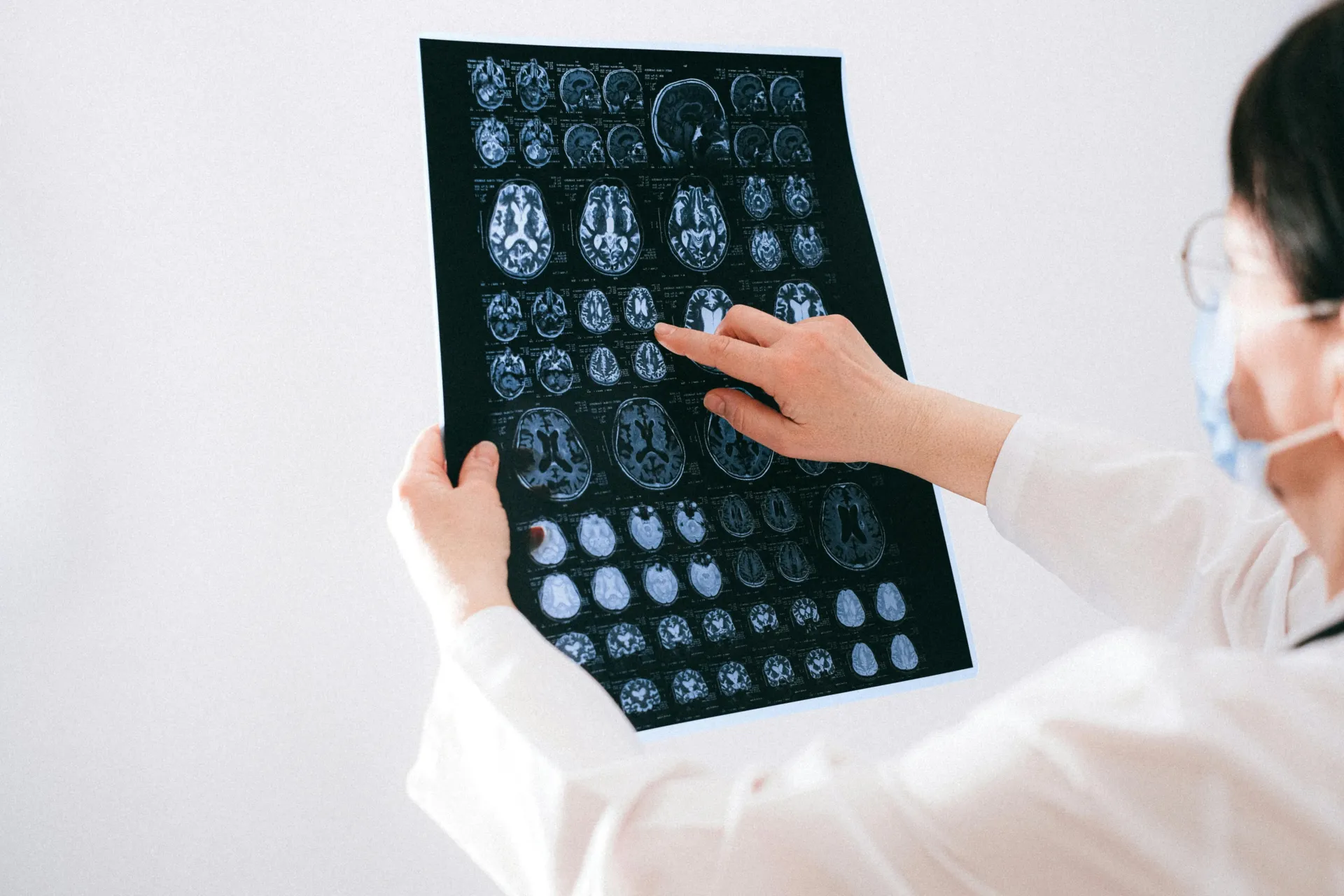
Best Neurologist Dubai: Brain & Nerve Specialist (2026)
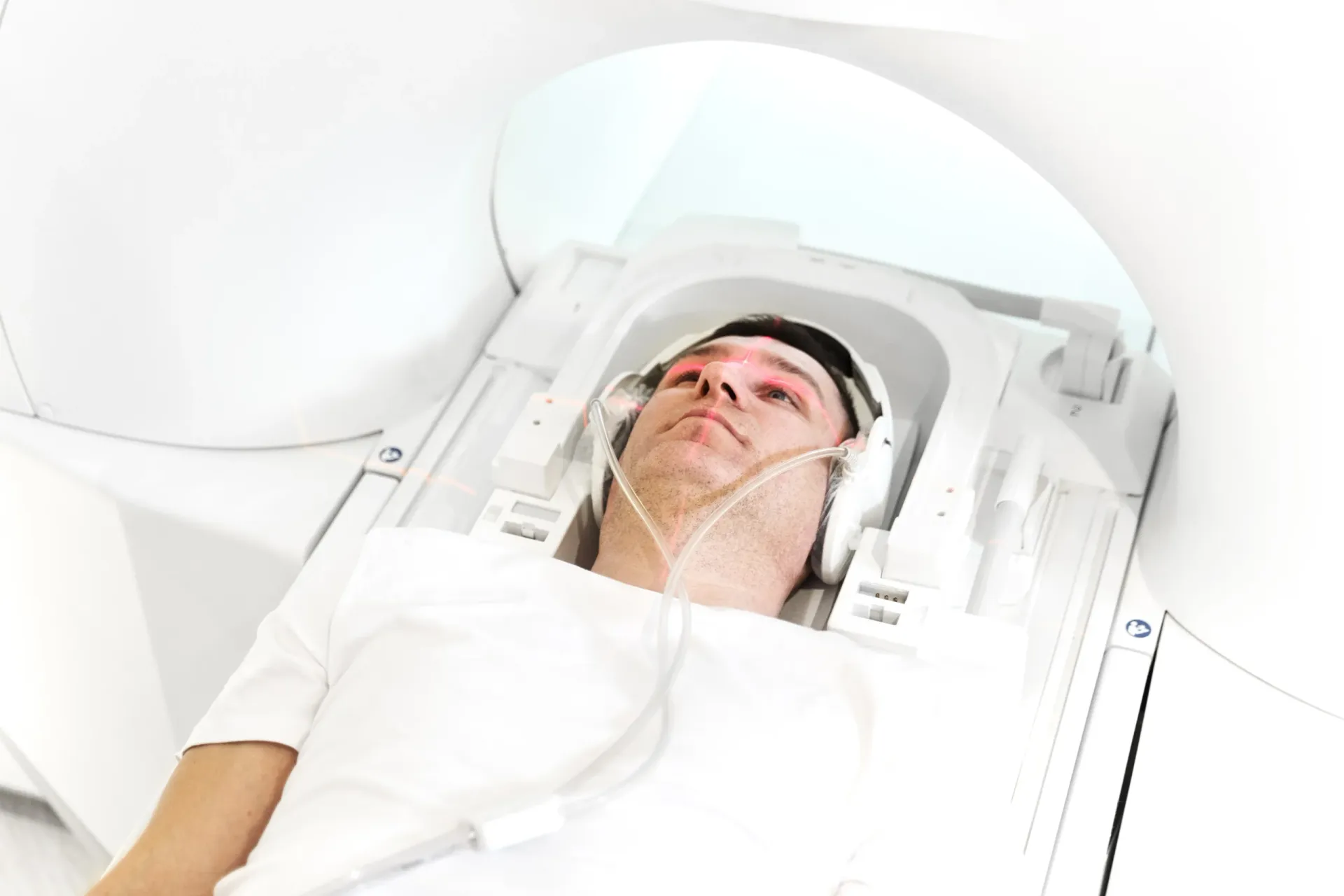
MRI for Headaches: When You Need a Brain Scan (2026)

Headache Types: When to Worry in Dubai (2026)
Migraine vs Headache: How to Tell the Difference

Vestibular Rehab Dubai: Treatment for Vertigo (2026)
More in General Health
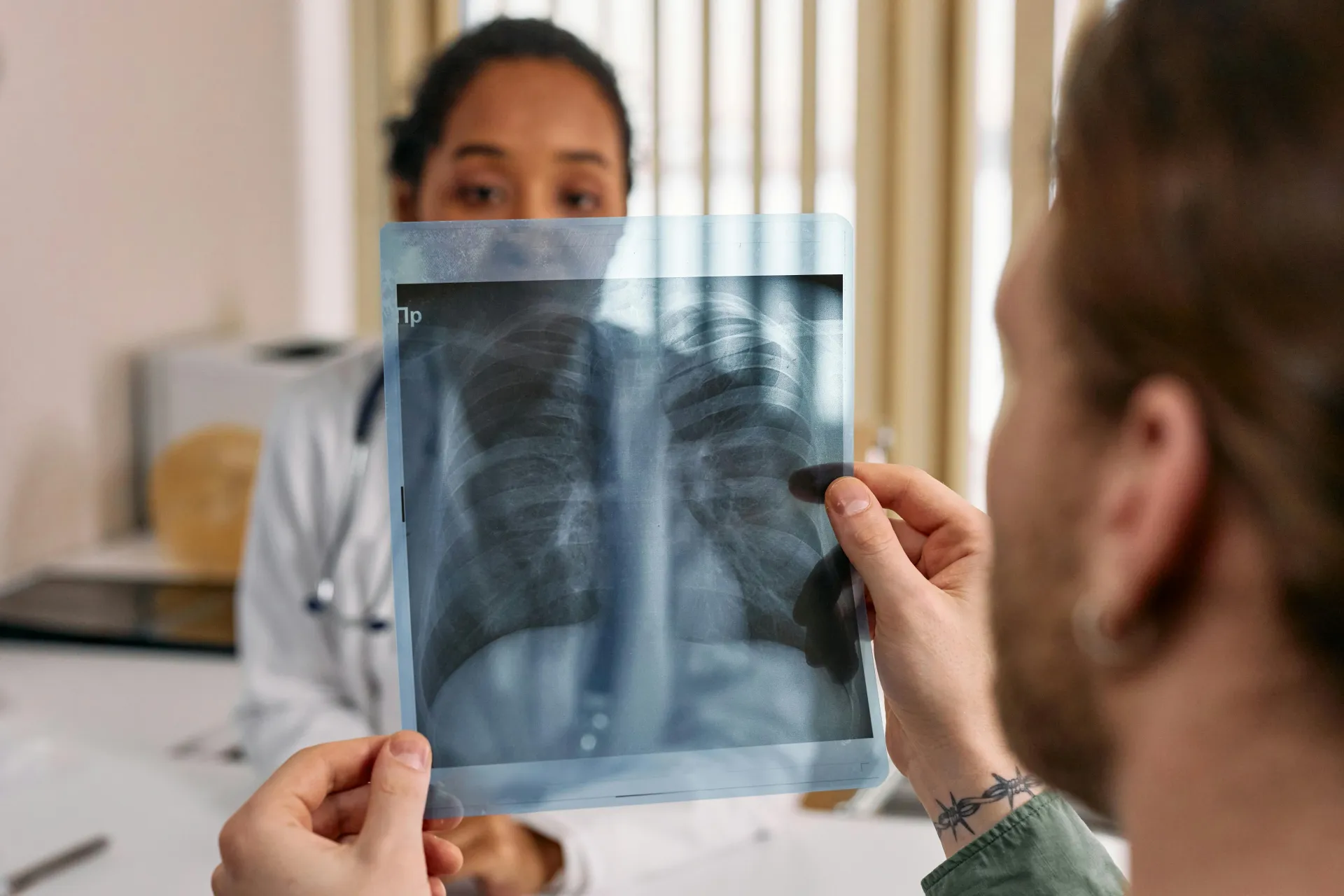
Flu vs COVID Symptoms Dubai: Key Signs (2026)
Read More
CBC Test Price Dubai: AED 149, Normal Ranges & Results
Read More
Dubai Clinic Without Insurance: Cost Guide (2026)
Read More
Doctor at Home Dubai: Home Visit Cost From AED 349 (2026)
Read More
Doctor on Call Dubai 24/7: Home, Hotel & Office Visits
Read More
Ear Wax Removal & Ear Cleaning Dubai: From AED 300 (2026)
Read More© 2026 Doctors Clinic Diagnostic Center (DCDC), Dubai Healthcare City. Originally published at https://doctorsclinicdubai.ae/blog/migraine-treatment-dubai-guide. All rights reserved. Unauthorized reproduction is prohibited.