
Key Takeaways
- BPPV (benign paroxysmal positional vertigo) is the most common cause of vertigo and can often be resolved in 1-3 physiotherapy sessions with repositioning manoeuvres
- The Epley manoeuvre has an 80-90% success rate for posterior canal BPPV and is performed by a trained physiotherapist or physician
- Vestibular rehabilitation therapy (VRT) uses three core strategies: habituation, gaze stabilisation, and balance retraining
- Not all dizziness is vertigo -- your physiotherapist will differentiate between peripheral vestibular, central, and non-vestibular causes
- Sudden vertigo with slurred speech, double vision, or difficulty walking requires emergency evaluation to rule out stroke
- Vestibular neuritis recovery takes 6-12 weeks with rehabilitation; without it, many patients develop chronic imbalance and anxiety
- Medication for vertigo (such as betahistine or meclizine) manages symptoms but does not retrain the brain -- rehabilitation does
- Vertigo treatment at DCDC Dubai Healthcare City starts from AED 400 for a specialist consultation
The room spins when you roll over in bed. You feel unsteady walking through a busy shopping mall. You cannot turn your head quickly without the world lurching sideways. Vertigo and dizziness are not just unpleasant -- they are disabling, and they make you afraid to move. The good news is that vestibular rehabilitation is one of the most effective treatments in physiotherapy, with many patients seeing dramatic improvement within weeks.
Dizziness is the third most common reason for medical consultation worldwide, and vertigo accounts for roughly a third of those cases. Despite this, vestibular rehabilitation remains underutilised. Many patients are prescribed medication alone and told to wait it out, which delays recovery and can allow compensatory habits to develop that make things worse. Blood tests may be needed to rule out anaemia or other metabolic causes of dizziness. At DCDC in Dubai Healthcare City, we offer structured vestibular rehabilitation based on the specific diagnosis.


What Is the Difference Between Vertigo, Dizziness, and Imbalance?
These terms are often used interchangeably, but they describe different sensations and point to different problems. Vertigo is a false sense of spinning or movement -- the room rotates around you, or you feel like you are rotating. Dizziness is a broader term that includes lightheadedness, feeling faint, or a vague sense of disorientation. Imbalance is difficulty maintaining your centre of gravity, especially when standing or walking. A proper assessment distinguishes between them because the treatment differs significantly. An MRI scan may be ordered to rule out central causes of vertigo.
Your doctor will also ask about the onset pattern: did the dizziness start suddenly or gradually? Is it triggered by specific head positions or movements? Does it last seconds, minutes, or hours? Are there associated symptoms such as hearing loss, tinnitus (ringing), nausea, or headache? These details are critical for narrowing down the diagnosis and selecting the right treatment approach.
BPPV vs Meniere's vs Vestibular Neuritis vs Labyrinthitis
The vestibular system sits in your inner ear and sends balance information to the brain. When something disrupts this system, the brain receives conflicting signals and you experience vertigo. However, the four most common vestibular conditions present very differently and require distinct treatment approaches. Your physiotherapist or neurologist will perform specific tests, including the Dix-Hallpike test, to identify the cause before starting treatment.
| Feature | BPPV | Meniere's Disease | Vestibular Neuritis | Labyrinthitis |
|---|---|---|---|---|
| Cause | Displaced calcium crystals (otoconia) in semicircular canals | Excess fluid (endolymph) in inner ear; exact cause unknown | Viral inflammation of the vestibular nerve | Viral or bacterial infection of the inner ear labyrinth |
| Onset | Triggered by head position changes (rolling in bed, looking up) | Spontaneous episodes, often preceded by ear fullness | Sudden, often after viral illness (cold or flu) | Sudden, often during or after upper respiratory infection |
| Duration of episode | Brief (10-60 seconds per episode) | 20 minutes to several hours per episode | Constant for days to weeks, then gradually improves | Constant for days to weeks, then gradually improves |
| Nausea/vomiting | Mild, brief | Moderate to severe during episodes | Severe in acute phase | Severe in acute phase |
| Hearing loss | No | Yes -- fluctuating, typically low-frequency; progressive over time | Usually no | Yes -- sudden onset; may be permanent |
| Tinnitus (ringing) | No | Yes -- typically low-pitched roaring or buzzing | Usually no | Often present |
| Ear fullness | No | Yes -- sensation of pressure or blockage before episodes | No | Sometimes |
| Dix-Hallpike test | Positive with characteristic nystagmus | Usually negative | Spontaneous nystagmus present | Spontaneous nystagmus present |
| Treatment | Repositioning manoeuvres (Epley) | Low-salt diet, betahistine, diuretics; steroid injections; surgery if severe | Vestibular rehabilitation exercises; short-term medication | Antibiotics if bacterial; vestibular rehab; short-term vestibular suppressants |
| Recovery timeline | 1-3 sessions for most cases | Chronic condition requiring ongoing management | 6-12 weeks with rehabilitation | 8-16 weeks with rehabilitation |
| Recurrence | 30-50% within one year; easily retreated | Episodes recur unpredictably; may worsen over years | Less than 5% recurrence rate | Low recurrence if treated properly |
Comparison of the four most common vestibular conditions. Always seek professional assessment for accurate diagnosis.
Diagnostic Tests for Vertigo and Dizziness
Accurate diagnosis is the foundation of effective vertigo treatment. Your doctor or physiotherapist will use one or more of the following tests to identify the specific cause of your dizziness.
Dix-Hallpike Test (Gold Standard for BPPV)
The Dix-Hallpike test is the gold standard for diagnosing posterior canal BPPV, the most common type. Your physiotherapist will guide you from a seated position to lying back with your head turned 45 degrees to one side and slightly extended over the edge of the bed. If you have BPPV, this provokes a brief burst of vertigo and characteristic eye movements (nystagmus) after a short delay of 1-5 seconds. The direction and pattern of the nystagmus tells the clinician exactly which canal is affected, which determines the correct repositioning manoeuvre. The test is repeated on the opposite side to check both ears.
Videonystagmography (VNG)
VNG is a comprehensive test that uses infrared cameras mounted in goggles to record eye movements while you perform various tasks -- following lights, changing head position, and responding to temperature changes (caloric testing) in the ear canals. It takes 60-90 minutes and provides detailed data about how well both vestibular systems are functioning. VNG is particularly useful for diagnosing vestibular neuritis and distinguishing between peripheral and central causes of vertigo.
MRI and CT Imaging
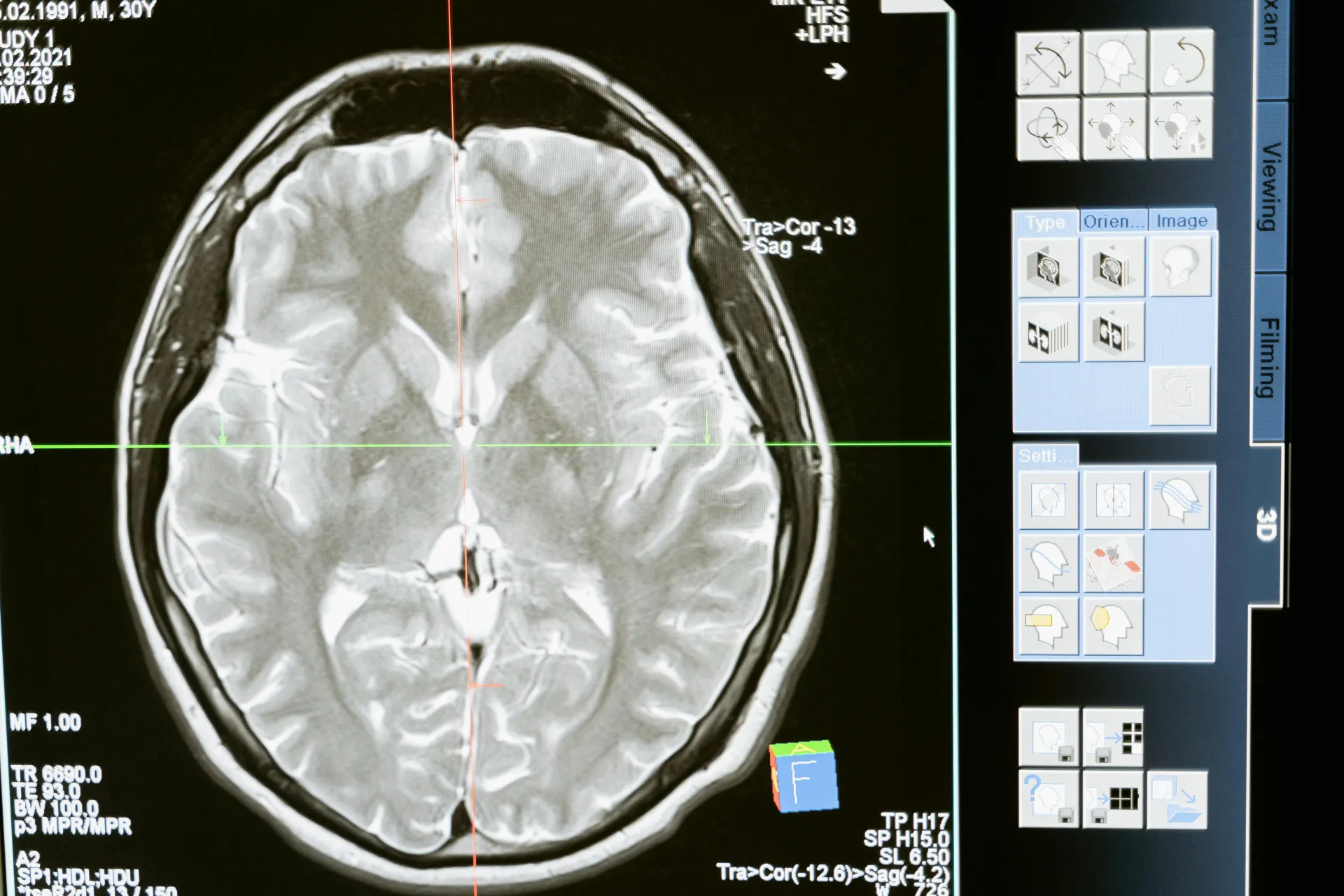
A brain MRI for vertigo is ordered when central causes are suspected -- particularly if vertigo is accompanied by neurological symptoms (weakness, speech changes, severe headache) or if the nystagmus pattern is atypical. MRI can identify stroke, multiple sclerosis plaques, acoustic neuroma, or other brainstem or cerebellar lesions. CT imaging may be used to evaluate the temporal bone structure if cholesteatoma or superior canal dehiscence is suspected.
Hearing Tests (Audiometry)
Because the hearing and balance organs share the same anatomical space in the inner ear, hearing loss accompanying vertigo is diagnostically significant. Audiometry helps differentiate Meniere's disease (low-frequency hearing loss) from labyrinthitis (sudden hearing loss) and acoustic neuroma (gradual one-sided hearing loss). An ENT specialist or audiologist performs the test.
What Is the Epley Manoeuvre and How Effective Is It?
The Epley manoeuvre is a sequence of head and body position changes designed to guide displaced calcium crystals (otoconia) out of the posterior semicircular canal and back into the utricle where they belong. It is performed by a trained clinician and typically takes 5-10 minutes. The success rate is 80-90% after one or two treatments, making it one of the most effective interventions in all of medicine. Some patients feel immediate relief; others notice improvement over 24-48 hours. If you are wondering about session frequency, our guide on how many physiotherapy sessions are needed provides helpful context.
Step-by-Step Epley Manoeuvre
- Step 1: Start seated on the treatment table, head turned 45 degrees toward the affected ear
- Step 2: Lie back quickly with head hanging slightly over the table edge -- hold 30-60 seconds until nystagmus and vertigo subside
- Step 3: Turn head 90 degrees to the opposite side without lifting it -- hold 30-60 seconds
- Step 4: Roll onto your side, turning your head to face the floor -- hold 30-60 seconds
- Step 5: Slowly return to seated position while keeping the head turned
- Post-manoeuvre: Avoid lying flat for a few hours; sleep slightly elevated the first night. Avoid sudden head movements for 24 hours
Other repositioning manoeuvres include the Semont manoeuvre (also for posterior canal BPPV), the BBQ roll (for horizontal canal BPPV), and the deep head-hanging manoeuvre (for anterior canal BPPV). The choice depends on which semicircular canal is affected, which your clinician determines through the Dix-Hallpike and supine roll tests.
Medication Options for Vertigo
Medication plays a role in managing acute vertigo symptoms but should not replace vestibular rehabilitation for long-term recovery. The following medications are commonly prescribed in Dubai for vertigo and dizziness.
| Medication | Type | How It Helps | Duration of Use | Important Notes |
|---|---|---|---|---|
| Betahistine (Serc) | Histamine analogue | Improves inner ear blood flow; reduces vertigo episodes in Meniere's disease | Long-term for Meniere's; short-term for others | Most commonly prescribed vertigo medication in Dubai; well-tolerated |
| Meclizine (Antivert) | Antihistamine/vestibular suppressant | Suppresses vestibular signals; reduces nausea and spinning sensation | Short-term only (3-5 days maximum) | Causes drowsiness; long-term use slows brain compensation |
| Dimenhydrinate (Dramamine) | Antihistamine/anti-emetic | Controls nausea and vomiting during acute vertigo attacks | Short-term (acute episodes only) | Available over-the-counter; causes drowsiness |
| Prochlorperazine (Stemetil) | Dopamine antagonist/anti-emetic | Controls severe nausea and vomiting; reduces vertigo severity | Short-term (3-7 days) | More effective than antihistamines for severe nausea |
| Prednisolone | Corticosteroid | Reduces inflammation of vestibular nerve in acute vestibular neuritis | Short course (7-14 days tapering) | Most effective when started within 72 hours of symptom onset |
| Diazepam (Valium) | Benzodiazepine | Suppresses vestibular activity in severe acute episodes | Very short-term only (1-3 days) | Reserved for severe cases; highly sedating; slows compensation |
Vertigo medications commonly prescribed in Dubai. Always follow your doctor's specific dosing instructions.
Critical point about medication: Vestibular suppressant medications (meclizine, dimenhydrinate, diazepam) should only be used in the acute phase (first 1-3 days of severe symptoms). Prolonged use beyond a few days actually delays recovery because these drugs suppress the brain's natural compensation process. The brain needs to experience the abnormal vestibular signals in order to recalibrate and adapt. This is why vestibular rehabilitation is the evidence-based treatment for lasting recovery.
What Does Vestibular Rehabilitation Therapy Involve?
For conditions beyond BPPV -- such as vestibular neuritis, labyrinthitis, or age-related vestibular decline -- rehabilitation uses three core exercise strategies. These are prescribed based on your specific deficits and progressed over weeks as the brain adapts. The goal is central compensation: training the brain to rely on alternative balance inputs when the vestibular system is damaged.
Habituation Exercises
Habituation exercises involve repeated exposure to movements or visual stimuli that provoke dizziness. By performing these movements in a controlled way, the brain gradually reduces its abnormal response. For example, if turning your head to the right triggers dizziness, you would perform controlled head turns to the right repeatedly until the brain learns to process that movement without alarm. This progressive approach is similar to the principles used in general physiotherapy for pain desensitisation.
Gaze Stabilisation Exercises
These exercises train the vestibulo-ocular reflex (VOR), which keeps your vision stable during head movement. The most common exercise involves fixing your eyes on a target (a letter on a card) while turning your head side to side at increasing speeds. Progressions include performing the exercise while standing, walking, or on an unstable surface. This retrains the neural pathways that keep your vision clear when you move, reducing the blurred or bouncing vision many vestibular patients experience.
Balance Retraining
Balance retraining progressively challenges your stability in increasingly difficult conditions: firm surface to foam, eyes open to eyes closed, static to dynamic, wide stance to narrow stance. The exercises teach the brain to better integrate visual, vestibular, and proprioceptive (body position) information for maintaining balance. This is particularly important for reducing fall risk in older adults with vestibular dysfunction -- see our guide on falls prevention physiotherapy for seniors.
Home Exercises for Vertigo and Dizziness
Home exercises are a critical component of vestibular rehabilitation. Your physiotherapist will prescribe specific exercises based on your diagnosis, but these are some commonly used home-based exercises. Always have a wall, chair, or person nearby for safety.
Brandt-Daroff Exercises (for BPPV)
- Sit upright on the edge of your bed
- Quickly lie down on your left side with your nose pointing 45 degrees upward
- Stay for 30 seconds or until dizziness subsides
- Return to sitting for 30 seconds
- Quickly lie down on your right side, nose pointing 45 degrees upward
- Stay for 30 seconds or until dizziness subsides
- Return to sitting. This completes one repetition. Perform 5-10 repetitions, 2-3 times daily
VOR x1 Exercise (Gaze Stabilisation)
- Hold a card with a letter at arm's length at eye level
- Keep your eyes focused on the letter
- Turn your head slowly side to side, keeping the letter in focus
- Gradually increase head speed as tolerated over days
- Perform for 1-2 minutes, 3-5 times daily
- Progress to vertical head movements, then while standing, then while walking
Triggers to Avoid During Vertigo Recovery
Certain factors can worsen vertigo symptoms or slow the brain's compensation process. During your recovery period, be mindful of the following triggers.
- Excessive caffeine: Can increase anxiety and exacerbate dizziness by stimulating the nervous system
- Alcohol: Directly affects vestibular function and impairs the brain's ability to compensate
- Sleep deprivation: Fatigue significantly worsens vestibular symptoms and slows recovery
- Dehydration: Particularly relevant in Dubai's hot climate; low blood volume contributes to lightheadedness
- Bright, flickering screens: Visually demanding environments (busy malls, scrolling screens, action movies) can overwhelm the vestibular system during recovery
- Skipping home exercises: Inconsistent exercise compliance is the single biggest factor in delayed recovery
- Long-term vestibular suppressant medication: Using meclizine or similar drugs beyond the acute phase actively slows brain compensation
- Avoidance behaviour: Avoiding movements that trigger dizziness feels protective but prevents the brain from recalibrating
When Does Vertigo Need Urgent Investigation?
Most vertigo is caused by benign peripheral vestibular conditions. However, vertigo can occasionally signal something serious. Seek emergency medical attention immediately if your vertigo is accompanied by any of the following warning signs, which may indicate stroke or another central nervous system problem.
- New, severe headache unlike any you have had before
- Slurred speech or difficulty speaking
- Double vision or sudden vision loss
- Numbness or weakness on one side of the face or body
- Inability to walk or severe stumbling (cerebellar signs)
- Vertical nystagmus or nystagmus that changes direction (central pattern)
- New hearing loss with vertigo (may indicate labyrinthitis or acoustic neuroma)
- Loss of consciousness or confusion with dizziness
- Neck pain with vertigo after trauma (may indicate vertebral artery dissection)
A health checkup can help identify cardiovascular risk factors (high blood pressure, diabetes, high cholesterol) that increase stroke probability. If you or someone with you is having stroke symptoms, call 998 (UAE emergency number) immediately. The nearest emergency facility to DCDC is Mediclinic City Hospital within Dubai Healthcare City.
How Long Does Vestibular Rehabilitation Take to Work?
Recovery timelines vary significantly depending on the underlying condition. Here is what to expect with consistent vestibular rehabilitation at our neurorehabilitation clinic.
| Condition | Typical Recovery Timeline | Sessions Needed | Key Factors |
|---|---|---|---|
| BPPV | 1-3 sessions (days to weeks) | 1-3 | May recur in 30-50% of cases within a year; recurrences usually respond quickly to retreatment |
| Vestibular neuritis | 6-12 weeks | 6-12 | Younger patients and those who start rehab early recover faster; complete recovery in 60-70% |
| Labyrinthitis | 8-16 weeks | 8-14 | Similar to neuritis but may have residual hearing changes |
| Meniere's disease | Ongoing management | 6-10 per flare-up | Rehabilitation improves baseline balance; medical management also needed |
| Vestibular migraine | Ongoing management | 8-12 | Rehabilitation improves baseline balance; migraine prevention also needed |
| Age-related vestibular decline | 8-12 weeks for significant improvement | 8-12 | Maintenance exercises needed long-term; combines with falls prevention |
| Post-concussion dizziness | 4-12 weeks | 6-10 | Part of broader concussion rehabilitation |
Timelines assume consistent attendance and daily home exercise compliance.
Vertigo Treatment Cost in Dubai
Understanding the cost of vertigo diagnosis and treatment helps you plan your healthcare journey. Below is a pricing overview for common vertigo-related services in Dubai.
| Service | Approximate Cost (AED) | Notes |
|---|---|---|
| Neurology consultation (initial) | From 500 | Specialist assessment of vertigo cause |
| Physiotherapy/VRT session | From 400 | Includes vestibular assessment and treatment |
| Epley manoeuvre (BPPV treatment) | From 400 | Often combined with initial consultation |
| Brain MRI (without contrast) | 1,200-1,500 | If central cause suspected |
| Videonystagmography (VNG) | 1,000-2,000 | Comprehensive vestibular function testing |
| Audiometry (hearing test) | 200-500 | If hearing changes accompany vertigo |
| Blood tests (anaemia, thyroid) | From 200 | To rule out metabolic causes of dizziness |
Vertigo treatment pricing in Dubai (2026). Costs vary by clinic and case complexity. Most treatments are covered by comprehensive insurance plans.
Most insurance plans in Dubai cover neurology consultations, physiotherapy sessions, and diagnostic imaging for vertigo with a physician referral. At DCDC, we handle pre-authorisation with 20+ insurance partners including Daman, AXA, Bupa, MetLife, and Cigna. Direct billing is available for covered treatments. For more details on insurance coverage for physiotherapy, read our guide on insurance coverage for physiotherapy in Dubai.
Struggling with Vertigo, Dizziness, or Balance Problems?
Do not let dizziness control your life. Our vestibular rehabilitation team at DCDC Dubai Healthcare City will identify the cause and create a targeted treatment plan. BPPV can often be resolved in a single session.
Book a Vestibular Assessment -- Walk-ins Welcome
What to Expect at DCDC
At Doctors Clinic Diagnostic Center in Dubai Healthcare City, vertigo treatment follows a structured, multidisciplinary pathway designed to diagnose accurately and treat effectively. DCDC is a MOHAP-licensed facility with a 4.8/5 Google rating from over 1,000 verified patient reviews.
- Step 1 -- Initial assessment: A thorough history and clinical examination including Dix-Hallpike test, supine roll test, gait assessment, and neurological screening. This determines whether your vertigo is peripheral (inner ear) or central (brain) in origin
- Step 2 -- Diagnostic investigations: If needed, same-day blood tests to rule out anaemia, thyroid dysfunction, or blood sugar abnormalities. Brain MRI or referral to ENT/audiology if central causes or Meniere's disease are suspected
- Step 3 -- Immediate treatment: For BPPV, the Epley manoeuvre is performed in the same session as diagnosis. Many patients walk out of their first appointment feeling dramatically better. For other conditions, a tailored rehabilitation programme is designed
- Step 4 -- Rehabilitation programme: Weekly or bi-weekly physiotherapy sessions with a home exercise programme. Progress is reassessed at each visit and exercises are adjusted as the brain adapts
- Step 5 -- Follow-up and maintenance: Graduation criteria are met when symptoms are resolved and functional tests are normal. For conditions with recurrence risk, maintenance exercises and self-management strategies are provided
According to Dr. Hadi Komshi, DHA-licensed Internal Medicine Specialist at DCDC: "Many patients I see with vertigo have been told to simply wait it out or have been on vestibular suppressant medication for weeks. Both approaches delay recovery. Early, accurate diagnosis followed by targeted vestibular rehabilitation gives the best outcomes -- and for BPPV, the improvement can be almost instantaneous."
Vertigo in Older Adults: Falls Prevention
Age-related vestibular decline is a significant contributor to falls in older adults. The vestibular system naturally loses approximately 40% of its hair cells by age 70, leading to progressive imbalance. However, this decline is treatable and should not be accepted as an inevitable part of ageing.
Falls are the leading cause of injury-related hospital admissions in adults over 65. Vestibular rehabilitation combined with strength training, home hazard assessment, and medication review can reduce fall risk by up to 50%, according to a Cochrane review of fall prevention interventions. At DCDC, our physiotherapy team integrates vestibular rehabilitation with comprehensive falls prevention programmes for older patients.
Expert Vertigo Treatment at DCDC Dubai
From BPPV repositioning to comprehensive vestibular rehabilitation, our multidisciplinary team at DCDC Dubai Healthcare City provides evidence-based vertigo treatment with same-day diagnostic support. Most insurance plans accepted with direct billing.
Call or WhatsApp to book your assessment.
Related Services at DCDC
Expert care and advanced diagnostics at Dubai Healthcare City
Neurorehabilitation
Specialised neurological rehabilitation including vestibular disorders
Book AppointmentPhysiotherapy
Evidence-based physiotherapy for balance and vestibular conditions
Book AppointmentNeurology
Expert neurological evaluation of vertigo, dizziness, and balance disorders
Book AppointmentFrequently Asked Questions
Final Thoughts
Vertigo and dizziness are among the most treatable conditions in rehabilitation medicine, yet many patients suffer for months or years without proper assessment. The key is accurate diagnosis -- BPPV, vestibular neuritis, Meniere's disease, and central vertigo require completely different approaches, and generic balance exercises without proper assessment waste time and can even be harmful. For a broader overview of rehabilitation options, see our complete guide to physiotherapy in Dubai.
If you are experiencing vertigo, dizziness, or balance problems in Dubai, our team at DCDC Dubai Healthcare City can perform a thorough vestibular assessment and start targeted treatment. For BPPV, you may walk out of your first session feeling dramatically better. For other vestibular conditions, a structured rehabilitation programme will progressively restore your confidence and function. For related neurological concerns, see our guide on vertigo treatment in Dubai or read about insurance coverage for physiotherapy to understand your options before booking.
Sources & References
This article was reviewed by our medical team and references the following sources:
- Cochrane Review - The Epley Manoeuvre for Posterior Canal BPPV (2014)
- Journal of Neurology - Clinical Practice Guideline: Vestibular Rehabilitation (2021)
- American Physical Therapy Association - Vestibular Rehabilitation CPG (2022)
- BMJ Best Practice - Benign Paroxysmal Positional Vertigo
- Lancet Neurology - Acute Vestibular Syndrome: Diagnosis and Management (2023)
- Mayo Clinic - Meniere's Disease: Diagnosis and Treatment
- NHS - Labyrinthitis and Vestibular Neuritis
Medical content on this site is reviewed by DHA-licensed physicians. See our editorial policy for more information.

Written by
Dr. Hadi Komshi
Specialist Internal Medicine
MD, DHA-Licensed
Dr. Hadi Komshi is a DHA-licensed Internal Medicine Specialist at Doctors Clinic Diagnostic Center in Dubai Healthcare City, with extensive experience in managing acute and chronic medical conditions including musculoskeletal pain and rehabilitation.
Related Articles
Physiotherapy in Dubai: Your Complete Guide
Vertigo Treatment Dubai: Causes & When to Worry
MRI for Vertigo: When Dizziness Needs Imaging

Migraine Treatment Dubai: Relief & Prevention

Falls Prevention Physiotherapy for Seniors
More in Physiotherapy
Emsella vs Kegels Dubai: Which Works Better? (2026)
Read MoreShin Splints Dubai: Treatment & Recovery (2026)
Read More
Golfer's Elbow vs Tennis Elbow Dubai (2026)
Read MorePhysiotherapy Dubai: Types, Cost & Guide (2026)
Read MorePhysiotherapy Packages Dubai: Save 20%+ (2026)
Read More
Shoulder Pain Dubai: 7 Causes & When to Worry (2026)
Read More© 2026 Doctors Clinic Diagnostic Center (DCDC), Dubai Healthcare City. Originally published at https://doctorsclinicdubai.ae/blog/vestibular-rehabilitation-vertigo-dubai. All rights reserved. Unauthorized reproduction is prohibited.