النقاط الرئيسية
- يعالج العلاج الطبيعي في دبي أكثر بكثير من إصابات الرياضيين — يشمل الحالات العصبية والتعافي بعد الجراحة والألم المزمن وصحة المرأة وتطور الأطفال
- تكلف الجلسة النموذجية AED 300-500 في العيادة، مع التقييمات الأولية عادةً في الطرف الأعلى
- تغطي معظم شركات التأمين الكبرى في الإمارات (ضمان وAXA وBupa وCigna) العلاج الطبيعي بإحالة طبيب، وإن كانت حدود الجلسات تتفاوت
- تستمر جلستك الأولى 45-60 دقيقة وتشمل تقييماً جسدياً كاملاً قبل بدء أي علاج
- ابحث عن معالجين طبيعيين مرخّصين من DHA يتخصصون في حالتك المحددة بدلاً من الاختيار بناءً على القرب فحسب
- توفر العيادات داخل المراكز الطبية كـDCDC ميزة: يستطيع معالجك التشاور مع جراحي العظام وأطباء الباطنة تحت سقف واحد
- تُظهر معظم حالات الجهاز العضلي الهيكلي تحسناً قابلاً للقياس في 4-6 جلسات حين تُقرن ببرنامج تمارين منزلية
- العلاج الطبيعي المبكر للإصابات الحادة يُقلل وقت التعافي الإجمالي بنسبة 30-50% مقارنةً بالراحة وحدها
سواء استيقظت بعنق متصلب أو كنت في طور التعافي من جراحة الركبة أو تعاني من ألم أسفل الظهر المزمن لأشهر، يُرجَّح أن العلاج الطبيعي هو أكثر العلاجات فاعليةً المتاحة لك في دبي. مع ذلك، يُؤجل كثير من المقيمين طلب المساعدة لعدم يقينهم مما يتضمنه العلاج الطبيعي أو ما يكلفه أو ما إذا كان تأمينهم يغطيه. تُقدّم خدمة العلاج الطبيعي في DCDC مواعيد في نفس اليوم في مدينة دبي الطبية.
يُجيب هذا الدليل على كل سؤال عملي عن العلاج الطبيعي في دبي. نغطي أنواع العلاجات المتاحة وما يحدث خلال جلساتك وتوقعات التكلفة الواقعية والتعامل مع التأمين وكيفية إيجاد المعالج الطبيعي المناسب لحالتك. سواء كنت مريضاً للمرة الأولى أو تبحث عن تغيير عيادتك، هذا هو المرجع الذي تحتاجه.
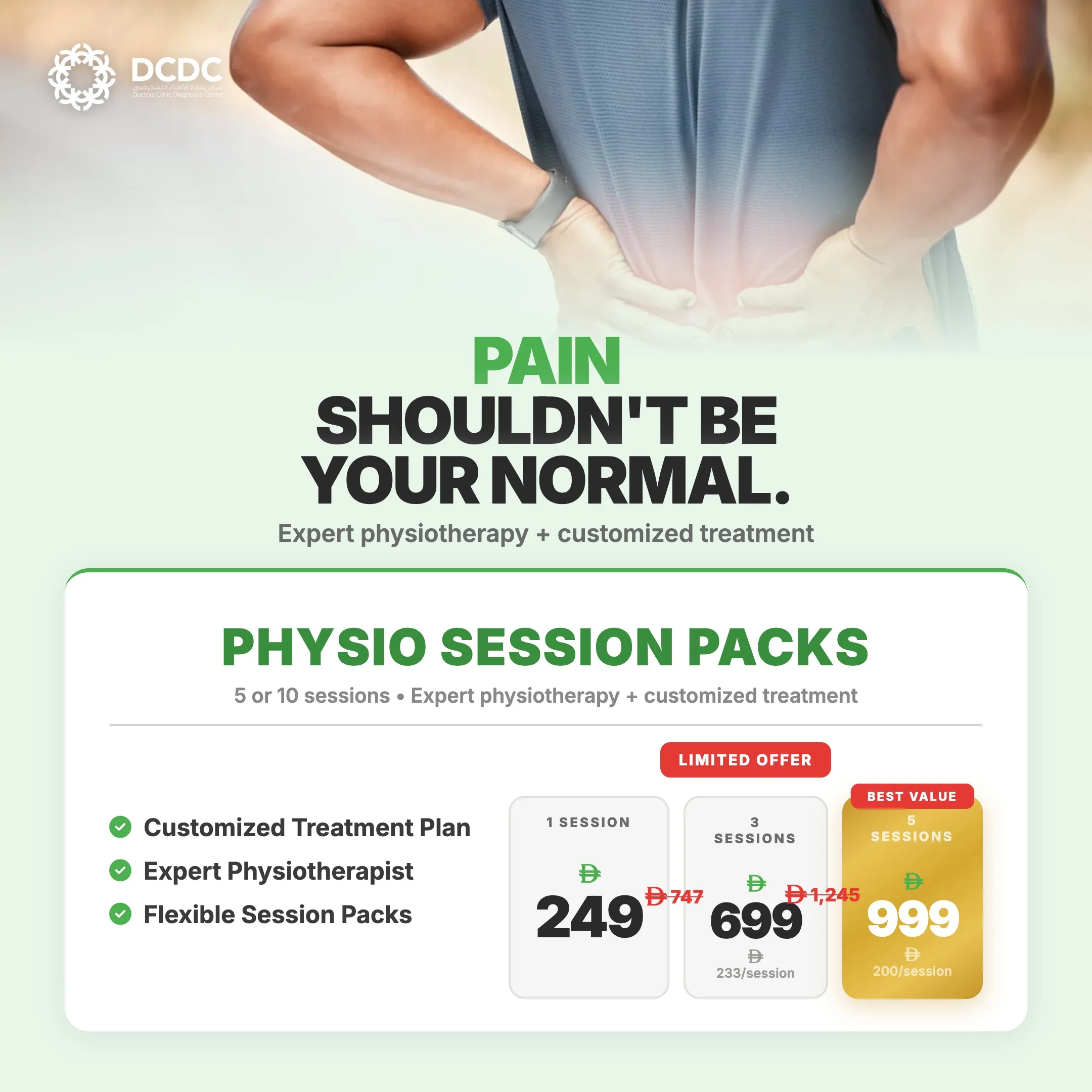
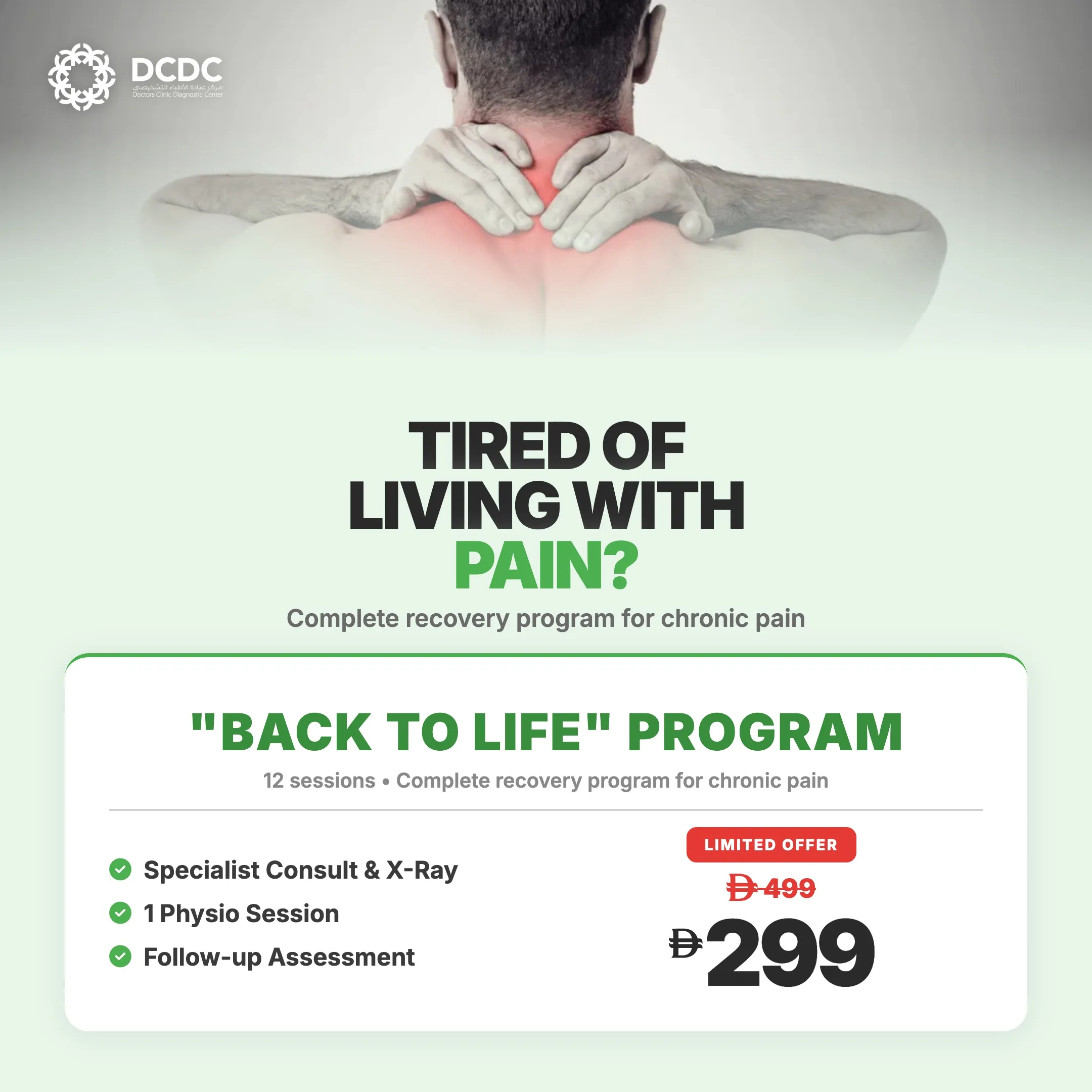
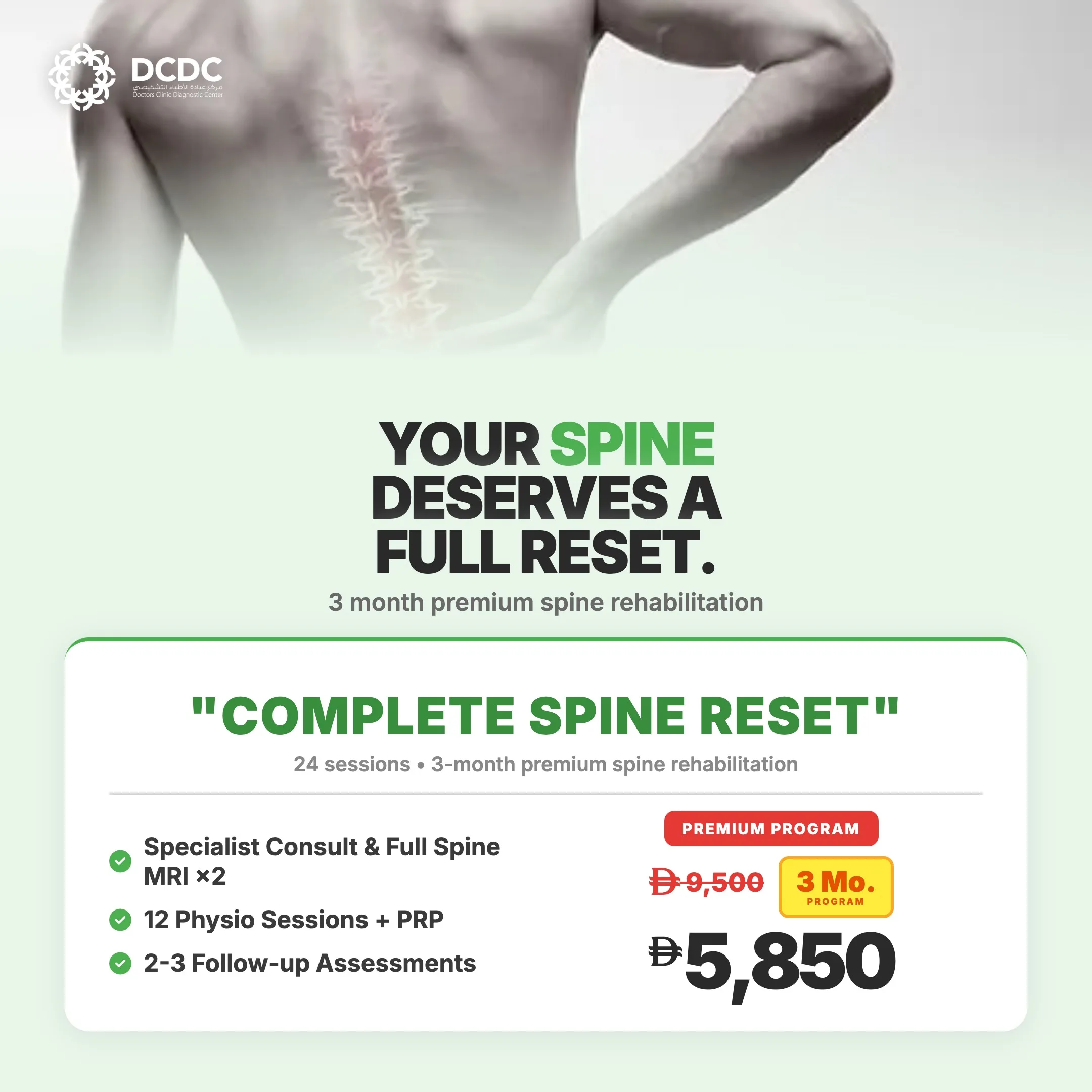
ما هو العلاج الطبيعي ومن يحتاجه؟
العلاج الطبيعي تخصص رعاية صحية يستخدم العلاج اليدوي والتمارين العلاجية والوسائل الفيزيائية لاستعادة الحركة وتقليل الألم ومنع الإعاقة. في دبي، يحمل المعالجون الطبيعيون المرخّصون من DHA على الأقل درجة بكالوريوس في العلاج الطبيعي ويجب أن يجتازوا امتحانات الترخيص للممارسة. العلاج الطبيعي ليس للرياضيين أو مرضى ما بعد الجراحة فحسب — بل مناسب لأي شخص يُقيّد ألمه أو تصلّبه أو ضعفه أنشطته اليومية.
ينبغي أن تفكر في زيارة معالج طبيعي إذا كان لديك ألم يستمر أكثر من بضعة أيام، أو نطاق حركة محدود في أي مفصل، أو صعوبة في المهام اليومية كصعود الدرج أو الرفع، أو مشكلات في التوازن، أو إذا أُحلت بعد جراحة أو تشخيص طبي.
ما أنواع العلاج الطبيعي المتاحة في دبي؟
تعرض دبي الطيف الكامل من تخصصات العلاج الطبيعي، من إعادة التأهيل العضلي الهيكلي والرياضي إلى العلاج الطبيعي العصبي وصحة المرأة. النوع الذي تحتاجه يعتمد على حالتك لا تفضيلك. ستُطابقك العيادة الجيدة مع المتخصص المناسب بعد تقييمك الأولي.
| التخصص | الحالات المعالَجة | المرضى النموذجيون |
|---|---|---|
| العضلي الهيكلي | آلام الظهر، ألم الرقبة، تصلب المفاصل، التهاب المفاصل، اعتلالات الأوتار | موظفو المكاتب، كبار السن، أي شخص يعاني ألم مفصل أو عضلة |
| العلاج الطبيعي الرياضي | تمزق الأربطة، إجهاد العضلات، إصابات الإفراط في الاستخدام، العودة للرياضة | الرياضيون، رواد الصالات، الرياضيون في عطل نهاية الأسبوع |
| ما بعد الجراحة | إعادة بناء الرباط الصليبي، استبدال المفاصل، جراحة العمود الفقري، تثبيت الكسور | المرضى المتعافون من جراحات العظام |
| العصبي | التعافي من السكتة الدماغية، الشلل الرعاش، التصلب المتعدد، إصابة الحبل الشوكي | المرضى ذوو التشخيصات العصبية |
| صحة المرأة | خلل قاع الحوض، التعافي بعد الولادة، الألم المرتبط بالحمل | الحوامل، الأمهات الجدد، النساء ذوات مشكلات الحوض |
| الأطفال | تأخر النمو، الصعر، الشلل الدماغي، إصابات الأطفال الرياضية | الأطفال والمراهقون |
| القلب والرئتين | ما بعد جراحة القلب، الانسداد الرئوي المزمن، اضطرابات نمط التنفس | المرضى ذوو الحالات القلبية أو الرئوية |
أنواع العلاج الطبيعي المتاحة في دبي والحالات التي تعالجها
للاطلاع على معلومات تفصيلية عن العلاج الطبيعي الرياضي المحدد، راجع الدليل الكامل للعلاج الطبيعي الرياضي.
ما الحالات التي يعالجها العلاج الطبيعي؟
يعالج العلاج الطبيعي طيفاً واسعاً من الحالات عبر كل جهاز جسدي يتضمن الحركة. في دبي، أكثر الأسباب شيوعاً التي تدفع الناس لطلب العلاج الطبيعي ألم أسفل الظهر ومشكلات الرقبة والكتف وإصابات الركبة وإعادة التأهيل بعد الجراحة. غير أن النطاق يمتد بكثير إلى ما وراء المشكلات العضلية الهيكلية.
| منطقة الجسم | الحالات الشائعة | الجلسات النموذجية اللازمة |
|---|---|---|
| أسفل الظهر | انزلاق الديسك، عرق النسا، ألم أسفل الظهر المزمن، تضيق القناة الشوكية | 6-12 |
| الرقبة والكتف | الكتف المتجمد، تمزق الكفة المدورة، الداء العنقي الفقاري، الجلد الجلادي | 8-20 |
| الركبة | تمزق الرباط الصليبي الأمامي/الإنسي، إصابات الغضروف، ألم الرضفة الفخذية، التهاب المفاصل | 8-30+ |
| الورك | تلامس الورك، التهاب الجراب، إعادة التأهيل بعد استبدال الورك | 8-16 |
| الكاحل والقدم | إصابات الكاحل، التهاب اللفافة الأخمصية، اعتلال وتر أكيليس | 4-10 |
| الكوع والرسغ | كوع التنس، متلازمة النفق الرسغي، كوع الغولف | 6-10 |
| العصبي | إعادة تأهيل السكتة الدماغية، اضطرابات التوازن، اعتلال الأعصاب المحيطية | 20-50+ |
الحالات الشائعة التي يعالجها العلاج الطبيعي ومدة العلاج النموذجية
للاطلاع على تفصيل تفصيلي لمدة العلاج حسب الحالة، اقرأ دليلنا عن عدد جلسات العلاج الطبيعي التي تحتاجها فعلاً.
عدد جلسات العلاج الطبيعي حسب الحالة
من أكثر الأسئلة شيوعاً التي يطرحها المرضى: كم جلسة سأحتاج؟ تعتمد الإجابة على الحالة وشدتها ومدى التزامك ببرنامج التمارين المنزلية. يُقدّم الجدول أدناه تقديرات واقعية مستندة إلى الإرشادات السريرية ونتائج مرضى DCDC.
| الحالة | الجلسات النموذجية | تكرار الجلسات | النتيجة المتوقعة |
|---|---|---|---|
| إجهاد عضلي حاد | 3-5 | مرتان أسبوعياً | تعافٍ كامل في 2-4 أسابيع |
| ألم أسفل الظهر المزمن | 8-12 | مرتان أسبوعياً ثم مرة | تراجع ملحوظ للألم، العودة للنشاط الطبيعي |
| الكتف المتجمد (التهاب المحفظة اللاصق) | 12-24 | 2-3 مرات أسبوعياً | استعادة تدريجية لنطاق الحركة على مدى 3-6 أشهر |
| إعادة تأهيل إعادة بناء الرباط الصليبي | 24-36 | 3 مرات أسبوعياً في البداية | العودة للرياضة في 9-12 شهراً |
| إعادة تأهيل الاستبدال الكلي للركبة | 16-24 | 3 مرات أسبوعياً ثم مرتان | تعافٍ وظيفي كامل في 3-6 أشهر |
| كوع التنس (التهاب اللقيمة الجانبي) | 6-10 | 1-2 مرة أسبوعياً | زوال الألم في 6-12 أسبوعاً |
| التهاب اللفافة الأخمصية | 4-8 | 1-2 مرة أسبوعياً | تراجع الألم في 4-8 أسابيع، الزوال الكامل 3-6 أشهر |
| ألم الرقبة / الداء العنقي الفقاري | 6-10 | مرتان أسبوعياً | تخفيف الألم وتحسين الحركة في 3-5 أسابيع |
| إعادة التأهيل بعد السكتة الدماغية | 30-50+ | 3-5 مرات أسبوعياً | مستمر — أقصى تعافٍ على مدى 6-12 شهراً |
| خلل قاع الحوض | 6-12 | 1-2 مرة أسبوعياً | تحسن ضبط البول والدعم الحوضي في 8-12 أسبوعاً |
تقديرات الجلسات إرشادات عامة. سيُعدّل معالجك الخطة بناءً على تقدمك. الالتزام بالتمارين المنزلية يؤثر بشكل كبير على سرعة التعافي.
برنامج التمارين المنزلية: مفتاح التعافي
تُثبت الأبحاث باستمرار أن المرضى الذين يؤدون تمارينهم المنزلية وفق الوصفة يتعافون بنسبة 30-50% أسرع ممن يحضرون جلسات العيادة فحسب. جلسات علاجك الطبيعي هي الأساس — توفر التقييم والعلاج اليدوي وتعليم التمارين — لكن التعافي الفعلي للأنسجة ومكاسب القوة تحدث بين الجلسات حين تؤدي تمارينك باستمرار.
- توقع 3-5 تمارين لكل جلسة: سيصف معالجك الطبيعي عدداً يمكن إدارته من التمارين تستهدف مشكلتك المحددة. الجودة والاتساق أهم من الكمية
- التمارين تتقدم مع الوقت: مع تحسنك، ستزداد صعوبة تمارينك. هذا التحميل التدريجي ضروري لبناء القوة ومنع إعادة الإصابة
- التوقيت مهم: تستلزم معظم البرامج المنزلية 15-20 دقيقة للجلسة، مرة إلى مرتين يومياً. جدولها في الوقت ذاته كل يوم لبناء عادة
- تواصل مع معالجك: إذا تسبب تمرين في ألم حاد (خلافاً للإزعاج الخفيف)، أخبر معالجك الطبيعي لتعديله. لا تستمر رغم الألم الحاد
- تتبع تقدمك: لاحظ التمارين التي تصبح أسهل وأيها لا تزال تُشكّل تحدياً. تساعد هذه التغذية الراجعة معالجك على تعديل البرنامج بفاعلية
ماذا يحدث خلال جلسة العلاج الطبيعي؟
تتبع جلسة العلاج الطبيعي في دبي عملية سريرية منظمة. زيارتك الأولى تقييم بالدرجة الأولى، بينما جلسات المتابعة تركّز على العلاج. فهم العملية يساعدك على التحضير بشكل مناسب والحصول على قيمة أكبر من كل موعد.
الجلسة الأولى (45-60 دقيقة)
- مراجعة التاريخ الطبي: يستعرض معالجك الطبيعي أعراضك وتاريخك الطبي ونتائج الأشعة وأي ملاحظات إحالة من طبيبك
- التقييم الجسدي: اختبار نطاق الحركة واختبار القوة واختبارات العظام المتخصصة وتحليل الوضعية وفحص الحركة الوظيفية
- التشخيص والشرح: يشرح معالجك ما أصابك بلغة بسيطة وما يُسبب أعراضك والجدول الزمني المتوقع للتعافي
- العلاج الأولي: تشمل معظم الجلسات الأولى بعض العلاج اليدوي لتوفير راحة فورية
- برنامج التمارين المنزلية: تحصل على 3-5 تمارين لتبدأ بها في المنزل بين الجلسات
- خطة العلاج: يُحدد معالجك عدد الجلسات الموصى بها وتكرارها وأهدافها
للاطلاع على شرح أكثر تفصيلاً، اقرأ مقالتنا عن ما تتوقعه في جلسة العلاج الطبيعي الأولى.
جلسات المتابعة (30-45 دقيقة)
- فحص التقدم: إعادة تقييم مختصرة للأعراض والحركة منذ الزيارة الأخيرة
- العلاج اليدوي: تعبئة المفاصل أو عمل الأنسجة الرخوة أو التلاعب عند الحاجة
- التمارين العلاجية: تمارين موجّهة تتصاعد في الصعوبة مع تحسنك
- الوسائل العلاجية: العلاج بموجات الصدمة أو الوخز الجاف أو الموجات فوق الصوتية أو التيبيد إذا كان مُشاراً إليه سريرياً
- تحديث البرنامج المنزلي: تُطوَّر التمارين أو تُعدَّل بناءً على استجابتك
كم تكلف العلاج الطبيعي في دبي؟
تتفاوت تكاليف العلاج الطبيعي في دبي بشكل ملحوظ تبعاً لنوع المنشأة وتخصص المعالج وما إذا كنت تستخدم التأمين أو تدفع من جيبك. العلاج الطبيعي في العيادات أكثر اقتصادية عموماً من العلاج في المستشفيات، فيما يحمل العلاج الطبيعي المنزلي علاوةً مقابل الراحة.
| نوع الخدمة | العيادة (AED) | المستشفى (AED) | الزيارة المنزلية (AED) |
|---|---|---|---|
| التقييم الأولي | 350-500 | 500-800 | 600-1,000 |
| جلسة المتابعة | 250-400 | 400-600 | 500-800 |
| علاج طبيعي متخصص (رياضي/عصبي) | 350-500 | 500-900 | 700-1,200 |
| حزمة (10 جلسات) | 2,500-3,500 | 4,000-6,000 | 5,000-8,000 |
التسعير النموذجي للعلاج الطبيعي في دبي (تقديرات 2026)
للاطلاع على تفصيل شامل يشمل معدلات تعويض التأمين وحزم الدفع الذاتي، راجع دليل تكلفة العلاج الطبيعي المخصص لدينا.
هل يغطي التأمين العلاج الطبيعي في دبي؟
تغطي معظم خطط التأمين الصحي المحسّنة في الإمارات العلاج الطبيعي حين يصفه طبيب مُحيل. تشمل خطة DHA الأساسية الإلزامية (خطة المنافع الأساسية) تغطية محدودة لإعادة التأهيل، بينما توفر الخطط الشركاتية والفردية المحسّنة عادةً مزايا أوسع للعلاج الطبيعي. تستلزم التغطية عادةً رسالة إحالة وتفويضاً مسبقاً من شركة التأمين.
- ضمان: تغطي معظم الخطط 10-20 جلسة لكل حالة سنوياً بإحالة
- AXA / GIG Gulf: تغطي الخطط المحسّنة عادةً 12-15 جلسة بتفويض مسبق
- Bupa Global: تغطية شاملة، كثيراً 20+ جلسة بإحالة متخصص
- Cigna: يتفاوت حسب مستوى الخطة، عموماً 10-15 جلسة بإحالة طبيب عام
- MetLife: عادةً 10-12 جلسة سنوياً عبر جميع الحالات
قد يكون تأمين العلاج الطبيعي معقداً. اقرأ دليلنا الكامل عن تغطية تأمين العلاج الطبيعي في دبي للاطلاع على إرشادات خطوة بخطوة للحصول على موافقة جلساتك.
كيف تختار العيادة الطبيعية الصحيحة في دبي؟
اختيار عيادة العلاج الطبيعي الصحيحة أهم مما يُدرك معظم المرضى. يمكن أن تُؤثر جودة التقييم ونهج العلاج واستمرارية الرعاية بشكل ملحوظ على نتيجتك. في مدينة بمئات العيادات، ستساعدك هذه المعايير على تضييق خياراتك.
- ترخيص DHA: تحقق من أن العيادة والمعالجين الأفراد مرخّصون من DHA. هذا متطلب قانوني لا اختياري
- تطابق التخصص: معالج رياضي قد لا يكون الأنسب لإعادة التأهيل بعد السكتة الدماغية، والعكس صحيح. اسأل عن خبرة معالجك مع حالتك المحددة
- الجلسات الفردية: بعض العيادات تُعيّن مساعدي معالج أو تُجري جلسات جماعية. تأكد من حصولك على وقت فردي مخصص مع معالج طبيعي مؤهل
- الوصول متعدد التخصصات: العيادات داخل المراكز الطبية تستطيع التشاور مع جراحي العظام وأطباء الأشعة وأطباء الباطنة عند الحاجة دون إحالتك لمكان آخر
- النهج القائم على الدليل: اسأل عن فلسفة العلاج. إشارات التحذير تشمل العيادات التي تعد بشفاء مضمون أو توصي بعشرات الجلسات مقدماً أو تعتمد كثيراً على الوسائل السلبية دون تمارين نشطة
- دعم التمارين المنزلية: تعافيك يحدث في الغالب خارج العيادة. يُقدم المعالجون الجيدون برامج تمارين منزلية واضحة، كثيراً مع عروض فيديو توضيحية
- معالجة التأمين: إذا كنت تستخدم التأمين، تأكد من أن العيادة ضمن شبكة مزودك لتجنب رفض المطالبات
لماذا يهم نموذج العيادة المتكاملة للعلاج الطبيعي؟
يوفر نموذج العيادة المتكاملة — حيث يعمل العلاج الطبيعي جنباً إلى جنب مع التخصصات الطبية الأخرى تحت سقف واحد — مزايا قابلة للقياس على مراكز العلاج الطبيعي المستقلة. حين يكون لدى معالجك أسئلة حول نتائج الأشعة أو تفاعلات الأدوية أو الاعتبارات الجراحية، يستطيع التشاور مع زملائه فوراً بدلاً من إرسال خطابات بين منشآت منفصلة.
في DCDC بمدينة دبي الطبية، يعمل فريق العلاج الطبيعي لدينا جنباً إلى جنب مع جراحي العظام وأطباء الباطنة وخدمات التصوير التشخيصي. هذا يعني أن إعادة التأهيل بعد الجراحة تُنسَّق مباشرةً مع جراحك، ويمكن مراجعة أشعتك في الموقع إذا اشتبه معالجك في تشخيص فائت، وتأخذ خطة علاجك بالاعتبار صورتك الطبية الكاملة.
ما التقنيات العلاجية التي يستخدمها المعالجون الطبيعيون؟
يجمع العلاج الطبيعي الحديث بين العلاج اليدوي ووصف التمارين النشطة والوسائل المتخصصة. تعتمد التقنيات المحددة المستخدمة على حالتك ومرحلة تعافيك واستجابتك للعلاج. إليك أكثر الأساليب شيوعاً في عيادات دبي.
- العلاج اليدوي: تعبئة المفاصل والتلاعب بها لاستعادة الحركة وتقليل التصلب
- التمارين العلاجية: تمارين تقوية وإطالة وتوازن وتنسيق مُصمَّمة لحالتك
- الوخز الجاف: إدخال إبر رفيعة في نقاط الزناد لإطلاق التوتر العضلي وتقليل الألم. اطّلع على دليل الوخز الجاف
- العلاج بموجات الصدمة (ESWT): موجات صوتية تُحفّز التئام الأنسجة في حالات الأوتار المزمنة. راجع مقارنة موجات الصدمة والعلاج الطبيعي
- العلاج الكهربائي: TENS والتيار التداخلي والتحفيز الكهربائي العصبي العضلي لتخفيف الألم وتنشيط العضلات
- الشريط الكينيزيولوجي: شريط علاجي مرن لدعم المفاصل والعضلات أثناء النشاط
- العلاج بالحرارة والبرودة: وسائل حرارية لإدارة الالتهاب وتعزيز تدفق الدم
متى ترى المعالج الطبيعي مقابل طبيب العظام؟
في دبي، يمكنك الوصول للعلاج الطبيعي من خلال إحالة مباشرة من أي طبيب، أو في بعض الحالات من خلال الإحالة الذاتية تبعاً لخطة تأمينك. كقاعدة عامة، ارَ الطبيب أولاً إذا تعرضت لصدمة كبيرة أو اشتبهت بكسر أو كانت لديك أعراض كالخدر أو الضعف أو فقدان السيطرة على المثانة. لآلام الظهور التدريجي أو التصلب أو مشكلات الحركة، يُعدّ المعالج الطبيعي كثيراً نقطة الاتصال الأولى الأنسب.
| السيناريو | ابدأ بـ |
|---|---|
| إصابة مفاجئة مع تورم وعدم قدرة على تحمّل الوزن | طبيب العظام / الطوارئ |
| ألم ظهر أو رقبة تدريجي الظهور | المعالج الطبيعي |
| التعافي بعد الجراحة | الجراح للإذن، ثم المعالج الطبيعي |
| ألم مزمن يستمر أشهراً | المعالج الطبيعي (قد يُحيل للطبيب إذا لزم) |
| خدر أو وخز أو ضعف في الأطراف | الطبيب أولاً للتقييم العصبي |
| إصابة رياضية — لا يزال يتحرك لكن مع ألم | المعالج الطبيعي |
| تصلب مفصل بعد فترة ثبات | المعالج الطبيعي |
مرجع سريع: المعالج الطبيعي مقابل طبيب العظام كنقطة اتصال أولى
احجز تقييم العلاج الطبيعي في DCDC
يُقدّم فريق العلاج الطبيعي المرخّص من DHA في مدينة دبي الطبية تقييمات شاملة وخطط علاج مخصصة. مواعيد متاحة خلال نفس الأسبوع.
اتصل بنا أو أرسل رسالة واتساب لجدولة استشارتك الأولية.
ما أكثر الأخطاء الشائعة التي يرتكبها المرضى في العلاج الطبيعي؟
فهم المزالق الشائعة يوفر عليك الوقت والمال والألم غير الضروري. هذه أكثر الأخطاء التي يصادفها فريق العلاج الطبيعي لدينا بين مرضى دبي.
- الانتظار طويلاً: يتحمل كثير من المرضى أسابيع أو أشهراً من الألم قبل طلب المساعدة. التدخل المبكر يُفضي شبه دائم لتعافٍ أسرع وأكثر اكتمالاً
- تخطي التمارين المنزلية: جلساتك جزء من العلاج فحسب. برنامج التمارين المنزلية هو حيث يحدث معظم التعافي الفعلي
- توقع العلاج السلبي فحسب: التدليك والموجات فوق الصوتية ممتعة لكن التمارين النشطة تُحدث التغييرات الدائمة. كن حذراً من العيادات التي تعرض وسائل سلبية فحسب
- التوقف مبكراً: تراجع الألم لا يعني اكتمال التعافي. إكمال برنامج إعادة التأهيل يُقلل بشكل ملحوظ من خطر إعادة الإصابة
- عدم التواصل مع معالجك: إذا كان تمرين يؤلم أو لم تكن تتحسن أو كانت لديك مخاوف، تكلّم. يحتاج معالجك ملاحظاتك لتعديل الخطة
- التنقل بين المعالجين: التنقل بين معالجين متعددين يمنع أي طبيب منهم من بناء خطة علاج متماسكة. أعطِ معالجك 4-6 جلسات قبل إعادة التقييم
كيف تستعد للعلاج الطبيعي في مناخ دبي؟
تضيف حرارة دبي بُعداً فريداً للعلاج الطبيعي وإعادة التأهيل. الجفاف يزيد تصلب العضلات وخطر الإصابة، بينما البيئات المُكيَّفة قد تُخفي الحاجة للإحماء المناسب. إذا وصف معالجك المشي أو التمارين في الخارج، جدولها في الصباح الباكر أو المساء. حافظ على رطوبة جيدة قبل الجلسات — العضلات المجفّفة تستجيب بشكل أقل للعلاج اليدوي وأكثر عرضة لإيلام ما بعد العلاج.
لإعادة التأهيل القائمة على التمارين مثل تمارين ألم أسفل الظهر، حافظ على الاتساق بغض النظر عن الطقس باستخدام البدائل الداخلية حين تكون التمارين الخارجية غير عملية خلال أشهر الصيف.
خدمات ذات صلة في DCDC
رعاية متخصصة وتشخيص متقدم في مدينة دبي الطبية
Physiotherapy
Evidence-based physiotherapy for pain relief and functional recovery
احجز موعدSports Rehabilitation
Structured return-to-sport programmes for athletes of all levels
احجز موعدPost-Surgical Rehabilitation
Guided recovery programmes following orthopaedic and other surgeries
احجز موعدRehabilitation Services
Comprehensive rehabilitation and recovery services at DCDC
احجز موعدالأسئلة الشائعة
الخلاصة
تطور العلاج الطبيعي في دبي بشكل ملحوظ خلال العقد الماضي، مع عدد متزايد من الممارسين المؤهلين المرخّصين من DHA الذين يُقدمون علاجاً قائماً على الدليل. مفتاح النتيجة الناجحة هو مطابقة النوع الصحيح من العلاج الطبيعي لحالتك المحددة، والالتزام بخطة العلاج بما فيها التمارين المنزلية، واختيار عيادة تُقدم رعاية فردية حقيقية مع معالجين مؤهلين.
في DCDC بمدينة دبي الطبية، نموذجنا المتكامل يعني أن علاجك الطبيعي لا يعزل أبداً عن بقية رعايتك الصحية. سواء احتجت أشعة أو رأي متخصص أو خطة منسقة بعد الجراحة، كل شيء في متناول يدك تحت سقف واحد. إذا كنت تعاني ألماً أو تصلباً أو حركة محدودة، لا تنتظر — التدخل المبكر يُنتج باستمرار نتائج أفضل.
المصادر والمراجع
تمت مراجعة هذا المقال من قبل فريقنا الطبي ويستند إلى المصادر التالية:
- World Physiotherapy — What is Physiotherapy
- DHA Healthcare Professionals Licensing Requirements
- Chartered Society of Physiotherapy — What Physiotherapists Do
- National Institute for Health and Care Excellence (NICE) — Low Back Pain Guidelines
- British Journal of Sports Medicine — Early Physiotherapy Intervention
- Dubai Health Authority — Insurance Coverage Standards
يتم مراجعة المحتوى الطبي على هذا الموقع من قبل أطباء مرخصين من هيئة الصحة. اطلع على سياستنا التحريرية لمزيد من المعلومات.
كتبه
Dr. Hadi Komshi
طبيب باطني متخصص
دكتوراه في الطب، مرخص من هيئة الصحة بدبي
Dr. Hadi Komshi متخصص طب باطني مرخّص من DHA في Doctors Clinic Diagnostic Center بمدينة دبي الطبية، ذو خبرة واسعة في إدارة الحالات الطبية الحادة والمزمنة بما فيها ألم الجهاز العضلي الهيكلي وإعادة التأهيل.
مقالات ذات صلة
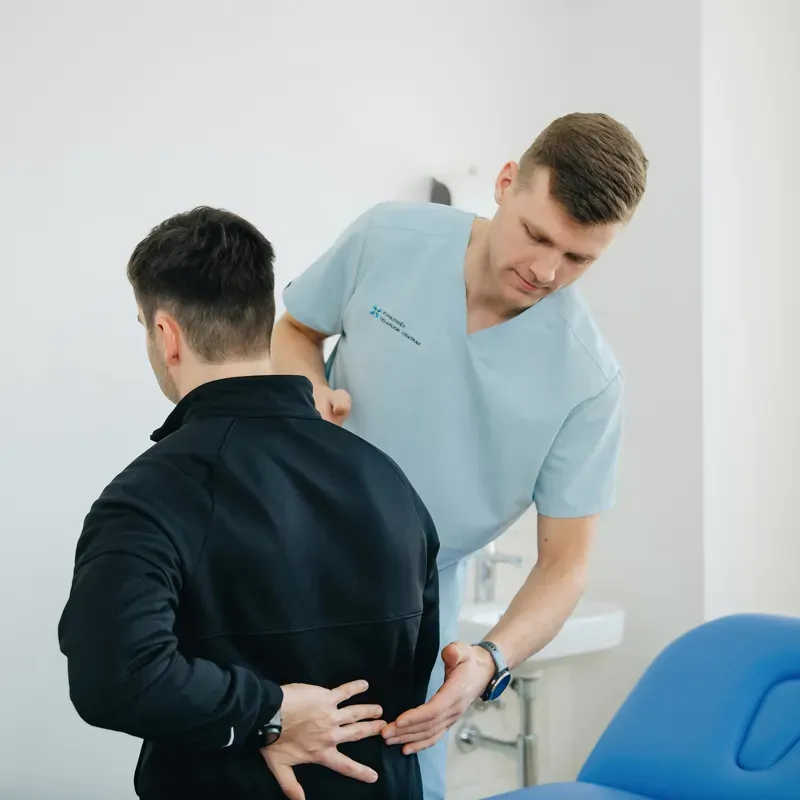
تكلفة العلاج الطبيعي في دبي 2026: التسعير وتغطية التأمين والحزم

هل يغطي التأمين العلاج الطبيعي في دبي؟ الدليل الشامل
جلسة العلاج الطبيعي الأولى: ما تتوقعه خطوة بخطوة
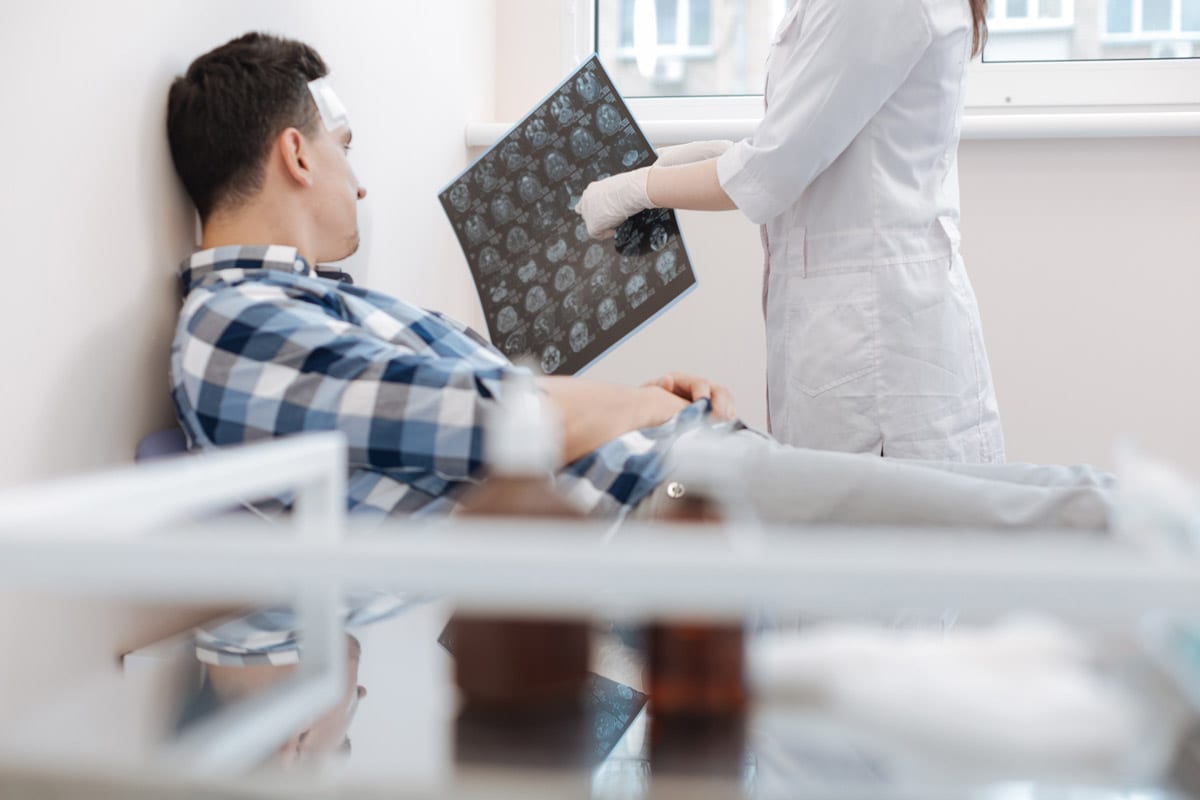
كم عدد جلسات العلاج الطبيعي التي تحتاجها؟
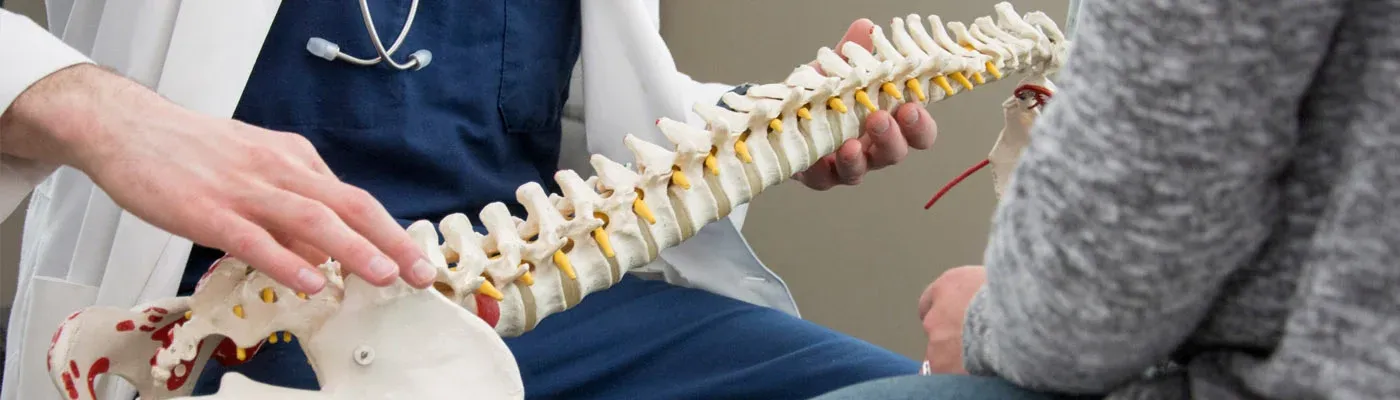
إعادة تأهيل الديسك المنفتق: الجدول الزمني الكامل للتعافي
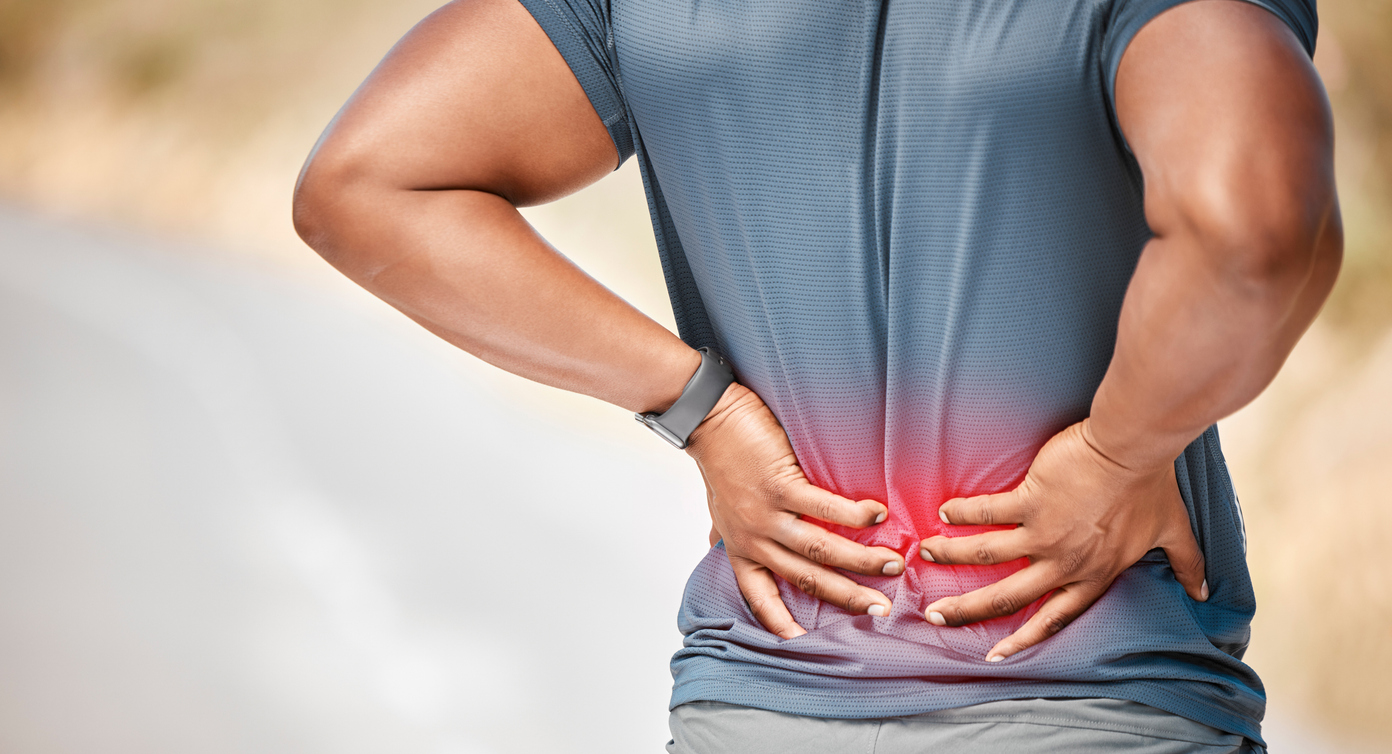
علاج عرق النسا: العلاج الطبيعي مقابل الجراحة
تمارين ألم أسفل الظهر: دليل العلاج الطبيعي
علاج الكتف المتجمد: نهج العلاج الطبيعي

كوع التنس: لماذا لا تكفي الراحة وحدها
تمارين الكفة المدورة: دليل التعافي بالعلاج الطبيعي
تعافي إصابة الرباط الصليبي: دليل إعادة التأهيل الكامل
العلاج الطبيعي الرياضي في دبي: الدليل الشامل

التهاب اللفافة الأخمصية: كيف يساعد العلاج الطبيعي
علاج طبيعي لقاع الحوض في دبي: الدليل الشامل
تمارين العلاج الطبيعي قبل الولادة لحمل صحي
خارطة طريق التعافي بالعلاج الطبيعي بعد الجراحة
العلاج الطبيعي المنزلي في دبي: متى ولماذا تختاره
علاج طبيعي لألم الرقبة في دبي: دليل العلاج المتخصص
المزيد في Physiotherapy
Emsella vs Kegels Dubai: Which Works Better? (2026)
اقرأ المزيدShin Splints Dubai: Treatment & Recovery (2026)
اقرأ المزيد
Golfer's Elbow vs Tennis Elbow Dubai (2026)
اقرأ المزيد
Vestibular Rehab Dubai: Treatment for Vertigo (2026)
اقرأ المزيدPhysiotherapy Packages Dubai: Save 20%+ (2026)
اقرأ المزيد
Shoulder Pain Dubai: 7 Causes & When to Worry (2026)
اقرأ المزيد© 2026 Doctors Clinic Diagnostic Center (DCDC), Dubai Healthcare City. Originally published at https://doctorsclinicdubai.ae/blog/physiotherapy-dubai-complete-guide. All rights reserved. Unauthorized reproduction is prohibited.