Key Takeaways
- Exercise during pregnancy is safe and recommended — women who exercise regularly have shorter labours and faster recoveries
- Each trimester requires different exercise modifications as your body changes
- Pelvic girdle pain affects 1 in 5 pregnant women and responds well to targeted physiotherapy
- Stop exercising immediately if you experience bleeding, dizziness, chest pain, or fluid leakage
- Pelvic floor exercises during pregnancy reduce incontinence risk by up to 50%
- Dubai's heat means pregnant women should exercise indoors or during cooler hours and stay well hydrated
- Exercises that prepare the body for labour — squats, breathing techniques, and perineal stretching — can reduce intervention rates
- Avoid lying flat on your back after 16 weeks and skip contact sports, hot yoga, and heavy lifting
You just found out you are pregnant and your first thought about exercise is probably: what is still safe? The answer may surprise you. International guidelines from ACOG and the Royal College of Obstetricians recommend that healthy pregnant women get at least 150 minutes of moderate-intensity exercise per week throughout pregnancy. Our Gynecology Obstetrics service at DCDC offers same-day appointments in Dubai Healthcare City.
The real question is not whether to exercise, but how to exercise safely as your body changes trimester by trimester. At DCDC's Obstetrics & Gynaecology department, we work with our physiotherapy team to create individualised prenatal exercise programmes that keep you strong, manage pain, and prepare your body for labour.
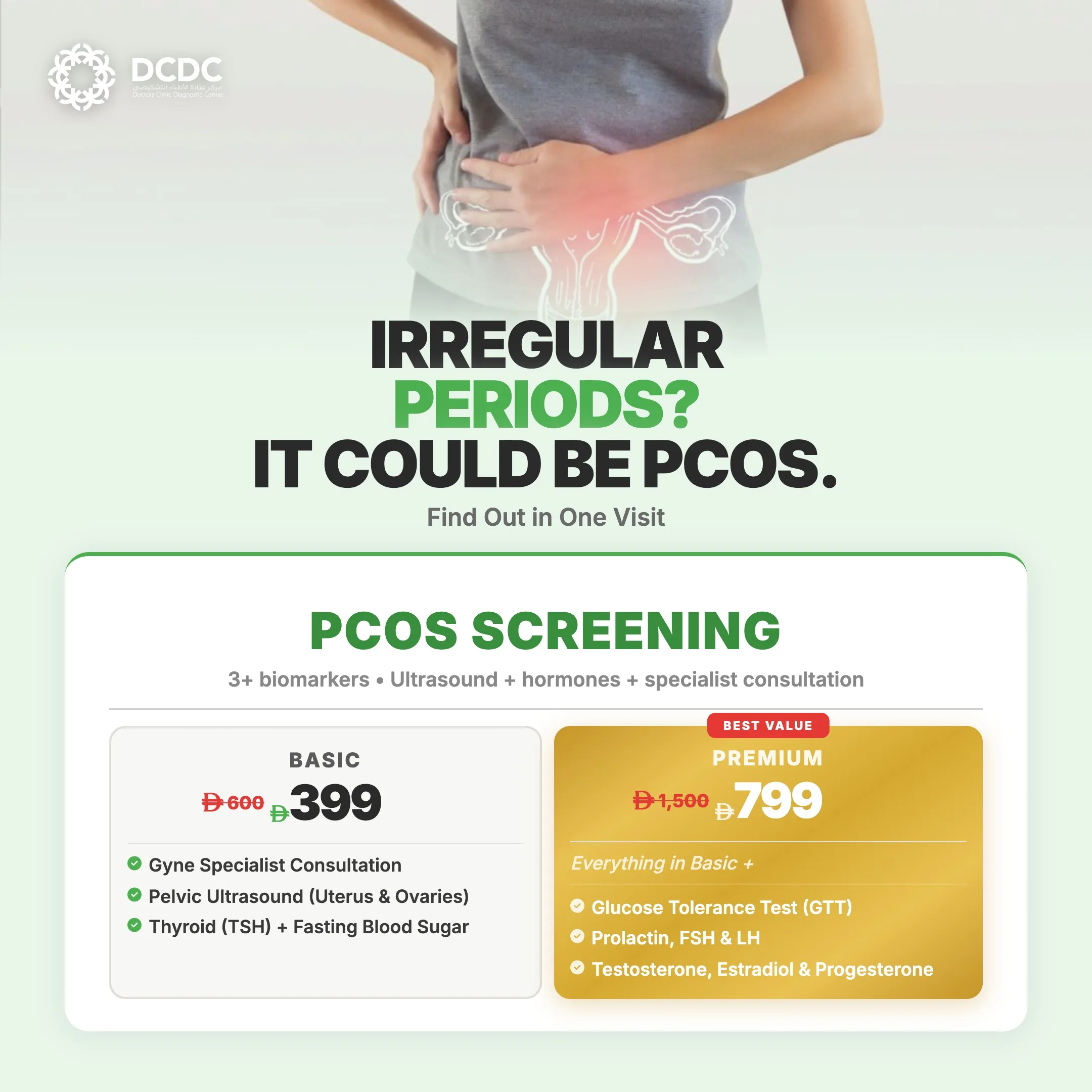
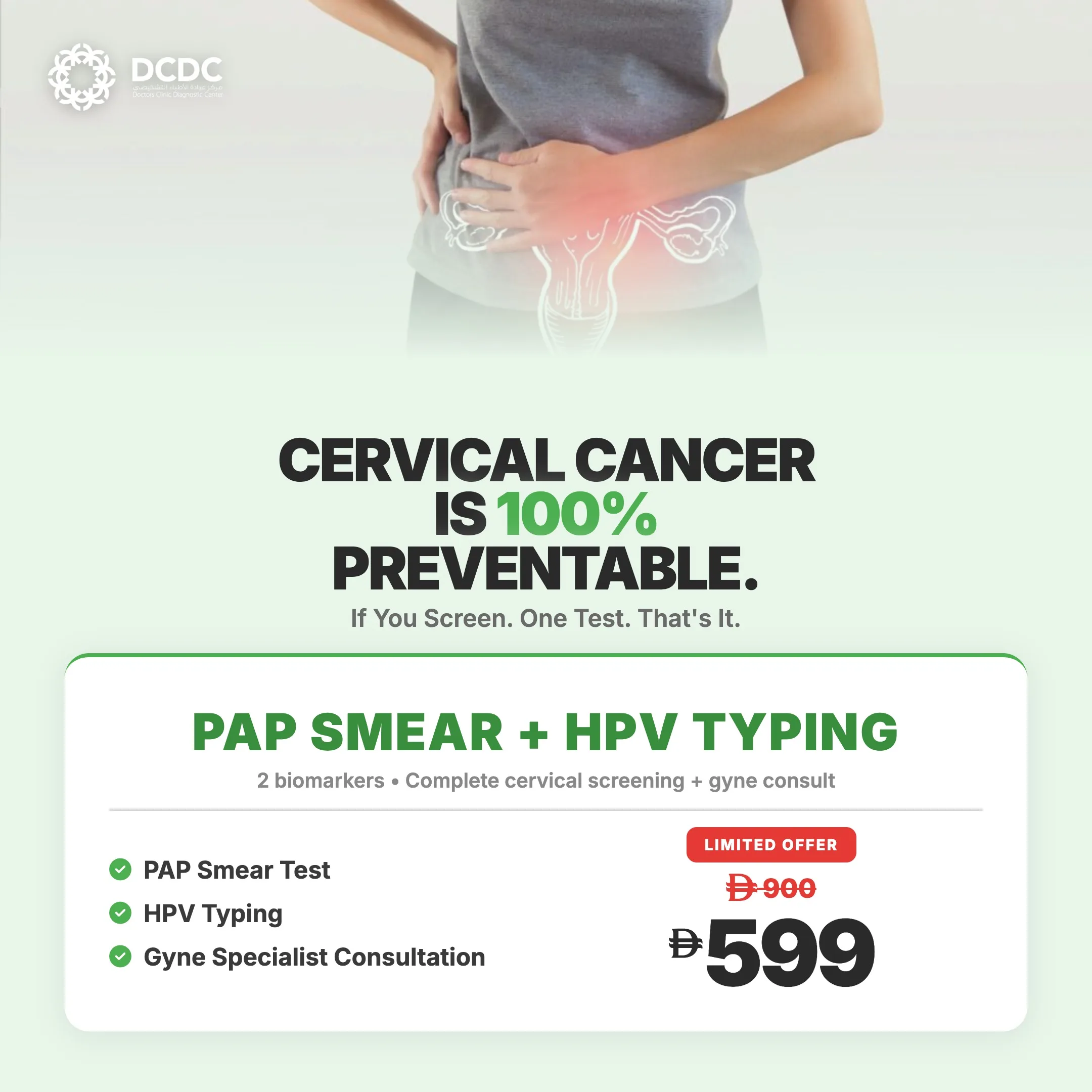
Health Screening Packages
Save with our bundled screening packages — specialist consultation included




Why Is Prenatal Exercise Important?
Regular exercise during pregnancy is not just safe — it delivers measurable benefits for both mother and baby. Women who exercise throughout pregnancy have a 40% lower risk of gestational diabetes, 25% lower risk of preeclampsia, shorter active labour by an average of 50 minutes, and lower rates of caesarean delivery. Exercise also reduces pregnancy-related back pain, improves mood, helps manage healthy weight gain, and builds the stamina needed for labour and early motherhood.
What Exercises Are Safe in Each Trimester?
Your exercise programme should evolve as your pregnancy progresses. What works at 10 weeks will need modification at 30 weeks. The following trimester-by-trimester guide gives you a framework, but individual programmes should be tailored by a physiotherapist who understands your fitness history and pregnancy.
| Trimester | Recommended Exercises | Key Modifications |
|---|---|---|
| First (weeks 1–12) | Walking, swimming, modified strength training, Pilates, pelvic floor exercises, yoga | Reduce intensity if experiencing nausea or fatigue. Avoid overheating. Stay hydrated. |
| Second (weeks 13–26) | Swimming, prenatal Pilates, stationary cycling, resistance bands, squats, pelvic floor exercises | No lying flat on back after week 16. Avoid deep twisting. Modify balance exercises as centre of gravity shifts. |
| Third (weeks 27–40) | Walking, swimming, gentle stretching, birth ball exercises, pelvic floor exercises, breathing practice | Reduce impact. Focus on labour preparation exercises. Shorten sessions if needed. Avoid exercises requiring balance. |
Which Exercises Should You Avoid During Pregnancy?
While most exercise is beneficial, certain activities carry risks that outweigh the benefits during pregnancy. The key concern is avoiding trauma to the abdomen, overheating, and activities with high fall risk. Here is what to skip regardless of your fitness level.
- Contact sports: Football, basketball, martial arts — any sport with risk of abdominal impact
- Hot yoga or hot Pilates: Core temperature above 39°C is dangerous for fetal development, especially in the first trimester
- Heavy weightlifting: Maximal lifts increase intra-abdominal pressure and risk of pelvic floor injury
- Supine exercises after 16 weeks: Lying flat on your back compresses the vena cava, reducing blood flow to the baby
- High-altitude activities: Above 2,500m without acclimatisation
- Scuba diving: Risk of decompression sickness to the fetus
- Conventional abdominal crunches: Increases diastasis recti risk — use modified core exercises instead
How Can Physiotherapy Help with Pelvic Girdle Pain?
Pelvic girdle pain affects approximately 20% of pregnant women, typically starting in the second trimester. The pain centres around the sacroiliac joints and pubic symphysis, making walking, climbing stairs, and turning in bed extremely uncomfortable. Hormonal changes loosen the ligaments, while the growing uterus shifts your centre of gravity — both contribute to joint instability.
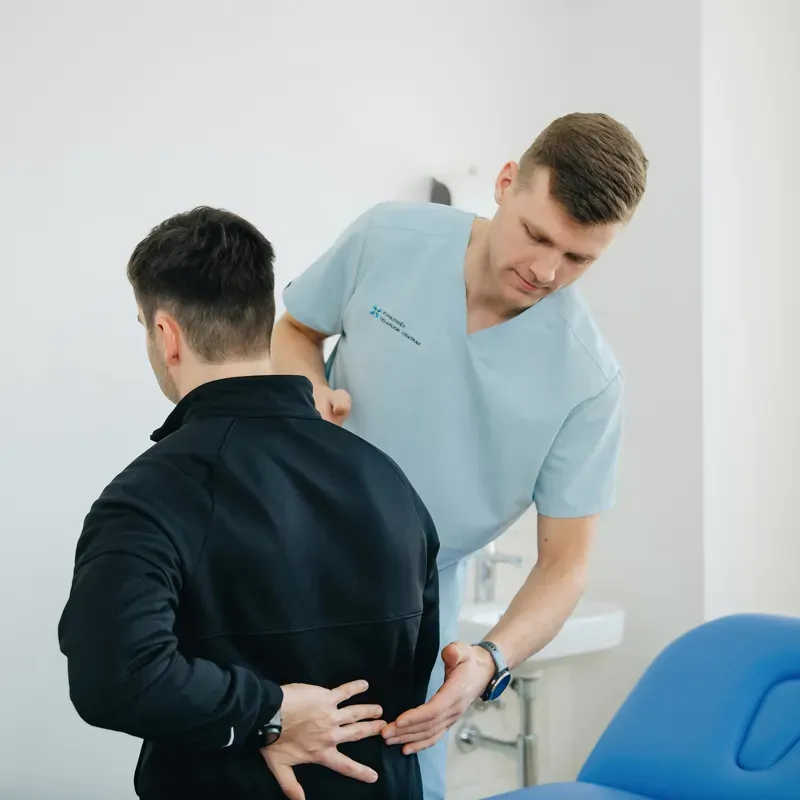
Physiotherapy is the most effective treatment for pregnancy-related pelvic girdle pain. Our physiotherapy team uses a combination of manual therapy, stabilisation exercises, and pelvic support belts to manage pain. Most women experience significant relief within 2–4 sessions.
- Stabilisation exercises: Gentle glute and deep core activation to support the pelvis
- Manual therapy: Soft tissue release and joint mobilisation to reduce pain
- Pelvic support belt: Provides external compression to stabilise the sacroiliac joints
- Movement modification: Learning to move without aggravating the joint — getting in and out of bed, stairs, sitting
When Should You Stop Exercising During Pregnancy?
While exercise is generally safe, certain warning signs require you to stop immediately and contact your doctor. These red flags are non-negotiable — do not try to push through them.
- Vaginal bleeding or fluid leakage
- Chest pain or heart palpitations that do not settle with rest
- Dizziness or feeling faint
- Severe headache
- Calf pain or swelling (possible blood clot)
- Regular painful contractions
- Decreased fetal movement
- Sudden swelling in face or hands
How Does Exercise Help Prepare for Labour?
Specific exercises directly prepare your body for the physical demands of labour. Labour is, in many ways, an endurance event — active labour lasts an average of 8–12 hours for first-time mothers. Building cardiovascular fitness, practising pushing positions, and training your breathing all contribute to a more manageable birth experience.
- Deep squats: Open the pelvic outlet and strengthen the legs for upright birthing positions
- Birth ball exercises: Pelvic circles, gentle bouncing, and forward-leaning positions encourage optimal fetal positioning
- Breathing techniques: Slow diaphragmatic breathing for contractions, directed pushing breath for the second stage
- Perineal massage: From 34 weeks, gentle stretching reduces the risk of tearing during delivery by up to 10%
- Pelvic floor training: Both strengthening and relaxation — you need to be able to release these muscles during pushing
Exercising Safely in Dubai's Heat During Pregnancy
Dubai's climate adds an extra consideration for pregnant women who want to stay active. Core body temperature above 39°C can affect fetal development, particularly in the first trimester. During summer months (May to October), outdoor exercise should be limited to early morning or evening. Better still, move your workouts indoors to air-conditioned gyms, swimming pools, or your home.
- Exercise in air-conditioned environments during summer months
- Drink at least 500ml of water before exercise and continue sipping throughout
- Wear loose, breathable clothing
- If exercising outdoors, choose early morning (before 8am) or evening (after 6pm)
- Swimming is ideal — the water keeps your temperature regulated while supporting your joints
Book a Prenatal Physiotherapy Session
Our physiotherapists at DCDC Dubai Healthcare City create personalised prenatal exercise programmes tailored to your trimester, fitness level, and any pregnancy-related pain.
Related Services at DCDC
Expert care and advanced diagnostics at Dubai Healthcare City
Frequently Asked Questions
Stay Active, Stay Safe, Prepare Your Body
Pregnancy is not a time to stop moving — it is a time to move smarter. The right exercise programme reduces pain, prevents complications, prepares your body for labour, and speeds your postpartum recovery.
Every pregnancy is different, and what works for one woman may not suit another. That is why individualised guidance from a physiotherapist who understands the changing demands of each trimester makes such a difference. Book a session at our Obstetrics & Gynaecology department to get started.
Sources & References
This article was reviewed by our medical team and references the following sources:
- ACOG Committee Opinion: Physical Activity and Exercise During Pregnancy and the Postpartum Period
- Royal College of Obstetricians and Gynaecologists: Exercise in Pregnancy
- British Journal of Sports Medicine: Exercise During Pregnancy Meta-analysis
- Cochrane Review: Exercise for Preventing and Treating Pelvic Girdle Pain in Pregnancy
- International Journal of Gynecology & Obstetrics: Prenatal Exercise Guidelines
Medical content on this site is reviewed by DHA-licensed physicians. See our editorial policy for more information.

Written by
Dr. Parisa Dini
Gynecology & Obstetrics
MD, OB-GYN
Dr. Parisa Dini is a Gynecologist at Doctors Clinic Diagnostic Center (DCDC) in Dubai Healthcare City, providing comprehensive women's health care services including prenatal care, screening, and preventive gynecology.
Related Articles
Complete Guide to Physiotherapy in Dubai: Types, Costs & What to Expect
Pelvic Floor Physiotherapy Dubai: Complete Guide

Pregnancy Back Pain: Physiotherapy Treatment
Postnatal Recovery Physiotherapy: Getting Back to Yourself
More in Women's Health
Double Marker Test Dubai: Timing, Results & Price (2026)
Read More
Emsella Side Effects & Safety Dubai (2026)
Read More
FSH & LH Test Dubai: Day 3 Levels, Ratio & Price
Read More
NIPT Test Dubai: Cost, Accuracy & Timing (2026)
Read More
NIPT Results: High-Risk vs Low-Risk Explained (2026)
Read MoreNT Scan Dubai: Cost, Timing & Results (2026)
Read More© 2026 Doctors Clinic Diagnostic Center (DCDC), Dubai Healthcare City. Originally published at https://doctorsclinicdubai.ae/blog/prenatal-physiotherapy-exercises. All rights reserved. Unauthorized reproduction is prohibited.