Book Your Appointment
Verified Patient Reviews of DCDC Diagnostic Center in Dubai
Verified reviews and real patient stories from Dubai Healthcare City
I'm very satisfied with this medical clinic. I had my first pregnancy screening here. It was affordable and very professional. The radiologist was welcoming, kind, and made the experience great.
Aizhan Tokmanbetova
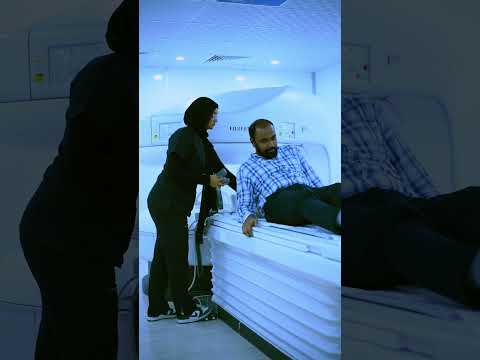
Hurt my knee Friday night and got an MRI appointment Sunday evening (booked Sunday afternoon). Waited about 2 minutes and was done in just over 30 minutes. The team was amazing, friendly and efficient.
Kirsten Evans
Dr. Osama's team was gentle and amazing. After a bad experience elsewhere, my pelvic exam here was much more professional. Great report and very precise.
Mary



Neurorehabilitation in Dubai: Stroke Recovery & Neurological Rehabilitation
Evidence-Based Neurological Recovery in DCDC
Neuroplasticity
Evidence-Based Neural Recovery
Consultant-Led
Specialist Rehabilitation Medicine
Integrated
On-Site Imaging & Specialist Team
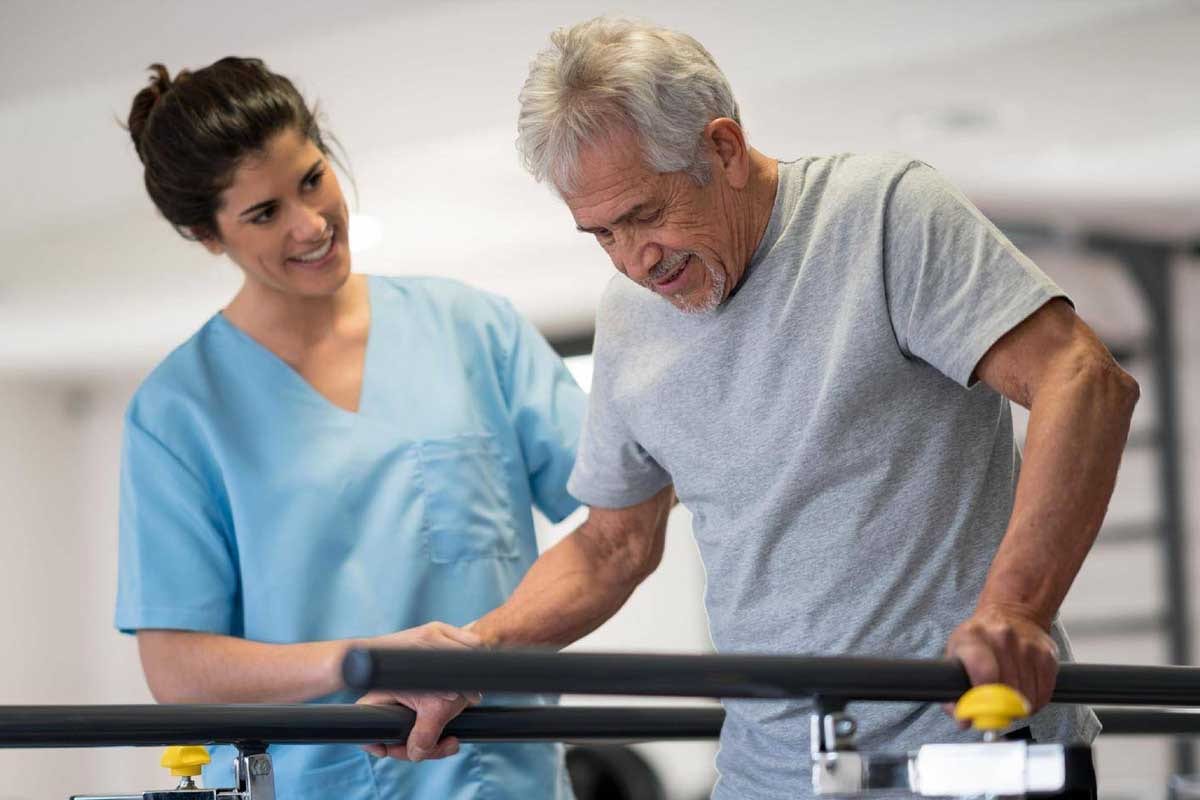
At Doctors Clinic Diagnostic Center in DHCC Building 64, Block A, our neurorehabilitation programme provides stroke rehabilitation in Dubai, brain injury rehab in Dubai, and neurological rehabilitation in Dubai for progressive conditions. As a leading stroke rehabilitation clinic, led by a consultant with expertise in rehabilitation medicine, our approach uses evidence-based neuroplasticity techniques to maximise functional recovery and restore independence.
Neurological injuries and diseases affect the brain's ability to control movement, sensation, cognition, and communication. Stroke is the most common cause of adult disability worldwide, and timely rehabilitation is the single most important factor in determining long-term functional outcomes. Research shows that patients who begin structured neurorehabilitation early and maintain consistent practice achieve significantly better recovery than those who delay or receive inadequate therapy.
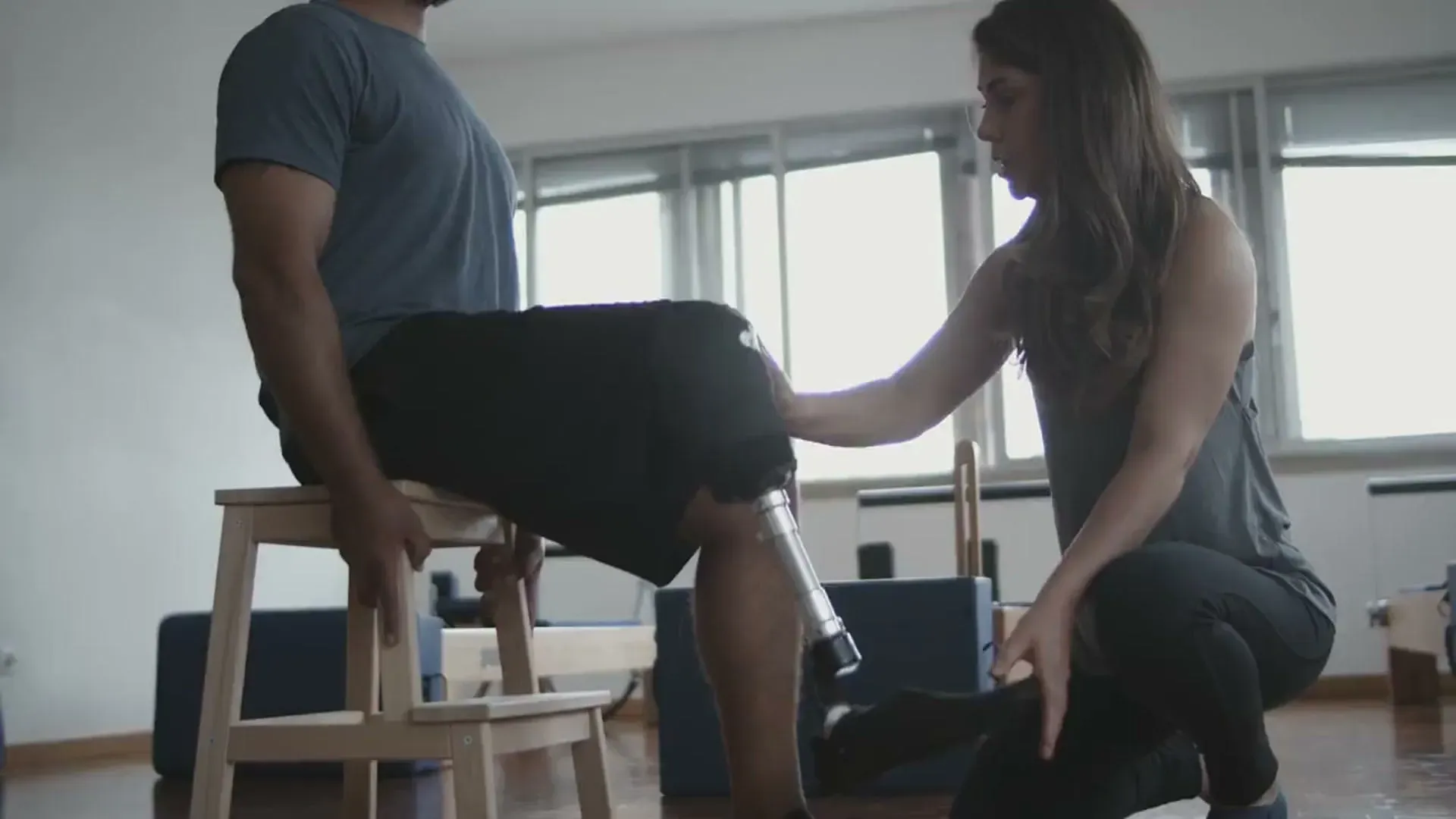
Our neurorehabilitation programme is built on the principle that the brain can reorganise itself through neuroplasticity. Even after significant damage from stroke or brain injury, the brain can form new neural pathways and strengthen existing connections when stimulated by structured, repetitive, task-specific practice. Our rehabilitation team designs intensive programmes that harness this capacity, using motor relearning techniques, task-specific training, and sensory stimulation to drive neural adaptation.
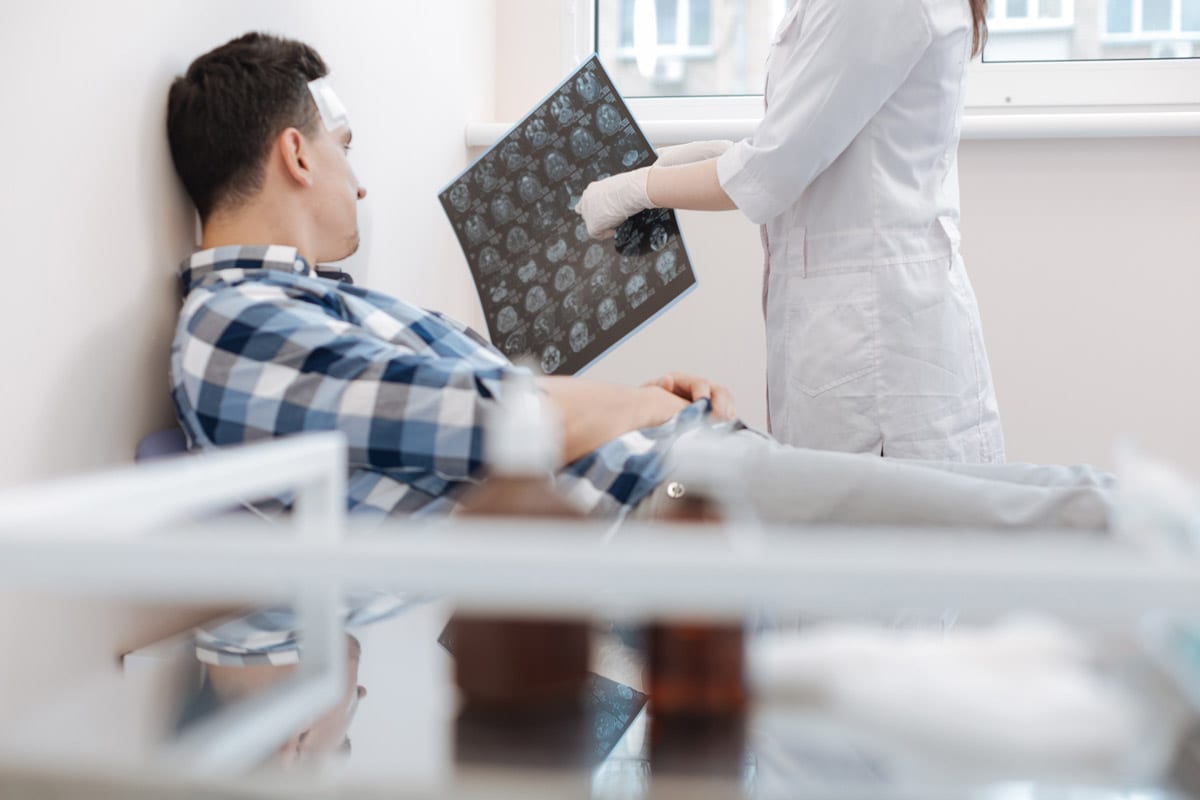
Neurorehabilitation at DCDC benefits from integration with our diagnostic imaging capabilities. On-site MRI and CT allow our rehabilitation consultant to correlate neurological findings with brain imaging, monitor recovery progress, and adjust treatment strategies based on complete clinical information. If neurological complications arise during rehabilitation, specialist consultation and investigation happen in the same building without delay.
We provide neurological rehabilitation in Dubai for patients across the city who are recovering from stroke, living with Parkinson disease or multiple sclerosis, or undergoing brain injury rehab in Dubai after trauma. Our stroke rehabilitation Dubai programmes are structured for measurable recovery. With competitive pricing, our clinic in our facility near Oud Metha offers accessible facilities with same-day consultations when available.
Neuroplasticity
Evidence-Based Neural Recovery
Consultant-Led
Specialist Rehabilitation Medicine
Integrated
On-Site Imaging & Specialist Team
Neurorehabilitation in Dubai: Stroke Recovery & Neurological Rehabilitation
Evidence-Based Neurological Recovery in DCDC
At Doctors Clinic Diagnostic Center in DHCC Building 64, Block A, our neurorehabilitation programme provides stroke rehabilitation in Dubai, brain injury rehab in Dubai, and neurological rehabilitation in Dubai for progressive conditions. As a leading stroke rehabilitation clinic, led by a consultant with expertise in rehabilitation medicine, our approach uses evidence-based neuroplasticity techniques to maximise functional recovery and restore independence.
Neurological injuries and diseases affect the brain's ability to control movement, sensation, cognition, and communication. Stroke is the most common cause of adult disability worldwide, and timely rehabilitation is the single most important factor in determining long-term functional outcomes. Research shows that patients who begin structured neurorehabilitation early and maintain consistent practice achieve significantly better recovery than those who delay or receive inadequate therapy.
Our neurorehabilitation programme is built on the principle that the brain can reorganise itself through neuroplasticity. Even after significant damage from stroke or brain injury, the brain can form new neural pathways and strengthen existing connections when stimulated by structured, repetitive, task-specific practice. Our rehabilitation team designs intensive programmes that harness this capacity, using motor relearning techniques, task-specific training, and sensory stimulation to drive neural adaptation.
Neurorehabilitation at DCDC benefits from integration with our diagnostic imaging capabilities. On-site MRI and CT allow our rehabilitation consultant to correlate neurological findings with brain imaging, monitor recovery progress, and adjust treatment strategies based on complete clinical information. If neurological complications arise during rehabilitation, specialist consultation and investigation happen in the same building without delay.
We provide neurological rehabilitation in Dubai for patients across the city who are recovering from stroke, living with Parkinson disease or multiple sclerosis, or undergoing brain injury rehab in Dubai after trauma. Our stroke rehabilitation Dubai programmes are structured for measurable recovery. With competitive pricing, our clinic in our facility near Oud Metha offers accessible facilities with same-day consultations when available.

Shanika Rajasekara
Explore Our Services
Comprehensive neurorehabilitation services at DCDC Dubai Healthcare City.

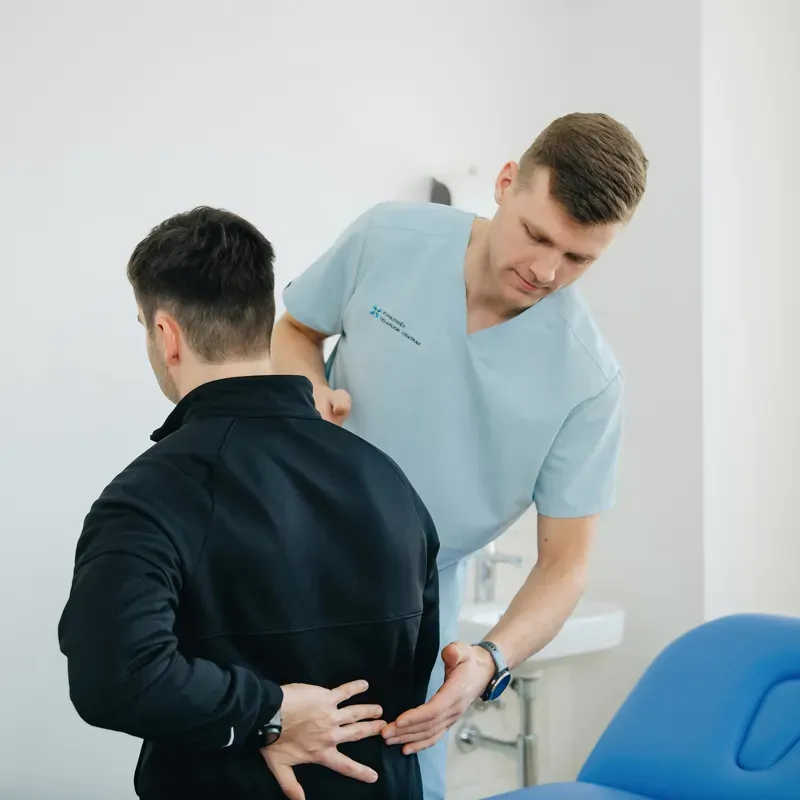
All services performed by DHA-licensed specialists
Who Should Get Neurorehabilitation?
Neurorehabilitation is essential for patients with neurological conditions that affect movement, balance, cognition, or daily function.
Stroke recovery (ischaemic or haemorrhagic)
Traumatic brain injury at any stage of recovery
Parkinson disease with mobility or balance difficulties
Multiple sclerosis with fatigue, weakness, or coordination problems
Balance and gait disorders from neurological causes
Post-neurosurgical recovery
Why Choose DCDC for Neurorehabilitation?
MOHAP-licensed neurorehabilitation in our center with consultant-led care, neuroplasticity-based programmes, and on-site advanced imaging.
MOHAP Licensed
Licensed facility in DHCC (MOHAP license NIMY7VY5-240925) with strict clinical standards.
Neuroplasticity Focus
Evidence-based motor relearning and neural adaptation techniques.
Consultant-Led
Rehabilitation medicine consultant with neurological expertise.
On-Site Imaging
Brain MRI and CT available for neurological assessment and monitoring.
Multidisciplinary
Physical therapy, neurorehabilitation, and medical management coordinated.
DHCC Location
Building 64, Block A, DCDC. Accessible facilities and free parking.
Your Comfortable Visit
A simple, step-by-step Neurorehabilitation scan process designed for comfort, speed, and accuracy.
Neurorehabilitation Fees
Neurorehabilitation pricing in Dubai varies by service type and insurance coverage for various service types.
- Pricing varies by scan type and whether contrast is required
- Insurance coverage accepted with referral and verification
- Transparent self-pay rates available with instant quote on request
Insurance verification in minutes • No hidden fees • Fast response on WhatsApp
Patient Guide
What to Expect During Neurorehabilitation
A comprehensive neurological assessment followed by an intensive, goal-directed recovery programme.
Insurance & Location
Insurance Partners
- •20+ insurance providers in Dubai including Daman, AXA, ADNIC, and others
- •Pre-authorization support and direct billing (where applicable)
- •Coverage verification before your appointment at our Dubai Healthcare City clinic
- •Transparent pricing with no hidden fees for neurorehabilitation services








Visit Us in Dubai Healthcare City
Doctors Clinic Diagnostic Center
Building 64, Block A, Al Razi Medical Complex, Dubai Healthcare City, Dubai, UAE
Near Oud Metha Road · Easy access from Bur Dubai, Downtown Dubai, Business Bay · Free dedicated parking available
Working Hours
Mon-Thu, Sat: 8AM - 10:30PM | Sun: 8:30AM - 10:30PM | Fri: 9AM - 10PM
How Insurance Works at DCDC
Check Coverage
Verify your plan covers Neurorehabilitation
Get a Referral
Some insurers require a GP referral — we can guide you
Pre-Authorization
We handle pre-auth directly with your insurer
Direct Billing
No upfront payment — we bill your insurer directly
Co-Pay Only
You only pay any applicable co-pay at the clinic
Check Coverage
Verify your plan covers Neurorehabilitation
Get a Referral
Some insurers require a GP referral — we can guide you
Pre-Authorization
We handle pre-auth directly with your insurer
Direct Billing
No upfront payment — we bill your insurer directly
Co-Pay Only
You only pay any applicable co-pay at the clinic
Your Specialist
Shanika Rajasekara
Physiotherapist
DHA-licensed Physiotherapist
English · Sinhala · Hindi
Patient Guide
Understanding Neurorehabilitation
Neurorehabilitation is the medical specialty devoted to restoring function after injury or disease affecting the brain, spinal cord, and peripheral nervous system. Unlike general rehabilitation, which focuses on musculoskeletal recovery, neurorehabilitation targets the unique challenges of neurological damage: disrupted motor control, altered sensation, impaired cognition, and compromised autonomic function. The discipline integrates neuroscience, rehabilitation medicine, and behavioural science to design programmes that promote neural recovery.
Stroke is the most common condition requiring neurorehabilitation and the leading cause of long-term disability in adults. A stroke occurs when blood supply to part of the brain is interrupted (ischaemic stroke) or when a blood vessel bursts (haemorrhagic stroke), causing brain cell death and loss of function in the areas controlled by the damaged tissue. The pattern of impairment depends on the location and extent of damage: right-hemisphere strokes typically cause left-sided weakness and spatial awareness problems, while left-hemisphere strokes often affect right-sided movement and language.
The cornerstone of modern neurorehabilitation is the principle of neuroplasticity, the brain's remarkable ability to reorganise its neural networks in response to injury and experience. Research has shown that this capacity persists throughout life and can be harnessed through specific rehabilitation strategies. Motor relearning theory, which treats movement recovery as a process of relearning skills through practice rather than simply exercising weak muscles, has replaced older passive approaches. Task-specific repetitive training, where patients practise the actual activities they want to recover, drives stronger neural adaptation than generic exercises.
The intensity of rehabilitation is a critical determinant of outcome. Studies consistently show a dose-response relationship: more therapy produces better results, up to a point. Current evidence suggests that stroke patients benefit from at least three hours of active rehabilitation per day during the initial recovery phase. While this level of intensity is challenging to sustain, the principle underscores the importance of maximising active practice time during sessions and supplementing clinic-based therapy with structured home exercise. At DCDC, our neurorehabilitation programmes are designed to optimise therapy intensity within each patient's tolerance and capabilities.
Neurological Conditions We Treat in Rehabilitation
Stroke Recovery
Comprehensive rehabilitation for ischaemic and haemorrhagic stroke including motor recovery, walking retraining, upper limb function, speech and swallowing, and return to daily activities.
Traumatic Brain Injury
Physical and cognitive rehabilitation following head injuries addressing mobility, coordination, memory, attention, behavioural changes, and functional independence.
Parkinson Disease
Exercise-based therapy focusing on gait training, balance, movement amplitude, dual-task performance, and fall prevention tailored to disease stage.
Multiple Sclerosis
Symptom management and functional maintenance addressing fatigue, balance, mobility, strength, and cognitive function during stable periods.
Vestibular Disorders
Balance rehabilitation for vestibular neuritis, BPPV, and central vestibular conditions using habituation, gaze stabilisation, and balance retraining exercises.
Peripheral Neuropathy
Rehabilitation for nerve damage affecting limb function including sensory re-education, strengthening, balance training, and fall prevention.
Related Articles
Back Pain: Causes and Treatment
Understanding pain management and rehabilitation approaches for spinal conditions.
Lateral Recess Stenosis and CT Scan
How imaging and rehabilitation work together for spinal conditions.
Sports Injury Recovery in Dubai
A guide to structured rehabilitation for injury recovery at DCDC.
Vestibular Rehabilitation for Vertigo
Related Services
Explore other diagnostic and consultation services available at our Dubai Healthcare City clinic.
Frequently Asked Questions
Common questions about Neurorehabilitation in Dubai.
Stroke rehabilitation should begin as early as medically stable, ideally within the first few days. Research consistently shows that early rehabilitation leads to better functional outcomes. The first three months after stroke represent the period of greatest neuroplasticity and recovery potential, though meaningful gains can continue for months and years with sustained effort. At DCDC, we can begin rehabilitation as soon as patients are discharged from acute hospital care.
Many stroke patients achieve significant functional recovery through rehabilitation. The degree of recovery depends on the location and size of the stroke, the patient's age and pre-stroke health, and the intensity and quality of rehabilitation. Incomplete strokes with some preserved function generally have better recovery potential. Even patients with severe initial deficits can make meaningful functional gains with consistent, high-quality neurorehabilitation.
Neurorehabilitation is a specialised branch of rehabilitation that focuses specifically on neurological conditions. While it uses some of the same techniques as general physiotherapy, it adds neuroplasticity-based approaches including motor relearning strategies, task-specific repetitive practice, sensory re-education, constraint-induced movement therapy, and cognitive rehabilitation. The treatment is guided by understanding of neuroanatomy, neural recovery mechanisms, and the specific patterns of impairment seen in neurological conditions.
Yes. Exercise-based rehabilitation is a cornerstone of Parkinson disease management alongside medication. Our neurorehabilitation programme for Parkinson disease focuses on gait training with emphasis on stride length and arm swing, balance exercises and falls prevention, amplitude training for movement, dual-task practice, and functional mobility. Research shows that regular, structured exercise can slow functional decline and improve quality of life in Parkinson disease.
Yes. While multiple sclerosis is a chronic condition, rehabilitation plays an important role in managing symptoms and maintaining function. Our MS rehabilitation addresses fatigue management, balance and coordination training, strength conditioning, mobility maintenance, and cognitive strategies. Treatment is adapted to accommodate the relapsing-remitting nature of the disease, with more intensive therapy during stable periods and modified approaches during relapses.
Neurorehabilitation timelines vary based on the condition and severity. Stroke rehabilitation is most intensive in the first 3 to 6 months but continues with maintenance therapy for up to a year or longer. Traumatic brain injury rehabilitation may span months to years depending on injury severity. Parkinson disease and MS require ongoing maintenance programmes. Your consultant will provide realistic timelines and adjust the programme as recovery progresses.
Neuroplasticity is the brain's ability to reorganise its neural pathways in response to experience and training. After neurological injury, undamaged brain areas can take over some functions of damaged regions when stimulated by appropriate rehabilitation. This process requires high-intensity, task-specific, repetitive practice. The principle of "use it or lose it" applies; neural connections that are consistently activated become stronger, while those that are not used weaken. This is why intensive, structured rehabilitation produces better outcomes than passive recovery.
Yes. Many neurological conditions affect cognitive function including attention, memory, problem-solving, and executive function. Our neurorehabilitation programme includes cognitive assessment and targeted interventions to improve these functions. For stroke and brain injury patients, cognitive rehabilitation is often integrated with physical rehabilitation because physical and cognitive recovery are interconnected processes.
Key Facts
Medical Review & Oversight
All services are provided under the supervision of licensed medical professionals in our MOHAP-accredited facility.