Key Takeaways
- PRP therapy costs AED 1,500-3,000 per session and accelerates healing by 20-30% for many injuries
- Not every ACL tear needs surgery: partial tears and lower-activity individuals may recover with rehab alone
- Recovery times: muscle strains 2-6 weeks, tendon injuries 6-12 weeks, surgical reconstruction 6-9 months
- See a doctor if you can't bear weight, heard a pop, or have significant swelling or instability
- PRP promotes actual tissue healing; cortisone only reduces inflammation temporarily
- Returning to sport too early is the #1 cause of re-injury, so get cleared by your physio first
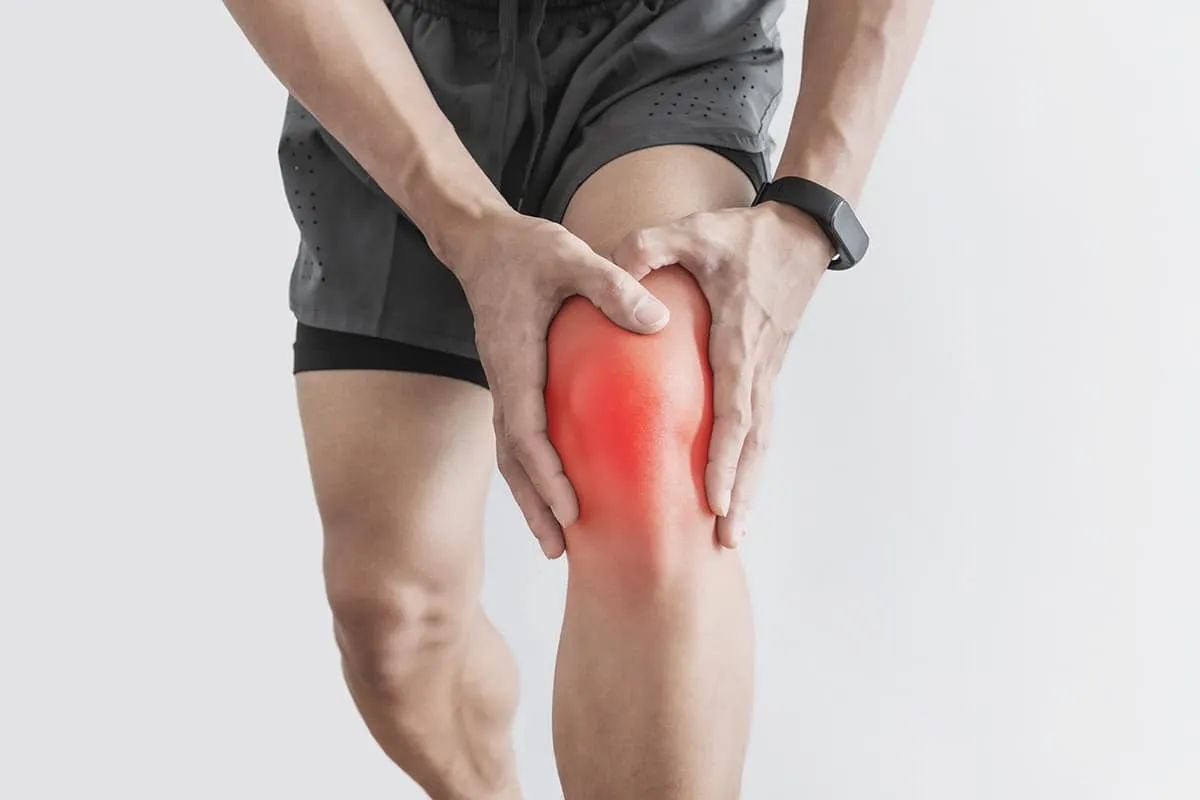
You felt something pop during your padel match. Now your knee is swelling and you're wondering: is this serious? Will you need surgery? Can you play again in a month? Sports injuries are incredibly common in Dubai's active community, and getting the right treatment early makes all the difference in how quickly and completely you recover. Our Sports Injury Treatment service at DCDC offers same-day appointments in Dubai Healthcare City.
Dubai's Most Common Sports Injuries
Dubai's unique sports culture creates specific injury patterns. Whether you're part of the padel craze, playing football with colleagues, hitting the gym, or running along the Marina, certain injuries come up repeatedly. Our sports injury treatment program at DCDC is designed to get you back to your sport as quickly and safely as possible.
Knee Injuries
- ACL tears: Common in football, padel, and basketball, usually from pivoting or landing
- Meniscus tears: Often occur with twisting movements; can happen alongside ACL tears
- Patellar tendinitis ("Jumper's knee"): Overuse injury from repeated jumping and running
- Runner's knee: Pain around the kneecap, common in runners and cyclists
Shoulder Injuries
- Rotator cuff tears: From overhead sports, weightlifting, or falls
- Shoulder impingement: Pinching of tendons with arm elevation
- SLAP tears: Labral injuries common in throwing sports
- Shoulder instability: Repeated dislocations, especially in contact sports
Elbow and Arm Injuries
- Tennis elbow: Despite the name, more common from gym work and padel
- Golfer's elbow: Pain on the inner elbow from repetitive gripping
- Bicep and tricep strains: Usually from weightlifting
Lower Leg and Foot Injuries
- Ankle sprains: The most common sports injury, period
- Achilles tendinitis: Overuse injury common in runners
- Plantar fasciitis: Heel pain from running or improper footwear
- Calf strains: Common in middle-aged athletes returning to sport
Did you know? Ankle sprains account for up to 30% of all sports injuries, and without proper rehabilitation, 40% of people develop chronic instability leading to repeated sprains. (Source: British Journal of Sports Medicine)
Understanding PRP Therapy
Platelet-Rich Plasma (PRP) has become one of the most exciting developments in sports medicine. Here's how it works and when it helps:
How PRP Works
- Blood draw: About 30-60ml of blood is drawn from your arm (like a blood test)
- Processing: The blood is spun in a centrifuge for 10-15 minutes, separating components
- Concentration: Platelets are concentrated to 5-10x normal levels
- Injection: The concentrated plasma is injected into the injured area, often guided by ultrasound
Platelets contain hundreds of proteins called growth factors that naturally trigger healing. By concentrating these at the injury site, we're essentially turbocharging your body's own repair process. The same PRP technology is also used in dermatology and hair restoration, demonstrating how versatile this regenerative approach has become.
What PRP Treats Best
- Chronic tendon injuries: Tennis elbow, golfer's elbow, patellar tendinitis, Achilles tendinitis
- Muscle injuries: Hamstring strains, calf tears
- Ligament injuries: Partial tears, chronic sprains
- Mild osteoarthritis: Knee and hip joint degeneration
What to Expect After PRP
- Days 1-5: Increased soreness and swelling (this is the healing response activating)
- Weeks 2-4: Gradual improvement as tissue repair begins
- Weeks 4-8: Significant improvement in most patients
- Months 2-3: Full effects realized; some patients need additional injections
PRP Treatment Costs in Dubai (2025)
| Treatment | Price Range (AED) |
|---|---|
| Single PRP Injection | 1,500 - 3,000 |
| 3-Session Package | 4,000 - 7,500 |
| Ultrasound-Guided PRP | 2,000 - 3,500 |
| Sports Medicine Consultation | 300 - 500 |
Sports Injury Treatment Costs at DCDC (2025)
Understanding the full cost of sports injury treatment helps you plan your recovery. Here's what to expect at Doctors Clinic Diagnostic Center for common sports injury services:
| Treatment | Cost (AED) |
|---|---|
| Initial orthopedic consultation | 500 - 700 |
| MRI scan | 2,000 - 3,500 |
| Ultrasound-guided injection | 800 - 1,200 |
| PRP therapy (per session) | 1,500 - 3,000 |
| Cortisone injection | 600 - 1,000 |
| Post-surgical physiotherapy (per session) | 300 - 500 |
Prices are approximate and may vary depending on injury complexity and insurance coverage.
For accurate injury diagnosis, an MRI scan is often the most definitive imaging tool. You can learn more about MRI costs in Dubai in our dedicated guide. For soft tissue injuries like muscle tears and tendinitis, ultrasound imaging is a faster, more affordable first step that can guide treatment decisions.
Not Sure How Serious Your Injury Is?
Don't wait for a minor injury to become a major one. Book an orthopedic consultation at DCDC Dubai Healthcare City and get a clear diagnosis with on-site MRI and ultrasound imaging, all in one visit.
Book a Consultation
When Is Surgery Necessary?
The good news: many sports injuries heal without surgery. But some situations require surgical intervention:
Surgery Usually Needed
- Complete ACL tears in active athletes: For return to pivoting sports
- Large rotator cuff tears: Full-thickness tears that can't heal on their own
- Significant meniscus tears: Especially "bucket handle" tears causing locking
- Complete Achilles rupture: In active individuals wanting to return to sport
- Displaced fractures: Bones that need realignment
Surgery Often Avoidable
- Partial ACL tears: Many heal with physiotherapy and bracing
- Small rotator cuff tears: Especially in older adults with lower activity demands
- Tennis elbow: Responds well to PRP and physiotherapy in most cases
- Chronic tendinopathies: Usually treated non-surgically first
Research insight: Studies show that 60-70% of patients with partial ACL tears can return to sport without surgery through a structured rehabilitation program, though complete tears in athletes typically require reconstruction. (Source: American Journal of Sports Medicine)
Recovery Timelines: What to Realistically Expect
One of the most common questions is: "How long until I can play again?" Here's a realistic guide:
| Injury | Conservative | Post-Surgery |
|---|---|---|
| Ankle Sprain (Grade 2) | 4-6 weeks | N/A (rare surgery) |
| Hamstring Strain (Grade 2) | 4-8 weeks | N/A |
| Tennis Elbow | 6-12 weeks | 3-6 months |
| Rotator Cuff Tear | 8-12 weeks (partial) | 4-6 months |
| ACL Tear | 3-6 months (limited sports) | 6-9 months |
| Achilles Rupture | 6-9 months | 6-9 months |
Times vary by individual. Return to sport requires functional testing, not just time elapsed.
Detailed Recovery Timeline by Injury Type
For a more granular look at what each injury entails, here is a breakdown of expected recovery durations based on injury severity:
| Injury Type | Expected Recovery Time |
|---|---|
| Muscle strain - Grade 1 (mild) | 1-2 weeks |
| Muscle strain - Grade 2 (moderate) | 3-6 weeks |
| Ligament sprain - Grade 1-2 | 2-8 weeks |
| Tendinitis (e.g., tennis elbow, Achilles) | 6-12 weeks |
| Meniscus tear (with or without surgery) | 6-12 weeks |
| ACL reconstruction (post-surgery) | 6-9 months |
| Rotator cuff repair (post-surgery) | 4-6 months |
| Tennis elbow with PRP therapy | 8-12 weeks |
Recovery times are averages. PRP therapy may accelerate healing by 20-30% for certain injuries.
Real Patient Story: A Padel Player's Road to Recovery
Ahmed, a 34-year-old marketing manager in Dubai, was playing padel three times a week when he felt a sharp pop in his left knee during a lunging backhand. The immediate swelling and instability made him fear the worst: a torn ACL and months of rehabilitation, or even surgery.
After visiting our orthopedic team at DCDC, an MRI scan confirmed a partial ACL tear, but not a complete rupture. His orthopedic surgeon explained that because the tear was partial and he wasn't a professional athlete, surgery might not be necessary if he committed to a structured recovery plan.
Ahmed's treatment plan included two sessions of PRP therapy spaced three weeks apart, combined with intensive physiotherapy three times per week. The PRP technology used in sports medicine works on the same regenerative principles as PRP for other applications, concentrating the body's own healing factors at the injury site.
The first month was frustrating. Ahmed couldn't play padel or even jog. By week six, he was doing light cycling and pool exercises. At three months, he was back in the gym doing leg strengthening. Four months after his injury, Ahmed returned to padel, starting with doubles at reduced intensity. Six months later, he was playing at his previous level with no instability.
"The hardest part was being patient," Ahmed told us. "I wanted to rush back, but my physio kept reminding me that coming back too early would mean starting over. That discipline made all the difference." His story is a reminder that many sports injuries, even those that sound severe, can heal well without surgery when treated properly and early.
The Rehabilitation Process
Whether you have surgery or not, rehabilitation is the key to successful recovery. Cutting rehab short is the #1 cause of re-injury.
Phase 1: Protection (Days to Weeks)
- Control swelling (ice, compression, elevation)
- Protect the injury (brace, crutches if needed)
- Maintain range of motion within safe limits
Phase 2: Strengthening (Weeks to Months)
- Progressive loading of the injured structure
- Restore full range of motion
- Build muscle strength and endurance
Phase 3: Return to Sport (Weeks to Months)
- Sport-specific drills at increasing intensity
- Agility, plyometrics, and power training
- Passing functional tests before full clearance
Ready to Start Your Recovery?
Whether you need PRP therapy, physiotherapy, or a second opinion on surgery, our sports medicine team at DCDC Dubai Healthcare City is here to help. We offer same-week appointments and a complete diagnostic workup including MRI, ultrasound, and expert orthopedic consultation under one roof.
WhatsApp Us
When to Seek Medical Attention
Warning Signs Requiring Evaluation:
- Inability to bear weight on the injured limb
- Visible deformity or significant swelling
- Heard or felt a "pop" at time of injury
- Joint feels unstable or gives way
- Numbness or tingling
- Pain that doesn't improve after 5-7 days of rest
Injured? Get Expert Sports Medicine Care
At Doctors Clinic Diagnostic Center in Dubai Healthcare City, our orthopedic team specializes in sports injuries. We offer comprehensive evaluation, on-site MRI imaging, and PRP therapy to get you back to your sport safely.
Related Services at DCDC
Expert care and advanced diagnostics at Dubai Healthcare City
Frequently Asked Questions
Final Thoughts
Sports injuries are a common part of active life in Dubai, but proper treatment and rehabilitation make all the difference in your recovery. Whether you need PRP therapy, physiotherapy, or surgery, getting the right diagnosis early prevents long-term complications and gets you back to your sport faster.
Remember: returning to sport too early is the main cause of re-injury. Work with your medical team, follow your rehabilitation program, and get proper clearance before resuming full activity. Your future athletic performance depends on how well you recover now.
Sources & References
This article was reviewed by our medical team and references the following sources:
- Dubai Sports Council - Athlete Health and Injury Prevention
- Dubai Health Authority - Sports Medicine Standards
- UAE Ministry of Health - Rehabilitation Guidelines
- American Academy of Orthopaedic Surgeons - PRP Guidelines
- British Journal of Sports Medicine - Regenerative Medicine
Medical content on this site is reviewed by DHA-licensed physicians. See our editorial policy for more information.
Written by
Dr. Mersad Moosavi
Consultant Orthopedic Surgeon
MD, Fellowship in Sports Medicine
Dr. Mersad Moosavi is a Consultant Orthopedic Surgeon specializing in sports injuries, joint preservation, and regenerative medicine. He treats athletes from weekend warriors to professionals at DCDC Dubai Healthcare City.
Related Articles
Complete Guide to Physiotherapy in Dubai: Types, Costs & What to Expect

Sports Physiotherapy in Dubai: Complete Guide
ACL Injury Recovery: Complete Rehabilitation Guide
Physiotherapy Cost in Dubai 2026: Pricing & Packages
More in Orthopedics
Sciatica Causes & Symptoms in Dubai (2026)
Read More
Gym Injuries Dubai: Prevention & Recovery (2026)
Read More
Chronic Pain Management Dubai: Guide (2026)
Read More
Achilles Tendonitis Treatment in Dubai (2026)
Read More
Spinal Stenosis vs Herniated Disc Dubai (2026)
Read More
Wrist Pain Causes Dubai: When to Worry (2026)
Read More© 2026 Doctors Clinic Diagnostic Center (DCDC), Dubai Healthcare City. Originally published at https://doctorsclinicdubai.ae/blog/sports-injury-recovery-dubai. All rights reserved. Unauthorized reproduction is prohibited.