Key Takeaways
- 80% of adults experience back pain at some point. Most cases resolve within 6 weeks without surgery
- MRI isn't always necessary early on; it's most useful when symptoms persist beyond 6 weeks or you have neurological signs
- Non-surgical treatments (physiotherapy, medication, PRP) successfully treat 90% of disc herniations
- Red flags requiring immediate care: loss of bladder control, progressive weakness, or fever with back pain
- Desk work is a major contributor. Proper ergonomics and regular movement breaks are essential
- Early intervention with the right treatment can prevent chronic pain from developing
Your back has been aching for two weeks. You're worried. Is it serious? Do you need an MRI? Should you see a surgeon? Living in Dubai's office-centric environment, where long commutes and extended desk hours are normal, back pain is incredibly common. But that doesn't mean you have to suffer. This guide explains what's likely causing your pain, when to worry, and what actually works for treatment. Our Orthopedic Consultation service at DCDC offers same-day appointments in Dubai Healthcare City.
This comprehensive guide covers everything you need to know about back pain in Dubai, from common causes to treatment options and when to seek specialist care.

Why Back Pain Is So Common in Dubai
Dubai's lifestyle creates a perfect recipe for back problems. Understanding why can help you address the root causes:
- Long desk hours: Most professionals spend 8-10+ hours sitting, often with poor posture
- Car-dependent culture: Long commutes mean more sitting, and car seats aren't designed for spinal health
- AC temperature extremes: Moving between intense outdoor heat and cold AC can cause muscle tension
- Weekend warrior syndrome: Sedentary weeks followed by intense weekend exercise
- Gym injuries: Improper lifting technique, especially with deadlifts and squats
- Stress: Dubai's high-pressure environment causes muscle tension and affects pain perception
Understanding What's Causing Your Pain
Back pain has many causes, ranging from minor muscle strain to serious spinal conditions. Here's what might be happening:
Muscle and Ligament Strain
The most common cause of back pain. Happens when you lift something heavy, make an awkward movement, or simply strain your back from prolonged poor posture. The good news: muscle strain typically heals within 2-4 weeks with rest and gentle movement.
Disc Problems
Your spinal discs are like cushions between vertebrae. They can:
- Bulge: The disc extends beyond its normal boundary (common and often painless)
- Herniate: The inner gel pushes through the outer layer, potentially pressing on nerves
- Degenerate: Normal wear and tear reduces disc height and hydration over time
Important fact: Many people have disc bulges or herniations on MRI but no symptoms at all. The presence of a disc problem doesn't automatically explain your pain.
Sciatica
Sciatica refers to pain that radiates down the leg along the sciatic nerve path, typically from buttock to foot. It's usually caused by a herniated disc or bone spur pressing on the nerve root. Symptoms include:
- Sharp, shooting pain down one leg
- Numbness or tingling in the leg or foot
- Weakness when lifting the foot or walking on toes
- Pain that worsens with sitting, coughing, or sneezing
Facet Joint Pain
The small joints connecting vertebrae can become arthritic or inflamed. This causes localized back pain that often worsens with extension (bending backward) or rotation. Common in people over 40.
Spinal Stenosis
Narrowing of the spinal canal, usually from arthritis or disc degeneration. More common after age 50. Causes leg pain with walking that improves with sitting or bending forward (like leaning on a shopping cart).
Red Flags: When Back Pain Is Serious
Most back pain is benign, but certain symptoms require urgent attention. Seek immediate medical care if you have: For related information, see our guide on Sports Injury Recovery Dubai: PRP & Rehab.
- Loss of bladder or bowel control: Can indicate cauda equina syndrome, a surgical emergency
- Progressive leg weakness: Especially if you're having trouble walking
- Numbness in the saddle area: Around the groin and inner thighs
- Fever with back pain: May indicate infection
- Unexplained weight loss: Combined with back pain warrants investigation
- Pain following significant trauma: Car accident, fall from height
- History of cancer: Back pain can sometimes indicate spread to spine
When Do You Actually Need an MRI?
This is one of the most common questions I hear. Here's the honest answer: most people with back pain don't need immediate imaging.
When MRI Is Recommended
- Pain persisting beyond 6 weeks despite conservative treatment
- Neurological symptoms: significant weakness, numbness, or bowel/bladder changes
- Suspected serious pathology: infection, cancer, fracture
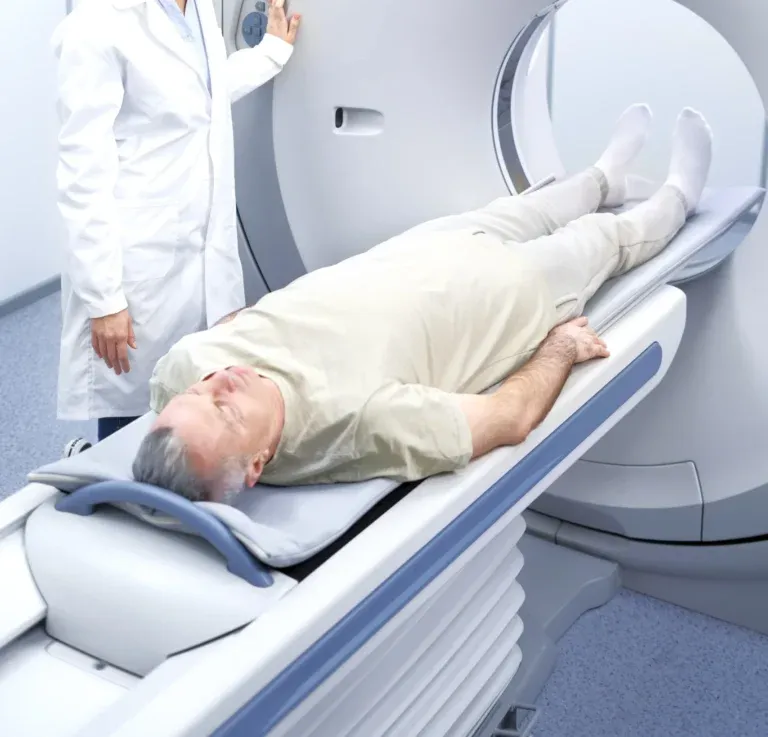
- Considering interventional treatment or surgery
- Severe, debilitating pain that isn't improving
Why Early MRI Often Isn't Helpful
- Many "abnormal" findings on MRI are actually normal age-related changes
- Up to 60% of people without back pain have disc bulges on MRI
- Seeing abnormalities can lead to unnecessary worry and overtreatment
- Early imaging rarely changes initial management (rest, physio, medication)
Non-Surgical Treatment Options
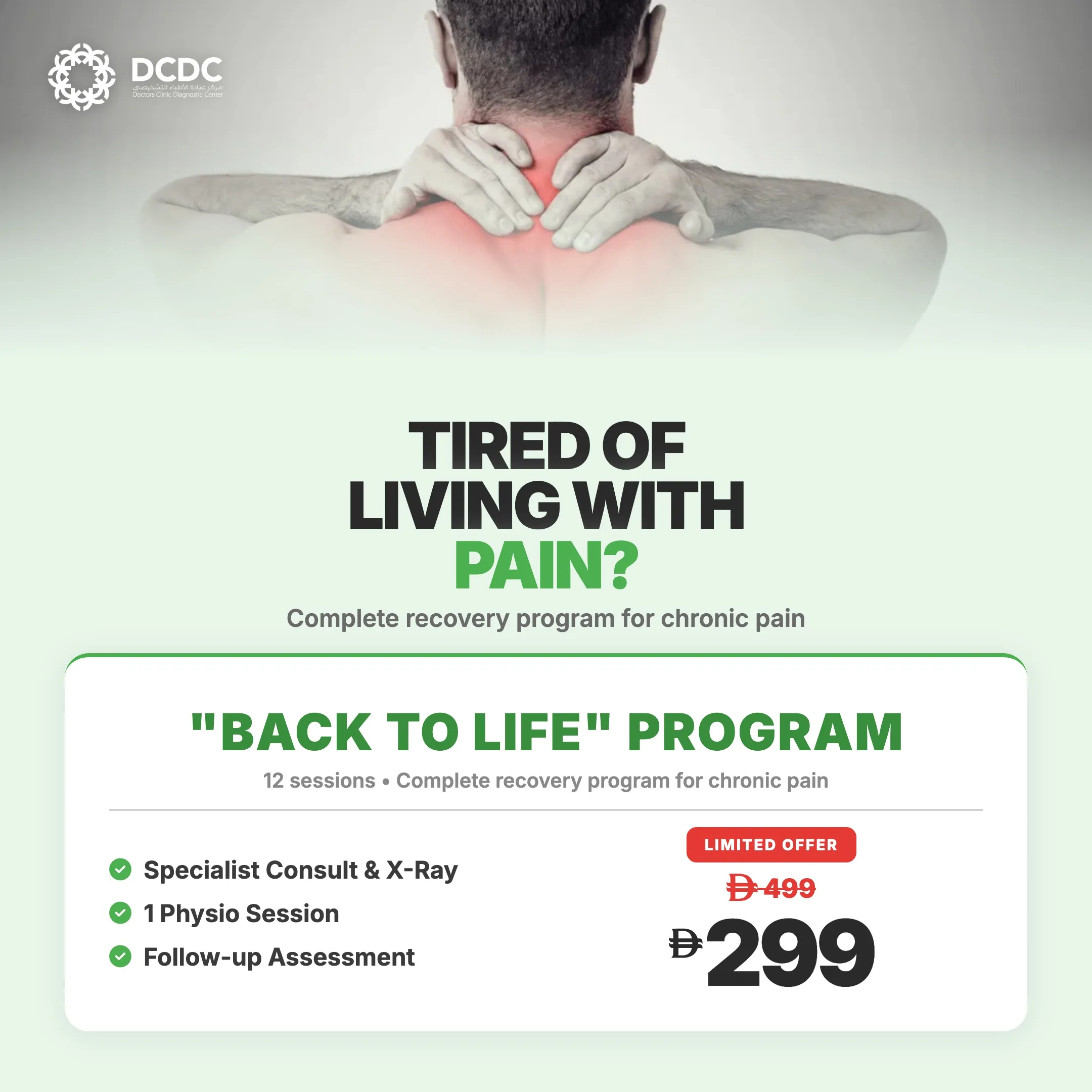
The good news: about 90% of back pain, including most herniated discs, improves with non-surgical treatment. At DCDC, our spine care specialists create personalized treatment plans based on your specific diagnosis. Here's what works:
Physiotherapy
Often the most effective treatment for chronic back pain. A good physiotherapy program includes:
- Core strengthening: Building the muscles that support your spine
- Flexibility exercises: Addressing tight hamstrings, hip flexors, and back muscles
- Manual therapy: Hands-on techniques to improve joint mobility
- Posture training: Learning to sit, stand, and move properly
- Education: Understanding your condition reduces fear and improves outcomes
Expect 6-12 sessions over 4-8 weeks, with home exercises between sessions. Cost in Dubai: AED 250-400 per session.
Medications
- NSAIDs (ibuprofen, naproxen): Reduce inflammation and pain; use short-term
- Muscle relaxants: Help with acute muscle spasms
- Neuropathic agents (pregabalin): Specifically for nerve-related pain like sciatica
- Avoid: Long-term use of strong opioids, as they're not effective for chronic back pain and carry significant risks
PRP (Platelet-Rich Plasma) Therapy
PRP therapy uses your body's own healing factors to promote tissue repair. For back pain, it can help with:
- Facet joint arthritis
- Sacroiliac joint dysfunction
- Ligament injuries
- Early disc degeneration
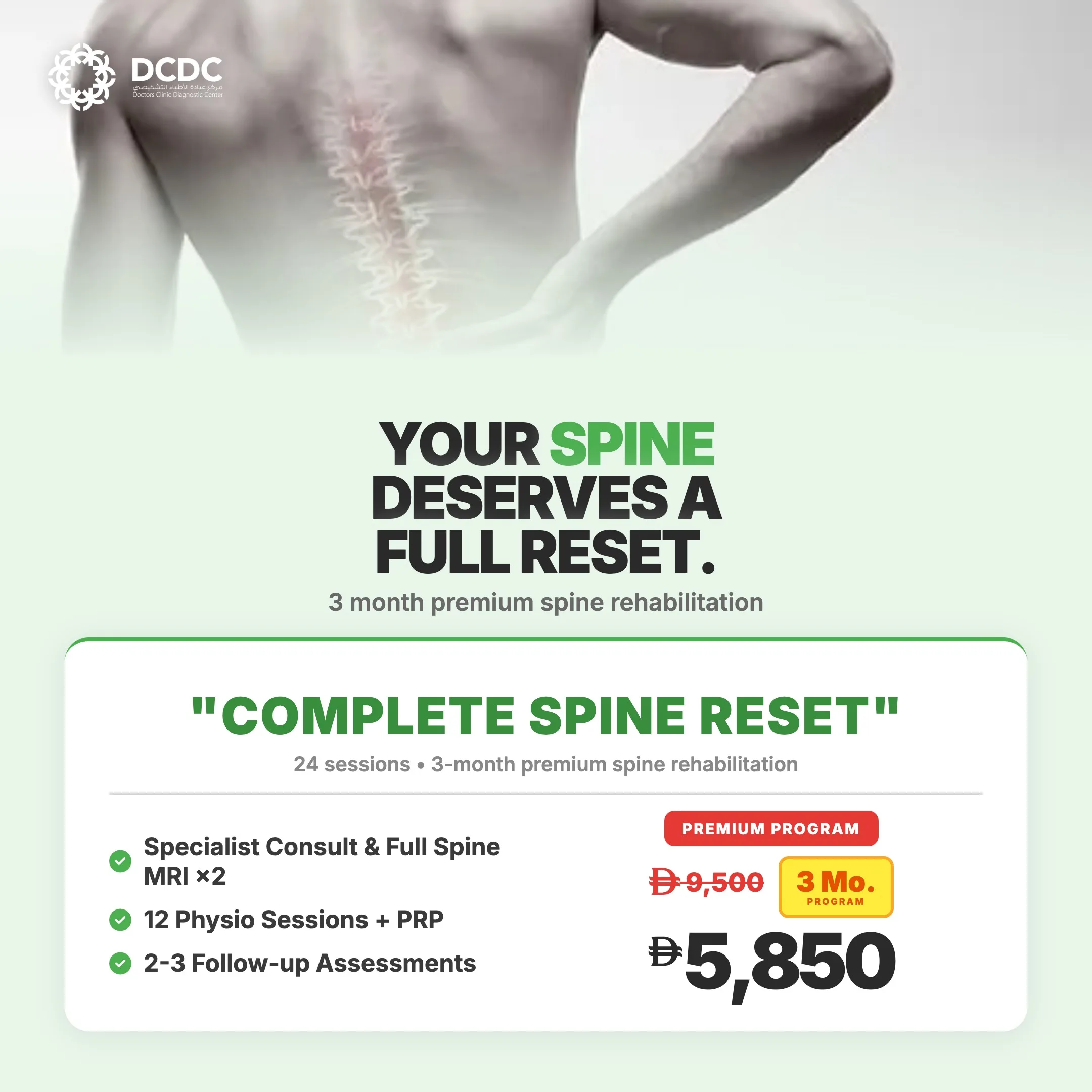
The procedure takes about 30-45 minutes. Recovery is minimal, and most patients return to normal activities within days. Results typically appear over 4-6 weeks as healing progresses. Cost: AED 1,500-3,000 per session.
Steroid Injections
Epidural steroid injections can provide significant relief for sciatica and disc-related pain by reducing inflammation around irritated nerves. They're not a permanent solution but can:
- Reduce acute pain enough to participate in physiotherapy
- Provide relief lasting weeks to months
- Help avoid surgery by allowing natural healing to occur
When Surgery Becomes an Option
Surgery is considered when: You may also find our Lower Back Pain: Causes & Physio Exercises helpful.
- Conservative treatment has failed after 6-8 weeks
- Progressive neurological weakness is occurring
- Bladder or bowel function is affected (emergency)
- The pain is so severe that quality of life is significantly impacted
Common surgical procedures include microdiscectomy (removing herniated disc material), laminectomy (relieving pressure on nerves), and spinal fusion (stabilizing unstable segments). Most spine surgeries today are minimally invasive with faster recovery times than in the past.
Preventing Back Pain: What Actually Works
Prevention is always better than treatment. Here's what the evidence supports:
At Your Desk
- Monitor position: Top of screen at eye level, arm's length away
- Chair setup: Feet flat, knees at 90 degrees, lower back supported
- Movement breaks: Stand and walk every 30-45 minutes
- Standing desk: Alternate between sitting and standing if possible
Exercise
- Core strengthening: Planks, dead bugs, bird dogs (not just crunches)
- Flexibility: Stretch hip flexors, hamstrings, and back regularly
- Walking: Simple but effective; aim for 30 minutes daily
- Swimming: Excellent for back pain because it's low impact and works the full body
- Yoga/Pilates: Great for flexibility and core strength when done correctly
Lifting Properly
- Keep the load close to your body
- Bend at the knees, not the waist
- Avoid twisting while lifting
- If it's too heavy, ask for help or use equipment
Treatment Costs in Dubai
Here's what you can expect to pay for back pain treatment:
| Service | Price Range (AED) |
|---|---|
| Orthopedic Consultation | 300 - 500 |
| Spine MRI | 900 - 3,500 |
| X-ray (Spine) | 300 - 500 |
| Physiotherapy Session | 250 - 400 |
| PRP Injection | 1,500 - 3,000 |
| Epidural Steroid Injection | 2,500 - 4,500 |
Many insurance plans cover these services with pre-authorization.
Need Back Pain Treatment?
At Doctors Clinic Diagnostic Center in Dubai Healthcare City, our orthopedic team provides comprehensive spine care from diagnosis through treatment. We have on-site MRI imaging and offer the full range of non-surgical treatments including physiotherapy and PRP therapy.
Related Services at DCDC
Expert care and advanced diagnostics at Dubai Healthcare City
Frequently Asked Questions
Taking Control of Your Back Health
Back pain is common but rarely serious. Most cases improve with time and appropriate conservative treatment. The key is understanding when to seek help, avoiding unnecessary imaging early on, and committing to prevention strategies like good ergonomics and regular exercise.
If you're experiencing persistent back pain, don't suffer in silence. At Doctors Clinic Diagnostic Center, our orthopedic specialists can provide an accurate diagnosis and personalized treatment plan, whether that's physiotherapy, PRP therapy, or guidance on when more advanced intervention might be needed.
Sources & References
This article was reviewed by our medical team and references the following sources:
- Dubai Health Authority - Spine and Pain Management Guidelines
- UAE Ministry of Health - Musculoskeletal Health Standards
- Emirates Orthopaedic Society - Clinical Practice Guidelines
- American College of Physicians - Low Back Pain Guidelines
- North American Spine Society - Pain Management Standards
Medical content on this site is reviewed by DHA-licensed physicians. See our editorial policy for more information.
Written by
Dr. Mersad Moosavi
Consultant Orthopedic Surgeon
MD, Fellowship in Spine Surgery
Dr. Mersad Moosavi is a Consultant Orthopedic Surgeon specializing in spine care and sports medicine. He offers both surgical and non-surgical treatments for back pain at DCDC Dubai Healthcare City.
Related Articles
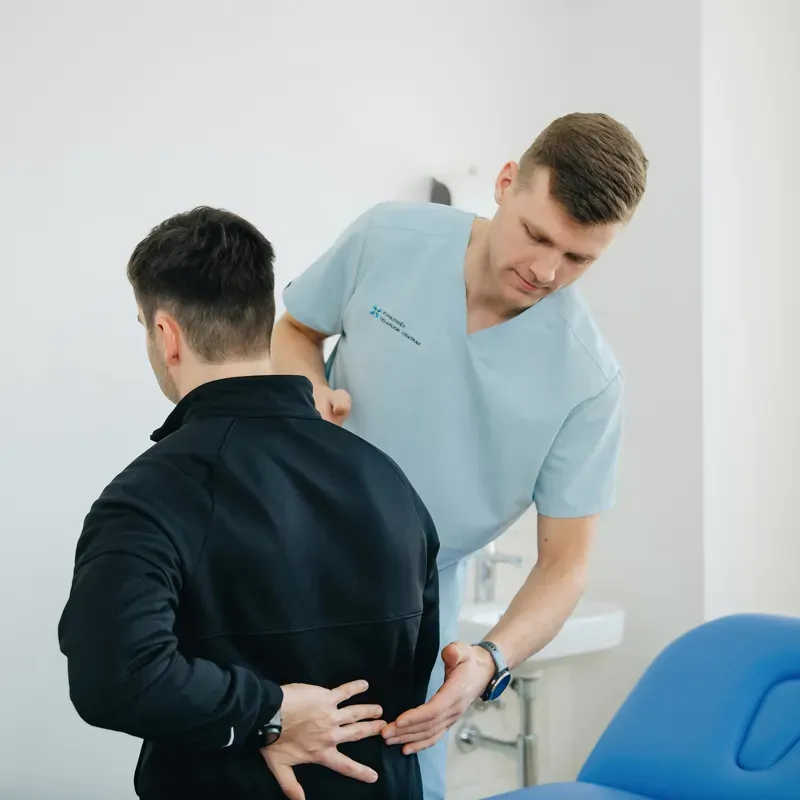
Complete Guide to Physiotherapy in Dubai: Types, Costs & What to Expect

Lower Back Pain Exercises: A Physiotherapy Guide
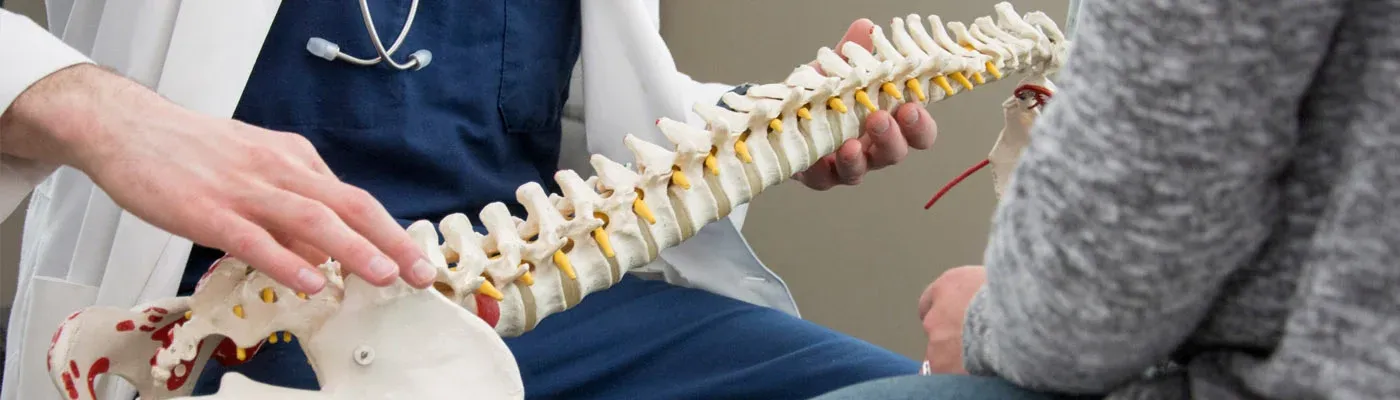
Herniated Disc Rehabilitation: Complete Recovery Timeline
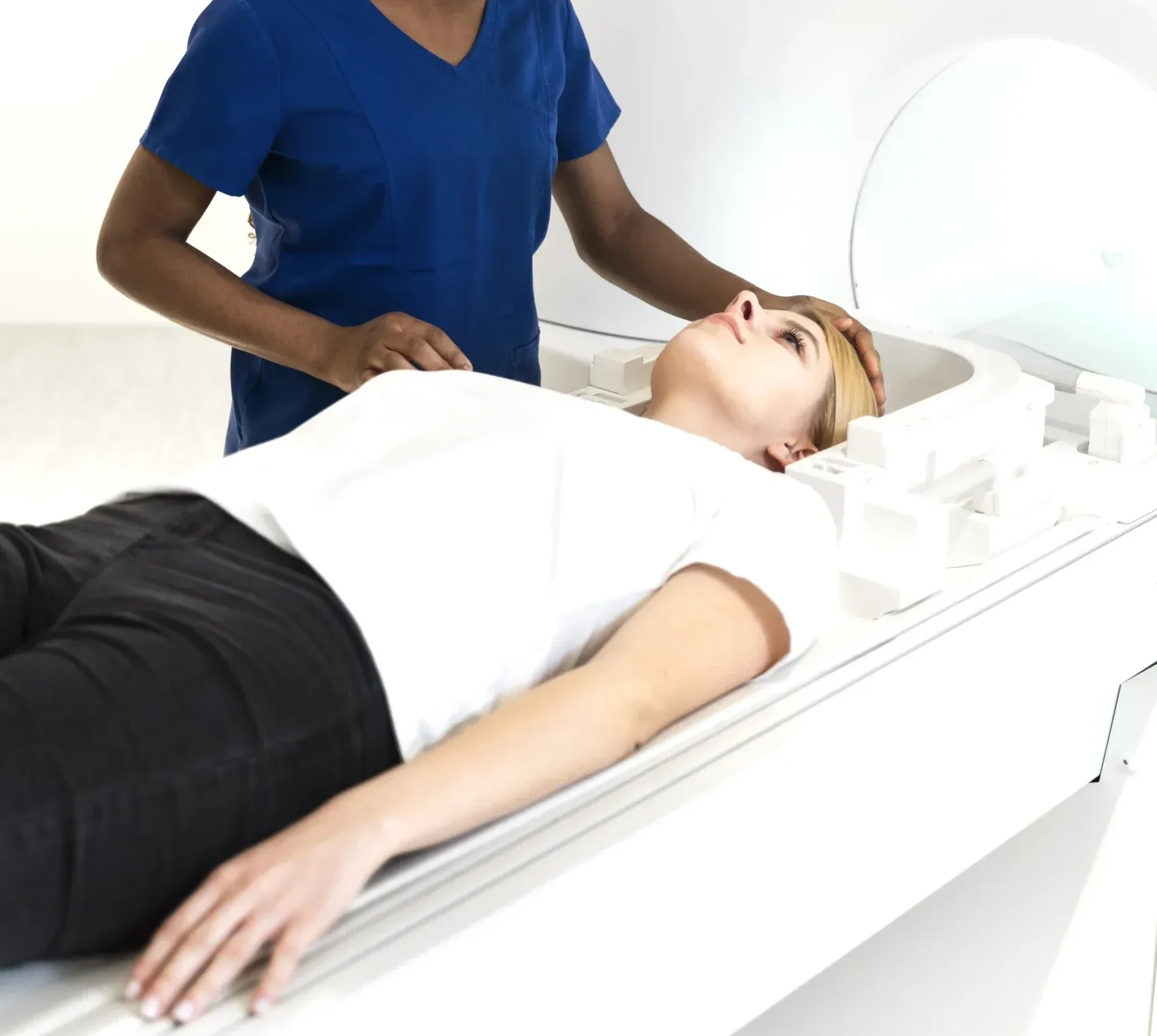
Spine MRI in Dubai: Cost, What It Shows & When You Need One
More in Orthopedics

Sciatica Causes & Symptoms in Dubai (2026)
Read More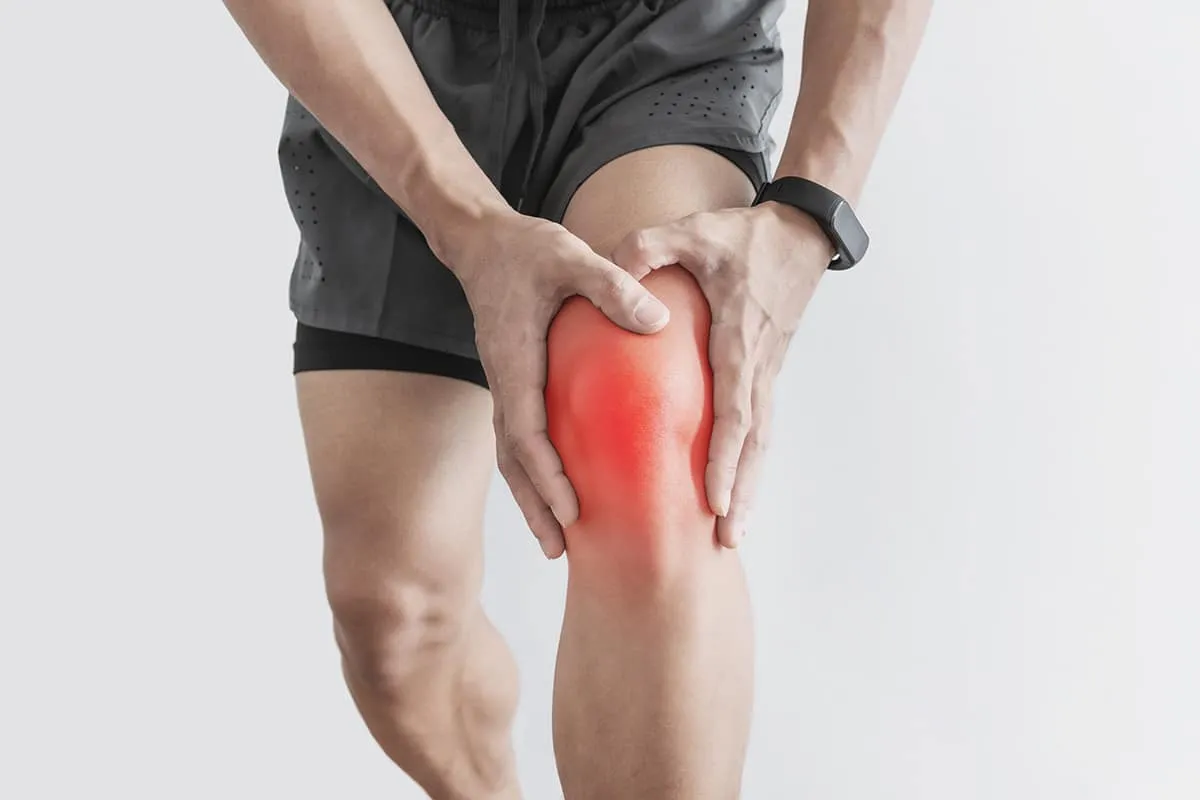
Gym Injuries Dubai: Prevention & Recovery (2026)
Read More
Chronic Pain Management Dubai: Guide (2026)
Read More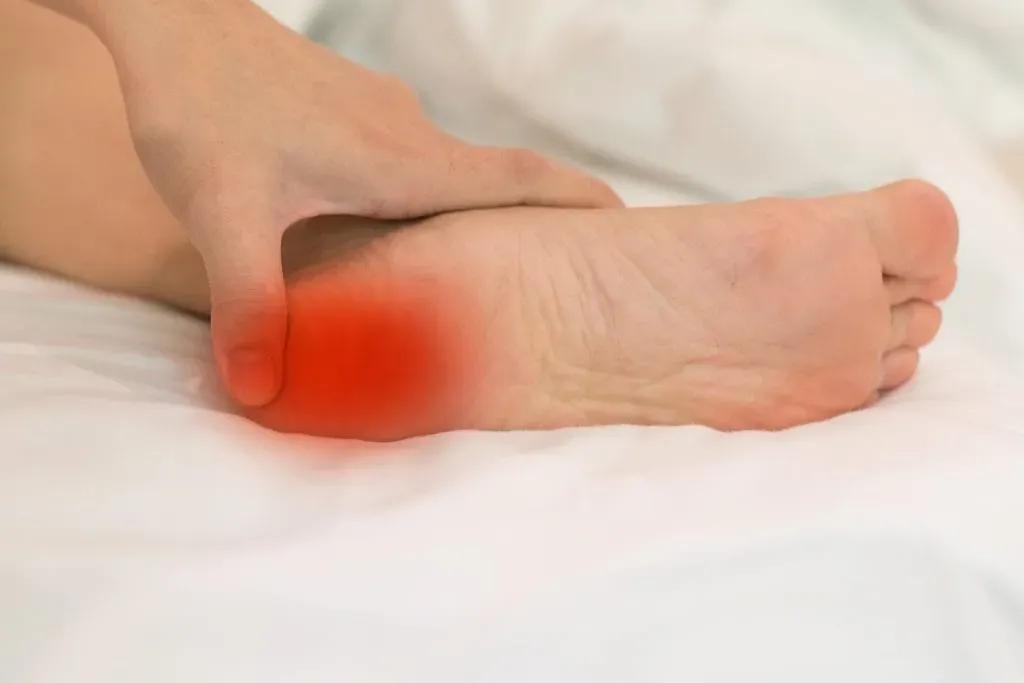
Achilles Tendonitis Treatment in Dubai (2026)
Read More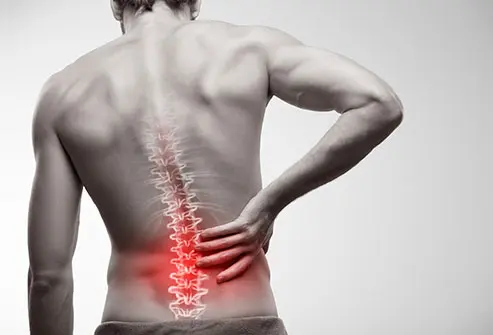
Spinal Stenosis vs Herniated Disc Dubai (2026)
Read More
Wrist Pain Causes Dubai: When to Worry (2026)
Read More© 2026 Doctors Clinic Diagnostic Center (DCDC), Dubai Healthcare City. Originally published at https://doctorsclinicdubai.ae/blog/back-pain-causes-treatment. All rights reserved. Unauthorized reproduction is prohibited.