Key Takeaways
- Vertigo is a false sensation of spinning or movement and differs from general dizziness or lightheadedness — accurate classification is essential for correct treatment
- Benign paroxysmal positional vertigo (BPPV) is the most common cause of vertigo and can often be resolved in a single clinic visit using the Epley repositioning maneuver
- Red flag symptoms requiring urgent evaluation include sudden vertigo with one-sided weakness, slurred speech, severe headache, double vision, or difficulty walking — these may indicate stroke or a central nervous system emergency
- Diagnosis typically involves bedside tests such as the Dix-Hallpike maneuver and head impulse test, supplemented by VNG testing, audiometry, or brain MRI when central causes are suspected
- Treatment depends on the underlying cause and ranges from repositioning maneuvers and vestibular rehabilitation therapy to medication, lifestyle modifications, and in rare cases surgery
- A neurology consultation for vertigo in Dubai costs from AED 500, and most comprehensive health insurance plans cover specialist referrals when clinically indicated
Vertigo — the unsettling sensation that you or your surroundings are spinning — affects up to 15% of adults at some point in their lives. While a brief episode of dizziness may seem harmless, recurring or severe vertigo can significantly impact daily life, work productivity, and safety. In Dubai's fast-paced environment, where dehydration, stress, and long hours of screen use are common, understanding the causes of vertigo and knowing when to seek specialist care is essential. At Doctors Clinic Diagnostic Center (DCDC) in Dubai Healthcare City, our neurology team provides comprehensive vertigo and dizziness treatment backed by in-house diagnostic imaging and vestibular testing to identify the root cause and deliver targeted treatment.
Health Screening Packages
Save with our bundled screening packages — specialist consultation included





What Is Vertigo? Understanding Vertigo vs Dizziness vs Lightheadedness
Many patients use the words "vertigo," "dizziness," and "lightheadedness" interchangeably, but these terms describe distinctly different sensations — and distinguishing between them is the first step toward accurate diagnosis.
Vertigo is a specific type of dizziness characterised by a false sensation of rotational movement. You may feel as though the room is spinning around you, or that you yourself are spinning while standing still. It is caused by a mismatch between the signals sent by your vestibular system (the balance organs in your inner ear) and the information processed by your brain.
Dizziness is a broader, less specific term that encompasses vertigo but also includes feelings of unsteadiness, spatial disorientation, or a sense that you are about to fall. Not all dizziness involves a spinning sensation.
Lightheadedness refers to a feeling of faintness or near-fainting (presyncope). It is often caused by a temporary drop in blood pressure, dehydration, or blood sugar fluctuations rather than a vestibular problem. Standing up too quickly, skipping meals, or spending prolonged periods in Dubai's heat can all trigger lightheadedness.
When you visit a neurologist, one of the first priorities is determining which category your symptoms fall into, because the underlying causes — and therefore the treatments — are fundamentally different.
Types of Vertigo: Peripheral vs Central
Vertigo is classified into two broad categories based on its anatomical origin. Understanding this distinction is critical because peripheral vertigo is generally benign and treatable, while central vertigo may indicate a serious neurological condition.
Peripheral Vertigo
Peripheral vertigo originates in the inner ear or the vestibular nerve that connects the inner ear to the brainstem. It accounts for approximately 80% of all vertigo cases and is typically episodic, intense, and accompanied by nausea and nystagmus (involuntary rhythmic eye movements). Common causes include BPPV, Meniere's disease, vestibular neuritis, and labyrinthitis.
Central Vertigo
Central vertigo originates in the brain — specifically the brainstem or cerebellum. It tends to be less intense but more persistent than peripheral vertigo, and is often accompanied by other neurological symptoms such as double vision, difficulty swallowing, slurred speech, severe headache, or limb weakness. Causes include stroke, transient ischaemic attack (TIA), multiple sclerosis, brain tumours, and vestibular migraine. Central vertigo always requires urgent neurological evaluation and often warrants brain MRI imaging.
| Feature | Peripheral Vertigo | Central Vertigo |
|---|---|---|
| Origin | Inner ear / vestibular nerve | Brainstem / cerebellum |
| Onset | Sudden, episodic | Gradual or sudden |
| Intensity | Severe spinning | Mild to moderate, persistent |
| Nausea/vomiting | Common and often severe | Less prominent |
| Hearing loss | May be present (Meniere's) | Rare |
| Neurological signs | Absent | Often present (weakness, vision changes) |
| Nystagmus pattern | Horizontal or rotational, fatigable | Vertical or direction-changing, non-fatigable |
| Common causes | BPPV, Meniere's, vestibular neuritis | Stroke, MS, tumour, vestibular migraine |
BPPV: The Most Common Cause of Vertigo
Benign paroxysmal positional vertigo (BPPV) is the single most common cause of vertigo, accounting for roughly 20-30% of all vertigo presentations in clinical practice. It occurs when tiny calcium carbonate crystals called otoconia (or "ear rocks") become dislodged from the utricle and migrate into one of the semicircular canals — most commonly the posterior canal.
These displaced crystals disturb the normal flow of fluid within the canal, sending false signals of rotational movement to the brain. The result is brief but intense episodes of vertigo triggered by specific head movements such as rolling over in bed, looking up, bending forward, or tilting the head back.
Key characteristics of BPPV include:
- Episodes typically last less than 60 seconds but feel overwhelming during the attack
- Triggered by specific changes in head position rather than occurring spontaneously
- Often accompanied by nausea and a sensation of imbalance after the spinning stops
- No hearing loss or tinnitus (these suggest Meniere's disease instead)
- More common in women, adults over 50, and after head trauma or prolonged bed rest
- Diagnosed with the Dix-Hallpike test and treated with the Epley maneuver — often resolving the condition in a single clinic visit
Experiencing Positional Vertigo?
BPPV can often be diagnosed and treated in a single appointment. Book a neurology consultation at DCDC in Dubai Healthcare City for expert assessment and the Epley repositioning maneuver.
Other Common Causes of Vertigo and Dizziness
Meniere's Disease
Meniere's disease is a chronic inner ear disorder caused by abnormal fluid pressure (endolymphatic hydrops) within the labyrinth. It produces a classic triad of symptoms: episodic vertigo lasting 20 minutes to several hours, fluctuating hearing loss (usually low-frequency), and tinnitus (ringing or roaring in the affected ear). Many patients also experience a sensation of fullness or pressure in the ear before or during attacks.
Meniere's disease typically affects one ear and can lead to progressive, permanent hearing loss over time if not managed. Diagnosis involves audiometric hearing tests showing characteristic low-frequency sensorineural hearing loss, and treatment focuses on reducing attack frequency through dietary sodium restriction, diuretics, vestibular rehabilitation, and in severe cases intratympanic injections or surgery.
Vestibular Neuritis and Labyrinthitis
Vestibular neuritis is an inflammation of the vestibular nerve, typically triggered by a viral infection. It causes a sudden, severe, continuous episode of vertigo that can last several days, accompanied by nausea, vomiting, and difficulty with balance. Unlike labyrinthitis, vestibular neuritis does not affect hearing.
Labyrinthitis involves inflammation of both the vestibular nerve and the cochlea, producing vertigo alongside hearing loss and tinnitus. Both conditions are self-limiting but recovery can take weeks. Vestibular rehabilitation therapy is the cornerstone of recovery, helping the brain compensate for the damaged vestibular input.
Vestibular Migraine
Vestibular migraine is an increasingly recognised cause of episodic vertigo, particularly in patients with a history of migraine headaches. It can cause vertigo episodes lasting minutes to hours, with or without an accompanying headache. Other associated symptoms include light sensitivity, sound sensitivity, visual aura, and motion intolerance. Vestibular migraine is managed similarly to other migraine types, with trigger avoidance, lifestyle modification, and preventive medication.
Central Causes: Stroke, Multiple Sclerosis & Brain Tumours
While less common, central causes of vertigo demand urgent attention. A posterior circulation stroke affecting the brainstem or cerebellum can present with sudden vertigo, and may be the only initial symptom — making it easy to misdiagnose as a benign inner ear problem. Stroke warning signs such as difficulty speaking, facial drooping, arm weakness, or sudden severe headache alongside vertigo require emergency medical evaluation.
Multiple sclerosis can cause vertigo through demyelinating lesions in the brainstem, and acoustic neuromas (vestibular schwannomas) are benign tumours on the vestibular nerve that produce gradually worsening unilateral hearing loss, tinnitus, and imbalance. Both conditions are identified through MRI imaging of the brain and inner ear.
How Is Vertigo Diagnosed? Tests and Examinations
Accurate diagnosis of vertigo begins with a detailed clinical history and a focused neurological examination. Your neurologist will ask about the duration, frequency, and triggers of your episodes, associated symptoms (hearing loss, tinnitus, headache, neurological symptoms), medications, and medical history.
Bedside Clinical Tests
- Dix-Hallpike test: The gold-standard test for diagnosing BPPV. The patient is moved from a sitting position to lying flat with the head turned 45 degrees to one side and extended below the level of the table. A positive result produces characteristic rotational nystagmus and reproduces the patient's vertigo symptoms.
- Head impulse test (HIT): The examiner rapidly turns the patient's head to one side while the patient fixes their gaze on the examiner's nose. A corrective saccade (catch-up eye movement) indicates vestibular hypofunction on the side of the head turn, suggesting peripheral vestibular damage.
- HINTS examination: A three-part bedside assessment (Head Impulse, Nystagmus type, and Test of Skew) used to distinguish central from peripheral vertigo in patients with acute vestibular syndrome. Studies show it is more sensitive than early MRI for detecting posterior circulation stroke.
- Romberg test and gait assessment: Evaluates balance with eyes open and closed to identify vestibular or proprioceptive dysfunction. Cerebellar causes of vertigo may produce a wide-based, ataxic gait.
Advanced Diagnostic Investigations
- Videonystagmography (VNG): Records eye movements using infrared goggles to evaluate the function of the vestibular system. VNG testing includes positional testing, caloric testing (warm and cool air or water stimulating the ear canals), and oculomotor evaluation.
- Audiometry (hearing test): Essential when Meniere's disease or acoustic neuroma is suspected. A full hearing assessment helps identify the characteristic low-frequency hearing loss of Meniere's disease or the asymmetric sensorineural hearing loss associated with vestibular schwannomas.
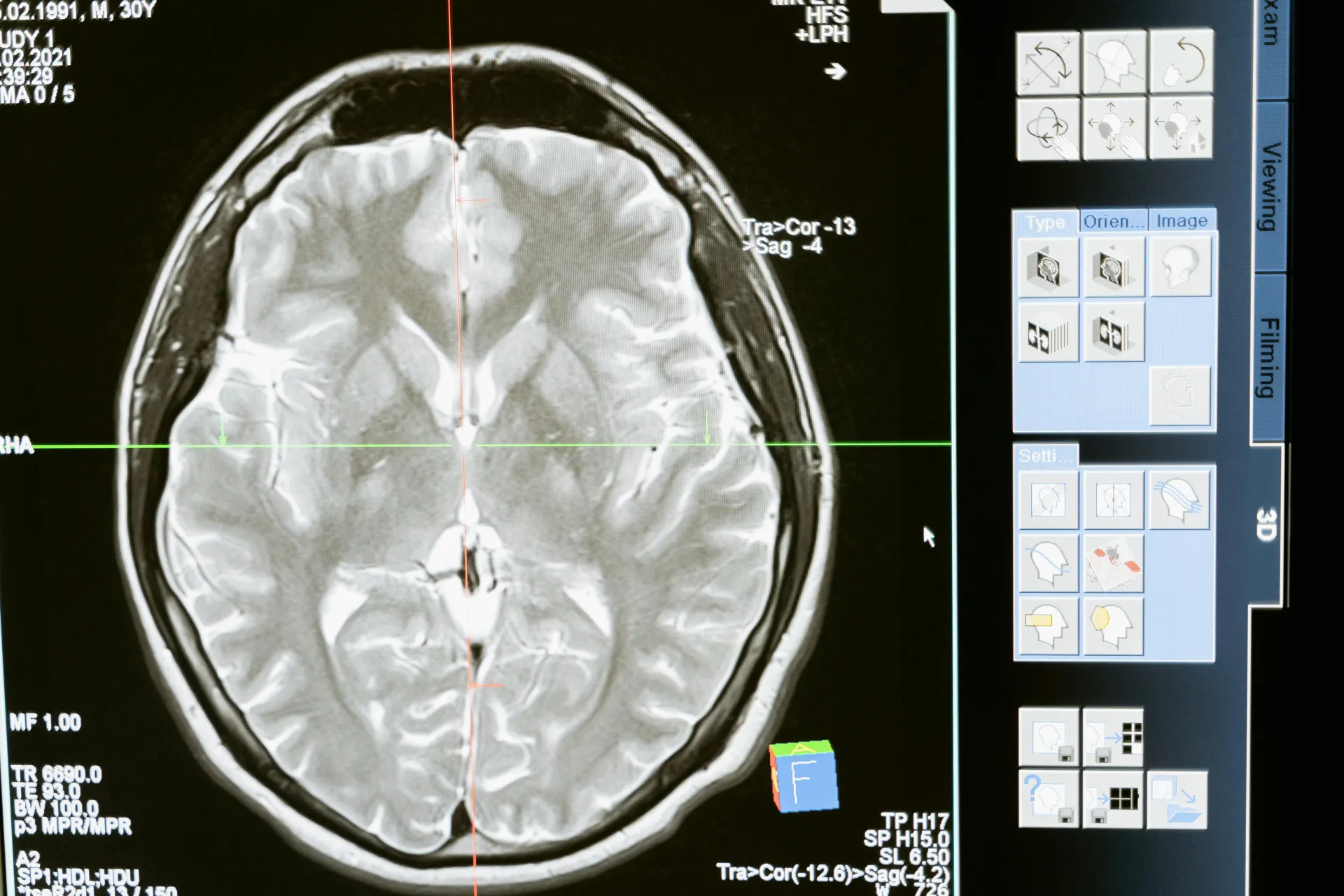
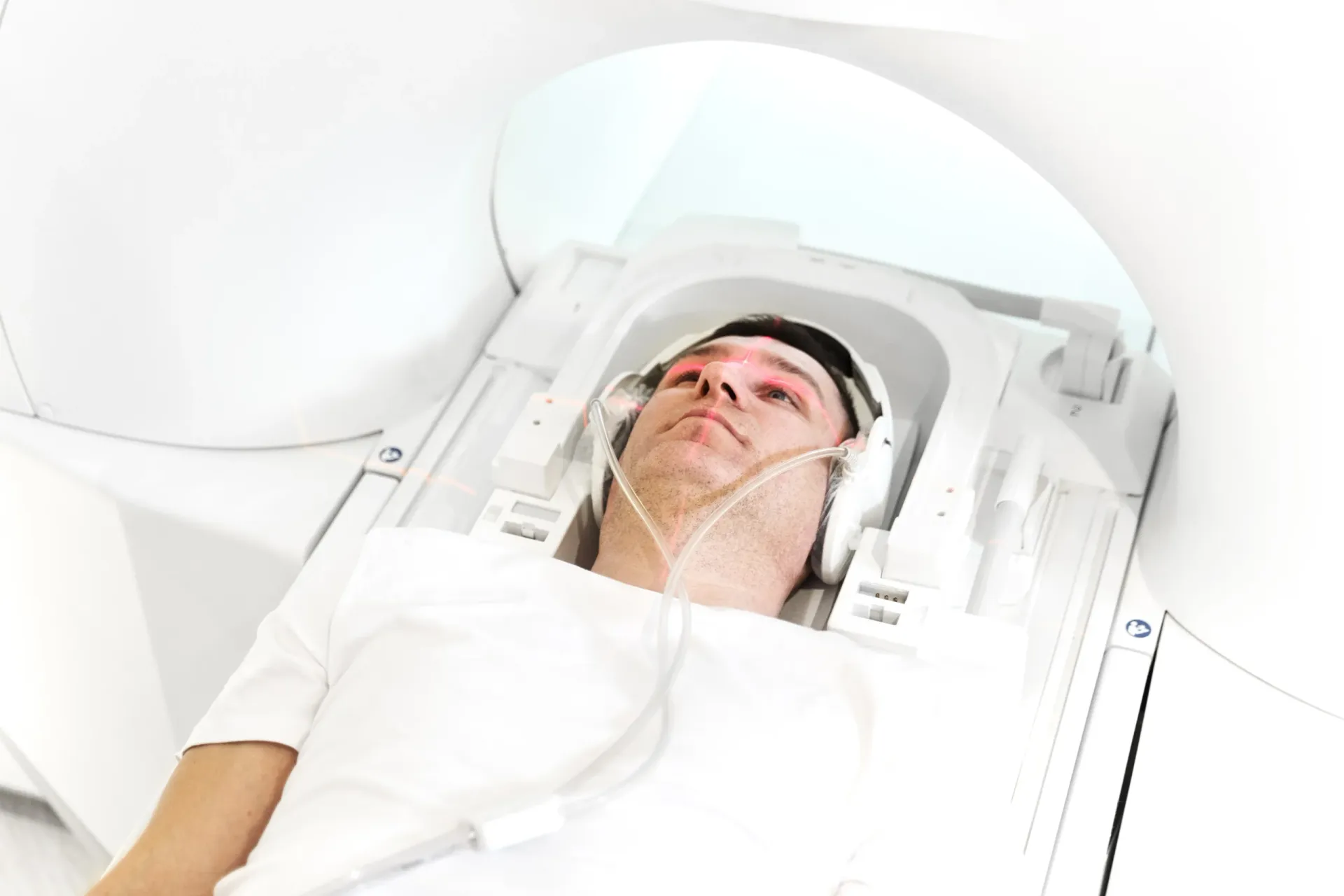
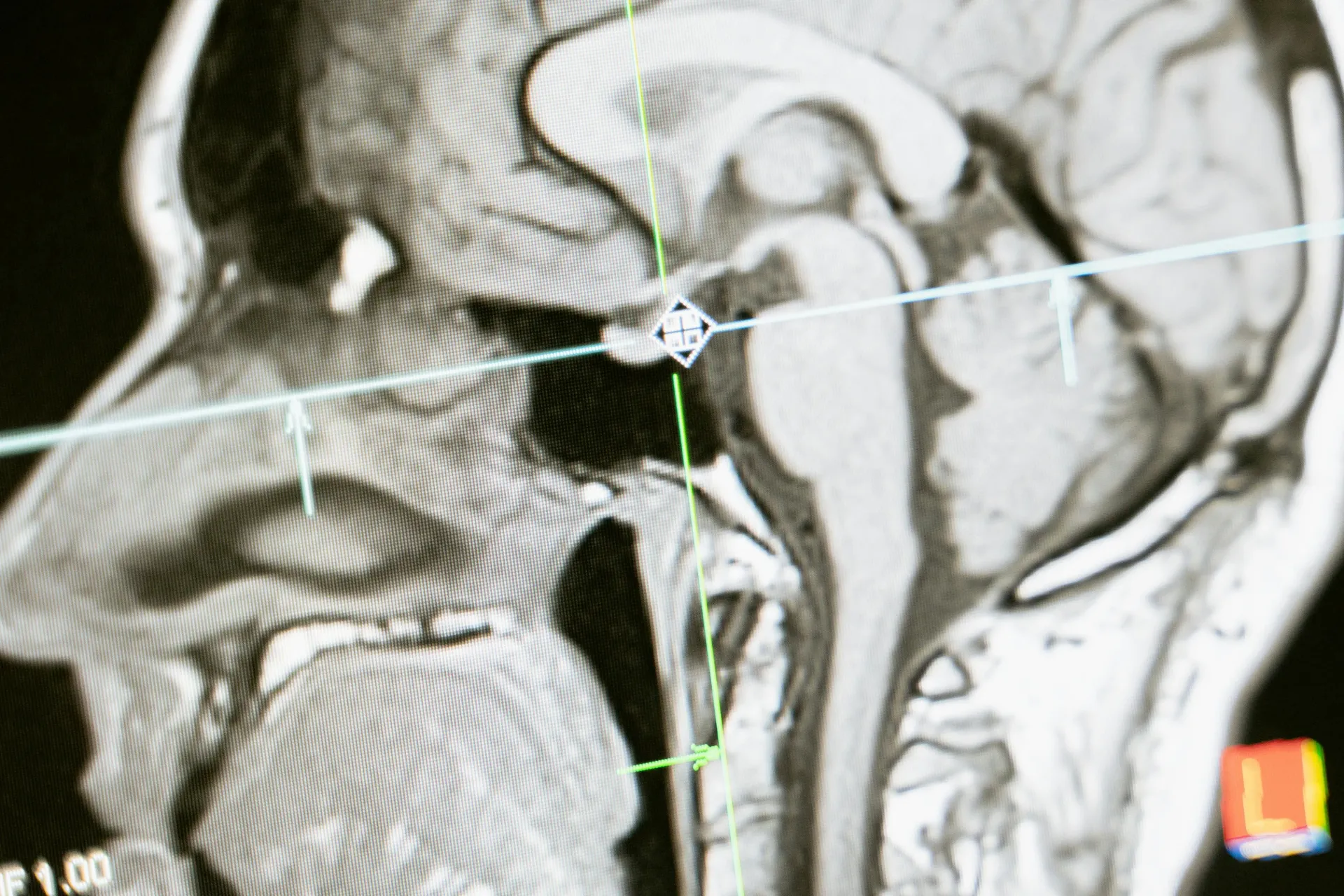
- Brain MRI: Indicated when central vertigo is suspected — for example, when neurological signs are present, nystagmus patterns are atypical, or symptoms do not fit a peripheral pattern. MRI for vertigo can identify strokes, tumours, demyelinating lesions, and structural abnormalities of the inner ear and cerebellopontine angle.
- Blood tests: May be ordered to rule out contributing factors such as anaemia, thyroid dysfunction, vitamin B12 deficiency, blood glucose abnormalities, or infection.
In-House Vertigo Diagnostics at DCDC
Our Dubai Healthcare City clinic offers neurology consultation, brain MRI, audiometry, and vestibular testing under one roof — meaning faster diagnosis and fewer trips between clinics.
Vertigo Treatment Options: From Repositioning Maneuvers to Surgery
Treatment for vertigo is highly specific to the underlying cause. What works for BPPV will not help Meniere's disease, and vice versa. This is why accurate diagnosis is the essential first step before any treatment plan is initiated.
Canalith Repositioning Maneuvers (Epley Maneuver)
The Epley maneuver is the primary treatment for BPPV and involves a series of guided head and body position changes that move the displaced otoconia out of the affected semicircular canal and back into the utricle where they can be safely reabsorbed. The procedure takes approximately 10-15 minutes and is performed in the clinic.
Success rates for the Epley maneuver are excellent — studies show that 80-90% of patients experience significant improvement after one to two treatments. Variations such as the Semont maneuver or BBQ roll maneuver are used for less common canal variants. Patients are typically advised to avoid rapid head movements for 24-48 hours after the procedure.
Vestibular Rehabilitation Therapy (VRT)
Vestibular rehabilitation is an exercise-based treatment programme designed to promote central nervous system compensation for vestibular dysfunction. It is particularly effective for vestibular neuritis, labyrinthitis, and patients with persistent dizziness or imbalance after the acute vertigo episode has resolved.
A VRT programme typically includes:
- Gaze stabilisation exercises: Train the eyes to remain focused during head movements, reducing visual blurring and motion sensitivity
- Habituation exercises: Gradually expose the patient to movements and positions that provoke dizziness, reducing the brain's sensitivity to these triggers over time
- Balance training: Progressive exercises that challenge standing and walking balance on various surfaces and in different sensory conditions
- Functional retraining: Exercises tailored to the patient's daily activities and work requirements to restore confidence and independence
Medication for Vertigo
Medications play a supporting role in vertigo management and are generally used for short-term symptom relief rather than long-term treatment. Commonly prescribed medications include:
- Vestibular suppressants: Betahistine (Serc) is widely used in the UAE and can reduce the frequency and severity of vertigo attacks, particularly in Meniere's disease. Meclizine and dimenhydrinate may be used for acute symptom relief.
- Anti-nausea medications: Ondansetron or prochlorperazine for severe nausea and vomiting during acute vertigo episodes
- Corticosteroids: A short course of oral steroids may be prescribed for vestibular neuritis to reduce inflammation and improve vestibular recovery
- Migraine preventives: For vestibular migraine, preventive medications such as beta-blockers, topiramate, amitriptyline, or CGRP inhibitors may be recommended
- Diuretics: Hydrochlorothiazide or acetazolamide may be prescribed for Meniere's disease to reduce endolymphatic pressure
It is important to note that vestibular suppressants should be used only in the acute phase. Prolonged use can actually delay vestibular compensation by suppressing the brain's natural recovery mechanisms.
Surgical and Interventional Treatments
Surgery for vertigo is reserved for cases that fail to respond to conservative treatment. Options include intratympanic gentamicin or steroid injections for refractory Meniere's disease, endolymphatic sac decompression to reduce inner ear fluid pressure, and in rare cases vestibular nerve section or labyrinthectomy for severe, disabling vertigo that does not respond to any other treatment. An ENT specialist often collaborates with the neurologist when surgical options are being considered.
Vertigo Treatment Cost in Dubai
The cost of vertigo treatment in Dubai varies depending on the diagnostic tests required and the treatment approach. Below is a general guide to expected costs:
| Service | Estimated Cost (AED) |
|---|---|
| Neurology consultation | From AED 500 |
| Epley maneuver (BPPV treatment) | AED 300-600 |
| Videonystagmography (VNG) | AED 800-1,500 |
| Audiometry (hearing test) | AED 200-500 |
| Brain MRI (with contrast) | AED 2,500-4,500 |
| Vestibular rehabilitation (per session) | AED 300-600 |
| Blood panel (vertigo workup) | AED 300-800 |
Most comprehensive health insurance plans in the UAE cover neurology consultations and diagnostic tests when referred by a general practitioner with clinical justification. We recommend contacting your insurer to confirm your coverage before your appointment. At DCDC, our front desk team can assist with insurance pre-authorisation.
When to See a Neurologist Urgently for Vertigo
While most vertigo is caused by benign inner ear conditions, certain symptoms are red flags that demand urgent or emergency medical evaluation. Do not wait for a routine appointment if you experience any of the following:
- Sudden vertigo with one-sided weakness or numbness: This combination may indicate a stroke affecting the brainstem or cerebellum — call emergency services immediately
- Vertigo accompanied by slurred speech or difficulty swallowing: Suggests a central nervous system cause requiring emergency imaging
- The worst headache of your life alongside vertigo: May indicate a subarachnoid haemorrhage or other vascular emergency
- New double vision or sudden vision loss with vertigo: Points to a brainstem or cerebellar lesion
- Inability to walk or stand without falling: Severe ataxia with vertigo may indicate a cerebellar stroke, particularly in patients with vascular risk factors
- Vertigo after head trauma: Post-traumatic vertigo may indicate a concussion, skull base fracture, or perilymphatic fistula and requires prompt evaluation
- Persistent vertigo lasting more than 24-48 hours without improvement: Acute vestibular syndrome requires specialist assessment to differentiate vestibular neuritis from posterior circulation stroke
Use the FAST acronym to recognise stroke: Face drooping, Arm weakness, Speech difficulty, Time to call emergency services. If vertigo is accompanied by any of these signs, treat it as a medical emergency.
Living with Vertigo: Lifestyle Tips and Self-Management
For patients with recurrent vertigo, certain lifestyle modifications can help reduce the frequency and severity of episodes alongside medical treatment:
- Stay hydrated: Dehydration is a common contributor to dizziness in Dubai's climate. Aim for at least 2-3 litres of water daily, more if you spend time outdoors or exercise
- Reduce sodium intake: Particularly important for Meniere's disease patients — high sodium increases inner ear fluid retention and can trigger attacks
- Manage stress: Chronic stress and anxiety can worsen vestibular symptoms and are strongly associated with vestibular migraine triggers
- Limit caffeine and alcohol: Both can affect inner ear fluid balance and exacerbate vertigo in susceptible individuals
- Sleep hygiene: Poor sleep and fatigue lower the threshold for vestibular migraine attacks and impair vestibular compensation
- Avoid sudden head movements: Particularly relevant for BPPV — rise slowly from bed, avoid looking up suddenly, and use caution when tilting your head back
- Fall prevention: Secure rugs, install handrails, use night lights, and avoid walking in the dark if you experience recurrent episodes of vertigo or imbalance
Why Choose DCDC for Vertigo Treatment in Dubai?
Doctors Clinic Diagnostic Center in Dubai Healthcare City offers several advantages for patients seeking vertigo diagnosis and treatment:
- Expert neurology team: Our consultant neurologists have extensive experience diagnosing and treating all forms of vertigo, from common BPPV to complex central vestibular disorders
- In-house diagnostic imaging: On-site brain MRI capability means faster diagnosis without referrals to external imaging centres
- Integrated multidisciplinary care: Neurology, ENT, audiology, and physiotherapy services under one roof enable seamless coordination between specialists
- Same-day treatment: For BPPV, we can often diagnose and treat the condition with the Epley maneuver in the same appointment
- Vestibular rehabilitation: Our physiotherapy team provides structured vestibular rehabilitation programmes tailored to each patient's condition and recovery goals
- Convenient location: Located in Dubai Healthcare City with easy metro access and ample parking, with flexible appointment scheduling including early morning and evening slots
Book Your Vertigo Consultation Today
Don't let dizziness control your life. Schedule a neurology consultation at DCDC in Dubai Healthcare City for expert diagnosis and personalised treatment. Call us or book online.
Related Services at DCDC
Expert care and advanced diagnostics at Dubai Healthcare City
Frequently Asked Questions
Final Thoughts
Vertigo is one of the most common reasons patients visit a neurologist, yet it remains widely misunderstood. The good news is that the majority of vertigo cases are caused by benign, treatable conditions — and with accurate diagnosis, many patients experience significant improvement or complete resolution of their symptoms. The key is determining the exact cause through proper clinical assessment rather than relying on symptom suppression alone.
At Doctors Clinic Diagnostic Center in Dubai Healthcare City, our neurology team combines clinical expertise with in-house diagnostic capabilities — including MRI, vestibular testing, and audiometry — to provide comprehensive vertigo evaluation and treatment under one roof. Whether you are experiencing your first episode of dizziness or have been living with recurrent vertigo for years, we are here to help you find answers and effective relief. Contact us today to schedule your vertigo consultation.
Sources & References
This article was reviewed by our medical team and references the following sources:
- Mayo Clinic - Vertigo: Symptoms and Causes
- NHS - Vertigo
- Vestibular Disorders Association (VeDA) - Types of Vestibular Disorders
- American Academy of Neurology - Practice Guidelines for Benign Paroxysmal Positional Vertigo
- BMJ Best Practice - Assessment of Vertigo
Medical content on this site is reviewed by DHA-licensed physicians. See our editorial policy for more information.

Written by
Dr. Heike Jacobs
Consultant Neurologist
MD, MRCP, Consultant Neurologist
Dr. Heike Jacobs is a Consultant Neurologist at Doctors Clinic Diagnostic Center (DCDC) in Dubai Healthcare City, specializing in vertigo, headaches, and neurological disorders.
Related Articles

When to See a Neurologist in Dubai
MRI for Vertigo and Balance Disorders

Vestibular Rehabilitation for Vertigo

Migraine Treatment Dubai: Types & Expert Care
Stroke Warning Signs: FAST Response Guide
More in General Health
Epilepsy Treatment Dubai: Symptoms & Care (2026)
Read More
Food Allergy vs Food Intolerance Dubai (2026)
Read More
Pneumonia vs Flu Dubai: Key Differences (2026)
Read More
Swollen Lymph Nodes Dubai: When to Worry (2026)
Read MoreFlu vs Cold Dubai: How to Tell the Difference (2026)
Read More
Sleep Study Cost Dubai: Tests & Pricing (2026)
Read More© 2026 Doctors Clinic Diagnostic Center (DCDC), Dubai Healthcare City. Originally published at https://doctorsclinicdubai.ae/blog/vertigo-treatment-dubai. All rights reserved. Unauthorized reproduction is prohibited.