Key Takeaways
- Restless leg syndrome (Willis-Ekbom disease) affects 5-15% of people and causes an urge to move the legs that is worse at rest and in the evening
- Diagnosis is clinical, based on the five International RLS Study Group criteria; no single test confirms it
- Iron deficiency is the most important reversible cause, and a ferritin level below 75 μg/L may be enough to drive symptoms even with a normal haemoglobin
- Pregnancy, kidney disease and medicines such as sedating antihistamines and some antidepressants can trigger or worsen RLS
- Treatment starts with correcting causes and lifestyle changes; medication classes such as alpha-2-delta ligands are used for moderate-severe cases
- At DCDC, a neurology consultation starts from AED 500 and blood tests start from AED 149 (ferritin, iron, CBC) to AED 249 (TSH, kidney function) with same-day routine results
Restless leg syndrome (RLS) is a common neurological condition that causes an uncontrollable urge to move the legs, most intensely at night, and it often overlaps with nerve problems that need expert assessment. If crawling, pulling or aching sensations are costing you sleep, a specialist review of neuropathy and nerve disorders in Dubai can separate RLS from other conditions and uncover treatable causes such as low iron. Many people in Dubai suffer for years before anyone checks their ferritin level or reviews their medicines, even though simple blood tests and targeted treatment can bring lasting relief.
This guide explains restless leg syndrome causes and treatment in detail: how to recognise the symptoms, what triggers them, how doctors diagnose RLS, and which options work best. It also walks through what to expect at DCDC, so you know exactly how a neurology visit and same-day blood tests can move you towards a good night's sleep.
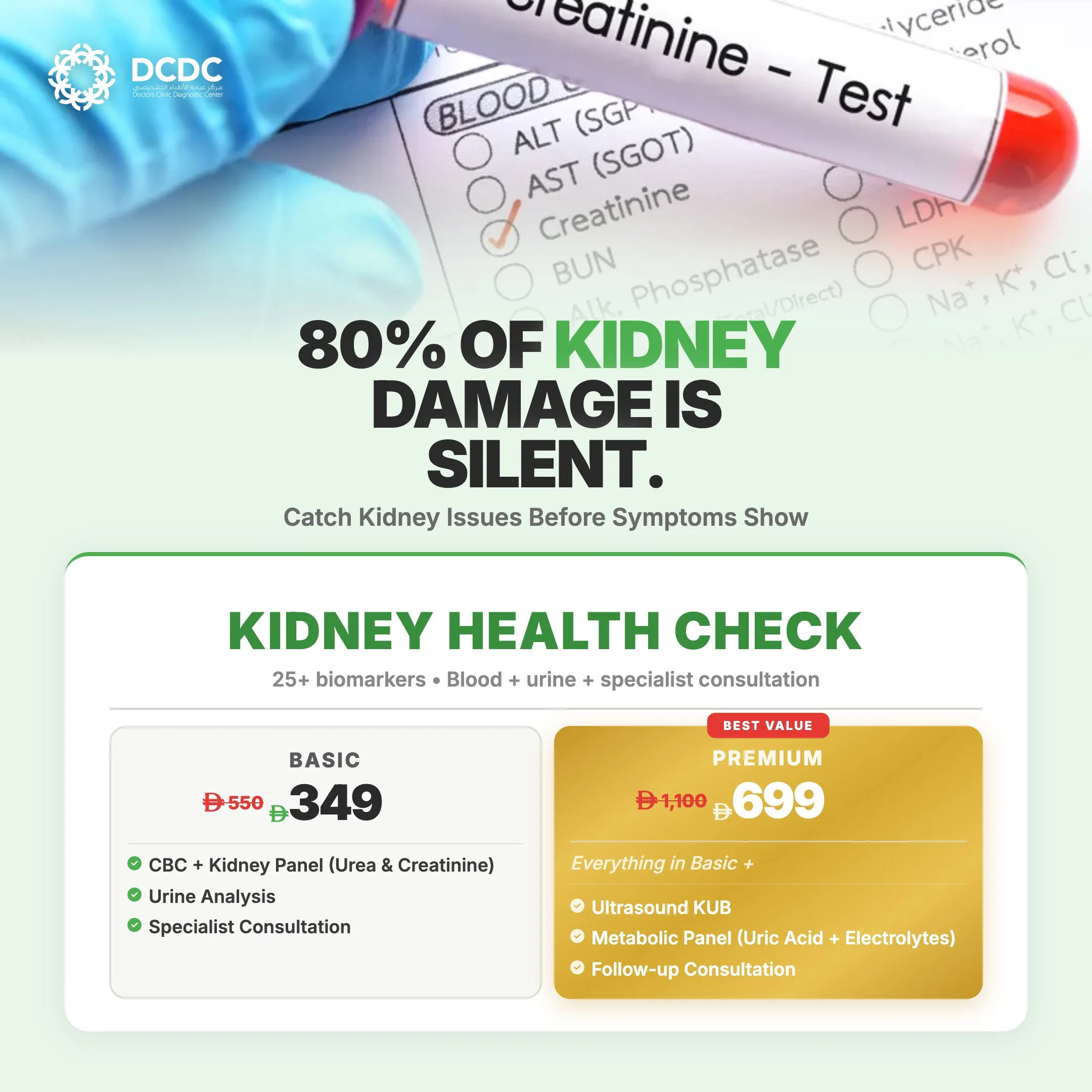
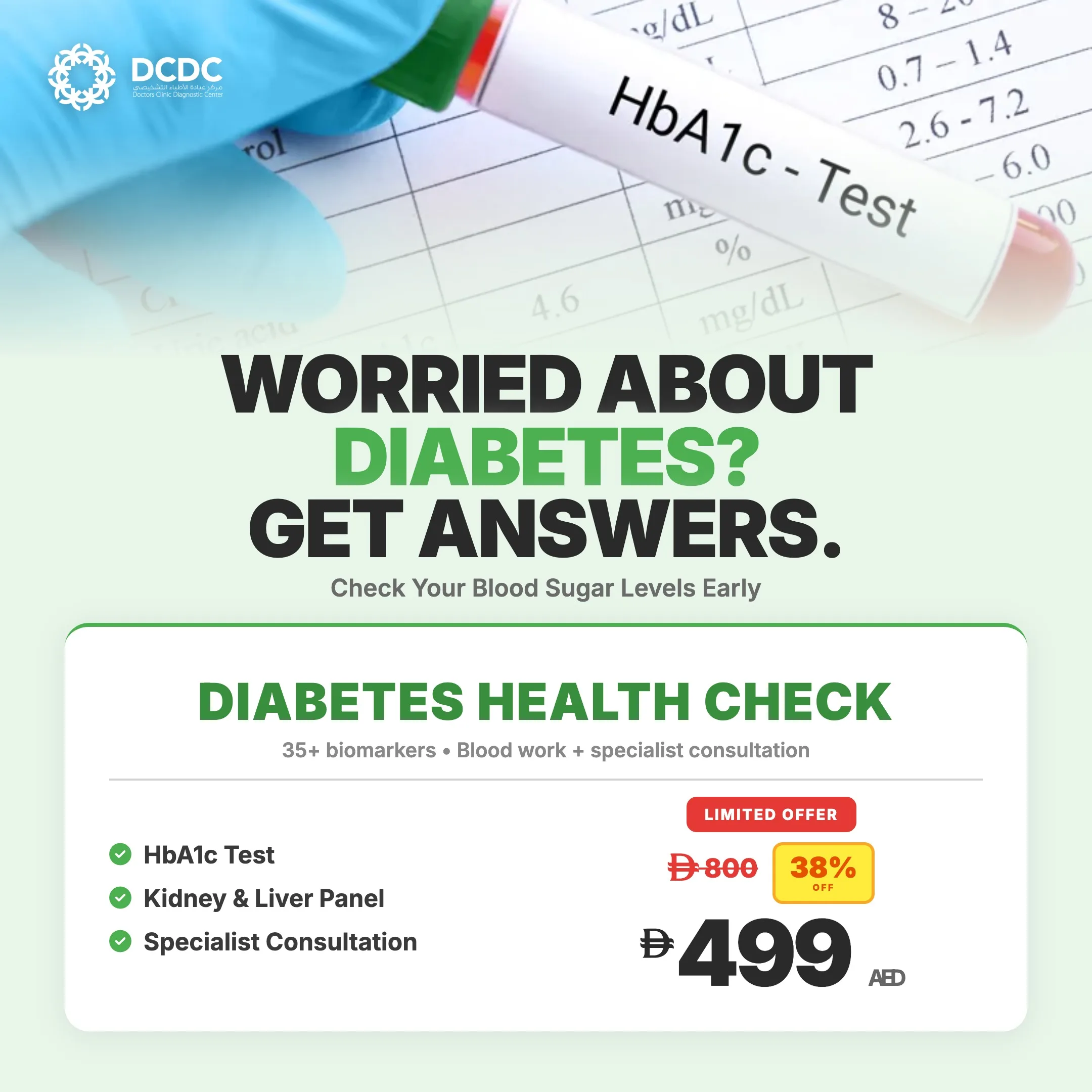
Health Screening Packages
Save with our bundled screening packages — specialist consultation included




What Is Restless Leg Syndrome (Willis-Ekbom Disease)?
Restless leg syndrome (RLS), also called Willis-Ekbom disease, is a neurological sensorimotor disorder that produces an irresistible urge to move the legs, usually accompanied by uncomfortable sensations deep in the limbs. Symptoms begin or worsen during rest, ease with movement, and follow a clear evening and night-time pattern. Because the discomfort peaks just as people try to fall asleep, RLS is a leading hidden cause of chronic sleep loss.
Estimates suggest RLS affects 5-15% of the population, with clinically significant symptoms (occurring at least twice a week and causing distress) in around 2-3% of adults. It is roughly twice as common in women as in men, becomes more frequent with age, and often runs in families: up to 50% of people with early-onset RLS have an affected relative. Despite this, many patients wait years for a diagnosis, and some are told their symptoms are anxiety, 'nerves' or simply poor sleep.
RLS is not a psychiatric condition and it is not a sign of weak character. Current research links it to altered dopamine signalling and low iron availability in the brain, which explains why iron correction and certain medication classes can help. In a busy city like Dubai, where long working hours, irregular sleep, heavy caffeine intake and widespread vitamin and iron deficiencies are common, RLS is frequently overlooked.
Recognising RLS Symptoms
There is no single scan or blood test that confirms RLS. Diagnosis rests on the five essential criteria set by the International Restless Legs Syndrome Study Group (IRLSSG), four of which describe the core symptom pattern. All must be present:
- An urge to move the legs, usually accompanied by, or felt as a result of, uncomfortable and unpleasant sensations in the legs.
- Onset or worsening at rest: symptoms begin or get worse during periods of inactivity such as sitting, lying in bed, long flights or watching a film.
- Relief with movement: walking, stretching or shaking the legs partially or totally relieves the sensations, at least for as long as the movement continues.
- Evening or night-time pattern: symptoms occur only or mainly in the evening or at night, or are clearly worse then than during the day.
- Not explained by another condition: the features are not solely accounted for by leg cramps, positional discomfort, arthritis, swelling, myalgia or habitual foot tapping.
Many people also experience periodic limb movements of sleep (PLMS): rhythmic jerks of the legs every 20-40 seconds while asleep. These can fragment sleep without the person realising, and bed partners are often the first to notice them.
What the Sensations Feel Like
Patients struggle to describe RLS because it is not typically painful in the usual sense. Common descriptions include:
- Crawling or creeping: a sensation of insects moving under the skin or inside the calf.
- Tingling or fizzing: like 'soda bubbles' or electric buzzing in the lower legs.
- Pulling or tugging: a deep, stretched feeling that makes it impossible to keep still.
- Aching or throbbing: a dull, heavy ache in the thighs, calves or feet.
- Itching deep inside the leg: an itch that scratching the skin cannot reach.
Symptoms are usually felt on both sides but can alternate, and in some people they spread to the arms. Severity ranges from an occasional nuisance to nightly episodes that last for hours and cause daytime exhaustion, low mood and poor concentration.
How RLS Differs from Other Leg Discomfort
Several conditions cause night-time leg symptoms, and telling them apart matters because the treatments differ. The table below summarises the main distinctions neurologists look for.
| Feature | Restless Leg Syndrome | Leg Cramps | Peripheral Neuropathy | Peripheral Artery Disease (PAD) |
|---|---|---|---|---|
| Main sensation | Crawling, pulling, urge to move | Sudden painful muscle tightening | Numbness, burning, pins and needles | Aching or cramping on walking |
| Timing | Evening and night, at rest | Often at night or after exercise | Constant, often worse at night | During exertion, eases with rest |
| Effect of movement | Relieves symptoms | Stretching relieves the spasm | Little change | Walking brings it on; rest relieves |
| Duration | Minutes to hours, recurring | Seconds to minutes | Persistent | Predictable distance-related |
| Typical clues | Family history, low iron, pregnancy | Visible hard muscle knot | Diabetes, B12 deficiency, reduced sensation | Cold feet, weak pulses, smoking or diabetes |
Distinguishing RLS from other causes of leg discomfort
If your symptoms include persistent numbness or burning, a nerve problem may be present alongside or instead of RLS. Our guide to neuropathy treatment in Dubai explains how nerve pain is investigated.
Common Causes and Triggers of Restless Legs
RLS is classified as primary (idiopathic, often genetic) or secondary (driven by another condition or substance). Primary RLS usually starts before the age of 45 and progresses slowly. Secondary RLS can start at any age, often appears abruptly and may improve once the cause is treated. Identifying a reversible driver is the most important step in management.
Iron Deficiency
Low iron is the most important reversible cause of restless legs. The brain needs iron to make dopamine, and imaging and spinal fluid studies show reduced brain iron in people with RLS even when blood haemoglobin is normal. That is why the ferritin level, which reflects stored iron, matters more than haemoglobin alone.
Many guidelines suggest that RLS symptoms may be iron-related when serum ferritin is below 75 μg/L, a higher threshold than the one used to diagnose anaemia. A transferrin saturation under 20% also supports iron insufficiency. Women of reproductive age, vegetarians, frequent blood donors, people with heavy periods and those with absorption problems such as coeliac disease are especially at risk. For a deeper look at iron testing, read our guide to the iron deficiency anaemia test in Dubai.
Pregnancy
Pregnancy raises the risk of RLS two- to three-fold, affecting up to one in five pregnant women, mainly in the third trimester. Falling iron and folate stores, hormonal shifts and increased blood volume all contribute. Symptoms usually fade within days to weeks of delivery, though women with persistent symptoms or a family history may continue to have them. Iron status should be checked during pregnancy, and any treatment must be chosen carefully with your obstetrician.
Chronic Kidney Disease
RLS is notably common in people with chronic kidney disease, affecting up to 20-40% of those on dialysis. Mechanisms include uraemic toxins, anaemia and disturbed iron handling. Symptoms often improve after a kidney transplant. A kidney function panel is therefore part of every RLS work-up, particularly for patients with diabetes or high blood pressure.
Medications That Can Worsen RLS
Several widely used medicines can trigger or intensify restless legs. Never stop a prescribed medicine on your own, but discuss these with your doctor if symptoms began after starting one:
- Sedating antihistamines: found in many over-the-counter allergy, cold and sleep remedies.
- Antidepressants: especially SSRIs, SNRIs and mirtazapine; bupropion is generally less likely to worsen RLS.
- Anti-nausea drugs: metoclopramide, prochlorperazine and similar dopamine-blocking medicines.
- Antipsychotics: which block dopamine receptors.
- Some cold and flu combinations: that contain sedating antihistamines or decongestants.
Other Contributing Factors
- Caffeine: coffee, tea, energy drinks and cola can all aggravate symptoms, particularly when taken in the afternoon or evening.
- Alcohol and nicotine: both can worsen symptoms and disrupt sleep architecture.
- Sleep deprivation: short or irregular sleep intensifies RLS, creating a vicious cycle.
- Thyroid disease: both under- and overactive thyroid can be associated with RLS.
- Diabetes and neuropathy: nerve damage can mimic or coexist with RLS.
- Sleep apnoea: untreated obstructive sleep apnoea and RLS frequently coexist. See our guide to sleep apnoea and snoring in Dubai.
- Genetics: variants in genes such as BTBD9 and MEIS1 are linked to primary RLS.
How Restless Leg Syndrome Is Diagnosed
Clinical Assessment
RLS is a clinical diagnosis. A neurologist will take a detailed history covering when symptoms began, what they feel like, how they respond to movement, your family history, caffeine and alcohol intake, medications and pregnancy history. The key question is whether your symptoms meet all of the IRLSSG criteria described above. A neurological examination checks reflexes, strength, sensation and gait to look for signs of neuropathy, radiculopathy or other conditions that can masquerade as RLS.
Severity is often graded with the International RLS Rating Scale, a 10-question tool scoring symptoms from mild to very severe. It helps guide treatment and measure response over time.
Blood Tests to Rule Out Underlying Causes
Blood work does not diagnose RLS itself, but it finds treatable contributors. At DCDC, our on-site laboratory processes the relevant panels with same-day results for routine tests:
| Test | What It Tells Us | Price at DCDC |
|---|---|---|
| Ferritin | Stored iron; below 75 μg/L may drive RLS | from AED 149 |
| Iron (total) with iron studies | Circulating iron and transferrin saturation | from AED 149 |
| Complete blood count (CBC) | Anaemia, red cell size, signs of blood loss | from AED 149 |
| TSH | Underactive or overactive thyroid | from AED 249 |
| Kidney function panel | Creatinine, urea and eGFR for kidney disease | from AED 249 |
Blood tests commonly requested in an RLS work-up at DCDC (2026)
Your doctor may also check vitamin B12, folate, vitamin D, magnesium and glucose or HbA1c depending on your history. Blood should ideally be drawn in the morning and, if you take iron supplements, after a short break, because recent iron intake can falsely raise results.
When EMG or Sleep Studies May Help
If you have numbness, burning, weakness or reduced reflexes, your neurologist may arrange EMG and nerve conduction studies (EMG/NCV) to look for peripheral neuropathy or radiculopathy. These tests are normal in uncomplicated RLS, so a normal result helps confirm the diagnosis by excluding look-alikes.
A sleep study (polysomnography) is not required to diagnose RLS but may be recommended if there is loud snoring, witnessed breathing pauses, severe daytime sleepiness or suspected periodic limb movement disorder. Treating sleep apnoea can sometimes reduce limb symptoms. If you also struggle to fall or stay asleep, our article on insomnia causes and treatment in Dubai may help.
Treatment Options for RLS
Treatment depends on how often symptoms occur and how much they affect your life. Occasional mild symptoms may need nothing more than lifestyle changes, while frequent symptoms need a structured plan. Importantly, current guidance has shifted away from using dopamine medicines first-line for many patients because of the risk of augmentation, so correcting the cause and trying other approaches comes first.
Treating the Underlying Cause
- Iron supplementation: if ferritin is low (commonly under 75 μg/L), oral iron taken once daily or on alternate days with vitamin C is the usual start. Alternate-day dosing often improves absorption and reduces stomach upset. Recheck ferritin after 8-12 weeks. If oral iron fails or is not tolerated, intravenous iron may be considered.
- Medication review: your doctor may swap or adjust antidepressants, antihistamines or anti-nausea drugs that worsen RLS.
- Treating other conditions: thyroid disease, diabetes, kidney disease and sleep apnoea should all be optimised.
- Pregnancy care: non-drug measures and iron correction are preferred, with specialist guidance on any medication.
Lifestyle Measures
- Sleep hygiene: a consistent bedtime, a cool dark room and no screens for an hour before bed.
- Moderate exercise: regular walking, cycling or swimming helps; avoid intense workouts late in the evening.
- Leg stretches and massage: gentle calf and hamstring stretches before bed, plus massage or a warm bath.
- Hot or cold therapy: a warm bath, heating pad or cool pack can ease sensations temporarily.
- Avoid triggers: cut caffeine after midday, limit alcohol and nicotine.
- Mental distraction: reading, puzzles or conversation can reduce symptom awareness during enforced sitting.
Medications for Moderate-Severe RLS
When symptoms are frequent or disabling despite the measures above, your neurologist may discuss prescription treatment. The main classes are:
- Alpha-2-delta ligands: (gabapentin-type medicines) are now widely preferred first-line options for chronic RLS, particularly if you also have pain or poor sleep. Side effects can include drowsiness and dizziness.
- Dopamine agonists: work quickly and can be very effective, but long-term use carries a risk of augmentation, where symptoms start earlier in the day and become more intense. They are generally used at the lowest effective dose, and sometimes for short periods.
- Opioid-type medicines: are reserved for severe, treatment-resistant cases under close specialist supervision.
- Intravenous iron: may be used for selected patients with low iron stores who do not respond to oral iron.
Treatment choice, dose and monitoring should always be individualised by a doctor. Do not start or stop these medicines without medical advice.
Restless Legs Keeping You Awake?
Book a neurology consultation at DCDC Dubai Healthcare City for a clear diagnosis and personalised plan. Same-visit blood tests available.
Call or WhatsApp +971 50 970 3884 to book
What to Expect at DCDC
DCDC offers a complete RLS pathway in one visit at Building 64, Block A, Al Razi Medical Complex, Dubai Healthcare City. A typical journey looks like this:
- Step 1 - Neurology consultation: a detailed assessment with Dr. Riad Trabulsi or Dr. Heike Jacobs, starting from AED 500. They review your symptoms against the IRLSSG criteria, examine you and check for look-alike conditions.
- Step 2 - Same-visit blood tests: ferritin (from AED 149), iron (from AED 149), CBC (from AED 149), TSH (from AED 249) and a kidney function panel (from AED 249), all processed in our on-site laboratory.
- Step 3 - Same-day results: routine panels are typically ready the same day, so treatment can begin without a long wait.
- Step 4 - EMG/NCV if needed: if numbness, weakness or burning suggest peripheral neuropathy, nerve conduction studies are available at the clinic.
- Step 5 - Personalised treatment plan: iron correction, medication review, lifestyle advice and, if needed, prescription treatment, with follow-up to check ferritin and symptom control.
- Step 6 - Convenience: an on-site pharmacy, direct billing with 20+ insurance partners, free parking, and extended hours (Saturday-Thursday 8AM-10PM, Friday 9AM-9PM).
DCDC holds a 4.8/5 Google rating and 98% patient satisfaction. Patients appreciate the ability to complete consultation, testing and prescription collection under one roof. For related nerve problems, see our neuropathy and nerve disorder care service.
When to See a Neurologist for Restless Legs
Not every twitch needs specialist care, but you should not simply live with symptoms that disrupt your life. Use this guide:
| Severity | What It Looks Like | Recommended Action |
|---|---|---|
| Mild | Occasional symptoms, less than twice a week, sleep unaffected | Lifestyle changes, cut caffeine, consider a ferritin check |
| Moderate | Symptoms 2+ times weekly, delayed sleep onset, daytime tiredness | Book a neurology consultation and blood tests |
| Severe | Nightly symptoms, major sleep loss, mood or work impact | Prompt neurology review; treatment likely needed |
| Urgent review | Weakness, numbness, bladder or bowel changes, rapidly worsening symptoms | See a doctor urgently; may signal a different condition |
RLS severity guide and when to seek care
- Symptoms occur two or more times a week or have lasted over a month.
- You are pregnant with significant symptoms or have kidney disease or diabetes.
- Symptoms began after starting a new medicine.
- Self-care has not worked, or you are using sleep aids to cope.
- You have numbness, burning, weakness or loud snoring with daytime sleepiness.
Get Expert Care for Restless Legs at DCDC
Same-visit consultation and blood tests with direct insurance billing, free parking and extended hours in Dubai Healthcare City.
WhatsApp +971 50 970 3884 to schedule
Related Services at DCDC
Expert care and advanced diagnostics at Dubai Healthcare City
Frequently Asked Questions
Final Thoughts on Restless Leg Syndrome in Dubai
Restless leg syndrome is real, common and treatable. The most useful message is that many cases have a reversible driver, particularly low iron stores, a medicine side effect or an untreated sleep or kidney problem. A structured work-up with ferritin, iron studies, CBC, thyroid and kidney tests, together with a careful neurological assessment, avoids years of trial and error and helps you choose treatment that is safe for the long term.
If restless legs are disrupting your sleep, do not wait for symptoms to worsen or rely on over-the-counter sleep aids that may make them worse. Book a neurology consultation at DCDC in Dubai Healthcare City, where assessment, same-day blood tests, EMG/NCV and an on-site pharmacy are available under one roof, with direct insurance billing and free parking. WhatsApp +971 50 970 3884 to schedule your appointment.
Sources & References
This article references the following sources:
- International Restless Legs Syndrome Study Group (IRLSSG) - Diagnostic Criteria for RLS
- Mayo Clinic - Restless Legs Syndrome: Symptoms and Causes
- NINDS - Restless Legs Syndrome Fact Sheet
- PubMed - Restless legs syndrome/Willis-Ekbom disease: IRLSSG iron management guidelines
- PubMed - Revised IRLSSG consensus criteria for RLS diagnosis
- PubMed - Restless legs syndrome in pregnancy: systematic review
This information is educational and does not replace individual medical advice. See our editorial policy for more information.

Written by
Dr. Riad Trabulsi
Neurology
MD, Neurology
Dr. Riad Trabulsi is a Neurologist at Doctors Clinic Diagnostic Center (DCDC) in Dubai Healthcare City, specialising in stroke care and neuropathy.
Related Articles
Neuropathy Treatment Dubai: Nerve Pain Guide

Iron Deficiency Anemia Test Dubai: Guide
Sleep Apnea & Snoring Dubai: Treatment & Cost
Neurologist Cost Dubai: From AED 500
Insomnia Treatment Dubai: Causes & Help
More in Neurology
EEG Test Meaning: Preparation & Results Guide (2026)
Read MoreEMG Test: Procedure, Pain & Preparation Guide (2026)
Read More
German Neurologist in Dubai: Dr. Heike Jacobs at DCDC (2026)
Read MoreNerve Conduction Study: NCS & NCV Explained (2026)
Read MoreNeurologist Dubai: When to See One (2026)
Read MoreConcussion Signs Dubai: What to Do (2026)
Read More© 2026 Doctors Clinic Diagnostic Center (DCDC), Dubai Healthcare City. Originally published at https://doctorsclinicdubai.ae/blog/restless-leg-syndrome-causes-dubai. All rights reserved. Unauthorized reproduction is prohibited.