Key Takeaways
- A standard 2D mammogram in Dubai costs between AED 250 and AED 500, while a 3D tomosynthesis mammogram ranges from AED 500 to AED 900 depending on the facility and whether a radiologist report is included
- Most major health insurance plans in the UAE, including Daman, Oman Insurance, and AXA, cover annual screening mammograms for women aged 40 and above with zero or minimal copay
- Free mammogram screenings are available during Breast Cancer Awareness Month (October) through government-backed initiatives such as the DHA Pink Caravan and select private clinics across Dubai
- A complete mammogram screening package, which typically includes the mammogram, radiologist interpretation, and a follow-up consultation, costs between AED 350 and AED 700 in Dubai
- DCDC in Dubai Healthcare City offers digital mammography with same-day radiologist reports, insurance acceptance, and competitive self-pay pricing for women at every stage of breast health screening
A mammogram in Dubai costs between AED 250 and AED 900, depending on whether you choose a standard 2D digital mammogram or an advanced 3D tomosynthesis scan. Pricing varies by facility type, the inclusion of a radiologist report, and whether the appointment is a routine screening or a diagnostic investigation prompted by symptoms. For the majority of women in Dubai, annual mammograms represent the single most effective tool for detecting breast cancer at an early, treatable stage, and understanding the cost landscape helps remove a significant barrier to booking that appointment.
This comprehensive pricing guide breaks down mammogram costs across Dubai in 2026, compares 2D and 3D mammography pricing, explains insurance coverage rules, identifies free and subsidized screening options, details what is included in a typical mammogram package, and provides transparent pricing information for DCDC in Dubai Healthcare City.
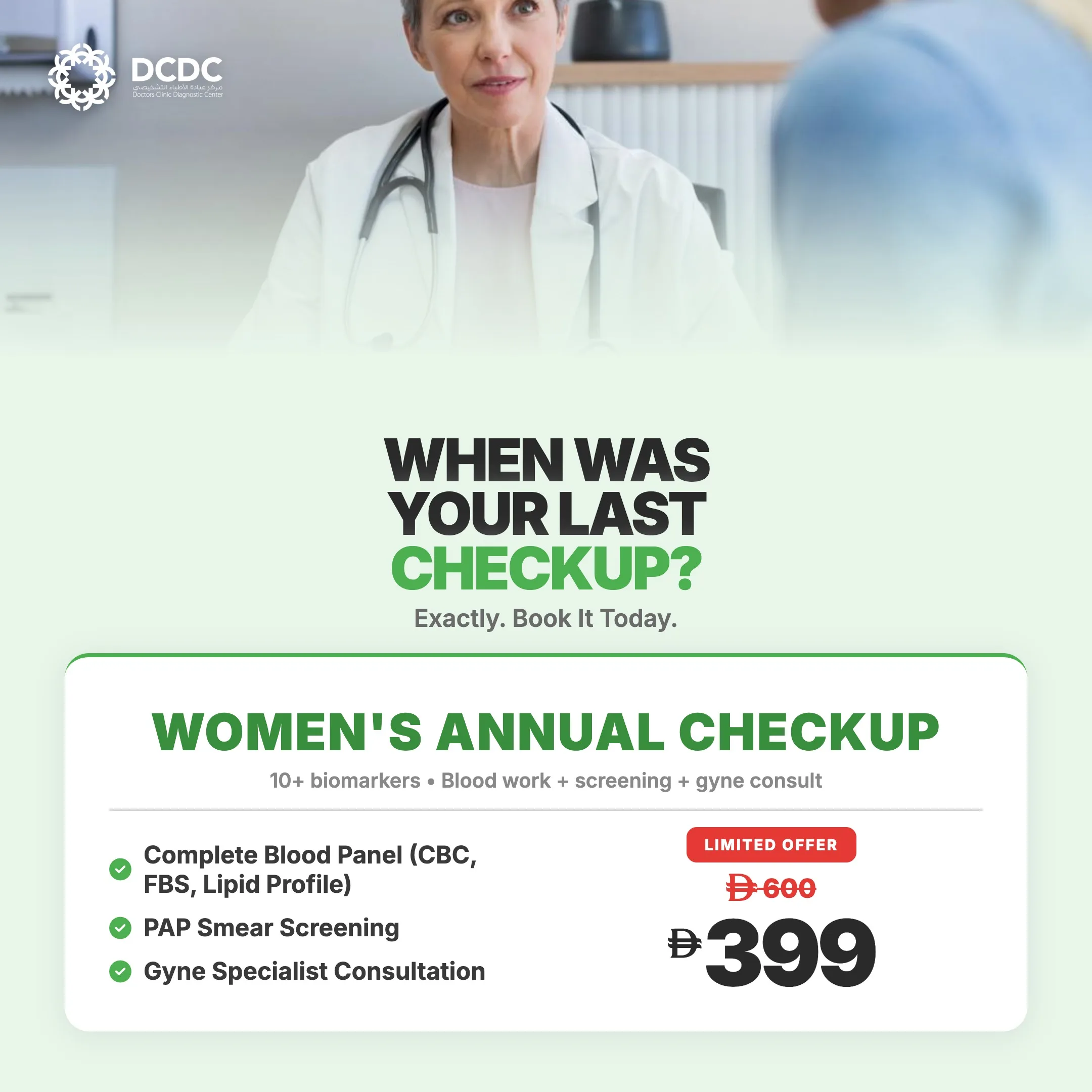
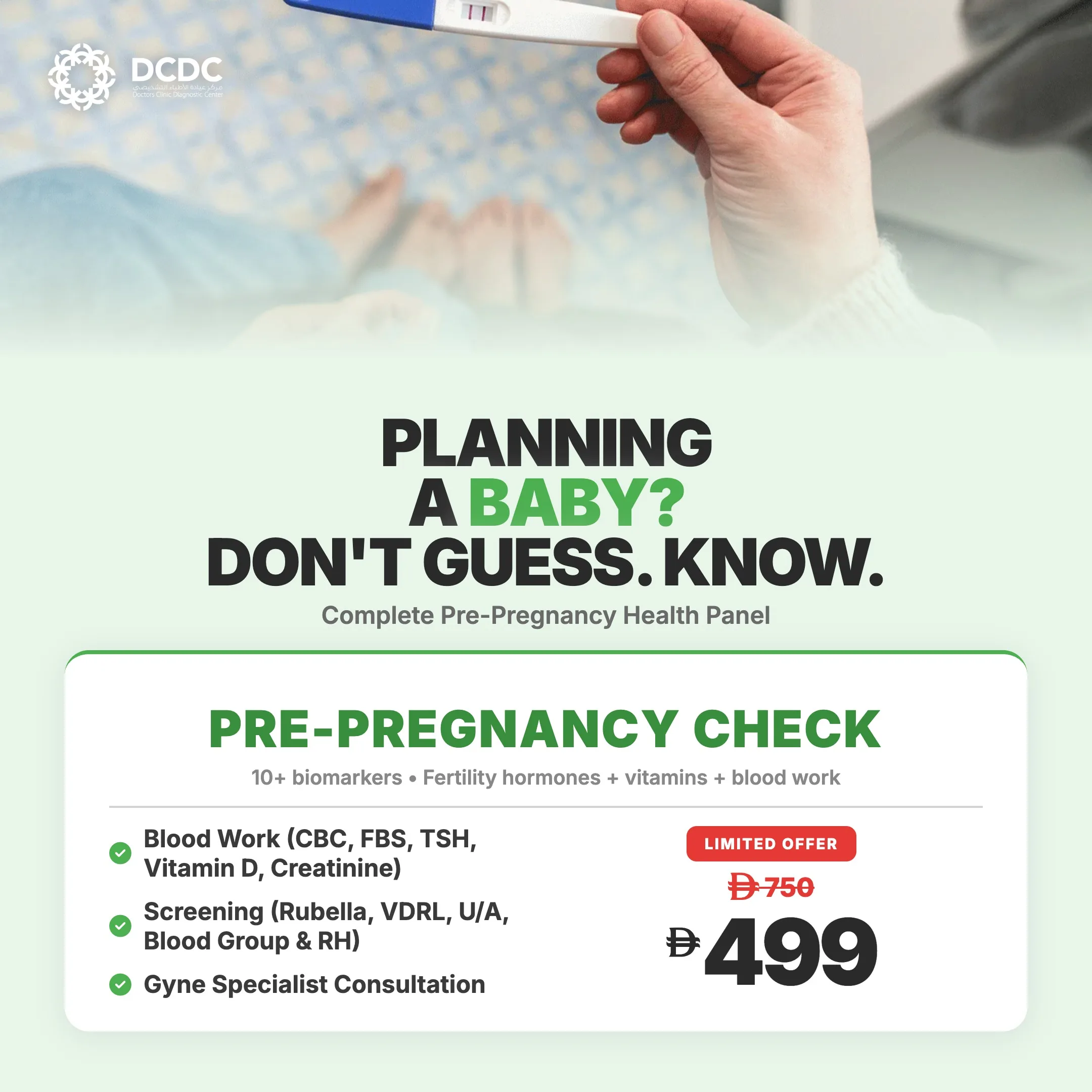
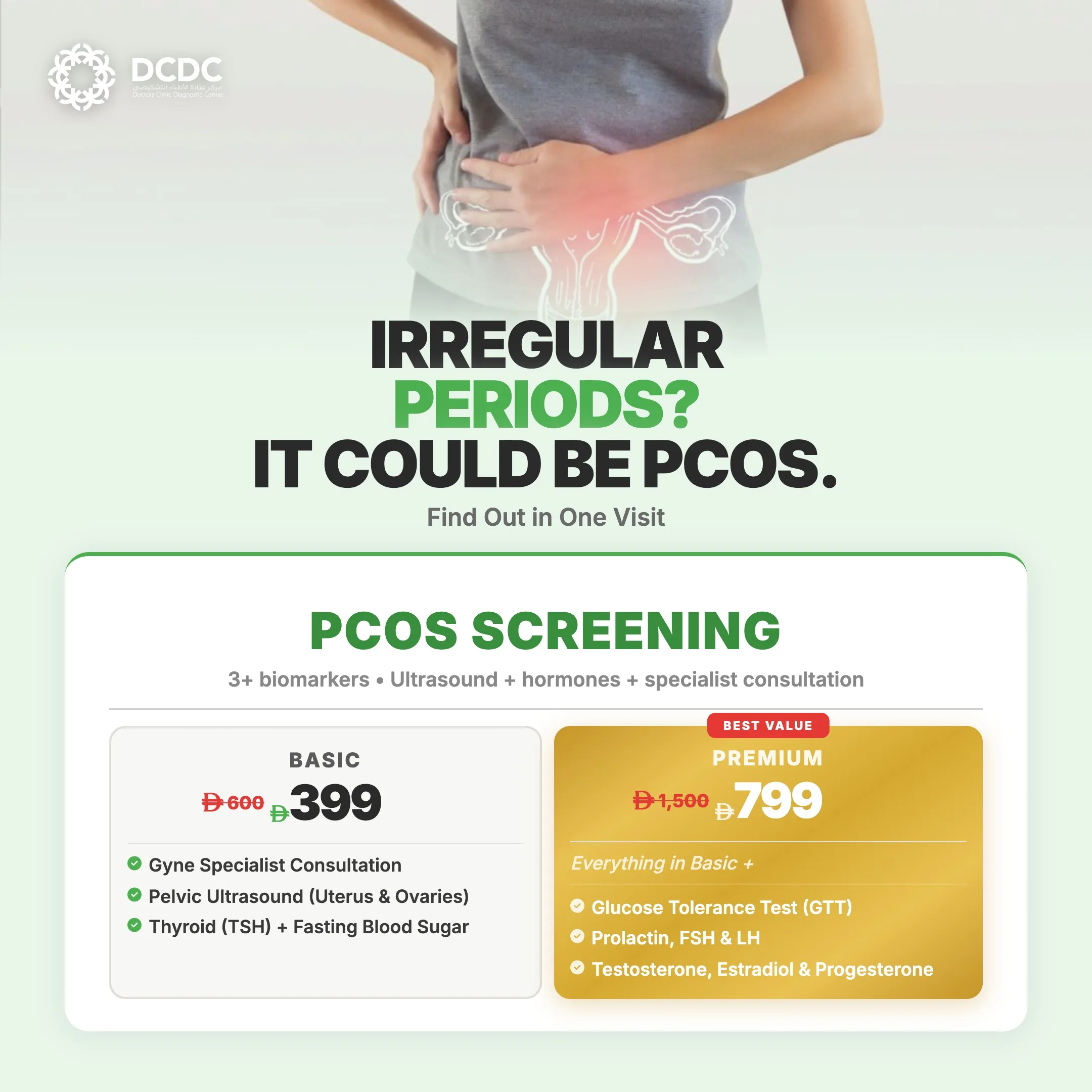
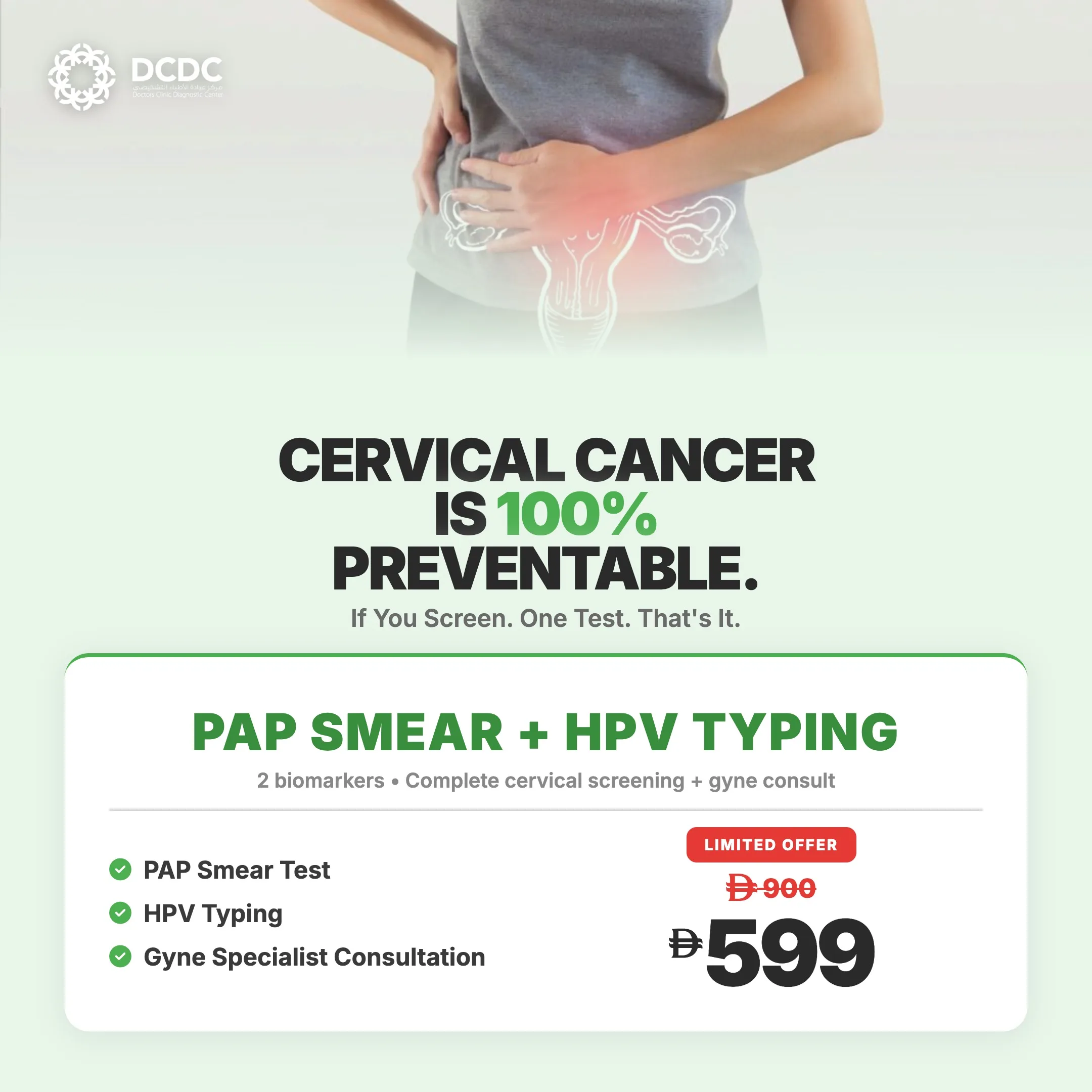
Health Screening Packages
Save with our bundled screening packages — specialist consultation included


How Much Does a Mammogram Cost in Dubai?
A mammogram in Dubai costs between AED 250 and AED 900 in 2026, with the exact price determined by the type of mammogram, the facility, whether a radiologist report is included, and whether the appointment is a screening or diagnostic examination. Government and semi-government hospitals tend to sit at the lower end of this range, while specialized private radiology centers and premium hospital-based breast clinics charge higher fees that reflect advanced technology, shorter waiting times, and dedicated breast imaging expertise.
The table below provides a detailed breakdown of current mammogram pricing across different facility types and mammogram categories in Dubai.
| Mammogram Type | Price Range (AED) | What's Included |
|---|---|---|
| 2D Digital Mammogram | AED 250 - 500 | Bilateral mammogram (both breasts), radiologist interpretation |
| 3D Tomosynthesis Mammogram | AED 500 - 900 | Bilateral 3D mammogram with enhanced detection, radiologist report |
| Screening Package | AED 350 - 700 | Mammogram + radiologist report + consultation |
| Diagnostic Mammogram | AED 400 - 800 | Targeted views, magnification images, radiologist report, often combined with ultrasound |
Mammogram pricing in Dubai (2026). Prices vary by facility, technology, and package inclusions.
"Many women delay their mammogram because they assume it will be expensive, but a standard screening mammogram is one of the most affordable diagnostic tests available in Dubai," says Dr. Osama Elzamzami, Head of Radiology at DCDC. "The cost of early detection is a fraction of the cost of treating advanced-stage breast cancer."
It is important to note that these prices typically apply to self-pay (out-of-pocket) patients. Women with active health insurance policies will often pay nothing or only a small copay for screening mammograms, as breast cancer screening is classified as a preventive health benefit under most UAE insurance plans.
2D vs 3D Mammogram Pricing
A 2D mammogram costs approximately AED 250 to AED 500 while a 3D tomosynthesis mammogram costs AED 500 to AED 900, reflecting the superior technology and higher cancer detection rate offered by three-dimensional breast imaging. Understanding the difference between these two types of mammography helps women make an informed decision about which option best suits their clinical needs and budget.
Standard 2D Digital Mammography
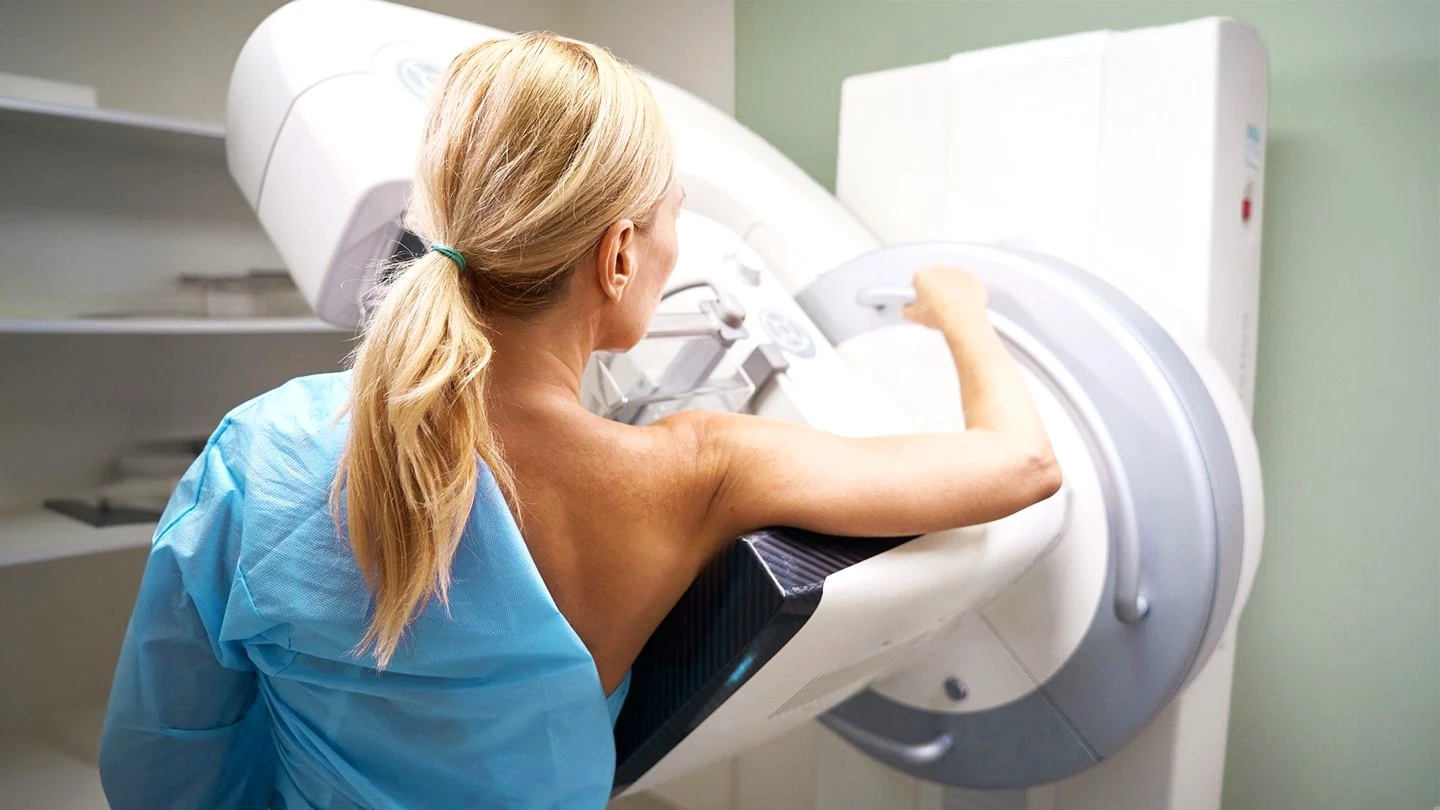
A standard 2D digital mammogram captures two flat X-ray images of each breast, one from above (craniocaudal view) and one from the side (mediolateral oblique view). The resulting images are displayed as two-dimensional pictures that the radiologist examines for masses, calcifications, distortions, and asymmetries. 2D mammography has been the gold standard for breast cancer screening for decades, and its effectiveness in reducing breast cancer mortality is supported by extensive clinical evidence. For the majority of women with average breast density, a 2D mammogram provides highly reliable screening at the most accessible price point.
3D Tomosynthesis Mammography
A 3D tomosynthesis mammogram captures multiple low-dose X-ray images of the breast from different angles and reconstructs them into thin slices, similar to a CT scan but specifically designed for breast tissue. This allows the radiologist to scroll through the breast layer by layer, reducing the obscuring effect of overlapping tissue that can hide cancers or create false-positive findings on 2D images. Studies published in the Journal of the American Medical Association (JAMA) have shown that 3D tomosynthesis increases cancer detection rates by 20 to 40 percent compared to 2D mammography alone, with a simultaneous reduction in false-positive recall rates.
3D mammography is particularly beneficial for women with dense breast tissue, which is common among younger women and women of Middle Eastern and South Asian descent. Dense tissue appears white on a mammogram, and because cancers also appear white, dense breasts can make it harder to spot tumors on a standard 2D image. The layered slicing of 3D tomosynthesis overcomes this limitation by allowing the radiologist to examine each layer of tissue independently.
"For women with dense breasts, which includes a significant proportion of our patient population in Dubai, 3D tomosynthesis offers a meaningful improvement in detection accuracy," says Dr. Osama Elzamzami, Head of Radiology at DCDC. "The additional cost is modest compared to the value of identifying a cancer that a 2D scan might miss."
Does Insurance Cover Mammograms in Dubai?
Yes, most major health insurance plans in the UAE cover annual screening mammograms for women aged 40 and above as a preventive health benefit, and many insurers extend coverage to women as young as 35 who have elevated risk factors such as a family history of breast cancer. The Dubai Health Authority (DHA) mandates that all compliant health insurance policies in the emirate include a basic package of preventive screenings, and breast cancer screening via mammography is a core component of that mandate.
Insurance Coverage Details
- Daman (National Health Insurance Company): Covers screening mammograms for women aged 40+ annually. Basic and Enhanced plans include mammography as a preventive benefit with zero copay at network facilities
- Oman Insurance (Sukoon): Covers annual mammograms for women aged 40 and above. Diagnostic mammograms ordered by a physician are covered at any age when medically indicated
- AXA Gulf: Includes annual screening mammography in most employer-sponsored and individual plans for women aged 40+. Some premium plans cover mammograms from age 35
- MetLife / Alico: Covers mammography as part of wellness and preventive care benefits. Coverage age and frequency depend on the specific plan tier
- ADNIC (Abu Dhabi National Insurance Company): Covers screening mammograms for eligible women. Pre-authorization may be required depending on the plan
To confirm your specific coverage, contact your insurance provider directly or bring your insurance card to the imaging center. At DCDC, the front desk team verifies insurance eligibility and pre-authorization before your appointment, so you know your coverage status before the mammogram begins. Most insured patients pay zero out-of-pocket cost for a routine screening mammogram at a network facility.
If you are under 40 and do not have insurance coverage for a screening mammogram but have risk factors such as a first-degree relative with breast cancer, a BRCA gene mutation, or a history of chest radiation therapy, ask your physician or gynecologist to write a referral for a diagnostic mammogram, which is typically covered at any age when medically justified.
Free Mammogram Options in Dubai
Free mammograms in Dubai are available through several government-sponsored initiatives and private healthcare campaigns that aim to increase breast cancer screening rates across the emirate, particularly among women who lack insurance or face financial barriers to preventive care. These programs expand significantly during October, which is internationally recognized as Breast Cancer Awareness Month, but some options are available year-round.
Government and Community Programs
- DHA Breast Cancer Screening Program: The Dubai Health Authority offers free or heavily subsidized mammograms at DHA facilities for eligible women, including those with a Dubai health card. Screenings are available at Latifa Hospital, Dubai Hospital, and select DHA primary health centers throughout the year
- Pink Caravan: Organized by the Friends of Cancer Patients (FOCP), the Pink Caravan is a mobile breast cancer screening initiative that provides free clinical breast examinations and mammograms at various locations across Dubai and the wider UAE. The campaign is most active during October but conducts screenings periodically throughout the year
- October Awareness Campaigns: During Breast Cancer Awareness Month, many private hospitals and imaging centers in Dubai offer free or discounted mammograms. Facilities such as Mediclinic, Aster, NMC, and Saudi German Hospital have historically participated with complimentary screening days
- Employer Wellness Programs: Some large employers in Dubai provide free annual mammograms as part of corporate wellness programs, even when the company insurance plan does not specifically cover screening. Check with your HR department about available preventive health benefits
To find out about upcoming free mammogram in Dubai events, follow the DHA and Pink Caravan social media accounts, check the FOCP website, or contact the DCDC team, who can advise on current promotions and community screening opportunities.
Book Your Mammogram at DCDC
At Doctors Clinic Diagnostic Center in Dubai Healthcare City, we offer digital mammography with same-day radiologist reports, insurance acceptance, and competitive self-pay pricing. Learn more about our mammogram screening services. Early detection saves lives.
What's Included in a Mammogram Package?
A mammogram package in Dubai typically includes the mammogram itself, a radiologist interpretation and written report, and in some cases a pre- or post-screening consultation with a physician, though the exact inclusions vary between facilities and price tiers. Understanding what is and is not included helps women compare pricing accurately and avoid unexpected additional charges.
Standard Screening Mammogram
- Bilateral mammogram: X-ray imaging of both breasts in two standard views (craniocaudal and mediolateral oblique), producing a total of four images
- Radiologist interpretation: A specialist radiologist reviews the images and assigns a BI-RADS score (Breast Imaging Reporting and Data System) from 0 to 6, indicating the likelihood of malignancy
- Written report: A detailed report is generated and sent to the patient and/or referring physician, typically within 24 hours or same day at facilities like DCDC
Comprehensive Screening Package
- Everything in the standard mammogram plus a consultation with a physician before or after the scan
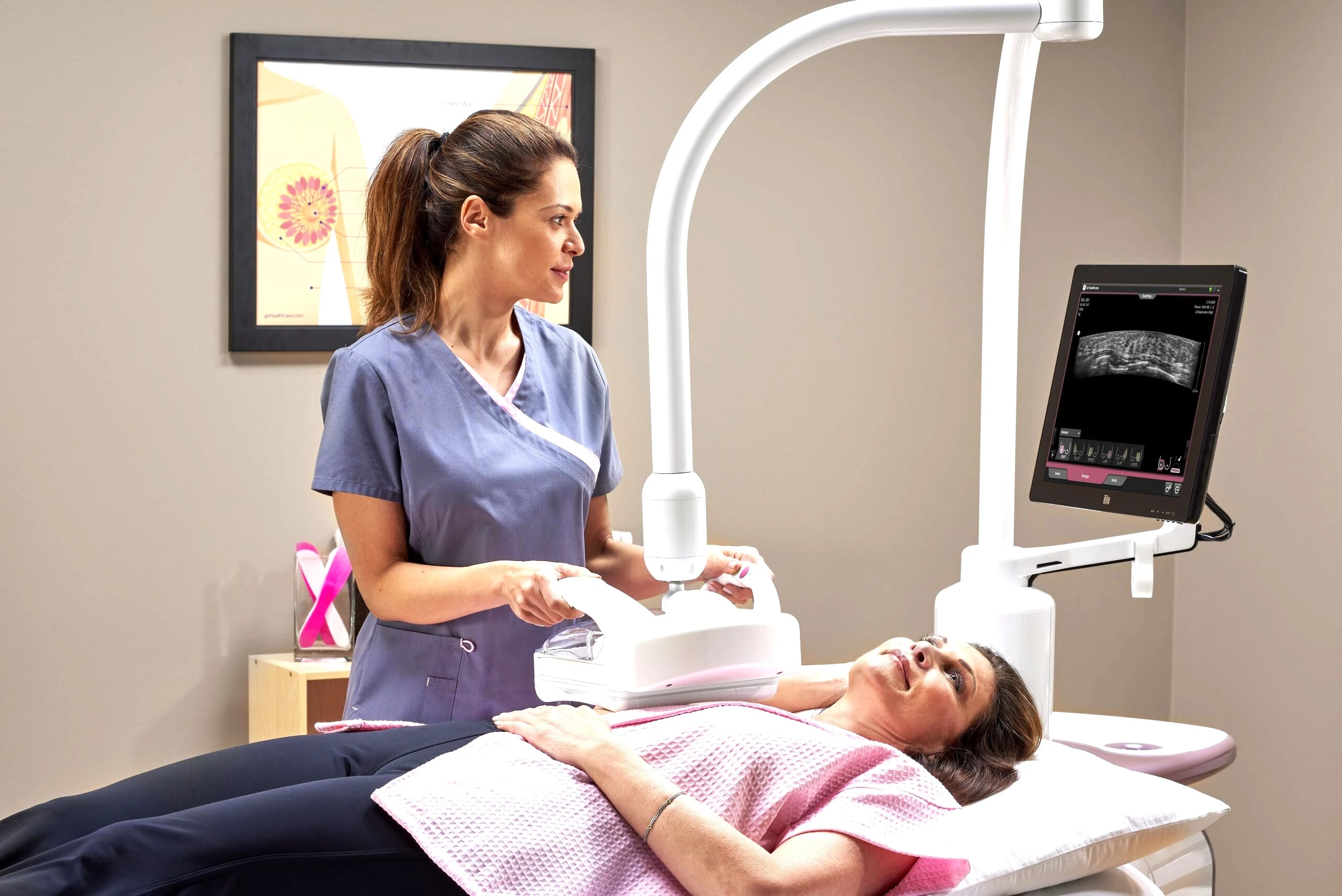
- Breast ultrasound (if indicated): Some packages include an automatic breast ultrasound if the mammogram shows dense tissue or an area requiring further evaluation
- Clinical breast examination: A physical examination of the breasts by a physician, checking for palpable lumps, skin changes, or nipple discharge
- Results discussion: A face-to-face or virtual consultation to explain the findings, discuss the BI-RADS score, and recommend next steps if any abnormalities are detected
When comparing prices between facilities, always ask whether the quoted price includes the radiologist report, as some centers quote a lower mammogram fee but charge separately for the specialist interpretation. A mammogram without a radiologist report is of limited clinical value, as the raw images need expert analysis to be diagnostically meaningful. Some comprehensive breast health packages also include blood tests for tumour markers or hormonal assessment alongside imaging.
Why Mammogram Pricing Varies Between Centers
Mammogram pricing in Dubai varies between centers due to differences in technology, radiologist expertise, facility accreditation, location, and the scope of services included in the quoted price, and understanding these factors helps women distinguish between a bargain and a compromise in quality. Not all mammograms are equal, and the cheapest option is not always the most clinically effective one.
- 2D vs 3D technology: Centers offering 3D tomosynthesis charge more because the equipment is significantly more expensive to purchase and maintain, and the imaging process generates far more data for the radiologist to review
- Radiologist sub-specialization: Facilities staffed by breast imaging fellowship-trained radiologists or consultants with decades of mammography experience may charge higher fees that reflect their diagnostic accuracy and lower miss rates
- Facility accreditation: JCI-accredited or DHA-accredited centers invest heavily in quality management systems, regular equipment calibration, and staff training, all of which contribute to higher operating costs reflected in pricing
- Report turnaround time: Centers offering same-day results typically charge a premium over those with 3-5 day reporting timelines, reflecting the radiologist availability and workflow prioritization required for rapid reporting
- Location and overhead: Facilities in premium medical districts such as Dubai Healthcare City or DIFC have higher real estate and operational costs, which are partially passed on to patients
- Package inclusions: A quoted price of AED 250 for a mammogram at one facility and AED 500 at another may actually represent identical value if the higher price includes a radiologist report, ultrasound, and consultation that the lower-priced facility charges separately
"The most important factor is not the price of the mammogram but the quality of the interpretation," says Dr. Osama Elzamzami, Head of Radiology at DCDC. "A missed finding on a cheap mammogram is infinitely more expensive than a thorough examination at a reputable center."
Dense Breasts: When a Mammogram Alone Is Not Enough
About 50% of women have dense breast tissue (ACR Categories C or D), which both reduces mammogram sensitivity and independently increases cancer risk. If your mammogram report indicates dense breasts, your radiologist may recommend supplemental imaging — and understanding the additional costs helps you plan accordingly.
Why Dense Breasts Matter for Cost Planning
In extremely dense breasts (Category D), mammogram sensitivity drops from the typical 85–90% to as low as 48–64%. This means roughly 1 in 3 cancers may be missed by mammography alone. Women with dense breasts often need additional screening, which adds to the annual cost of breast health maintenance.
| Supplemental Screening | Cost Range (AED) | When Recommended | Detection Benefit |
|---|---|---|---|
| Breast Ultrasound | 400 – 600 | Dense breasts (C or D), evaluating lumps | Finds 2–4 additional cancers per 1,000 women that mammogram missed |
| Breast MRI | 3,000 – 6,000 | BRCA carriers, ≥20% lifetime risk + dense breasts | 95% sensitivity — most sensitive method available |
| Contrast-Enhanced Mammography (CEM) | 1,500 – 3,000 | Dense breasts, available at select centres | Approaching MRI sensitivity at lower cost |
Supplemental screening costs for women with dense breasts in Dubai (2026). Insurance coverage for supplemental screening varies by plan and indication.
If you have dense breasts, the most cost-effective approach is typically a 3D tomosynthesis mammogram combined with breast ultrasound (total AED 900–1,500), which significantly improves detection without the higher cost of MRI. For high-risk women with dense breasts, breast MRI may be covered by insurance when medically justified. For a complete guide to breast density and screening options, see our breast cancer screening guide.
DCDC Mammogram Pricing & Packages
DCDC (Doctors Clinic Diagnostic Center) in Dubai Healthcare City offers comprehensive mammography services with transparent pricing, same-day radiologist reporting, and acceptance of most major insurance plans, making it a convenient and trusted choice for women seeking breast cancer screening in central Dubai. The center combines advanced digital mammography equipment with the expertise of experienced consultant radiologists who interpret every scan.
Why Women Choose DCDC for Mammograms
- Same-day radiologist reports: Every mammogram is interpreted by a consultant radiologist and the written report is available on the same day in most cases, eliminating the anxiety of waiting days for results
- Insurance accepted: DCDC works with all major UAE insurers including Daman, Oman Insurance, AXA, MetLife, ADNIC, and many more. The front desk verifies your coverage before the appointment
- Experienced radiology team: All mammograms are read by specialist radiologists with extensive experience in breast imaging, ensuring accurate interpretation and appropriate follow-up recommendations
- Central Dubai Healthcare City location: Easily accessible from Oud Metha, Karama, Bur Dubai, Downtown, and Business Bay, with ample parking and proximity to the Dubai Healthcare City Metro Station
- Comfortable, private environment: DCDC provides a respectful, female-friendly screening experience with private changing areas and female radiographers available for mammography appointments
- Competitive self-pay pricing: For women without insurance or those who prefer to pay out of pocket, DCDC offers transparent and competitive rates with no hidden charges
Patient Story: Overcoming the Fear of a First Mammogram
Fatima, a 42-year-old marketing professional living in Dubai, had been putting off her first mammogram for over two years. She had heard stories about the discomfort, was uncertain about the cost, and felt anxious about the possibility of bad news. When a close friend was diagnosed with early-stage breast cancer, detected through a routine mammogram, Fatima decided she could no longer afford to wait.
She booked a screening mammogram at DCDC after learning that her insurance covered the full cost. The entire visit took less than 30 minutes. The female radiographer walked her through each step, explaining the compression process and reassuring her that the brief discomfort was normal and lasted only a few seconds per image. The radiologist report was available the same afternoon, and her results were completely normal.
"I spent two years worrying about something that took 30 minutes and cost me nothing with my insurance," Fatima shared. "Now I tell every woman I know: just book the appointment. The hardest part is making the call." Her experience mirrors that of thousands of women in Dubai who discover that the mammogram process is far less daunting than they imagined, and that the peace of mind it provides is invaluable.
How to Book
Mammogram appointments at DCDC can be booked by phone, WhatsApp, or through the online booking form. Walk-in patients are also accommodated subject to availability. No referral is required for a screening mammogram, though having a physician referral can be helpful if you need a diagnostic mammogram for specific symptoms. The center is open six days a week, and the team is happy to verify your insurance coverage before your visit.
Schedule Your Mammogram Today
Early detection is the most powerful tool against breast cancer. Book your mammogram at DCDC Dubai Healthcare City and receive same-day results from experienced consultant radiologists.
Most insurance plans accepted with zero copay for screening mammograms.
2D vs 3D Mammogram: Full Head-to-Head Comparison
The choice between a standard 2D mammogram and a 3D tomosynthesis mammogram is one of the most common questions women have. This detailed comparison table covers every clinically relevant difference to help you make an informed decision.
| Feature | 2D Digital Mammogram | 3D Tomosynthesis Mammogram |
|---|---|---|
| How it works | Takes 2 flat X-ray images per breast (top-down and side view) | Takes multiple low-dose X-ray images from different angles, reconstructed into thin slices |
| Number of images | 4 total (2 per breast) | Up to 300+ thin slices (radiologist scrolls through layers) |
| Cancer detection rate | Baseline: detects ~5 cancers per 1,000 women screened | 20–40% more cancers detected than 2D alone |
| False positive rate | Higher — overlapping tissue can mimic abnormalities | 15–40% fewer false positive callbacks vs 2D |
| Effectiveness in dense breasts | Reduced — sensitivity drops to 48–64% in extremely dense breasts | Significantly better — sees through overlapping dense tissue layers |
| Radiation dose | ~0.4 mSv per breast | ~0.4–0.7 mSv per breast (slightly higher but well within safe limits) |
| Exam duration | 10–15 minutes | 15–20 minutes (slightly longer compression per view) |
| Cost in Dubai (AED) | 250–500 | 500–900 |
| Insurance coverage | Covered by most plans (screening benefit) | Increasingly covered; some plans may require justification |
| Best for | Average-risk women with non-dense breasts | Women with dense breasts, family history, or previous false positives |
2D vs 3D mammogram comparison. For women with dense breasts, the improved detection of 3D tomosynthesis may justify the additional cost.
DHA Free Mammogram Screening Program: Full Details
The Dubai Health Authority (DHA) operates several initiatives to increase mammogram access for women who may face financial or logistical barriers to screening. Understanding the full scope of these programs helps eligible women take advantage of free or subsidised screening.
Year-Round DHA Screening
- DHA Primary Health Centers: Women with a Dubai health card can access free or subsidised clinical breast examinations and referrals for mammography through DHA primary care centers throughout the year. If mammography is indicated, the referral facilitates access at DHA hospitals.
- Latifa Hospital and Dubai Hospital: These government facilities offer mammography at subsidised rates for health card holders. Screening mammograms for women aged 40+ are available with minimal or zero co-payment for eligible patients.
- Sheikh Mohammed bin Rashid Al Maktoum Hospital: Provides breast screening as part of women's health programs for eligible cardholders.
October Breast Cancer Awareness Campaigns
- Pink Caravan (FOCP): The most well-known free screening initiative in the UAE. Mobile mammography units visit schools, malls, community centres, and corporate offices across Dubai and other emirates. Clinical breast exams are performed on-site, and women requiring mammography are referred to partner hospitals. Active primarily in October but conducts periodic screenings year-round.
- Private hospital campaigns: Major Dubai hospital groups — including Mediclinic, Aster, NMC, Saudi German, and Zulekha — have historically offered free or discounted mammograms during October. These typically require registration through the hospital's social media channels or website.
- Corporate wellness partnerships: Some employers partner with healthcare providers to offer free on-site breast screening during awareness month. Check with your HR department about available preventive health benefits.
While free screening programmes are valuable for improving access, women who screen through these programmes should ensure their results are interpreted by a specialist radiologist and that they receive a written BI-RADS report. A screening mammogram is only as good as the interpretation that accompanies it. At DCDC, every mammogram includes a same-day radiologist report as standard.
Screening Mammogram vs Diagnostic Mammogram: When You Need Which
Many women are unsure whether they need a screening or diagnostic mammogram. The distinction is clinically important and affects both the procedure itself and the cost.
| Feature | Screening Mammogram | Diagnostic Mammogram |
|---|---|---|
| Purpose | Routine check for women with NO breast symptoms | Investigation of a specific symptom or abnormal finding |
| When performed | On schedule (annually or biennially after age 40) | When symptoms are present: lump, pain, nipple discharge, skin changes; OR to follow up on abnormal screening |
| Views taken | 2 standard views per breast (CC + MLO) | Additional views: spot compression, magnification, rolled views, plus standard views |
| Radiologist availability | Images reviewed after the appointment; results next day | Radiologist may review images in real-time to decide if additional views or ultrasound are needed |
| Breast ultrasound included | Not automatically — only if the mammogram reveals a finding | Often combined — ultrasound performed same day to evaluate the area of concern |
| Referral needed | No — women aged 40+ can self-refer for screening | Yes — typically requires a physician or gynaecologist referral documenting the symptom |
| Cost in Dubai (AED) | 250–500 (2D) / 500–900 (3D) | 400–800 (often higher due to extra views and possible ultrasound) |
| Insurance classification | Preventive benefit — usually covered with zero co-pay | Diagnostic — covered when medically justified, may require pre-authorisation |
Screening vs diagnostic mammogram comparison. If you have breast symptoms, request a diagnostic mammogram rather than a screening one.
Mammogram Age Guidelines: When to Start and When to Stop
Mammogram screening age recommendations vary slightly between major medical organisations, which can create confusion. The following table summarises the current guidelines from the most authoritative bodies.
| Organisation | Start Age | Frequency | Stop Age | Notes |
|---|---|---|---|---|
| American Cancer Society (ACS) | 40 (optional) / 45 (recommended) | Annual (45–54) then biennial (55+) | Continue as long as life expectancy >10 years | Women should have the choice to start at 40 |
| American College of Radiology (ACR) | 40 | Annual | No upper age limit as long as healthy | Risk assessment at age 25 to identify high-risk women |
| US Preventive Services Task Force (USPSTF) | 40 | Every 2 years | 74 | Updated 2024: lowered start age from 50 to 40 |
| Dubai Health Authority (DHA) | 40 | Annual | No specific stop age | Follows international best practice; mandates insurance coverage |
| BRCA carriers / high-risk women | 25–30 (breast MRI) / 30 (mammogram) | Every 6 months (alternating MRI and mammogram) | Lifelong | Enhanced screening protocol; annual mammogram alone is insufficient |
Mammogram age guidelines from major medical organisations. The trend across all guidelines is toward starting at age 40.
If you are under 40 with no risk factors, mammography is generally not recommended because the radiation risk, false positive rate, and low cancer prevalence in this age group mean the potential harms outweigh the benefits. However, if you have a first-degree relative with breast cancer, a known BRCA mutation, or a history of chest radiation, screening should begin earlier — often 10 years before your relative's age at diagnosis, or at age 25–30 for BRCA carriers.
Understanding Breast Density and What It Means for Your Mammogram
Breast density is classified into four categories by the American College of Radiology using the BI-RADS system. Your mammogram report will include your breast density category, which has significant implications for both cancer risk and screening effectiveness.
| BI-RADS Category | Description | % of Women | Cancer Risk | Mammogram Sensitivity | Supplemental Screening Needed? |
|---|---|---|---|---|---|
| A — Almost entirely fatty | Breast tissue is mostly fat with very little fibroglandular tissue | ~10% | Lowest | Highest (>95%) | No |
| B — Scattered fibroglandular | Some areas of dense tissue scattered throughout mostly fatty tissue | ~40% | Average | High (~85–90%) | Usually not |
| C — Heterogeneously dense | Many areas of dense tissue that may obscure small masses | ~40% | Moderately elevated (1.2x) | Reduced (~70–80%) | Consider breast ultrasound |
| D — Extremely dense | Almost entirely dense tissue throughout both breasts | ~10% | Highest (2x average risk) | Significantly reduced (48–64%) | Yes — ultrasound recommended; MRI for high-risk |
ACR BI-RADS breast density categories. Women with categories C and D have dense breasts and should discuss supplemental screening with their physician.
Dense breasts are not abnormal — approximately 50% of women have heterogeneously dense (C) or extremely dense (D) breast tissue. However, density matters for two independent reasons: first, dense tissue on a mammogram appears white, and cancers also appear white, making cancers harder to see (the "masking" effect). Second, dense breast tissue is an independent risk factor for developing breast cancer — women with extremely dense breasts have approximately twice the cancer risk of women with fatty breasts. For women with dense breasts, combining mammography with breast ultrasound significantly improves detection rates.
When Should You Get Your First Mammogram? A Decision Framework
The decision about when to get your first mammogram depends on your individual risk profile. The following framework helps you determine the right starting age.
- Average risk, no family history: Begin annual or biennial mammograms at age 40. This is the recommendation from the DHA, ACR, and ACS, and represents the simplest, most broadly applicable guideline.
- Family history (first-degree relative with breast cancer): Begin mammograms 10 years before your relative's age at diagnosis, or at age 40, whichever is earlier. For example, if your mother was diagnosed at age 45, begin screening at 35.
- Known BRCA1 or BRCA2 mutation: Begin annual breast MRI at age 25 and annual mammography at age 30. Alternate MRI and mammogram every 6 months for maximum surveillance.
- Prior chest radiation therapy (e.g., for Hodgkin lymphoma): Begin annual mammography 8 years after radiation or at age 25, whichever comes later.
- Li-Fraumeni syndrome or other high-risk genetic conditions: Begin annual breast MRI at age 20–25 and mammography at age 30, as recommended by the NCCN.
- Risk assessment at age 25: The American College of Radiology recommends that all women undergo a formal breast cancer risk assessment at age 25 (using tools like the Tyrer-Cuzick model) to determine whether enhanced screening is warranted before the standard age of 40.
If you are unsure about your risk level or when to start screening, schedule a consultation with your gynaecologist or general practitioner at DCDC. A brief risk assessment takes only a few minutes but can have life-saving implications. For a broader overview of all women's cancer screening recommendations, see our cancer screening guide for Dubai.
Related Services at DCDC
Expert care and advanced diagnostics at Dubai Healthcare City
Frequently Asked Questions
Final Thoughts
A mammogram in Dubai is both affordable and accessible, with prices starting at AED 250 for a standard 2D screening and most insurance plans covering the full cost for women aged 40 and above. Whether you choose a government hospital, a community screening event, or a private diagnostic center like DCDC, the important thing is that you schedule your screening and do not let cost, time, or fear stand in the way. Breast cancer detected at an early stage through routine mammography has a five-year survival rate exceeding 99 percent, compared to approximately 30 percent for cancers detected at a late stage. Those numbers make a compelling case for a 20-minute appointment once a year.
At Doctors Clinic Diagnostic Center in Dubai Healthcare City, women receive expert mammography services with same-day results, experienced radiologists, and a supportive screening environment. If you are due for a mammogram, or if you have never had one and are over 40, take the step today. For pricing questions, insurance verification, or to book your appointment, contact the DCDC team by phone, WhatsApp, or through the online booking form.
Sources & References
This article was reviewed by our medical team and references the following sources:
- American College of Radiology - Mammography Screening Guidelines
- Journal of the American Medical Association (JAMA) - Digital Breast Tomosynthesis vs Digital Mammography
- Dubai Health Authority - Breast Cancer Screening Program
- World Health Organization - Breast Cancer Early Detection and Screening
- Friends of Cancer Patients - Pink Caravan Initiative
Medical content on this site is reviewed by DHA-licensed physicians. See our editorial policy for more information.

Written by
Dr. Osama Elzamzami
Diagnostic Radiology
MD, FRCR
Dr. Osama Elzamzami is a Consultant Radiologist specializing in diagnostic imaging including mammography, CT, MRI, and ultrasound at DCDC Dubai Healthcare City.
Related Articles
Breast Cancer Screening in Dubai: Mammogram, BRCA Testing & Complete Guide
10 Early Signs of Breast Cancer Every Woman Should Know
Women's Health Screening Guide
Cancer Screening in Dubai: Tests, Costs & What to Expect
More in Women's Health

BRCA Test: Who Should Consider Genetic Counselling?
Read More
Breast Cancer Awareness Month: October 2026 Dubai
Read More
Dense Breast Tissue: What Your Mammogram Report Means
Read More
Emsella After Childbirth Dubai: Postpartum Guide (2026)
Read More
How Emsella Works: Pelvic Floor Chair Guide Dubai (2026)
Read More
Pelvic Floor Physiotherapy Dubai: Who Needs It (2026)
Read More© 2026 Doctors Clinic Diagnostic Center (DCDC), Dubai Healthcare City. Originally published at https://doctorsclinicdubai.ae/blog/mammogram-cost-dubai. All rights reserved. Unauthorized reproduction is prohibited.