Key Takeaways
- Menorrhagia (heavy menstrual bleeding) is clinically defined as blood loss over 80ml per cycle or periods lasting longer than 7 days, and it affects up to 1 in 3 women at some point in their reproductive years.
- Warning signs include soaking through a pad or tampon every hour for several hours, passing clots larger than a 2 AED coin, and needing to wake at night to change protection.
- Common causes include uterine fibroids, adenomyosis, hormonal imbalance, endometrial polyps, thyroid dysfunction, and bleeding disorders.
- Blood clots during a heavy period are common, but clots larger than 2.5cm or accompanied by flooding and dizziness warrant medical evaluation.
- Pelvic ultrasound and blood tests — including CBC, iron studies, and hormone panels — can identify the underlying cause in most women.
- Treatment ranges from tranexamic acid and hormonal therapy to minimally invasive procedures, depending on the cause and your fertility goals.
- Left untreated, heavy periods are a leading cause of iron deficiency anemia, causing fatigue, breathlessness, and reduced quality of life.
- DCDC offers gynecology consultations from AED 299 with on-site pelvic ultrasound and same-day results for most tests.
Heavy periods — medically known as menorrhagia — are one of the most common reasons women in Dubai seek gynecological care, yet many endure years of excessive bleeding before asking for help. If your period regularly soaks through protection every hour, lasts longer than a week, or comes with large blood clots, it may be a sign of an underlying condition that needs attention. At Doctors Clinic Diagnostic Center (DCDC's gynecological conditions clinic) in Dubai Healthcare City, our team combines detailed clinical assessment with on-site ultrasound and laboratory testing to identify the cause of heavy bleeding quickly and recommend effective, evidence-based treatment.
This guide explains what counts as a heavy period, the most common underlying causes, when heavy bleeding signals something more serious, what tests are used to diagnose menorrhagia in Dubai, and the full range of treatment options available — from lifestyle changes to medical and procedural interventions. Whether you have lived with heavy periods for years or have recently noticed a change, this resource will help you understand your options and know when to seek professional evaluation.
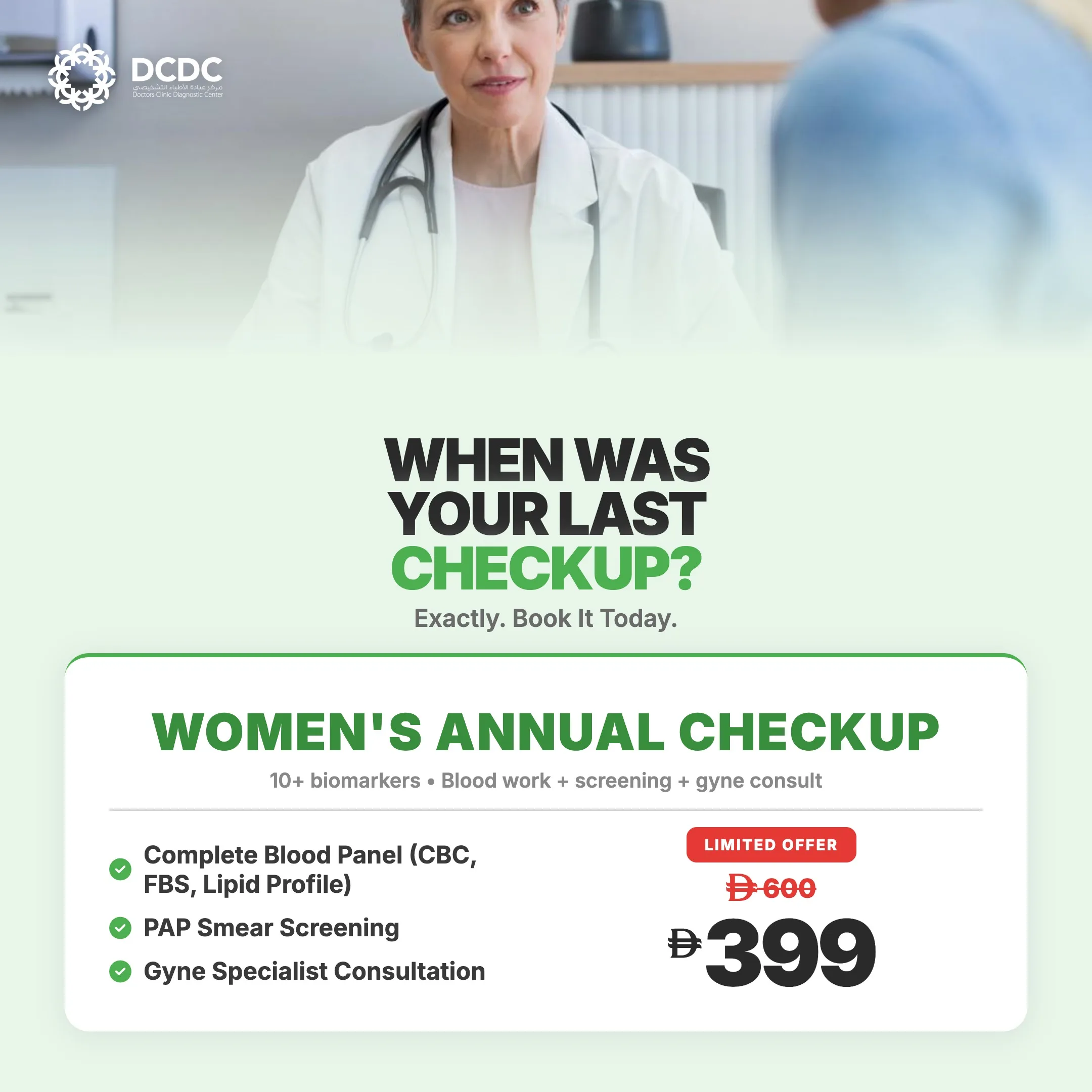
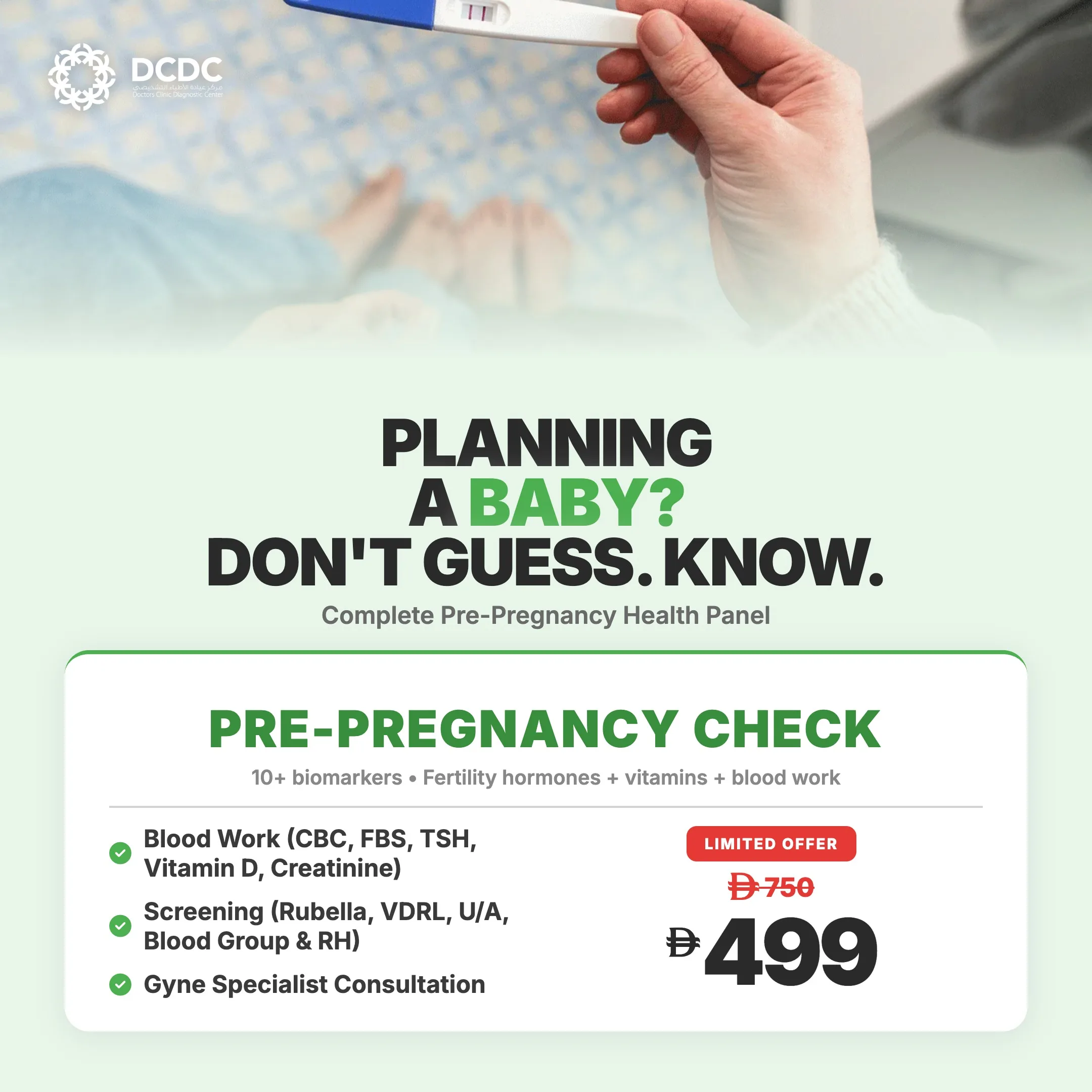
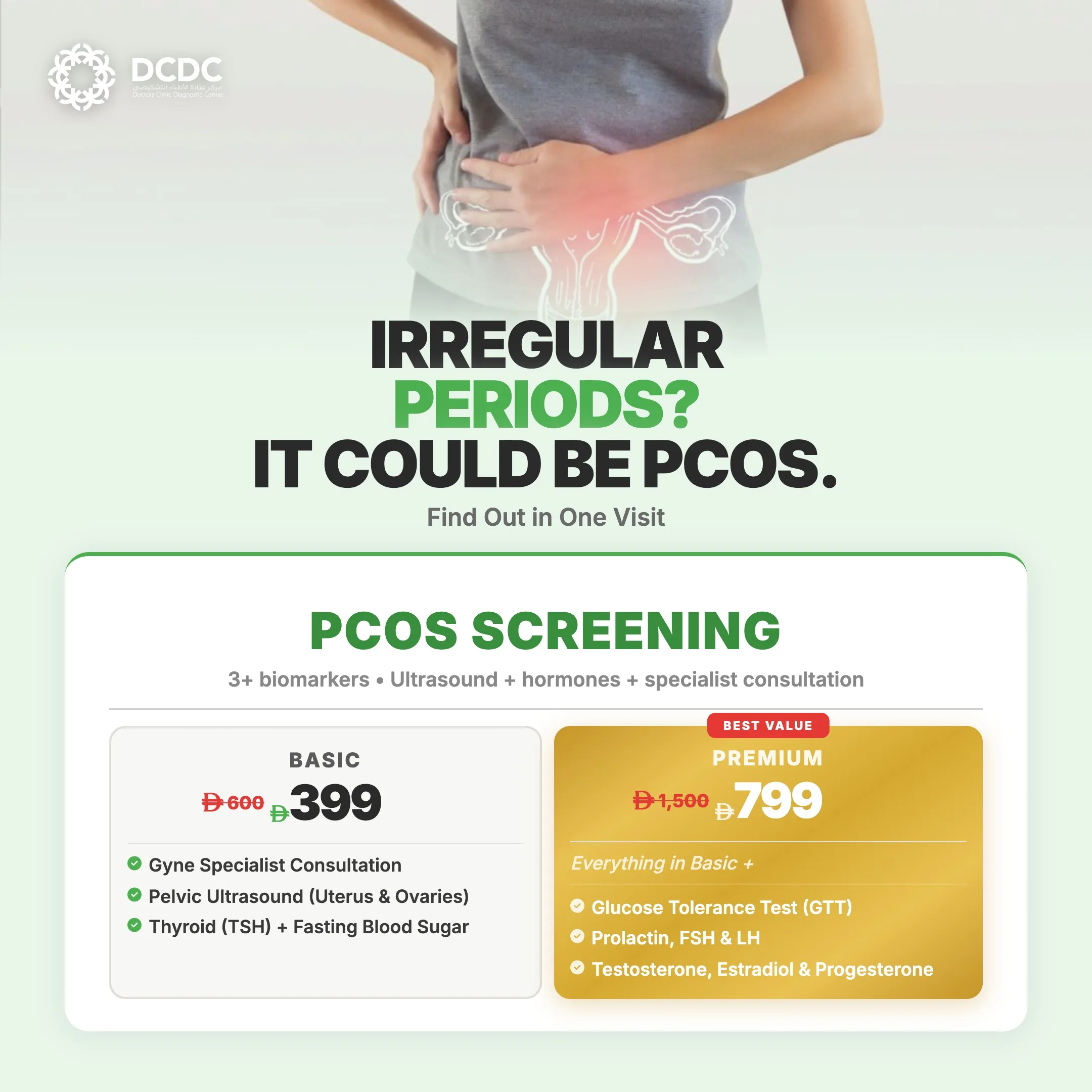
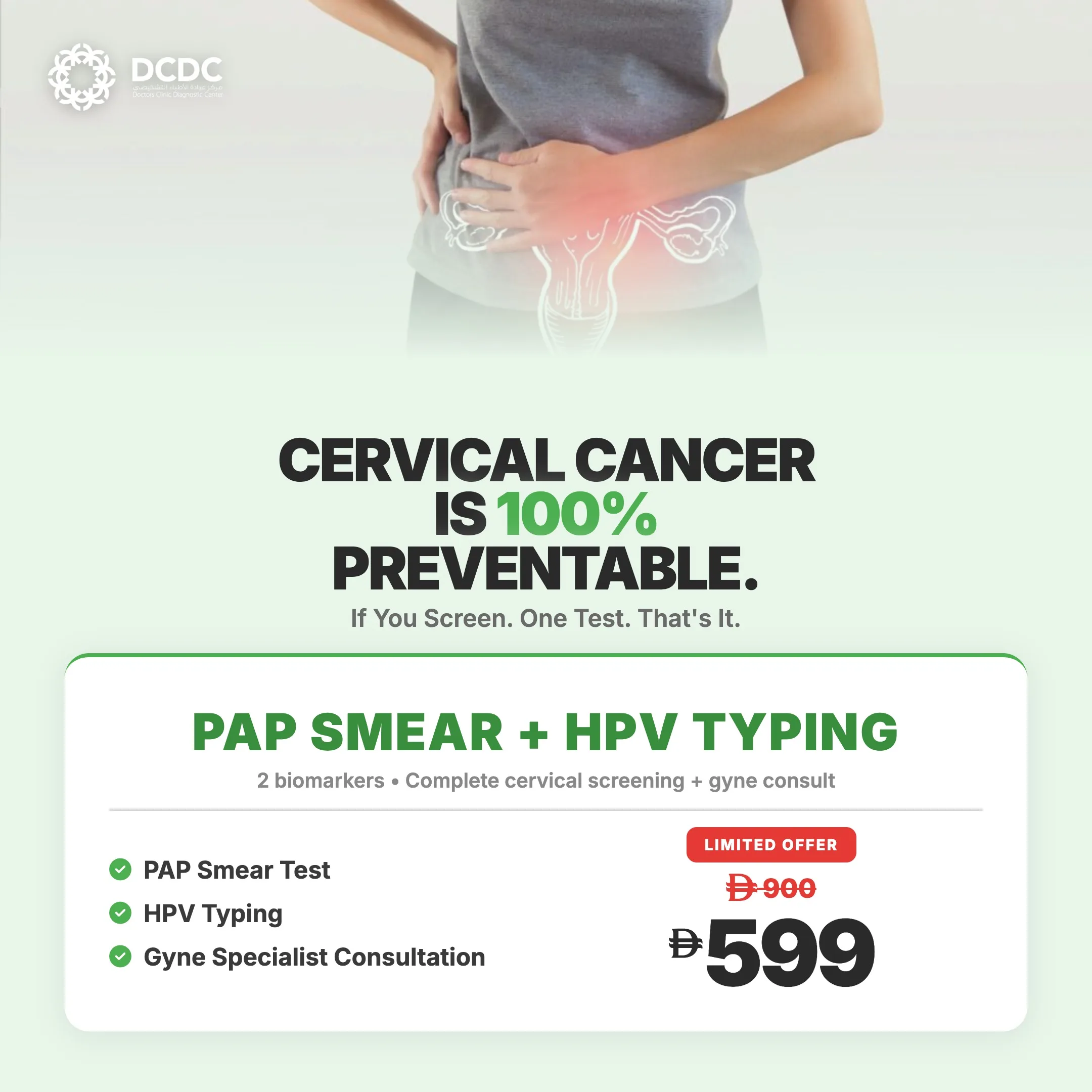
Health Screening Packages
Save with our bundled screening packages — specialist consultation included


What Is Menorrhagia (Heavy Menstrual Bleeding)?
Menorrhagia is the medical term for abnormally heavy or prolonged menstrual bleeding. Clinically, it is defined as menstrual blood loss exceeding 80 milliliters per cycle, or periods that last longer than 7 days. In practice, most gynecologists use a more practical definition: bleeding that is heavy enough to interfere with your physical, emotional, social, or material quality of life — regardless of the exact volume.
For comparison, a typical menstrual period involves losing approximately 30-40ml of blood over 4-5 days, with the heaviest flow usually occurring in the first two days. When bleeding significantly exceeds this pattern, or when a woman needs to change protection far more frequently than usual, it is considered heavy menstrual bleeding rather than a normal variation.
According to the World Health Organization, heavy menstrual bleeding is estimated to affect up to one in three women at some point during their reproductive life, making it one of the most common gynecological complaints. Despite its prevalence, many women under-report heavy periods because they assume it is simply 'how their body is,' particularly if they have never experienced a lighter, more typical cycle for comparison.
How to Know If Your Period Is Too Heavy
Because 'heavy' can feel subjective, doctors rely on a set of practical indicators to assess whether menstrual bleeding falls outside the normal range. If several of the following apply to you, your period may be heavier than what is considered typical and worth discussing with a gynecologist.
- Soaking through protection hourly: Needing to change a pad or tampon every 1-2 hours for several consecutive hours.
- Doubling up on protection: Using both a pad and a tampon together to prevent leaks.
- Waking at night to change protection: Needing to get up during sleep to avoid soiling bedding.
- Passing large blood clots: Clots larger than a 2 AED coin (roughly 2.5cm) appearing repeatedly during your period.
- Bleeding lasting more than 7 days: A period that extends well beyond the typical 4-6 day range.
- Restricting daily activities: Avoiding work, exercise, social events, or travel because of unpredictable heavy flow.
- Symptoms of anemia: Fatigue, shortness of breath on exertion, dizziness, pale skin, or heart palpitations.
A Simple Self-Check: The Pictorial Blood Assessment
One tool gynecologists use to objectively assess bleeding is a pictorial blood loss assessment, which scores the level of saturation on pads and tampons across your cycle. You do not need special equipment to do an informal version at home — simply tracking how often you change protection, how saturated it is, and how many days of clot-heavy flow you experience gives your doctor valuable information. Keeping a simple period diary for 2-3 cycles before your appointment can significantly speed up diagnosis. If your cycles are also irregular in timing, tracking both flow and cycle length is especially useful for your doctor.
Common Causes of Heavy Periods
Heavy menstrual bleeding can result from structural problems within the uterus, hormonal imbalances, systemic health conditions, or medication side effects. Identifying the specific cause is essential because it directly determines the most effective treatment approach.
- Uterine fibroids: Non-cancerous growths in the muscular wall of the uterus are among the most common causes of heavy periods and fibroids-related bleeding, particularly submucosal fibroids that distort the uterine lining.
- Adenomyosis: A condition where endometrial-like tissue grows into the muscular wall of the uterus, causing heavy, painful periods and an enlarged, tender uterus.
- Endometrial polyps: Small, usually benign growths on the uterine lining that can cause heavy bleeding or spotting between periods.
- Hormonal imbalance and anovulation: When ovulation does not occur regularly, the uterine lining can build up excessively before shedding, resulting in unpredictable, heavy bleeding. This is common with polycystic ovary syndrome (PCOS) and during perimenopause.
- Thyroid dysfunction: Both an underactive thyroid (hypothyroidism) and, less commonly, an overactive thyroid can disrupt the hormonal signals that regulate menstruation, leading to heavier flow.
- Bleeding disorders: Conditions such as von Willebrand disease affect blood clotting and are an under-recognized cause of heavy periods, particularly in women who have experienced heavy bleeding since their very first period.
- Copper intrauterine devices (IUDs): Non-hormonal copper IUDs are well known to increase menstrual flow and cramping in some users, particularly in the first few months after insertion.
- Endometrial hyperplasia: Thickening of the uterine lining, sometimes related to prolonged estrogen exposure without adequate progesterone, which requires evaluation to rule out pre-cancerous changes.
- Medications: Blood-thinning medications (anticoagulants) can increase menstrual blood loss as a side effect.
Hormonal causes are especially common in women with irregular cycles. PCOS, one of the most frequent causes of hormonal imbalance, often presents with a combination of heavy, irregular, and unpredictable periods, making it an important condition to screen for during evaluation.
When Heavy Periods Signal Something Serious
While many causes of heavy bleeding are manageable and not dangerous, certain patterns should prompt more urgent evaluation, as they can indicate a condition that needs timely diagnosis and treatment.
- A sudden, significant change in your usual bleeding pattern, especially in women over 40.
- Bleeding or spotting after menopause (defined as 12 months without a period) — this always requires prompt evaluation.
- Bleeding between periods, or after intercourse, in addition to heavy monthly bleeding.
- New or worsening pelvic pain, pressure, or a sensation of fullness in the lower abdomen.
- Signs of significant blood loss: rapid heartbeat, severe dizziness, fainting, or shortness of breath at rest.
- A personal or family history of bleeding disorders, or a gynecological cancer in a close relative.
- Heavy bleeding that started suddenly after starting a new medication or hormonal treatment.
Heavy Periods and Blood Clots: What They Mean
Blood clots during menstruation are a frequent source of worry, but they are not automatically a cause for alarm. During a normal period, the body releases natural anticoagulant enzymes that keep menstrual blood flowing freely. When bleeding is heavy, blood can pool in the uterus or vagina faster than these enzymes can act, allowing it to clot before it leaves the body — much like blood clots when it is left standing anywhere else.
- Small clots (under 2cm), occurring occasionally: Generally considered a normal part of a heavier flow day, especially at the start of a period.
- Frequent clots the size of a 2 AED coin or larger: Suggests heavier-than-normal bleeding and warrants evaluation, particularly if it happens on multiple days each cycle.
- Clots larger than a golf ball, or 'flooding' through clothing: A more urgent sign that should prompt same-day medical attention, especially if accompanied by dizziness or a rapid heartbeat.
- Dark, jelly-like clots versus bright red, liquid blood: Both can occur normally; color relates to how long blood has been in the uterus before being expelled, not necessarily to severity.
The size and frequency of clots, combined with how often you are changing protection, gives your gynecologist useful clues about the underlying cause. Large, frequent clots are more commonly associated with fibroids, adenomyosis, or hormonal imbalance than with a straightforward, self-limiting heavy cycle.
Diagnosis: Tests for Heavy Menstrual Bleeding
Diagnosing the cause of heavy periods begins with a detailed clinical history — covering your bleeding pattern, cycle regularity, pain, family history, and any medications — followed by a physical examination. From there, targeted investigations narrow down the diagnosis.
Blood Tests
- Complete Blood Count (CBC): Checks for anemia resulting from chronic blood loss, one of the most important tests in any woman with heavy periods.
- Iron studies (ferritin): Assesses iron stores, which can be depleted even before anemia becomes apparent on a standard blood count.
- Thyroid function tests (TSH): Screens for thyroid dysfunction, a treatable and often overlooked contributor to heavy bleeding.
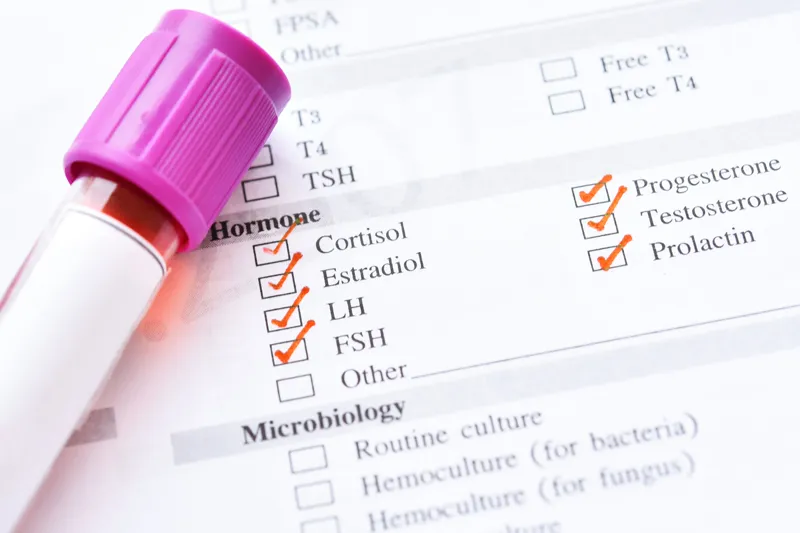
- Hormone panel (FSH, LH, prolactin, estradiol): Evaluates for hormonal imbalance and helps assess ovulatory function.
- Coagulation studies: Recommended for women with heavy bleeding since their first period, or a family history of bleeding disorders.
Pelvic Ultrasound
Transvaginal pelvic ultrasound is the first-line imaging test for heavy menstrual bleeding. It allows direct visualization of the uterus and ovaries to detect fibroids, endometrial polyps, adenomyosis, ovarian cysts, and abnormal thickening of the uterine lining. On-site ultrasound during the same visit as your consultation significantly shortens the time to diagnosis compared to being referred elsewhere for imaging.
Further Testing When Indicated
In select cases — particularly in women over 45, those with risk factors for endometrial pathology, or when ultrasound shows a thickened endometrial lining — an endometrial biopsy or hysteroscopy may be recommended to examine the uterine lining more closely and rule out pre-cancerous or cancerous changes. According to Dr. Parisa Dini, OB-GYN at DCDC, many women in Dubai tolerate heavy periods for years before seeking help. Early evaluation with ultrasound and blood work can identify treatable conditions like fibroids or hormonal imbalances, preventing complications like iron deficiency anemia.
Concerned Your Period Is Too Heavy?
Book a gynecology consultation at DCDC from AED 299. On-site pelvic ultrasound and blood tests available the same visit.
Direct billing with 20+ insurance partners. Free parking at Dubai Healthcare City.
Treatment Options for Heavy Periods in Dubai
Treatment for heavy menstrual bleeding is tailored to the underlying cause, the severity of symptoms, your age, and whether you wish to preserve fertility. Options range from simple medications to more targeted procedures for structural causes such as fibroids or polyps.
Medical (Non-Surgical) Treatment
- Tranexamic acid: A non-hormonal medication taken during menstruation that can reduce blood loss by up to 50% by helping blood clot more effectively at the site of bleeding.
- NSAIDs (mefenamic acid, ibuprofen): Reduce both bleeding and cramping by lowering prostaglandin levels; taken during the first few days of the period.
- Combined oral contraceptives: Regulate the cycle and typically lighten flow by thinning the uterine lining over time.
- Progestin therapy: Oral progestins or the hormonal intrauterine system (Mirena IUS) can dramatically reduce menstrual blood loss and are often first-line for women not seeking immediate pregnancy.
- Iron supplementation: Prescribed alongside other treatments when blood tests confirm iron deficiency or anemia, to restore energy levels and iron stores.
Procedural and Surgical Options
- Hysteroscopic polypectomy or myomectomy: Minimally invasive removal of polyps or submucosal fibroids that are distorting the uterine cavity, often performed as day surgery.
- Endometrial ablation: A procedure that thins or removes the uterine lining to reduce bleeding, generally suitable for women who have completed childbearing.
- Uterine artery embolization: A fertility-sparing, minimally invasive procedure that shrinks fibroids by blocking their blood supply.
- Hysterectomy: Surgical removal of the uterus, reserved for cases where other treatments have failed or are not suitable, and childbearing is complete.
Heavy Periods Cost of Diagnosis in Dubai
Understanding the cost of diagnosing heavy periods helps you plan your care with confidence. DCDC offers transparent, competitive pricing with direct insurance billing, making specialist gynecological evaluation accessible across Dubai.
| Service | DCDC Price | Dubai Average |
|---|---|---|
| Gynecology consultation | From AED 299 | AED 400-800 |
| Pelvic ultrasound (transvaginal) | From AED 400 | AED 400-900 |
| Complete Blood Count (CBC) & iron studies | From AED 150 | AED 200-400 |
| Hormone panel (FSH, LH, TSH, prolactin) | From AED 350 | AED 400-800 |
| Follow-up consultation | From AED 250 | AED 300-600 |
Prices are indicative and may vary based on insurance coverage and specific tests required. Direct billing available with 20+ insurance partners.
DCDC partners with over 20 insurance providers for direct billing, meaning many patients pay only their copay or deductible at the time of visit. Our patient services team can verify your coverage before your appointment so there are no unexpected costs.
What to Expect at DCDC for Heavy Period Evaluation
At Doctors Clinic Diagnostic Center in Dubai Healthcare City, evaluation for heavy periods follows a structured, patient-centered pathway designed to reach a diagnosis in as few visits as possible. Here is what a typical visit looks like:
- Step 1 — Arrival and check-in: Arrive at Building 64, Al Razi Medical Complex, Dubai Healthcare City, where free parking is available on-site. With an average wait time of just 15 minutes, you are seen promptly.
- Step 2 — Consultation with a female gynecologist: Dr. Parisa Dini takes a detailed history of your bleeding pattern, cycle regularity, pain, and any related symptoms, followed by a focused physical examination.
- Step 3 — On-site pelvic ultrasound: If indicated, a transvaginal ultrasound is performed during the same visit using DCDC's on-site imaging equipment, avoiding the delay of a separate appointment.
- Step 4 — Blood tests: CBC, iron studies, and a hormone panel are drawn at the on-site laboratory to assess for anemia and hormonal causes.
- Step 5 — Same-day and rapid results: Ultrasound findings are typically discussed with you the same day, while hormone and specialized blood results are usually available within 24-48 hours.
- Step 6 — Personalized treatment plan: Based on your diagnosis, a tailored plan is developed — whether medical management, iron supplementation, or referral for a procedure.
DCDC maintains a 4.8/5 Google rating from over 1,000 verified patient reviews and a 98% patient satisfaction rate. As a MOHAP-licensed facility, we meet the highest standards of clinical governance, and our on-site equipment includes pelvic ultrasound, hormonal profiling, and CBC and iron studies — all available without leaving the clinic.
Lifestyle Tips to Manage Heavy Periods
While lifestyle measures do not replace medical treatment for an underlying cause, they can meaningfully support your energy levels and comfort while you are being evaluated and treated.
- Iron-rich diet: Include red meat, leafy greens, lentils, and fortified cereals, paired with vitamin C to improve absorption, to help offset losses from heavy bleeding.
- Stay well hydrated: Adequate fluid intake supports overall energy and helps manage the fatigue that often accompanies heavier cycles.
- Track your cycle: Use a period-tracking app or diary to record flow, clots, and pain — this data is invaluable for your doctor and helps you notice patterns.
- Moderate exercise: Gentle activity such as walking or yoga can help with cramping and mood, though very heavy flow days may call for rest.
- Avoid unnecessary blood thinners: Speak with your doctor before regularly using medications that can worsen bleeding, if you already have heavy periods.
- Manage cramping appropriately: Heat therapy and appropriately timed NSAIDs can reduce discomfort. Our detailed guide on menstrual cramps relief covers additional strategies for pain management alongside heavy bleeding.
When to See a Gynecologist Urgently
Most heavy periods can be evaluated through a routine appointment, but certain situations call for urgent, same-day medical attention rather than waiting for a scheduled visit.
- Soaking through a pad or tampon every hour for two or more consecutive hours.
- Passing clots larger than a golf ball, or bleeding through clothing despite protection.
- Feeling faint, dizzy, short of breath, or noticing a rapid heartbeat during your period.
- Bleeding after menopause, at any volume.
- Severe abdominal pain accompanied by fever, which may suggest infection or a complication requiring prompt care.
Ready to Get Answers About Your Bleeding?
Schedule your heavy periods evaluation at DCDC today. On-site ultrasound, same-visit blood tests, and direct insurance billing available.
Building 64, Block A, Al Razi Medical Complex, Dubai Healthcare City. Call or WhatsApp to book.
Heavy Periods After 40: Perimenopause Considerations
Many women notice their periods become heavier, more irregular, or less predictable as they approach their mid-to-late 40s. This transition, known as perimenopause, involves fluctuating estrogen and progesterone levels and increasingly irregular ovulation, which can cause the uterine lining to build up unevenly and shed heavily when it does.
- Anovulatory cycles: As ovulation becomes less regular, cycles without ovulation allow the endometrium to thicken for longer, resulting in heavier bleeding when a period finally occurs.
- Fibroids and polyps become more common: Both tend to increase in frequency with age up until menopause, and can compound heavy bleeding related to hormonal changes.
- Endometrial evaluation matters more: Because the risk of endometrial hyperplasia and, rarely, endometrial cancer rises with age, women over 40-45 with new or worsening heavy bleeding are often advised to have an endometrial biopsy or hysteroscopy alongside ultrasound.
- Not everything is 'just perimenopause': While hormonal fluctuation is a common and normal explanation, it should still be confirmed through evaluation rather than assumed, since treatable structural causes are also common in this age group.
If you are in your 40s and noticing heavier, more frequent, or unpredictable periods, a thorough evaluation ensures the correct diagnosis is reached and appropriate treatment — whether hormonal, medical, or procedural — can begin without unnecessary delay.
Related Services at DCDC
Expert care and advanced diagnostics at Dubai Healthcare City
Frequently Asked Questions
Taking Heavy Periods Seriously
Heavy periods are common, but 'common' does not mean they should be endured in silence. Excessive menstrual bleeding is frequently caused by identifiable, treatable conditions — from fibroids and hormonal imbalance to thyroid dysfunction — and proper evaluation can bring both relief and peace of mind.
At Doctors Clinic Diagnostic Center in Dubai Healthcare City, our gynecology team led by Dr. Parisa Dini provides comprehensive evaluation for heavy menstrual bleeding with on-site pelvic ultrasound, blood testing, and hormonal profiling — often within a single visit. With consultations from AED 299, direct insurance billing, and same-day imaging results, getting answers has never been more accessible.
If your periods are heavy enough to interfere with your daily life, cause you to worry about leaks, or leave you feeling constantly tired, we encourage you to seek evaluation rather than normalizing your symptoms. Early diagnosis can prevent complications like anemia and open the door to treatment options that genuinely improve your quality of life.
Sources & References
This article was reviewed by our medical team and references the following sources:
- World Health Organization — Menstrual Health
- American College of Obstetricians and Gynecologists (ACOG) — Heavy Menstrual Bleeding
- NHS — Heavy Periods (Menorrhagia)
- NICE Guideline NG88 — Heavy Menstrual Bleeding: Assessment and Management
- Mayo Clinic — Menorrhagia (Heavy Menstrual Bleeding): Symptoms and Causes
Medical content on this site is reviewed by DHA-licensed physicians. See our editorial policy for more information.
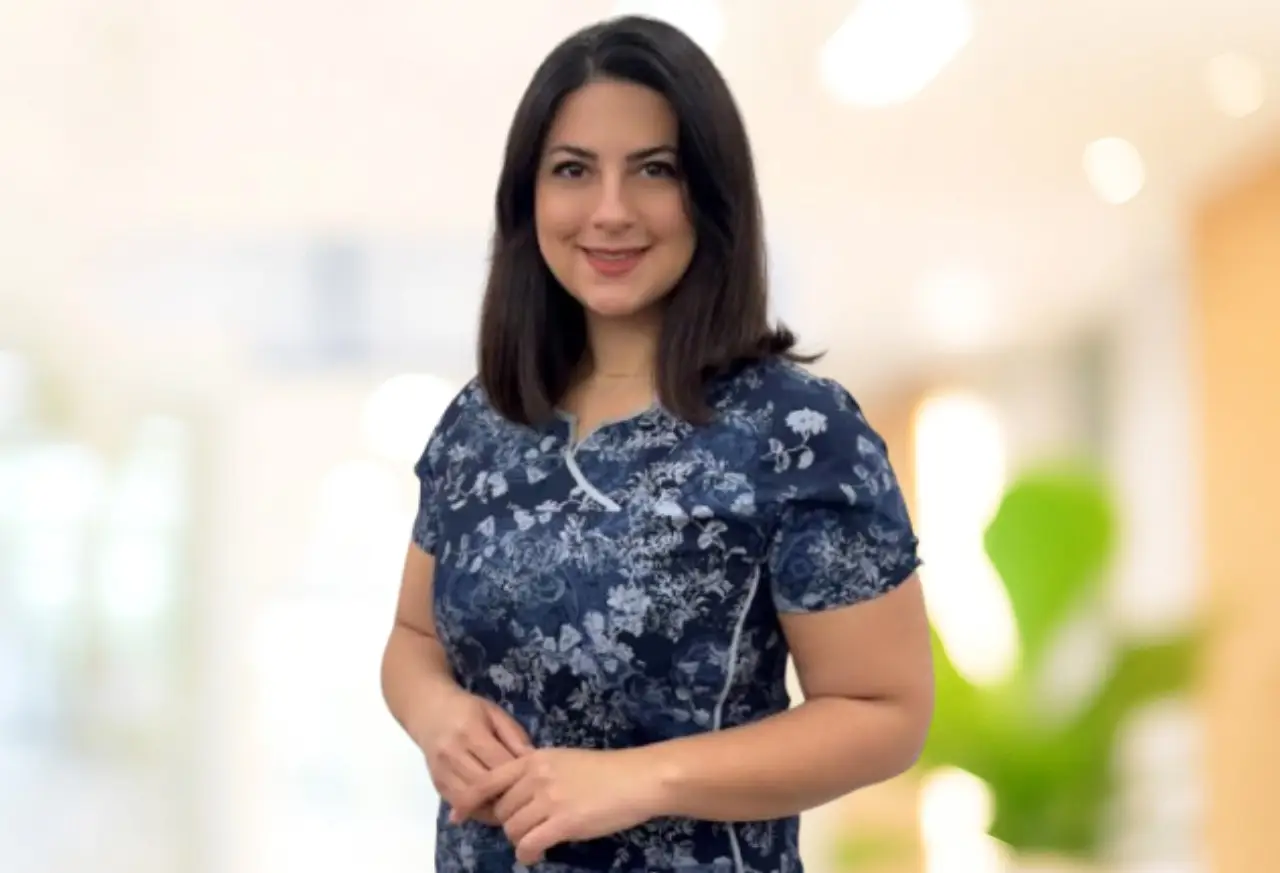
Written by
Dr. Parisa Dini
Obstetrician & Gynecologist
MD, OB-GYN
Dr. Parisa Dini is an Obstetrician & Gynecologist at Doctors Clinic Diagnostic Center (DCDC) in Dubai Healthcare City.
Related Articles

Menstrual Cramps Relief Dubai: Causes & Treatment

Irregular Periods Treatment Dubai: Complete Guide
PCOS Treatment & Diagnosis Dubai: Complete Guide
Endometriosis Dubai: Symptoms & Diagnosis
Ovarian Cyst Symptoms & Treatment Dubai
More in Women's Health
Breast Cancer Prevention Dubai: Guide (2026)
Read More
Breast Lump Dubai: When to Worry & Tests (2026)
Read More
Dental Care During Pregnancy Dubai: Guide (2026)
Read MoreAnomaly Scan Cost Dubai: From AED 350 (2026)
Read More
HPV Test Dubai: Screening, Vaccine & Cost (2026)
Read More
HSG Test Side Effects: Pain & Recovery (2026)
Read More© 2026 Doctors Clinic Diagnostic Center (DCDC), Dubai Healthcare City. Originally published at https://doctorsclinicdubai.ae/blog/heavy-periods-causes-treatment-dubai. All rights reserved. Unauthorized reproduction is prohibited.