Key Takeaways
- Irregular periods affect up to 25% of women of reproductive age and can signal treatable conditions such as PCOS, thyroid disorders, or hormonal imbalances.
- A normal menstrual cycle ranges from 21 to 35 days — cycles consistently shorter, longer, or unpredictable warrant medical evaluation.
- PCOS is the most common cause of irregular periods, responsible for up to 70% of cases related to anovulation.
- Diagnosis typically involves a hormone panel, pelvic ultrasound, and thyroid function tests — all available on-site at DCDC with same-day results.
- Treatment options range from lifestyle modifications and hormonal therapy to targeted medical management, depending on the underlying cause.
- DCDC offers gynecology consultations from AED 500 with direct insurance billing through 20+ partners and same-day appointment availability.
- Seeking early treatment for irregular periods can prevent complications including infertility, endometrial hyperplasia, and osteoporosis.
- Women's health packages at DCDC (AED 299–1,499) provide comprehensive screening including hormonal profiling, ultrasound, and metabolic assessment.
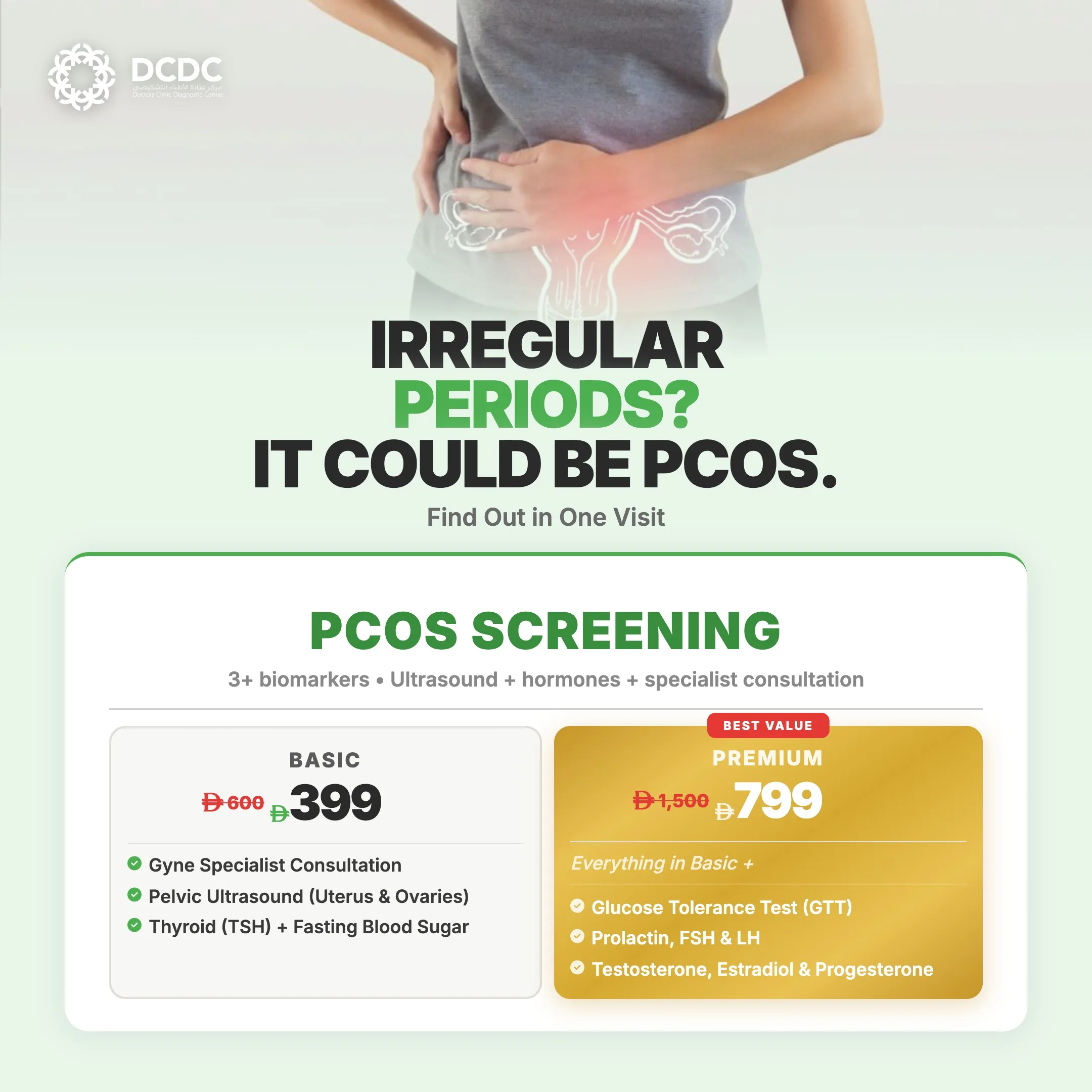
Irregular periods treatment in Dubai begins with understanding what your body is telling you. Whether your menstrual cycle has become unpredictable, unusually heavy, too frequent, or has stopped altogether, these changes often point to an underlying condition that can be effectively diagnosed and treated. At Doctors Clinic Diagnostic Center (DCDC's women's health clinic) in Dubai Healthcare City, our gynecology team provides same-day diagnostic workups — including hormone panels, pelvic ultrasound, and thyroid testing — so you can move from concern to clarity in a single visit.
This comprehensive guide covers the full spectrum of menstrual irregularities: how to recognize abnormal patterns, when symptoms require urgent attention, the most common causes and risk factors, what diagnostic tests to expect, and the treatment options available in Dubai. Whether you are experiencing your first missed period or have been managing irregular cycles for years, this resource gives you the evidence-based information you need to take the next step toward better menstrual health.
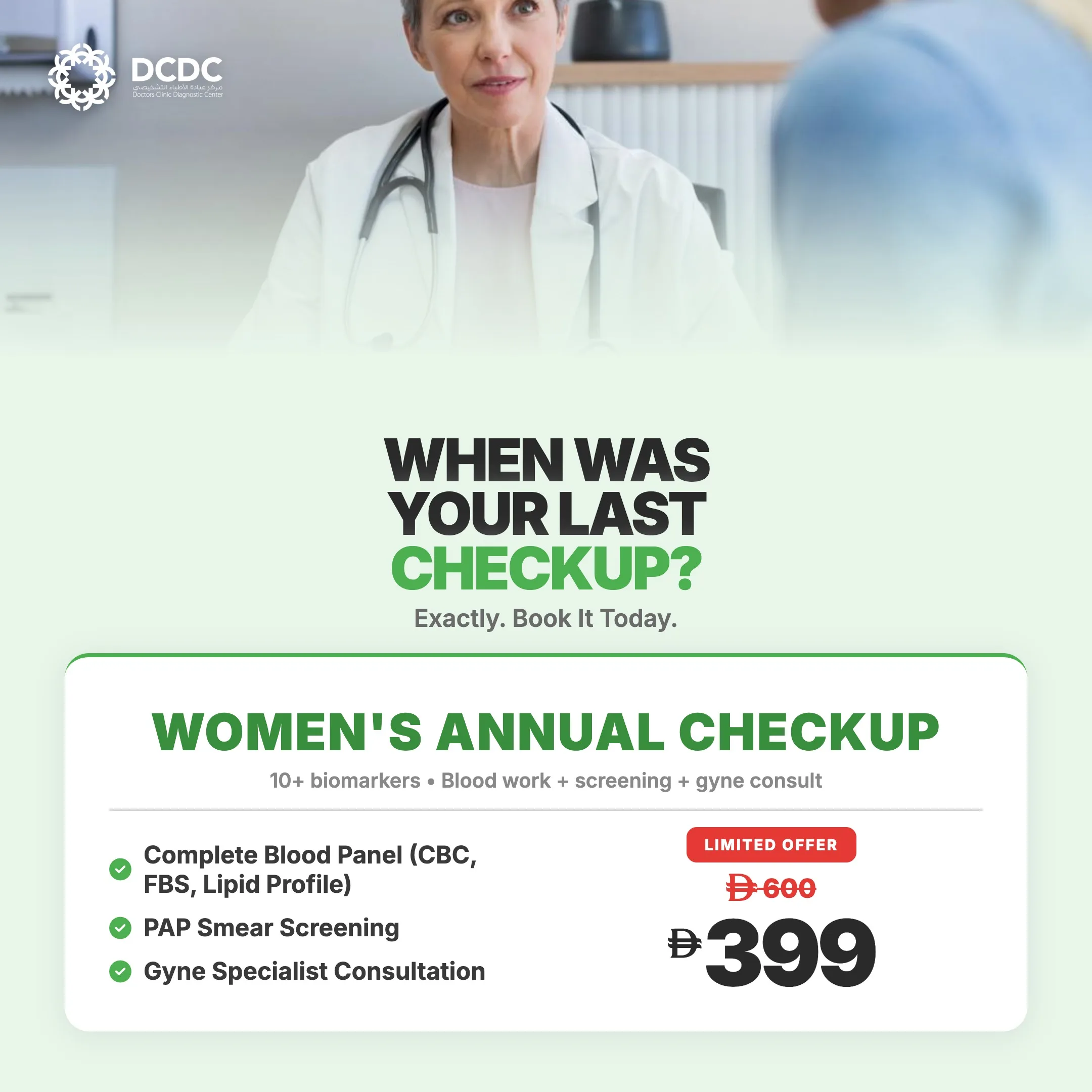
Health Screening Packages
Save with our bundled screening packages — specialist consultation included




Irregular Periods Treatment: What Counts as an Irregular Menstrual Cycle?
Before exploring treatment options, it is important to understand what constitutes a normal menstrual cycle and when variations cross the line into clinical irregularity. According to the American College of Obstetricians and Gynecologists (ACOG), a normal menstrual cycle ranges from 21 to 35 days in adults, with menstrual bleeding lasting 2 to 7 days. Cycle-to-cycle variation of up to 7 days is considered physiologically normal.
Menstrual irregularity is medically classified into several distinct patterns, each pointing to different underlying causes:
- Oligomenorrhea: Infrequent periods occurring at intervals greater than 35 days, or fewer than 9 cycles per year. This is the most common irregularity in women with PCOS.
- Amenorrhea: Complete absence of menstruation — primary amenorrhea means no period by age 15, while secondary amenorrhea refers to the absence of periods for 3 or more consecutive months in someone who previously menstruated.
- Polymenorrhea: Frequent periods occurring at intervals shorter than 21 days, which may indicate luteal phase deficiency or anovulatory cycling.
- Menorrhagia: Excessively heavy menstrual bleeding (soaking through a pad or tampon every hour for several consecutive hours) or periods lasting longer than 7 days.
- Metrorrhagia: Bleeding between periods (intermenstrual bleeding), which can range from light spotting to significant bleeding unrelated to the normal cycle.
- Menometrorrhagia: A combination of heavy and irregular bleeding at unpredictable intervals — often seen in conditions such as uterine fibroids or endometrial polyps.
The World Health Organization estimates that menstrual disorders affect approximately 14–25% of women of reproductive age worldwide. In the UAE, the prevalence may be higher due to factors including high rates of PCOS (estimated at 15–20% in the Middle Eastern population), lifestyle-related hormonal disruption, vitamin D deficiency, and stress associated with expatriate life. Understanding where your symptoms fall within these classifications helps your gynecologist target the right diagnostic tests from day one.
Symptom Checklist: Signs Your Period Is Irregular
Many women dismiss menstrual changes as "normal" or assume nothing can be done. The following symptom checklist helps you identify patterns that warrant professional evaluation. If you experience two or more of these symptoms consistently over three or more cycles, it is time to consult a gynecologist:
- Unpredictable timing: Your period arrives at different intervals each month — sometimes 25 days apart, sometimes 40 or more — making it impossible to predict your next cycle.
- Missed periods: You have skipped one or more periods without being pregnant, breastfeeding, or approaching menopause.
- Very short cycles: Your period comes more frequently than every 21 days, sometimes resulting in two periods per month.
- Very long cycles: You regularly go more than 35 days — sometimes 2 to 3 months — between periods.
- Excessively heavy flow: You soak through a pad or tampon in under an hour, pass blood clots larger than a 1-dirham coin, or need to change protection during the night.
- Prolonged bleeding: Your period lasts more than 7 days, or you experience persistent spotting that extends the total bleed time beyond a week.
- Spotting between periods: Unexpected bleeding or brown discharge occurs mid-cycle, between periods, or after intercourse.
- Severe pain disproportionate to flow: Cramping is so intense it interferes with work, school, or daily activities, or has worsened significantly over time.
- Accompanying systemic symptoms: You also experience unexplained weight gain, excessive hair growth (hirsutism), acne, hair thinning, fatigue, or mood changes that correlate with cycle irregularity.
- No period for 3+ months: Complete absence of menstruation for 90 days or longer (secondary amenorrhea) in a non-pregnant woman of reproductive age.
Tracking your cycle using a period-tracking app or a simple calendar for at least 3 months provides valuable data for your gynecologist. Record the start date, end date, flow intensity (light, medium, heavy), pain levels, and any other symptoms. This information significantly streamlines the diagnostic process and helps identify the pattern of irregularity.
When to See a Doctor for Irregular Periods: Urgency Guide
Not all menstrual irregularities carry the same level of urgency. The following guide helps you determine when to book a routine appointment versus when to seek more immediate medical attention. PCOS is a leading cause of irregular periods — if you suspect it, early evaluation is key to preventing long-term metabolic and reproductive complications.
Seek Same-Day or Emergency Care If:
- You are soaking through a pad or tampon every 30–60 minutes for more than 2 hours
- You feel dizzy, faint, or have a rapid heartbeat during heavy bleeding
- You are pregnant or suspect pregnancy and experience any vaginal bleeding
- You develop sudden, severe pelvic or abdominal pain with vaginal bleeding
- Post-menopausal bleeding occurs (any vaginal bleeding after 12 months without a period)
Book an Appointment Within 1–2 Weeks If:
- Your period has been absent for 3 or more consecutive months
- You consistently bleed for more than 7 days per cycle
- You notice new intermenstrual or post-coital bleeding
- Periods have become progressively heavier over several months
- You are trying to conceive and your cycles are irregular
- You experience new-onset pelvic pain during or between periods
- Menstrual symptoms interfere with your work, sleep, or daily life
Discuss at Your Next Routine Visit If:
- Your cycle varies by more than 7–9 days month to month but remains broadly within the 21–35-day range
- You have occasional spotting that resolves on its own
- You recently started, changed, or stopped hormonal contraception and your periods are adjusting
- You are in the first 2 years after menarche or approaching perimenopause (ages 40–55) and experiencing gradually changing patterns
Self-Assessment Questions for Irregular Periods
Before your gynecology appointment, consider these self-assessment questions. Your answers will help your doctor narrow down potential causes efficiently and order the most relevant diagnostic tests:
- Cycle timing: How many days typically pass between the first day of one period and the first day of the next? Has this interval changed recently?
- Duration: How many days does your period last? Has the duration increased or decreased?
- Flow volume: How many pads or tampons do you use per day during your heaviest flow? Do you pass clots? How large are they?
- Pain assessment: On a scale of 1–10, how severe is your menstrual pain? Does over-the-counter pain relief manage it effectively?
- Onset of change: When did your periods first become irregular? Was the change sudden or gradual? Did anything coincide with the change (weight change, stress, new medication, exercise)?
- Associated symptoms: Have you noticed acne, facial/body hair growth, scalp hair thinning, unexplained weight gain, fatigue, heat/cold intolerance, or mood changes?
- Reproductive history: Have you been pregnant before? Are you currently trying to conceive? What contraception do you use?
- Medical history: Do you have any diagnosed conditions (thyroid disease, diabetes, PCOS)? Have you had any pelvic surgery?
- Family history: Does anyone in your family have PCOS, thyroid disease, early menopause, or clotting disorders?
- Lifestyle factors: How would you describe your current stress level, diet, exercise habits, and sleep quality? Have any of these changed significantly?
Bringing written answers to these questions — along with 3 months of cycle tracking data — saves valuable consultation time and enables your gynecologist to create a targeted diagnostic plan during your first visit.
Causes and Risk Factors for Irregular Periods in Dubai
Irregular periods are a symptom, not a diagnosis. Identifying the root cause is essential for effective treatment. The following conditions represent the most common causes of menstrual irregularity, organized by prevalence:
Hormonal Causes
- Polycystic ovary syndrome (PCOS): The single most common cause of irregular periods in women of reproductive age, responsible for up to 70% of anovulatory infertility cases. PCOS affects an estimated 8–13% of women globally, with higher prevalence (15–20%) in Middle Eastern populations. It involves hormonal imbalance with excess androgens, insulin resistance, and disrupted ovulation.
- Thyroid disorders: Both hypothyroidism and hyperthyroidism directly affect the menstrual cycle. Hypothyroidism can cause heavy, prolonged, or frequent periods, while hyperthyroidism often leads to light, infrequent, or absent periods. Thyroid dysfunction is found in approximately 20–25% of women investigated for menstrual irregularity.
- Hyperprolactinemia: Elevated prolactin levels — caused by pituitary adenomas, medications, or hypothyroidism — suppress GnRH and disrupt ovulation, leading to oligomenorrhea or amenorrhea.
- Premature ovarian insufficiency (POI): Decline or cessation of ovarian function before age 40, affecting approximately 1% of women. Presents with irregular or absent periods, menopausal symptoms, and reduced fertility.
- Perimenopause: The transition toward menopause (typically ages 40–55) is characterized by fluctuating hormone levels that cause increasingly irregular cycles, variable flow, and eventual cessation of periods.
Structural Causes
- Uterine fibroids: Benign muscular tumors of the uterus that affect up to 70% of women by age 50. Submucosal fibroids in particular cause heavy, prolonged, or irregular bleeding.
- Endometrial polyps: Overgrowths of the uterine lining that can cause intermenstrual bleeding, post-coital bleeding, and irregular periods.
- Adenomyosis: Endometrial tissue growing into the uterine muscle wall, causing heavy, painful periods and pelvic pressure.
- Endometriosis: Endometrial-like tissue outside the uterus causes painful, heavy, and sometimes irregular periods alongside chronic pelvic pain.
Lifestyle and External Factors
- Significant weight changes: Both rapid weight loss and obesity disrupt hormonal balance. Excess body fat increases estrogen production, while very low body fat (BMI below 18.5) can suppress ovulation entirely.
- Excessive exercise: High-intensity athletic training without adequate caloric intake can lead to hypothalamic amenorrhea through suppression of GnRH.
- Chronic stress: Sustained psychological stress elevates cortisol, which directly suppresses GnRH, LH, and FSH — disrupting ovulation and cycle regularity.
- Hormonal contraception: Starting, stopping, or switching birth control pills, injections, or IUDs commonly causes temporary menstrual irregularity as the body adjusts.
- Vitamin D deficiency: Highly prevalent in Dubai despite abundant sunlight (due to indoor lifestyles and sun avoidance), vitamin D deficiency is associated with menstrual irregularity and worsened PCOS symptoms.
Hormonal imbalances are a central driver of most menstrual irregularities — understanding your specific hormonal profile is the first step toward targeted treatment. At DCDC, on-site hormone testing with same-day results means your doctor can often identify the underlying cause during your first visit.
How Irregular Periods Are Diagnosed in Dubai
A systematic diagnostic approach is essential for identifying the cause of irregular periods and ruling out serious underlying conditions. At DCDC in Dubai Healthcare City, Dr. Parisa Dini follows an evidence-based diagnostic pathway that provides answers efficiently, often within a single comprehensive visit.
Step 1: Clinical History and Physical Examination
The evaluation begins with a detailed menstrual history covering cycle length, duration, flow volume, pain, and any associated symptoms. Your doctor will review your medical history, medications, contraceptive use, reproductive goals, and family history. A focused physical examination may include assessment of BMI, signs of androgen excess (acne, hirsutism), thyroid palpation, and pelvic examination to check for uterine enlargement, tenderness, or adnexal masses.
Step 2: Hormone Panel and Blood Tests
Blood tests form the cornerstone of irregular period diagnosis. At DCDC's on-site laboratory, the following panels are typically ordered with same-day results for most tests:
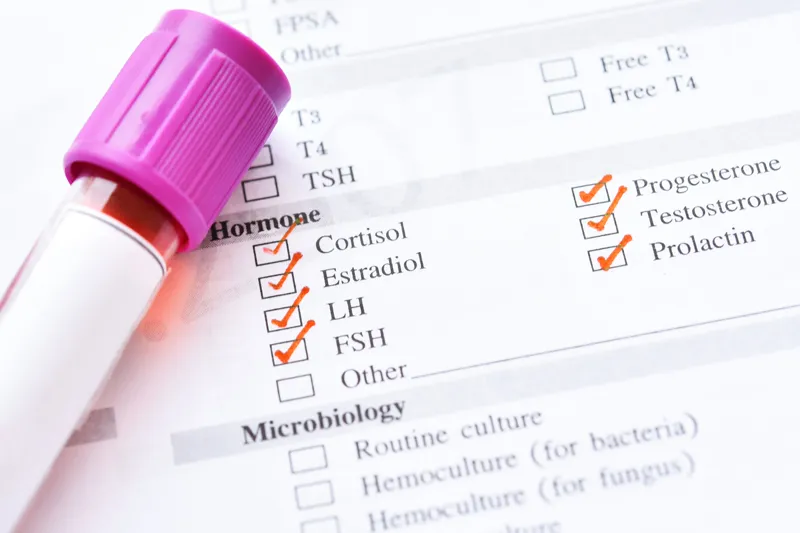
- FSH and LH: Follicle-stimulating hormone and luteinizing hormone levels reveal ovulatory function and can indicate PCOS (elevated LH:FSH ratio), premature ovarian insufficiency (elevated FSH), or hypothalamic causes (low FSH/LH).
- Estradiol and progesterone: Assess ovarian function and confirm whether ovulation is occurring. Mid-luteal progesterone (day 21 test) is used to confirm ovulatory versus anovulatory cycles.
- Testosterone and DHEA-S: Elevated androgen levels support a PCOS diagnosis and help quantify hyperandrogenism severity.
- Thyroid function (TSH, free T4): Screens for hypo- or hyperthyroidism as a cause of menstrual disturbance.
- Prolactin: Rules out hyperprolactinemia, which can suppress ovulation.
- AMH (Anti-Mullerian Hormone): Assesses ovarian reserve, helpful for women with irregular cycles who are considering future fertility.
- HbA1c and fasting insulin: Screens for insulin resistance and diabetes, which are commonly associated with PCOS.
- CBC and ferritin: Evaluates for anemia caused by heavy menstrual bleeding — a common and often overlooked consequence of menorrhagia.
Step 3: Pelvic Ultrasound
Transvaginal or transabdominal pelvic ultrasound is performed on-site at DCDC to visualize the uterus and ovaries. Ultrasound can identify polycystic ovarian morphology (12 or more follicles per ovary or increased ovarian volume), uterine fibroids, endometrial polyps, endometrial thickness abnormalities, ovarian cysts, and signs of adenomyosis. The ability to perform imaging during the same appointment as your consultation eliminates the delay of scheduling a separate scan and allows your doctor to correlate findings immediately.
Step 4: Additional Investigations (If Needed)
- Endometrial biopsy: Recommended for women over 35 with abnormal uterine bleeding, or younger women with risk factors for endometrial hyperplasia, to rule out precancerous or cancerous changes.
- Pelvic MRI: Indicated when ultrasound findings need further characterization, particularly for mapping deep endometriosis or complex uterine fibroids prior to surgical planning.
- Saline infusion sonography: A specialized ultrasound technique using saline to distend the uterine cavity, improving detection of intracavitary polyps and submucosal fibroids.
- Coagulation studies: Ordered for women with heavy menstrual bleeding since childhood or a family history of bleeding disorders, to screen for von Willebrand disease and other coagulopathies.
According to Dr. Parisa Dini: 'The key to effective irregular periods treatment is accurate diagnosis. At DCDC, our on-site laboratory and ultrasound capabilities allow me to complete a comprehensive evaluation in a single appointment. Many women who have dealt with irregular cycles for years are surprised to receive a clear diagnosis and treatment plan on the same day. Whether the cause is PCOS, thyroid dysfunction, or a structural issue, identifying it precisely means we can treat it effectively — and that starts with thorough, targeted testing.'
Experiencing Irregular Periods?
Book a gynecology consultation at DCDC from AED 500. Same-day hormone testing and on-site ultrasound available with results before you leave.
Direct billing with 20+ insurance partners including Daman, AXA, and Bupa. Free parking at Dubai Healthcare City.
Irregular Periods Treatment Options in Dubai
Treatment for irregular periods depends entirely on the underlying cause, your reproductive goals, the severity of symptoms, and your overall health profile. At DCDC, treatment plans are individualized and may involve one or more of the following approaches:
Lifestyle Modifications
For mild irregularities driven by weight, stress, or lifestyle factors, evidence-based modifications can restore cycle regularity without medication. Research published in the journal Human Reproduction Update shows that a 5–10% reduction in body weight in overweight women with PCOS can restore ovulatory cycles in up to 50% of cases. Key lifestyle interventions include:
- Weight management: Achieving and maintaining a healthy BMI (18.5–24.9) through balanced nutrition. Both obesity and being underweight disrupt the HPO axis and impair ovulation.
- Moderate exercise: 150 minutes of moderate-intensity aerobic activity per week improves insulin sensitivity, reduces androgen levels, and supports hormonal balance. Avoid excessive high-intensity training, which can worsen amenorrhea.
- Stress reduction: Evidence-based techniques such as cognitive behavioral therapy, mindfulness meditation, and adequate sleep (7–9 hours) help lower cortisol and restore GnRH pulsatility.
- Nutritional optimization: An anti-inflammatory Mediterranean-style diet rich in whole grains, lean protein, omega-3 fatty acids, and low-glycemic foods supports hormonal balance. Vitamin D supplementation (often deficient in Dubai residents) may also improve cycle regularity.
Hormonal Therapy
- Combined oral contraceptive pills (COCs): First-line treatment for cycle regulation in women not trying to conceive. COCs provide predictable withdrawal bleeds, reduce androgen levels, protect the endometrium from hyperplasia, and improve acne and hirsutism in PCOS.
- Cyclical progestogens: Medroxyprogesterone acetate or micronized progesterone given for 10–14 days per cycle induces regular withdrawal bleeds and protects against endometrial hyperplasia in women with anovulatory cycles.
- Levonorgestrel-releasing IUS (Mirena): Highly effective for managing heavy and irregular periods, reducing menstrual blood loss by up to 90%. Particularly useful for women who prefer long-acting, low-maintenance treatment.
- Metformin: An insulin-sensitizing agent that addresses the underlying insulin resistance in PCOS, helping restore ovulatory cycles in combination with lifestyle changes. Often used alongside hormonal therapy.
Fertility-Focused Treatment
For women with irregular periods who are trying to conceive, the goal shifts from cycle regulation to ovulation induction:
- Letrozole: Now recommended by international guidelines (including NICE and the Endocrine Society) as first-line ovulation induction for PCOS, with higher live birth rates compared to clomiphene citrate.
- Clomiphene citrate: A selective estrogen receptor modulator that stimulates FSH release and triggers ovulation. Effective in 60–80% of anovulatory women.
- Gonadotropin therapy: Injectable FSH used when oral medications fail, with careful monitoring to minimize multiple pregnancy risk.
- Thyroid hormone replacement: When hypothyroidism is the underlying cause, levothyroxine supplementation alone can restore regular ovulatory cycles and fertility.
Treatment for Structural Causes
- Polypectomy: Hysteroscopic removal of endometrial polyps — a minimally invasive outpatient procedure that resolves intermenstrual and heavy bleeding in most cases.
- Fibroid management: Options range from medical therapy (GnRH analogues, ulipristal acetate) to minimally invasive procedures (myomectomy, uterine artery embolization) depending on size, number, and location of fibroids.
- Endometriosis treatment: Hormonal suppression with combined pills, progestins, or GnRH analogues, with laparoscopic excision reserved for moderate-to-severe disease or fertility-impacting cases.
Endometriosis is a common cause of painful, irregular periods that requires specialized evaluation. At DCDC, our integrated approach means structural causes are identified on ultrasound during your initial consultation, allowing for prompt treatment planning.
Irregular Periods Treatment Cost in Dubai
Understanding the cost of diagnosis and treatment helps you plan your healthcare journey. DCDC maintains transparent, competitive pricing with direct insurance billing available through 20+ partners. Below is a comparison of typical costs for irregular period evaluation and management:
| Service | DCDC Price | Dubai Average |
|---|---|---|
| Gynecology consultation | From AED 500 | AED 500–1,200 |
| Hormone panel (FSH, LH, thyroid, prolactin) | From AED 300 | AED 400–900 |
| Pelvic ultrasound (transvaginal) | From AED 400 | AED 500–1,000 |
| Women's health screening package | AED 299–1,499 | AED 500–2,500 |
| Follow-up consultation | From AED 350 | AED 400–800 |
| AMH (ovarian reserve) test | From AED 300 | AED 350–700 |
| Pelvic MRI (if needed) | From AED 900 | AED 1,500–3,500 |
Prices are indicative and may vary based on insurance coverage and clinical requirements. Direct billing available with 20+ insurance partners including Daman, AXA, Bupa, MetLife, and Cigna.
Many patients at DCDC pay only their insurance copay or deductible, as gynecological consultations and diagnostic tests for menstrual irregularities are covered under standard UAE health insurance plans. Our patient services team verifies your specific coverage before your appointment so you know your out-of-pocket costs upfront.
What to Expect at DCDC for Irregular Periods Treatment
At Doctors Clinic Diagnostic Center in Dubai Healthcare City, your irregular periods evaluation follows a structured, efficient pathway designed to provide answers and begin treatment as quickly as possible. Here is the step-by-step patient journey:
- Step 1 — Easy booking: Schedule your appointment online, by phone, or via WhatsApp. With extended hours (Saturday–Thursday 8 AM–10 PM, Friday 9 AM–9 PM) and an average wait time of just 15 minutes, you can be seen at a time that works for your schedule. Same-day appointments are frequently available.
- Step 2 — Insurance verification: Our patient services team contacts your insurer before your visit to confirm coverage, pre-authorize required tests, and inform you of any copay. Direct billing is available with 20+ partners including Daman, AXA, Bupa, MetLife, and Cigna.
- Step 3 — Comprehensive consultation: Dr. Parisa Dini conducts a thorough clinical assessment covering your menstrual history, symptoms, reproductive goals, lifestyle factors, and family history. A focused examination is performed with your consent in a private, comfortable setting.
- Step 4 — Same-visit diagnostics: Blood samples for your hormone panel, thyroid function, and metabolic markers are drawn at the on-site laboratory. A pelvic ultrasound is performed immediately if indicated — no need to schedule a separate imaging appointment.
- Step 5 — Same-day results: Routine blood tests including CBC, thyroid panel, and basic hormones are available the same day. Your doctor reviews results with you in person or schedules a prompt follow-up to discuss findings and the treatment plan.
- Step 6 — Personalized treatment plan: Based on your diagnosis, a tailored treatment plan is created addressing the root cause of your irregular periods. This may include lifestyle guidance, medication, hormonal therapy, or referral for further investigation.
- Step 7 — Ongoing monitoring: Follow-up appointments track your response to treatment, with repeat testing or imaging as needed to confirm improvement and adjust the plan.
DCDC maintains a 4.8/5 Google rating from over 1,000 verified patient reviews and a 98% patient satisfaction rate. Our MOHAP-licensed facility (License No. NIMY7VY5-240925) in the Al Razi Medical Complex offers free parking, multilingual staff (Arabic, English, Farsi, Urdu, Hindi), and a welcoming environment designed to make women's health consultations as comfortable as possible.
Irregular Periods and Fertility: What Every Woman Should Know
Irregular periods and fertility are closely connected because cycle irregularity often reflects disrupted ovulation — and ovulation is essential for natural conception. Understanding this relationship is critical for women planning their reproductive future.
Anovulation (failure to release an egg) is the underlying mechanism in most cases of irregular periods caused by hormonal conditions. According to data from the Cleveland Clinic, anovulatory cycles account for approximately 25–30% of female infertility cases. The good news is that anovulatory infertility is among the most treatable forms of subfertility, with ovulation induction medications achieving ovulation in 70–90% of women with PCOS-related anovulation.
Key fertility considerations for women with irregular periods include: (1) irregular ovulation makes it harder to time intercourse but does not necessarily mean you cannot conceive; (2) AMH testing and antral follicle count provide objective measures of your ovarian reserve; (3) long-standing untreated anovulation increases the risk of endometrial hyperplasia; and (4) early evaluation and treatment significantly improve cumulative pregnancy rates. At DCDC, fertility-aware menstrual management means your reproductive goals are always considered when selecting treatment — even if conception is not your immediate priority. Regular cervical screening is also recommended for all women of reproductive age as part of comprehensive gynecological care.
Lifestyle and Natural Approaches to Regulate Periods
Evidence-based lifestyle interventions can meaningfully support cycle regularity, either as standalone management for mild irregularities or as a complement to medical treatment. Research from the NHS and the Endocrine Society supports the following approaches:
- Mediterranean diet pattern: Rich in vegetables, fruits, whole grains, legumes, nuts, olive oil, and fish. Studies show this dietary pattern reduces insulin resistance and androgen levels in women with PCOS, improving menstrual regularity.
- Regular physical activity: Both aerobic exercise and resistance training improve insulin sensitivity and support hormonal balance. A meta-analysis in Sports Medicine found that regular exercise improved menstrual cyclicity in 60% of women with PCOS.
- Adequate sleep: Poor sleep disrupts cortisol and melatonin rhythms that influence the HPO axis. Aim for 7–9 hours of consistent sleep, with regular bed and wake times.
- Stress management: Mindfulness-based stress reduction (MBSR), yoga, and CBT have been shown to lower cortisol and improve menstrual regularity in stressed populations.
- Vitamin D supplementation: Multiple studies, including a 2022 meta-analysis in Nutrients, demonstrate that correcting vitamin D deficiency (extremely common in Dubai) improves menstrual regularity and metabolic parameters in women with PCOS.
- Inositol supplementation: Myo-inositol (2–4g daily) and D-chiro-inositol have demonstrated efficacy in improving ovulatory function and insulin sensitivity in PCOS, with evidence from randomized controlled trials.
- Limiting endocrine disruptors: Reducing exposure to BPA (found in some plastics) and other environmental endocrine disruptors may support hormonal health, though research is still evolving.
While these approaches are supported by evidence, it is essential to note that lifestyle modifications alone are not sufficient for all causes of irregular periods. Structural causes (fibroids, polyps), significant hormonal disorders (thyroid disease, hyperprolactinemia), and conditions requiring medical therapy should be managed under professional guidance. Women approaching perimenopause may experience naturally irregular cycles that benefit from both lifestyle support and medical management.
Complications of Untreated Irregular Periods
Leaving irregular periods unaddressed is not merely an inconvenience — it can lead to serious health consequences over time. Understanding the potential complications underscores the importance of timely evaluation and treatment:
- Iron-deficiency anemia: Chronic heavy menstrual bleeding is a leading cause of iron deficiency in women of reproductive age, causing fatigue, weakness, dizziness, and impaired cognitive function. The WHO estimates that approximately 30% of women globally have anemia, with menstrual blood loss a primary contributor.
- Endometrial hyperplasia: Prolonged anovulation without progesterone opposition leads to continuous estrogen stimulation of the endometrium, increasing the risk of endometrial thickening and, in some cases, progression to endometrial cancer.
- Infertility: Anovulatory irregular cycles are a major cause of difficulty conceiving. The longer ovulatory dysfunction persists untreated, the more complex fertility treatment may become.
- Osteoporosis: Women with prolonged amenorrhea (especially from hypothalamic causes or premature ovarian insufficiency) have reduced estrogen levels, leading to accelerated bone loss and increased fracture risk.
- Cardiovascular risk: PCOS-related irregular periods are associated with metabolic syndrome, insulin resistance, and increased long-term cardiovascular risk.
- Mental health impact: The unpredictability, pain, and cosmetic effects (acne, hair growth) associated with irregular periods significantly affect quality of life, self-esteem, and mental health. Studies show women with menstrual disorders have 2–3 times higher rates of anxiety and depression.
Do Not Wait — Get Your Periods Evaluated
Schedule your gynecology appointment at DCDC today. Comprehensive hormone testing, ultrasound, and personalized treatment plans from AED 500.
Sat–Thu 8 AM–10 PM, Fri 9 AM–9 PM. Building 64, Al Razi Medical Complex, Dubai Healthcare City. Free parking available.
Irregular Periods in Adolescents vs. Adults in Dubai
The clinical approach to irregular periods differs based on age and reproductive stage. In adolescents (within 2 years of menarche), some cycle irregularity is physiologically normal as the hypothalamic-pituitary-ovarian (HPO) axis matures. The majority of adolescents will establish regular cycles within 2–3 years of their first period. However, cycles consistently longer than 45 days, periods lasting more than 7 days with heavy flow, or signs of hyperandrogenism (severe acne, hirsutism) warrant evaluation even in adolescents, as early PCOS diagnosis allows for intervention before metabolic complications develop.
In reproductive-age adults (18–40), irregular periods almost always indicate an underlying cause that can be identified and treated. This age group benefits most from comprehensive hormonal evaluation and targeted treatment, particularly when fertility is a consideration. For women over 40, irregular periods may reflect the onset of perimenopause, but it is important not to assume this — new-onset irregular bleeding in this age group also requires investigation to rule out endometrial pathology, particularly if accompanied by intermenstrual or post-coital bleeding.
At DCDC, Dr. Parisa Dini provides age-appropriate, sensitive evaluation for all women — from adolescents experiencing their first menstrual concerns to women navigating the perimenopausal transition. Our multilingual team (Arabic, English, Farsi, Urdu, Hindi) ensures clear communication regardless of language preference, creating a safe and comfortable environment for discussing menstrual health. Learn more about gynecology consultation costs at DCDC.
Related Services at DCDC
Expert care and advanced diagnostics at Dubai Healthcare City
Women's Health Consultation
Comprehensive gynecology consultation for menstrual disorders and women's health
Book AppointmentHormone Testing
Complete hormone panel including FSH, LH, estradiol, progesterone, and thyroid
Book AppointmentPelvic Ultrasound
On-site transvaginal and pelvic ultrasound for uterine and ovarian assessment
Book AppointmentFrequently Asked Questions
Taking Control of Your Menstrual Health
Irregular periods are more than an inconvenience — they are your body's signal that something in your hormonal, metabolic, or reproductive system needs attention. The encouraging reality is that the vast majority of menstrual irregularities have identifiable causes and respond well to targeted treatment. Whether the root issue is PCOS, thyroid dysfunction, lifestyle factors, or a structural condition, modern gynecological care can restore cycle regularity, protect your fertility, and prevent long-term health complications.
At Doctors Clinic Diagnostic Center in Dubai Healthcare City, Dr. Parisa Dini and our women's health team provide comprehensive, compassionate care for all types of menstrual disorders. With on-site hormone testing, same-day pelvic ultrasound, and direct insurance billing through 20+ partners, accessing specialist gynecological evaluation has never been more straightforward. Our 4.8/5 Google rating from over 1,000 patient reviews and 98% satisfaction rate reflect our commitment to thorough, patient-centered care.
If you have been tolerating irregular periods or assuming nothing can be done, we encourage you to take the first step. A single comprehensive consultation can provide the answers you have been looking for and set you on the path to better menstrual health. Book your appointment at DCDC today — Saturday to Thursday 8 AM to 10 PM, Friday 9 AM to 9 PM — and experience the difference that accurate diagnosis and personalized treatment make.
Sources & References
This article was reviewed by our medical team and references the following sources:
- World Health Organization — Menstrual Health Fact Sheet
- American College of Obstetricians and Gynecologists (ACOG) — Abnormal Uterine Bleeding
- NHS — Irregular Periods Overview
- Mayo Clinic — Menstrual Cycle: What's Normal, What's Not
- Cleveland Clinic — Irregular Periods (Abnormal Menstruation)
- The Endocrine Society — Polycystic Ovary Syndrome Clinical Practice Guidelines
Medical content on this site is reviewed by DHA-licensed physicians. See our editorial policy for more information.

Written by
Dr. Parisa Dini
Obstetrician & Gynecologist
MD, OB-GYN
Dr. Parisa Dini is an Obstetrician & Gynecologist at Doctors Clinic Diagnostic Center (DCDC) in Dubai Healthcare City, specializing in PCOS management, menstrual disorders, menopause care, and preventive women's health.
Related Articles
PCOS Treatment & Diagnosis Dubai: Complete Guide

Hormonal Imbalance Treatment Dubai: Signs, Causes & Options

Endometriosis Symptoms & Diagnosis Dubai: Expert Guide

Menopause Treatment Dubai: Symptoms & Management
Gynecologist Consultation Cost Dubai: From AED 500 (2026)
More in Gynecology
Anomaly Scan Dubai: Cost, Timing & Results (2026)
Read More
Pap Smear Dubai: From AED 250, Guide & Results (2026)
Read More
Menstrual Cramps Dubai: Relief & When to Worry (2026)
Read More
Premature Ovarian Failure Dubai: Guide (2026)
Read MoreOvarian Cyst Dubai: Symptoms & Treatment (2026)
Read MoreUterine Fibroids Dubai: Treatment Guide (2026)
Read More© 2026 Doctors Clinic Diagnostic Center (DCDC), Dubai Healthcare City. Originally published at https://doctorsclinicdubai.ae/blog/irregular-periods-treatment-dubai. All rights reserved. Unauthorized reproduction is prohibited.