Key Takeaways
- Ovarian cysts are extremely common — up to 20 percent of women develop at least one ovarian cyst during their lifetime, and most functional cysts resolve on their own within 2 to 3 menstrual cycles without treatment
- Key symptoms to watch for include persistent pelvic or lower abdominal pain, bloating, painful periods, irregular menstrual cycles, pain during intercourse, and a sensation of pelvic fullness or pressure
- Seek emergency medical attention if you experience sudden severe pelvic pain, dizziness, fainting, or fever — these may indicate ovarian torsion or a ruptured cyst, both of which require urgent intervention
- Diagnosis typically involves a pelvic ultrasound (transvaginal or transabdominal), hormonal blood tests, and in complex cases a pelvic MRI — all available on-site at DCDC Dubai Healthcare City
- Treatment ranges from watchful waiting and hormonal contraceptives for functional cysts to minimally invasive laparoscopic surgery for large, persistent, or suspicious cysts
- Ovarian cysts are different from PCOS — a single cyst is a structural finding, while PCOS is a systemic hormonal disorder diagnosed using the Rotterdam criteria
- At DCDC, gynecology consultations start from AED 500 with on-site pelvic ultrasound, same-day hormonal profiling, and a fertility-preserving treatment philosophy
Ovarian cysts are fluid-filled sacs that develop on or within an ovary. They are one of the most common gynecological findings — the American College of Obstetricians and Gynecologists (ACOG) estimates that most premenopausal women will develop at least one ovarian cyst at some point. While the majority of ovarian cysts are harmless and resolve without intervention, some cause significant symptoms including pelvic pain, bloating, and menstrual irregularities, and a small percentage may require surgical removal. If you are experiencing pelvic discomfort or have been told you have an ovarian cyst, understanding the types, symptoms, and treatment options is essential for making informed decisions about your care. At Doctors Clinic Diagnostic Center (DCDC) in Dubai Healthcare City, our gynecology team provides comprehensive ovarian cyst evaluation and treatment using on-site imaging, hormonal assessment, and evidence-based management protocols.
This guide covers every aspect of ovarian cysts — from the different types and their characteristic symptoms to the diagnostic workup, treatment options (both conservative and surgical), and what you should know about fertility implications. Whether you have been recently diagnosed with an ovarian cyst, are experiencing symptoms that concern you, or simply want to understand this common condition better, this article provides the clinical detail you need. All information has been reviewed by Dr. Parisa Dini, OB-GYN specialist at DCDC, and is supported by references to leading medical organizations.
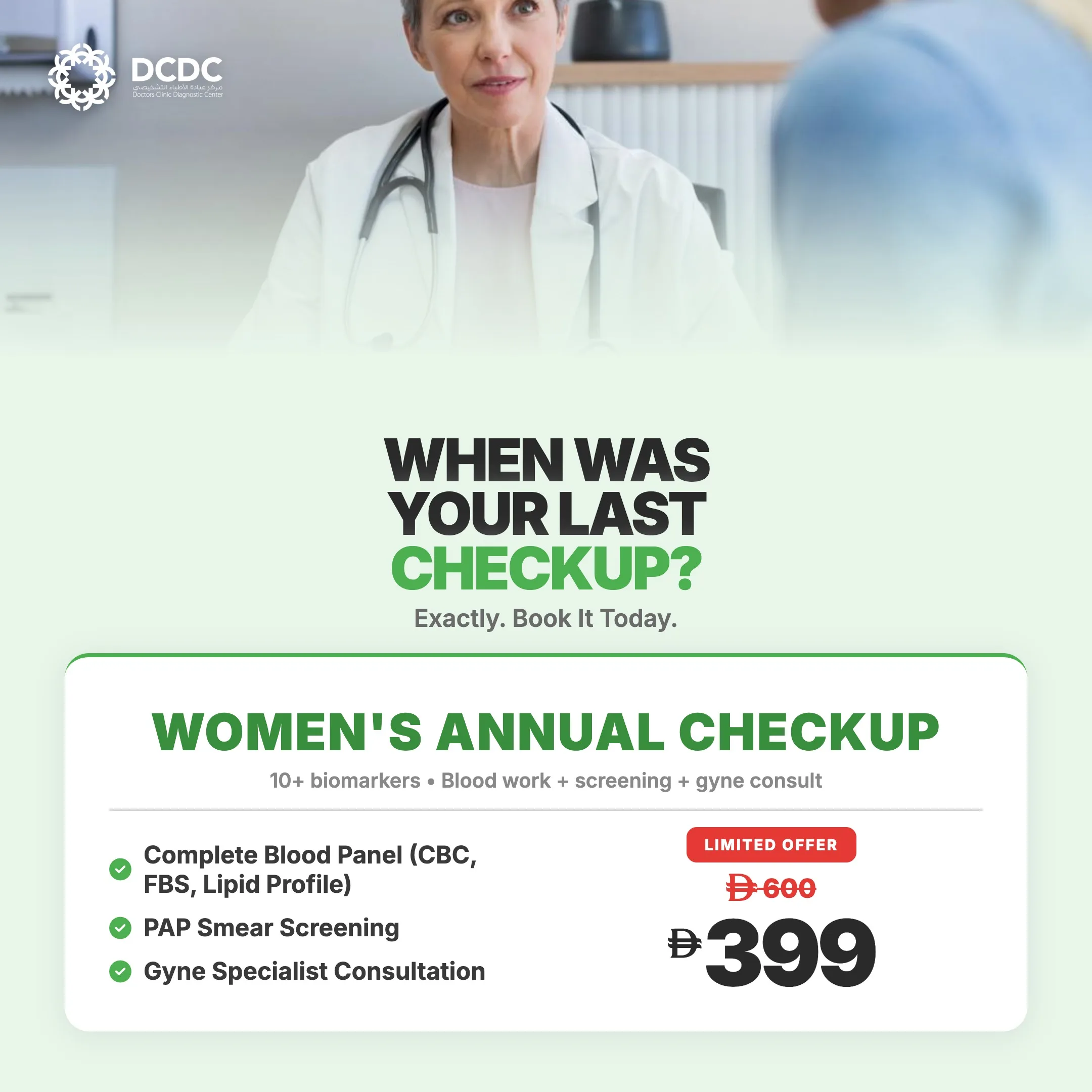
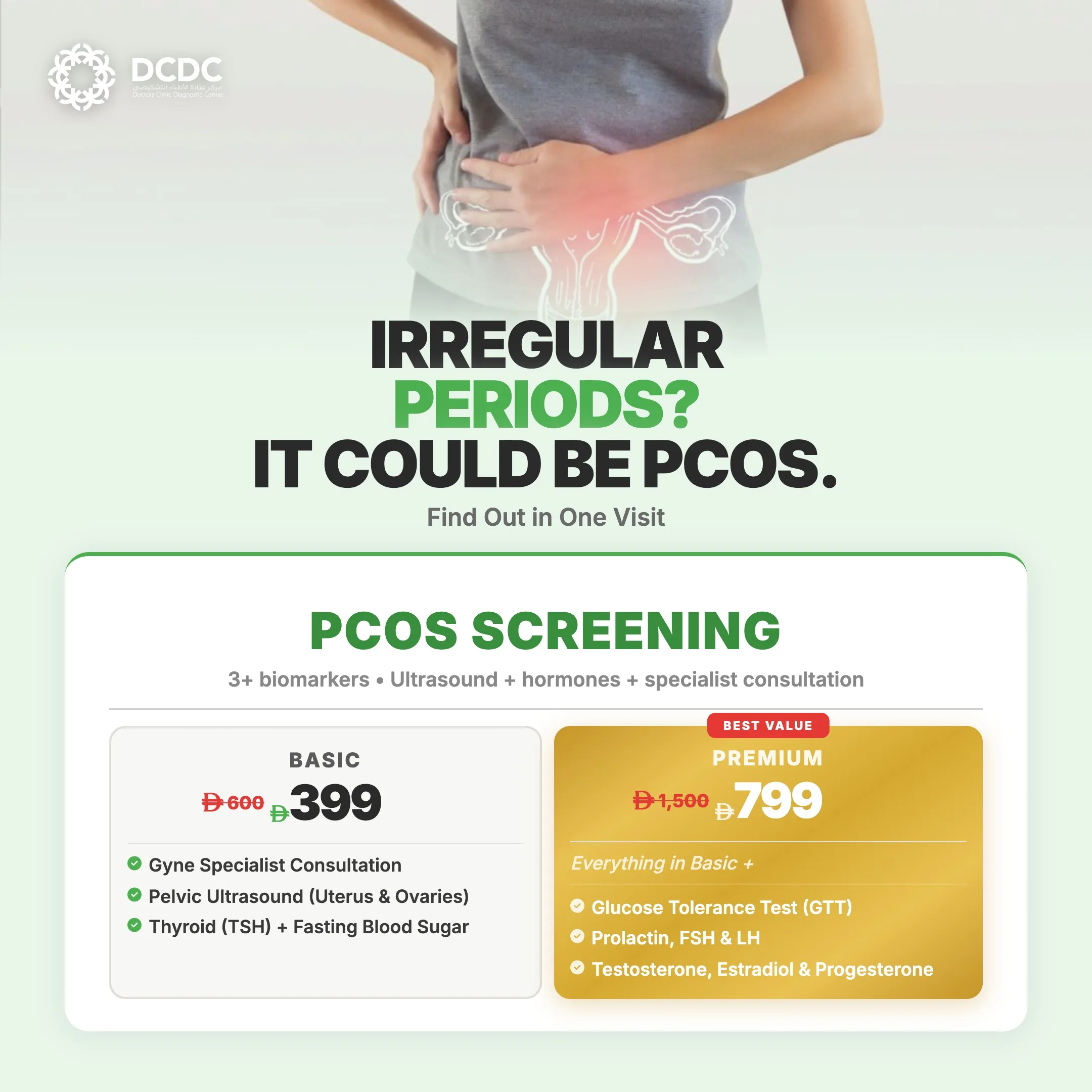
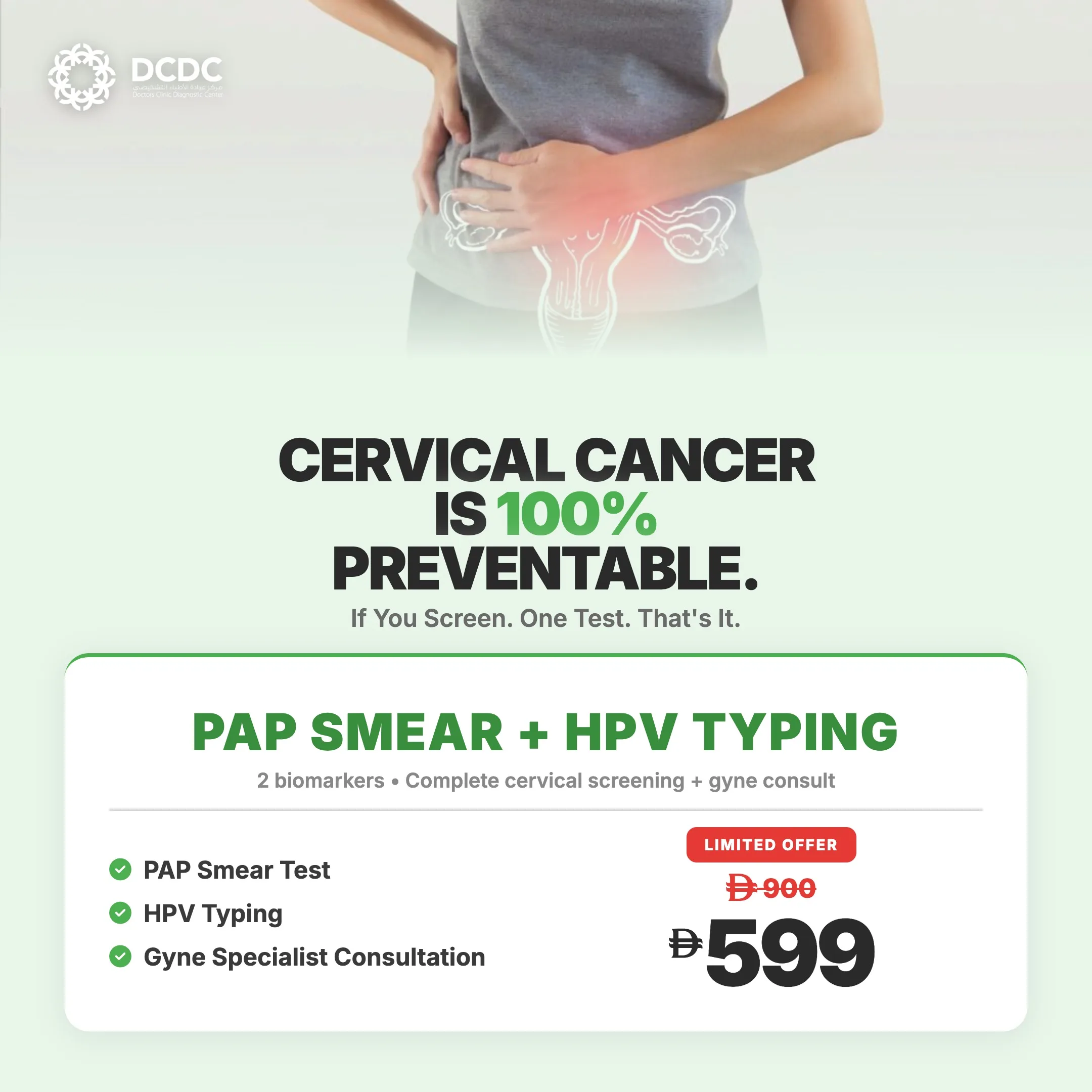
Health Screening Packages
Save with our bundled screening packages — specialist consultation included



What Is an Ovarian Cyst?
An ovarian cyst is a sac filled with fluid or semi-solid material that forms on or inside an ovary. The ovaries are two small, almond-shaped organs located on either side of the uterus that are responsible for producing eggs (oocytes) and the hormones estrogen and progesterone. Cyst formation is frequently part of normal ovarian function — each month during the menstrual cycle, a follicle develops in the ovary to nurture a maturing egg, and this follicle can sometimes persist or enlarge, becoming what is classified as a functional cyst.
According to the Mayo Clinic, most ovarian cysts are small, produce no symptoms, and disappear without treatment within a few months. However, some cysts grow large (over 5 centimeters), persist across multiple menstrual cycles, cause pain or hormonal disruption, or — rarely — harbor abnormal cells that require further evaluation. The clinical significance of an ovarian cyst depends on its type, size, internal characteristics (simple fluid versus complex contents), and the patient's age, symptoms, and reproductive goals.
It is important to understand that having an ovarian cyst is not the same as having ovarian cancer. The vast majority of ovarian cysts are benign. According to the NHS, ovarian cysts are most common in women of reproductive age, and cancer is found in fewer than 1 in 1,000 cysts in premenopausal women. However, the risk of malignancy increases after menopause, which is why postmenopausal cysts are evaluated more cautiously.
Types of Ovarian Cysts: A Comparison
Understanding the type of ovarian cyst you have is critical for determining the appropriate management approach. Ovarian cysts are broadly categorized into functional cysts (which arise from normal ovarian activity) and pathological cysts (which develop from abnormal cell growth). The following table summarizes the most common types, their characteristics, and typical management.
| Cyst Type | Description | Typical Size | Symptoms | Treatment Approach |
|---|---|---|---|---|
| Follicular cyst | Forms when a follicle fails to rupture and release an egg, continuing to grow instead | 2 to 5 cm | Usually none; occasional mild pelvic pain or pressure | Watchful waiting; resolves in 1 to 3 cycles |
| Corpus luteum cyst | Forms when the corpus luteum (post-ovulation structure) fills with fluid or blood instead of regressing | 3 to 8 cm | Pelvic pain (often one-sided), delayed period, spotting | Watchful waiting; resolves in weeks to months; rarely ruptures causing acute pain |
| Dermoid cyst (mature teratoma) | Contains tissue such as hair, skin, teeth, or fat derived from embryonic germ cells | 5 to 15 cm | Often asymptomatic until large; may cause pelvic heaviness, pain, or torsion | Surgical removal (laparoscopic cystectomy); does not resolve spontaneously |
| Endometrioma (chocolate cyst) | Cyst formed by endometrial tissue growing on the ovary, filling with old blood | 2 to 10 cm | Chronic pelvic pain, painful periods, pain during intercourse, infertility | Medical management (hormonal therapy) or surgical excision; associated with endometriosis |
| Cystadenoma | Benign tumor arising from ovarian surface epithelium; serous (watery) or mucinous (thick fluid) | 5 to 30+ cm | Abdominal bloating, pelvic pressure, urinary frequency when large | Surgical removal recommended due to large size potential |
| Hemorrhagic cyst | Functional cyst in which bleeding occurs into the cyst cavity | 3 to 8 cm | Sudden sharp pelvic pain, sometimes mimicking appendicitis or ectopic pregnancy | Usually resolves spontaneously; monitoring with ultrasound; surgery if ongoing bleeding |
| Theca lutein cyst | Multiple bilateral cysts associated with high hCG levels (pregnancy, fertility treatment) | Variable, often bilateral | Abdominal distension, pelvic discomfort, nausea | Resolves after hCG levels normalize; supportive management |
Common types of ovarian cysts, their characteristics, and typical management approaches
Functional cysts (follicular and corpus luteum) account for the majority of ovarian cysts and are considered a normal variation of ovarian physiology. Pathological cysts — including dermoid cysts, endometriomas, and cystadenomas — do not resolve on their own and typically require closer monitoring or surgical intervention. If you have been diagnosed with an endometrioma, it is important to understand its connection to endometriosis. You can read more in our detailed guide on endometriosis symptoms and diagnosis in Dubai.
Ovarian Cyst Symptoms: Warning Signs to Watch
Many ovarian cysts are discovered incidentally during a routine pelvic examination or an ultrasound performed for another reason. However, when cysts grow large, rupture, or cause complications such as torsion (twisting of the ovary), they can produce a range of symptoms. Recognizing these warning signs is important for seeking timely evaluation. The following symptoms may indicate the presence of an ovarian cyst that warrants medical attention.
- Pelvic or lower abdominal pain: This is the most commonly reported symptom. The pain may be dull and persistent (with larger cysts pressing on surrounding structures) or sharp and sudden (suggesting rupture or torsion). Pain is often localized to one side of the pelvis, corresponding to the ovary affected. It may worsen during physical activity, intercourse, or bowel movements.
- Bloating and abdominal distension: A sensation of fullness, swelling, or heaviness in the lower abdomen is common with cysts larger than 5 centimeters. Large cystadenomas or dermoid cysts can cause visible abdominal enlargement, sometimes mistaken for weight gain.
- Irregular menstrual cycles: Some ovarian cysts, particularly functional cysts and endometriomas, can disrupt the normal hormonal patterns that regulate menstruation. You may experience longer or shorter cycles, heavier or lighter bleeding, spotting between periods, or missed periods altogether.
- Painful periods (dysmenorrhea): While many women experience some degree of menstrual discomfort, significantly worsening period pain — especially if it is a new development — may indicate an endometrioma or a cyst pressing on pelvic nerves and ligaments.
- Pain during intercourse (dyspareunia): Deep pelvic pain during or after sexual intercourse can occur when a cyst is located in a position where it is compressed during penetration. Endometriomas are particularly associated with this symptom.
- Urinary symptoms: A large cyst can press on the bladder, causing frequent urination, a persistent urge to urinate, or difficulty fully emptying the bladder. Some women report a sensation of pelvic pressure that worsens when the bladder is full.
- Bowel changes: Pressure on the rectum from a posterior ovarian cyst can cause constipation, difficult bowel movements, or a feeling of rectal fullness. These symptoms are sometimes mistaken for gastrointestinal conditions.
- Nausea and vomiting: These symptoms typically accompany acute complications such as cyst rupture or ovarian torsion. If nausea and vomiting occur alongside sudden severe pelvic pain, immediate medical evaluation is necessary.
- Difficulty getting pregnant: While most functional cysts do not impair fertility, endometriomas and large cysts that damage ovarian tissue can reduce your egg reserve and interfere with ovulation. If you have been trying to conceive for over 12 months without success, an ovarian cyst evaluation should be part of the workup.
It is worth noting that symptom severity does not always correlate with cyst size. A small hemorrhagic cyst that ruptures can cause intense, acute pain, while a large dermoid cyst may grow silently for years before detection. This is why regular gynecological check-ups, including periodic pelvic ultrasound, are valuable for early detection. For a broader understanding of pelvic imaging, see our complete guide to pelvic ultrasound for women.
When to See a Gynecologist for Ovarian Cyst Symptoms
Not every ovarian cyst requires immediate medical attention, but certain symptoms and scenarios should prompt you to schedule a gynecology consultation — or, in some cases, seek emergency care. Understanding the difference between routine symptoms and red flags can help you respond appropriately.
Schedule a Gynecology Consultation If You Experience
- Persistent pelvic pain lasting more than two weeks that does not correspond to your normal menstrual cycle
- A noticeable change in your menstrual pattern — cycles becoming significantly longer, shorter, heavier, or more painful
- Pain during intercourse that is new, worsening, or accompanied by other pelvic symptoms
- Abdominal bloating or a feeling of fullness that persists beyond your menstrual period
- Difficulty getting pregnant after 12 months of regular unprotected intercourse (or 6 months if you are over 35)
- A previously diagnosed ovarian cyst that has not resolved after two to three months of observation
- Any new pelvic mass or ovarian cyst detected after menopause — postmenopausal cysts require closer evaluation due to a higher risk of malignancy
Seek Emergency Medical Care Immediately If You Experience
- Sudden, severe pelvic or abdominal pain that comes on rapidly and does not improve with over-the-counter pain relief
- Pain accompanied by fever (above 38 degrees Celsius or 100.4 degrees Fahrenheit)
- Dizziness, lightheadedness, or fainting — which may indicate internal bleeding from a ruptured cyst
- Rapid heart rate, cold sweats, or signs of shock combined with abdominal pain
- Severe nausea and vomiting alongside acute pelvic pain — classic signs of ovarian torsion, which requires emergency surgery to save the ovary
Ovarian torsion occurs when a cyst causes the ovary to twist on its blood supply, cutting off circulation. This is a surgical emergency — if the ovary is not untwisted within hours, permanent damage and ovarian loss can result. Torsion is more common with cysts larger than 5 centimeters. If you have a known ovarian cyst and experience sudden onset of severe unilateral pelvic pain with nausea, go to the nearest emergency department immediately.
How Are Ovarian Cysts Diagnosed in Dubai?
Accurate diagnosis of an ovarian cyst involves determining its type, size, internal structure, and whether it is causing hormonal or mechanical effects. At DCDC, our diagnostic approach follows international guidelines and combines clinical examination with targeted imaging and laboratory testing.
1. Clinical History and Pelvic Examination
The evaluation begins with a detailed history of your symptoms, menstrual patterns, contraceptive use, family history, and reproductive goals. A bimanual pelvic examination allows the gynecologist to assess the size, location, mobility, and tenderness of any pelvic mass. While a physical examination alone cannot definitively characterize a cyst, it provides important initial information and helps determine the urgency of further testing.
2. Pelvic Ultrasound (Transvaginal and Transabdominal)
Pelvic ultrasound is the primary imaging modality for evaluating ovarian cysts. Transvaginal ultrasound, in which a probe is placed in the vaginal canal, provides the highest-resolution images of the ovaries and is the preferred approach for most women. Transabdominal ultrasound (performed through the lower abdomen with a full bladder) is used for very large cysts, in adolescents, or when transvaginal imaging is not appropriate. Ultrasound can determine whether a cyst is simple (fluid-filled with thin walls, almost always benign) or complex (containing solid components, thick septations, blood, or irregular walls, which may require further evaluation). At DCDC, pelvic ultrasound is performed on-site by our imaging team, and results are available for review by your gynecologist the same day.
3. Blood Tests and Hormonal Assessment
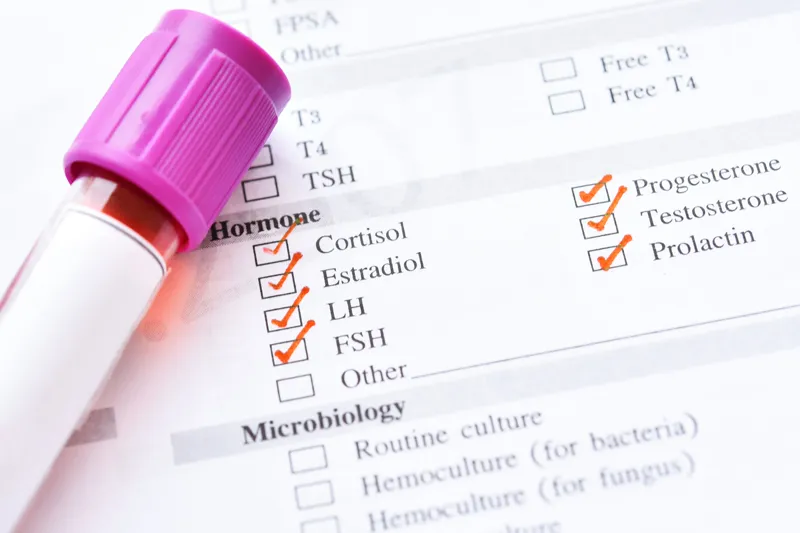
Depending on the clinical scenario, blood tests may include a pregnancy test (beta-hCG) to rule out ectopic pregnancy, CA-125 (a tumor marker that can be elevated in ovarian cancer, endometriosis, and other conditions), a complete hormonal panel (FSH, LH, estradiol, testosterone, DHEA-S, thyroid function) if hormonal imbalance or PCOS is suspected, and a complete blood count if hemorrhage or infection is a concern. Same-day hormonal profiling is available at DCDC, allowing your gynecologist to correlate imaging findings with your hormonal status in a single visit. If your symptoms suggest a hormonal component, you may also benefit from reading our article on hormonal imbalance treatment in Dubai.
4. Pelvic MRI for Complex Cases
When ultrasound findings are indeterminate or the cyst has complex features that require further characterization, a pelvic MRI may be recommended. MRI provides superior soft-tissue contrast and is particularly valuable for distinguishing endometriomas from hemorrhagic cysts, characterizing dermoid cysts, evaluating suspected deep infiltrating endometriosis, and assessing complex cysts with solid components before surgical planning. Pelvic MRI at DCDC is coordinated with our imaging partners for rapid scheduling, with results from AED 900. For more details on what this scan involves, see our guide to pelvic MRI scans in Dubai.
5. Risk of Malignancy Assessment
For complex ovarian cysts, gynecologists use standardized risk stratification tools to assess the likelihood of malignancy. The International Ovarian Tumor Analysis (IOTA) Simple Rules and the Risk of Malignancy Index (RMI) combine ultrasound features, CA-125 levels, and menopausal status to guide decision-making. A low-risk assessment supports conservative management or simple surgical excision, while a high-risk score indicates referral to a gynecologic oncologist for specialized evaluation. This structured approach ensures that the vast majority of benign cysts are managed without overtreatment, while potentially serious findings are identified and addressed promptly.
Ovarian Cyst Treatment Options
Treatment for an ovarian cyst depends on the cyst type, size, symptoms, your age, and your reproductive plans. The approach ranges from simple observation to surgical intervention. At DCDC, Dr. Parisa Dini takes a fertility-preserving, minimally invasive approach whenever clinically appropriate, ensuring that treatment decisions are individualized to each patient's circumstances and goals.
Watchful Waiting (Expectant Management)
Most functional ovarian cysts (follicular and corpus luteum cysts) resolve spontaneously within one to three menstrual cycles. If ultrasound confirms a simple, small (under 5 centimeters) cyst in a premenopausal woman with no concerning features, the standard approach is to repeat the ultrasound in 6 to 12 weeks. According to the ACOG, simple cysts up to 10 centimeters in premenopausal women can often be followed conservatively, as the probability of malignancy is very low. During the observation period, your gynecologist may recommend over-the-counter pain relief (paracetamol or ibuprofen) for any discomfort and advise you to return promptly if symptoms worsen.
Hormonal Therapy
Combined oral contraceptive pills (OCPs) are sometimes prescribed to prevent new functional cysts from forming by suppressing ovulation. While OCPs do not shrink existing cysts, they reduce the likelihood of recurrent cysts in women who experience repeated episodes. Hormonal therapy is also used in the medical management of endometriomas (combined with or as an alternative to surgery) and may include progestins, GnRH agonists, or the levonorgestrel intrauterine system (Mirena IUS). The choice of hormonal therapy depends on whether you are planning pregnancy, your tolerance for side effects, and the nature of your cyst.
Laparoscopic Cystectomy (Minimally Invasive Surgery)
When surgical removal is indicated — for persistent cysts, large cysts, pathological cysts such as dermoid cysts or endometriomas, or cysts with suspicious features — laparoscopic cystectomy is the preferred technique. This minimally invasive procedure involves making 2 to 4 small incisions (each 5 to 12 millimeters) in the abdomen, through which a camera and instruments are inserted. The cyst is carefully separated from the healthy ovarian tissue and removed, preserving as much of the ovary as possible. Benefits of laparoscopic surgery include shorter hospital stay (often same-day or overnight), less postoperative pain, faster recovery (1 to 2 weeks versus 4 to 6 weeks for open surgery), smaller scars, and lower risk of adhesion formation.
Laparoscopic Oophorectomy
In certain cases, removing the entire ovary (oophorectomy) may be necessary. This is typically considered when a cyst has destroyed most of the ovarian tissue, when there is a high suspicion of malignancy, or in postmenopausal women where ovarian preservation offers less hormonal benefit. In premenopausal women, removing one ovary does not eliminate fertility — the remaining ovary continues to ovulate and produce hormones. Unilateral oophorectomy is performed laparoscopically whenever possible.
Emergency Surgery for Torsion or Rupture
Ovarian torsion and complicated cyst rupture with significant internal bleeding are surgical emergencies. Laparoscopic detorsion (untwisting the ovary) with or without cystectomy is the standard approach for torsion, and prompt intervention can often save the ovary. For ruptured cysts with ongoing hemorrhage, laparoscopic evacuation and hemostasis (stopping the bleeding) are performed. Time-sensitive intervention is critical in both scenarios.
Concerned About Ovarian Cyst Symptoms?
Book a gynecology consultation at DCDC Dubai Healthcare City. Same-day pelvic ultrasound and hormonal assessment available. Consultations from AED 500.
Can Ovarian Cysts Affect Fertility?
One of the most common concerns among women diagnosed with ovarian cysts is whether the condition will impact their ability to conceive. The answer depends largely on the type of cyst and the extent of ovarian involvement.
Functional cysts (follicular and corpus luteum cysts) generally do not impair fertility. In fact, a corpus luteum cyst can be a sign that ovulation has occurred — which is a positive indicator of reproductive function. These cysts typically resolve on their own and do not damage the ovarian tissue or reduce egg reserve.
Endometriomas, on the other hand, are strongly associated with reduced fertility. The endometriotic tissue damages the ovarian cortex (where eggs are stored), creates a toxic inflammatory environment that impairs egg quality, and can cause adhesions that distort pelvic anatomy and block the fallopian tubes. Women with endometriomas who wish to conceive often require a carefully timed approach that may include surgery to improve natural conception chances or assisted reproductive technology (IVF). The surgical decision is nuanced — while removing an endometrioma improves symptoms and may improve fertility, surgery itself can reduce ovarian reserve if excessive healthy tissue is removed. This is why a fertility-preserving surgical philosophy, as practiced by Dr. Parisa Dini at DCDC, is essential.
Dermoid cysts do not directly affect fertility unless they are large enough to compress or replace healthy ovarian tissue or cause torsion. After laparoscopic removal, most women retain normal ovarian function in the affected ovary. Cystadenomas similarly do not impair fertility directly but may require removal if large.
If you are planning pregnancy and have a known ovarian cyst, a preconception consultation with your gynecologist is recommended. This allows for assessment of your ovarian reserve (via AMH blood test and antral follicle count), determination of whether the cyst should be treated before conception, and development of a timeline that optimizes your chances of a healthy pregnancy.
What to Expect at DCDC for Ovarian Cyst Evaluation
If you are visiting DCDC for an ovarian cyst evaluation, here is a step-by-step overview of what the experience involves. Our goal is to complete your assessment efficiently so that you leave your first visit with a clear diagnosis and a personalized treatment plan.
- Arrival at Building 64, Dubai Healthcare City: DCDC is located in Building 64, DHCC. When you arrive, our reception team will verify your insurance coverage (we offer direct billing with 20+ insurance providers) and check you in. If this is your first visit, please bring any previous ultrasound reports, blood test results, or medical records related to your gynecological history.
- Consultation with a female gynecologist: You will be seen by Dr. Parisa Dini or one of our OB-GYN specialists. The consultation (from AED 500) includes a thorough discussion of your symptoms, menstrual history, reproductive goals, and any prior diagnoses. The physician will perform a pelvic examination if indicated and explain all findings clearly before proceeding to imaging.
- On-site transvaginal ultrasound: If imaging is needed, you will have a transvaginal or transabdominal pelvic ultrasound performed on-site. There is no need to visit a separate imaging center or return on another day. The ultrasound provides detailed visualization of both ovaries, any cysts present (including their size, type, and internal characteristics), and the uterus. Results are available within minutes for immediate review with your gynecologist.
- Same-day hormonal profiling: If your physician suspects a hormonal component (for example, to differentiate between a simple cyst and PCOS, or to check CA-125 for a complex cyst), blood samples are drawn on-site. At DCDC, our in-house laboratory processes most hormonal panels the same day, so results can often be discussed before you leave or are available within 24 hours.
- Results review and treatment plan: Once imaging and any blood work are complete, your gynecologist reviews all findings with you in detail. You will receive a clear explanation of the cyst type, whether treatment is needed, and what your options are. If watchful waiting is appropriate, a follow-up ultrasound will be scheduled. If surgery is recommended, your doctor will explain the procedure, expected outcomes, recovery timeline, and answer all your questions.
- Coordinated MRI if needed: For complex cysts requiring further characterization, your gynecologist will arrange a pelvic MRI (from AED 900) with priority scheduling. MRI results are reviewed with you at a follow-up visit to finalize the management plan.
DCDC is MOHAP-licensed with a 4.8/5 Google rating from 1,000+ reviews and 98% patient satisfaction. Our clinic offers direct billing with 20+ insurance providers, so you can focus on your health rather than paperwork. On-site ultrasound with targeted assessment, hormonal profiling, and coordinated MRI when needed means your ovarian cyst evaluation is completed with minimal visits and minimal delays.
Ovarian Cyst vs. PCOS: Key Differences
One of the most common sources of confusion is the difference between having an ovarian cyst and having polycystic ovary syndrome (PCOS). While the names sound similar, these are fundamentally different conditions.
An ovarian cyst is a structural finding — a single (or occasionally multiple) fluid-filled sac on an ovary. It is a physical entity that can be seen on ultrasound, and most cysts are isolated events that resolve on their own. Having one or even several ovarian cysts does not mean you have PCOS.
PCOS, in contrast, is a systemic hormonal and metabolic disorder. It is diagnosed using the Rotterdam criteria, which require at least two of three features: irregular or absent ovulation, clinical or biochemical signs of excess androgens (such as acne, hirsutism, or elevated testosterone), and polycystic ovarian morphology on ultrasound (defined as 12 or more small follicles measuring 2 to 9 millimeters in one or both ovaries, or an ovarian volume exceeding 10 milliliters). The multiple small follicles seen in PCOS are not true cysts — they are immature follicles that have failed to develop and ovulate due to hormonal imbalance.
The treatment approaches differ significantly as well. A simple ovarian cyst may require nothing more than a follow-up ultrasound, while PCOS requires long-term management of insulin resistance, hormonal imbalances, metabolic risk factors, and often fertility support. If you have been told you have polycystic ovaries on ultrasound, it is important to have a comprehensive hormonal evaluation to determine whether you meet the criteria for PCOS as a syndrome. For an in-depth look at PCOS, see our detailed guide on PCOS treatment and diagnosis in Dubai.
Risk Factors for Ovarian Cysts
While ovarian cysts can develop in any woman with functioning ovaries, certain factors increase the likelihood of cyst formation or the risk of developing cysts that require treatment.
- Reproductive age: Ovarian cysts are most common in women between puberty and menopause, as they are closely linked to the ovulatory cycle. Functional cysts are rare after menopause because ovulation has ceased.
- Hormonal imbalances: Conditions that disrupt normal hormonal signaling — including PCOS, thyroid disorders, and hyperprolactinemia — increase the risk of recurrent cyst formation. Fertility medications such as clomiphene citrate and gonadotropins stimulate the ovaries and can cause multiple or large cysts.
- Endometriosis: Women with endometriosis are at significantly higher risk of developing endometriomas. The severity of endometriosis correlates with the likelihood and size of endometriomas.
- Previous ovarian cysts: Having had an ovarian cyst in the past increases the probability of developing another. Recurrent functional cysts are common in women who do not use hormonal contraception.
- Pregnancy: A corpus luteum cyst normally forms during early pregnancy to produce progesterone until the placenta takes over. In most cases, this cyst resolves by the second trimester, but occasionally it persists or grows, requiring monitoring.
- Smoking: Some studies suggest that smoking may increase the risk of functional ovarian cysts, possibly through its effects on hormonal metabolism and ovarian blood flow.
- Tamoxifen use: Women taking tamoxifen for breast cancer treatment have a higher incidence of ovarian cysts due to the drug's anti-estrogenic effects on ovarian tissue.
Preventing Ovarian Cyst Complications
While it is not possible to prevent all ovarian cysts — functional cysts are a normal part of the ovulatory cycle — you can take steps to reduce the risk of complications and recurrence, and ensure that any cyst that does develop is detected and managed early.
- Attend regular gynecological check-ups: An annual pelvic examination and periodic ultrasound (especially if you have a history of cysts) allows for early detection of new cysts before they cause symptoms or complications. At DCDC, we recommend annual gynecological screening for all women of reproductive age.
- Consider hormonal contraception if appropriate: If you experience recurrent functional cysts, combined oral contraceptive pills suppress ovulation and significantly reduce the risk of new cyst formation. Discuss this option with your gynecologist to determine whether it is appropriate for your situation and reproductive plans.
- Manage underlying conditions: If you have endometriosis, PCOS, or a hormonal imbalance, active management of the underlying condition reduces the risk of cyst-related complications. Hormonal therapy for endometriosis, for example, can help prevent endometrioma recurrence after surgery.
- Know the warning signs: Familiarize yourself with the symptoms of cyst rupture (sudden sharp pain, dizziness) and ovarian torsion (severe pain with nausea and vomiting) so that you can seek emergency care promptly if they occur.
- Maintain a healthy lifestyle: While lifestyle factors do not directly cause or prevent most cysts, maintaining a healthy weight, exercising regularly, and managing stress support overall hormonal balance and reproductive health. A balanced diet rich in anti-inflammatory foods (vegetables, fruits, whole grains, omega-3 fatty acids) supports ovarian function.
- Follow up on known cysts: If you have been diagnosed with an ovarian cyst that is being monitored, attend all scheduled follow-up ultrasounds. A cyst that was stable may change over time, and timely re-evaluation ensures that any change in size or character is detected and addressed.
Ovarian Cyst Treatment Cost in Dubai
Understanding the cost of ovarian cyst evaluation and treatment helps you plan your care without surprises. At DCDC, we are committed to transparent pricing and offer direct billing with 20+ insurance providers to minimize out-of-pocket expenses.
- Gynecology consultation: From AED 500 — includes clinical assessment, pelvic examination, and discussion of findings and management plan
- Pelvic ultrasound (transvaginal or transabdominal): Available on-site, same-day — included in the diagnostic workflow; pricing depends on the scope of the examination
- Hormonal blood panel: From AED 350 to AED 800 — depending on the tests ordered (basic panel vs. comprehensive hormonal and tumor marker assessment)
- Pelvic MRI: From AED 900 — for complex cysts requiring advanced imaging characterization
- CA-125 tumor marker: From AED 200 — ordered when a complex cyst requires malignancy risk assessment
Surgical costs for laparoscopic cystectomy or oophorectomy vary depending on the complexity of the case, the type of anesthesia required, and hospital facility fees. Your gynecologist will provide a detailed cost estimate during your consultation if surgery is recommended. Many insurance plans in the UAE cover medically necessary ovarian cyst removal — our team can verify your coverage and obtain pre-authorization on your behalf.
Dr. Parisa Dini's Approach to Ovarian Cyst Management
Dr. Parisa Dini, OB-GYN specialist at DCDC, brings a patient-centered, fertility-preserving philosophy to ovarian cyst management. Her approach is grounded in several key principles.
- Accurate characterization before intervention: Dr. Dini emphasizes thorough imaging and hormonal assessment before any treatment decision. Understanding exactly what type of cyst you have — and whether it is truly a cyst versus a polycystic ovarian pattern or another condition — is fundamental to appropriate management.
- Fertility preservation as a priority: For women of reproductive age, Dr. Dini prioritizes surgical techniques that preserve as much healthy ovarian tissue as possible. This means favoring cystectomy over oophorectomy whenever oncologically safe, and carefully counseling patients about the impact of surgery on ovarian reserve.
- Avoiding unnecessary surgery: Not every cyst requires removal. Dr. Dini follows evidence-based guidelines to determine which cysts can be safely observed and which warrant intervention, avoiding the risks and costs of surgery when watchful waiting is appropriate.
- Comprehensive evaluation for associated conditions: Ovarian cysts do not exist in isolation. Dr. Dini evaluates for coexisting conditions such as endometriosis, PCOS, and uterine fibroids to ensure that the full clinical picture is addressed. This integrated approach often identifies treatable conditions that would otherwise be missed.
- Clear communication and shared decision-making: Every patient receives a thorough explanation of their diagnosis, all available treatment options, and the rationale behind the recommended approach. Dr. Dini ensures that treatment decisions are made collaboratively, respecting each patient's values, concerns, and reproductive goals.
Ready to Get Answers About Your Ovarian Cyst?
Schedule your consultation with Dr. Parisa Dini at DCDC Dubai Healthcare City. On-site ultrasound, same-day lab results, and a personalized treatment plan — all in one visit. Direct billing with 20+ insurance providers.
Living with an Ovarian Cyst: Practical Advice
If you have been diagnosed with an ovarian cyst that is being monitored, the following practical advice can help you manage your symptoms and know when to seek additional help.
- Track your symptoms: Keep a record of when pain occurs, its severity, its relationship to your menstrual cycle, and any other associated symptoms. This information is valuable for your gynecologist at follow-up appointments.
- Use pain relief as needed: Over-the-counter nonsteroidal anti-inflammatory drugs (NSAIDs) such as ibuprofen are effective for managing mild to moderate cyst-related pain. A warm compress or heating pad applied to the lower abdomen can also provide relief.
- Stay physically active with appropriate modifications: Gentle exercise such as walking, swimming, and yoga supports overall well-being. However, if you have a large cyst (over 5 centimeters), avoid high-impact activities, heavy lifting, and sudden twisting movements that could increase the risk of torsion or rupture.
- Attend all follow-up appointments: Do not skip scheduled ultrasound check-ups. Even if your symptoms have improved, confirming that the cyst has resolved — or tracking any changes — is an essential part of safe management.
- Communicate with your healthcare team: If your symptoms change, worsen, or new symptoms develop between scheduled appointments, contact your gynecologist rather than waiting. Early reassessment can prevent complications.
Related Services at DCDC
Expert care and advanced diagnostics at Dubai Healthcare City
Frequently Asked Questions
Taking the Next Step for Your Ovarian Health
Ovarian cysts are among the most common gynecological conditions, and in the vast majority of cases they are benign, manageable, and do not threaten your long-term health or fertility. However, accurate diagnosis is essential — understanding what type of cyst you have, whether it requires treatment, and how it may affect your reproductive plans empowers you to make informed decisions and avoid unnecessary anxiety.
If you are experiencing pelvic pain, bloating, menstrual irregularities, or have been told you have an ovarian cyst, the next step is a thorough evaluation by a gynecologist with the expertise and on-site diagnostic capabilities to provide a clear answer in a single visit. At DCDC in Dubai Healthcare City, we combine clinical experience, on-site imaging, same-day laboratory testing, and a fertility-preserving treatment philosophy to deliver the comprehensive care you deserve.
Whether your cyst requires simple monitoring, medical management, or surgical intervention, our team is here to guide you through every step with transparency, clinical precision, and genuine concern for your well-being. Do not let uncertainty about your symptoms delay your evaluation — early assessment leads to better outcomes.
Sources & References
This article was reviewed by our medical team and references the following sources:
- American College of Obstetricians and Gynecologists (ACOG) — Management of Adnexal Masses
- Mayo Clinic — Ovarian Cysts: Symptoms and Causes
- NHS — Ovarian Cyst
- Cleveland Clinic — Ovarian Cysts: Types, Symptoms, Treatment
- World Health Organization (WHO) — Polycystic Ovary Syndrome (PCOS) and Ovarian Pathology
- Royal College of Obstetricians and Gynaecologists (RCOG) — Management of Suspected Ovarian Masses in Premenopausal Women (Green-top Guideline No. 62)
Medical content on this site is reviewed by DHA-licensed physicians. See our editorial policy for more information.

Written by
Dr. Parisa Dini
Obstetrics & Gynecology
MD, OB-GYN
Dr. Parisa Dini is an Obstetrics & Gynecology specialist at Doctors Clinic Diagnostic Center (DCDC) in Dubai Healthcare City.
Related Articles

Endometriosis Dubai: Symptoms & Diagnosis
PCOS Treatment & Diagnosis Dubai: Guide
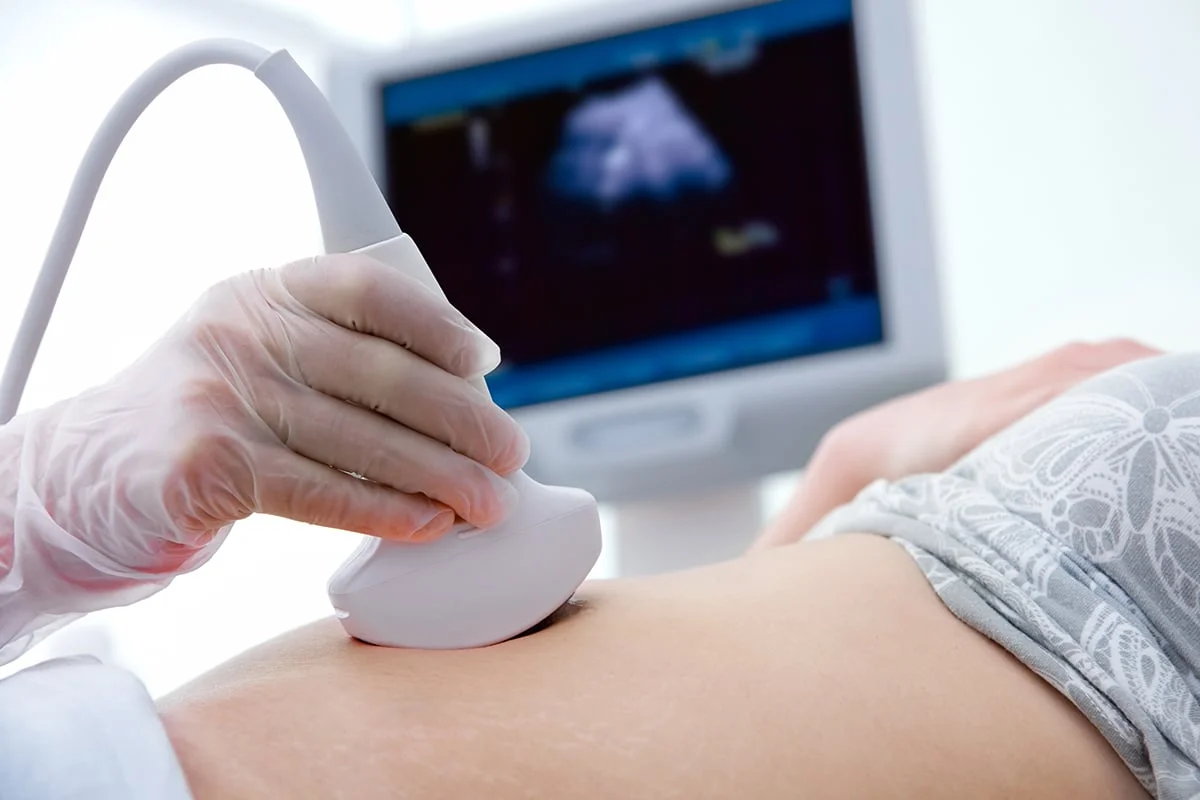
Pelvic Ultrasound for Women Dubai: Types & Guide
Women's Health Screening Dubai: Tests by Age
More in Gynecology
Anomaly Scan Dubai: Cost, Timing & Results (2026)
Read More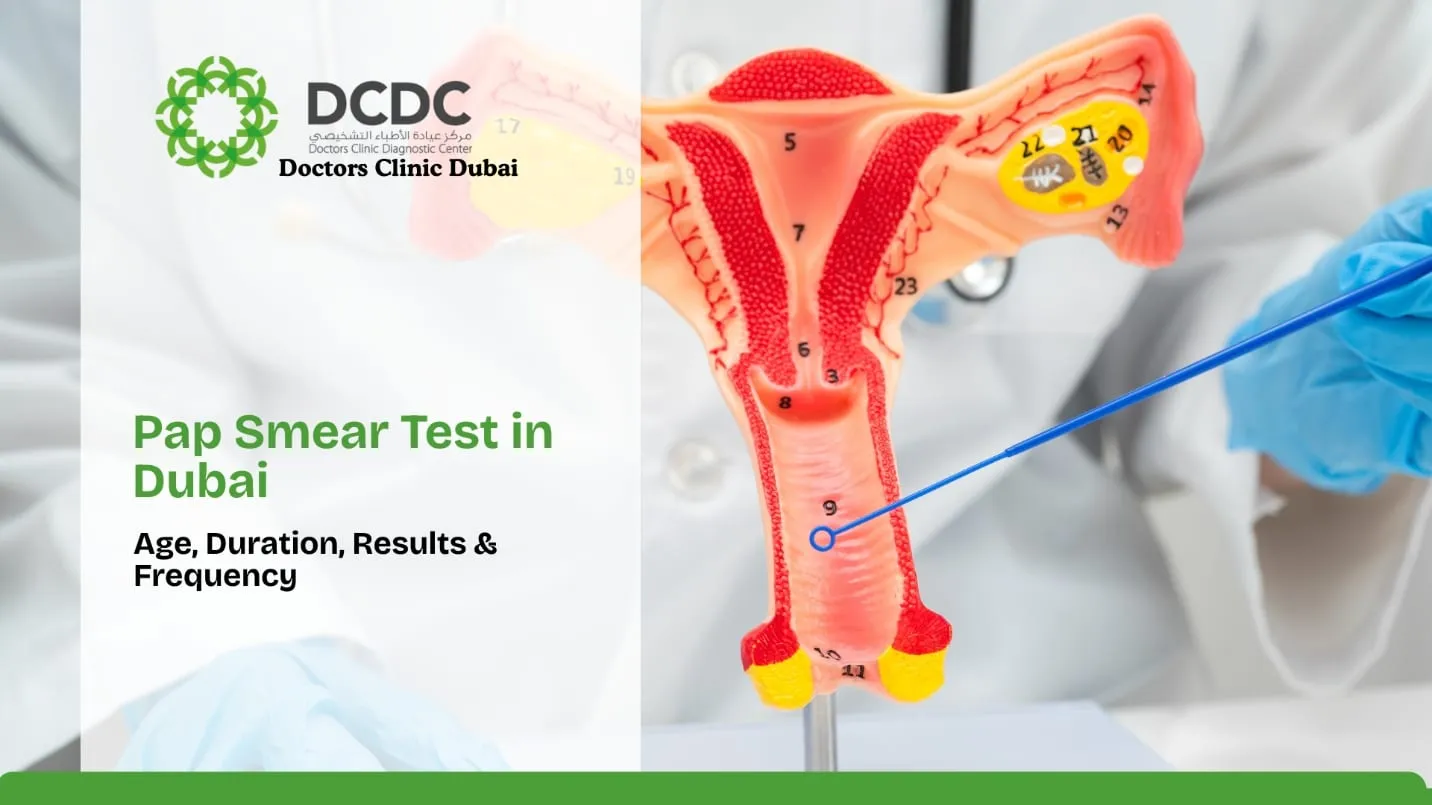
Pap Smear Dubai: From AED 250, Guide & Results (2026)
Read More
Menstrual Cramps Dubai: Relief & When to Worry (2026)
Read MoreIrregular Periods Treatment Dubai (2026)
Read More
Premature Ovarian Failure Dubai: Guide (2026)
Read MoreUterine Fibroids Dubai: Treatment Guide (2026)
Read More© 2026 Doctors Clinic Diagnostic Center (DCDC), Dubai Healthcare City. Originally published at https://doctorsclinicdubai.ae/blog/ovarian-cyst-symptoms-treatment-dubai. All rights reserved. Unauthorized reproduction is prohibited.