Key Takeaways
- Flu and COVID-19 share fever, cough, sore throat, fatigue, and body aches, so symptoms alone cannot reliably tell them apart. Testing is the only way to be sure.
- Flu typically starts suddenly within hours, while COVID-19 more often builds gradually. Loss of taste or smell and shortness of breath point more towards COVID-19.
- Antivirals for both illnesses work best when started within about 48 hours of symptoms, so early testing matters, especially for higher-risk groups.
- October is the start of the respiratory season in Dubai, making it a good time to get your flu vaccine and review your COVID-19 vaccination.
- DCDC offers rapid Influenza A/B testing at AED 149 with results in minutes, and GP consultations from AED 249, with walk-ins welcome.
With fever, cough, and exhaustion common to both, flu and COVID-19 can feel almost identical in the first days, and that is exactly when the right decision matters most. Antivirals for both infections work best when started early, and knowing which virus you have also tells you how long to isolate and who to warn. As the respiratory season begins in Dubai this October, this guide compares flu vs COVID symptoms side by side, explains the key differences, and shows when to test and when to see a doctor. If you are unwell, a DCDC general consultation can give you answers on the same day.
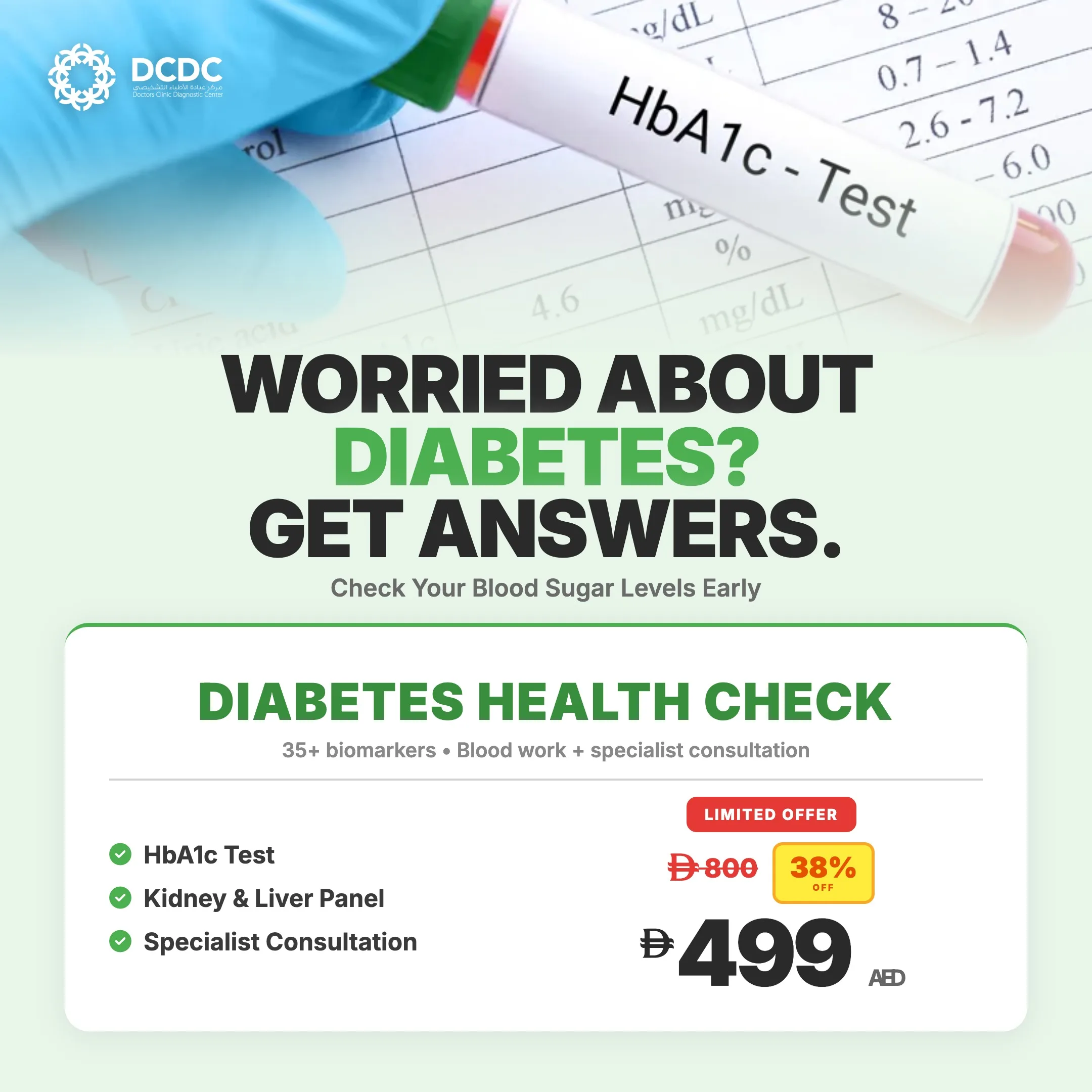
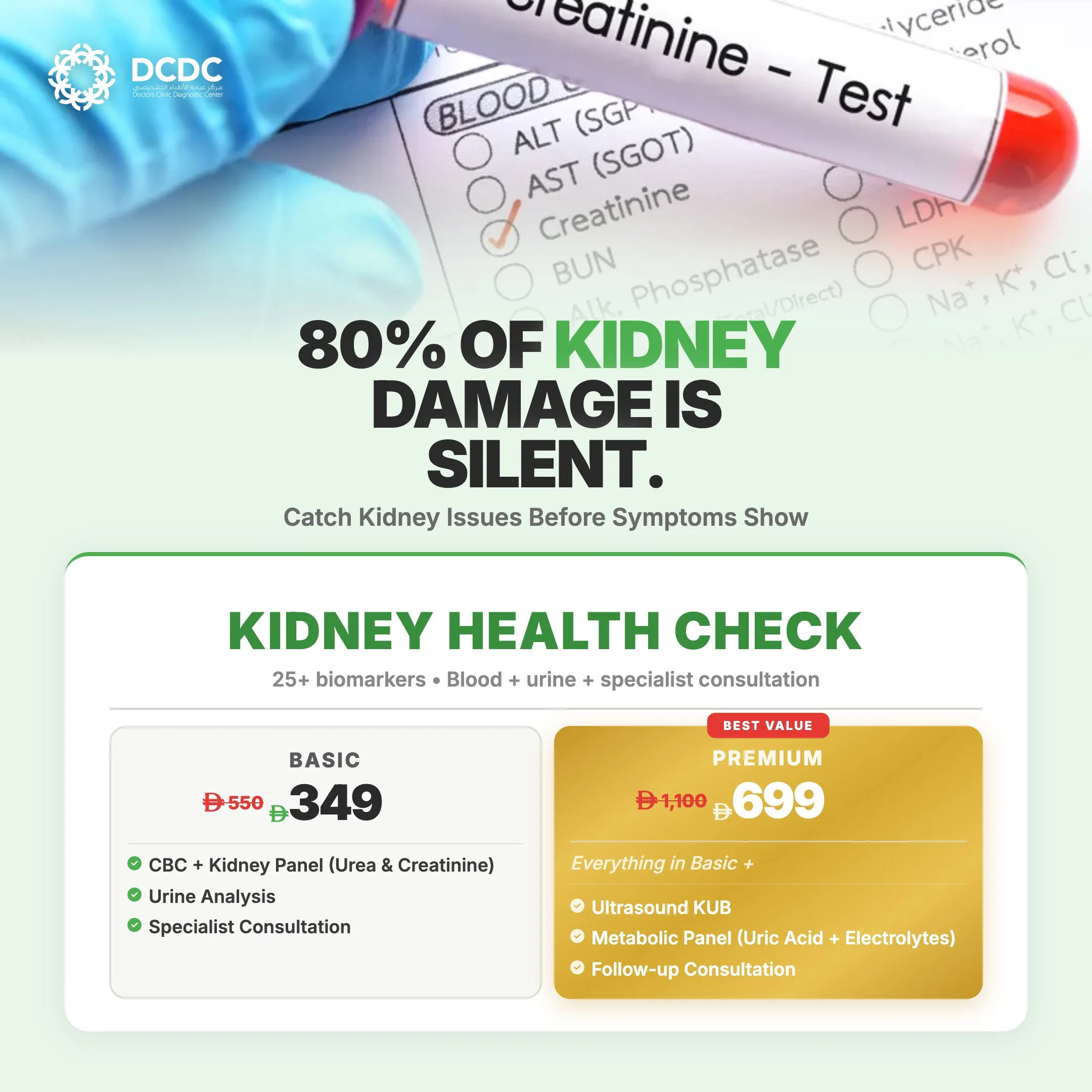
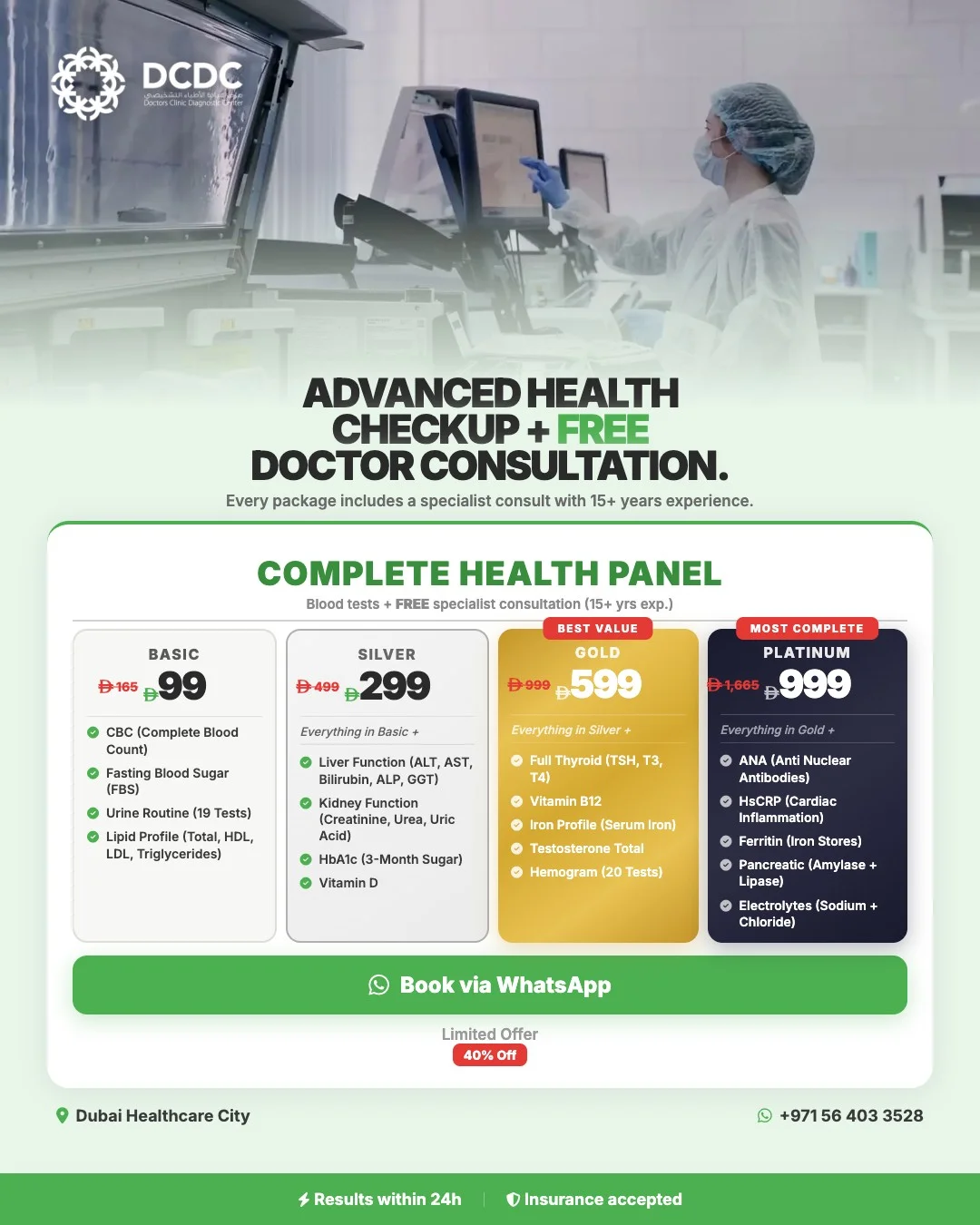
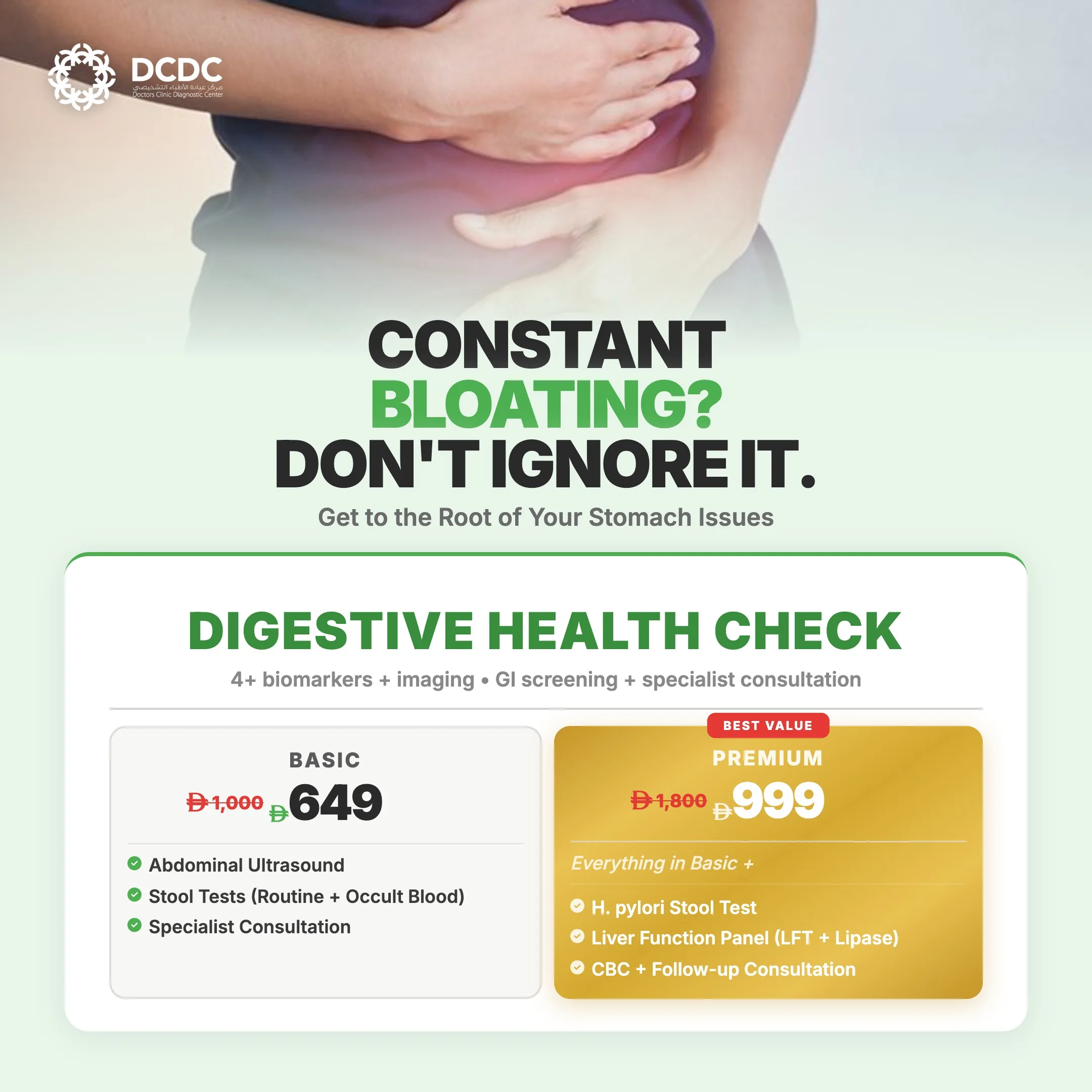
Health Screening Packages
Save with our bundled screening packages — specialist consultation included


Why It Matters to Tell Flu and COVID Apart
Influenza and COVID-19 both arrive with fever, cough, and exhaustion, and in the first day or two they can feel identical. Yet the two illnesses are caused by different viruses, carry different risks for different people, and in some cases call for different treatment. Because antivirals for both infections work best when started early, a delay of even a couple of days spent guessing can change your options.
October is the start of the respiratory season in the UAE, when influenza activity typically begins to climb alongside other winter viruses. Schools are back, offices are full, and travel through Dubai's airports brings new strains into the community. That makes this the right moment to know which signs point towards flu, which point towards COVID, and when a test is the only honest way to tell.
This guide compares flu vs COVID symptoms side by side, explains how each virus spreads, outlines the testing options available in Dubai, and sets out when to see a doctor. It also includes a simple decision framework you can use at home. It is general information, not a diagnosis. If you are unwell, a DCDC general consultation gives you a proper assessment on the day.
Flu vs COVID: Quick Comparison Table
The table below lines up the two illnesses using the patterns described by the CDC, WHO, and NHS. These are tendencies, not rules. Any single symptom can appear in either illness, and many people have mild or atypical presentations, which is why testing matters.
| Feature | Influenza (Flu) | COVID-19 |
|---|---|---|
| Cause | Influenza A and B viruses | SARS-CoV-2 virus |
| Onset | Usually sudden, often within hours | Often more gradual, over one to a few days |
| Incubation period | About 1 to 4 days (average around 2) | About 2 to 14 days (commonly 3 to 6 for recent variants) |
| Fever | Very common, often high and abrupt | Common but not universal |
| Cough | Common, usually dry | Common, dry or productive |
| Body aches | Often prominent and severe | Common, variable |
| Headache | Common, often early | Common |
| Sore throat | Common | Very common with recent variants |
| Runny or blocked nose | Sometimes | Common |
| Loss of taste or smell | Uncommon | More common than with flu, though less frequent than earlier in the pandemic |
| Shortness of breath | Less common, mostly in severe illness | More common, can occur without other severe signs |
| Nausea, vomiting, diarrhoea | More common in children | Can occur in any age group |
| Typical duration | About 3 to 7 days, fatigue can linger | Often 5 to 10 days, longer fatigue possible |
| Contagious period | From about 1 day before symptoms to roughly 5 to 7 days after | From 1 to 2 days before symptoms, often 5 to 10 days after onset |
| Long-term effects | Uncommon | Post-COVID symptoms (long COVID) can occur in some people |
| Vaccine | Annual flu vaccine | Updated COVID-19 vaccine |
Flu vs COVID-19 symptoms and features compared
If you want a broader look at how flu differs from ordinary colds, see our guide on flu vs cold in Dubai.
Shared Symptoms: Why They Are So Hard to Separate
Both infections are respiratory illnesses spread by virus-laden droplets and aerosols, so it is not surprising that they overlap heavily. According to the CDC, the following can occur with either infection, and some people with either virus have no symptoms at all.
Fever and chills
Fever is a hallmark of influenza and a frequent feature of COVID-19. A temperature of 38 degrees Celsius or higher, with chills or shivering, should be treated as a possible viral infection until proven otherwise. Not everyone develops a fever, particularly older adults, who may feel unwell without a high temperature.
Cough and sore throat
A dry, persistent cough is typical of both. A sore throat is common to both as well, and with more recent COVID variants it has become one of the most frequently reported early symptoms, which blurs the line even further. A sore throat with white patches and no cough may point to a bacterial cause such as strep, which we test for separately.
Fatigue and body aches
Overwhelming tiredness and muscle or joint aches are common to both infections. Flu is traditionally described as hitting harder in the first few days, with aches severe enough to keep people in bed. COVID-19 fatigue is often just as heavy and can take longer to lift.
Headache and congestion
Headache, a blocked or runny nose, and a general sense of being unwell appear in both. Because these are so non-specific, they should not be used alone to decide which virus you have.
Key Differences Between Flu and COVID-19
Loss of taste and smell
A sudden loss or change in taste or smell is the symptom most strongly associated with COVID-19 rather than flu. It was very common in the early waves of the pandemic and is less frequent with recent variants, so its absence does not rule COVID out. If you do notice food and drinks suddenly taste of nothing, or you cannot smell coffee or perfume, COVID-19 becomes more likely and testing is sensible.
Speed of onset
Flu tends to arrive abruptly. Many people can name the hour they went from feeling fine to feeling flattened, with fever, chills, and aches arriving together. COVID-19 more often builds over a day or more, beginning with a scratchy throat or mild fatigue before progressing. This is a useful clue, but it is a tendency only, and plenty of people experience the opposite pattern.
Gastrointestinal symptoms
Nausea, vomiting, and diarrhoea are more common in children with influenza than in adults. With COVID-19, digestive symptoms can appear in people of any age and sometimes occur before any respiratory signs. Persistent vomiting or diarrhoea in either illness raises the risk of dehydration, especially in Dubai's heat, so keeping up fluids matters.
Severity spectrum and complications
Both illnesses range from barely noticeable to life-threatening. Flu can lead to pneumonia, worsening of asthma or heart disease, and in rare cases inflammation of the heart or brain. COVID-19 is more likely to cause breathlessness, blood clots, and prolonged symptoms in a minority of people. Vaccination has substantially reduced severe outcomes for COVID-19, but older adults, pregnant women, and people with chronic conditions remain at higher risk of serious illness from both.
Pneumonia is a complication of both viruses and is worth understanding. Our article on pneumonia vs flu in Dubai explains the warning signs that a viral illness is turning into a chest infection.
Recovery and after-effects
Most healthy people recover from flu in about a week, though cough and tiredness can last longer. COVID-19 recovery is more variable. A proportion of patients report fatigue, brain fog, or breathlessness for weeks or months afterwards. This does not mean every case will be prolonged, but it is one reason people take COVID-19 seriously even when the first days are mild.
How Each Virus Spreads
Transmission routes
Influenza and SARS-CoV-2 both spread mainly through respiratory droplets and smaller aerosol particles released when an infected person coughs, sneezes, talks, or breathes. Close contact in poorly ventilated spaces carries the highest risk. Touching surfaces contaminated with the virus and then touching your eyes, nose, or mouth is a less common route for both, but handwashing remains worthwhile.
Incubation period
Flu has a shorter incubation period, usually one to four days. COVID-19 can take two to fourteen days, though recent variants tend towards the shorter end of that range. This matters for working out where you picked the infection up and when to test after an exposure.
How long you are contagious
People with flu are generally most contagious in the first three to four days of illness and can spread the virus from about a day before symptoms start. With COVID-19, people can transmit for one to two days before symptoms and often for around five to ten days afterwards, and some people with weakened immunity remain infectious longer. Because you can spread either virus before you feel ill, staying home when you have symptoms and wearing a mask around vulnerable people are sensible habits.
Dubai-specific factors
In Dubai, people spend most of the hot months indoors. Shopping malls, offices, schools, gyms, and public transport are heavily air-conditioned, and recirculated air in crowded rooms can help respiratory viruses move between people. Dubai's role as a global travel hub also means a steady flow of new strains. None of this is a reason for alarm, but it supports good ventilation, hand hygiene, and vaccination, particularly before the winter peak.
Testing Options in Dubai
Because symptoms overlap so much, testing is the only reliable way to tell flu from COVID-19. It also guides treatment and tells you how long to stay away from others. The main options are below.
Rapid antigen tests
Rapid antigen tests detect viral proteins from a nose or throat swab and give a result in minutes. They are most accurate in the first few days of symptoms, when viral load is highest. A positive result is generally reliable. A negative result does not completely exclude infection, particularly if you have symptoms, so your doctor may recommend repeating the test or using a different method.
At DCDC, we offer rapid Influenza A and B testing from AED 149, with results available while you are still at the clinic. Rapid Strep A testing is also available at AED 149 if your main symptom is a sore throat.
PCR tests
PCR tests detect viral genetic material and are more sensitive than rapid antigen tests. They are typically used when a rapid test is negative but suspicion remains high, when a definitive result is needed for travel or work, or for patients at higher risk. Results usually take longer than a rapid test because samples are processed in a laboratory.
Combination tests
Multiplex or combination tests can check for flu, COVID-19, and sometimes other respiratory viruses such as RSV from a single sample. They are useful in the respiratory season when several viruses circulate at once. Ask your doctor which testing approach fits your symptoms and risk level.
Should you test if symptoms are mild?
Testing is worthwhile if you have symptoms and are around vulnerable people, if you are in a higher-risk group, if you might qualify for antivirals, or if your workplace or school requires it. For a healthy adult with very mild symptoms, a test is still useful for deciding when it is safe to return to normal activity.
Flu or COVID? A Simple Decision Framework
Use the steps below as a practical guide. It is not a diagnosis, and when in doubt the answer is to test.
- Step 1: Did symptoms start suddenly within hours with high fever, chills, and severe aches? This leans towards flu.
- Step 2: Have you lost your sense of taste or smell, or are you short of breath? This leans towards COVID-19.
- Step 3: Were you exposed to someone with a confirmed infection? Count back: 1 to 4 days suggests flu, 2 to 14 days is possible for COVID-19.
- Step 4: Are you in a higher-risk group (over 65, pregnant, chronic illness, weakened immunity)? Test early and speak to a doctor regardless of the likely cause.
- Step 5: Still unsure? Get tested. A rapid Influenza A/B test takes minutes, and your GP can advise on COVID-19 testing in the same visit.
- Step 6: Any red flag symptoms such as breathlessness, chest pain, or confusion? Seek urgent medical care rather than testing at home.
If you only have a runny nose and a mild sore throat with no fever, a cold is more likely than either flu or COVID-19, though testing can still be reasonable if you will be around vulnerable people.
When to See a Doctor
Red flag symptoms
Seek urgent medical care or call 998 for an ambulance if you or someone you care for has any of the following:
- Difficulty breathing or shortness of breath at rest
- Persistent chest pain or pressure
- Confusion, unusual drowsiness, or difficulty waking
- Bluish lips or face
- Fever that returns after improving, or a fever lasting more than three to four days
- Signs of dehydration such as very little urine, dizziness, or inability to keep fluids down
- Worsening of an existing condition such as asthma, diabetes, or heart disease
Higher-risk groups
Some people are more likely to become seriously ill with flu or COVID-19 and should seek medical advice early, ideally within the first 48 hours of symptoms:
- Adults aged 65 and over, and infants and young children
- Pregnant women and those recently postpartum
- People with chronic heart, lung, kidney, or liver disease
- People with diabetes or obesity
- People with weakened immune systems, including those on immunosuppressants or chemotherapy
Booking a same-day assessment is often the quickest route to clarity. Our team can examine you, test where appropriate, and advise on treatment. Read more about our general consultation service.
Treatment Approaches
Flu treatment
Most people with flu recover with rest, fluids, and over-the-counter medicines to control fever and aches. Prescription antiviral medicines can shorten illness and reduce complications when started early, ideally within 48 hours of symptom onset. They are most strongly recommended for people at higher risk of complications. Antibiotics do not treat flu, although they may be prescribed if a bacterial complication develops.
COVID-19 treatment
Many people with COVID-19 also recover with supportive care. For people at higher risk of severe illness, antiviral medicines may be an option if started early, and your doctor will decide whether you qualify based on your age, health conditions, vaccination history, and how long you have been unwell. More severe cases may require hospital care.
Supportive care at home
- Rest and avoid strenuous activity until the fever has settled
- Drink plenty of fluids, and consider oral rehydration solutions if you have vomiting or diarrhoea
- Use paracetamol or other medicines as advised to reduce fever and aches
- Avoid giving aspirin to children and teenagers with viral illnesses
- Monitor your symptoms and your temperature, and seek care if you worsen
- Stay home and avoid close contact with others until you are well and fever-free
Always speak to a doctor before starting prescription medicines, especially if you are pregnant, have other conditions, or take regular medication.
Prevention Strategies
Vaccination
Annual flu vaccination remains the single most effective way to reduce your risk of severe influenza, and the ideal time to get it is before the season peaks, which makes October a good moment. Updated COVID-19 vaccination is recommended for many adults, particularly older people and those with health conditions, so check current guidance for your situation. For details on types and timing, see our guide to the flu vaccine in Dubai, and our adult vaccination guide for the wider schedule.
Everyday habits
- Wash your hands often with soap and water, or use an alcohol-based sanitiser
- Cover coughs and sneezes with a tissue or your elbow
- Stay home when unwell, and avoid visiting vulnerable people
- Consider a well-fitting mask in crowded indoor spaces during peak season
- Do not share cups, cutlery, or towels
- Clean frequently touched surfaces such as phones, keyboards, and door handles
Dubai-specific tips
- Ventilate where you can: step outside, open windows when conditions allow, or choose spaces with good air exchange
- Be mindful in crowded, air-conditioned indoor venues, especially at peak times
- Keep hydrated in the heat, which also supports your recovery if you do become unwell
- Plan ahead before travel, and see a doctor if you become unwell on return
- Get your flu shot early, before the winter peak
For a broader seasonal plan, read our guide to flu season preparation in Dubai.
What to Expect at DCDC
Doctors Clinic Diagnostic Center (DCDC) is located in Building 64, Block A, Al Razi Medical Complex, Dubai Healthcare City, with free parking. We are open Saturday to Thursday from 8 AM to 10 PM and Friday from 9 AM to 9 PM, and walk-ins are welcome for respiratory symptoms.
- Arrival and triage: our team will ask about your symptoms, when they started, and any exposure or risk factors.
- GP assessment: a general practitioner will examine you, check your temperature, oxygen level, chest, and throat, and decide which tests you need. A consultation starts from AED 249.
- Rapid testing on site: rapid Influenza A and B testing is available for AED 149, with results within minutes. Rapid Strep A testing is also available for AED 149 if your sore throat suggests a bacterial cause.
- On-site laboratory: routine tests are processed with same-day results where further investigation is needed.
- Treatment and prescription: your doctor will explain the results, prescribe medicines if appropriate, and advise on rest, isolation, and when to return.
- Flu vaccination: flu vaccine is available at the clinic once you have recovered, to help protect you through the rest of the season.
- Insurance: we offer direct billing with more than 20 insurance partners.
DCDC holds a 4.8 out of 5 rating on Google from more than 1,000 reviews. To book, message us on WhatsApp or call +971 54 219 5008.
Book a Respiratory Consultation at DCDC Dubai Healthcare City
Have fever, cough, or aches and not sure whether it is flu or COVID? See a GP today and get a rapid Influenza A/B test with results in minutes. Consultations from AED 249 and rapid Influenza A/B testing at AED 149. Book your consultation or contact us on WhatsApp.
Related Services at DCDC
Expert care and advanced diagnostics at Dubai Healthcare City
General Consultation
Same-day GP assessment for respiratory symptoms, fever and infection diagnosis.
Book AppointmentRapid Tests
On-site Influenza A/B and Strep A rapid testing with results in minutes.
Book AppointmentFlu Vaccination
Annual flu vaccination to protect against seasonal influenza strains.
Book AppointmentFrequently Asked Questions
Final Thoughts: Test, Do Not Guess
Flu and COVID-19 overlap so much that even experienced doctors cannot always tell them apart by symptoms alone. Sudden onset with high fever and aches leans towards flu, while loss of taste or smell and breathlessness lean towards COVID-19, but a test is the only reliable answer.
With the respiratory season starting in Dubai, now is a good time to book your flu vaccine, review your COVID-19 vaccination, and know what to do if you fall ill. If you develop symptoms, do not wait, particularly if you are in a higher-risk group, because early treatment gives you the most options.
At DCDC in Dubai Healthcare City, you can see a GP, get a rapid Influenza A/B test with results in minutes, and leave with a clear plan. Message us on WhatsApp or call +971 54 219 5008 to book.
Sources & References
This article references the following sources:
- CDC: Similarities and Differences between Flu and COVID-19
- CDC: Influenza (Flu) Symptoms and Complications
- CDC: COVID-19 Symptoms
- WHO: Influenza (Seasonal) Fact Sheet
- WHO: Coronavirus Disease (COVID-19) Fact Sheet
- NHS: Flu
- NHS: Symptoms of COVID-19
This information is educational and does not replace individual medical advice. See our editorial policy for more information.

Written by
Dr. Hadeel Elnur
General Practitioner
MD, General Practice
Dr. Hadeel Elnur is a General Practitioner at Doctors Clinic Diagnostic Center (DCDC) in Dubai Healthcare City.
Related Articles

Flu vs Cold Dubai: How to Tell the Difference

Flu Season Preparation Dubai: Stay Protected

Flu Vaccine Dubai 2026-27: Price, Types & Where to Go
Pneumonia vs Flu Dubai: Key Differences
Adult Vaccines Dubai: Schedule & Cost
More in General Health
CBC Test Price Dubai: AED 149, Normal Ranges & Results
Read More
Dubai Clinic Without Insurance: Cost Guide (2026)
Read More
Doctor at Home Dubai: Home Visit Cost From AED 349 (2026)
Read More
Doctor on Call Dubai 24/7: Home, Hotel & Office Visits
Read More
Ear Wax Removal & Ear Cleaning Dubai: From AED 300 (2026)
Read More
Emsella for Men: Post-Prostate Care Dubai (2026)
Read More© 2026 Doctors Clinic Diagnostic Center (DCDC), Dubai Healthcare City. Originally published at https://doctorsclinicdubai.ae/blog/flu-vs-covid-symptoms-dubai. All rights reserved. Unauthorized reproduction is prohibited.