Key Takeaways
- Flu (influenza) is a viral illness that hits suddenly with high fever, body aches, and exhaustion, while pneumonia is a lung infection, caused by bacteria, viruses, or fungi, that can develop on its own or as a flu complication
- Uncomplicated flu usually peaks within 3-4 days and improves within 5-7 days, while pneumonia often lasts longer and, if bacterial, generally needs antibiotics to fully clear
- One of the most common ways pneumonia develops is when flu 'turns into' pneumonia; a second spike in fever and a worsening cough after you seemed to be getting better is the classic warning sign
- Walking pneumonia (caused by Mycoplasma pneumoniae) is a milder, slower-developing lung infection that can easily be mistaken for a lingering cold or flu rather than pneumonia itself
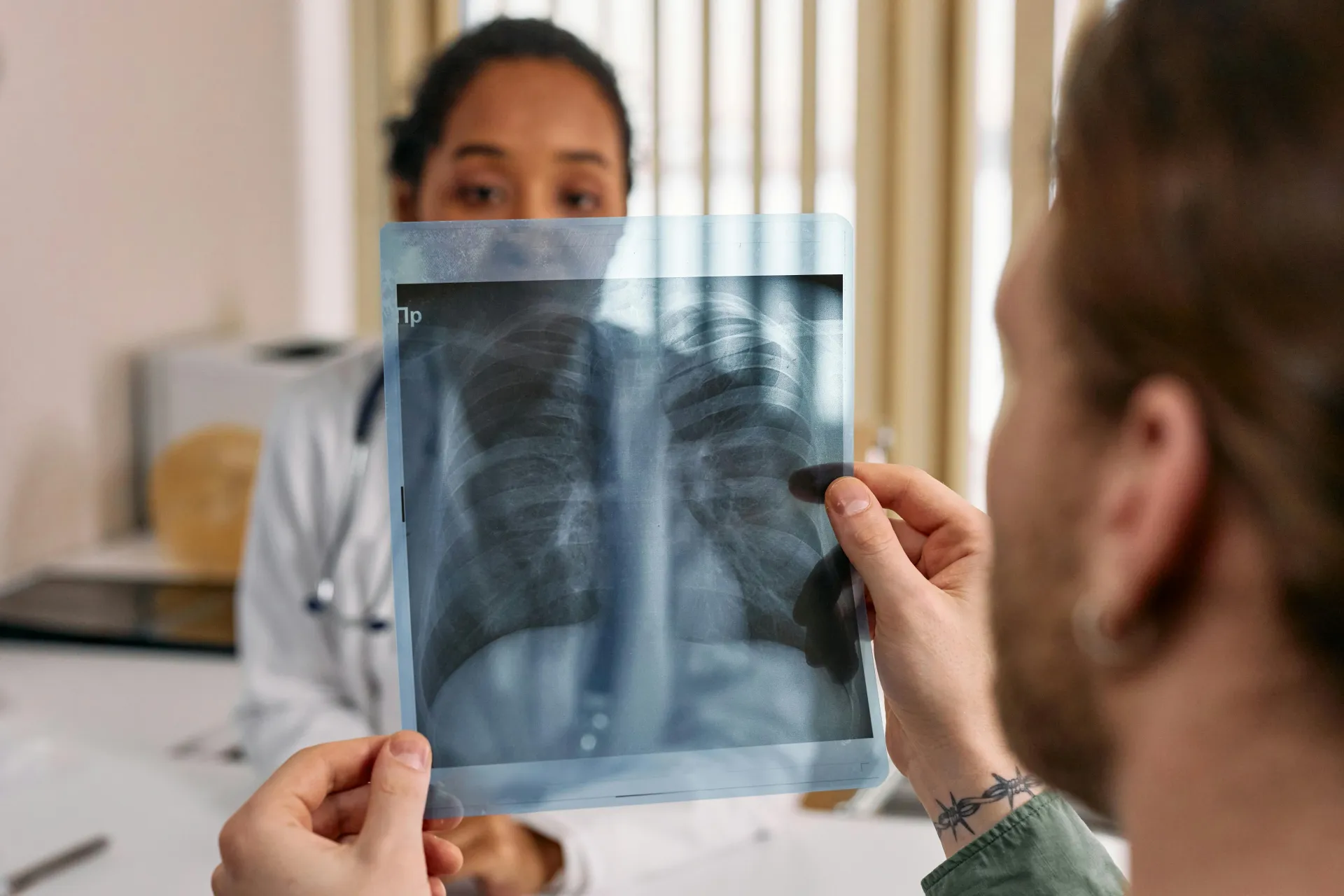
- A chest X-ray is the most reliable way to confirm pneumonia, because it shows visible fluid or consolidation in the lungs that flu alone never produces
- Red flag symptoms that need same-day care include breathlessness at rest, bluish lips or fingertips, confusion, chest pain when breathing, and fever above 39°C that will not come down
- Recovery from flu typically takes 1-2 weeks, while pneumonia recovery can take 4-6 weeks or longer, especially in adults over 65, young children, and anyone with a chronic condition
- Getting your annual flu vaccine is one of the best ways to prevent flu-related pneumonia, since influenza is one of the most common triggers for secondary bacterial pneumonia, and timing matters as Dubai's flu season builds from September onward
September has arrived, the mercury is finally starting to drop from Dubai's brutal summer peak, and clinics across the city are already seeing the season's first wave of high fevers, aching bodies, and coughs that will not let go. Two conditions dominate this list every year: seasonal flu and pneumonia. They can look almost identical for the first day or two, sudden fever, fatigue, cough, but they are fundamentally different illnesses with different risks, different treatments, and very different reasons to worry. This guide breaks down exactly how to tell pneumonia and flu apart, how one can turn into the other, and when it is time to come in for a proper assessment. Our General Consultation service at DCDC in Dubai Healthcare City offers same-day evaluation for exactly this kind of seasonal illness.
Below, we compare flu and pneumonia side by side, covering symptoms, causes, diagnosis, treatment, recovery timelines, and the specific point at which a case of flu can turn into pneumonia, along with the timing of Dubai's flu season that makes September through the cooler months the period to watch most closely.
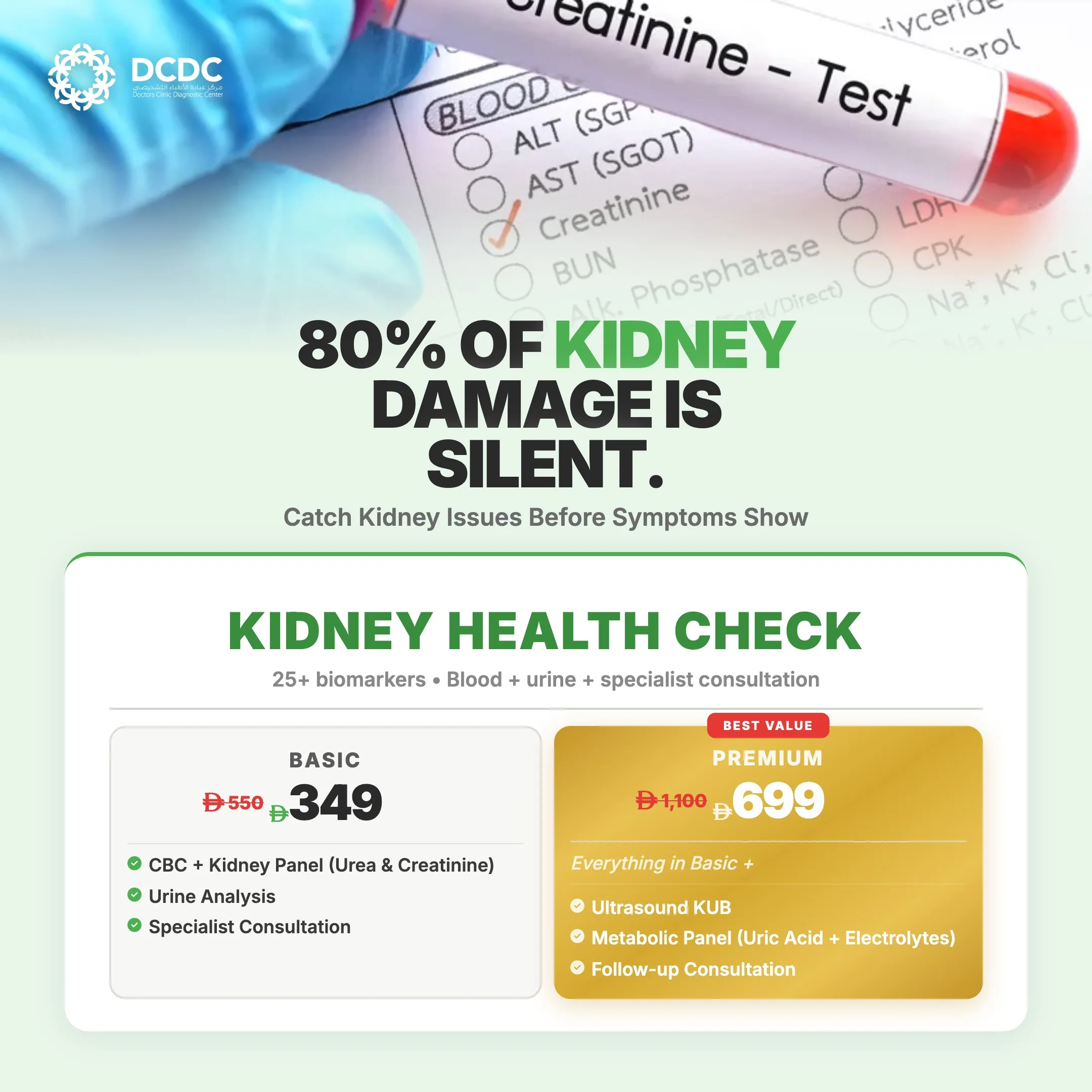
Health Screening Packages
Save with our bundled screening packages — specialist consultation included





Pneumonia vs Flu: Quick Comparison Table
If you only read one section, make it this one. The table below lays out the core differences between flu and pneumonia so you can quickly see where your symptoms fall. We unpack the reasoning behind each row in the sections that follow.
| Feature | Flu (Influenza) | Pneumonia |
|---|---|---|
| Cause | Influenza A or B virus | Bacteria (commonly Streptococcus pneumoniae), viruses, or fungi, often following flu |
| Onset | Sudden, within hours; you feel fine one moment and flattened the next | Can develop gradually over days, or suddenly as a flu complication |
| Fever pattern | High fever (38.5-40°C) for 3-4 days, then gradually improves | High fever with chills that may return or worsen after initially improving |
| Cough | Dry cough, sometimes becoming productive later in the illness | Productive cough with yellow, green, or rust-tinged mucus |
| Breathing | Mild chest discomfort; breathing usually not affected | Shortness of breath, rapid breathing, sharp chest pain when breathing |
| Body aches / fatigue | Severe muscle aches, headache, and extreme fatigue, the hallmark of flu | Fatigue and weakness, but body aches are usually less prominent than breathing difficulty |
| Chest X-ray findings | Normal | Visible infiltrate or consolidation confirms the diagnosis |
| Typical duration | 5-7 days for main symptoms; fatigue can linger 1-2 weeks | 1-3 weeks for mild cases; full recovery can take 4-6 weeks or more |
| Standard treatment | Rest, fluids, antivirals if started early; symptom relief | Antibiotics for bacterial pneumonia, antivirals for viral pneumonia; may need hospitalisation if severe |
| When it becomes urgent | Breathlessness, symptoms lasting beyond 10 days, or fever returning after improving | Difficulty breathing, confusion, bluish lips, or oxygen levels dropping |
General comparison. Flu and pneumonia can overlap, especially when pneumonia develops as a flu complication. Only a clinical exam plus a chest X-ray can confirm which condition you have.
The single biggest distinction is depth and cause. Flu is a virus that affects your whole body, muscles, joints, sinuses, throat, before it settles into your chest. Pneumonia is a more localised lung infection that fills the air sacs (alveoli) with fluid or pus, which is why it shows up clearly on a chest X-ray while flu does not. That difference explains almost everything else on this list: why pneumonia causes more focused breathing symptoms, why it can need antibiotics, and why it carries a higher risk of complications if left untreated.
What Is the Flu?
Influenza, or flu, is a contagious viral infection that attacks the nose, throat, and lungs. It is caused by influenza A or B viruses, which is why flu vaccines are reformulated every year to match the strains expected to circulate. Flu typically arrives fast and hits hard: one moment you feel fine, and within a few hours you have a high fever, aching muscles, a pounding headache, and a level of fatigue that makes it difficult to get off the sofa.
Flu is often confused with the common cold because both cause a runny nose and cough, but flu is generally far more severe and comes on much more abruptly. If you are trying to work out whether you have a heavy cold or the flu itself, our guide on flu vs cold differences in Dubai breaks down the exact symptoms that separate the two.
What Is Pneumonia?
Pneumonia is an infection that inflames the air sacs in one or both lungs, causing them to fill with fluid or pus. This is what makes pneumonia fundamentally different from flu: the infection has moved past a general viral illness and into the functional tissue of the lung itself, directly interfering with your ability to get oxygen into your bloodstream.
Pneumonia can be caused by bacteria, viruses, or, less commonly, fungi. Bacterial pneumonia, most often caused by Streptococcus pneumoniae, tends to arrive with a sudden high fever, shaking chills, and a productive cough with discoloured mucus. Viral pneumonia, which frequently follows an influenza or COVID-19 infection, tends to develop more gradually but can still become severe, particularly in older adults, young children, and people with weakened immune systems.
Detailed Symptom Comparison: Pneumonia vs Flu
Both illnesses cause fever, cough, and fatigue, which is exactly why patients struggle to tell them apart in the first day or two. Looking at the overall pattern of symptoms, rather than any single symptom in isolation, is the most reliable way to form an initial impression before seeing a doctor.
Symptoms More Typical of Flu
- Sudden onset, symptoms develop within hours rather than over several days
- High fever (38.5-40°C) usually lasting 3-4 days
- Severe muscle and joint aches, often the most memorable symptom
- Pounding headache and general exhaustion
- Dry cough, sore throat, and a stuffy or runny nose
- Chills and sweats that come in waves
Symptoms More Typical of Pneumonia
- Persistent high fever with shaking chills that may return after initially improving
- Sharp chest pain that worsens with deep breathing or coughing
- Shortness of breath, even with mild activity or at rest
- Rapid, shallow breathing
- Productive cough with yellow, green, or rust-coloured mucus
- Confusion or unusual drowsiness, particularly in older adults
If your symptoms are drifting into the second list, particularly breathlessness, chest pain on breathing, or a fever that improves and then spikes again, that is your cue to get evaluated rather than wait it out. A cough that will not resolve is also worth investigating on its own; see our guide on chronic cough causes and when to worry.
How Flu Can Lead to Pneumonia
One of the most common questions we hear at DCDC is some version of "can the flu turn into pneumonia?" The answer is yes, and it is one of the main reasons flu should never be dismissed as "just a bad cold." Flu complications involving pneumonia generally happen in one of two ways.
- Secondary bacterial pneumonia: The flu virus damages and weakens the lining of your airways, making it easier for bacteria, usually Streptococcus pneumoniae or Staphylococcus aureus, to invade the lungs. This typically shows up as a second wave of high fever and worsening cough five to ten days after the original flu symptoms started to improve.
- Primary viral pneumonia: In some cases, the influenza virus itself spreads directly into the lung tissue rather than staying confined to the upper airways, causing pneumonia without a separate bacterial infection. This tends to progress faster and can become severe quickly.
The tell-tale pattern to watch for is improvement followed by relapse: you start feeling better around day four or five of flu, then suddenly develop a new fever spike, a worsening cough, or breathlessness. That pattern differs from ordinary flu fatigue and is one of the clearest signals that a chest infection has developed on top of the flu. Our guide to chest infection treatment in Dubai covers this progression in more depth.
"The pattern I watch for most closely is the 'two-hump' fever, patients start improving from flu around day four, then spike again a few days later with a worse cough and real breathlessness. That second hump is very often bacterial pneumonia riding in on the back of the flu, and it is exactly the scenario where I want to examine the chest and get an X-ray rather than assume it is just flu lingering." — Dr. Hadeel Elnur, General Practitioner, DCDC
Walking Pneumonia vs Flu: What's the Difference?
Walking pneumonia is a common but often misunderstood term. It refers to a milder form of pneumonia, most often caused by the bacterium Mycoplasma pneumoniae, that is usually not severe enough to require bed rest or hospitalisation, hence the name. It is frequently mistaken for a lingering cold or flu because it develops gradually rather than hitting suddenly.
The key differences are speed of onset and severity of core symptoms. Flu comes on within hours and causes severe body aches and a high fever that peaks quickly, then improves over about a week. Walking pneumonia builds gradually over several days, tends to cause a persistent dry cough and mild fatigue rather than dramatic body aches, and can drag on for weeks if left untreated, since it usually needs a specific course of antibiotics to fully clear. It is also distinct from the more classic bacterial pneumonia we cover in our guide comparing pneumonia vs bronchitis in Dubai, which shares some overlapping symptoms but a different underlying process.
If you have had a mild but nagging cough for more than two weeks, with no dramatic fever and no real body aches, walking pneumonia is a reasonable possibility worth mentioning to your doctor, even if it never felt severe enough to seem like pneumonia.
When to See a Doctor: Red Flag Symptoms
Most cases of flu can be managed at home with rest and fluids, but certain symptoms should prompt a same-day visit rather than waiting it out, whether the underlying cause turns out to be flu, pneumonia, or something else.
- Difficulty breathing or breathlessness, even at rest
- Chest pain that is sharp or worsens with breathing or coughing
- Fever above 39°C that does not respond to paracetamol, or fever lasting more than 3 days
- A second fever spike after you seemed to be improving
- Bluish tint to lips or fingertips
- Confusion, extreme drowsiness, or fainting
- Coughing up blood, or mucus that turns rust-coloured
- Infants, adults over 65, pregnant women, or anyone with a chronic condition developing fever with cough
Breathlessness deserves particular attention on its own, since it can point to several different underlying causes beyond pneumonia or flu. Our guide on shortness of breath causes outlines when breathing difficulty needs urgent evaluation versus when it can be monitored at home.
How Doctors Diagnose Pneumonia vs Flu in Dubai
Because early symptoms overlap so heavily, a proper diagnostic work-up is what actually separates flu from pneumonia. Here is what that typically involves:
- Physical examination: Listening to your lungs with a stethoscope. Crackling or bubbling sounds often indicate pneumonia, while flu alone usually produces a clear chest.
- Rapid flu test: A quick nasal or throat swab that can confirm influenza A or B within 15-30 minutes, useful early in the illness when antivirals are still effective.
- Chest X-ray: The most decisive test for pneumonia. It shows up as a visible white patch (infiltrate or consolidation) where the air sacs are filled with fluid; flu alone produces a normal X-ray.
- Pulse oximetry: A clip-on sensor measuring blood oxygen levels; lower readings raise suspicion for pneumonia and help gauge severity.
- Blood tests (CBC, CRP): A raised white blood cell count and elevated CRP support a bacterial infection, more common in pneumonia than in uncomplicated flu. Our guide on the CBC blood test in Dubai explains what these markers mean in practice.
A chest X-ray is genuinely the deciding factor in most uncertain cases. If you have had flu-like symptoms for more than a week, or symptoms that improved and then worsened again, imaging is the fastest way to know for certain whether the infection has reached your lung tissue.
"Patients often describe flu and early pneumonia in almost identical terms, fever, exhaustion, a cough that will not quit. On history alone it can genuinely be hard to separate the two. That is why, whenever someone has had more than a week of symptoms, or any breathlessness at all, my default is to listen carefully to the chest and order a same-day X-ray if there is any doubt. It takes minutes and removes the guesswork." — Dr. Hadeel Elnur, General Practitioner, DCDC
Treatment Approaches: Antivirals vs Antibiotics
Treatment is where flu and pneumonia diverge most clearly, and it is exactly why an accurate diagnosis matters rather than simply treating every fever the same way.
Treating Flu
Most flu cases are managed with rest, fluids, and symptom relief: paracetamol or ibuprofen for fever and aches, plenty of fluids, and rest until the fever has fully resolved. Antiviral medication such as oseltamivir can shorten the illness and reduce the risk of complications, including pneumonia, but it works best when started within 48 hours of symptoms beginning, which is one reason to get assessed early rather than waiting to see if it "is just a cold."
Treating Pneumonia
Bacterial pneumonia is treated with antibiotics, typically for 5-10 days depending on severity and the organism involved. It is important to complete the full course even once you start feeling better, since stopping early risks relapse and antibiotic resistance. Viral pneumonia may be managed with antivirals in specific cases, alongside supportive care similar to flu: rest, fluids, and fever control. Mild to moderate pneumonia is usually managed on an outpatient basis with close follow-up, while severe cases, particularly in older adults, infants, or people with low oxygen saturation, may require hospitalisation for intravenous antibiotics, oxygen support, and monitoring.
"The biggest mistake I see every flu season is patients pushing through a full week of high fever and worsening cough before coming in, assuming it will pass on its own. With bacterial pneumonia especially, earlier treatment means a shorter, milder illness and a much lower risk of complications. If your fever spikes again after improving, or you feel breathless, please do not wait it out." — Dr. Hadeel Elnur, General Practitioner, DCDC
Not Sure If It's Flu or Pneumonia?
DCDC offers same-day General Consultation with on-site chest X-ray, rapid flu testing, and blood work in Dubai Healthcare City, so you get a clear answer and treatment plan in a single visit.
Call: +971 54 219 5008
Recovery Timeline: Pneumonia vs Flu Recovery Time
One of the most common questions patients ask is simply: how long is this going to last? The honest answer depends on which condition you have, your age, and any underlying health issues, but here is a general recovery timeline.
| Recovery Stage | Flu | Pneumonia |
|---|---|---|
| Fever and worst symptoms | Usually improve within 3-4 days | Often improves within 3-4 days on treatment; may take longer if severe |
| Feeling functionally better | 5-7 days | 1-2 weeks with treatment |
| Cough resolution | Can linger 1-2 weeks after fever resolves | Cough and fatigue can persist several weeks after the infection clears |
| Full recovery / energy levels back to normal | 1-2 weeks | 4-6 weeks, longer in older adults or severe cases |
Approximate timelines for otherwise healthy adults. Recovery is typically slower in children under 2, adults over 65, smokers, pregnant women, and people with chronic health conditions.
A lingering cough or tiredness after the fever itself has cleared is common with both illnesses and does not necessarily mean the infection is still active. That said, if energy levels are not gradually improving, or symptoms come back worse after initially settling, that pattern deserves a follow-up visit rather than assuming it will resolve by itself.
Who Is at Higher Risk: Elderly, Children, Pregnant Women & Immunocompromised
Flu and pneumonia can affect anyone, but certain groups face a meaningfully higher risk of complications and should be quicker to seek care.
- Adults over 65: Immune response weakens with age, and pneumonia in older adults may present with confusion or fatigue rather than a classic high fever, making it easy to miss. Our guide on pneumonia vs bronchitis discusses how presentations can differ in older patients.
- Young children, especially under 5: Can deteriorate quickly and may show fast or laboured breathing, poor feeding, or unusual lethargy rather than clearly describing symptoms.
- Pregnant women: Physiological changes in pregnancy reduce lung capacity and immune tolerance, so flu and pneumonia both carry a higher risk of complications and should be assessed promptly.
- People with chronic conditions: Diabetes, asthma, COPD, and heart disease all raise the risk of flu progressing into pneumonia.
- Immunocompromised patients: Anyone on immunosuppressive medication, undergoing chemotherapy, or living with a condition that weakens immunity faces a higher risk of both illnesses becoming severe and should seek care early rather than waiting.
If you fall into any of these groups, do not wait for symptoms to become severe before booking an assessment. Earlier evaluation in high-risk groups consistently leads to better outcomes and a lower chance of hospitalisation.
Prevention: Flu Vaccine, Pneumococcal Vaccine & Everyday Habits
Two vaccines meaningfully lower your risk of severe respiratory illness, and both are worth discussing with your doctor, particularly if you are over 65, pregnant, have a chronic illness, or care for young children.
The annual flu vaccine reduces your chance of catching influenza in the first place, and by extension reduces your chance of flu progressing into secondary bacterial pneumonia, one of its most serious complications. Because flu strains shift slightly each year, the vaccine is updated annually, which is why getting it again each season matters even if you were vaccinated last year. Our guide on the flu vaccine in Dubai covers timing and who should prioritise it. The pneumococcal vaccine offers separate, direct protection against Streptococcus pneumoniae, the leading cause of bacterial pneumonia, and is recommended for young children, adults over 65, and anyone with a weakened immune system or chronic lung or heart condition.
- Get your flu vaccine before the season builds, ideally in September or October
- Wash your hands regularly, especially after using public transport, malls, or shared workspaces
- Avoid close contact with anyone who has active flu-like symptoms where possible
- Stay well hydrated, since Dubai's dry, AC-cooled indoor air can dehydrate the mucous membranes that normally trap viruses
- Avoid smoking and second-hand smoke, which significantly raises the risk of both flu complications and pneumonia
- Manage chronic conditions like diabetes, asthma, or heart disease closely, as these raise pneumonia risk
- Treat any flu symptoms early rather than pushing through a full working week; early antiviral treatment reduces the risk of pneumonia developing
Flu Season in Dubai: Why September Matters
If it feels like flu cases pick up noticeably as the weather starts to cool, you are not imagining it. Dubai's flu season typically builds from September through the cooler winter months, peaking between November and February, driven partly by the return to school and office life after summer, and partly by the sharp daily swings between outdoor heat and heavily air-conditioned indoor spaces.
September in particular tends to see a rise in cases as schools resume and offices fill back up after the summer holidays, creating far more opportunity for viruses to spread in close indoor settings. This is exactly the window in which getting a flu vaccine offers the most protection, before case numbers climb through the rest of autumn and winter. Our guide on flu season preparation in Dubai covers a broader checklist for getting ahead of the season, from vaccination timing to workplace and household precautions.
Recirculated, poorly maintained air conditioning also plays a role, drying out the mucous membranes that normally trap viruses and bacteria before they reach your lungs, which makes it easier for both flu and pneumonia to take hold once someone in a household or office is infected.
What to Expect at DCDC for a Flu or Pneumonia Evaluation
Doctors Clinic Diagnostic Center is located in Building 64, Block A, Al Razi Medical Complex in Dubai Healthcare City, just 10 minutes from Downtown Dubai with free on-site parking, and seasonal respiratory illness is one of the most common reasons patients visit us as flu season approaches. Here is what a typical visit looks like when you come in with fever and cough:
- A focused history and physical examination with Dr. Hadeel Elnur or one of our general practitioners, including listening to your chest for crackles, wheeze, or reduced air entry
- A rapid flu test when influenza is suspected, with results in 15-30 minutes
- An on-site chest X-ray with same-day results if pneumonia is suspected or symptoms have lasted more than a week, from AED 150
- On-site laboratory testing, including CBC, CRP, and blood cultures when needed, with same-day results for routine blood tests
- One-visit diagnostics: your examination, rapid flu test, X-ray, and blood work can all be completed in a single visit rather than being sent elsewhere and waiting days for results
- A clear treatment plan explained in plain language, whether that means home care and monitoring for flu or antibiotics and follow-up for pneumonia
- Coordination with specialists when needed; Dr. Hadeel Elnur regularly coordinates multi-specialty work-ups as the first point of contact for patients with complicated presentations
- On-site flu vaccination if you would like to get ahead of the season during the same visit
DCDC is MOHAP-licensed (license NIMY7VY5-240925) and offers extended hours, Saturday to Thursday from 8AM to 10PM and Friday from 9AM to 9PM, with an average wait time of around 15 minutes. We coordinate direct billing with more than 20 insurance providers, including Daman, AXA, Bupa, MetLife, and Cigna, so most patients do not need to pay out of pocket at the time of visit. Our clinic holds a 4.8 out of 5 Google rating from more than 1,000 verified reviews, with 98% patient satisfaction, reflecting the consistency patients expect when they come in with fever and cough and want a clear answer the same day, not next week.
Get Checked the Same Day in Dubai Healthcare City
Book a General Consultation at DCDC and, if needed, complete your rapid flu test, chest X-ray, and blood work in the same visit. Walk-ins are welcome and most major insurance providers are accepted.
Call: +971 54 219 5008
Cost of Diagnosing Pneumonia vs Flu in Dubai
Costs vary depending on how many tests are needed to reach a diagnosis, but here is a general guide to what a flu or pneumonia work-up costs at DCDC.
| Service | Approximate Cost | Notes |
|---|---|---|
| GP Consultation | AED 150-350 | History, physical exam, chest auscultation, and rapid flu test if indicated |
| Chest X-ray | From AED 150 | Same-day results; confirms or rules out pneumonia |
| Blood tests (CBC, CRP) | Priced per panel | Same-day results from our on-site laboratory; helps confirm bacterial infection |
| Flu vaccination | Priced per season | Available on-site; recommended before flu season peaks |
Prices are indicative and vary based on your specific case and insurance coverage. Direct billing is available with 20+ insurance providers, including Daman, AXA, Bupa, MetLife, and Cigna.
Because DCDC offers consultation, rapid testing, imaging, and laboratory work all under one roof, most patients complete their entire diagnostic pathway, exam, flu test, X-ray, and blood work, in a single visit rather than travelling between separate facilities across Dubai and waiting days between appointments.
Related Services at DCDC
Expert care and advanced diagnostics at Dubai Healthcare City
Frequently Asked Questions
Know the Difference, Do Not Just Wait It Out
Flu and pneumonia can look almost identical in the first day or two, fever, fatigue, a cough that will not quit, which is exactly why so many patients in Dubai end up unsure which one they are dealing with as flu season builds each September. The distinction matters clinically: flu is a whole-body viral illness that usually clears with rest, while pneumonia is a lung infection that often needs targeted treatment and closer monitoring, whether it develops on its own or as a flu complication.
The most reliable way to tell them apart is not guesswork based on symptoms alone, it is a proper examination paired with a chest X-ray and, where useful, a rapid flu test. If your fever has returned after improving, if breathing feels harder than it should, or if a 'flu' has lasted well over a week, that is the signal to get checked rather than wait it out.
At DCDC in Dubai Healthcare City, same-day consultation, on-site rapid flu testing, chest X-ray, and laboratory testing mean you can walk in with an uncertain fever and cough and walk out with a clear diagnosis and treatment plan, usually within a single visit.
Sources & References
This article was reviewed by our medical team and references the following sources:
- World Health Organization - Influenza (Seasonal) Fact Sheet
- World Health Organization - Pneumonia Fact Sheet
- Centers for Disease Control and Prevention - Flu Symptoms and Complications
- Centers for Disease Control and Prevention - Pneumonia: Causes and How It Spreads
- Mayo Clinic - Pneumonia: Symptoms and Causes
- National Health Service (UK) - Flu
- National Library of Medicine (PubMed) - Influenza-Associated Bacterial Pneumonia Research
- UAE Ministry of Health and Prevention (MOHAP)
Medical content on this site is reviewed by DHA-licensed physicians. See our editorial policy for more information.

Written by
Dr. Hadeel Elnur
General Practitioner
MD, General Practice
Dr. Hadeel Elnur is a General Practitioner at Doctors Clinic Diagnostic Center (DCDC) in Dubai Healthcare City.
Related Articles
Flu vs Cold: How to Tell the Difference
Chest Infection Dubai: Symptoms & Treatment
Pneumonia vs Bronchitis Dubai

Flu Vaccine Cost Dubai

Chest X-Ray Cost Dubai
More in General Health

Epilepsy Treatment Dubai: Symptoms & Care (2026)
Read More
Food Allergy vs Food Intolerance Dubai (2026)
Read More
Swollen Lymph Nodes Dubai: When to Worry (2026)
Read MoreFlu vs Cold Dubai: How to Tell the Difference (2026)
Read More
Sleep Study Cost Dubai: Tests & Pricing (2026)
Read More
Calcium Deficiency Signs Dubai: Guide (2026)
Read More© 2026 Doctors Clinic Diagnostic Center (DCDC), Dubai Healthcare City. Originally published at https://doctorsclinicdubai.ae/blog/pneumonia-vs-flu-differences-dubai. All rights reserved. Unauthorized reproduction is prohibited.