
Key Takeaways
- Swollen lymph nodes are most often caused by common infections — colds, sore throats, ear infections, or dental issues — and typically shrink back to normal within two to three weeks
- Red flags that warrant prompt evaluation include a node larger than 2 cm, one that feels hard and fixed rather than soft and mobile, painless growth, or swelling lasting beyond 4-6 weeks
- A swollen lymph node limited to one side of the neck usually points to a localized infection nearby (tonsillitis, an ear infection, a dental abscess), while swelling on both sides more often reflects a systemic viral illness
- A soft, tender, mobile lymph node is almost always benign and infection-related; a hard, painless, fixed node deserves a same-day medical assessment rather than a wait-and-see approach
- Diagnosis usually starts with a physical exam and can be completed the same day with blood tests and, when needed, an ultrasound — a biopsy is reserved for nodes that stay enlarged, hard, or keep growing after this initial workup
- Only a small minority of swollen lymph node cases are linked to cancer — the overwhelming majority in both adults and children are benign and self-limiting
- If a swollen lymph node has not improved after 4-6 weeks, keeps enlarging, or comes with unexplained weight loss, night sweats, or fever, book a same-day consultation at DCDC in Dubai Healthcare City for a proper workup
Noticing a swollen lymph node in your neck, jaw, or armpit is unsettling, but the vast majority of cases are caused by ordinary infections rather than anything serious. Swollen lymph nodes — medically called lymphadenopathy — happen when your immune system is actively responding to a nearby infection, inflammation, or, less commonly, another underlying condition. This guide walks through the common causes of swollen lymph nodes, the features that separate benign swelling from concerning swelling, and when it is time to book a general consultation for a proper evaluation.
Whether the swelling appeared alongside a sore throat, a dental infection, or seemingly out of nowhere, understanding what is normal and what is not helps you decide whether to watch and wait or see a doctor. Below, we cover lymph node anatomy and function, causes by location, red flag symptoms, the tools doctors use to diagnose the cause — including blood tests, ultrasound, and biopsy — and what treatment looks like once the underlying cause is identified.
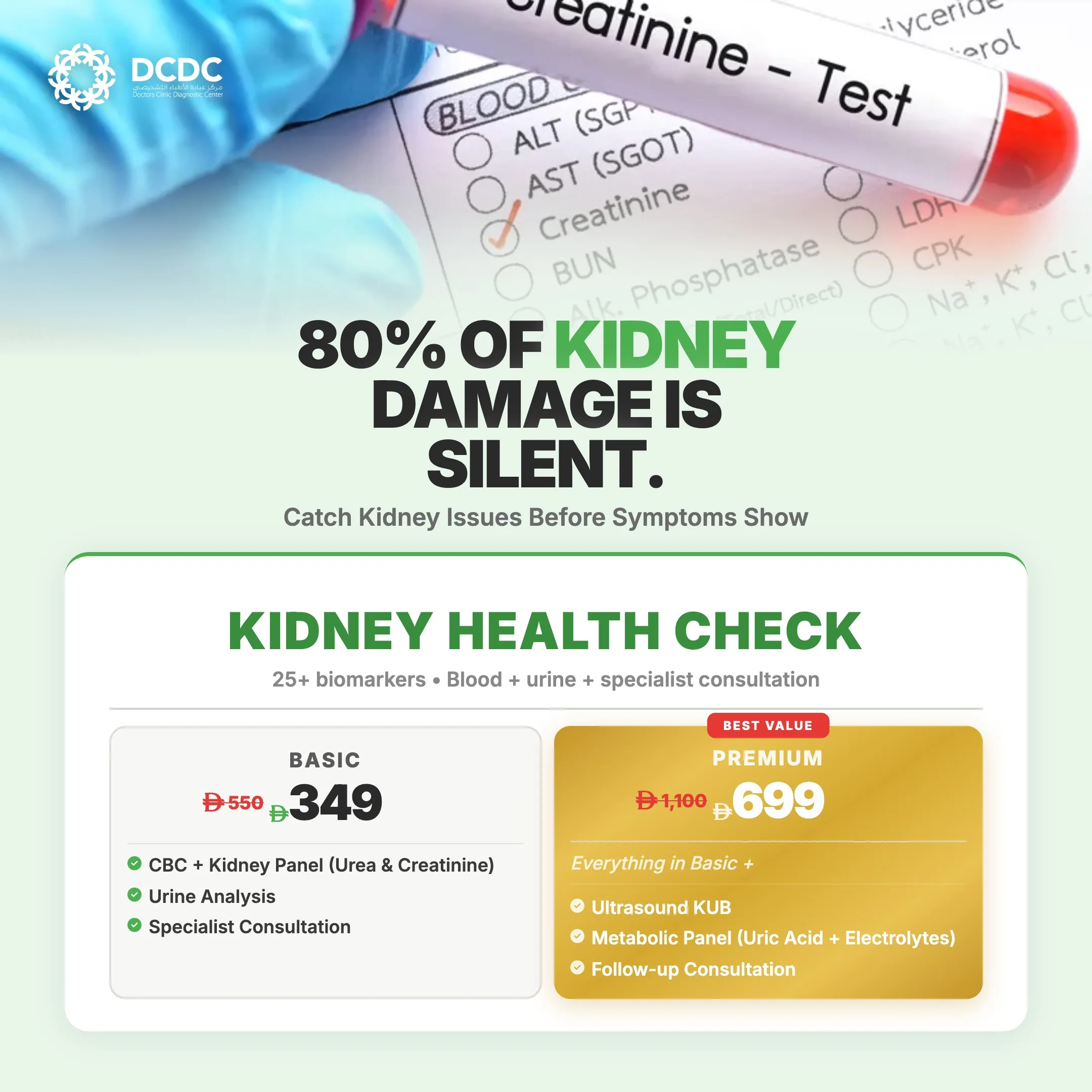
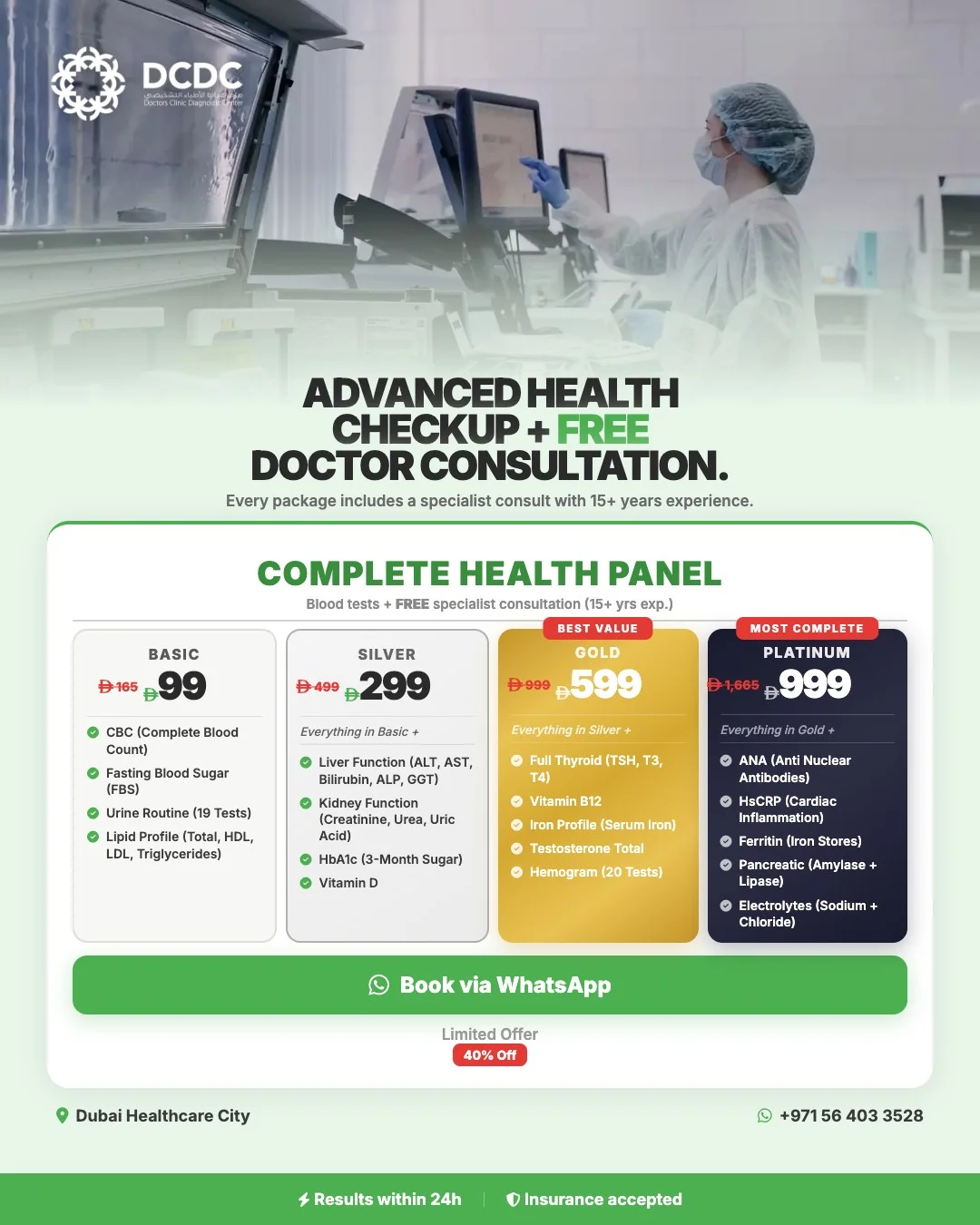
Health Screening Packages
Save with our bundled screening packages — specialist consultation included




What Are Lymph Nodes and Why Do They Swell?
Lymph nodes are small, bean-shaped structures — usually between 0.5 cm and 1 cm across in a healthy adult — that sit along the lymphatic system, a network of vessels carrying lymph fluid, white blood cells, and cellular waste throughout the body. You have several hundred lymph nodes clustered in specific regions: the neck, under the jaw, behind the ears, the armpits, above the collarbone, the groin, and deep within the chest and abdomen. Each cluster filters lymph fluid draining from a specific part of the body, trapping bacteria, viruses, and abnormal cells so that immune cells called lymphocytes can identify and destroy them.
When a lymph node's immune cells are activated — because a nearby infection is releasing bacteria or viral particles into the lymph fluid — the node swells as lymphocytes multiply and immune activity increases. This process, called reactive lymphadenopathy, is by far the most common reason for swollen lymph nodes and is simply a sign that your immune system is doing its job. Less often, lymph nodes swell because of infiltration by cancer cells (lymphoma originating in the node itself, or metastatic spread from a cancer elsewhere), autoimmune conditions, or a reaction to certain medications.
Common Causes of Swollen Lymph Nodes
Swollen glands causes range from everyday infections to, rarely, more serious conditions. In the large majority of cases seen in general practice, an identifiable infection or inflammatory trigger accounts for the swelling, and the lymph nodes return to normal size once the underlying issue resolves.
- Upper respiratory infections: colds, flu, and sinus infections are the single most common cause of swollen neck lymph nodes overall, and typically affect both sides of the neck
- Throat and tonsil infections: strep throat, tonsillitis, and viral pharyngitis commonly cause tender, swollen nodes under the jaw and along the sides of the neck — see our guide on sore throat causes and treatment
- Ear infections: middle ear and outer ear infections often cause swollen glands behind the ear and just below the jawline on the affected side — read more in our ear infection treatment guide
- Dental infections and abscesses: an infected tooth or gum abscess frequently causes swelling of the nodes under the jaw on the same side as the affected tooth
- Skin infections and cuts: a scratch, insect bite, or infected wound on a limb can cause the nearest node group — the armpit or groin — to swell as it filters bacteria from the site
- Viral illnesses: infectious mononucleosis (glandular fever), cytomegalovirus, and other viral infections can cause widespread lymph node swelling lasting several weeks
- Autoimmune conditions: rheumatoid arthritis, lupus, and similar conditions can cause chronic, low-grade lymph node swelling as part of ongoing systemic inflammation
- Medication reactions: certain anti-seizure medications, allopurinol, and some antibiotics can trigger a drug reaction that includes lymph node swelling
- Cancer (uncommon): lymphoma, leukemia, and metastatic spread from a nearby organ can present as swollen lymph nodes, though this accounts for a small minority of cases overall, particularly in people under 40 with no other risk factors
Lymph Node Locations: What Swelling in Each Area May Indicate
Where a swollen lymph node sits often points to the likely cause, because each cluster of nodes drains a specific region of the body. Lymph node swelling in the neck is by far the most frequently reported location, but the table below covers the other major sites and what swelling there commonly suggests.
| Lymph Node Location | Region Drained | Typical Causes When Swollen |
|---|---|---|
| Behind the ear (postauricular) | Scalp, outer ear | Scalp infection, outer ear infection, occasionally a viral rash |
| Under the jaw (submandibular) | Mouth, teeth, gums, lower face | Dental infection or abscess, gum disease, tonsillitis |
| Front and back of the neck (cervical) | Throat, sinuses, scalp, thyroid area | Common cold, strep throat, tonsillitis, viral illness |
| Above the collarbone (supraclavicular) | Chest, abdomen (left side especially) | Less commonly benign — warrants prompt medical evaluation |
| Armpit (axillary) | Arm, hand, chest wall | Skin infection or cut on the arm, cat scratch disease |
| Groin (inguinal) | Leg, foot, genital area | Skin infection on the leg or foot, localized irritation |
General guidance only. A physical exam is needed to properly assess any specific swollen lymph node.
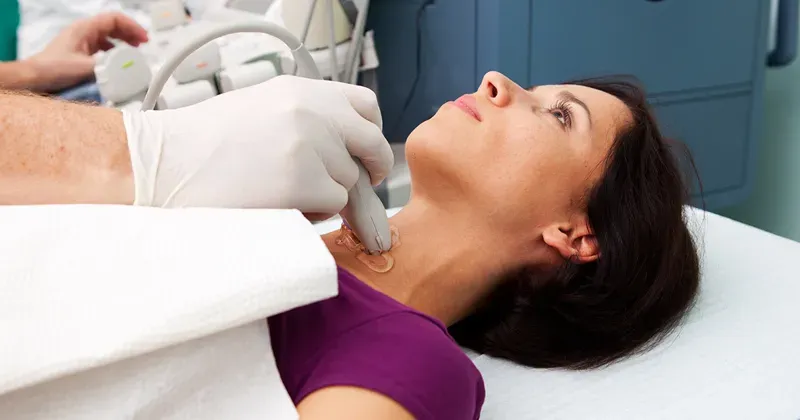
Swelling of the cervical lymph nodes is sometimes confused with thyroid enlargement, particularly when it sits lower in the neck near the thyroid gland. If you are unsure whether what you are feeling is a lymph node or the thyroid itself, our guides on thyroid disorder signs and the thyroid ultrasound guide can help you tell the difference — or a same-day ultrasound can confirm it directly.
Red Flag Symptoms: When to Worry About Swollen Lymph Nodes
Most swollen lymph nodes are nothing to worry about and resolve on their own within two to three weeks. However, certain features should prompt you to see a doctor rather than wait it out.
- Size over 2 cm (roughly the size of a large grape) that keeps growing rather than shrinking
- Hard, rubbery, or fixed texture — a node that does not move freely under the skin when you press on it
- Painless swelling — pain is often reassuring because it points to active infection, while painless growth deserves more scrutiny
- Swelling lasting beyond 4-6 weeks without any sign of improvement
- Unexplained weight loss, drenching night sweats, or persistent fever without an obvious infection to explain them
- Swollen lymph nodes in multiple, unrelated areas at the same time — for example, the neck, groin, and armpit together
- A node above the collarbone (supraclavicular), which is less commonly benign than nodes in the neck or under the jaw
- Swollen lymph nodes with no other symptoms lasting more than a few weeks in someone over 40, particularly with risk factors such as smoking or a prior cancer history
- Rapid enlargement over days rather than the gradual pattern typical of an infection-related, reactive node
According to Dr. Hadeel Elnur, General Practitioner at DCDC, "The overwhelming majority of swollen lymph nodes I see in clinic are reactive — the body's completely normal response to a cold, a sore throat, or a minor skin infection. What I look for during examination is not just the size of the node, but its texture, mobility, and tenderness. A soft, tender, mobile node that appeared alongside a cold is rarely something to worry about. A hard, painless, fixed node — especially one that has been growing for weeks — is the pattern that prompts me to order same-day blood work and, where needed, an ultrasound to look more closely before deciding on next steps."
Benign vs Concerning: Hard Lymph Node vs Soft, Fixed vs Mobile
Two swollen nodes can look identical from the outside yet mean very different things depending on how they feel and behave. Doctors rely heavily on texture, mobility, tenderness, and how the swelling has changed over time to judge whether a node is likely benign or needs further workup.
| Feature | More Likely Benign | More Likely Concerning |
|---|---|---|
| Texture | Soft, rubbery | Hard, stony, rock-like |
| Mobility | Moves freely under the skin | Fixed to surrounding tissue |
| Tenderness | Tender or painful to touch | Painless despite being enlarged |
| Size | Under 1-2 cm | Over 2 cm and still growing |
| Onset | Appeared with an obvious infection | Appeared with no clear trigger |
| Duration | Resolving within 2-3 weeks | Persisting beyond 4-6 weeks |
| Pattern | Single region tied to a local infection | Multiple unrelated regions at once |
General guidance only — a hands-on physical examination by a doctor is needed to properly assess any individual case.
When to See a Doctor for Swollen Lymph Nodes
As a general rule for when to see a doctor for swollen lymph nodes: if the swelling appeared alongside an obvious minor infection — a cold, sore throat, or small cut — and is soft, tender, and improving within one to two weeks, watchful waiting at home is usually reasonable. If it has lasted longer than three weeks, feels hard or fixed, is not improving, or comes with fever, weight loss, or night sweats, book a same-day consultation. Extended clinic hours (Saturday-Thursday 8 AM-10 PM, Friday 9 AM-9 PM) at DCDC in Dubai Healthcare City make same-day evaluation practical even around a full workday.
How Swollen Lymph Nodes Are Diagnosed
Lymphadenopathy diagnosis begins with a thorough history and physical examination. Your doctor will ask about recent infections, travel, medication changes, and associated symptoms, then examine the size, texture, mobility, and location of the swollen node(s), along with a broader check for other signs such as an enlarged spleen, a rash, or additional swollen nodes elsewhere in the body.
- Physical examination: assessing size, consistency, mobility, tenderness, and the overall pattern of nodes involved — often enough on its own to reach a confident diagnosis for common infections
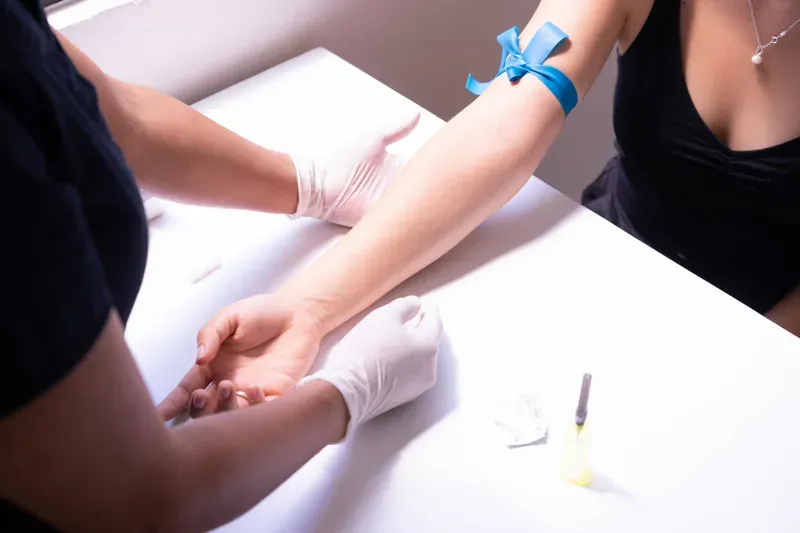
- Blood tests: a complete blood count (CBC) can reveal signs of infection, viral illness (as in mononucleosis), or, rarely, blood cancers. Inflammatory markers and targeted infection panels may also be ordered depending on the suspected cause
- Lymph node ultrasound: a non-invasive, radiation-free imaging test that evaluates the internal structure, shape, and blood flow of a swollen node. Ultrasound can often distinguish a reactive, benign-appearing node from one with more concerning features, and helps decide whether a biopsy is needed
- CT or MRI: used selectively when nodes are deep — in the chest or abdomen — or when a more detailed map of multiple node groups is required
- Lymph node biopsy: reserved for cases where the node stays enlarged, hard, or keeps growing despite an observation period, or when ultrasound and blood work raise concern. A fine-needle aspiration or surgical excision biopsy provides a definitive tissue diagnosis and is the only way to rule out lymphoma or metastatic cancer with certainty — a lymph node biopsy is needed in only a small proportion of overall cases
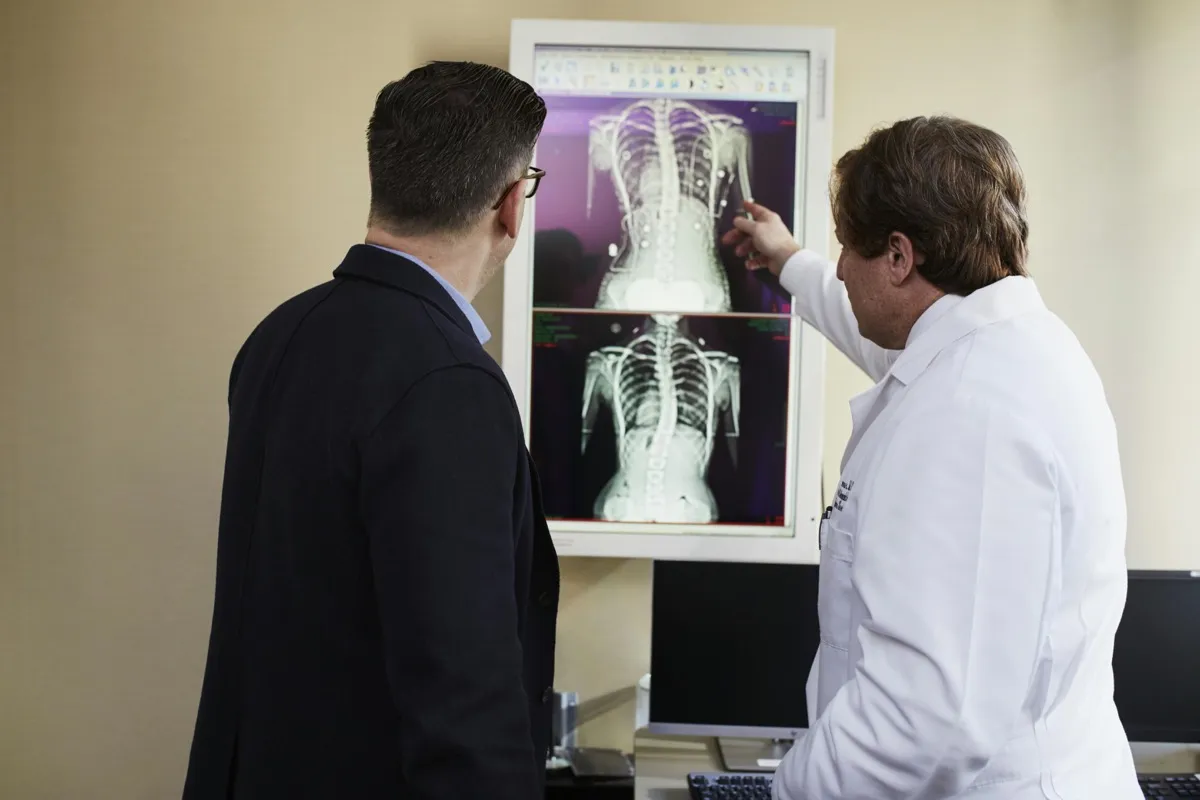
For more background on the blood work involved, see our guides on the CBC blood test and how to read your blood test results. If cancer is a specific concern, our article on blood tests for cancer markers explains what these panels can and cannot tell you, and our cancer screening guide covers broader screening pathways and costs.
Diagnostic Evaluation Pricing at DCDC
Most cases of swollen lymph nodes can be assessed within a single visit, combining a GP consultation with same-day blood work and, if needed, ultrasound. Pricing below reflects approximate self-pay ranges for the individual components of a lymph node workup.
| Diagnostic Service | Price Range (AED) | Turnaround |
|---|---|---|
| General Consultation (GP) | AED 150–350 | Same day |
| Complete Blood Count (CBC) | AED 149 | Same-day results |
| Inflammatory/infection marker panel | AED 150–300 | Same day to 24 hours |
| Lymph node ultrasound | AED 300–600 | Same day |
| Targeted CT scan | AED 800–1,800 | Same day to 24 hours |
| Lymph node biopsy (specialist-coordinated) | Priced after specialist assessment | Per specialist timeline |
Approximate self-pay ranges at DCDC Dubai Healthcare City. Insured patients typically pay only their co-pay. Contact DCDC for current pricing.
Get Your Swollen Lymph Nodes Checked Today
Book a same-day GP consultation for lymph node evaluation, with on-site ultrasound and blood testing available in one visit.
20+ insurance partners with direct billing — or self-pay from AED 150
Enlarged Lymph Nodes Treatment: What Happens Based on the Cause
Enlarged lymph nodes treatment is directed entirely at the underlying cause — there is no treatment that targets the lymph node itself, because the swelling is a downstream effect, not the primary problem.
- Viral infections: no specific treatment is needed beyond rest, fluids, and symptom relief — swelling resolves as the viral illness clears, typically within two to three weeks
- Bacterial infections (strep throat, dental abscess, skin infection): targeted antibiotics resolve both the infection and the associated node swelling within days to two weeks
- Ear and throat infections: treating the underlying infection — sometimes with antibiotics, sometimes with supportive care alone — is the priority and resolves the swelling in parallel
- Autoimmune-related swelling: managed by treating the underlying autoimmune condition, often with input from a rheumatologist or internal medicine specialist
- Medication-related swelling: resolves after stopping or switching the triggering medication under your doctor's guidance
- Suspicious or persistent swelling: referred for further imaging and, if needed, biopsy; if cancer is confirmed, prompt referral to an oncology specialist for staging and treatment planning follows immediately
What to Expect at DCDC for Lymph Node Evaluation
Knowing what happens during your visit removes uncertainty and helps you prepare. Here is the step-by-step patient journey for swollen lymph node evaluation at DCDC Dubai Healthcare City.
- Step 1 — Book or walk in: schedule by phone, WhatsApp, or online, or simply walk in during operating hours (Saturday-Thursday 8 AM-10 PM, Friday 9 AM-9 PM)
- Step 2 — Arrival and registration: at Building 64, Block A, Al Razi Medical Complex in DHCC, with free dedicated parking, our reception team registers you and verifies insurance if applicable
- Step 3 — GP consultation and physical exam: Dr. Hadeel Elnur, or another GP on duty, takes your history and examines the size, texture, mobility, and location of the swollen node(s)
- Step 4 — On-site testing if needed: a blood draw and/or an ultrasound scan can typically be performed the same visit, without needing to travel to a separate facility
- Step 5 — Same-day results for routine tests: CBC and standard infection markers are typically available the same day, while ultrasound findings are discussed with you immediately after the scan
- Step 6 — Diagnosis, treatment, or referral: your GP explains the likely cause, starts treatment if appropriate, or coordinates a same-facility referral to an internal medicine specialist, ENT, or hematologist if further evaluation is warranted
The full process from registration to consultation typically involves an average wait time of around 15 minutes. DCDC is MOHAP-licensed (license NIMY7VY5-240925), holds a 4.8/5 Google rating from over 1,000 verified reviews, and reports 98% patient satisfaction. Multilingual staff — Arabic, English, Farsi, Urdu, and Hindi — support clear communication for patients from any background, and having imaging, laboratory, and specialists under one roof means most lymph node concerns can be worked up without being sent elsewhere.
Swollen Lymph Nodes in Children
Swollen lymph nodes in children are extremely common and, in most cases, far less worrying than parents fear. Young children are exposed to frequent minor viral and bacterial infections as their immune systems mature, and it is entirely normal for a child to have small, palpable lymph nodes in the neck or under the jaw much of the time. The same red flag principles that apply to adults are used to assess children: a node under 2 cm that is soft, mobile, and appeared alongside a cold or throat infection is almost always benign and does not need urgent evaluation. Features that do warrant a prompt pediatric assessment include a node larger than 2 cm that keeps growing, a hard or fixed texture, swelling above the collarbone, persistent fever, unexplained bruising or pallor, or swelling lasting beyond several weeks without improvement. Because children cannot always describe their symptoms clearly, a hands-on examination by a doctor is the most reliable way to reassure parents or identify the rare case that needs further workup.
How Long Do Swollen Lymph Nodes Last?
How long do swollen lymph nodes last is one of the most common questions patients ask, and the honest answer depends entirely on the cause. A lymph node reacting to a common cold or minor skin infection typically starts shrinking within a week and returns to normal size within two to three weeks of the infection resolving. Infectious mononucleosis and other viral illnesses can cause swelling that lingers for four to six weeks, sometimes longer, even after other symptoms have improved. Nodes related to chronic conditions such as autoimmune disease may remain mildly enlarged on an ongoing basis, fluctuating with disease activity. As a practical benchmark, swelling that has not started improving after three to four weeks, or that is still present after six weeks with no clear explanation, should be assessed by a doctor rather than monitored further at home.
Prevention and Immune Health
You cannot prevent every episode of swollen lymph nodes, since they are simply your immune system doing its job — but reducing your overall infection burden and supporting immune health lowers how often you experience them and helps them resolve more quickly when they do occur.
- Treat skin cuts and wounds promptly: cleaning and covering cuts, scrapes, and insect bites reduces the chance of a skin infection spreading to nearby lymph nodes
- Maintain good dental hygiene: regular brushing, flossing, and dental checkups prevent the gum disease and tooth infections that commonly cause swollen jaw and neck nodes
- Stay up to date on vaccinations: routine immunizations reduce the incidence of several infections that classically cause lymph node swelling in children and adults
- Practice good hand hygiene: reduces transmission of the common colds, flu, and throat infections that account for the majority of reactive lymph node swelling
- Address chronic conditions: keeping autoimmune conditions and chronic infections well controlled through regular follow-up reduces ongoing, low-grade lymph node activity
- Do not ignore persistent swelling: early evaluation of a node that is not behaving typically allows treatment to start sooner, whatever the underlying cause turns out to be
Schedule Your General Consultation
Speak with a GP about any swollen lymph node concern — same-day appointments, on-site labs and ultrasound, and specialist referral coordinated in one place.
Building 64, Block A, Al Razi Medical Complex, DHCC — Free Parking Available
Why Choose DCDC for Lymph Node Evaluation
- One-stop diagnostic center: GP consultation, laboratory testing, and ultrasound imaging under one roof, avoiding delays from being referred between separate facilities
- Same-day results for routine tests: CBC and standard infection markers are typically available the same day, allowing faster decisions about next steps
- MOHAP-licensed facility: operating under UAE Ministry of Health and Prevention oversight (license NIMY7VY5-240925), meeting national quality and safety standards
- On-site ultrasound, CT, MRI, and lab testing: most causes of swollen lymph nodes can be investigated without leaving the building
- 20+ insurance partners with direct billing, including Daman, AXA, Bupa, MetLife, and Cigna — no upfront payment or claim filing required for insured patients
- 4.8/5 Google rating from over 1,000 verified patient reviews, with 98% patient satisfaction and an average wait time of around 15 minutes
- Multilingual care team: Arabic, English, Farsi, Urdu, and Hindi speaking staff support clear communication regardless of background
- Convenient location and hours: Al Razi Medical Complex in Dubai Healthcare City, roughly 10 minutes from Downtown Dubai, with free dedicated parking and extended hours (Saturday-Thursday 8 AM-10 PM, Friday 9 AM-9 PM)
Related Services at DCDC
Expert care and advanced diagnostics at Dubai Healthcare City
Frequently Asked Questions
Final Thoughts
Swollen lymph nodes are one of the most common reasons patients seek reassurance from a doctor, and in the great majority of cases the answer is straightforward: your immune system is responding normally to a passing infection, and the swelling will resolve within a few weeks. Learning the difference between a soft, tender, mobile node and a hard, painless, fixed one gives you a practical way to judge whether to watch and wait or seek care sooner.
When a swollen lymph node does not fit the reassuring pattern — persisting beyond several weeks, growing rather than shrinking, or appearing alongside weight loss, night sweats, or fever — a same-day evaluation removes the guesswork. At DCDC in Dubai Healthcare City, Dr. Hadeel Elnur and the wider clinical team can examine, test, and image a swollen lymph node in a single visit, coordinating any further specialist care needed under one roof. Contact DCDC by phone or WhatsApp, or walk in during operating hours, for a same-day assessment.
Sources & References
This article was reviewed by our medical team and references the following sources:
- Mayo Clinic — Swollen Lymph Nodes: Symptoms and Causes
- NHS — Swollen Glands (Lymph Nodes)
- Cleveland Clinic — Swollen Lymph Nodes (Lymphadenopathy)
- Gaddey HL, Riegel AM. Unexplained Lymphadenopathy: Evaluation and Differential Diagnosis. Am Fam Physician. 2016
- Ferrer R. Lymphadenopathy: Differential Diagnosis and Evaluation. Am Fam Physician. 1998
- American Cancer Society — Lymph Node Biopsy
Medical content on this site is reviewed by DHA-licensed physicians. See our editorial policy for more information.

Written by
Dr. Hadeel Elnur
General Practitioner
MD, General Practice
Dr. Hadeel Elnur is a General Practitioner at Doctors Clinic Diagnostic Center (DCDC) in Dubai Healthcare City.
Related Articles
Blood Test Results Explained
Cancer Screening Dubai: Tests & Cost
Thyroid Disorder Signs Dubai
Thyroid Ultrasound Guide
CBC Blood Test Dubai

Sore Throat Causes & Treatment
More in General Health
Epilepsy Treatment Dubai: Symptoms & Care (2026)
Read More
Food Allergy vs Food Intolerance Dubai (2026)
Read More
Pneumonia vs Flu Dubai: Key Differences (2026)
Read MoreFlu vs Cold Dubai: How to Tell the Difference (2026)
Read More
Sleep Study Cost Dubai: Tests & Pricing (2026)
Read More
Calcium Deficiency Signs Dubai: Guide (2026)
Read More© 2026 Doctors Clinic Diagnostic Center (DCDC), Dubai Healthcare City. Originally published at https://doctorsclinicdubai.ae/blog/swollen-lymph-nodes-causes-dubai. All rights reserved. Unauthorized reproduction is prohibited.