Key Takeaways
- A 25-hydroxy vitamin D blood test is the standard way to measure your vitamin D status, with results reported in ng/mL or nmol/L.
- Levels below 20 ng/mL (50 nmol/L) are classified as deficient, while 30–50 ng/mL (75–125 nmol/L) is considered sufficient by the Endocrine Society.
- UAE studies report 30–90% vitamin D deficiency prevalence despite year-round sunshine, largely due to indoor lifestyles and heat avoidance.
- Supplementation dosage depends on your current level — severe deficiency requires higher loading doses under medical supervision.
- Retesting is recommended 8–12 weeks after starting supplements to confirm your levels have improved.
- DCDC offers the individual 25-OH vitamin D test for AED 99 with same-day results at its on-site laboratory in Dubai Healthcare City.
Despite Dubai’s abundant sunshine, vitamin D deficiency is one of the most common findings on blood tests in the UAE. If you have just received your results from a vitamin D blood test, the numbers on the report — whether in ng/mL or nmol/L — may not mean much without context. This guide explains every threshold on the vitamin D levels chart, what each range means for your health, and what steps to take based on where your results fall.
Understanding your vitamin D level is particularly important in Dubai, where research consistently shows that a large proportion of residents are deficient despite living in one of the sunniest places on earth. Knowing your number helps you and your doctor decide whether you need supplements, a dosage adjustment, or simply a recheck in a few months.
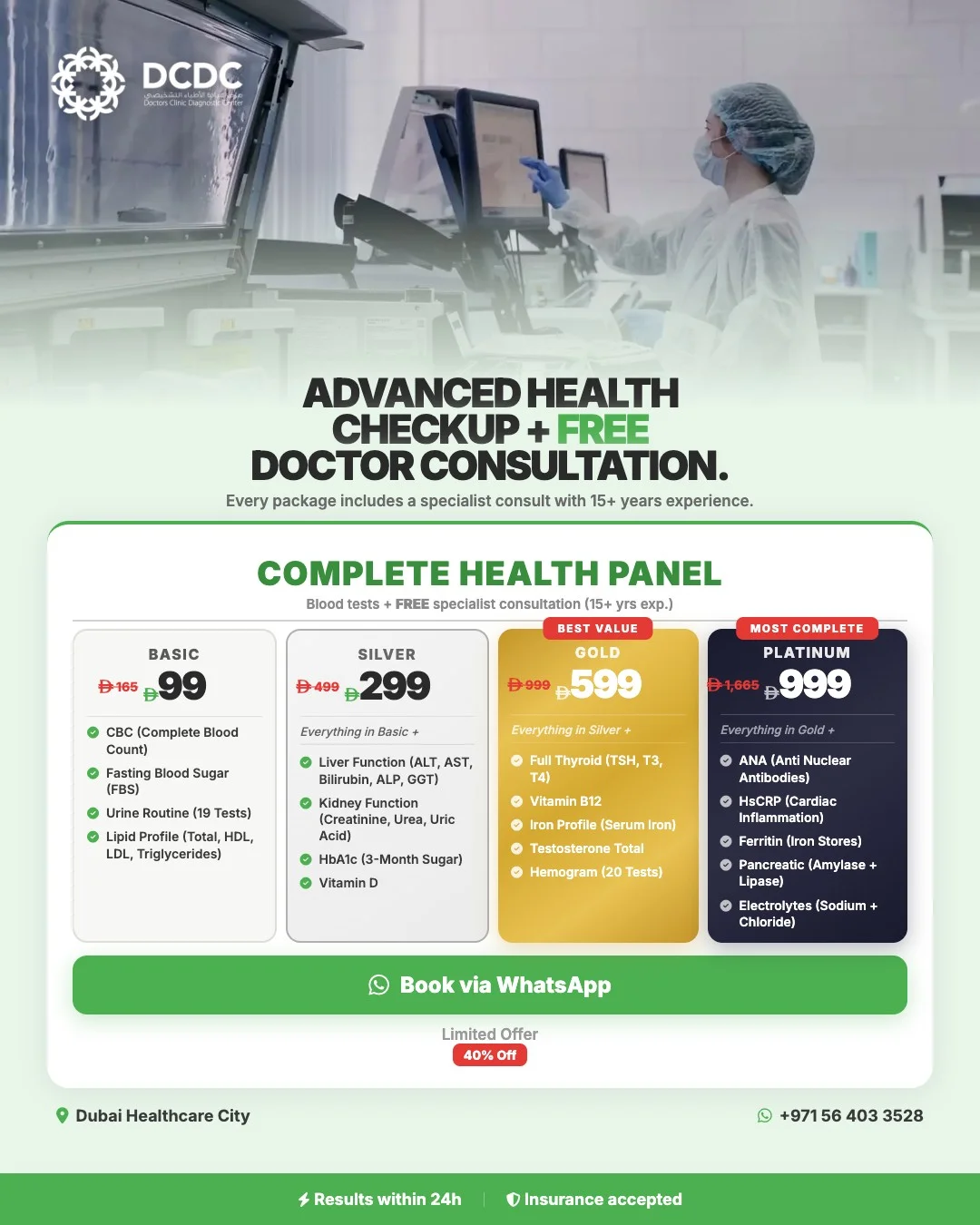
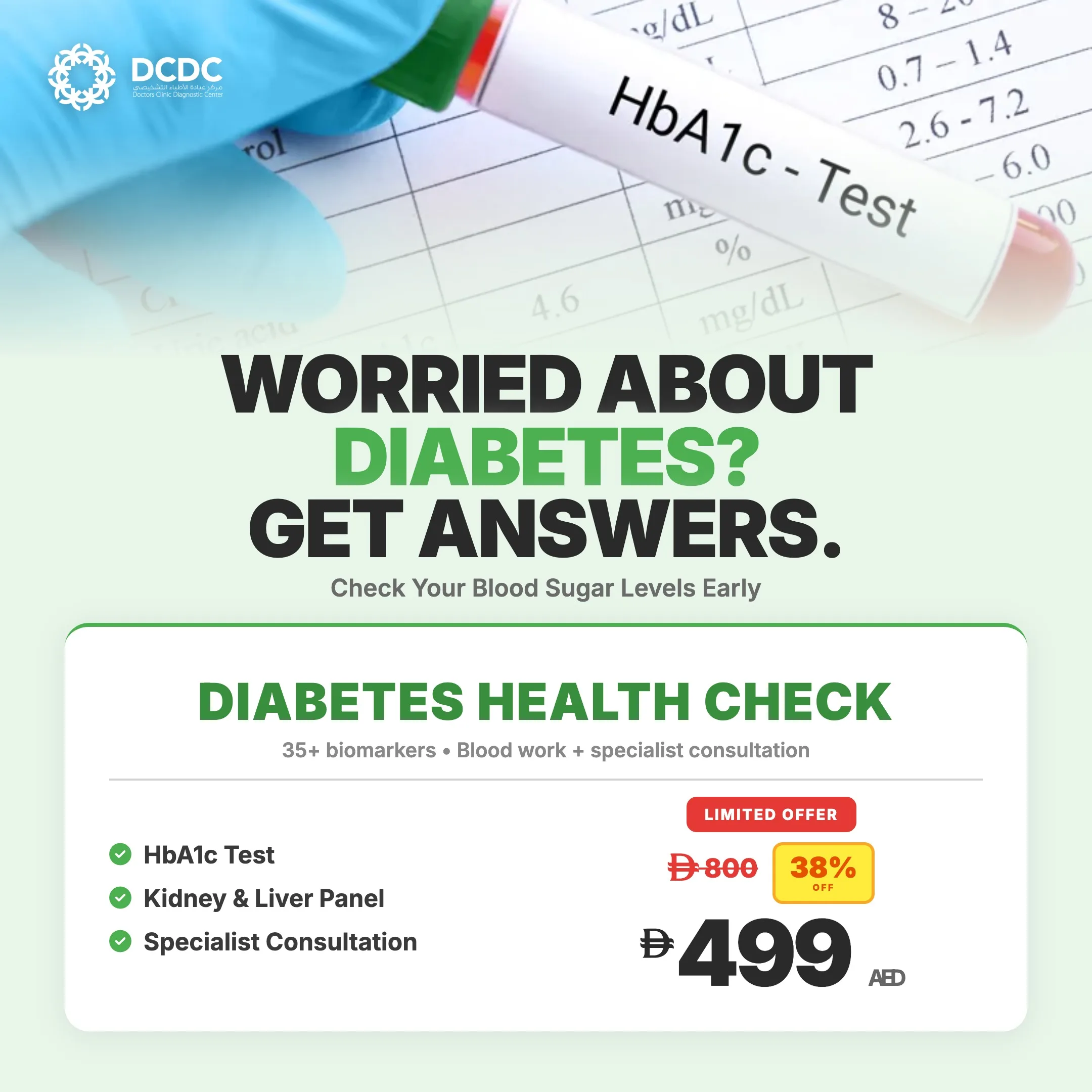
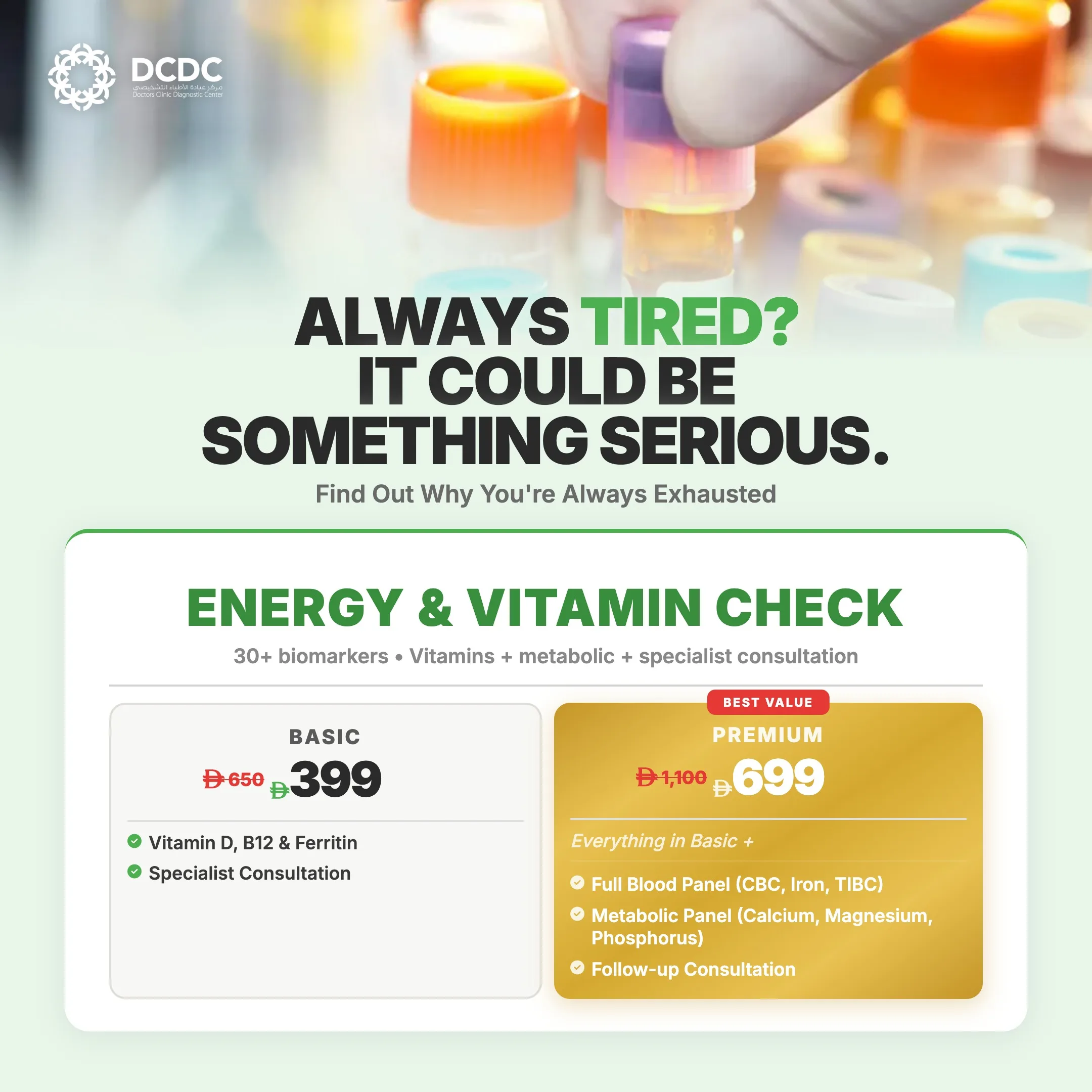
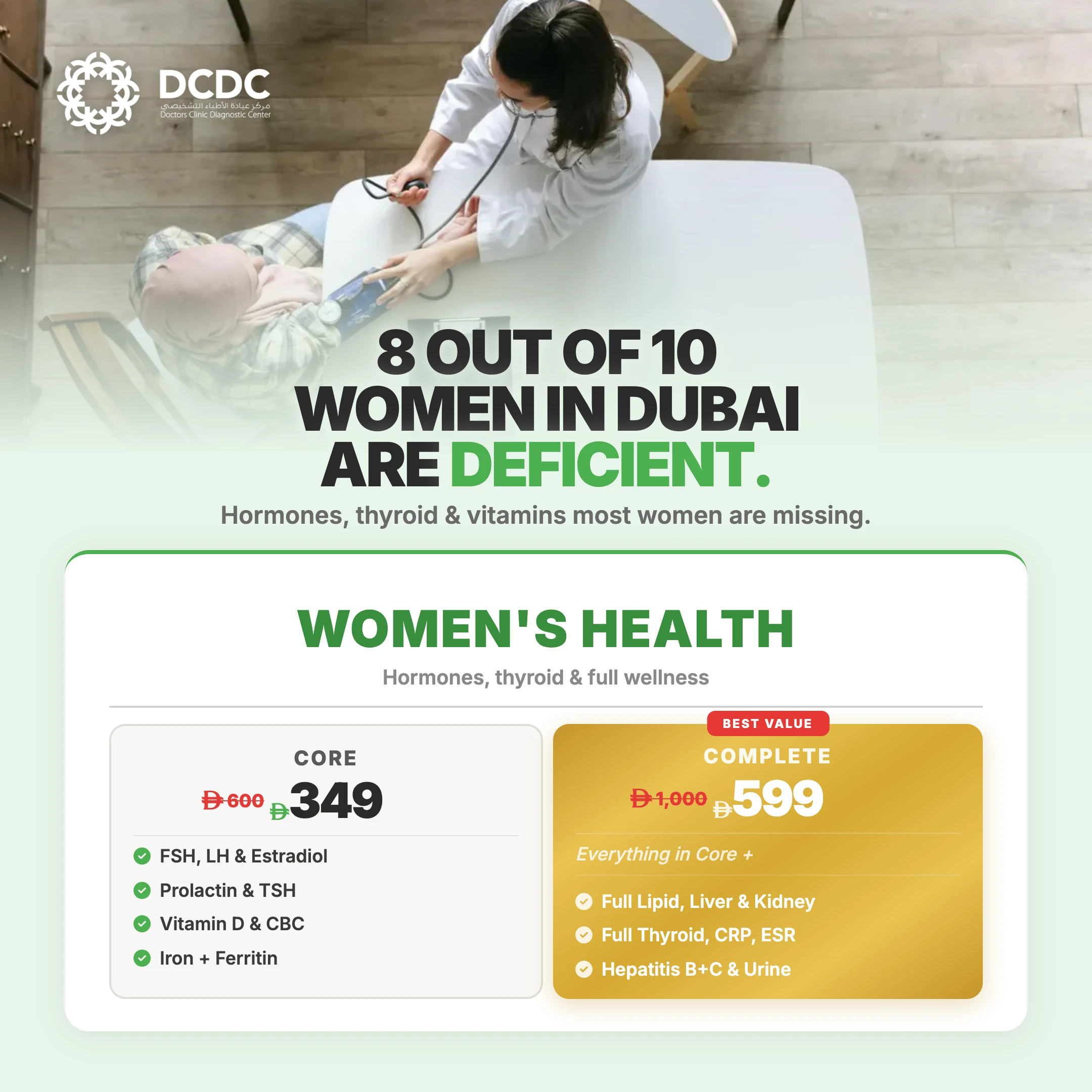
Health Screening Packages
Save with our bundled screening packages — specialist consultation included


What Is the 25-Hydroxy Vitamin D Test?
The 25-hydroxy vitamin D test, often written as 25(OH)D, measures the main circulating form of vitamin D in your blood. Your liver converts vitamin D — whether produced by your skin after sun exposure or absorbed from food and supplements — into 25-hydroxyvitamin D. This metabolite has a half-life of about two to three weeks, making it the most reliable marker of your overall vitamin D status.
There are two forms: vitamin D2 (ergocalciferol, from plant sources) and vitamin D3 (cholecalciferol, from animal sources and skin synthesis). Most modern laboratory assays measure both together as total 25(OH)D. Your result is reported in either ng/mL (nanograms per millilitre) or nmol/L (nanomoles per litre), depending on the laboratory. To convert ng/mL to nmol/L, multiply by 2.496.
Vitamin D Levels Chart: Normal Ranges Explained
The following reference table summarises the clinical classification of vitamin D levels based on guidelines from the Endocrine Society and the Institute of Medicine. Use this chart to identify where your result falls and what it means.
| Classification | ng/mL | nmol/L | What It Means |
|---|---|---|---|
| Severely deficient | Below 10 | Below 25 | High risk of rickets (children) or osteomalacia (adults). Requires medical-supervised high-dose supplementation. |
| Deficient | 10–20 | 25–50 | Below recommended threshold. Associated with bone loss, muscle weakness and increased fracture risk. Supplementation needed. |
| Insufficient | 20–29 | 50–72 | Suboptimal. May not cause obvious symptoms but is linked to impaired calcium absorption. Moderate supplementation recommended. |
| Sufficient | 30–50 | 75–125 | Adequate for bone and overall health. Most guidelines consider this the target range. |
| Optimal | 40–60 | 100–150 | Associated with the best outcomes for musculoskeletal health per the Endocrine Society. No extra supplementation needed. |
| High (caution) | 60–100 | 150–250 | Above target. Not necessarily harmful but supplementation should be reduced. No proven additional health benefit. |
| Toxic | Above 100 | Above 250 | Risk of hypercalcaemia: nausea, kidney stones, cardiac arrhythmia. Stop supplements immediately and seek medical attention. |
Vitamin D blood test reference ranges in ng/mL and nmol/L based on Endocrine Society guidelines
ng/mL vs nmol/L: Understanding the Units
Laboratories in the UAE may report results in either unit. The conversion is straightforward: 1 ng/mL = 2.496 nmol/L. For example, a result of 20 ng/mL equals approximately 50 nmol/L. If your report uses nmol/L and the chart above uses ng/mL, divide your nmol/L value by 2.5 for a quick estimate.
Why Vitamin D Deficiency Is So Common in Dubai
It seems paradoxical: Dubai averages over 3,500 hours of sunshine per year, yet research published in the Journal of Steroid Biochemistry and Molecular Biology found vitamin D deficiency rates of 30–90% among UAE residents depending on the population studied. Several factors explain this gap.
- Extreme heat forces people indoors. Summer temperatures regularly exceed 45°C, meaning most residents spend the majority of daylight hours in air-conditioned buildings, malls, and cars. Effective sun exposure is minimal for much of the year.
- Clothing coverage. Cultural and religious dress codes that cover most of the body reduce the skin surface area exposed to ultraviolet B (UVB) radiation, which is essential for vitamin D synthesis.
- Sunscreen use. SPF 30 sunscreen blocks approximately 97% of UVB rays. While sun protection is important for preventing skin cancer, consistent use significantly reduces vitamin D production.
- Darker skin pigmentation. Melanin acts as a natural sunscreen. People with darker skin tones require three to five times more sun exposure to produce the same amount of vitamin D as those with lighter skin.
- Limited dietary sources. Few foods are naturally rich in vitamin D. Oily fish, egg yolks, and fortified dairy provide modest amounts, but diet alone rarely maintains sufficient levels without sun exposure or supplementation.
- Indoor office culture. Many Dubai residents commute from a garage to an office and back, with minimal outdoor time during daylight hours. For a deeper look at deficiency symptoms and treatment, see our guide on vitamin D deficiency in Dubai.
Symptoms by Deficiency Severity
Vitamin D deficiency does not always cause noticeable symptoms, which is why blood testing is the only reliable way to confirm your status. However, as levels drop, symptoms tend to become more apparent.
Mild Deficiency (20–29 ng/mL)
Many people in this range feel completely well. Some may experience subtle fatigue, a general sense of low energy, or occasional muscle aches that they attribute to stress or busy schedules. Calcium absorption is slightly reduced but bone density is typically maintained in the short term.
Moderate Deficiency (10–20 ng/mL)
At this level, symptoms are more likely and may include persistent tiredness that does not improve with rest, frequent muscle cramps or weakness (especially in the thighs and upper arms), diffuse bone pain, mood changes including low mood or irritability, and a tendency to catch colds and infections more frequently. Calcium absorption is measurably impaired, and parathyroid hormone (PTH) levels may rise as the body tries to compensate.
Severe Deficiency (Below 10 ng/mL)
Severe deficiency can lead to osteomalacia in adults, a condition where bones soften and become prone to fractures. Symptoms include significant muscle weakness, difficulty walking or climbing stairs, deep bone pain (particularly in the pelvis, lower back, and legs), and in children, rickets causing bowed legs and delayed growth. This level requires urgent medical attention and supervised high-dose treatment.
Who Is Most at Risk?
While anyone living in Dubai can develop vitamin D deficiency, certain groups face a higher risk and may benefit from more frequent testing.
- Pregnant and breastfeeding women — Vitamin D demands increase during pregnancy to support foetal bone development. Deficiency during pregnancy is linked to gestational diabetes, pre-eclampsia, and low birth weight.
- Older adults (over 65) — The skin’s ability to synthesise vitamin D declines with age, and kidney conversion to the active form becomes less efficient.
- Office workers with minimal outdoor exposure — The typical indoor schedule in Dubai’s climate results in very limited UVB exposure year-round.
- People who wear full-coverage clothing — Less exposed skin area means less vitamin D production, regardless of time spent outdoors.
- People with darker skin tones — Higher melanin levels require longer sun exposure to produce adequate vitamin D.
- People with malabsorption conditions — Conditions such as coeliac disease, Crohn’s disease, and bariatric surgery patients may not absorb vitamin D effectively from food or supplements.
- Obese individuals (BMI over 30) — Vitamin D is fat-soluble and can be sequestered in adipose tissue, reducing its availability in the bloodstream.
What to Do Based on Your Vitamin D Level
The appropriate response depends on where your result falls on the chart. The following guidance is based on Endocrine Society clinical practice guidelines. Always confirm dosing with your doctor, as individual factors such as body weight, kidney function, and medications can affect requirements.
| Your Level (ng/mL) | Recommended Action | Typical Supplement Dose | Retest Interval |
|---|---|---|---|
| Below 10 (severe) | See your doctor promptly. High-dose loading protocol under supervision. | 50,000 IU weekly for 6–8 weeks, then maintenance | 6–8 weeks after loading |
| 10–20 (deficient) | Start supplementation. Consider vitamin D + calcium if dietary intake is low. | 2,000–4,000 IU daily or 50,000 IU weekly for 8 weeks | 8–12 weeks |
| 20–29 (insufficient) | Moderate supplementation recommended. | 1,000–2,000 IU daily | 8–12 weeks |
| 30–50 (sufficient) | Maintain current intake. No treatment change needed. | 600–1,000 IU daily for maintenance | Annually or as advised |
| 40–60 (optimal) | Ideal range. Continue whatever you are doing. | Maintenance dose only | Annually |
| 60–100 (high) | Reduce or stop supplementation. No additional benefit at this level. | Reduce to 600 IU or stop temporarily | 4–6 weeks to confirm decline |
| Above 100 (toxic) | Stop all vitamin D supplements immediately. Seek medical advice for calcium monitoring. | None — stop supplements | Urgent medical follow-up |
Vitamin D supplementation guidance by blood level based on Endocrine Society recommendations
Vitamin D3 (cholecalciferol) is generally preferred over D2 (ergocalciferol) for supplementation because it raises and maintains 25(OH)D levels more effectively. If you are interested in combining your vitamin D and B12 testing, our vitamin D + B12 panel guide explains the combined option at AED 399.
Vitamin D, Calcium, and Bone Health
Vitamin D’s most established role is regulating calcium and phosphorus absorption in the gut. Without adequate vitamin D, you absorb only 10–15% of dietary calcium compared to 30–40% when vitamin D levels are sufficient. This has direct consequences for bone health.
- Osteoporosis risk — Chronic vitamin D deficiency leads to secondary hyperparathyroidism, where the parathyroid glands pull calcium from bones to maintain blood calcium levels. Over time, this accelerates bone density loss.
- Fracture risk — A meta-analysis published in the BMJ found that vitamin D supplementation combined with calcium reduced hip fracture risk by approximately 18% in older adults.
- Muscle function — Vitamin D receptors are present in skeletal muscle. Deficiency impairs muscle strength and balance, increasing fall risk — a major factor in osteoporotic fractures in the elderly.
- Children’s bone development — Severe deficiency in children causes rickets, with softened and weakened bones. Even moderate deficiency during growth years may affect peak bone mass achieved by early adulthood.
If your vitamin D is low and you are concerned about calcium, our guide on calcium deficiency symptoms covers the signs to watch for and when testing is warranted.
Factors That Affect Your Test Results
Several variables can influence your 25(OH)D result, and understanding them helps you interpret your numbers in context.
- Season and recent sun exposure — Levels tend to be slightly higher in summer and lower in winter, though in Dubai the extreme summer heat often means less outdoor time, blunting this effect.
- Time of day for the blood draw — Vitamin D levels do not fluctuate significantly throughout the day, so fasting is not required for this test. You can have it drawn at any time.
- Current supplementation — If you have been taking high-dose vitamin D, your result will reflect recent intake. For a baseline reading, some clinicians suggest pausing supplements for 48 hours before testing, though this is not universally required.
- Body weight — Higher body fat percentage sequesters vitamin D, potentially resulting in lower blood levels even with adequate intake.
- Medications — Some medications including anticonvulsants, glucocorticoids, and certain antifungal drugs can accelerate vitamin D metabolism and lower levels.
- Kidney and liver function — Both organs are involved in converting vitamin D to its active form. Impaired function can affect results. Your doctor may order a broader blood panel if organ function is a concern.
When to Retest Your Vitamin D
The timing of a follow-up test depends on your starting level and the intervention.
- After starting supplementation: Retest in 8–12 weeks. It takes this long for 25(OH)D levels to plateau on a new dose.
- After a loading dose: Retest 6–8 weeks after the loading phase ends and you are on a maintenance dose.
- If levels were sufficient: Annual testing is generally adequate unless new risk factors develop (pregnancy, weight gain, new medications, less outdoor time).
- If levels were toxic or high: Retest in 4–6 weeks after stopping supplements to confirm levels are declining.
For full pricing details on single tests and panels, our vitamin D test cost guide breaks down every option available at DCDC.
What to Expect at DCDC
Getting your vitamin D tested at Doctors Clinic Diagnostic Center (DCDC) in Dubai Healthcare City is straightforward. Here is what the process looks like.
- Arrival and check-in. DCDC is located in Building 64, Block A, Al Razi Medical Complex. Free on-site parking is available, and the clinic is a 10-minute drive from Downtown Dubai and Business Bay. Walk-in appointments are accepted, or you can book ahead via WhatsApp.
- Blood draw. No fasting is required for a vitamin D test. The on-site laboratory team collects a small blood sample from your arm — the draw takes under five minutes.
- Results. Same-day results are available for routine vitamin panels. You can access your report through the patient portal without needing to return to the clinic.
- Review with a GP. If your results are outside the normal range, you can book a follow-up consultation (from AED 249) to discuss supplementation, dosage, and any further investigations. Clinic hours are Saturday–Thursday 8 AM–10 PM and Friday 9 AM–9 PM.
- Home collection option. If you prefer to test at home, DCDC’s home blood collection service covers Dubai. Your test costs remain the same, plus a one-time AED 199 collection fee per visit.
- Insurance. DCDC works with 20+ insurance partners including Daman, AXA, Bupa, MetLife, and Cigna, with direct billing so you do not need to pay and claim.
Testing Options and Prices at DCDC
| Test | AED | Includes |
|---|---|---|
| Vitamin D 25-OH (individual) | 99 | 25-hydroxy vitamin D level |
| Vitamin D panel | 149 | 25-OH vitamin D with additional markers |
| Vitamin D + B12 panel | 399 | 25-OH vitamin D and vitamin B12 together |
| Home collection fee | 199 | Per visit (added to test prices above) |
| GP consultation | From 249 | Results review and supplementation plan |
DCDC vitamin D testing options with approved prices (2026)
Check Your Vitamin D Level Today
Book a vitamin D blood test at DCDC in Dubai Healthcare City for AED 99. Same-day results, walk-in welcome, home collection available.
Call +971 54 219 5008 or WhatsApp +971 50 970 3884
Vitamin D Levels in Specific Populations
Pregnancy
The Endocrine Society recommends pregnant and breastfeeding women maintain levels of at least 40 ng/mL (100 nmol/L) and suggests supplementation of 1,500–2,000 IU daily may be needed to achieve this. Deficiency during pregnancy has been associated with gestational diabetes, pre-eclampsia, preterm birth, and low birth weight in observational studies.
Children and Adolescents
Children aged 1–18 years need at least 600 IU daily according to the Institute of Medicine, with the Endocrine Society suggesting up to 1,000 IU daily for those at risk of deficiency. Infants under 12 months should receive 400 IU daily regardless of feeding method. Levels below 20 ng/mL in children warrant supplementation and investigation for contributing factors.
Older Adults
Adults over 65 are recommended 800–2,000 IU daily. Combined vitamin D and calcium supplementation is the most evidence-supported approach for reducing fracture risk in this group. If you have concerns about bone density, a DEXA scan can measure your bone mineral density and help guide treatment.
Common Misconceptions About Vitamin D
- “I live in a sunny country, so I can’t be deficient.” This is the single most common misconception in the UAE. As outlined above, indoor lifestyles, clothing coverage, and heat avoidance make deficiency very common regardless of latitude.
- “More is always better.” Vitamin D has an upper safety limit. The Endocrine Society sets the tolerable upper intake at 10,000 IU daily for adults, but toxicity can occur with prolonged high doses. Blood levels above 100 ng/mL carry a risk of hypercalcaemia and kidney damage.
- “You can get enough from food alone.” Very few foods contain meaningful amounts. You would need to eat roughly 5–6 servings of fatty fish daily to meet 2,000 IU from diet alone. Supplementation or sun exposure is necessary for most people.
- “Window glass lets through enough sunlight.” Glass blocks UVB radiation, which is the wavelength responsible for vitamin D synthesis. Sitting by a window does not contribute to vitamin D production.
Related Services at DCDC
Expert care and advanced diagnostics at Dubai Healthcare City
Frequently Asked Questions
Final Thoughts
Your vitamin D level is one of the most actionable numbers on a blood test. Whether your result is mildly insufficient or severely deficient, the solution is well established: the right dose of supplementation, a follow-up test to confirm improvement, and ongoing maintenance. In Dubai, where the paradox of sunshine and deficiency is well documented, proactive testing is the most reliable way to protect your bone health, energy levels, and immune function.
If you have received your vitamin D results and are unsure what to do next, a GP consultation at DCDC (from AED 249) can help you create a personalised supplementation plan based on your specific level, medical history, and lifestyle. Walk-in appointments are available at the Dubai Healthcare City clinic, or call +971 54 219 5008 to book.
Sources & References
This article references the following sources:
- Endocrine Society — Evaluation, Treatment, and Prevention of Vitamin D Deficiency: Clinical Practice Guideline
- Institute of Medicine — Dietary Reference Intakes for Calcium and Vitamin D
- Vitamin D deficiency in the UAE: prevalence and contributing factors (systematic review)
- BMJ — Vitamin D supplementation and fracture prevention (meta-analysis)
- Mayo Clinic — Vitamin D: How much is enough?
- Cleveland Clinic — Vitamin D Deficiency
This information is educational and does not replace individual medical advice. See our editorial policy for more information.

Written by
Dr. Hadeel Elnur
General Practitioner
MD, General Practice
Dr. Hadeel Elnur is a General Practitioner at Doctors Clinic Diagnostic Center (DCDC) in Dubai Healthcare City.
Related Articles

Vitamin D Deficiency Dubai: Signs & Treatment

Vitamin D Test Cost Dubai: From AED 99
Vitamin D + B12 Panel Dubai: AED 399

Calcium Deficiency Signs Dubai: Guide
Vitamin B12 Deficiency Dubai: Signs & Tests
More in Laboratory

ANA Test Dubai: Positive Result, Titre & Pattern Explained
Read More
Autoimmune Panel Test Dubai: ANA & Guide (2026)
Read MoreBlood Test at Home in Dubai: Home Collection Service & Walk-In Alternative (2026)
Read More
CBC Test Results Explained: Normal Ranges by Age & Sex
Read MoreCheapest Blood Test Dubai: Price Comparison Guide (2026)
Read MoreCRP Test Dubai: Normal Range, High CRP Meaning & Price
Read More© 2026 Doctors Clinic Diagnostic Center (DCDC), Dubai Healthcare City. Originally published at https://doctorsclinicdubai.ae/blog/vitamin-d-levels-normal-range-dubai. All rights reserved. Unauthorized reproduction is prohibited.