Key Takeaways
- Pre-diabetes means your blood sugar is elevated but not yet high enough for a diabetes diagnosis, with HbA1c between 5.7% and 6.4% or fasting glucose between 100 and 125 mg/dL
- The UAE has one of the highest diabetes rates globally, with up to 30% of adults estimated to be diabetic or pre-diabetic, making regular screening essential
- Pre-diabetes is reversible through lifestyle changes: the landmark Diabetes Prevention Program study showed a 58% reduction in progression to type 2 diabetes with modest weight loss and regular exercise
- Most people with pre-diabetes have no obvious symptoms, which is why 8 in 10 adults with the condition do not know they have it until screening detects it
- Losing just 5% to 7% of body weight and exercising 150 minutes per week are the two most effective interventions for reversing pre-diabetes
- At DCDC in Dubai Healthcare City, diabetes screening starts from AED 399, with HbA1c results available on the same day from our on-site laboratory
Pre-diabetes is a metabolic warning state in which blood sugar levels are higher than normal but not yet high enough to be classified as type 2 diabetes. In the UAE, where up to 30% of the adult population is estimated to be diabetic or pre-diabetic, recognizing and acting on this condition early is critical. The good news is that pre-diabetes is reversible. With the right combination of dietary changes, physical activity, and medical guidance, most people can bring their blood sugar back to normal and significantly reduce their risk of developing full-blown diabetes. At DCDC's Diabetes Clinic in Dubai Healthcare City, we offer comprehensive pre-diabetes screening and prevention programs to help you take control before it is too late.
This guide covers everything you need to know about pre-diabetes in Dubai: what causes it, how it is diagnosed, who is most at risk, and the evidence-based strategies proven to reverse it. Whether you have been told your blood sugar is borderline or you want to understand your risk, this article provides clear, actionable medical information grounded in the latest clinical guidelines from the American Diabetes Association, the World Health Organization, and the UAE's own public health data.
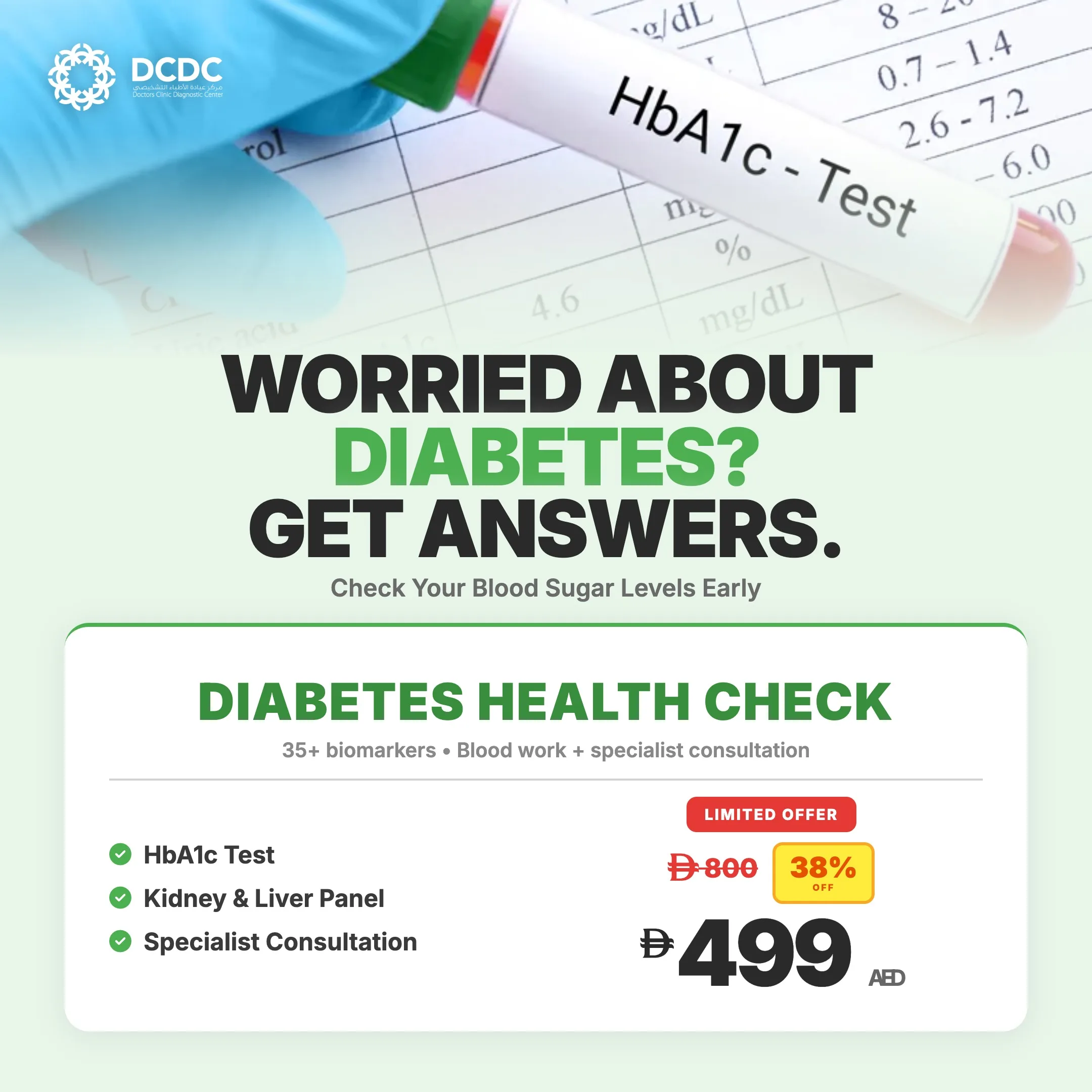
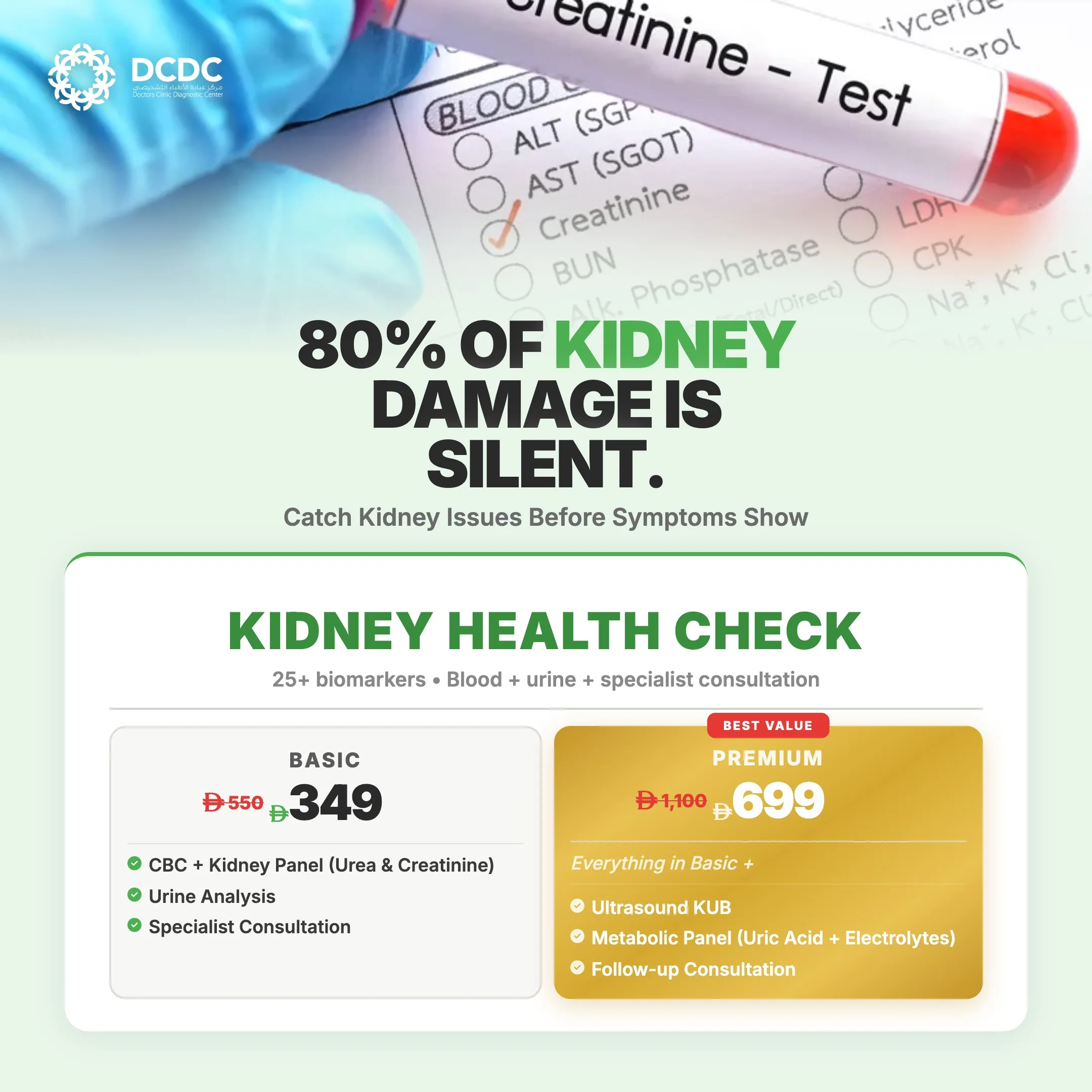
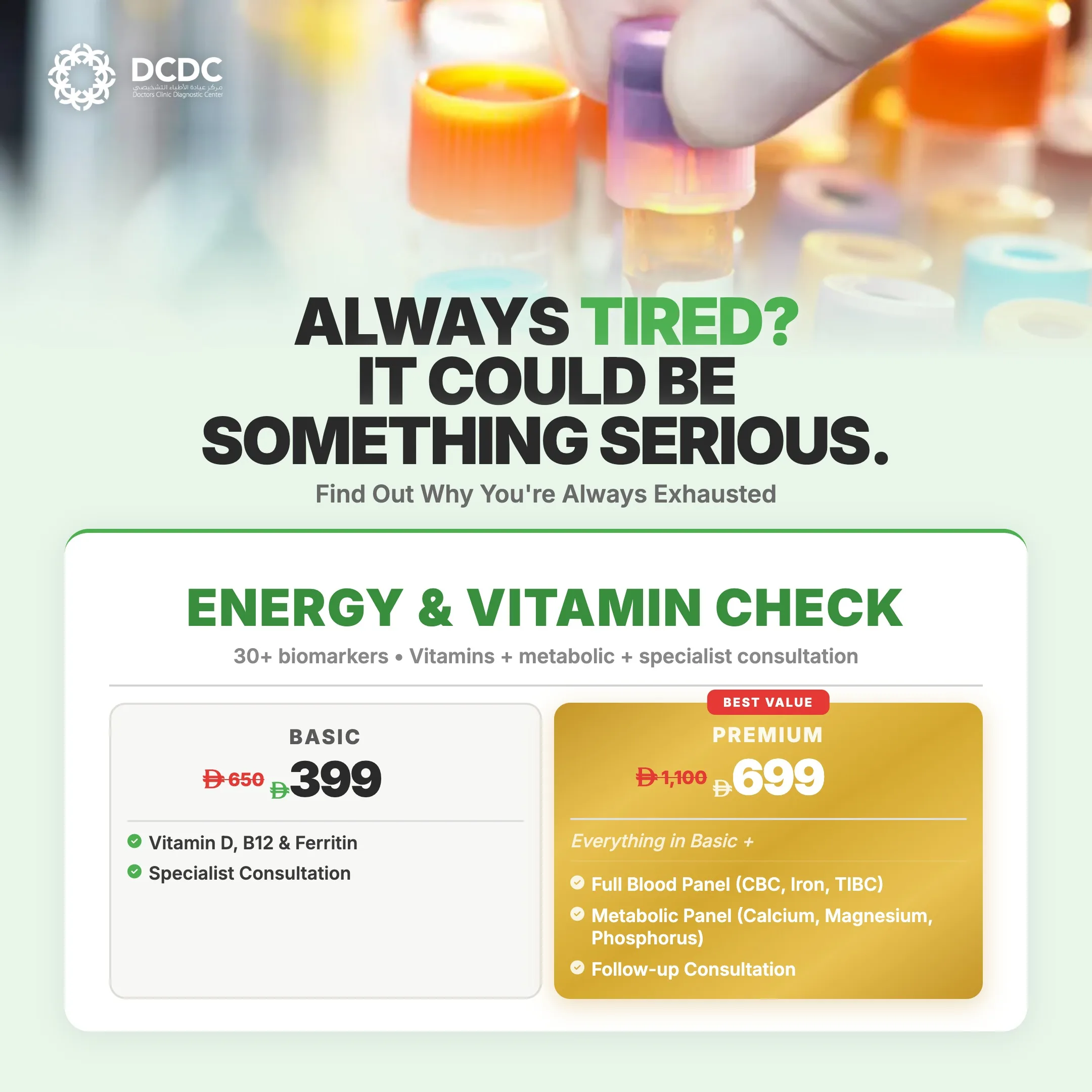
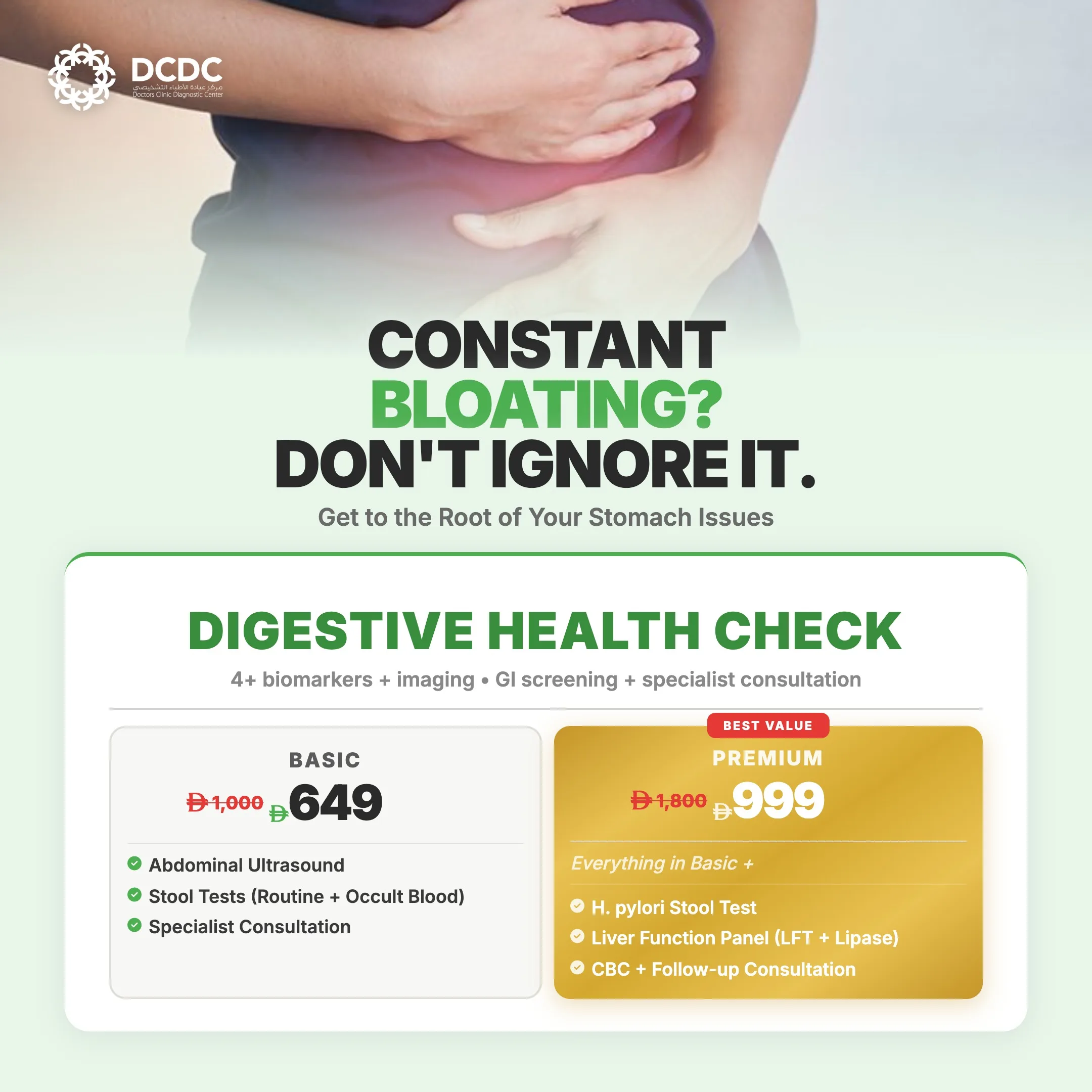
Health Screening Packages
Save with our bundled screening packages — specialist consultation included


What Is Pre-Diabetes?
Pre-diabetes is a condition in which your body's ability to regulate blood sugar has begun to deteriorate, but has not yet reached the threshold for a type 2 diabetes diagnosis. Think of it as a metabolic warning light. Your pancreas is still producing insulin, but your cells are becoming increasingly resistant to it, meaning glucose stays in the bloodstream longer than it should. Over time, the pancreas works harder to compensate, and if nothing changes, it eventually cannot keep up, leading to type 2 diabetes.
The clinical terms for pre-diabetes include impaired fasting glucose (IFG), impaired glucose tolerance (IGT), and elevated HbA1c. Each refers to a different measurement, but all point to the same underlying problem: your blood sugar regulation is compromised. Crucially, pre-diabetes is not a life sentence. Multiple large-scale studies, including the Diabetes Prevention Program (DPP) trial, have demonstrated that lifestyle changes can reverse the condition and prevent progression to diabetes in the majority of cases.
Pre-Diabetes Diagnostic Criteria: HbA1c and Fasting Glucose Ranges
Pre-diabetes is diagnosed through simple blood tests. The three primary tests used are fasting plasma glucose (FPG), the oral glucose tolerance test (OGTT), and the HbA1c test. Each has specific ranges that define normal, pre-diabetic, and diabetic status. Understanding these numbers helps you interpret your own lab results and have more informed conversations with your doctor.
| Test | Normal | Pre-Diabetes | Diabetes |
|---|---|---|---|
| Fasting Plasma Glucose | Below 100 mg/dL (5.6 mmol/L) | 100-125 mg/dL (5.6-6.9 mmol/L) | 126 mg/dL or above (7.0 mmol/L) |
| HbA1c | Below 5.7% | 5.7%-6.4% | 6.5% or above |
| Oral Glucose Tolerance Test (2-hour) | Below 140 mg/dL (7.8 mmol/L) | 140-199 mg/dL (7.8-11.0 mmol/L) | 200 mg/dL or above (11.1 mmol/L) |
Diagnostic thresholds based on American Diabetes Association 2026 Standards of Care
The HbA1c test is particularly useful because it reflects your average blood sugar over the previous two to three months, rather than a single snapshot. This makes it less affected by day-to-day variations in diet and stress. At DCDC, we recommend HbA1c as the primary screening tool because it does not require fasting, making it more convenient for patients. For a detailed explanation of this test and what your results mean, see our complete HbA1c test guide.
It is worth noting that the ADA and WHO thresholds differ slightly. The WHO defines high risk as HbA1c of 6.0% to 6.4%, while the ADA uses 5.7% to 6.4%. At DCDC, we follow the broader ADA range to catch at-risk individuals earlier, which is particularly important given the elevated baseline risk in Dubai's population.
Warning Signs and Symptoms of Pre-Diabetes
One of the most dangerous aspects of pre-diabetes is that it is largely silent. According to the CDC, approximately 80% of people with pre-diabetes do not know they have it. Unlike full diabetes, which often presents with clear symptoms such as excessive thirst, frequent urination, and unexplained weight loss, pre-diabetes rarely produces noticeable symptoms until significant metabolic damage has already occurred.
However, there are subtle early warning signs that may indicate your blood sugar regulation is compromised. If you recognize several of these, particularly in combination with known risk factors, screening is strongly recommended:
- Acanthosis nigricans: Dark, velvety patches of skin, typically on the neck, armpits, groin, or elbows. This is one of the most visible markers of insulin resistance and is often the first sign a clinician notices during a physical examination
- Increased thirst and more frequent urination: As blood sugar rises, your kidneys work harder to filter excess glucose, pulling more water from your body and increasing urination, which in turn triggers thirst
- Persistent fatigue: When cells cannot efficiently absorb glucose for energy due to insulin resistance, you may feel tired even after adequate sleep
- Blurred vision: Elevated blood sugar can cause temporary swelling of the lens in the eye, leading to intermittent blurry vision
- Slow wound healing: Higher-than-normal blood sugar can impair circulation and immune function, leading to cuts and bruises that take longer to heal
- Increased hunger: Insulin resistance means glucose is not entering cells efficiently, so your body signals for more food even though blood sugar levels are elevated
- Unexplained weight gain, especially around the abdomen: Central obesity is both a risk factor for and a symptom of insulin resistance and pre-diabetes
- Tingling or numbness in hands and feet: In some cases, even mild chronic hyperglycemia can begin to affect nerve endings, though this is more common in established diabetes
Because these symptoms are subtle and develop gradually, they are easy to dismiss. This is why proactive screening, particularly if you have risk factors, is the most reliable way to detect pre-diabetes early. To learn more about the relationship between insulin resistance and these warning signs, read our guide on insulin resistance signs and testing.
Who Is at Risk? Pre-Diabetes Risk Factors in Dubai
The UAE has one of the highest rates of diabetes and pre-diabetes in the world. The International Diabetes Federation estimates that the UAE's diabetes prevalence among adults is approximately 16%, placing it among the top 10 countries globally. But behind every diabetes diagnosis, there was a pre-diabetes stage that went undetected or unaddressed. Understanding the risk factors that are particularly prevalent in Dubai helps determine whether you should be screened.
General Risk Factors
- Age 35 and older: The ADA recommends screening for all adults beginning at age 35, though earlier screening is warranted if other risk factors are present
- Overweight or obesity: A BMI of 25 or above (or 23 or above for Asian populations) significantly increases risk. Abdominal fat is particularly harmful
- Family history: Having a parent or sibling with type 2 diabetes increases your risk substantially
- Physical inactivity: Exercising fewer than three times per week is an independent risk factor
- History of gestational diabetes: Women who had diabetes during pregnancy have a 50% higher lifetime risk of developing type 2 diabetes
- Polycystic ovary syndrome (PCOS): PCOS is strongly linked to insulin resistance and pre-diabetes
- Ethnicity: South Asian, Middle Eastern, African, and Hispanic populations have higher genetic predisposition to insulin resistance
Dubai-Specific Lifestyle Risk Factors
Dubai's environment creates a unique combination of risk factors that accelerate the development of pre-diabetes and diabetes. The extreme summer heat, with temperatures regularly exceeding 45 degrees Celsius, discourages outdoor physical activity for much of the year. Air-conditioned indoor lifestyles, car-dependent transportation, and abundant access to high-calorie foods create a perfect storm for metabolic disorders.
- Hot climate and sedentary lifestyle: The summer heat means most residents spend 6 to 8 months of the year in largely indoor environments, reducing daily step counts and overall physical activity
- High-calorie dietary habits: Dubai's food culture, which includes frequent dining out, large portion sizes, and high availability of sugary beverages, contributes to caloric excess
- Stress and irregular work schedules: The demands of Dubai's fast-paced work environment can lead to stress eating, poor sleep, and elevated cortisol levels, all of which worsen insulin resistance
- Vitamin D deficiency: Despite living in a sunny region, many Dubai residents have low vitamin D levels due to indoor lifestyles and limited sun exposure, and vitamin D deficiency has been linked to increased diabetes risk
- Ramadan fasting: While intermittent fasting can have metabolic benefits, the pattern of prolonged daytime fasting followed by large, calorie-dense evening meals during Ramadan can cause blood sugar fluctuations, particularly in people already at risk for pre-diabetes
These factors explain why pre-diabetes and diabetes rates in the UAE remain among the highest globally despite high levels of economic development and healthcare access. The condition is driven by lifestyle as much as by genetics, which also means it can be reversed through lifestyle change. For a broader look at how these metabolic risk factors cluster together, see our article on metabolic syndrome warning signs.
How Pre-Diabetes Is Diagnosed: Tests and What to Expect
Diagnosing pre-diabetes requires a blood test. There is no physical exam finding or set of symptoms that can definitively confirm the diagnosis. The three tests used, as outlined in the diagnostic criteria table above, each have specific advantages.
HbA1c (Glycated Hemoglobin)
This is the most convenient screening test because it does not require fasting. The HbA1c measures the percentage of hemoglobin in your red blood cells that has glucose attached to it, providing a reliable average of your blood sugar over the past two to three months. A result between 5.7% and 6.4% indicates pre-diabetes. It is important to note that certain conditions, including iron deficiency anemia, hemoglobin variants, and recent blood transfusions, can affect HbA1c accuracy, which is why your doctor may order additional tests if results are borderline.
Fasting Plasma Glucose (FPG)
This test requires an overnight fast of at least 8 hours. A result between 100 and 125 mg/dL indicates pre-diabetes. It is simple, inexpensive, and widely available, but captures only a single point in time. Some people have normal fasting glucose but abnormal post-meal glucose responses, which is why combining FPG with HbA1c provides a more complete picture.
Oral Glucose Tolerance Test (OGTT)
This test involves drinking a 75-gram glucose solution after an overnight fast, with blood sugar measured two hours later. A result between 140 and 199 mg/dL indicates pre-diabetes. The OGTT is the most sensitive test for detecting impaired glucose tolerance but is less commonly used for routine screening due to the time required. It is particularly useful for women with a history of gestational diabetes. For an overview of all available diabetes-related tests and their costs, see our guide on diabetes test costs in Dubai.
Diabetes Screening Costs in Dubai
Cost should never be a barrier to screening, particularly when early detection of pre-diabetes can prevent the enormous long-term costs of managing type 2 diabetes and its complications. Below is a comparison of typical diabetes screening costs in Dubai.
| Test / Package | DCDC Price | Dubai Average | Notes |
|---|---|---|---|
| Fasting Blood Glucose | From AED 99 | AED 99 | Requires 8-12 hours fasting |
| HbA1c Test | From AED 149 | AED 149 | No fasting required, reflects 2-3 month average |
| Diabetes Screening Panel (FBG + HbA1c + Lipid Profile) | From AED 399 | AED 400-800 | Comprehensive metabolic assessment |
| Basic Health Checkup (includes diabetes markers) | From AED 249 | AED 500-1,200 | Includes blood count, liver, kidney, thyroid + diabetes |
| Comprehensive Health Package | From AED 799 | AED 1,500-3,500 | Full metabolic panel, hormone, vitamin, cardiac markers |
| Oral Glucose Tolerance Test (OGTT) | From AED 199 | AED 200-400 | Requires fasting, 2-hour test with glucose drink |
Diabetes screening costs at DCDC vs. Dubai averages (2026). Insurance coverage applies with most major providers.
At DCDC, diabetes screening starts from AED 399 for a comprehensive panel, and basic health checkup packages including diabetes markers begin from AED 249. We partner with 20+ insurance providers for direct billing, meaning most patients pay nothing out of pocket for medically indicated screening tests. For patients without insurance, we offer competitive self-pay rates and payment flexibility through Tabby's interest-free installment plans. For a complete breakdown of all health screening options and pricing, visit our health checkup cost guide.
How to Reverse Pre-Diabetes: Evidence-Based Strategies
The most important message about pre-diabetes is this: it is reversible. The landmark Diabetes Prevention Program (DPP) study, funded by the National Institutes of Health and published in the New England Journal of Medicine, demonstrated that lifestyle intervention reduced the risk of progressing from pre-diabetes to type 2 diabetes by 58%. For participants aged 60 and older, the risk reduction was even greater, at 71%. These results have been replicated in studies across multiple countries and populations.
The DPP's lifestyle intervention was built on two core goals: achieving a minimum of 7% weight loss and completing at least 150 minutes of moderate-intensity physical activity per week (equivalent to brisk walking for about 30 minutes, five days a week). Over a 10-year follow-up period, the lifestyle group maintained a 34% lower incidence of diabetes compared to the placebo group, demonstrating that the benefits are sustained long-term.
Dietary Changes
- Reduce refined carbohydrates and added sugars: White bread, white rice, sugary drinks, and processed snacks cause rapid blood sugar spikes. Replace them with whole grains, legumes, and vegetables
- Increase fiber intake: Aim for 25-30 grams of fiber daily from vegetables, fruits, whole grains, and legumes. Fiber slows glucose absorption and improves insulin sensitivity
- Control portion sizes: Even healthy foods contribute to weight gain when consumed in excess. Use smaller plates, measure servings, and be mindful of caloric intake when dining out
- Choose healthy fats: Replace saturated and trans fats with monounsaturated and polyunsaturated fats from olive oil, nuts, seeds, and fatty fish
- Limit sugary beverages: Soft drinks, fruit juices, sweetened coffee drinks, and energy drinks are among the largest contributors to excess sugar intake in Dubai. Switching to water, unsweetened tea, or black coffee can make a significant difference
- Consider the Mediterranean or DASH diet: Both dietary patterns have strong evidence supporting improved insulin sensitivity and reduced diabetes risk
Physical Activity
- 150 minutes per week of moderate exercise: This is the minimum threshold supported by research. Brisk walking, swimming, cycling, or using an elliptical machine all qualify
- Add resistance training: Strength training two to three times per week helps build muscle mass, which improves glucose uptake and insulin sensitivity
- Break up prolonged sitting: Stand up and move for two to three minutes every 30 minutes during the workday. Studies show that breaking up sedentary time improves post-meal blood sugar levels
- Exercise indoors during summer: In Dubai, the heat makes outdoor exercise impractical for much of the year. Gyms, shopping mall walking tracks, indoor swimming pools, and home workout programs provide year-round options
Weight Management
Losing just 5% to 7% of your body weight is the single most powerful intervention for reversing pre-diabetes. For a person weighing 90 kg, that means losing 4.5 to 6.3 kg. This modest amount of weight loss has been shown to restore insulin sensitivity, reduce fasting glucose levels, and lower HbA1c. The ADA's 2026 Standards of Care recommend that adults with pre-diabetes who are overweight or obese should aim for this target through a combination of dietary changes and increased physical activity.
Medical Treatment Options for Pre-Diabetes
While lifestyle modification is the first-line treatment for pre-diabetes, some patients may benefit from pharmacological intervention, particularly if lifestyle changes alone are insufficient or if multiple risk factors are present.
Metformin
Metformin is the most commonly studied medication for pre-diabetes prevention. In the DPP study, metformin reduced the risk of developing type 2 diabetes by 31%, compared to the 58% reduction achieved with lifestyle changes. The ADA's 2026 guidelines recommend considering metformin for pre-diabetic patients who are under 60, have a BMI of 35 or higher, or have a history of gestational diabetes. However, it is not a substitute for lifestyle changes, and the evidence shows that lifestyle intervention is more effective long-term.
GLP-1 Receptor Agonists
Newer medications such as semaglutide and liraglutide, which are primarily used for type 2 diabetes and obesity management, have shown promise in pre-diabetes prevention through their effects on weight loss and blood sugar control. While not yet standard of care for pre-diabetes specifically, your doctor may discuss these options if you have significant obesity alongside pre-diabetes.
Continuous Glucose Monitoring (CGM)
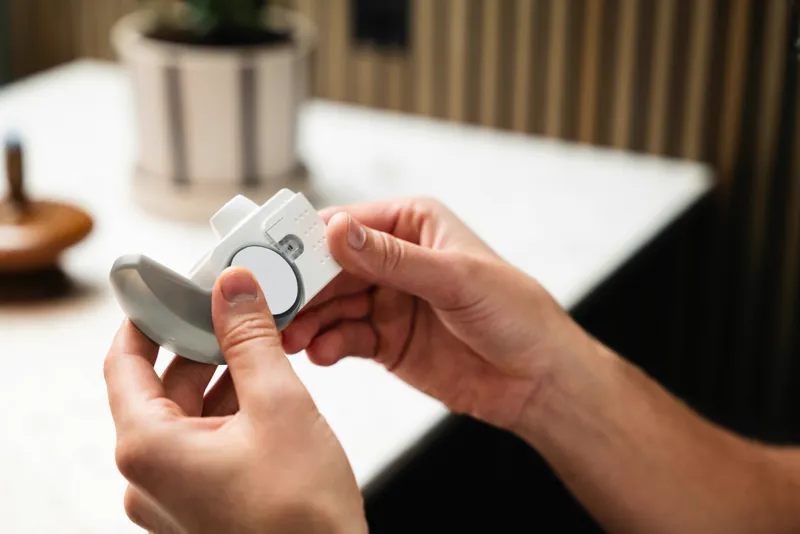
Continuous glucose monitors are small wearable devices that track blood sugar levels throughout the day and night, providing real-time data on how your body responds to different foods, exercise, stress, and sleep. While traditionally used for diabetes management, CGMs are increasingly being used by pre-diabetic patients as a motivational and educational tool. Seeing the immediate impact of a sugary meal or a brisk walk on your glucose levels can be a powerful catalyst for behavior change. At DCDC, we offer CGM support and can help you interpret the data in the context of your overall metabolic health. For more on managing the full spectrum of diabetes, from pre-diabetes through established disease, see our comprehensive diabetes management guide.
Pre-Diabetes Screening at DCDC Dubai Healthcare City
Concerned about your blood sugar? At DCDC's Diabetes Clinic, we offer comprehensive pre-diabetes screening from AED 399 with same-day HbA1c results from our on-site laboratory. Walk-ins welcome Saturday to Thursday, 8 AM to 10 PM. Direct billing with 20+ insurance partners.
Call us or send a WhatsApp message to book your screening appointment today.
Ramadan and Pre-Diabetes: Special Considerations
Ramadan fasting presents unique challenges and opportunities for people with pre-diabetes. The extended daylight fasting period (typically 13 to 15 hours in the UAE) followed by Iftar meals can significantly affect blood sugar patterns. Understanding how to navigate Ramadan safely is important for the large Muslim population in Dubai.
- Post-fasting blood sugar spikes: Large, carbohydrate-heavy Iftar meals after a long fast can cause sharp blood sugar rises. Breaking the fast with dates, water, and a moderate meal rather than a heavy feast helps prevent spikes
- Suhoor meal planning: The pre-dawn meal should include slow-digesting foods such as whole grains, protein, and healthy fats to sustain blood sugar levels through the fasting period
- Hydration: Dehydration during fasting hours can concentrate blood glucose. Drink plenty of water between Iftar and Suhoor
- Exercise timing: Light exercise after Iftar, once blood sugar has stabilized, is generally safe and beneficial. Avoid intense exercise during fasting hours when blood sugar may drop too low
- Monitoring: If you have pre-diabetes, consider more frequent glucose monitoring during Ramadan. A CGM device can be particularly helpful for tracking patterns throughout the fasting day
It is important to consult your doctor before Ramadan if you have been diagnosed with pre-diabetes. Your healthcare provider can help you plan your meals, adjust any medications, and set up a monitoring schedule to ensure safe fasting.
What to Expect at DCDC: Your Pre-Diabetes Screening Journey
At Doctors Clinic Diagnostic Center (DCDC) in Dubai Healthcare City, we have streamlined the pre-diabetes screening process to be as efficient and convenient as possible. Here is what a typical screening visit looks like:
- Step 1 - Walk in or book ahead: You can visit DCDC without an appointment during our operating hours (Saturday to Thursday, 8 AM to 10 PM; Friday, 9 AM to 9 PM). We are located in Building 64, Block A, Al Razi Medical Complex, DHCC, with free parking available
- Step 2 - Registration and insurance verification: Our reception team verifies your insurance (we work with 20+ providers for direct billing) and registers you within minutes. Self-pay patients receive transparent pricing upfront
- Step 3 - Blood draw: Our experienced phlebotomists draw a small blood sample for your diabetes screening panel, which typically includes HbA1c, fasting blood glucose (if fasting), and a lipid profile. The blood draw takes less than five minutes
- Step 4 - Same-day results: Because DCDC has a fully equipped on-site laboratory, routine blood test results including HbA1c are available on the same day, often within a few hours. You do not need to wait days for an external lab to process your sample
- Step 5 - Doctor consultation: Once your results are ready, you meet with your doctor (such as Dr. Hadeel Elnur, our General Practitioner) to review your numbers in detail. If your results fall in the pre-diabetic range, your doctor will explain what the numbers mean, assess your overall risk profile, and create a personalized prevention plan
- Step 6 - Prevention plan and follow-up: Your prevention plan may include dietary recommendations, an exercise prescription, referrals to specialists if needed, and a follow-up testing schedule (typically repeat HbA1c in 3 to 6 months). For patients who would benefit from continuous monitoring, we can set up CGM devices and teach you how to interpret the data
Dr. Hadeel Elnur notes: "In Dubai, I see many patients who are surprised to learn their blood sugar is in the pre-diabetic range. The hot climate, indoor lifestyle, and the rich food culture here all contribute. But I always tell my patients that pre-diabetes is a wake-up call, not a diagnosis of diabetes. With the right changes, most people can reverse it completely. The key is catching it early through regular screening, which is why I encourage anyone over 35, or younger with risk factors, to get tested."
Pre-Diabetes vs. Type 2 Diabetes: Understanding the Difference
While pre-diabetes and type 2 diabetes exist on the same metabolic spectrum, they are distinct conditions with different implications for treatment and prognosis. Understanding the differences helps clarify why early action during the pre-diabetes stage is so valuable.
| Feature | Pre-Diabetes | Type 2 Diabetes |
|---|---|---|
| HbA1c | 5.7%-6.4% | 6.5% or above |
| Fasting Glucose | 100-125 mg/dL | 126 mg/dL or above |
| Reversibility | Fully reversible with lifestyle changes | Can be managed and sometimes achieve remission, but harder to reverse |
| Symptoms | Usually none (silent condition) | Thirst, frequent urination, fatigue, weight loss |
| Treatment | Lifestyle changes, possibly metformin | Lifestyle changes, oral medications, possibly insulin |
| Complications | Increased cardiovascular risk begins | Kidney disease, nerve damage, vision loss, cardiovascular disease |
| Progression Risk | 5-10% per year progress to diabetes without intervention | Progressive condition requiring ongoing management |
Key differences between pre-diabetes and type 2 diabetes
Without intervention, approximately 5% to 10% of people with pre-diabetes will progress to type 2 diabetes each year, and up to 70% will develop diabetes at some point in their lifetime. With intervention, these numbers drop dramatically. This window of opportunity is what makes the pre-diabetes stage so critical. For a deeper comparison of diabetes types, their causes, and treatment differences, see our guide on type 1 vs. type 2 diabetes.
Long-Term Health Risks of Untreated Pre-Diabetes
Even before pre-diabetes progresses to full type 2 diabetes, the elevated blood sugar levels can begin to cause damage. Research has shown that cardiovascular risk increases during the pre-diabetic stage, and some complications traditionally associated with diabetes actually begin during pre-diabetes.
- Cardiovascular disease: Pre-diabetes is an independent risk factor for heart disease and stroke. The chronic low-grade inflammation and endothelial dysfunction associated with insulin resistance begin to affect blood vessels well before a diabetes diagnosis
- Kidney damage: Studies have found early signs of kidney dysfunction, including microalbuminuria, in some patients with pre-diabetes
- Early nerve damage: Peripheral neuropathy, which causes tingling, numbness, or pain in the extremities, can begin during the pre-diabetic stage in some individuals
- Non-alcoholic fatty liver disease (NAFLD): Insulin resistance is a primary driver of fat accumulation in the liver. Many patients with pre-diabetes already have NAFLD, which can progress to more serious liver disease
- Increased cancer risk: Some studies have linked insulin resistance and hyperinsulinemia to increased risk of certain cancers, including colorectal, pancreatic, and endometrial cancer
- Cognitive decline: Emerging research suggests that insulin resistance may affect brain glucose metabolism, potentially increasing the risk of cognitive impairment and Alzheimer's disease
These risks underscore why pre-diabetes should not be dismissed as merely borderline. It is an active disease process that warrants aggressive intervention to prevent both diabetes and its associated complications.
When to Get Screened: ADA Recommendations for Dubai Residents
The American Diabetes Association's 2026 Standards of Care recommend screening for pre-diabetes and type 2 diabetes in the following groups:
- All adults aged 35 and older, regardless of weight or risk factors, with repeat testing every 3 years if results are normal
- Adults of any age who are overweight or obese (BMI 25 or above, or 23 for Asian populations) and have one or more additional risk factors
- Women who were diagnosed with gestational diabetes should be tested within 12 weeks postpartum and then every 1-3 years for life
- People with pre-diabetes (HbA1c 5.7% or above) should be tested annually to monitor for progression
- Adults with HIV, on antipsychotic medications, or with other conditions associated with insulin resistance
Given the elevated baseline risk in the UAE population, many local healthcare providers, including DCDC, recommend broader screening than the ADA minimum. If you live in Dubai and have not had your blood sugar checked in the past year, scheduling a screening is a worthwhile investment in your long-term health. Screening is included in our annual health checkup packages, which start from AED 249.
Book Your Pre-Diabetes Screening Today
Don't wait for symptoms. At Doctors Clinic Diagnostic Center in Dubai Healthcare City, pre-diabetes screening with same-day results starts from AED 399. Rated 4.8/5 by 1,000+ patients. MOHAP licensed. 20+ insurance partners with direct billing. Free parking.
Walk in or call to book: Saturday-Thursday 8 AM-10:30 PM, Friday 9 AM-10 PM.
Related Services at DCDC
Expert care and advanced diagnostics at Dubai Healthcare City
Frequently Asked Questions
Final Thoughts
Pre-diabetes is one of the most common yet most treatable metabolic conditions in Dubai and across the UAE. With up to 30% of the adult population affected, the scale of the problem is significant, but so is the opportunity for prevention. Unlike many chronic conditions, pre-diabetes gives you a clear window to act before lasting damage occurs.
The evidence is unequivocal: modest weight loss, regular physical activity, and thoughtful dietary changes can reverse pre-diabetes and reduce the risk of type 2 diabetes by more than half. These are not theoretical benefits. They come from rigorous, large-scale clinical trials and have been validated across diverse populations, including in the Middle East.
If you have not had your blood sugar checked recently, or if you have been told your levels are borderline, do not delay. Early screening and intervention are the most effective tools we have against the diabetes epidemic. At Doctors Clinic Diagnostic Center in Dubai Healthcare City, we are here to help you understand your risk, interpret your results, and build a prevention plan that works for your life in Dubai.
Sources & References
This article was reviewed by our medical team and references the following sources:
- American Diabetes Association - Standards of Care in Diabetes 2026: Prevention or Delay of Diabetes
- National Institute of Diabetes and Digestive and Kidney Diseases - Diabetes Prevention Program (DPP)
- Centers for Disease Control and Prevention - National Diabetes Prevention Program
- Prediabetes and Diabetes Prevalence and Risk Factors in the UAE - Nature Scientific Reports
- World Health Organization - Definition and Diagnosis of Diabetes Mellitus
- Mayo Clinic - Prediabetes Diagnosis and Treatment
- Cleveland Clinic - Prediabetes: What It Is, Symptoms, Treatment & How to Reverse
Medical content on this site is reviewed by DHA-licensed physicians. See our editorial policy for more information.

Written by
Dr. Hadeel Elnur
General Practitioner
MD, General Practice
Dr. Hadeel Elnur is a General Practitioner at Doctors Clinic Diagnostic Center (DCDC) in Dubai Healthcare City.
Related Articles
Diabetes Management Dubai: Complete Guide (2026)
HbA1c Test Dubai: Levels, Cost & Guide (2026)
Insulin Resistance Dubai: Signs & Testing (2026)

Metabolic Syndrome Dubai: 5 Warning Signs (2026)
More in Internal Medicine

Enlarged Prostate Dubai: BPH Symptoms (2026)
Read More
Hiatal Hernia Dubai: Symptoms & Treatment (2026)
Read MoreDiabetic Foot Care Dubai: Warning Signs (2026)
Read MoreColonoscopy vs Endoscopy Dubai: Guide (2026)
Read MoreDiabetic Diet Plan Dubai: Foods & Tips (2026)
Read MoreCholesterol-Lowering Foods & Diet Dubai (2026)
Read More© 2026 Doctors Clinic Diagnostic Center (DCDC), Dubai Healthcare City. Originally published at https://doctorsclinicdubai.ae/blog/pre-diabetes-prevention-dubai. All rights reserved. Unauthorized reproduction is prohibited.