Key Takeaways
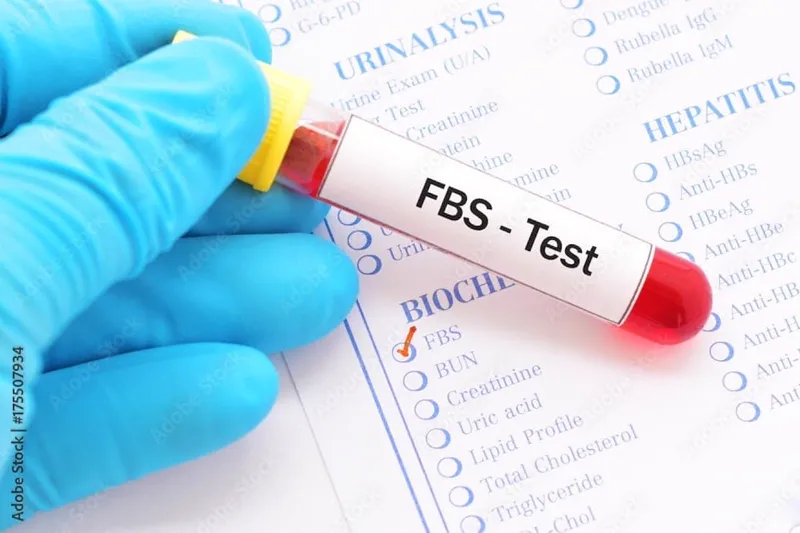
- HbA1c measures your average blood sugar over the past two to three months by testing glycated haemoglobin, while fasting blood sugar (FBS) captures your glucose level at a single point in time after an overnight fast of 8 to 12 hours.
- The ADA and WHO use both tests for diabetes diagnosis: HbA1c of 6.5% or higher, or fasting glucose of 126 mg/dL or higher, with a confirmatory repeat test on a separate day.
- HbA1c does not require fasting, is unaffected by what you ate yesterday, and shows less day-to-day variation, making it the more convenient and reproducible test for most adults.
- Fasting blood sugar is the preferred test during pregnancy, for patients with haemoglobin disorders such as thalassemia or sickle cell trait (common in UAE and South Asian populations), and in cases of iron-deficiency anaemia or recent blood transfusion, all of which can distort HbA1c readings.
- Combining both tests increases diagnostic sensitivity to roughly 64%, compared with approximately 43% for HbA1c alone, which is why many clinicians order both as part of a diabetes screening package.
- The UAE has one of the highest diabetes prevalence rates globally, with 16 to 21% of adults affected, and Dubai Health Authority guidelines recommend annual screening from age 30, making routine testing a practical priority rather than a precaution.
- During Ramadan, HbA1c is the ideal choice because it requires no fasting and is unaffected by the altered meal timing that can mislead a single fasting glucose reading.
- At DCDC in Dubai Healthcare City, HbA1c testing starts from AED 149 and diabetes screening packages from AED 399, with on-site laboratory processing and same-day results for routine blood tests.
If your doctor in Dubai has ordered blood work to check for diabetes or prediabetes, you have likely seen two tests mentioned more than any others: HbA1c and fasting blood sugar. Both measure glucose, but they do it in fundamentally different ways, answer different clinical questions, and suit different patients. Choosing the wrong test, or relying on just one when both are needed, can mean a missed diagnosis in a country where up to 21% of adults have diabetes and 64% of cases among UAE migrants remain undiagnosed. This guide, reviewed by Dr. Hadeel Elnur at DCDC's diabetes testing service in Dubai Healthcare City, compares HbA1c vs fasting blood sugar side by side: what each test measures, when one is better than the other, diagnostic thresholds, accuracy considerations specific to UAE populations, costs across Dubai, and what to expect when you walk in for testing.
Health Screening Packages
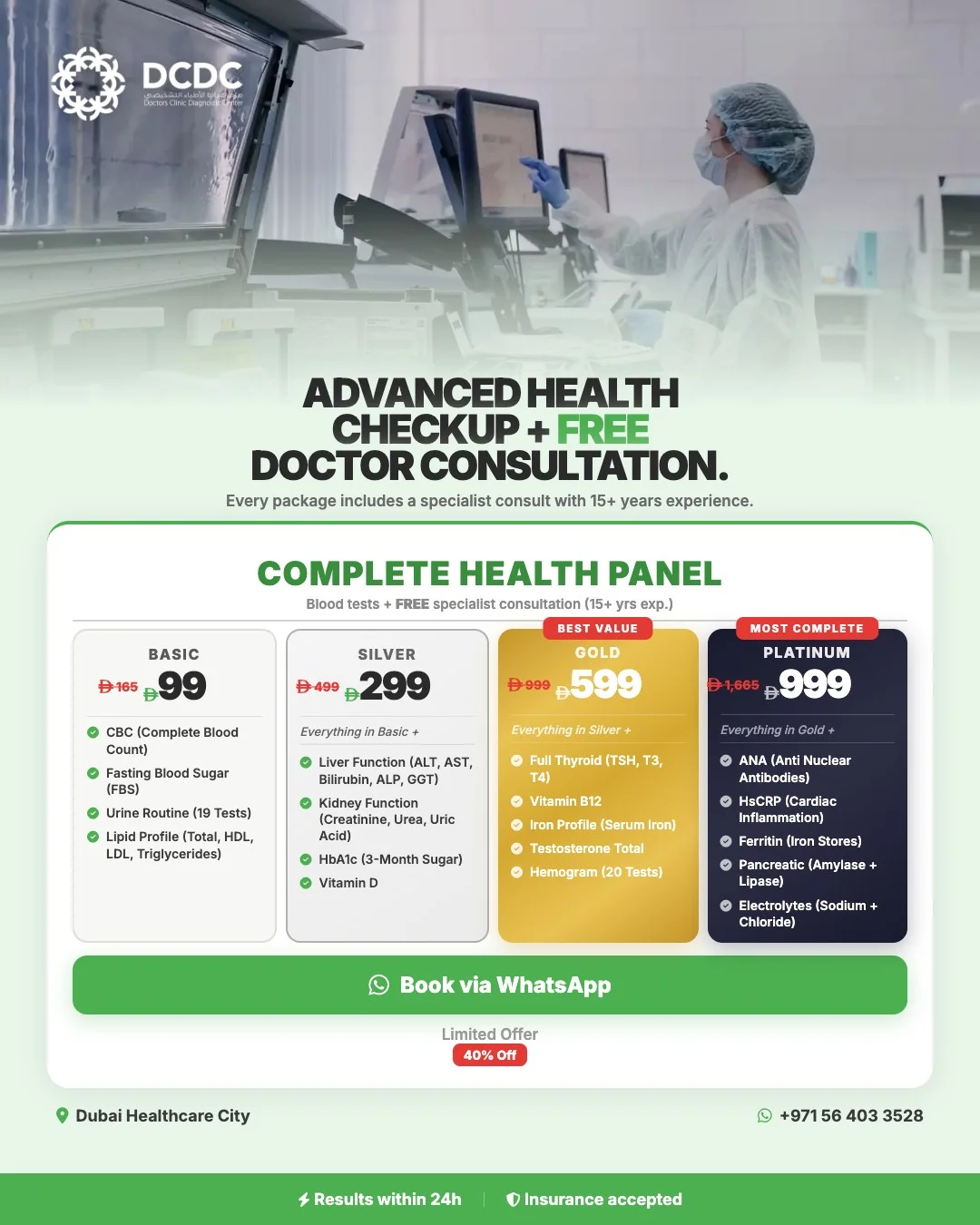
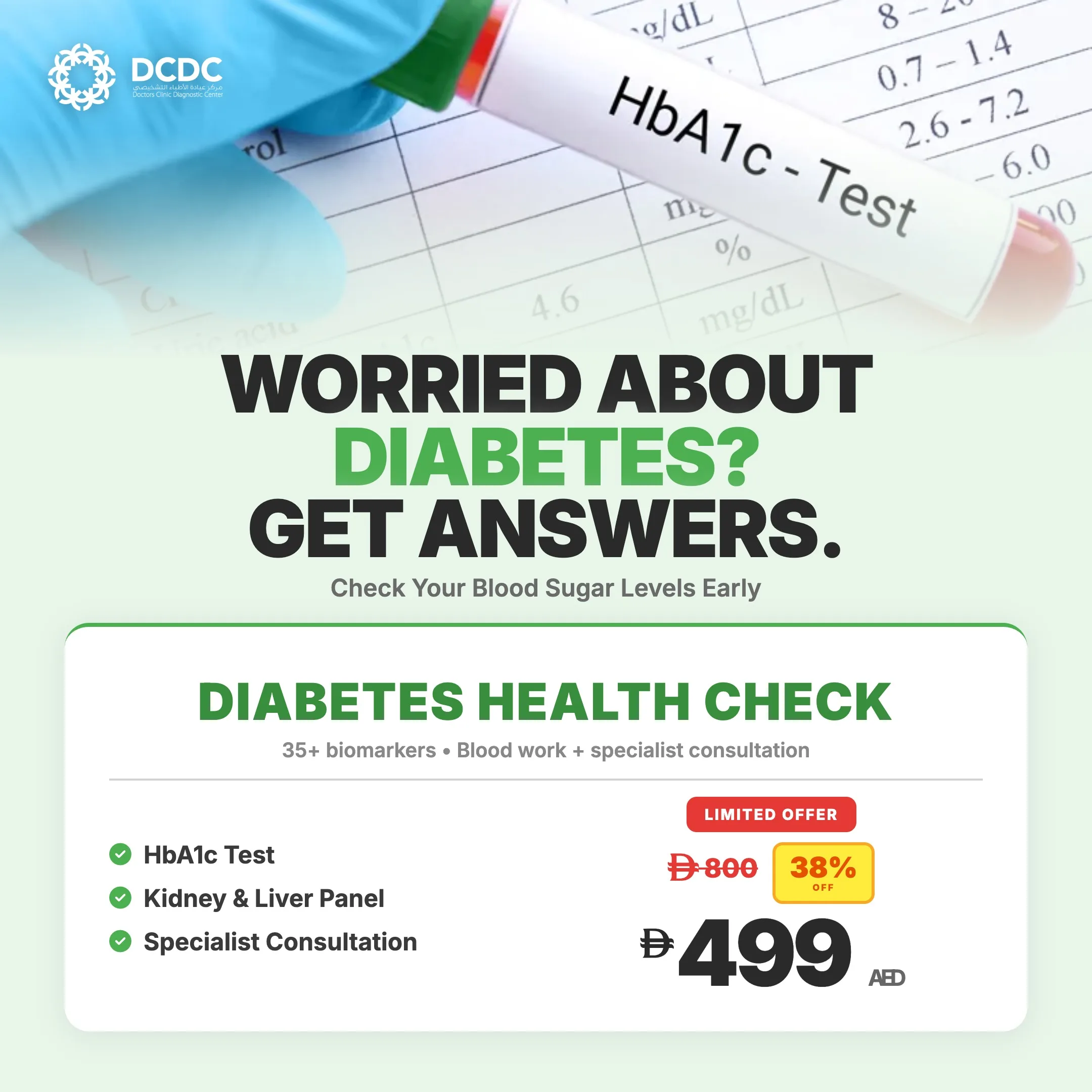
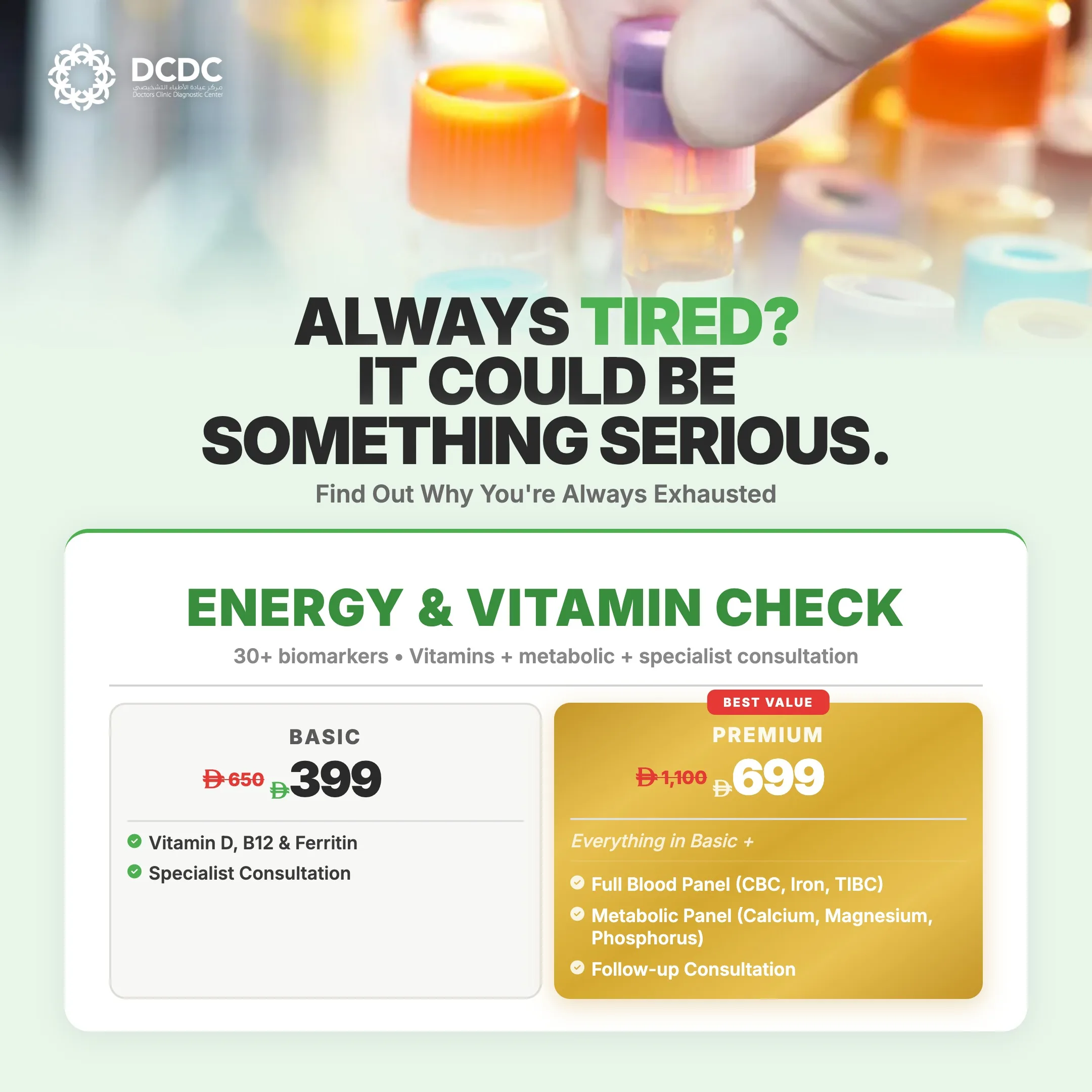
Save with our bundled screening packages — specialist consultation included


HbA1c vs Fasting Blood Sugar: What Is the Difference?
At the most basic level, HbA1c and fasting blood sugar answer two different questions about your glucose. Fasting blood sugar asks: what is your blood glucose level right now, after an overnight fast? HbA1c asks: what has your average blood glucose been over the past two to three months? One is a snapshot; the other is a long-exposure photograph. Both are valuable, but they are not interchangeable, and understanding the distinction is the first step toward knowing which test, or combination of tests, you actually need.
Fasting blood sugar, also called fasting plasma glucose (FPG), measures the concentration of glucose in your blood after you have eaten nothing for at least 8 hours, typically 8 to 12 hours. Because your body should be drawing on stored glycogen and keeping blood sugar relatively stable during an overnight fast, an elevated fasting reading suggests that your body's glucose-regulating machinery, primarily insulin, is not working as it should.
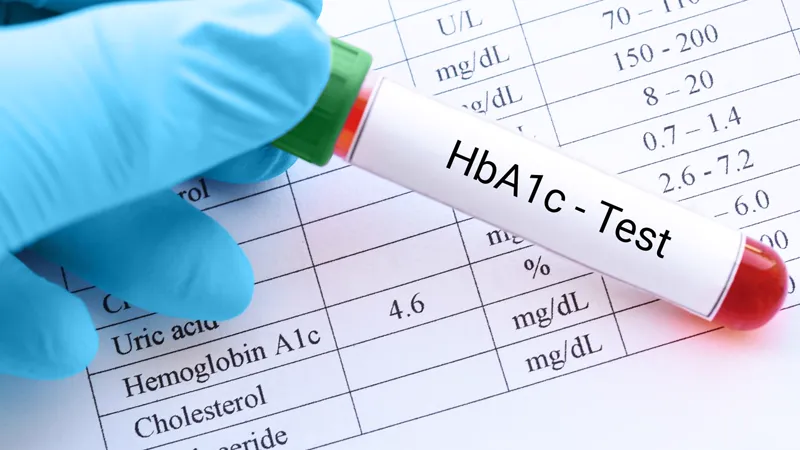
HbA1c, short for glycated haemoglobin, measures how much glucose has attached to the haemoglobin molecules inside your red blood cells. Because red blood cells live for roughly 120 days, the HbA1c value reflects your average blood sugar exposure over the preceding two to three months. It does not require fasting, it is not affected by what you ate yesterday, and it does not fluctuate with a single stressful morning or a skipped meal. For a deeper explanation of the HbA1c test itself, see our dedicated guide to the HbA1c test in Dubai.
What Is the HbA1c Test and How Does It Work?
HbA1c stands for haemoglobin A1c, and it is sometimes called glycated haemoglobin, glycosylated haemoglobin, or simply A1c. The test works on a straightforward biochemical principle: glucose in the bloodstream naturally attaches to haemoglobin, the oxygen-carrying protein inside red blood cells. The higher your blood sugar levels have been over the past 8 to 12 weeks, the more glucose is bound to your haemoglobin, and the higher your HbA1c percentage will be.
The test requires only a small blood sample, drawn from a vein in your arm. No fasting is needed. You can eat breakfast, drink coffee, and go about your normal day before the blood draw. This is one of HbA1c's most significant practical advantages: it removes the need for an early-morning, empty-stomach visit, which many patients find difficult to schedule, especially those working irregular hours or managing young children.
The American Diabetes Association (ADA) and the World Health Organization (WHO) both endorse HbA1c as a diagnostic test for diabetes, using a threshold of 6.5% or higher. For monitoring patients who already have diabetes, the ADA recommends testing HbA1c at least twice a year for patients meeting treatment goals, and quarterly (four times a year) for patients whose therapy has changed or who are not meeting glycaemic targets.
What Is the Fasting Blood Sugar Test and How Does It Work?
The fasting blood sugar test, formally called fasting plasma glucose (FPG), measures the amount of glucose in your blood after a period of fasting, typically 8 to 12 hours with no food or caloric beverages. Water is permitted. The test is usually done first thing in the morning so that the fasting period coincides with sleep and normal overnight activity.
After an overnight fast, a healthy body should maintain blood glucose within a relatively narrow range by balancing insulin secretion with glucose production from the liver. An elevated fasting glucose level suggests either that the pancreas is not producing enough insulin (as in type 1 diabetes), or that the body's cells are not responding to insulin efficiently (insulin resistance, the hallmark of type 2 diabetes and prediabetes).
Fasting blood sugar has been a cornerstone of diabetes diagnosis for decades, and many clinicians still consider it the most straightforward measure of glucose regulation. It is less expensive than HbA1c in most laboratories, results come back quickly, and its diagnostic thresholds are well established: below 100 mg/dL is normal, 100 to 125 mg/dL indicates prediabetes (impaired fasting glucose), and 126 mg/dL or higher on two separate occasions confirms diabetes. However, because FBS reflects glucose at a single point in time, it can be influenced by what you ate the night before, how well you slept, your stress level, dehydration, and even how hot it was during your commute. In Dubai's extreme summer heat, dehydration can concentrate blood glucose, potentially producing a misleadingly high fasting reading.
HbA1c vs Fasting Glucose: Side-by-Side Comparison
The table below compares HbA1c and fasting blood sugar across every major dimension that matters for patients deciding between the two, or understanding why their doctor ordered one rather than the other.
| Feature | HbA1c Test | Fasting Blood Sugar |
|---|---|---|
| What it measures | Average blood sugar over 2-3 months | Blood glucose at a single point in time |
| Fasting required | No | Yes (8-12 hours) |
| Best time to test | Any time of day | Early morning (7-9 AM) |
| Normal range | Below 5.7% | Below 100 mg/dL (5.6 mmol/L) |
| Prediabetes range | 5.7-6.4% | 100-125 mg/dL (5.6-6.9 mmol/L) |
| Diabetes threshold | 6.5% or higher | 126 mg/dL (7.0 mmol/L) or higher |
| Affected by daily diet | No | Yes |
| Affected by stress or illness | Minimally | Yes |
| Affected by haemoglobin disorders | Yes (can give false readings) | No |
| Useful during Ramadan | Yes (no fasting needed) | Complicated (altered fasting pattern) |
| For gestational diabetes | Not recommended alone | Used with OGTT |
| Monitoring frequency | Every 3-6 months | As needed |
| DCDC price | From AED 149 | Included in screening from AED 399 |
Comparison based on ADA Standards of Care 2024-2025 and WHO diagnostic criteria. Both tests should be confirmed with a repeat test on a separate day before a formal diabetes diagnosis is made.
As the table shows, neither test is universally superior. HbA1c wins on convenience, reproducibility, and resistance to day-to-day fluctuations. Fasting blood sugar wins on cost, simplicity, and reliability in patients with conditions that compromise haemoglobin, which is clinically significant in the UAE given the prevalence of thalassemia trait and sickle cell trait across Middle Eastern and South Asian communities.
Normal Range Charts: HbA1c and Fasting Blood Sugar
Understanding where your numbers fall on the diagnostic spectrum is essential for interpreting your results correctly. The thresholds below are those used by the ADA and WHO and are the same ones applied by laboratories across Dubai, including DCDC's on-site lab. For a broader guide to reading lab results, see our article on blood test results explained.
| Category | HbA1c | Fasting Blood Sugar |
|---|---|---|
| Normal | Below 5.7% | Below 100 mg/dL (5.6 mmol/L) |
| Prediabetes | 5.7% to 6.4% | 100 to 125 mg/dL (5.6-6.9 mmol/L) |
| Diabetes | 6.5% or higher | 126 mg/dL (7.0 mmol/L) or higher |
| Well-controlled diabetes target | Below 7.0% (individualized) | 80-130 mg/dL before meals (ADA) |
Diagnostic thresholds per ADA Standards of Care 2024-2025 and WHO guidance. A single elevated result should always be confirmed with a repeat test before a diabetes diagnosis is established.
An important nuance: a patient can fall into the prediabetes range on one test and the normal range on the other. This is not uncommon and does not necessarily mean one test is wrong. HbA1c and fasting glucose measure different aspects of glucose metabolism, and discordant results often prompt a doctor to order an oral glucose tolerance test (OGTT) for a more definitive picture, or simply to repeat both tests in two to four weeks. If your results place you in the prediabetes range on either measure, our guide to prediabetes prevention in Dubai covers the lifestyle and medical interventions that can delay or prevent progression to diabetes.
Which Test Is Better for Diabetes Diagnosis?
This is the question patients ask most often, and the honest answer is: neither test is categorically better. Each has distinct strengths and limitations, and the best choice depends on the patient's circumstances. Research consistently shows that fasting blood sugar is slightly more accurate for separating patients with diabetes from those without diabetes in a general screening population, while HbA1c offers superior convenience and better reflects long-term glycaemic control.
HbA1c sensitivity for detecting diabetes ranges from 43% to 80%, depending on the population studied, the cutoff used, and the ethnic composition of the study group. Specificity, by contrast, is consistently above 98%, meaning that a positive HbA1c result almost always represents true diabetes. The challenge is that HbA1c can miss some cases, particularly at the lower end of the diabetic range. Using an optimum cutoff of 6.1% rather than the standard 6.5% improves sensitivity to 78-81% with a specificity of 79-84%, though this has not been adopted as a universal diagnostic threshold.
Combining both HbA1c and fasting glucose in a single screening visit increases overall sensitivity to approximately 64%, compared with roughly 43% when HbA1c is used alone. This is why many diabetes screening packages, including those offered at DCDC, include both tests as standard components.
"In my practice at DCDC, I generally recommend HbA1c as the first-line screening test for most adult patients because of its convenience and reliability," says Dr. Hadeel Elnur. "However, I always consider the patient's full clinical picture. For patients with known thalassemia trait, iron-deficiency anaemia, or a recent history of blood transfusion, I rely on fasting glucose instead because these conditions can distort the HbA1c reading. When there is any doubt, I order both tests together, and for patients with results in the prediabetes range, combining both gives us the clearest and earliest possible picture."
When Your Doctor Recommends HbA1c Over Fasting Glucose
There are several clinical scenarios where HbA1c is the clearly preferred test. Understanding these can help you appreciate why your doctor chose one test over the other, rather than assuming a test was omitted.
- Routine diabetes screening in adults without haemoglobin disorders: HbA1c requires no fasting, can be done at any time of day, and gives a 2-3 month average rather than a single-moment snapshot.
- Monitoring ongoing diabetes management: The ADA recommends HbA1c every 3 to 6 months for stable patients and every 3 months when treatment changes are being made or targets are not being met.
- During Ramadan: Millions of UAE residents fast from dawn to sunset during Ramadan. An HbA1c test requires no fasting preparation and is unaffected by the altered meal patterns of Ramadan, making it the logical choice for diabetes screening or monitoring during the holy month.
- Patients who cannot reliably fast: Shift workers, patients on medications that must be taken with food in the morning, and individuals with conditions that make prolonged fasting unsafe all benefit from HbA1c's no-fasting requirement.
- When reproducibility matters: HbA1c has less biological day-to-day variation than fasting glucose. A patient's HbA1c is unlikely to change meaningfully between Monday and Tuesday, whereas fasting glucose can vary by 10 to 15 mg/dL based on sleep, stress, and hydration.
When Fasting Blood Sugar Is the Better Choice
Despite HbA1c's growing popularity, there are important situations where fasting blood sugar remains the more accurate or the only appropriate option.
- Gestational diabetes screening: HbA1c cannot replace the oral glucose tolerance test (OGTT) for diagnosing gestational diabetes. A 2024 Lancet review confirmed that HbA1c used alone during pregnancy misses a significant proportion of gestational diabetes cases. Fasting glucose paired with OGTT remains the standard.
- Haemoglobin variants: Patients with sickle cell trait, sickle cell disease, or thalassemia trait carry haemoglobin variants that can produce falsely low HbA1c readings, potentially masking true diabetes. This is clinically significant in the UAE, where thalassemia trait affects an estimated 8 to 9% of the Emirati population and is common across South Asian communities.
- Iron-deficiency anaemia: Iron deficiency extends the lifespan of red blood cells, leading to more glucose binding to haemoglobin and a falsely elevated HbA1c, which can result in an overdiagnosis of diabetes or prediabetes.
- Recent blood transfusion or significant blood loss: Both dilute or replace the patient's own glycated haemoglobin, rendering the HbA1c unreliable for 8 to 12 weeks after the event.
- Chronic kidney disease (CKD): Patients with advanced CKD often have altered red blood cell turnover, which can make HbA1c unreliable. Fasting glucose and fructosamine are preferred alternatives.
- When cost is the primary concern: In Dubai's laboratory market, a standalone fasting glucose test is among the least expensive blood tests available, starting from AED 30 at some clinics, while HbA1c ranges from AED 149 to 300.
For patients who carry risk factors for insulin resistance but have not yet been formally diagnosed, our article on insulin resistance signs covers the early warning signals that should prompt testing.
Conditions That Affect HbA1c Accuracy
One of the most important considerations when interpreting HbA1c results, and one that is particularly relevant in the UAE's ethnically diverse population, is the range of medical conditions that can produce falsely high or falsely low readings. A falsely low HbA1c can mask undiagnosed diabetes, while a falsely high result can lead to unnecessary treatment.
Conditions That Can Cause Falsely Low HbA1c
- Sickle cell trait or sickle cell disease: Haemoglobin S (HbS) shortens red blood cell lifespan, reducing the time available for glycation and producing falsely low HbA1c values.
- Thalassemia trait (alpha or beta): Altered haemoglobin composition and shorter red blood cell survival result in lower HbA1c readings that underestimate true average glucose.
- Haemolytic anaemia: Any condition that increases the rate of red blood cell destruction will shorten the glycation window and lower HbA1c.
- Recent blood transfusion: Donor red blood cells dilute the patient's own glycated haemoglobin, depressing the HbA1c reading for up to 12 weeks.
- Erythropoietin (EPO) therapy: Used in chronic kidney disease, EPO stimulates new red blood cell production, which similarly reduces the average glycation time.
Conditions That Can Cause Falsely High HbA1c
- Iron-deficiency anaemia: The most common cause of a falsely elevated HbA1c. Iron deficiency slows red blood cell turnover, meaning each cell circulates longer and accumulates more glucose, inflating the HbA1c percentage even when average blood sugar is normal.
- Vitamin B12 or folate deficiency: Similar to iron deficiency, these deficiencies reduce red blood cell production and extend the lifespan of circulating cells.
- Chronic alcohol use: Certain assays can detect alcohol-modified haemoglobin as glycated haemoglobin, slightly inflating the result.
This issue is not academic in Dubai. Thalassemia trait is common across Middle Eastern, South Asian, and Southeast Asian communities, all of which are heavily represented in the UAE population. Sickle cell trait is prevalent among patients from the Arabian Peninsula, sub-Saharan Africa, and parts of India. Iron-deficiency anaemia is widespread among women of childbearing age in the UAE. A clinician ordering HbA1c should always consider whether any of these conditions might be skewing the result. When there is doubt, fasting glucose or an OGTT provides a haemoglobin-independent measure of glucose metabolism. For a broader overview of how diabetes is classified and treated, see our guide to type 1 vs type 2 diabetes.
Diabetes Screening in Dubai: What UAE Residents Should Know
The UAE sits within the MENA region, which has the highest age-standardized diabetes prevalence globally at 19.9%, according to the International Diabetes Federation. Within the UAE itself, diabetes prevalence among adults ranges from 16.3% to 20.7% depending on the study and the population sampled, with rates among Emirati nationals reaching as high as 25%. An estimated 74% of UAE adults are overweight, and 37% are classified as obese, both major risk factors for type 2 diabetes.
Perhaps the most concerning statistic is that 64% of diabetes among UAE migrant workers and expatriates is undiagnosed. Many of these individuals have no symptoms and have never been screened, yet they may already have early complications developing silently. The average annual cost of diabetes treatment in the UAE is approximately AED 20,700 per patient, a figure that climbs sharply once complications such as retinopathy, nephropathy, or cardiovascular disease develop. Early detection through routine screening is not just a clinical recommendation in this context; it is a financial imperative.
In March 2024, the Dubai Health Authority updated its screening guidelines to recommend annual diabetes screening from age 30 for all residents, regardless of symptoms, with earlier screening for individuals with risk factors such as a family history of diabetes, obesity (BMI above 30), a history of gestational diabetes, or polycystic ovary syndrome (PCOS). Both HbA1c and fasting glucose are accepted as initial screening tests under these guidelines.
For Dubai residents wondering what the testing process involves from start to finish and how much to budget, our article on diabetes test cost in Dubai provides a comprehensive price comparison across the city.
Book Your Diabetes Screening at DCDC
HbA1c and fasting glucose testing with same-day results. Walk in or book online at Dubai Healthcare City.
Diabetes screening from AED 399 | Direct billing with 20+ insurers
HbA1c and Fasting Glucose Test Cost in Dubai
The cost of diabetes blood tests in Dubai varies widely depending on whether you visit a hospital, a standalone laboratory, or a diagnostic clinic. The table below shows DCDC's pricing alongside the typical range across Dubai, based on published rates at the time of writing. All prices are approximate and may change; insurance coverage can reduce out-of-pocket costs significantly.
| Test | DCDC Price | Typical Dubai Range |
|---|---|---|
| HbA1c test | From AED 149 | AED 60-300 |
| Fasting blood glucose | From AED 99 | AED 30-100 |
| Diabetes screening package (HbA1c + FBS + lipids) | From AED 399 | AED 149-800 |
| Comprehensive health checkup (includes diabetes panel) | From AED 249 | AED 500-2,000 |
Prices are indicative, exclude VAT where applicable, and are subject to change. DCDC offers direct billing with more than 20 insurance providers in Dubai.
DCDC's diabetes screening package (from AED 399) includes both HbA1c and fasting glucose alongside a lipid panel, providing a comprehensive metabolic snapshot in a single visit. For patients who want a broader assessment, the comprehensive health checkup (from AED 249) includes a diabetes panel along with kidney function, liver function, thyroid screening, and a complete blood count. Insurance direct billing is available with more than 20 major providers, including Daman, MetLife, Oman Insurance, Cigna, AXA, and others, and our front desk can verify your coverage before testing begins.
What to Expect at DCDC for Diabetes Testing
Knowing what the visit looks like from arrival to results can reduce the anxiety that keeps many people from getting screened. Here is the step-by-step process for diabetes testing at DCDC in Dubai Healthcare City.
Step 1: Arrival and Check-In
DCDC is located in Dubai Healthcare City (DHCC), with free parking available in the building. Walk-in patients are welcome, though booking online or via WhatsApp ensures a shorter wait. Average wait times are approximately 15 minutes. At reception, the team will verify your insurance (if applicable), confirm which tests have been ordered, and register you in the system. If you are doing a fasting glucose test, the team will confirm how long you have fasted; if you are doing HbA1c only, no fasting confirmation is needed.
Step 2: Blood Draw
A trained phlebotomist draws a small blood sample from a vein in your arm. For a combined HbA1c and fasting glucose panel, a single blood draw is sufficient. The entire process takes less than five minutes. If you have a needle phobia or tend to feel faint during blood draws, let the team know in advance so they can make you comfortable.
Step 3: On-Site Laboratory Processing
DCDC operates a MOHAP-licensed, on-site laboratory, which means your blood sample is processed in-house rather than being sent to an external lab. For routine blood tests including HbA1c and fasting glucose, results are typically available the same day. This eliminates the multi-day waiting period common at clinics that outsource their lab work.
Step 4: Results Review and Consultation
Once your results are ready, you can review them with your doctor during a follow-up consultation. If your results are normal, the doctor will advise on how frequently to retest based on your risk profile. If your results indicate prediabetes or diabetes, the doctor will discuss the next steps, which may include additional confirmatory tests, lifestyle modifications, referral to DCDC's diabetes clinic for specialist management, or starting medication. Results can also be sent to you electronically.
Our patients consistently rate the experience highly, with a 4.8 out of 5 overall satisfaction rating and a 98% patient satisfaction rate across all services. The clinic accepts walk-ins but recommends booking for the shortest wait.
Get Tested Today at DCDC
Walk in or book your HbA1c and fasting glucose test online. Same-day results from our on-site lab in Dubai Healthcare City.
4.8/5 rating | MOHAP-licensed | 20+ insurance providers accepted
How Often Should You Test HbA1c and Fasting Blood Sugar?
Testing frequency depends on your current health status and whether you have already been diagnosed with diabetes or prediabetes. The following schedule reflects ADA guidelines and the clinical approach used at DCDC.
- No diabetes and no risk factors: Screen with HbA1c or fasting glucose annually from age 30 (per DHA 2024 guidelines) or from age 35 (per ADA guidelines), whichever is earlier.
- Risk factors present but no diagnosis: Risk factors include BMI above 25, family history of diabetes, history of gestational diabetes, PCOS, or belonging to a high-prevalence ethnic group (South Asian, Middle Eastern, African). Screen annually, or as directed by your doctor.
- Prediabetes: Test HbA1c and/or fasting glucose every 6 to 12 months to monitor whether glucose levels are stable, improving with lifestyle changes, or progressing toward diabetes.
- Diagnosed diabetes, stable and meeting targets: HbA1c every 6 months, with fasting glucose checked at routine appointments as needed.
- Diagnosed diabetes, treatment recently changed or targets not met: HbA1c every 3 months until stable. Fasting and post-meal glucose may also be monitored more frequently at home with a glucometer.
For patients already living with a diabetes diagnosis, our comprehensive guide to diabetes management in Dubai covers medication options, dietary approaches, exercise guidelines, and specialist referral pathways available at DCDC.
Related Services at DCDC
Expert care and advanced diagnostics at Dubai Healthcare City
Frequently Asked Questions
Final Thoughts: Choosing the Right Diabetes Test in Dubai
HbA1c and fasting blood sugar are not competing tests. They are complementary tools that answer different questions about your body's glucose metabolism. HbA1c tells you where your average blood sugar has been over the past two to three months, while fasting glucose tells you where it stands right now after an overnight fast. For most adults in Dubai without haemoglobin disorders, HbA1c is the more convenient and reproducible starting point. For pregnant patients, those with thalassemia or sickle cell trait, or those with iron-deficiency anaemia, fasting glucose is more reliable. When both tests are used together, the diagnostic picture is clearest.
In a country where diabetes affects up to one in five adults and the majority of cases among expatriates go undiagnosed, the most important step is not choosing the perfect test — it is getting tested at all. At Doctors Clinic Diagnostic Center (DCDC) in Dubai Healthcare City, diabetes screening packages start from AED 399 and include both HbA1c and fasting glucose, processed in our on-site laboratory with same-day results. Walk-in appointments are welcome, direct billing with more than 20 insurers is available, and our clinical team, including Dr. Hadeel Elnur, is here to help you interpret your results and plan your next steps. If you are over 30, have a family history of diabetes, or simply have not been screened in the past year, today is a good day to start.
Sources & References
This article was reviewed by our medical team and references the following sources:
- American Diabetes Association: Standards of Care in Diabetes 2024-2025
- World Health Organization: Use of Glycated Haemoglobin (HbA1c) in the Diagnosis of Diabetes Mellitus
- International Diabetes Federation: IDF Diabetes Atlas (10th Edition, 2024)
- Bennett CM et al. HbA1c as a screening tool for detection of type 2 diabetes: a systematic review. Diabetic Medicine, 2007.
- English E, Lenters-Westra E. HbA1c method performance: the great success story of global standardization. Critical Reviews in Clinical Laboratory Sciences, 2018.
Medical content on this site is reviewed by DHA-licensed physicians. See our editorial policy for more information.

Written by
Dr. Hadeel Elnur
General Practitioner
MD, General Practice
Dr. Hadeel Elnur is a General Practitioner at Doctors Clinic Diagnostic Center (DCDC) in Dubai Healthcare City.
Related Articles
HbA1c Test Dubai: Complete Guide
Diabetes Test Cost Dubai
Diabetes Management Dubai
Pre-Diabetes Prevention Dubai

Type 1 vs Type 2 Diabetes Dubai
More in Laboratory

Fitness Blood Tests Dubai: What to Check (2026)
Read MoreTB Test Cost Dubai: From AED 100–690 (2026)
Read MoreHIV Test Cost Dubai: Pricing & Guide (2026)
Read MorePaternity Test Dubai: How It Works (2026)
Read More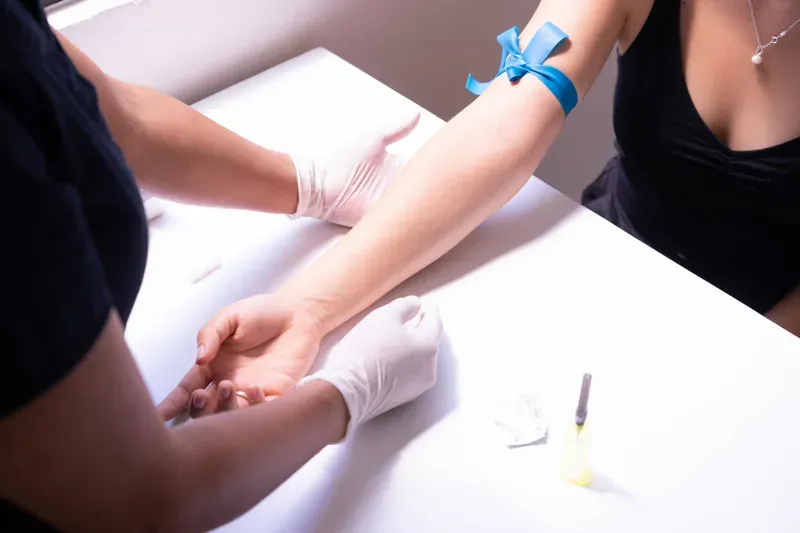
Blood Test Results Dubai: What's Normal (2026)
Read More
Stool Test Dubai: Types, Results & Cost (2026)
Read More© 2026 Doctors Clinic Diagnostic Center (DCDC), Dubai Healthcare City. Originally published at https://doctorsclinicdubai.ae/blog/hba1c-vs-fasting-blood-sugar-dubai. All rights reserved. Unauthorized reproduction is prohibited.