Key Takeaways
- CKD affects an estimated 10-13% of the global population, and many people in the UAE are undiagnosed because early stages have no symptoms
- Diabetes and hypertension are the two leading causes of CKD in the UAE -- controlling both conditions is the most effective way to protect your kidneys
- CKD is classified into 5 stages based on eGFR; early detection at stages 1-2 can slow or halt progression with proper management
- DCDC offers same-day kidney function labs including creatinine, eGFR, electrolytes, and urine albumin with results available within hours
- Medication safety is critical in CKD -- common painkillers like ibuprofen and certain antibiotics can accelerate kidney damage
- A coordinated care team including nephrologists, diabetologists, cardiologists, and dietitians provides the best outcomes for CKD patients
Chronic kidney disease (CKD) is a progressive condition in which the kidneys gradually lose their ability to filter waste, balance fluids, and regulate blood pressure. In the UAE, where diabetes and hypertension rates are among the highest in the world, CKD is increasingly prevalent yet often undiagnosed until advanced stages. Our CKD management service at Doctors Clinic Diagnostic Center (DCDC) in Dubai Healthcare City provides nephrologist-led staged care plans, on-site laboratory testing with same-day results, and coordinated multi-specialty support to help preserve your kidney function at every stage.
Health Screening Packages
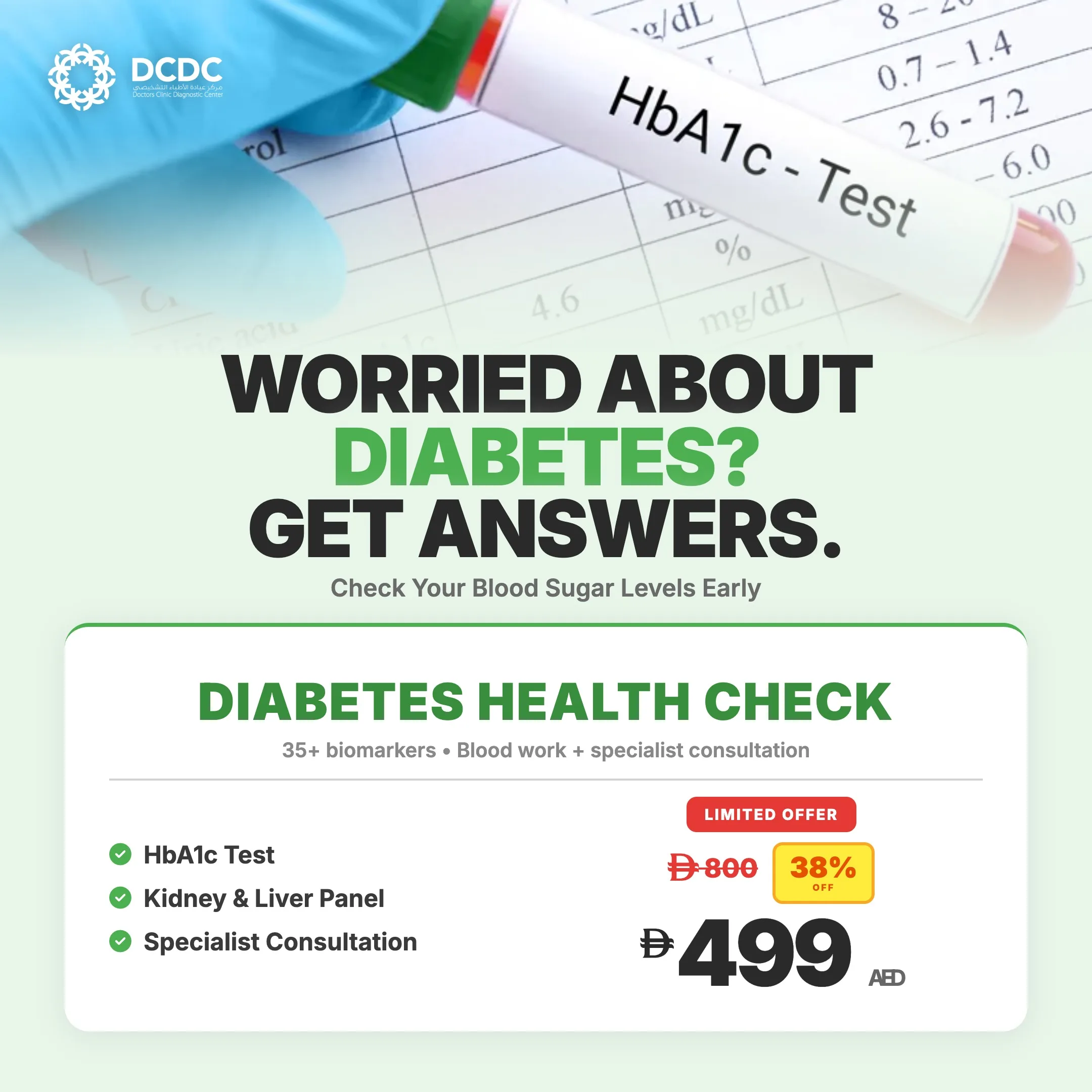
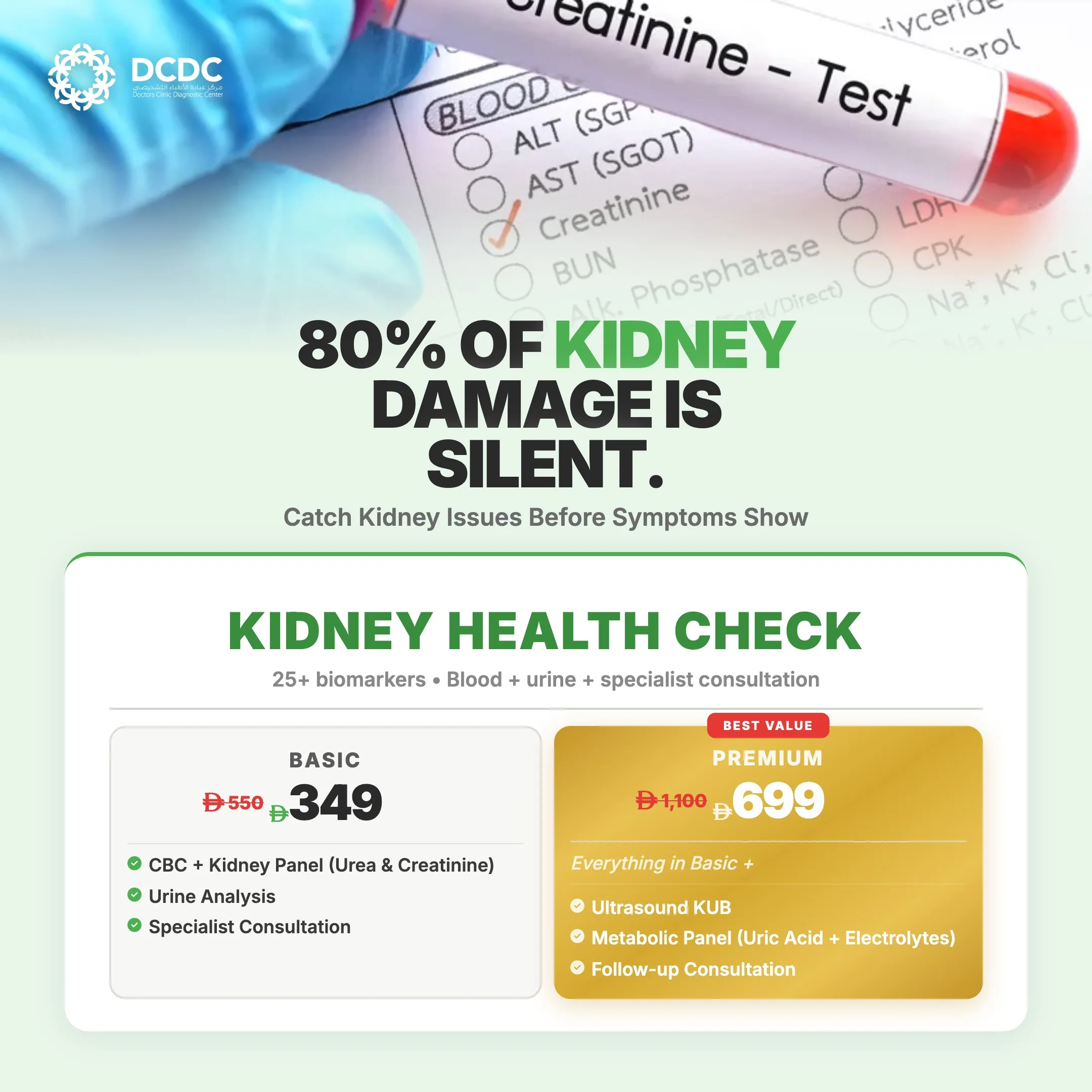
Save with our bundled screening packages — specialist consultation included




What Is Chronic Kidney Disease and Why Does It Matter in Dubai?
Chronic kidney disease means your kidneys have been damaged and cannot filter blood as effectively as they should. Unlike acute kidney injury, which can occur suddenly and may be reversible, CKD develops over months or years and is generally irreversible once significant damage has occurred. The kidneys perform essential functions: filtering approximately 180 liters of blood daily, removing waste products through urine, regulating electrolytes like potassium and sodium, producing hormones that control blood pressure and red blood cell production, and maintaining bone health through vitamin D activation.
In Dubai and across the UAE, CKD carries particular significance. The International Diabetes Federation reports that the UAE has one of the highest diabetes prevalence rates globally, and the World Health Organization estimates that nearly 30% of UAE adults have hypertension. Since diabetes and high blood pressure together account for roughly 70% of all CKD cases, the UAE population faces elevated risk. CKD affects an estimated 10-13% of the global population, and many experts believe the true prevalence in the Gulf region may be even higher due to lifestyle factors and genetic predisposition.
The challenge with CKD is its silent progression. Most patients feel entirely well during stages 1 and 2, when intervention is most effective. By the time symptoms appear -- fatigue, swelling, changes in urination -- significant and often irreversible damage has already occurred. This is why proactive screening is essential, particularly for anyone with diabetes, hypertension, or a family history of kidney disease.
The 5 Stages of Chronic Kidney Disease Explained
CKD is classified into five stages based on the estimated glomerular filtration rate (eGFR), which measures how effectively your kidneys filter waste from the blood. The eGFR is calculated from a simple blood test measuring creatinine, combined with your age, sex, and body size. Understanding your stage helps guide treatment decisions and lifestyle modifications.
| CKD Stage | eGFR (mL/min/1.73m2) | Kidney Function | Typical Symptoms | Recommended Action |
|---|---|---|---|---|
| Stage 1 | 90 or above | Normal or high | Usually none; may have protein in urine | Identify and treat the cause (diabetes, hypertension); annual monitoring |
| Stage 2 | 60-89 | Mildly reduced | Usually none; may have protein in urine | Lifestyle changes, blood pressure control, diabetes management, 6-12 month monitoring |
| Stage 3a | 45-59 | Mildly to moderately reduced | Fatigue, mild swelling, changes in urination frequency | Nephrologist referral, medication review, renal diet guidance, 3-6 month monitoring |
| Stage 3b | 30-44 | Moderately to severely reduced | Fatigue, swelling, high blood pressure, bone pain, anemia | Active nephrology management, anemia treatment, bone health support, 3-month monitoring |
| Stage 4 | 15-29 | Severely reduced | Nausea, appetite loss, itching, muscle cramps, concentration difficulty | Preparation for renal replacement therapy, strict diet, monthly monitoring |
| Stage 5 | Below 15 | Kidney failure | Severe fatigue, breathlessness, nausea, swelling, confusion | Dialysis or kidney transplant evaluation, intensive monitoring |
CKD stages classified by eGFR level, associated symptoms, and recommended clinical actions. Based on KDIGO 2024 guidelines.
It is important to note that eGFR alone does not tell the full story. Albuminuria -- the presence of protein in urine -- is an equally important marker. A patient with normal eGFR but significant albuminuria is still at elevated risk for CKD progression and cardiovascular events. At DCDC, we assess both markers together to provide a complete picture of kidney health.
Leading Causes of CKD in the UAE
Understanding what causes CKD is the first step toward prevention. In the UAE, the primary drivers mirror global trends but are amplified by regional health patterns. If you have been diagnosed with diabetes, our guide on diabetes management in Dubai explains how tight glucose control directly protects your kidneys.
Diabetic Kidney Disease (Diabetic Nephropathy)
Diabetes is the single most common cause of CKD and kidney failure worldwide. Persistently elevated blood sugar damages the tiny blood vessels in the kidneys' filtering units (glomeruli), causing them to leak protein and gradually lose function. In the UAE, where diabetes prevalence exceeds 16% of the adult population, diabetic nephropathy is a major public health concern. The risk increases significantly if HbA1c levels remain above 7% over extended periods.
Hypertensive Kidney Disease
High blood pressure is the second leading cause of CKD. Uncontrolled hypertension damages the blood vessels supplying the kidneys, reducing their ability to filter waste effectively. Many people with hypertension are unaware they have it, which is why it is called the "silent killer." Learn more about screening and treatment in our article on high blood pressure in Dubai.
Other Causes
- Glomerulonephritis: Inflammation of the kidney filtering units, often caused by immune system disorders
- Polycystic kidney disease: A genetic condition causing cysts to grow in the kidneys
- Recurrent kidney infections: Chronic pyelonephritis can scar kidney tissue
- Urinary tract obstruction: Kidney stones, enlarged prostate, or other blockages causing backpressure
- Medication damage: Long-term NSAID use (ibuprofen, diclofenac), certain antibiotics, and herbal supplements
- Obesity: Directly increases kidney workload and accelerates damage from diabetes and hypertension
Early Warning Signs and Symptoms by CKD Stage
One of the most dangerous aspects of CKD is that it can remain entirely asymptomatic for years. Most people with stage 1 or stage 2 CKD feel completely normal. Symptoms typically emerge only when kidney function has declined significantly, often at stage 3b or later. Recognizing early and subtle signs can prompt life-saving early testing.
Stages 1-2: The Silent Phase
- No noticeable symptoms in most patients
- Foamy or bubbly urine may be the only visible clue (indicates protein leakage)
- Slightly elevated blood pressure that may go undetected without regular checks
- Detected only through blood tests (elevated creatinine, reduced eGFR) and urine tests (albumin)
Stage 3: Emerging Symptoms
- Persistent fatigue and low energy levels that do not improve with rest
- Mild swelling in ankles, feet, or around the eyes, especially in the morning
- Changes in urination: more frequent at night (nocturia), darker or lighter color
- Mild lower back pain or flank discomfort
- Difficulty concentrating or mental fog
- Loss of appetite or metallic taste in the mouth
Stages 4-5: Advanced Symptoms
- Severe fatigue and weakness from anemia (kidneys produce less erythropoietin)
- Significant swelling (edema) in legs, ankles, hands, and face
- Nausea, vomiting, and persistent loss of appetite
- Shortness of breath from fluid overload
- Persistent, widespread itching (pruritus) from waste buildup
- Muscle cramps and bone pain from electrolyte imbalances
- Confusion, difficulty thinking clearly, or drowsiness
- Blood in urine or significantly reduced urine output
How CKD Is Diagnosed: Testing at DCDC
Diagnosing CKD requires a combination of blood tests, urine tests, and sometimes imaging. At DCDC, our on-site laboratory provides same-day results for all kidney function markers, allowing your physician to make treatment decisions during the same visit. For a broader overview of our testing capabilities, see our complete guide to blood tests in Dubai.
Essential Blood Tests
- Serum creatinine: A waste product from muscle metabolism; elevated levels indicate reduced kidney filtration
- eGFR (estimated glomerular filtration rate): Calculated from creatinine, age, sex, and body size -- the primary measure of kidney function
- Electrolyte panel: Sodium, potassium, calcium, phosphorus -- imbalances indicate the kidneys are struggling to regulate mineral balance
- Hemoglobin / CBC: Anemia is common in CKD because the kidneys produce less erythropoietin, a hormone that stimulates red blood cell production
- HbA1c and fasting glucose: To assess diabetes control, the leading cause of CKD
Urine Tests
- Urine albumin-to-creatinine ratio (UACR): The most sensitive early marker of kidney damage; detects protein leakage before eGFR declines
- Urinalysis: Checks for blood, protein, glucose, and signs of infection
- 24-hour urine collection: May be ordered for more precise protein measurement or metabolic stone workup
Imaging Studies
A renal Doppler ultrasound evaluates kidney size, structure, and blood flow. Shrunken kidneys often indicate chronic, irreversible damage, while normal-sized kidneys with protein in urine may suggest a treatable condition. Doppler assessment of renal artery blood flow is particularly important for patients with resistant hypertension.
What to Expect at DCDC: Your CKD Care Journey
At Doctors Clinic Diagnostic Center, located in Building 64, Block A, Al Razi Medical Complex in Dubai Healthcare City, we have designed a streamlined patient journey for CKD evaluation and management. As a MOHAP-licensed facility (License NIMY7VY5-240925) with a 4.8/5 Google rating from over 1,000 verified reviews, we are committed to providing evidence-based, patient-centered kidney care.
Step 1: Initial Consultation (Day 1)
Your visit begins with Dr. Hadeel Elnur or one of our general practitioners, who serves as your first point of contact. During a 20-30 minute consultation, your physician will review your medical history, current medications, family history of kidney disease, and risk factors including diabetes and hypertension. A physical examination includes blood pressure measurement, assessment for edema, and evaluation of cardiovascular health. Same-day nephrology appointments are available when needed.
Step 2: On-Site Laboratory Testing (Same Day)
Immediately after your consultation, you will proceed to our on-site laboratory -- no need to visit a separate facility. We draw blood for creatinine, eGFR, electrolytes, hemoglobin, and any additional markers your physician orders. You also provide a urine sample for albumin and urinalysis. Results are typically available within 2-4 hours, and in most cases your physician can discuss them with you the same day.
Step 3: Diagnosis and Staged Care Plan
Based on your results, your physician will determine your CKD stage and create a personalized care plan. This includes blood pressure targets, diabetes management goals, medication safety reviews (checking for nephrotoxins and renal dosing adjustments), dietary guidance, and a monitoring schedule. For patients at stage 3 or beyond, a nephrologist-led management plan is established.
Step 4: Multi-Specialty Coordination
CKD rarely exists in isolation. Dr. Hadeel Elnur coordinates multi-specialty workups as needed, connecting you with diabetologists for glucose optimization, cardiologists for cardiovascular risk reduction (CKD patients have significantly elevated heart disease risk), and dietitians for renal nutrition guidance. This integrated approach under one roof, with free dedicated parking and an average wait time of just 15 minutes, makes ongoing management practical and accessible.
Step 5: Ongoing Monitoring
Your monitoring frequency depends on your CKD stage: every 6-12 months for stages 1-2, every 3-6 months for stage 3, and monthly for stages 4-5. Each follow-up includes repeat blood work, urine testing, blood pressure review, medication adjustment, and assessment of symptoms. We are open Saturday through Thursday from 8 AM to 10 PM and Fridays from 9 AM to 9 PM, making it easy to schedule follow-ups around your work and life.
Get Your Kidney Function Checked at DCDC
Don't wait for symptoms. A simple blood and urine test can detect CKD early, when treatment is most effective. Our nephrology team at Doctors Clinic Diagnostic Center offers same-day kidney function testing with results in hours. We accept 20+ insurance providers with direct billing, including Daman, AXA, Bupa, MetLife, and Cigna.
Located in Dubai Healthcare City. Same-day appointments available. Call or WhatsApp to book.
CKD Treatment by Stage: What Your Doctor Will Recommend
Treatment for CKD is stage-dependent and focuses on slowing progression, managing symptoms, and protecting against cardiovascular complications. Early-stage treatment centers on controlling underlying causes, while advanced-stage treatment addresses the complications of reduced kidney function.
Stages 1-2: Preservation and Prevention
- Blood pressure control: Target below 130/80 mmHg using ACE inhibitors or ARBs, which also protect the kidneys by reducing protein leakage
- Diabetes management: HbA1c target below 7% in most patients; newer medications like SGLT2 inhibitors have proven kidney-protective effects
- Medication review: Stopping or replacing nephrotoxic drugs, adjusting doses for reduced kidney function
- Lifestyle changes: Weight management, smoking cessation, reduced salt intake, regular exercise
- Monitoring: Repeat eGFR and urine albumin every 6-12 months
Stage 3: Active Management
- All stage 1-2 measures plus nephrologist-led care
- Anemia treatment: Iron supplementation and erythropoiesis-stimulating agents (ESAs) if hemoglobin drops below target
- Bone health: Monitoring calcium, phosphorus, and vitamin D; phosphate binders if needed
- Renal diet: Moderate protein restriction, potassium and phosphorus management
- Cardiovascular assessment: Lipid management, cardiac screening, since CKD patients have 2-3 times higher heart disease risk
Stages 4-5: Preparation and Intensive Care
- All previous measures with more intensive monitoring (every 1-3 months)
- Dialysis planning: Education about hemodialysis, peritoneal dialysis, and kidney transplant options
- Vascular access preparation: Arteriovenous fistula creation 6+ months before anticipated dialysis start
- Strict dietary management: Careful protein, potassium, phosphorus, sodium, and fluid restriction
- Symptom management: Anti-nausea medications, itch relief, fluid management
- Transplant evaluation: Assessment for living or deceased donor kidney transplant when appropriate
CKD Diet and Nutrition Guide
Diet plays a critical role in CKD management. What you eat directly affects the workload on your kidneys, your blood pressure, blood sugar, and the buildup of waste products. The specific dietary recommendations vary by CKD stage, and a renal dietitian can create a personalized plan. Here are the general principles.
Sodium (Salt) Restriction
Aim for less than 2,000 mg of sodium daily (about 1 teaspoon of table salt). High sodium intake worsens blood pressure, increases fluid retention, and accelerates kidney damage. Avoid processed foods, canned soups, fast food, and adding salt at the table. Use herbs, spices, lemon juice, and garlic for flavor instead.
Protein Management
In stages 1-2, moderate protein intake is generally fine. From stage 3 onward, your physician may recommend limiting protein to 0.6-0.8 grams per kilogram of body weight daily. Excessive protein creates more waste products (urea) that damaged kidneys struggle to remove. Choose high-quality protein sources: fish, chicken, eggs, and legumes. If you use protein supplements for fitness, discuss this with your doctor.
Potassium and Phosphorus
In advanced CKD (stages 3b-5), the kidneys cannot effectively excrete potassium and phosphorus. High potassium can cause dangerous heart rhythm problems, while high phosphorus weakens bones and causes itching. You may need to limit bananas, oranges, potatoes, tomatoes, dairy products, nuts, and dark colas. Your blood levels will guide these restrictions -- not all CKD patients need to limit potassium.
Fluid Intake
Fluid recommendations depend on your stage. In early CKD, adequate hydration (2-2.5 liters daily) is generally encouraged. In advanced CKD, especially if urine output decreases, fluid may need to be restricted to prevent swelling and shortness of breath. Your physician will provide specific guidance based on your urine output and fluid status.
Medications to Avoid with CKD
Medication safety is one of the most important and often overlooked aspects of CKD care. At DCDC, every CKD patient receives a thorough medication safety review, including renal dosing adjustments, drug interaction checks, and nephrotoxin avoidance. Several commonly used medications can damage the kidneys or accumulate to toxic levels when kidney function is reduced.
- NSAIDs (ibuprofen, diclofenac, naproxen): These are among the most dangerous over-the-counter medications for CKD patients. They reduce blood flow to the kidneys and can cause acute-on-chronic kidney injury. Use paracetamol (acetaminophen) instead for pain relief
- Certain antibiotics: Aminoglycosides (gentamicin), high-dose vancomycin, and some antifungals require careful dose adjustment or avoidance in CKD
- Contrast dye: Iodinated contrast used in CT scans can worsen kidney function. Always inform your radiologist about your CKD before any imaging with contrast
- Metformin: Generally safe in stages 1-3a but may need dose reduction or discontinuation in stages 3b-5 due to lactic acidosis risk
- Proton pump inhibitors (PPIs): Long-term use of medications like omeprazole has been associated with CKD progression
- Herbal supplements: Many herbal remedies are processed by the kidneys and can be toxic -- particularly those containing aristolochic acid. Always disclose all supplements to your doctor
- High-dose vitamin C: Excess vitamin C is converted to oxalate, which can worsen kidney stone risk and damage kidneys
Living with CKD: Lifestyle Management
A CKD diagnosis does not mean your quality of life must suffer. With proper management, many patients with stages 1-3 CKD live full, active lives for decades. Here are evidence-based lifestyle strategies that make a real difference.
Exercise
Regular physical activity improves blood pressure, blood sugar, weight, and cardiovascular fitness -- all of which protect the kidneys. Aim for 150 minutes of moderate aerobic exercise per week (brisk walking, swimming, cycling). Strength training 2-3 times per week is also beneficial. Avoid excessive high-intensity exercise that causes significant dehydration, especially in Dubai's heat.
Blood Pressure Monitoring
Home blood pressure monitoring is strongly recommended for all CKD patients. Check your blood pressure at the same time each day, keep a log, and share it with your doctor at each visit. Target is typically below 130/80 mmHg. Consistent blood pressure control is the single most effective intervention for slowing CKD progression.
Smoking Cessation
Smoking accelerates kidney damage, worsens blood pressure, and dramatically increases cardiovascular risk in CKD patients. If you smoke, quitting is one of the most impactful changes you can make. Your DCDC physician can recommend cessation programs and support.
Mental Health
Living with a chronic condition can be emotionally challenging. Depression and anxiety are common among CKD patients and can affect adherence to treatment plans. Don't hesitate to discuss your mental health with your care team. Support groups, counseling, and stress management techniques can significantly improve quality of life.
"In my practice, I find that patients who take an active role in managing their CKD -- monitoring blood pressure at home, following dietary guidance, attending regular follow-ups, and asking questions about their medications -- consistently achieve better outcomes. CKD management is a partnership between patient and physician, and early engagement makes all the difference." — Dr. Hadeel Elnur, General Practitioner, DCDC Dubai Healthcare City
CKD Care Pricing at DCDC Dubai (2026)
DCDC accepts over 20 insurance partners with direct billing, including Daman, AXA, Bupa, MetLife, and Cigna. For insured patients, most CKD-related consultations and lab tests are covered with minimal copayment. Below are our self-pay prices for reference.
| Service | Price (AED) | What's Included |
|---|---|---|
| General Practitioner Consultation | From AED 300 | Comprehensive assessment, medication review, care plan |
| Nephrology Specialist Consultation | AED 400-600 | CKD staging, treatment plan, dialysis planning if needed |
| Kidney Function Panel (Creatinine, eGFR, BUN) | AED 149 | Basic kidney function markers with same-day results |
| Comprehensive Renal Panel | AED 250-450 | Creatinine, eGFR, electrolytes, hemoglobin, calcium, phosphorus |
| Urine Albumin (UACR) | AED 80-150 | Early detection of kidney protein leakage |
| CKD Monitoring Package | AED 400-700 | Full renal panel + urine albumin + lipid profile + HbA1c |
| Renal Doppler Ultrasound | AED 800-1,200 | Kidney size, structure, and blood flow assessment |
CKD-related service pricing at DCDC Dubai Healthcare City. Prices are approximate and may vary. Insurance direct billing available for 20+ providers.
CKD and Heart Disease: A Dangerous Connection
The relationship between CKD and cardiovascular disease is one of the most clinically significant connections in modern medicine. CKD patients are far more likely to die from heart disease than from kidney failure itself. The statistics are sobering: patients with stage 3 CKD have a 2-3 times higher risk of cardiovascular events, and those with stage 4-5 CKD face a 5-10 times higher risk compared to the general population.
CKD promotes cardiovascular disease through multiple mechanisms: chronic inflammation, accelerated arterial calcification, fluid overload increasing cardiac workload, anemia reducing oxygen delivery, and electrolyte imbalances affecting heart rhythm. High phosphorus levels in advanced CKD are particularly dangerous, causing calcium deposits in blood vessel walls.
This is why DCDC takes an integrated approach to CKD care. Every CKD patient receives cardiovascular risk assessment, including blood pressure optimization, lipid profile testing, and cardiac evaluation when indicated. Our cardiologists work alongside nephrologists to manage both kidney and heart health simultaneously, reducing the overall risk of heart attack, stroke, and heart failure.
When to See a Nephrologist in Dubai
Not every patient with CKD needs a nephrologist immediately. Stages 1 and 2 can often be managed by a general practitioner or internist who monitors kidney function and controls underlying conditions. However, you should see a nephrologist if any of the following apply.
- eGFR below 30 (stage 4-5 CKD) or declining rapidly (more than 5 mL/min per year)
- Persistent protein in urine (UACR above 300 mg/g) despite treatment
- Blood in urine without urological cause
- CKD with difficult-to-control blood pressure despite 3 or more medications
- Unexplained anemia, bone disease, or electrolyte abnormalities related to CKD
- CKD in someone under 40 without diabetes or hypertension (suggesting a primary kidney disease)
- Family history of polycystic kidney disease or hereditary kidney conditions
- Recurrent kidney stones requiring metabolic evaluation, as detailed in our kidney stones treatment guide
At DCDC, Dr. Hadeel Elnur serves as the first point of contact, coordinating initial assessment and referring to nephrology when clinically appropriate. This ensures that patients who need specialist input receive it promptly, while those with early-stage CKD receive thorough monitoring and preventive care from day one. For a comprehensive understanding of kidney health maintenance, our guide on kidney health prevention and warning signs provides additional practical strategies.
Take Control of Your Kidney Health Today
Whether you need a routine kidney function screen or advanced CKD management, DCDC's nephrology team is here to help. With on-site labs providing same-day results, 20+ insurance partners, and a 98% patient satisfaction rate, we make kidney care accessible and thorough.
Building 64, Block A, Al Razi Medical Complex, Dubai Healthcare City. Free parking. Walk-ins welcome or book your appointment today.
Related Services at DCDC
Expert care and advanced diagnostics at Dubai Healthcare City
Frequently Asked Questions
Final Thoughts
Chronic kidney disease is a serious but manageable condition, especially when caught early. The silent nature of CKD in its early stages makes proactive screening the most powerful tool available. If you have diabetes, hypertension, a family history of kidney disease, or are over 40, a simple blood and urine test can detect kidney damage years before symptoms appear -- and early intervention can preserve your kidney function for decades.
At DCDC in Dubai Healthcare City, we combine on-site same-day laboratory testing, nephrologist-led staged care plans, and coordinated multi-specialty support to provide comprehensive CKD management under one roof. Whether you need a routine screening or are managing advanced kidney disease, our team is committed to helping you maintain the best possible kidney function and quality of life. Don't wait for symptoms to appear -- schedule your kidney health assessment today.
Sources & References
This article was reviewed by our medical team and references the following sources:
- KDIGO 2024 Clinical Practice Guideline for the Evaluation and Management of Chronic Kidney Disease
- National Kidney Foundation - About Chronic Kidney Disease
- International Diabetes Federation - UAE Country Report
- World Health Organization - Hypertension Fact Sheet
- American Journal of Kidney Diseases - CKD and Cardiovascular Risk
- UAE Ministry of Health and Prevention - Chronic Disease Guidelines
Medical content on this site is reviewed by DHA-licensed physicians. See our editorial policy for more information.

Written by
Dr. Hadeel Elnur
General Practitioner
MD, General Practice
Dr. Hadeel Elnur is a General Practitioner at Doctors Clinic Diagnostic Center (DCDC) in Dubai Healthcare City.
Related Articles

Kidney Health Dubai: Prevention & Warning Signs
Diabetes Management Dubai: Complete Guide

High Blood Pressure Dubai: Screening & Treatment

Renal Doppler Ultrasound: Kidney Blood Flow
More in Internal Medicine

Enlarged Prostate Dubai: BPH Symptoms (2026)
Read More
Hiatal Hernia Dubai: Symptoms & Treatment (2026)
Read MoreDiabetic Foot Care Dubai: Warning Signs (2026)
Read MoreColonoscopy vs Endoscopy Dubai: Guide (2026)
Read MoreDiabetic Diet Plan Dubai: Foods & Tips (2026)
Read MoreCholesterol-Lowering Foods & Diet Dubai (2026)
Read More© 2026 Doctors Clinic Diagnostic Center (DCDC), Dubai Healthcare City. Originally published at https://doctorsclinicdubai.ae/blog/chronic-kidney-disease-stages-dubai. All rights reserved. Unauthorized reproduction is prohibited.