Key Takeaways
- Hypothyroidism affects roughly 2% of adults in Dubai. Women are 5-8 times more likely to develop it than men, and many cases go undiagnosed for years.
- A simple TSH blood test is the primary screening tool. At DCDC, routine thyroid panel results are available the same day.
- Levothyroxine is the standard treatment and is highly effective. Most patients notice improvement within 4-6 weeks of starting the correct dose.
- Dose calibration requires regular monitoring: blood tests every 6-8 weeks initially, then every 6-12 months once your levels stabilize.
- Vitamin D deficiency, which affects up to 90% of the UAE population, is closely linked to thyroid health and should be checked alongside thyroid panels.
- Hypothyroidism is a lifelong condition for most people, but with proper treatment, you can live a completely normal, active life with no restrictions.
If you have been feeling exhausted despite getting enough sleep, gaining weight without changing your diet, or noticing that your hair is thinning and your skin is drier than usual, an underactive thyroid could be the cause. Hypothyroidism is one of the most common endocrine disorders worldwide, and it is highly treatable once diagnosed. Our endocrine care team at DCDC in Dubai Healthcare City provides comprehensive thyroid evaluation, treatment, and long-term monitoring under one roof.
Hypothyroidism occurs when your thyroid gland does not produce enough thyroid hormones to meet your body's needs. These hormones regulate metabolism, energy production, body temperature, heart rate, and dozens of other vital functions. When levels drop, virtually every system in your body slows down. A 2025 study published in BMC Public Health found a hypothyroidism prevalence of approximately 2.1% among adults attending primary healthcare centres in Dubai. However, many more cases remain undiagnosed because the symptoms develop gradually and overlap with other conditions. This guide covers everything you need to know about hypothyroidism in Dubai: what causes it, how it is diagnosed, how it is treated, what it costs, and how to live well with the condition.
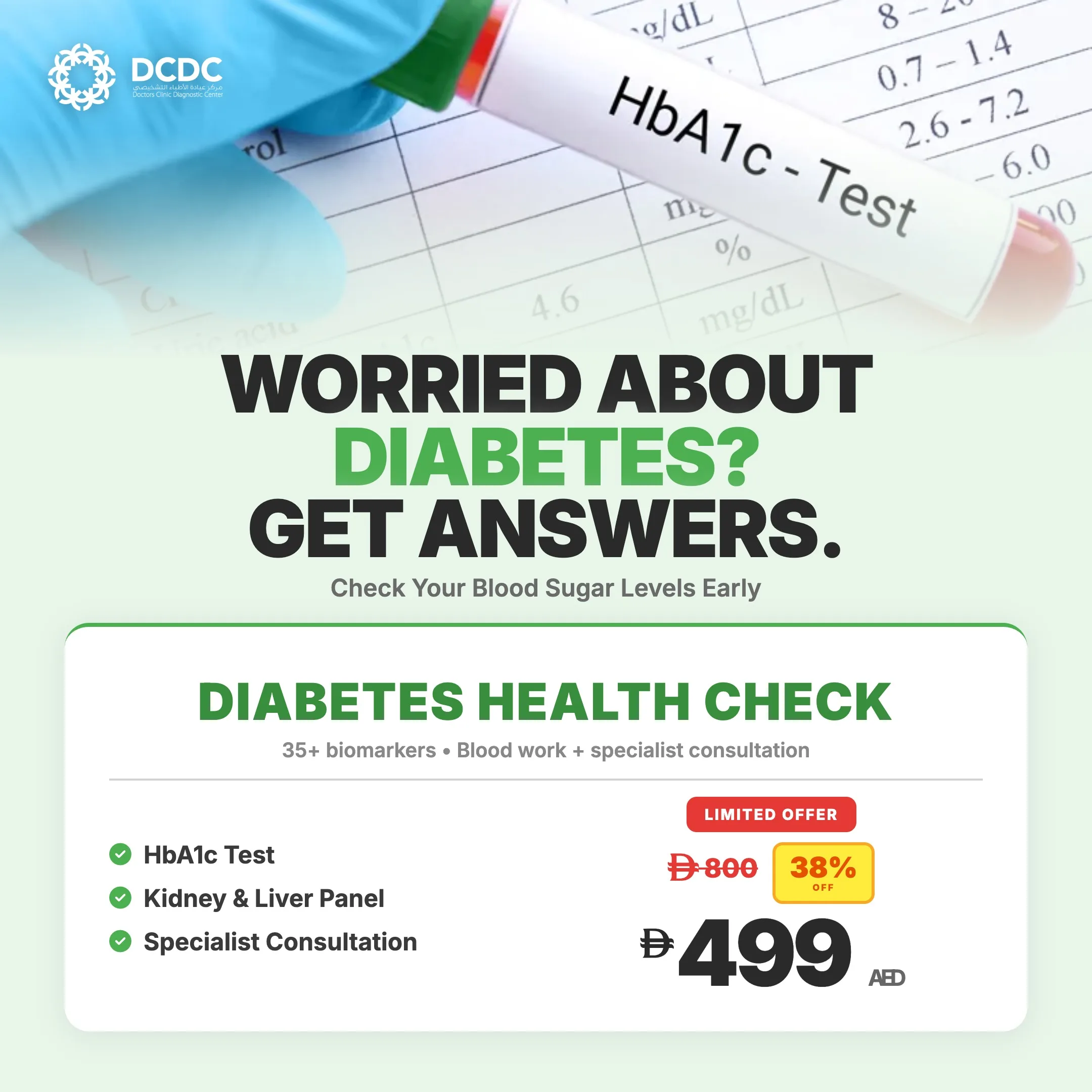
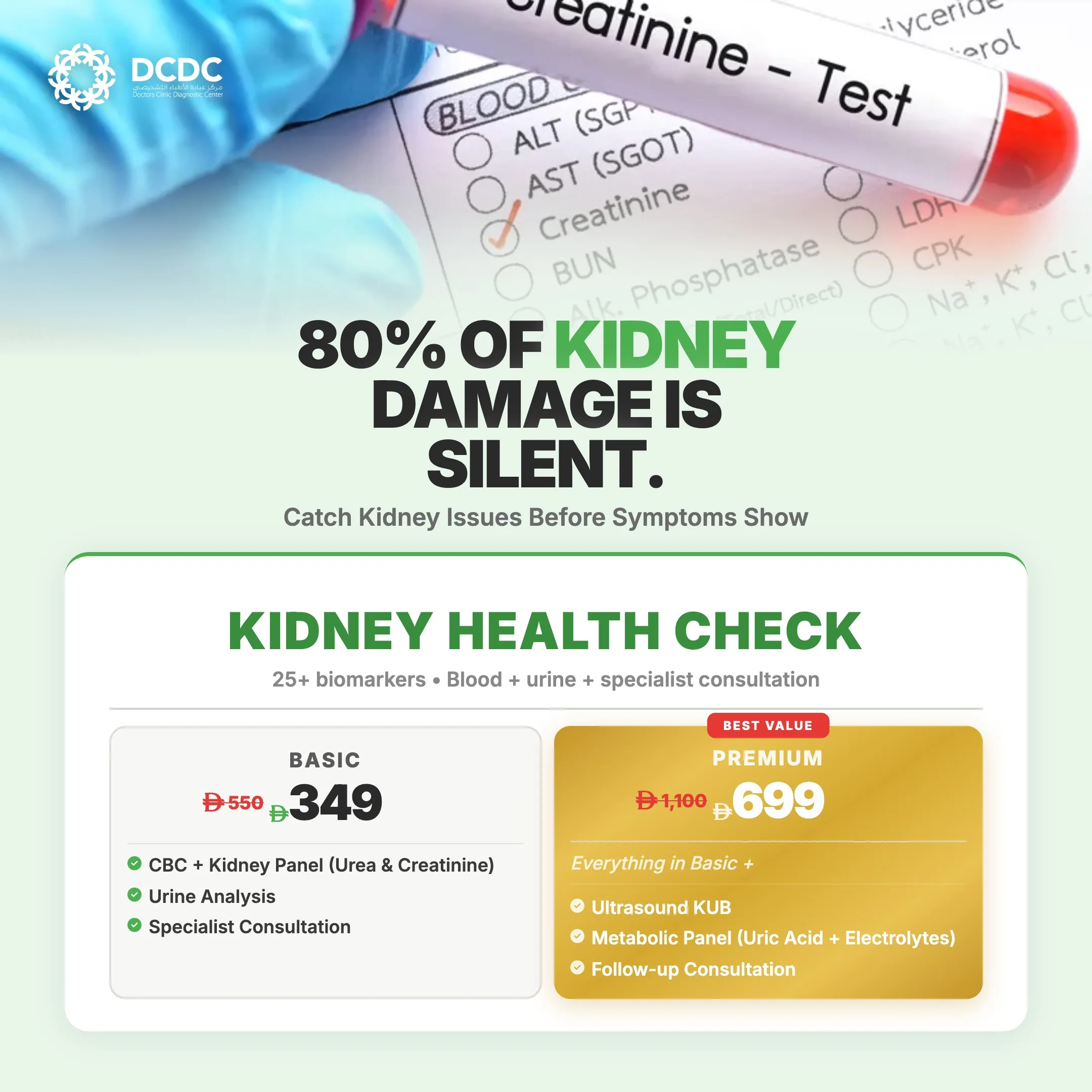
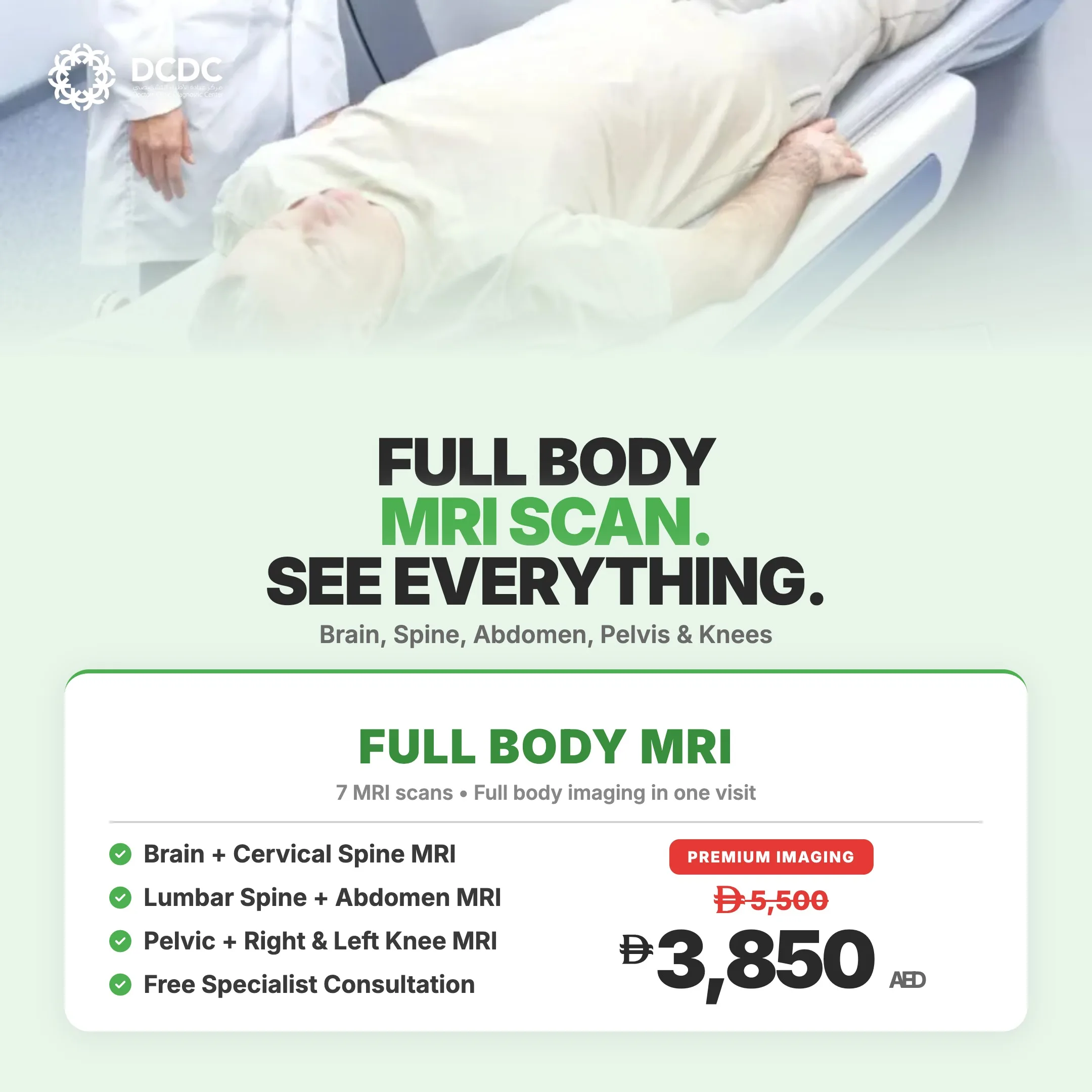
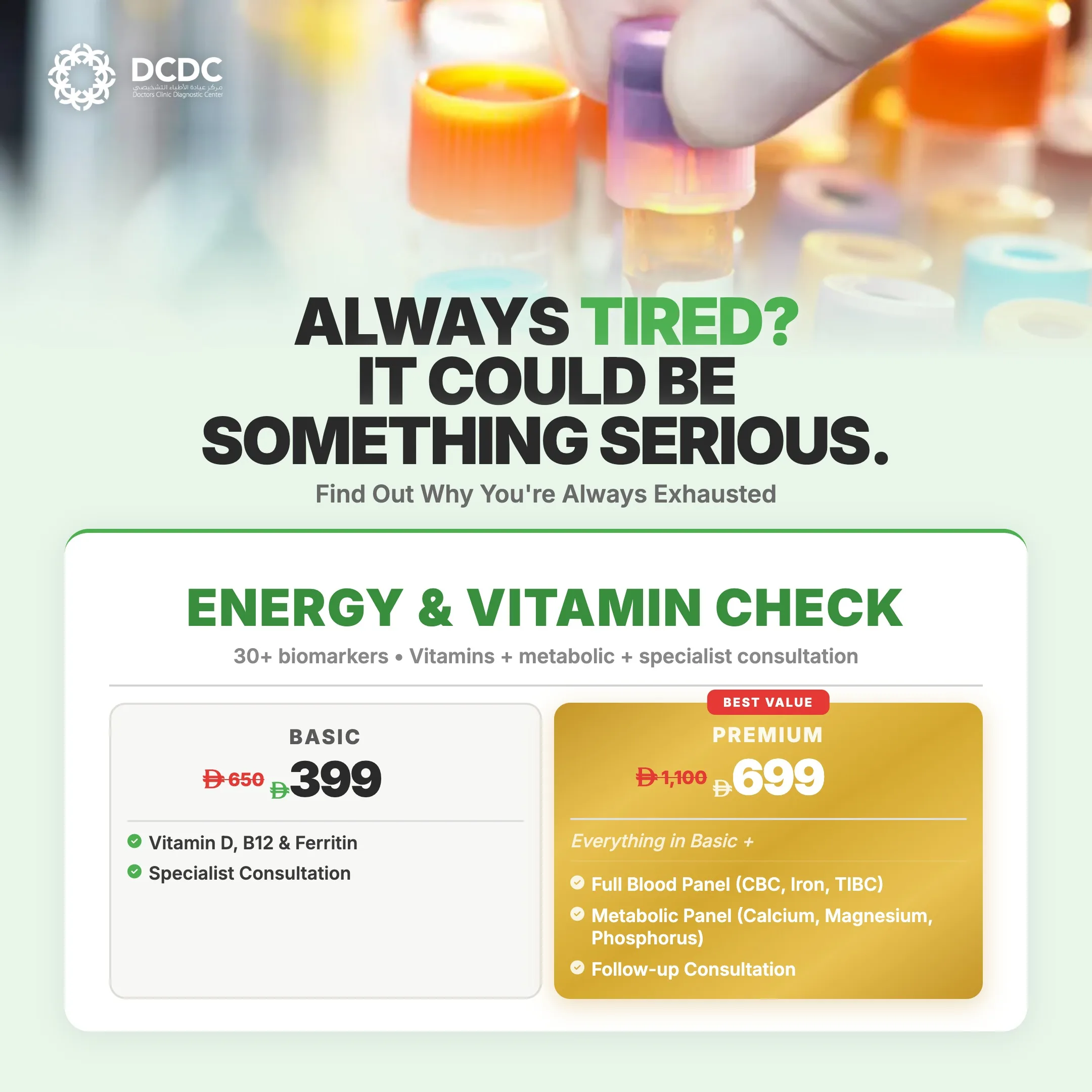
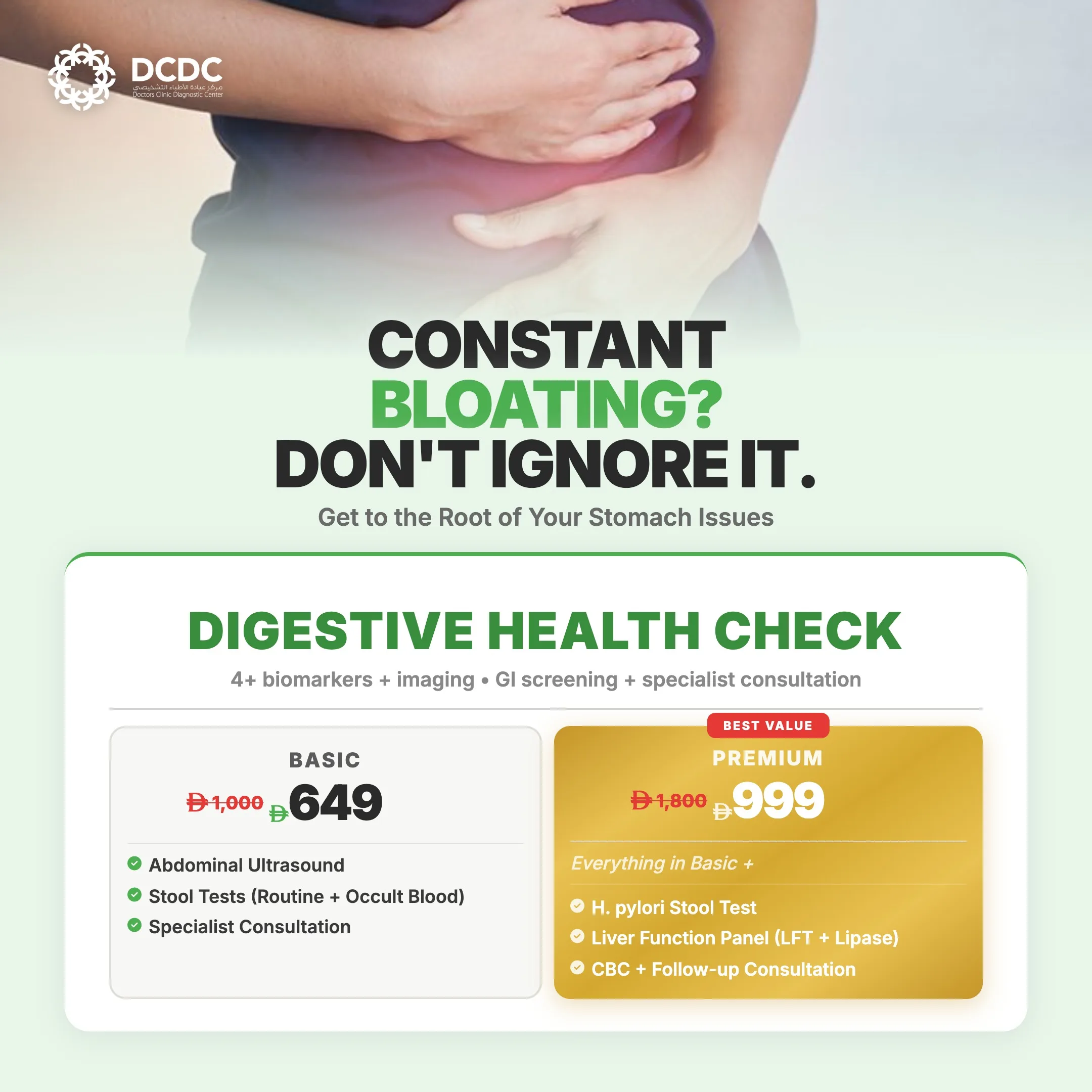
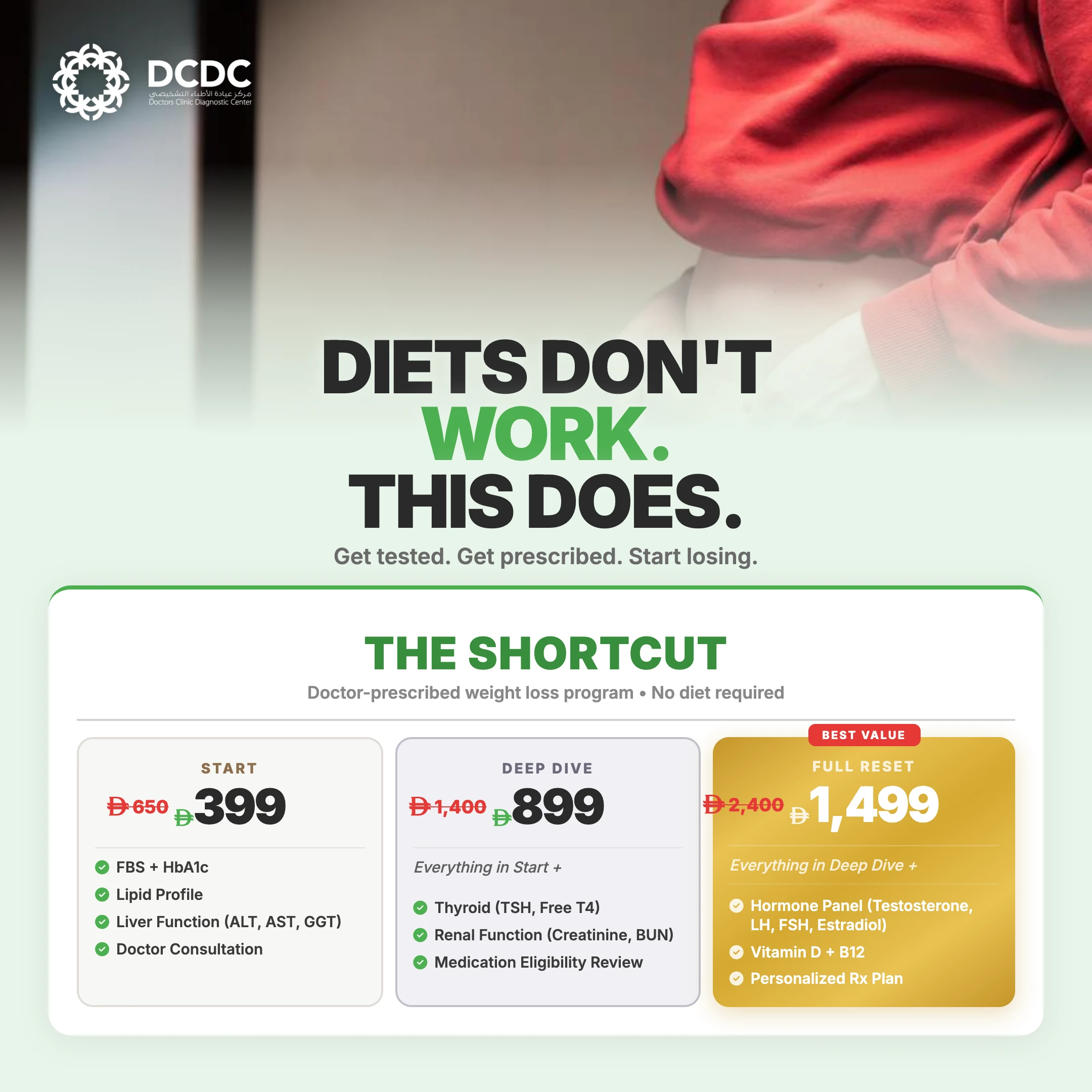
Health Screening Packages
Save with our bundled screening packages — specialist consultation included
What Is Hypothyroidism?
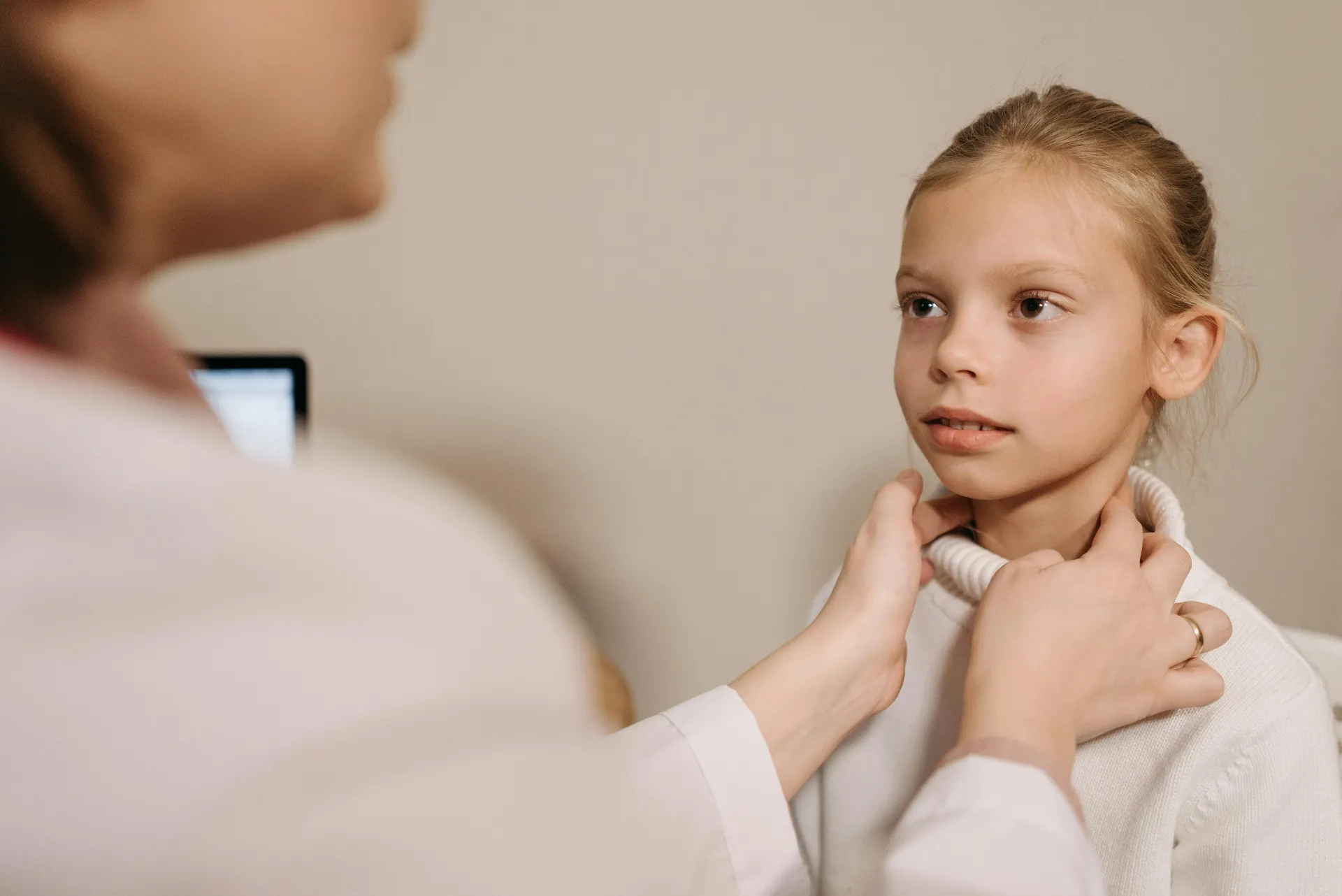
Your thyroid is a small, butterfly-shaped gland located at the front of your neck, just below the Adam's apple. Despite its small size, it plays an outsized role in your health. The thyroid produces two main hormones: thyroxine (T4) and triiodothyronine (T3). These hormones enter the bloodstream and influence the function of nearly every cell in your body.
The thyroid is controlled by the pituitary gland in the brain, which releases thyroid-stimulating hormone (TSH). When thyroid hormone levels drop, the pituitary releases more TSH to signal the thyroid to produce more. This is why elevated TSH is the hallmark of hypothyroidism: the pituitary is working harder because the thyroid is not keeping up.
Hypothyroidism can be classified as primary (the thyroid gland itself is damaged or dysfunctional), secondary (the pituitary gland is not producing enough TSH), or tertiary (the hypothalamus is not signalling the pituitary). Primary hypothyroidism accounts for more than 95% of cases.
Key Thyroid Hormones at a Glance
| Hormone | Full Name | Role | Normal Range |
|---|---|---|---|
| TSH | Thyroid-Stimulating Hormone | Signals thyroid to produce T3 and T4 | 0.4-4.0 mIU/L |
| Free T4 | Free Thyroxine | Main hormone produced by thyroid; converted to T3 in tissues | 0.8-1.8 ng/dL |
| Free T3 | Free Triiodothyronine | Active hormone that cells use directly | 2.3-4.2 pg/mL |
| TPO Antibodies | Thyroid Peroxidase Antibodies | Indicates autoimmune thyroid disease (Hashimoto's) | < 35 IU/mL |
Reference ranges may vary slightly between laboratories. Your DCDC lab report includes the specific reference range used.
Hypothyroidism Symptoms in Women and Men
The signs of underactive thyroid develop slowly, often over months or years. Many people dismiss them as normal ageing, stress, or the effects of Dubai's demanding lifestyle. This is why hypothyroidism is called a 'silent' condition: by the time symptoms become obvious enough to seek medical attention, hormone levels may have been low for a long time.
Common Symptoms in Both Men and Women
- Fatigue and low energy: Persistent tiredness that does not improve with rest. This is the most common symptom and often the first one patients notice.
- Unexplained weight gain: Gaining weight despite no change in diet or exercise, or difficulty losing weight despite effort.
- Cold intolerance: Feeling cold when others are comfortable. In Dubai, this may manifest as needing a jacket in air-conditioned offices when colleagues are fine.
- Constipation: Slowed digestive motility is a classic sign of low thyroid hormone.
- Dry skin and brittle nails: Reduced cell turnover leads to dry, flaky skin and nails that break easily.
- Hair thinning or hair loss: Diffuse hair loss affecting the entire scalp, not patchy.
- Brain fog and poor concentration: Difficulty focusing, forgetfulness, and mental sluggishness.
- Muscle aches and joint stiffness: Generalized muscle weakness and soreness.
- Depression and low mood: Thyroid hormones affect brain chemistry, and low levels are associated with depressive symptoms.
- Elevated cholesterol: Hypothyroidism can raise LDL cholesterol, increasing cardiovascular risk.
Additional Symptoms in Women
Hypothyroidism symptoms in women include all the above plus specific reproductive effects. Women are 5 to 8 times more likely than men to develop hypothyroidism, particularly during periods of hormonal change.
- Irregular or heavy periods: Menorrhagia (heavy bleeding) and irregular menstrual cycles
- Difficulty conceiving: Thyroid hormones are essential for ovulation and implantation
- Increased risk during pregnancy: Untreated hypothyroidism raises the risk of miscarriage, preeclampsia, and developmental delays in the baby
- Worsening of PMS symptoms: More severe mood swings, bloating, and fatigue before menstruation
What Causes Hypothyroidism?
Understanding the cause of your hypothyroidism helps guide treatment decisions and long-term management. In Dubai's diverse population, we see the full spectrum of causes.
Hashimoto's Thyroiditis (Autoimmune)
Hashimoto's thyroiditis is the most common cause of hypothyroidism worldwide, accounting for roughly 90% of cases in iodine-sufficient countries. The immune system mistakenly attacks the thyroid gland, gradually destroying its ability to produce hormones. It is diagnosed by the presence of elevated TPO antibodies in the blood. Hashimoto's runs in families and is more common in women, especially those with other autoimmune conditions such as type 1 diabetes or coeliac disease.
Other Causes
- Thyroid surgery: Partial or total thyroidectomy (removal of the thyroid) for nodules, goitre, or cancer
- Radioactive iodine treatment: Used for hyperthyroidism or thyroid cancer, this treatment often leads to permanent hypothyroidism
- Medications: Lithium, amiodarone, interferon-alpha, and certain cancer immunotherapies can impair thyroid function
- Iodine deficiency: Rare in Dubai due to iodized salt use, but seen in patients from regions where iodine supplementation is limited
- Postpartum thyroiditis: Temporary thyroid inflammation after pregnancy, affecting 5-10% of women. It may resolve or become permanent
- Pituitary disorders: Rare secondary hypothyroidism caused by pituitary tumours or surgery
- Congenital hypothyroidism: Present from birth; detected by newborn screening programmes
For more on how thyroid conditions relate to broader hormone health, see vitamin D deficiency and its impact on endocrine function. Vitamin D deficiency affects up to 90% of the UAE population and has been linked to increased risk of autoimmune thyroid disease.
How Hypothyroidism Is Diagnosed
Diagnosing hypothyroidism is straightforward once your doctor thinks to test for it. The challenge is recognizing that symptoms may be thyroid-related in the first place, which is why we routinely include thyroid screening in health checkups at DCDC.
Step 1: TSH Blood Test
The TSH test is the single most important screening test for thyroid function. Elevated TSH (above 4.0-4.5 mIU/L in most laboratories) suggests the thyroid is underperforming. TSH is the most sensitive marker because it rises before T4 or T3 levels fall into the abnormal range. This means TSH can detect hypothyroidism at its earliest, subclinical stage.
Step 2: Free T4 and Free T3
If TSH is elevated, free T4 is measured to confirm the diagnosis and classify it. A high TSH with low free T4 confirms overt hypothyroidism. A high TSH with normal free T4 indicates subclinical hypothyroidism, which may or may not require treatment depending on the TSH level and symptoms. Free T3 is sometimes measured but is less useful for diagnosing hypothyroidism.
Step 3: Thyroid Antibodies
TPO antibodies and thyroglobulin antibodies help identify whether Hashimoto's thyroiditis is the underlying cause. Knowing the cause helps predict the course: Hashimoto's tends to be progressive and lifelong, while other causes (like postpartum thyroiditis) may be temporary.
Step 4: Thyroid Ultrasound (When Indicated)
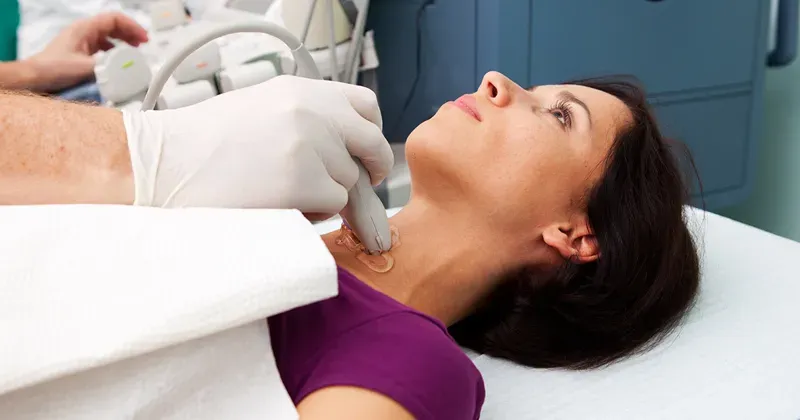
A thyroid ultrasound is not always needed but is recommended when the doctor feels a lump or irregularity during the neck examination, when thyroid antibodies are elevated, or when there is a family history of thyroid cancer. Ultrasound can detect nodules, assess gland size, and guide further investigation if needed. For a detailed overview, read our thyroid ultrasound guide.
What Your Results Mean
| TSH Level | Free T4 | Interpretation | Action |
|---|---|---|---|
| 0.4-4.0 mIU/L | Normal | Normal thyroid function | No treatment; retest if symptomatic |
| 4.5-10.0 mIU/L | Normal | Subclinical hypothyroidism | Monitor; treat if symptomatic or TSH > 7 |
| > 10.0 mIU/L | Low | Overt hypothyroidism | Start levothyroxine treatment |
| > 10.0 mIU/L | Normal | Significant subclinical hypothyroidism | Treat with levothyroxine |
Interpretation is simplified. Clinical context, symptoms, antibody status, and patient preferences all factor into treatment decisions.
Hypothyroidism Treatment: Levothyroxine and Beyond
The standard treatment for hypothyroidism is levothyroxine (synthetic T4), and it has been the gold standard for decades. The American Thyroid Association (ATA) recommends levothyroxine as the preparation of choice. It is safe, effective, inexpensive, and well-tolerated by the vast majority of patients.
How Levothyroxine Works
Levothyroxine replaces the thyroxine (T4) that your thyroid gland is no longer producing in sufficient quantities. Once absorbed, your body converts T4 into the active hormone T3 in tissues as needed. This mimics the body's natural physiology. Levothyroxine is taken as a single daily tablet, ideally on an empty stomach 30-60 minutes before breakfast with a full glass of water.
Starting Dose and Adjustment
The initial dose of levothyroxine depends on your age, weight, severity of hypothyroidism, and whether you have heart disease. For most adults, the starting dose is 1.6 micrograms per kilogram of body weight per day (roughly 50-100 mcg daily for an average-sized adult). Elderly patients and those with heart conditions start on lower doses (25-50 mcg) to avoid cardiac stress.
At DCDC, we calibrate levothyroxine doses based on TSH and free T4 levels, following ATA guidelines. After starting treatment or adjusting the dose, we recheck TSH in 6-8 weeks. It takes this long because TSH responds slowly to changes in thyroid hormone levels. The goal is to bring TSH into the normal range (typically 0.5-2.5 mIU/L for most adults) while relieving symptoms.
Important Rules for Taking Levothyroxine
- Take it at the same time every day: Consistency is more important than the specific time. Morning on an empty stomach works best for most people.
- Wait before eating: At least 30-60 minutes before food or coffee. Calcium, iron, and fibre reduce absorption.
- Separate from other medications: Wait at least 4 hours before taking calcium, iron supplements, or antacids.
- Do not stop without medical advice: Hypothyroidism is usually lifelong, and stopping treatment causes hormone levels to drop again.
- Store properly: Keep at room temperature away from heat and moisture. Dubai's climate makes proper storage important.
Alternative and Combination Therapies
Some patients ask about liothyronine (synthetic T3) or desiccated thyroid extract (derived from animal thyroid glands). The ATA does not recommend routine use of combination T4/T3 therapy or desiccated thyroid because the evidence does not show clear superiority over levothyroxine alone, and these alternatives carry a higher risk of side effects including heart palpitations. However, in select patients who remain symptomatic despite normal TSH on levothyroxine, a specialist may consider a trial of combination therapy under careful monitoring.
How Long Does Thyroid Medication Take to Work?
This is one of the most common questions patients ask, and the answer requires patience. Levothyroxine has a long half-life of about 7 days, which means it takes time to reach a steady level in your blood.
Timeline of Improvement
- Week 1-2: Most patients do not notice significant changes. The medication is building up in your system.
- Week 3-4: Some patients begin to notice improved energy, better mood, and reduced brain fog. These are often the first symptoms to improve.
- Week 4-6: Noticeable improvement in energy, constipation, and overall well-being for most patients.
- Week 6-8: TSH is rechecked at this point. If the dose needs adjustment, the clock restarts for another 6-8 weeks.
- Month 3-6: Weight changes, hair regrowth, and skin improvement take longer because these processes have slower turnover cycles.
- Month 6-12: Full stabilization. Hair growth cycle is approximately 3-6 months, so hair-related improvements may take up to a year.
The key message is that thyroid medication works, but it is not instant. If you do not feel better after 6-8 weeks, it may mean the dose needs adjustment rather than that the medication is not working. Dose optimization often takes 2-3 adjustments over several months.
For a comprehensive breakdown of the tests involved in monitoring your treatment, refer to our thyroid test guide, which covers TSH, T3, and T4 testing in detail.
Thyroid Assessment at DCDC
If you suspect an underactive thyroid, our team at DCDC in Dubai Healthcare City can assess you with same-day thyroid blood tests and on-site ultrasound when needed. General consultation from AED 250. TSH and thyroid panels available with same-day results. Most insurance plans accepted with direct billing.
What to Expect at DCDC
At Doctors Clinic Diagnostic Center in Dubai Healthcare City (Building 64, Block A, Al Razi Medical Complex), we have structured our thyroid care pathway to be efficient and thorough. Here is what your journey looks like from first visit to long-term management.
Your First Visit
- Medical history review: Dr. Hadeel Elnur or another physician reviews your symptoms, family history, medications, and any previous thyroid test results.
- Physical examination: Includes palpation of the thyroid gland to check for enlargement, nodules, or tenderness.
- Blood tests ordered on-site: TSH, free T4, free T3, and TPO antibodies. Our on-site laboratory processes routine thyroid panels with same-day results, so you often have answers before you leave the building.
- Thyroid ultrasound (if indicated): Available on-site if the doctor detects a lump or if your antibody levels warrant imaging.
- Additional tests: We routinely check vitamin D, vitamin B12, iron, and a complete blood count alongside thyroid panels because deficiencies in these are common in the UAE and can mimic or worsen hypothyroid symptoms.
Results and Treatment Plan
Once results are available (typically the same day for routine panels), your doctor discusses the findings and explains what they mean. If hypothyroidism is confirmed, levothyroxine is prescribed with clear instructions on how to take it. Your doctor will schedule a follow-up blood test in 6-8 weeks to check your response.
Follow-Up and Long-Term Monitoring
- First 6-12 months: Blood tests every 6-8 weeks until your dose is stable and TSH is in the target range.
- Once stable: Blood tests every 6-12 months to ensure levels remain optimal. Dose adjustments may be needed during pregnancy, significant weight changes, or when starting new medications.
- Annual thyroid review: A comprehensive check including symptom assessment, medication review, and a full thyroid panel.
DCDC holds a 4.8/5 Google rating from over 1,000 verified patient reviews and maintains a 98% patient satisfaction rate. We are MOHAP Licensed (License No. NIMY7VY5-240925), and our clinic is open Saturday to Thursday 8 AM to 10 PM and Friday 9 AM to 9 PM, with free parking on-site.
Hypothyroidism Treatment Cost in Dubai
Thyroid care is one of the most cost-effective areas of medicine because a small daily tablet and periodic blood tests can prevent serious health complications. Here is what hypothyroidism treatment typically costs in Dubai.
| Service | Typical Dubai Range | DCDC Starting From | Insurance Coverage |
|---|---|---|---|
| GP / Internal Medicine consultation | AED 200-600 | From AED 250 | Covered by most plans |
| TSH blood test | AED 80-200 | From AED 80 | Covered by most plans |
| Thyroid panel (TSH, Free T4, Free T3) | AED 200-500 | From AED 180 | Covered by most plans |
| Thyroid antibodies (TPO, TG) | AED 150-400 | From AED 150 | Covered when clinically indicated |
| Thyroid ultrasound | AED 300-800 | From AED 300 | Covered when clinically indicated |
| Levothyroxine (monthly supply) | AED 20-80 | AED 20-60 | Covered by most plans |
| Follow-up consultation + TSH recheck | AED 250-500 | From AED 200 | Covered by most plans |
Prices are approximate and may vary based on your specific insurance plan and clinical needs. DCDC works with 20+ insurance partners including Daman, AXA, and Bupa with direct billing available.
For most patients, the first year of hypothyroidism management costs approximately AED 1,500-3,000 including initial evaluation, dose optimization visits, and medication. After that, annual monitoring costs drop to approximately AED 500-1,000 per year. Most of these costs are covered by insurance.
Living with Hypothyroidism in Dubai
Once your levothyroxine dose is optimized, hypothyroidism should not limit your life. However, certain lifestyle factors can help you feel your best, and some are particularly relevant to living in Dubai.
Diet and Nutrition
- Iodine: Most people in the UAE get adequate iodine through iodized salt and seafood. Extra iodine supplements are not recommended unless your doctor identifies a deficiency, as excess iodine can worsen autoimmune thyroiditis.
- Selenium: Found in Brazil nuts, fish, and eggs. Some studies suggest selenium may reduce TPO antibody levels in Hashimoto's patients, though evidence is not strong enough for routine supplementation.
- Goitrogens: Cruciferous vegetables (broccoli, kale, cauliflower) contain goitrogens that can theoretically interfere with thyroid function. In practice, cooking these vegetables neutralizes most goitrogens, and moderate consumption is perfectly safe.
- Soy products: High soy intake can interfere with levothyroxine absorption. If you consume soy regularly, take your medication at least 4 hours before or after soy foods.
- Vitamin D: Up to 90% of UAE residents are vitamin D deficient despite abundant sunshine (due to limited sun exposure, indoor lifestyles, and protective clothing). Vitamin D deficiency is associated with increased autoimmune thyroid disease risk. Have your levels checked and supplement if deficient.
Exercise
Regular exercise improves energy, mood, metabolism, and weight management, all of which benefit hypothyroid patients. Aim for 150 minutes of moderate activity per week. In Dubai's hot months (May to October), use indoor facilities such as gyms, swimming pools, or mall walking tracks. Morning and evening outdoor exercise is ideal during cooler months.
Heat and Hydration
Hypothyroid patients often feel cold, which can actually make Dubai's summer heat more tolerable. However, some hypothyroid patients sweat less efficiently due to reduced metabolic function, so adequate hydration is still essential. Aim for at least 2-3 litres of water daily, more if you exercise or spend time outdoors.
Sleep and Stress
Poor sleep and chronic stress both affect thyroid function and can worsen hypothyroid symptoms. Prioritize 7-9 hours of sleep, maintain a consistent sleep schedule, and manage stress through regular exercise, social connection, or mindfulness practices.
When to See a Thyroid Specialist
Most hypothyroidism cases are managed effectively by a general practitioner or internist. However, referral to an endocrinologist (thyroid specialist) is recommended in certain situations.
- Persistent symptoms despite normal TSH: If you still feel unwell after your TSH has been normalized, a specialist can explore whether dose fine-tuning, combination therapy, or other conditions are contributing.
- Thyroid nodules: If a nodule is found on examination or ultrasound, an endocrinologist can assess whether it needs fine-needle aspiration biopsy.
- Pregnancy or planning pregnancy: Thyroid hormone requirements increase by 25-50% during pregnancy, and tight control is critical for fetal development.
- Children and adolescents: Paediatric hypothyroidism requires specialist management to ensure normal growth and development.
- Thyroid cancer history: Patients with a history of thyroid cancer need ongoing specialist monitoring.
- Difficult-to-control TSH: Wide fluctuations in TSH despite consistent medication use may indicate absorption issues or other conditions.
- Suspected secondary or tertiary hypothyroidism: These rare forms require pituitary evaluation.
At DCDC, Dr. Hadeel Elnur serves as the first point of contact for thyroid concerns and coordinates multi-specialty workups when specialist referral is needed. Same-day endocrinology slots are available when the clinical situation warrants urgent review.
Hypothyroidism and Pregnancy
Thyroid health during pregnancy is critical because thyroid hormones are essential for fetal brain development, particularly during the first trimester when the baby relies entirely on the mother's thyroid hormones.
Key Points for Pregnant Women
- Increased dose requirement: Women already on levothyroxine typically need a 25-50% dose increase as soon as pregnancy is confirmed. Some specialists advise increasing the dose by two extra tablets per week immediately upon a positive pregnancy test.
- Tighter TSH targets: The ATA recommends TSH below 2.5 mIU/L in the first trimester and below 3.0 mIU/L in the second and third trimesters.
- More frequent monitoring: TSH should be checked every 4 weeks during the first half of pregnancy and at least once between weeks 26-32.
- Untreated risks: Untreated maternal hypothyroidism is associated with miscarriage, preterm birth, preeclampsia, low birth weight, and impaired neurocognitive development in the child.
- Postpartum adjustment: After delivery, levothyroxine dose is typically reduced back to the pre-pregnancy dose, with TSH checked at 6 weeks postpartum.
If you are planning a pregnancy and have hypothyroidism or a family history of thyroid disease, discuss thyroid testing with your doctor before conception. Early detection and treatment protect both mother and baby.
For a broader view of hormone testing options available at DCDC, see our thyroid ultrasound guide which explains when imaging is recommended alongside blood tests.
Book Your Thyroid Check at DCDC
Concerned about thyroid symptoms? Book a consultation at DCDC Dubai Healthcare City. Same-day thyroid blood tests with on-site lab. Thyroid ultrasound available. 20+ insurance partners with direct billing including Daman, AXA, and Bupa. Open Sat-Thu 8AM-10:30PM, Fri 9AM-10PM.
Can Hypothyroidism Be Cured?
This is a question we hear frequently, and honesty is important. For most people, hypothyroidism is a lifelong condition that requires ongoing treatment. This is especially true for Hashimoto's thyroiditis, where the immune system has permanently damaged the thyroid gland, and for patients who have had thyroid surgery or radioactive iodine treatment.
However, some forms of hypothyroidism are reversible. Postpartum thyroiditis resolves on its own in many women. Drug-induced hypothyroidism may reverse when the offending medication is stopped. Subclinical hypothyroidism sometimes normalizes without treatment, particularly when TSH is mildly elevated (4.5-7.0 mIU/L).
The important perspective is this: while most hypothyroidism cannot be cured, it can be treated so effectively that it has virtually no impact on your quality of life or life expectancy. A small daily tablet and periodic blood tests are a minor inconvenience compared to the consequences of untreated hypothyroidism.
Dr. Hadeel Elnur's Perspective on Thyroid Care
"In my experience at DCDC, thyroid disorders are among the most satisfying conditions to treat because the improvement patients experience is often dramatic. Someone who has been struggling with fatigue, weight gain, and brain fog for months or years starts to feel like themselves again within weeks of starting the right dose of levothyroxine."
"What I emphasize to every patient is that hypothyroidism treatment is not a one-time fix. It requires partnership between you and your doctor. Take your medication consistently, come for your follow-up blood tests, and tell us if something does not feel right. The numbers on the lab report matter, but how you feel matters just as much."
"I also see many patients in Dubai who have been told their thyroid is 'borderline' and left without a clear plan. At DCDC, we do not leave you guessing. If your TSH is elevated, we discuss whether treatment is appropriate now or whether monitoring is the better approach, and we explain why. If we start treatment, we follow up until your dose is optimized, not just until your TSH is technically in range."
"One pattern I see frequently in the UAE is the overlap between thyroid symptoms and vitamin D deficiency symptoms. Fatigue, muscle aches, low mood: these overlap significantly. That is why we check vitamin D alongside thyroid panels. Treating both conditions together often produces a better outcome than treating either one alone."
Related Services at DCDC
Expert care and advanced diagnostics at Dubai Healthcare City
Frequently Asked Questions
Related Resources
Thyroid Test Dubai: TSH, T3 & T4 Guide
Thyroid Ultrasound Dubai: When You Need It
Hormone Test Dubai: Types, Cost & Guide
Vitamin D Deficiency Dubai: Signs & Treatment
Sources & References
This article was reviewed by our medical team and references the following sources:
- American Thyroid Association - Guidelines for the Treatment of Hypothyroidism
- NHS - Underactive Thyroid (Hypothyroidism)
- Mayo Clinic - Hypothyroidism (Underactive Thyroid)
- BMC Public Health - Prevalence of Hypothyroidism in Dubai Primary Healthcare Centres (2025)
- World Health Organization - Iodine Deficiency and Thyroid Disorders
- Endocrine Society - Clinical Practice Guidelines for Hypothyroidism in Adults
Medical content on this site is reviewed by DHA-licensed physicians. See our editorial policy for more information.

Written by
Dr. Hadeel Elnur
General Practitioner
MD, General Practice
Dr. Hadeel Elnur is a General Practitioner at Doctors Clinic Diagnostic Center (DCDC) in Dubai Healthcare City. She serves as the first point of contact for patients with thyroid concerns and coordinates multi-specialty workups when needed. She believes in thorough investigation, clear communication, and treatment plans that patients can follow confidently.
Related Articles
Thyroid Test Dubai: TSH, T3 & T4 Guide
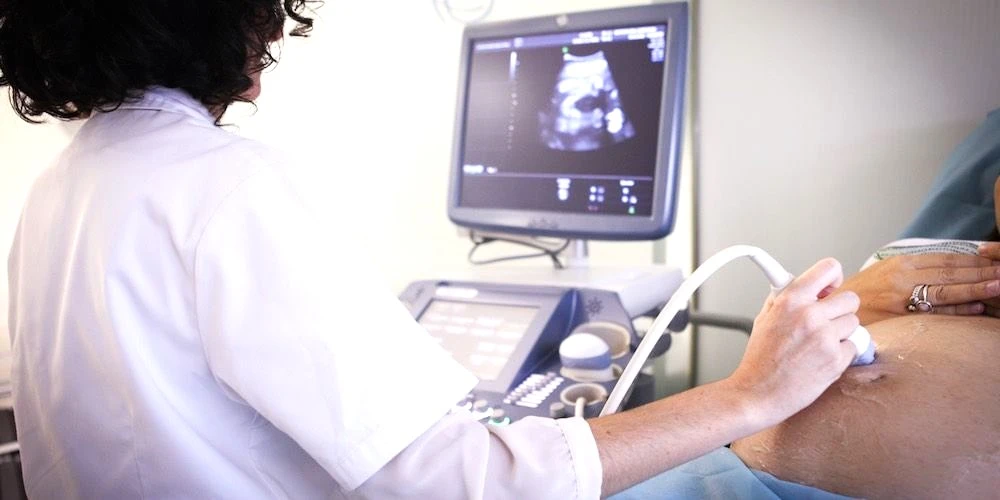
Thyroid Ultrasound Dubai: When You Need It
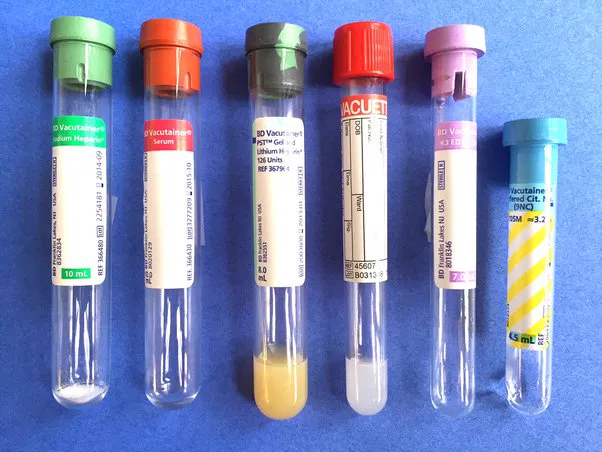
Hormone Test Dubai: Types, Cost & Guide
Diabetes Management Dubai: Complete Guide
Vitamin D Deficiency Dubai: Signs & Treatment
More in Internal Medicine

Enlarged Prostate Dubai: BPH Symptoms (2026)
Read More
Hiatal Hernia Dubai: Symptoms & Treatment (2026)
Read MoreDiabetic Foot Care Dubai: Warning Signs (2026)
Read MoreColonoscopy vs Endoscopy Dubai: Guide (2026)
Read MoreDiabetic Diet Plan Dubai: Foods & Tips (2026)
Read MoreCholesterol-Lowering Foods & Diet Dubai (2026)
Read More© 2026 Doctors Clinic Diagnostic Center (DCDC), Dubai Healthcare City. Originally published at https://doctorsclinicdubai.ae/blog/hypothyroidism-treatment-dubai. All rights reserved. Unauthorized reproduction is prohibited.