Key Takeaways
- Around 16% of adults in the UAE live with diabetes, one of the highest rates in the world, making diet the single most powerful daily tool for keeping blood sugar in a healthy range.
- A diabetic diet plan is not a restrictive diet — it is a way of balancing carbohydrates, protein, fibre, and healthy fats so that blood glucose rises and falls gently rather than spiking.
- Low glycemic index foods such as legumes, whole grains, non-starchy vegetables, and most fruits release glucose slowly and should form the base of most meals.
- Dubai's multicultural food scene makes diabetic eating easier than many people assume — Arabic, South Asian, and Western cuisines all offer blood-sugar-friendly options once you know which dishes and swaps to choose.
- Fasting during Ramadan with diabetes is possible for many people but requires a pre-Ramadan medical review, since medication timing and meal composition both need to change.
- Carbohydrate counting and regular HbA1c testing, available with results within 24 hours at DCDC, give you objective feedback on whether your diet plan is actually working.
- A structured nutrition consultation with a doctor who can review your labs, medications, and lifestyle produces better long-term results than following generic diet advice found online.
If you have recently been told you need a diabetic diet plan, you are far from alone — an estimated 16% of adults in the UAE live with diabetes, one of the highest prevalence rates anywhere in the world, and diet remains the single most effective daily lever for keeping blood sugar under control. At the Diabetes Clinic at Doctors Clinic Diagnostic Center (DCDC) in Dubai Healthcare City, our General Practice and Internal Medicine team helps patients translate that diagnosis into a practical, sustainable eating pattern rather than a list of foods to fear.
Building a diabetic diet plan in Dubai comes with a particular set of challenges. The city's dining culture revolves around long family meals, generous buffet spreads, late-night gatherings, and a food scene that blends Emirati, Levantine, South Asian, Filipino, and Western cuisines on almost every street. Add a punishing summer climate that discourages home cooking, a Ramadan season that shifts meal timing entirely, and a workplace culture built around client lunches and after-work dinners, and it becomes clear why generic Western diet advice often does not translate well here. This guide walks through the science of food and blood sugar, gives you specific, Dubai-relevant food choices across the cuisines you will actually encounter, and explains how our team at DCDC supports patients through nutrition counselling, lab testing, and ongoing monitoring.
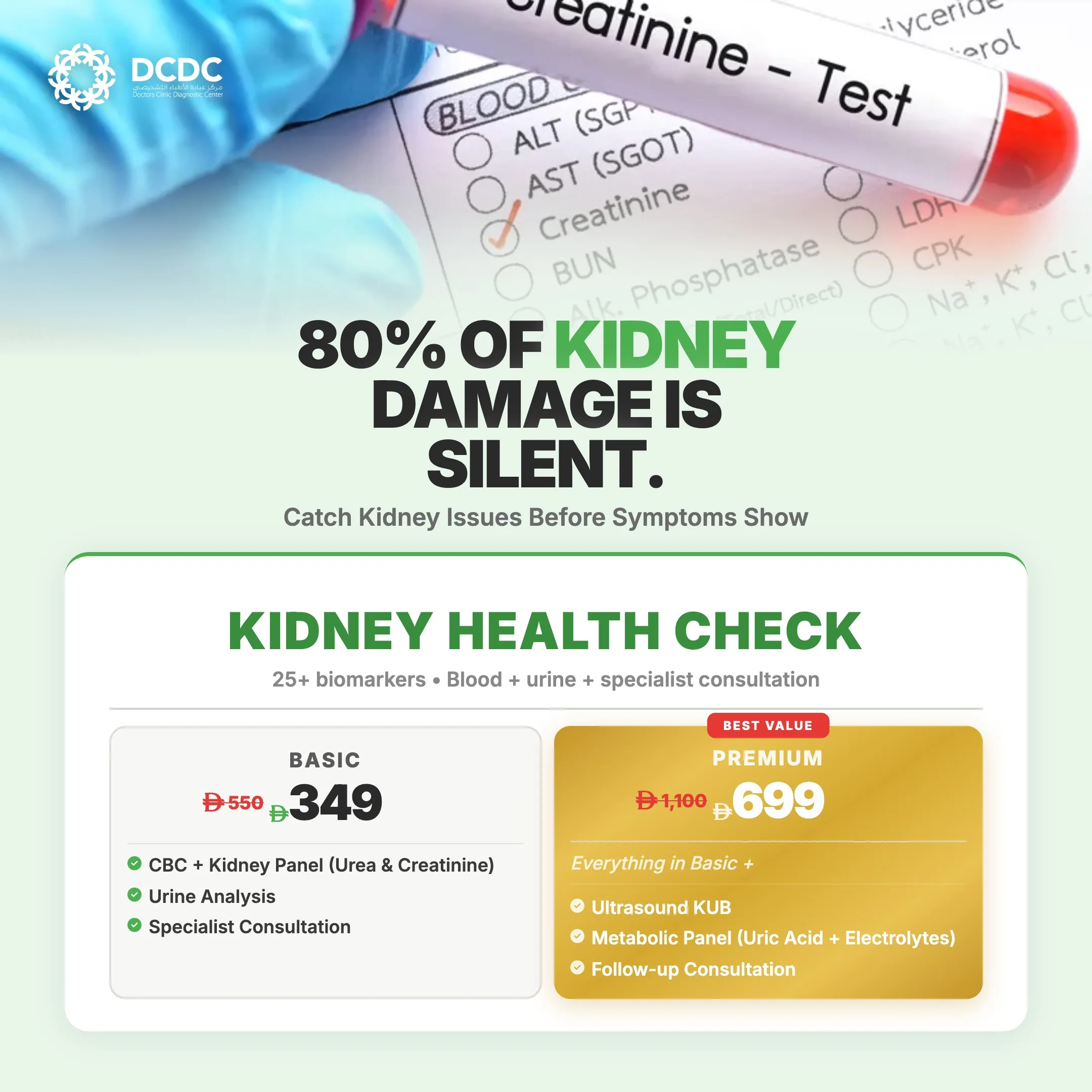
Health Screening Packages
Save with our bundled screening packages — specialist consultation included





How Diet Affects Blood Sugar: The Basic Science
When you eat, your digestive system breaks carbohydrates down into glucose, which enters the bloodstream and triggers the release of insulin from the pancreas. Insulin acts like a key that unlocks cells so glucose can move out of the blood and be used for energy. In type 2 diabetes, cells become resistant to insulin's signal, or the pancreas cannot produce enough of it, so glucose lingers in the bloodstream at higher-than-normal levels. In type 1 diabetes, the pancreas produces little or no insulin at all, and insulin must be supplied externally.
Diet influences this process in three main ways: the total amount of carbohydrate eaten, the speed at which that carbohydrate is digested and absorbed, and the presence of fibre, protein, and fat, which all slow digestion and blunt the resulting glucose spike. A diabetic diet plan is essentially a strategy for managing these three variables at every meal, so that blood glucose rises gradually rather than sharply, and returns to a normal range within a few hours rather than staying elevated.
Why Blood Sugar Spikes Matter
Repeated glucose spikes, even in people who are not yet diagnosed with diabetes, are associated with damage to blood vessels, nerves, kidneys, and eyes over time. This is why doctors track HbA1c, a blood test that reflects average blood sugar over the preceding two to three months, rather than a single glucose reading. A well-designed diabetic diet plan aims to keep both fasting glucose and post-meal glucose within target ranges consistently, which is reflected in a lower, more stable HbA1c result.
Best Foods to Lower Blood Sugar
Certain foods are particularly effective at supporting stable blood sugar because they combine fibre, protein, or healthy fat with a low glycemic load. Building meals around these food groups is the foundation of any effective diabetic diet plan.
Non-Starchy Vegetables
- Leafy greens — spinach, molokhia, rocket, and kale are very low in carbohydrate and high in fibre and magnesium, a mineral linked to better insulin sensitivity.
- Cruciferous vegetables — broccoli, cauliflower, and cabbage add bulk and fibre with minimal impact on glucose.
- Okra and eggplant — staples of Emirati and Levantine cooking that are naturally low glycemic and rich in soluble fibre.
- Cucumber, tomato, and bell peppers — common in Arabic salads such as fattoush and tabbouleh (when made with a light dressing and reduced bulgur), and virtually free of impact on blood sugar.
Legumes and Whole Grains
- Lentils and chickpeas — the base of dishes like mujaddara, lentil soup, and hummus, these combine plant protein and soluble fibre for one of the lowest glycemic impacts of any staple carbohydrate.
- Freekeh and bulgur — cracked wheat grains used in Levantine cooking that digest more slowly than white rice thanks to their fibre content.
- Steel-cut oats — a good breakfast base when portioned to roughly half a cup dry, paired with nuts or seeds.
- Brown rice and whole-wheat roti or khubz — better choices than white rice or refined flatbread, though portion size still matters.
Lean Protein and Healthy Fats
- Grilled fish and chicken — hammour, salmon, and skinless chicken cooked without heavy breading or sugary marinades.
- Eggs and low-fat labneh or Greek yoghurt — versatile protein sources that slow gastric emptying and reduce the glucose response of an accompanying carbohydrate.
- Nuts and seeds — almonds, walnuts, and chia seeds in small portions (a small handful) provide healthy fat and fibre.
- Olive oil and avocado — monounsaturated fats that, used in moderation, are associated with improved insulin sensitivity when they replace saturated fat.
Since blood sugar and cholesterol control often go hand in hand, especially for the healthy fats discussed above, our guide to cholesterol-lowering foods is a useful companion for anyone managing both conditions together.
Foods to Avoid or Limit With Diabetes
No single food needs to be eliminated forever, but some foods raise blood sugar quickly and offer little nutritional benefit in return, so they are worth limiting to small, occasional portions rather than daily staples.
- Sugary drinks — regular soft drinks, sweetened karak or chai, fresh juice with no fibre, and energy drinks cause the fastest, sharpest glucose spikes of almost any food category.
- Refined white bread, white rice, and pastries — stripped of fibre, these digest very quickly into glucose.
- Traditional sweets in large portions — baklava, kunafa, gulab jamun, and similar desserts are calorie- and sugar-dense; a small taste on special occasions is more sustainable than complete avoidance, which often backfires.
- Deep-fried foods — samosas, fried chicken, and other fried snacks combine refined carbohydrate with excess fat, which can also worsen insulin resistance over time.
- Sweetened dairy and flavoured yoghurts — often contain more added sugar than a dessert per serving.
- Excess dried fruit and full glasses of fruit juice — concentrated sugar with little of the fibre found in whole fruit.
For a deeper, condition-specific breakdown of daily habits beyond diet, our diabetes management guide covers medication, exercise, and monitoring alongside food choices, and is a useful companion to this article.
Dubai-Specific Meal Planning: Arabic, South Asian, and Western Options
One of the most common misconceptions patients bring to our clinic is that a diabetic diet plan means eating bland, Western-style food. In reality, every cuisine represented in Dubai has both blood-sugar-friendly staples and dishes worth limiting, and a good plan simply adjusts the ratios and portions within the food you already enjoy.
Arabic and Emirati Cuisine
- Favour grilled shish tawook, kofta, or fish over fried kibbeh, and pair with a large salad rather than extra rice.
- Choose hummus, moutabal, and labneh as dips over heavier, cream-based options.
- Order fattoush or tabbouleh with dressing on the side, and go easy on the fried bread croutons in fattoush.
- Limit machboos and biryani-style rice dishes to a modest portion (roughly the size of a cupped hand) alongside extra vegetables and protein.
South Asian Cuisine
- Choose tandoori, grilled, or curry-based proteins over battered and deep-fried preparations.
- Swap white rice for a smaller portion of brown rice or extra dal (lentils), which has a much gentler effect on blood sugar.
- Pick roti or chapati over naan or paratha, which are often cooked with extra oil or ghee.
- Ask for curries to be made with less added sugar and cream — many restaurant curries include more sugar than diners expect.
Western and International Options
- Build salads or bowls around a lean protein, olive oil dressing, and a small portion of whole grain rather than refined pasta or white bread.
- Choose grilled over breaded or fried when ordering chicken, fish, or seafood.
- Watch portion sizes on pasta and pizza; pairing a smaller serving with a side salad reduces the overall glycemic load of the meal.
- Be cautious with "healthy" smoothies and juice bars, which often contain multiple servings of fruit and added sweeteners in a single cup.
Not Sure Which Foods Are Right for Your Blood Sugar?
A personalised nutrition consultation at DCDC reviews your current diet, blood sugar patterns, and medications together, so recommendations fit your life rather than a generic template. Same-day appointments are usually available at our Dubai Healthcare City clinic.
Diabetes consultations from AED 299 | Same-day testing available | 20+ insurance partners
Understanding the Glycemic Index for Diabetic Eating
The glycemic index (GI) ranks carbohydrate-containing foods on a scale of 0 to 100 based on how quickly they raise blood glucose compared with pure glucose. Low GI foods (55 or below) are digested and absorbed slowly, producing a gentler rise in blood sugar; high GI foods (70 and above) are digested quickly and cause a sharper spike. Glycemic load, which factors in typical portion size as well as GI, is often a more practical guide for everyday eating, but the glycemic index remains a useful starting point for comparing foods.
| Food | Glycemic Index (approx.) | Category |
|---|---|---|
| Lentils (mujaddara base) | 25-30 | Low |
| Chickpeas / hummus | 28-35 | Low |
| Steel-cut oats | 42 | Low |
| Apple | 36 | Low |
| Brown rice | 50-55 | Low-Medium |
| Whole-wheat khubz / roti | 55-62 | Medium |
| Basmati rice (white) | 58-65 | Medium |
| Ripe banana | 60-65 | Medium |
| White pita bread | 68-72 | High |
| White rice (short grain) | 70-79 | High |
| Watermelon | 72-80 | High |
| White bread / baguette | 75 | High |
| Dates (fresh) | 42-55 | Low-Medium |
Approximate glycemic index values for common foods eaten in Dubai. Values can vary with ripeness, cooking method, and portion, so use this as a general guide rather than an exact figure.
Note that dates, a staple in the UAE and traditionally eaten to break the Ramadan fast, have a lower glycemic index than many people assume, largely due to their fibre content — but they are still calorie- and sugar-dense, so portion control (one to three dates) matters more than complete avoidance.
Carbohydrate Counting Basics
Carbohydrate counting is a practical skill that complements glycemic index knowledge, particularly for patients on insulin or those trying to understand exactly how much a meal will raise their blood sugar. In simple terms, it means learning roughly how many grams of carbohydrate are in a typical portion of the foods you eat regularly, so you can keep meals within a consistent range rather than guessing.
- A useful starting target for many adults with type 2 diabetes is roughly 30-45 grams of carbohydrate per main meal and 15-20 grams per snack, though this should be personalised with your doctor or dietitian based on your medication and activity level.
- A cupped handful of cooked rice, pasta, or grains is roughly 30-35 grams of carbohydrate — a helpful visual estimate when a food scale is not available.
- One small piece of fruit (an apple, orange, or a small banana) is roughly 15 grams of carbohydrate.
- Non-starchy vegetables contain so little carbohydrate that they generally do not need to be counted.
- Reading nutrition labels on packaged foods sold in UAE supermarkets, which list total carbohydrate and sugar per serving, builds carbohydrate-counting skill quickly.
Carbohydrate counting becomes far more precise once you know your own numbers — our HbA1c testing guide explains how this key lab result is measured and what your target range should be.
Fasting During Ramadan With Diabetes
Ramadan presents one of the most important, and most Dubai-specific, dietary considerations for people with diabetes. Fasting from dawn to sunset changes meal timing, medication schedules, and hydration patterns all at once, and international clinical guidance, including from the American Diabetes Association, recommends a structured pre-Ramadan risk assessment for every patient with diabetes who intends to fast.
Key Ramadan Diet Principles
- Suhoor (pre-dawn meal): Choose complex carbohydrates and protein — oats, lentils, eggs, labneh, and vegetables — that digest slowly and help sustain energy through the fasting hours, rather than sugary or refined-carbohydrate options that leave you hungry by mid-morning.
- Iftar (breaking the fast): Break the fast with one to three dates and water as tradition suggests, then pause before the main meal to avoid overeating. Build the main meal around soup, salad, and a moderate portion of protein and whole grains rather than fried appetisers and large portions of rice.
- Avoid jumping straight into large quantities of fried sambousek, sugary juices, and dessert tables immediately after the fast, which can cause a sharp glucose spike after a full day of fasting.
- Hydration: Spread water intake between iftar and suhoor rather than trying to drink it all at once, and limit caffeinated and sugary drinks, which increase fluid loss.
- Medication timing: Insulin doses and some oral medications need to be adjusted for the shifted meal schedule — this should always be reviewed with a doctor before Ramadan begins, never changed independently.
Some patients, particularly those with well-controlled type 2 diabetes on stable oral medication, can often fast safely with medical guidance, while others — especially those with type 1 diabetes, poorly controlled blood sugar, or a recent history of hypoglycemia — may be advised against fasting for their own safety. A pre-Ramadan review helps your doctor assess whether fasting is likely to be safe for you before the month begins.
Dining Out in Dubai With Diabetes
Dubai's restaurant culture, from mall food courts to fine dining, makes eating out with diabetes a near-daily reality for most residents. A few practical habits make a meaningful difference without requiring you to avoid restaurants altogether.
- Ask for sauces, dressings, and gravies on the side so you control the quantity, since many restaurant sauces contain added sugar.
- Request grilled instead of fried preparation wherever the menu allows it.
- Start with a vegetable-based starter or soup to add fibre and volume before the main course arrives.
- At buffets, fill half the plate with vegetables and salad first, then add a modest portion of protein and starch — this single habit prevents most overeating at generous Dubai buffet spreads.
- Share dessert, or order fruit instead, rather than skipping treats entirely, which often leads to overcompensating later.
- Check delivery-app nutrition information where available, and choose water, unsweetened tea, or sparkling water over soft drinks and sweetened iced beverages.
What to Expect: Your Nutrition Consultation at DCDC
Many patients are unsure what a diabetes diet consultation actually involves, so here is what a typical visit looks like at our Dubai Healthcare City clinic. The process is designed to be efficient and give you clear, personalised guidance rather than a generic printed diet sheet.
- Step 1 — Initial consultation: You will meet with a General Practitioner or Internal Medicine physician who reviews your medical history, current medications, and typical eating pattern, including favourite foods and eating-out habits.
- Step 2 — Lab testing: Fasting glucose, HbA1c, and often a lipid profile are drawn on-site the same day, with HbA1c results typically available within 24 hours.
- Step 3 — Personalised diet plan: Using your lab results and lifestyle information, your doctor builds a practical eating plan that reflects the cuisines you actually eat, with specific portion guidance and swaps rather than a one-size-fits-all handout.
- Step 4 — Monitoring plan: Depending on your case, your doctor may recommend home glucose monitoring or continuous glucose monitoring (CGM) to track how specific meals affect you in real time.
- Step 5 — Follow-up: A follow-up visit, typically within four to twelve weeks, reviews progress, repeats key labs if needed, and adjusts the plan.
As a General Practitioner, Dr. Hadeel Elnur is often a patient's first point of contact for diabetes-related concerns, and she coordinates any additional specialist workup — such as an internal medicine or endocrinology referral — when a case needs more advanced management. Patients we see for diet consultations frequently ask about related conditions; if you suspect your blood sugar issues may still be in an early stage, our article on pre-diabetes prevention explains the warning signs and reversal window in more detail.
Diabetes Testing and Consultation Costs at DCDC
Transparent pricing helps patients plan their care. The table below outlines approximate costs for the tests and consultations most relevant to building and monitoring a diabetic diet plan at DCDC in Dubai Healthcare City.
| Service | Approximate Cost (AED) |
|---|---|
| GP / diabetes consultation | AED 299 - 599 |
| Fasting blood glucose test | from AED 99 |
| HbA1c test (results within 24 hours) | from AED 149 |
| Lipid profile | from AED 199 |
| Comprehensive metabolic panel | from AED 250 |
| Nutrition / diet counselling session | from AED 250 |
| Continuous glucose monitor (CGM) setup | AED 99 |
| Annual diabetes health checkup package | from AED 599 |
Prices are approximate and can vary based on individual assessment, insurance coverage, and package inclusions. Confirm exact costs when booking.
DCDC works with more than 20 insurance partners, including Daman, AXA, and Bupa, with direct billing available for most plans, so many patients pay only a co-payment or nothing out of pocket at the time of visit.
Monitoring Your Progress: HbA1c, CGM, and Home Testing
A diabetic diet plan only works if you can measure whether it is working, and Dubai residents have several practical monitoring options.
HbA1c Testing
HbA1c reflects your average blood glucose over roughly the previous two to three months and is the primary metric doctors use to judge whether a diet and treatment plan is succeeding. Most people with diabetes are advised to have this test every three to six months; at DCDC, results are typically available within 24 hours, allowing your doctor to adjust your diet plan quickly rather than waiting weeks.
Home Glucose Monitoring and CGM
A traditional glucometer gives a single-point-in-time reading, useful for checking fasting glucose or the response to a specific meal. A continuous glucose monitor (CGM) is a small sensor worn on the arm that tracks glucose trends throughout the day and night, showing exactly how individual foods, meal timing, and even stress or exercise affect your blood sugar. For patients trying to fine-tune a diabetic diet plan around Dubai's varied cuisine, a short CGM trial can be genuinely eye-opening — many people are surprised by which "healthy" foods spike their blood sugar and which comfort foods, eaten in the right portion, barely move it.
If you have noticed symptoms such as unusual fatigue after meals, frequent thirst, or slow-healing cuts, it is worth reading our guide on insulin resistance signs, since these can appear well before a formal diabetes diagnosis and often respond strongly to early dietary change.
A Doctor's Perspective: Advice From Dr. Hadeel Elnur
"The patients who succeed long-term with a diabetic diet plan are rarely the ones who try to overhaul everything overnight," says Dr. Hadeel Elnur, General Practitioner at DCDC. "They are the ones who make two or three specific, sustainable swaps — smaller rice portions, water instead of juice, a walk after dinner — and build from there. Dubai's food culture is genuinely varied, and almost every cuisine here has dishes that work well for blood sugar control. My role is to help patients find those options within the food they already love, rather than asking them to eat a diet that has nothing to do with their daily life."
She adds that lab testing plays an essential role in keeping motivation realistic: "Diet changes can feel abstract until you see the numbers move. Watching an HbA1c or fasting glucose result improve over a few months, sometimes with a CGM showing exactly which meals are working, gives patients concrete proof that their effort is paying off — and that keeps them consistent."
This kind of individualised, evidence-based approach is one reason our clinic maintains a 4.8 out of 5 rating from more than 1,000 patient reviews and a 98% patient satisfaction score. DCDC is fully MOHAP licensed, and our team routinely coordinates diet counselling with lab testing and, where needed, specialist referral, so patients are not left to interpret conflicting advice on their own.
Ready to Build a Diet Plan That Fits Your Life?
Book a diabetes consultation at DCDC in Dubai Healthcare City for a personalised eating plan, same-day lab testing, and clear next steps. Free parking, easy access from Downtown Dubai, and direct billing with over 20 insurance partners.
Building 64, Block A, Al Razi Medical Complex, DHCC | Sat-Thu 8 AM-10 PM, Fri 9 AM-9 PM
Related Services at DCDC
Expert care and advanced diagnostics at Dubai Healthcare City
Frequently Asked Questions
Final Thoughts
A diabetic diet plan is not about eliminating entire food groups or abandoning the meals you grew up with — it is about understanding how carbohydrate, fibre, protein, and fat work together to keep blood sugar stable, and applying that understanding to the specific foods available to you in Dubai. Whether your table is built around Arabic mezze, South Asian curries, or Western-style bowls, the same core principles apply: favour fibre-rich, minimally processed foods, watch portion sizes on refined carbohydrates, and pair carbohydrate with protein or healthy fat whenever possible.
Ramadan, dining out, and Dubai's genuinely multicultural food scene all add complexity, but none of them make good blood sugar control impossible — they simply require a plan tailored to how you actually eat, rather than a generic diet sheet. Lab testing, particularly HbA1c and, where appropriate, continuous glucose monitoring, turns that plan from guesswork into something measurable, so you and your doctor can see clearly whether it is working and adjust it when it is not.
At DCDC in Dubai Healthcare City, our team combines same-day testing, transparent pricing, and a General Practice-led approach that keeps you at the centre of the plan. If you are ready to turn a diabetes diagnosis, or simply a concern about your blood sugar, into a practical eating plan you can actually sustain, book a consultation and let our team build one with you.
Sources & References
This article was reviewed by our medical team and references the following sources:
- World Health Organization — Diabetes
- American Diabetes Association — Standards of Care in Diabetes
- NHS — Food and Keeping Active (Type 2 Diabetes)
- Mayo Clinic — Diabetes Diet: Create Your Healthy-Eating Plan
- PubMed — Ramadan Fasting and Diabetes: Recommendations and Precautions
- PubMed — Glycemic Index, Glycemic Load, and Chronic Disease Risk
- International Diabetes Federation — IDF Diabetes Atlas (MENA Region and UAE)
Medical content on this site is reviewed by DHA-licensed physicians. See our editorial policy for more information.

Written by
Dr. Hadeel Elnur
General Practitioner
MD, General Practice
Dr. Hadeel Elnur is a General Practitioner at Doctors Clinic Diagnostic Center (DCDC) in Dubai Healthcare City.
Related Articles

Diabetes Management Dubai: Complete Guide (2026)
HbA1c Test Dubai: Levels, Cost & Guide (2026)

Pre-Diabetes Dubai: Signs & How to Reverse (2026)

Insulin Resistance Dubai: Signs & Testing (2026)

Type 1 vs Type 2 Diabetes Dubai: Guide (2026)
More in Internal Medicine

Enlarged Prostate Dubai: BPH Symptoms (2026)
Read More
Hiatal Hernia Dubai: Symptoms & Treatment (2026)
Read MoreDiabetic Foot Care Dubai: Warning Signs (2026)
Read MoreColonoscopy vs Endoscopy Dubai: Guide (2026)
Read MoreCholesterol-Lowering Foods & Diet Dubai (2026)
Read More
Lactose Intolerance Dubai: Symptoms & Test (2026)
Read More© 2026 Doctors Clinic Diagnostic Center (DCDC), Dubai Healthcare City. Originally published at https://doctorsclinicdubai.ae/blog/diabetic-diet-plan-dubai. All rights reserved. Unauthorized reproduction is prohibited.