
Key Takeaways
- People with diabetes are 2 to 3 times more likely to develop periodontal (gum) disease, and the relationship works both ways: gum disease can also make blood sugar harder to control.
- Six oral complications are linked to diabetes: gum disease, dry mouth, oral thrush, slow wound healing, increased cavities, and taste changes.
- Warning signs include bleeding or swollen gums, persistent bad breath, loose teeth, white patches on the tongue, chronic dry mouth, and mouth sores that heal slowly.
- Diabetics should schedule dental check-ups every 3 to 6 months rather than once a year, and always inform their dentist about current medications and HbA1c levels.
- At DCDC in Dubai Healthcare City, dental cleaning starts from AED 200, HbA1c testing is AED 149, and both can be done in a single visit within the same clinic building.
If you have diabetes, your dentist may be one of the most important members of your healthcare team. Research shows that people with diabetes are 2 to 3 times more likely to develop gum disease than people without it, and the connection runs in both directions: untreated gum disease can raise blood sugar levels and make diabetes harder to manage. At Doctors Clinic Diagnostic Center (DCDC) in Dubai Healthcare City, our dental cleaning and gum care team works alongside our diabetes clinic so that both conditions are assessed together under one roof.
This guide is for anyone living in the UAE who has diabetes and wants to understand its impact on oral health, anyone experiencing unexplained dental problems who may not yet know they have diabetes, and caregivers helping a family member manage both conditions. With World Diabetes Day on November 14 bringing renewed attention to the disease, and the UAE reporting some of the highest diabetes rates in the world, understanding this connection has never been more important. We cover the six oral complications linked to diabetes, the warning signs to watch for, practical dental care guidelines, what happens during dental procedures when you have diabetes, and what coordinated care looks like at DCDC.




How Diabetes Affects Your Oral Health
Diabetes changes the environment inside your mouth in several ways. High blood sugar feeds bacteria, reduces saliva flow, weakens the immune response, and slows the body's ability to repair damaged tissue. These changes create a chain reaction that puts diabetics at higher risk for six distinct oral health problems. Periodontal disease has even been called the "sixth complication of diabetes" by some researchers, alongside the better-known complications affecting the eyes, kidneys, nerves, heart, and feet.
Gum Disease (Periodontitis)
Gum disease is the most significant oral complication of diabetes and the one supported by the strongest evidence. A 2021 meta-analysis of cohort studies by Stöhr and colleagues confirmed a positive bidirectional association between periodontal disease and diabetes mellitus. A 2023 review published in Diagnostics found that diabetes increases the prevalence, extent, and severity of periodontitis.
The mechanism is straightforward. High blood glucose triggers an exaggerated inflammatory response in the gum tissue. The body releases more inflammatory molecules (cytokines), which break down the collagen fibres and bone that hold teeth in place. At the same time, diabetes impairs the function of white blood cells, particularly neutrophils, reducing the body's ability to fight the bacteria that cause gum infection. The result is faster progression from mild gingivitis (red, bleeding gums) to advanced periodontitis (bone loss, loose teeth, tooth loss).
Early-stage gum disease is reversible with professional cleaning and improved home care. If you notice bleeding when you brush or floss, that is not normal and deserves a dental visit. Our guide to gum disease treatment in Dubai covers the stages, symptoms, and treatment options in detail.
Dry Mouth (Xerostomia)
Saliva is the mouth's natural defence system. It washes away food particles, neutralises acids produced by bacteria, and contains antimicrobial proteins that keep bacterial growth in check. People with poorly controlled diabetes often produce less saliva, a condition called xerostomia. Some diabetes medications can also contribute to dry mouth as a side effect.
Without adequate saliva, bacteria multiply faster, acids linger on tooth surfaces longer, and the risk of cavities and gum disease rises sharply. Dry mouth also makes it harder to chew and swallow, can cause a persistent sore or burning sensation on the tongue, and increases the likelihood of developing oral thrush.
Oral Thrush (Candidiasis)
Oral thrush is a fungal infection caused by Candida albicans, a yeast that normally lives in the mouth in small numbers. In people with diabetes, high glucose levels in saliva provide extra fuel for the fungus to grow. Combined with a weakened immune response and reduced saliva flow, this creates ideal conditions for thrush to develop.
Thrush appears as creamy white patches on the tongue, inner cheeks, roof of the mouth, or throat. The patches may be painful and can bleed when scraped. People who wear dentures, take antibiotics, smoke, or use steroid inhalers are at additional risk. Treatment typically involves antifungal medication, but the condition tends to recur unless blood sugar levels are brought under better control.
Slow Wound Healing
Diabetes impairs wound healing throughout the body, and the mouth is no exception. After a tooth extraction, gum surgery, or even a minor cut from a sharp piece of food, diabetics heal more slowly than non-diabetics. High blood sugar reduces blood flow to the gums, limits the delivery of oxygen and nutrients to the wound site, and weakens the immune cells responsible for clearing infection and rebuilding tissue.
This slower healing increases the risk of post-surgical infection and can complicate procedures like root canal treatment or dental implant placement. It is one of the main reasons dentists ask about diabetes status before any invasive procedure.
Increased Cavities
When blood sugar is elevated, glucose levels in saliva rise as well. This feeds the acid-producing bacteria responsible for tooth decay. Combined with dry mouth and reduced saliva's protective buffering capacity, the cavity risk in people with poorly controlled diabetes is significantly higher than average. Cavities may develop faster and in locations that are less typical, such as along the gum line or on root surfaces exposed by receding gums.
Preventive measures include fluoride toothpaste, professional fluoride treatments during dental cleaning visits, reducing sugar intake, and maintaining blood glucose within the target range your doctor has set.
Taste Changes and Burning Mouth
Some people with diabetes report a reduced ability to taste sweet, salty, or sour foods, or a persistent metallic or bitter taste in the mouth. Others experience burning mouth syndrome, a chronic burning sensation on the tongue, lips, or palate with no visible cause. These symptoms are thought to be related to diabetic neuropathy affecting the small nerve fibres in the mouth and changes in saliva composition. While not dangerous, they can reduce appetite and make eating less enjoyable, which in turn can affect nutrition and blood sugar management.
How Poor Oral Health Can Worsen Diabetes
The relationship between diabetes and dental health is not a one-way street. While diabetes clearly increases the risk and severity of gum disease, research has shown that the reverse is also true: periodontal disease can make diabetes harder to control.
When gums are chronically infected, inflammatory molecules produced at the site of infection enter the bloodstream. These circulating inflammatory markers, including tumour necrosis factor alpha (TNF-α) and interleukin-6 (IL-6), interfere with insulin signalling throughout the body. The result is increased insulin resistance, which means cells respond less effectively to insulin and blood sugar levels rise. In a person who already has diabetes, this additional inflammatory burden makes glycaemic control harder to achieve even with medication and diet adjustments.
The Stöhr et al. 2021 systematic review and meta-analysis of cohort studies confirmed this bidirectional association. Some clinical trials have also reported modest improvements in HbA1c following periodontal treatment, though the size of the improvement varies between studies and is still debated. What is not debated is that untreated gum disease adds to the inflammatory load on a body already under metabolic stress.
This is why dental care is not optional for people with diabetes. It is part of managing the disease itself. For a broader view of how diabetes affects different organ systems, see our guide to diabetes complications and warning signs.
Warning Signs Every Diabetic Should Watch For
Many of the oral complications described above develop gradually, and early symptoms are easy to dismiss. The following checklist covers the signs that should prompt a dental visit, especially if you have diabetes or are at risk of developing it.
- Bleeding gums — gums that bleed when you brush, floss, or eat hard foods. This is the most common early sign of gum disease and is never normal.
- Swollen or red gums — healthy gums are pale pink and firm. Puffiness, tenderness, or a deep red colour indicate inflammation.
- Persistent bad breath (halitosis) — bacteria trapped in deep gum pockets produce sulphur compounds that cause a persistent odour that does not go away with brushing.
- Receding gums — gums pulling away from the teeth, making teeth look longer or exposing the darker root surface.
- Loose teeth or shifting bite — teeth that feel loose, shift position, or no longer fit together properly when you bite down. This suggests bone loss from advanced periodontitis.
- White patches on tongue or cheeks — creamy white lesions that may indicate oral thrush.
- Chronic dry mouth — a persistent feeling of dryness, difficulty swallowing, or waking up with a very dry mouth at night.
- Mouth sores that heal slowly — any cut, ulcer, or sore in the mouth that takes more than two weeks to heal.
- Burning or tingling sensation — unexplained burning on the tongue or palate, possibly indicating diabetic neuropathy in the mouth.
- Changes in taste — a persistent metallic, bitter, or diminished taste that does not correspond to anything you have eaten.
If you notice any of these signs, do not wait for your next scheduled check-up. Book a dental check-up promptly. Early intervention can stop gum disease before it becomes irreversible.
Dental Care Guidelines for People with Diabetes
Managing oral health when you have diabetes requires a more proactive approach than the standard advice given to the general population. The following guidelines are drawn from clinical best practice and adapted for patients living in Dubai.
Visit Your Dentist Every 3 to 6 Months
While a healthy adult without risk factors may be fine with annual dental visits, people with diabetes benefit from more frequent check-ups. A schedule of every 3 to 6 months allows your dentist to catch early signs of gum disease, remove tartar build-up before it causes damage, and monitor any changes in your oral health over time. Professional scaling and polishing at each visit removes plaque and calculus from areas your toothbrush cannot reach.
Inform Your Dentist About Your Diabetes
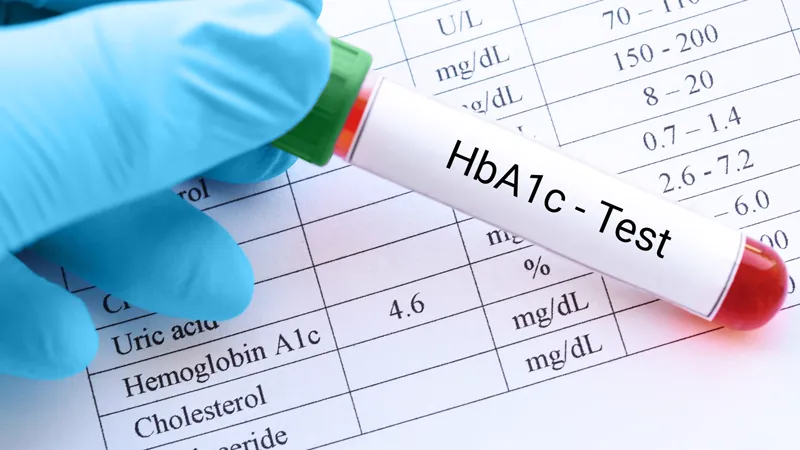
Before any treatment, your dentist needs to know your current HbA1c level, the medications you take (especially insulin, sulfonylureas, and metformin), whether you have any diabetes-related complications, and how well your blood sugar has been controlled recently. This information helps the dental team plan the safest and most effective treatment. If you are unsure of your latest HbA1c, you can have it tested at DCDC before your dental appointment; an HbA1c test costs AED 149 and results are typically available the same day.
Schedule Appointments After Meals
If you take insulin or sulfonylurea medications, the risk of hypoglycaemia (low blood sugar) during a dental procedure is a real concern. Scheduling your appointment for mid-morning after a normal breakfast reduces this risk. Bring a glucose tablet or sugary drink with you to the appointment in case your blood sugar drops during a longer procedure. Let the dental team know if you feel shaky, sweaty, or lightheaded at any point.
Maintain Blood Sugar Control Before Procedures
Elective dental procedures such as deep cleaning, root canals, extractions, and gum surgery are safest when blood sugar is reasonably well controlled. An HbA1c above 9% significantly increases the risk of infection and poor healing. Your dentist may recommend postponing non-urgent procedures until your diabetes management improves, or may coordinate with your physician to optimise your blood sugar beforehand.
Follow a Thorough Home Care Routine
Brush twice a day with fluoride toothpaste, using a soft-bristled brush. Floss daily, focusing on the gum line where bacteria accumulate. If you experience dry mouth, use a fluoride mouth rinse rather than an alcohol-based one, which can worsen dryness. Stay hydrated throughout the day, and consider sugar-free chewing gum to stimulate saliva flow. If you wear dentures, clean them daily and remove them at night.
Dental Procedures and Diabetes: What You Need to Know
Having diabetes does not mean you cannot have dental work done. It means that both you and your dental team need to plan more carefully. Here is what to consider before, during, and after common dental procedures.
Before the Procedure
- Blood sugar check — your dentist may ask you to check your blood glucose before starting. A reading between 5 and 10 mmol/L (90 to 180 mg/dL) is generally considered safe for most procedures.
- Medication timing — take your diabetes medication and eat normally before the appointment. Do not skip meals to fast for a dental visit unless specifically instructed.
- Antibiotics — prophylactic antibiotics are not routinely needed for diabetic dental patients. Your dentist may prescribe them for specific situations, such as an active infection or a procedure with high bleeding risk in a patient with very poor glucose control.
- HbA1c review — for elective surgery such as implants or extensive gum surgery, an HbA1c below 8% is generally preferred. The dental team will discuss the risks and benefits with you if your level is higher.
During the Procedure
The main risk during a dental procedure for a diabetic patient taking insulin or sulfonylureas is hypoglycaemia. Stress, fasting, and the physical demands of a longer appointment can all lower blood sugar. The dental team at DCDC is trained to recognise the signs — sweating, trembling, confusion, pallor — and will pause treatment immediately if they suspect a low. Keeping appointments short and scheduling them at the right time of day minimises this risk.
After the Procedure
Healing takes longer when you have diabetes, so post-procedure care is especially important. Follow all aftercare instructions carefully. Maintain good blood sugar control in the days following the procedure, as elevated glucose during the healing window significantly increases infection risk. Report any signs of infection — increasing pain, swelling, pus, or fever — to your dentist promptly rather than waiting to see if it resolves on its own. A diabetic infection that is treated early is far easier to manage than one that is allowed to progress.
For more on individual dental procedures and their costs, see our guides to root canal treatment and dental crowns in Dubai.
What to Expect at DCDC
Doctors Clinic Diagnostic Center (DCDC) in Dubai Healthcare City is one of the few clinics in Dubai where your dental team and your diabetes care team work in the same building, making coordinated care practical rather than theoretical.
Dental Department
DCDC's dental department includes over six dental specialists covering general dentistry, periodontics, endodontics, prosthodontics, and oral surgery. The clinic uses ultrasonic scalers for efficient plaque and tartar removal, digital dental imaging for accurate diagnosis, and follows strict sterilisation protocols in line with Dubai Health Authority standards. An oral cancer screening is included as part of routine dental check-ups at no additional cost.
Coordinated Diabetes and Dental Care
Because DCDC houses both a dental clinic and an internal medicine diabetes clinic in the same facility, your dental team can consult directly with your diabetes physician when needed. If your dentist notices signs of undiagnosed diabetes, such as unexplained gum disease in a young patient, they can refer you for blood testing the same day. If your physician identifies poor oral health as a contributing factor to unstable blood sugar, they can arrange a dental assessment without sending you to a separate location.
One Visit, Two Checks
A practical advantage of DCDC's multi-specialty setup is that you can have your dental cleaning and your HbA1c blood test on the same visit. Walk in, have the on-site laboratory draw your blood sample, proceed to the dental department for your cleaning, and collect your lab results before you leave. This saves time and makes it easier to keep both appointments on schedule.
Location and Access
DCDC is located in Building 64, Block A, Al Razi Medical Complex, Dubai Healthcare City. The clinic is open Saturday to Thursday from 8 AM to 10 PM and Friday from 9 AM to 9 PM. Free parking is available for patients, and the DHCC metro station is a short walk away.
Dental Care Costs for Diabetic Patients in Dubai
The dental procedures and tests most relevant to diabetic patients are listed below with DCDC's current pricing. These are the same prices any patient pays; there is no additional charge for diabetes-related complexity during routine procedures.
| Service | DCDC Price | Notes |
|---|---|---|
| Dental cleaning (scaling and polishing) | From AED 200 | Recommended every 3–6 months for diabetics |
| Dental check-up and oral exam | Included with cleaning | Includes oral cancer screening |
| Gum disease treatment (periodontal) | From AED 1,000 | Deep cleaning, curettage, or gum surgery depending on severity |
| Root canal treatment | AED 700 per tooth | Flat rate regardless of number of canals |
| Dental crown (zirconia or E-max) | AED 1,000 per tooth | Often paired with root canal for weakened teeth |
| HbA1c blood test | AED 149 | Same-day results at DCDC on-site lab |
| Fasting glucose test | AED 99 | Basic blood sugar screening |
| Diabetes panel (comprehensive) | AED 499 | Includes HbA1c, glucose, kidney function, lipids |
| GP consultation | From AED 249 | For diabetes management or referral to specialist |
DCDC dental and diabetes testing prices for patients in Dubai (2026)
DCDC works with over 20 insurance providers. Check with reception when booking to confirm whether your dental and laboratory services are covered under your plan. For a detailed breakdown of cleaning costs, see our guide to dental cleaning prices in Dubai.
Protect Your Smile and Your Blood Sugar
Book a dental check-up and HbA1c test at DCDC in Dubai Healthcare City. Our dental and diabetes teams work together to keep both your oral health and your blood sugar on track.
Call +971 4 435 9999 or WhatsApp to book
Diabetes and Dental Health: Your Questions Answered
Below are answers to the questions our dental and diabetes teams hear most often from patients in Dubai.
Related Services at DCDC
Expert care and advanced diagnostics at Dubai Healthcare City
Frequently Asked Questions
Final Thoughts
Diabetes and dental health are more closely connected than many people realise. The same high blood sugar that damages your eyes, kidneys, and nerves also damages your gums, teeth, and the soft tissues inside your mouth. And because gum disease can push blood sugar higher, neglecting your dental health can make your diabetes harder to control, creating a cycle that is easier to prevent than to break.
The practical steps are clear: visit your dentist every 3 to 6 months, keep your dental team informed about your diabetes, maintain good blood sugar control, and do not ignore early warning signs like bleeding gums or persistent dry mouth. At DCDC in Dubai Healthcare City, you can have your dental cleaning and your diabetes blood tests done in a single visit, with both teams available to coordinate your care. Call +971 4 435 9999 or WhatsApp to book your appointment.
Sources & References
This article references the following sources:
- Stöhr et al. — Bidirectional Association Between Periodontal Disease and Diabetes Mellitus: A Systematic Review and Meta-Analysis (2021)
- Graves et al. — The Bidirectional Relationship Between Periodontal Disease and Diabetes Mellitus: A Review (2023)
- American Diabetes Association — Standards of Care in Diabetes
- World Health Organization — Oral Health Fact Sheet
- NIDCR — Diabetes and Oral Health
This information is educational and does not replace individual medical advice. See our editorial policy for more information.

Written by
Dr. Chadi El Masry
Dental Specialist
DDS
Dr. Chadi El Masry is a Dental Specialist at Doctors Clinic Diagnostic Center (DCDC) in Dubai Healthcare City.
Related Articles

Gum Disease Treatment Dubai: From AED 1,000

Teeth Cleaning Dubai: Scaling & Polishing From AED 200
Diabetes Management Dubai: Complete Guide

Dental Checkup Dubai: What to Expect
HbA1c Test Dubai: Levels, Cost & Guide
More in Dental
Wisdom Tooth Extraction Cost Dubai (2026)
Read MoreTeeth Cleaning Dubai: Scaling & Polishing From AED 200
Read MoreDental Crown Cost Dubai: Zirconia & E-max AED 1,000
Read More
Teeth Whitening Dubai: Zoom & Laser Price From AED 699
Read More
Tooth Filling Procedure: Types, Pain & Aftercare (2026)
Read More
Zirconia vs Porcelain Crown Dubai: Guide (2026)
Read More© 2026 Doctors Clinic Diagnostic Center (DCDC), Dubai Healthcare City. Originally published at https://doctorsclinicdubai.ae/blog/diabetes-dental-health-dubai. All rights reserved. Unauthorized reproduction is prohibited.