Key Takeaways
- CKD patients must limit sodium (under 2,000 mg/day), potassium (1,500-2,500 mg/day depending on stage), and phosphorus (under 800 mg/day) to protect remaining kidney function
- Starfruit is absolutely prohibited for all kidney disease patients because it contains a neurotoxin that damaged kidneys cannot excrete, potentially causing seizures and coma
- Popular Dubai foods like dates, shawarma, hummus, and biryani can be modified rather than eliminated -- portion control and preparation changes make them kidney-safe
- Inorganic phosphorus from food additives is absorbed at nearly 100% compared to 40-60% from natural sources, making processed foods far more dangerous for CKD patients than whole foods
- Dubai's extreme summer heat (above 45 degrees C) creates unique hydration challenges for kidney patients, with early CKD needing 2-2.5 liters daily and advanced CKD potentially requiring fluid restriction
- CKD patients in stages 1-2 with stable kidney function may fast during Ramadan with medical supervision, but stages 3-5 should generally refrain from fasting
- Salt substitutes containing potassium chloride (such as Nu Salt at 3,180 mg per teaspoon) are extremely dangerous for kidney patients and should never be used without medical approval
- DCDC offers CKD consultations from AED 299 with nephrologist-led care, on-site kidney function testing from AED 149, and dietitian coordination under one roof in Dubai Healthcare City
Managing kidney disease in Dubai presents unique dietary challenges. From dates during Ramadan to daily biryani and shawarma, the foods that define daily life across the UAE's multicultural communities can significantly impact kidney function when not managed carefully. A renal diet -- one that controls sodium, potassium, phosphorus, and protein -- is one of the most powerful tools for slowing chronic kidney disease (CKD) progression and avoiding dialysis. At DCDC, our CKD management programme in Dubai Healthcare City combines nephrologist-led care with dietitian coordination to create personalised renal diet plans that respect your cultural food preferences while protecting your kidneys. This comprehensive guide covers every food category kidney patients in Dubai need to understand, with specific analysis of local and regional foods you will not find in generic Western-focused kidney diet resources.
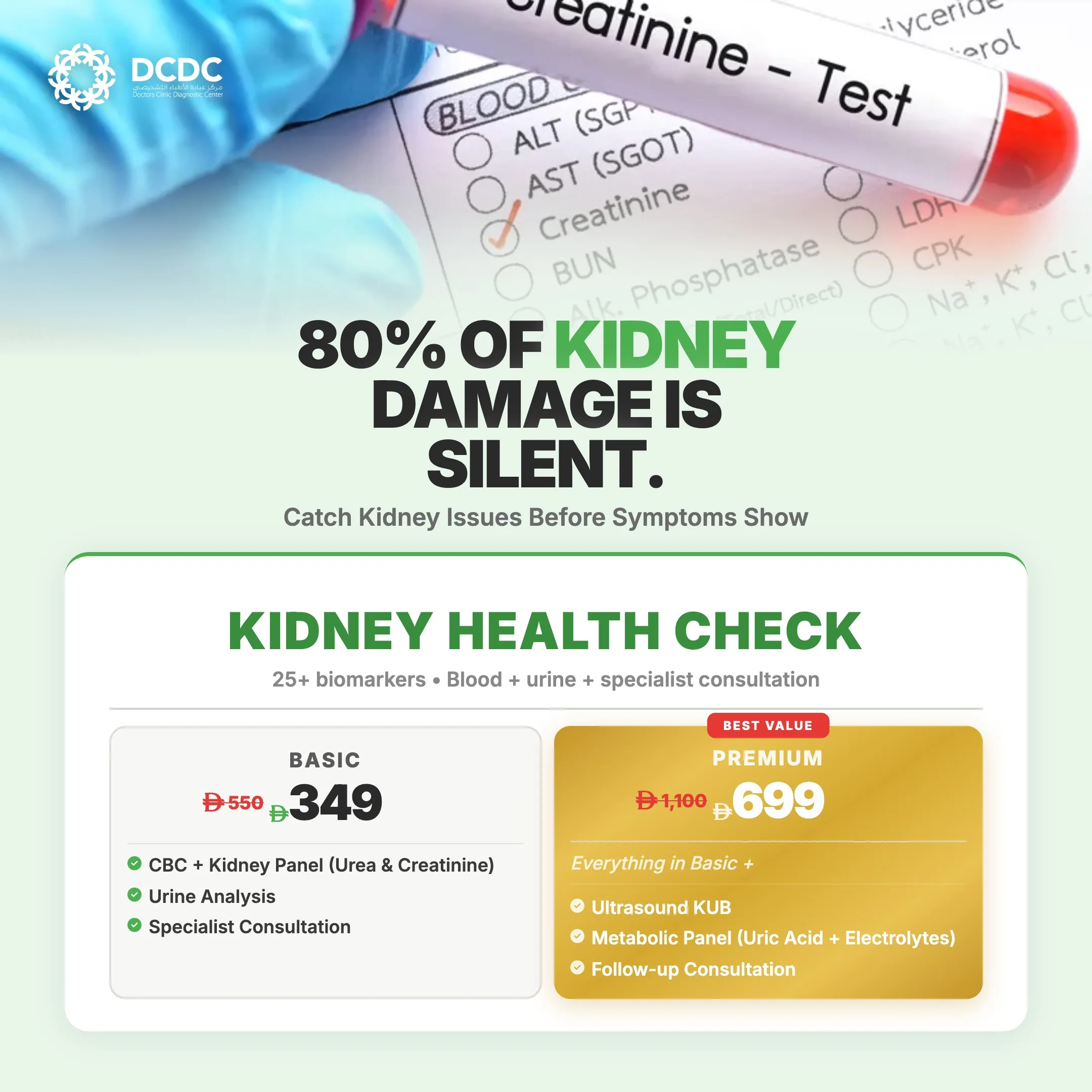
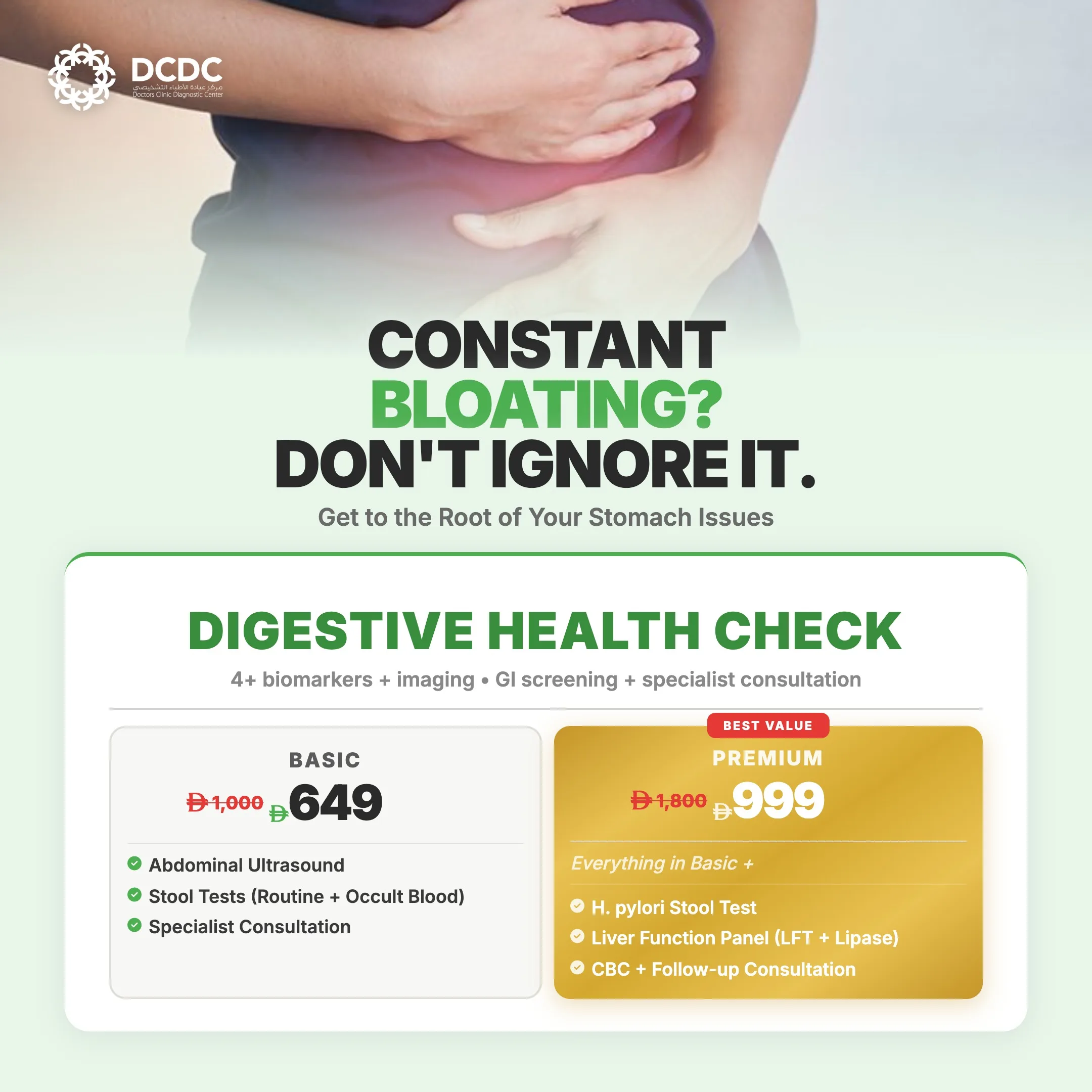
Health Screening Packages
Save with our bundled screening packages — specialist consultation included




What Is a Kidney Diet (Renal Diet)?
A kidney diet, also known as a renal diet, is a structured eating plan designed to reduce the workload on damaged kidneys by limiting nutrients they can no longer process efficiently. Healthy kidneys filter approximately 180 litres of blood every day, removing waste products, balancing electrolytes, and regulating fluid levels. When kidney function declines -- as measured by the estimated glomerular filtration rate (eGFR) -- waste products and certain minerals begin accumulating in the blood, leading to dangerous complications including heart rhythm disturbances, bone disease, fluid overload, and neurological problems.
The four pillars of a renal diet target the nutrients most affected by declining kidney function. Sodium must be limited to less than 2,000 mg per day (some guidelines recommend 1,500 mg) because damaged kidneys cannot excrete excess sodium, leading to fluid retention, high blood pressure, and heart strain. Potassium intake typically needs to be kept between 1,500 and 2,500 mg per day depending on CKD stage, since elevated blood potassium (hyperkalemia) can cause life-threatening cardiac arrhythmias. Phosphorus should generally stay below 800 mg per day in patients with elevated levels, as excess phosphorus pulls calcium from bones and deposits it in blood vessels and organs. Finally, protein intake is usually moderated to 0.8 grams per kilogram of body weight per day for CKD stages G3 through G5, following the KDIGO 2024 guidelines, because protein metabolism produces urea and other nitrogenous waste that struggling kidneys cannot clear.
It is important to understand that a renal diet is not a one-size-fits-all prescription. The specific restrictions depend on your CKD stage, your blood test results, whether you are on dialysis, your body weight, and your overall health. A patient with stage 2 CKD and normal potassium levels does not need the same restrictions as a stage 4 patient with hyperkalemia. This is precisely why individualised dietary counselling from a nephrologist and renal dietitian is essential -- and why DCDC's coordinated approach, with both specialists available under one roof, delivers better outcomes than generic diet sheets alone.
High-Potassium Foods to Avoid with Kidney Disease
Potassium is an essential mineral that regulates heartbeat, muscle contractions, and nerve signals. In healthy individuals, the kidneys precisely control blood potassium levels by excreting any excess through urine. When kidney function is impaired, potassium accumulates in the bloodstream -- a condition called hyperkalemia -- which can cause muscle weakness, numbness, nausea, and in severe cases, cardiac arrest. For CKD patients with elevated potassium, dietary potassium intake typically needs to stay between 1,500 and 2,500 mg per day, depending on the stage of disease and individual lab results.
Many commonly consumed fruits and vegetables are surprisingly high in potassium. Bananas contain 330-340 mg per fruit, while a medium potato can deliver 620-900 mg -- nearly half a day's allowance in a single serving. Cooked spinach is particularly concentrated at 840 mg per cup. Dried fruits are especially problematic because the dehydration process concentrates potassium levels dramatically. Two Medjool dates alone contain 334 mg of potassium, a fact that has significant implications for kidney patients in the UAE where dates are a cultural staple.
One of the most dangerous potassium sources is often overlooked: salt substitutes. Products like Nu Salt contain potassium chloride instead of sodium chloride, and a single teaspoon delivers a staggering 3,180 mg of potassium -- more than a full day's recommended maximum for most CKD patients. These products are marketed as heart-healthy alternatives to table salt, but for kidney patients, they can be lethal. Never use a salt substitute without explicit approval from your nephrologist.
The good news is that many delicious, lower-potassium alternatives exist. The table below compares common high-potassium foods with kidney-friendly swaps that provide similar satisfaction with significantly less potassium per serving.
| High-Potassium Food | Potassium (mg) | Kidney-Friendly Swap | Potassium (mg) |
|---|---|---|---|
| Banana | 330-340 | Apple | 150-195 |
| Orange | 230-240 | Strawberries | 110-150 |
| Dates (2 Medjool) | 334 | Blueberries (1 cup) | 110 |
| Potato (medium) | 620-900 | Cauliflower (1 cup) | 150-175 |
| Spinach (cooked, 1 cup) | 840 | Cabbage (1 cup) | 150 |
| Avocado (half) | 345-490 | Cucumber (1 cup) | 150 |
| Tomato (medium) | 290 | Red bell pepper | 150-170 |
High-potassium foods and kidney-friendly swaps -- milligrams per serving
A practical tip for reducing potassium in root vegetables like potatoes and sweet potatoes is the leaching method: peel and dice the vegetables, soak them in warm water for at least two hours (changing the water once), then rinse before boiling in a large amount of fresh water. This process can reduce potassium content by 50-75%, making occasional consumption safer for patients whose labs allow it.
High-Phosphorus Foods to Avoid with CKD
Phosphorus management is one of the most underestimated aspects of kidney diet planning. While potassium gets more attention because of its immediate cardiac risks, chronically elevated phosphorus causes insidious damage: it weakens bones by pulling calcium from the skeletal system, deposits calcium-phosphorus complexes in blood vessel walls (accelerating cardiovascular disease), triggers persistent itching, and causes joint pain. For CKD patients with elevated phosphorus levels, daily intake should typically remain below 800 mg.
The critical distinction that every kidney patient must understand is the difference between organic (natural) and inorganic (additive) phosphorus. Phosphorus that occurs naturally in foods like meat, dairy, beans, and nuts is only 40-60% absorbed by the body. In contrast, inorganic phosphorus added to processed foods as preservatives, flavour enhancers, and texture stabilisers is absorbed at nearly 100%. This means a processed food with added phosphates can deliver nearly twice the bioavailable phosphorus as a natural food with the same total phosphorus on the label. Some processed foods do not even list phosphorus content, making label reading especially important.
Foods high in phosphorus that kidney patients should limit or avoid include dark colas and sodas (which contain phosphoric acid), processed meats like sausages and deli meats, organ meats (liver, kidney), full-fat dairy products, chocolate and cocoa products, nuts and seeds in large quantities, brown rice and whole grains (which are higher in phosphorus than their refined counterparts), and any processed food containing ingredients with 'phos' in the name -- such as sodium phosphate, dicalcium phosphate, or phosphoric acid.
When reading food labels, look specifically for phosphate additives. Common ones include sodium tripolyphosphate (used in processed seafood), dicalcium phosphate (in supplements and cereals), calcium phosphate (in baked goods), and phosphoric acid (in colas). If a product lists multiple phosphate additives, consider it high-phosphorus regardless of what the nutrition label states. Choose fresh, unprocessed foods whenever possible, as these contain only the natural, less bioavailable form of phosphorus.
For a deeper understanding of how CKD stage affects your dietary restrictions, including phosphorus limits at each stage, read our detailed guide on chronic kidney disease stages in Dubai.
High-Sodium Foods to Limit for Kidney Health
Sodium restriction is arguably the most universally important dietary change for kidney patients. Excess sodium causes the body to retain water, increasing blood pressure and putting additional strain on already-damaged kidneys. Every CKD patient, regardless of stage, benefits from keeping sodium intake below 2,000 mg per day. To put that in context, a single teaspoon of table salt contains approximately 2,300 mg of sodium -- already exceeding the daily limit.
The challenge is that most dietary sodium does not come from the salt shaker on the table. Approximately 70-80% of sodium in the average diet comes from processed and restaurant foods. A single can of soup can contain 800-1,200 mg of sodium. A fast-food burger with fries can deliver 1,500-2,000 mg. A packet of instant noodles -- widely consumed in Dubai's bachelor accommodations -- can contain 1,500-1,800 mg. Even foods that do not taste particularly salty, like bread, breakfast cereals, and condiments, can contribute significant sodium.
High-sodium foods that kidney patients in Dubai should specifically limit or avoid include pickles and olives (mainstays of many Emirati and Levantine meals), canned soups and vegetables, processed and deli meats, chips and savoury snacks, fast food and takeaway meals, frozen ready meals, soy sauce and fish sauce (staples of East and Southeast Asian cuisines prevalent in Dubai), instant noodles, and pre-made sauces and dressings. Instead, flavour meals with herbs and spices such as turmeric, cumin, coriander, cardamom, garlic, ginger, lemon juice, and black pepper -- all of which add depth of flavour without adding sodium.
Protein Intake Guidelines for Kidney Disease (KDIGO 2024)
Protein management in CKD requires a careful balance. The body needs protein for tissue repair, immune function, and muscle maintenance, but protein metabolism produces nitrogenous waste products -- primarily urea -- that damaged kidneys struggle to excrete. Excessive protein intake forces the kidneys to work harder, potentially accelerating CKD progression. Too little protein, however, leads to malnutrition, muscle wasting, and weakened immunity.
The KDIGO 2024 Clinical Practice Guideline for CKD recommends a protein intake of 0.8 grams per kilogram of body weight per day for patients with CKD stages G3 through G5 who are not on dialysis. For a 70-kilogram adult, this translates to approximately 56 grams of protein daily. To put this in practical terms, a medium chicken breast contains about 31 grams of protein, a large egg about 6 grams, and a cup of cooked lentils about 18 grams. Managing protein intake is not about eliminating protein altogether, but rather about choosing high-quality sources and controlling portion sizes.
High-quality protein sources that are preferred for kidney patients include egg whites (high protein with minimal phosphorus), skinless grilled chicken breast, white fish such as sea bass or hammour (popular in Dubai), and small portions of lean red meat. Plant-based proteins from legumes and lentils are also acceptable in moderation, with the added benefit that their phosphorus is less bioavailable. Patients should be particularly cautious with protein supplements, shakes, and bars commonly used in Dubai's fitness-focused culture, as these can deliver 30-50 grams of protein in a single serving -- potentially half the daily allowance for a CKD patient.
It is important to note that protein requirements change significantly once a patient begins dialysis. Dialysis removes amino acids and protein from the blood, so patients on hemodialysis or peritoneal dialysis typically need to increase protein intake to 1.0-1.2 grams per kilogram per day. This transition requires careful dietary re-education, ideally guided by a renal dietitian.
Dubai and UAE Foods: A Kidney Patient's Guide
This section addresses the question that standard kidney diet resources leave unanswered: how do popular foods in the UAE -- from traditional Emirati and Arabic dishes to the South Asian, Filipino, and international cuisines that define Dubai's dining landscape -- fit into a renal diet? Rather than simply listing foods to avoid, we provide specific guidance on modifications, portion sizes, and safe consumption frequencies for each food, stage by stage.
Dates and Kidney Disease
Dates are deeply embedded in Emirati culture and across the Muslim world, offered as a gesture of hospitality, eaten to break the fast during Ramadan, and consumed daily by many UAE residents. Two Medjool dates contain approximately 334 mg of potassium, 33 mg of phosphorus, and only 2 mg of sodium. The potassium content is the primary concern for kidney patients. For CKD stages 1-2 with normal potassium levels, consuming 2-3 dates is generally acceptable if tracked within daily potassium totals. Stage 3 patients should limit consumption to no more than 2 dates and only when potassium levels are within the normal range on recent blood work. For stages 4-5, the recommendation is a maximum of 1 date or avoidance altogether, particularly if potassium levels are trending upward. During Ramadan, when cultural pressure to eat dates at iftar is strong, kidney patients should discuss specific limits with their nephrologist beforehand.
Arabic Coffee (Qahwa) and Kidney Disease
Traditional Arabic coffee (qahwa) is generally one of the safer beverages for kidney patients in the UAE. A cup of plain Arabic coffee contains only about 5 mg of sodium, 50-115 mg of potassium, and 5-7 mg of phosphorus -- all very modest amounts. Drinking 2-3 small cups of plain Arabic coffee per day is generally safe for most CKD stages. The problem arises with modern coffee variations. A cafe latte made with full-fat milk contains approximately 183 mg of phosphorus and 328 mg of potassium -- substantially more than a plain Arabic coffee. Cappuccinos, mochas, and iced coffee drinks from chain coffee shops in Dubai can contain even higher amounts when made with whole milk, syrups, and chocolate. Kidney patients who enjoy coffee should stick to plain black coffee, Arabic coffee, or use almond or rice milk as lower-phosphorus, lower-potassium alternatives to dairy milk.
Hummus and Kidney Disease
Hummus is a daily staple across the Middle East, but its nutritional profile requires careful attention from kidney patients. Per 100 grams, hummus contains approximately 379 mg of sodium, 228 mg of potassium, and 172 mg of phosphorus. The sodium content is the most concerning, as a typical restaurant serving of hummus (150-200 grams) could deliver 570-760 mg of sodium -- more than a third of the daily limit. However, homemade hummus prepared with reduced salt offers a significantly better option. When making hummus at home, reduce or eliminate added salt, use fresh lemon juice for flavour, and keep portions small (2-3 tablespoons per serving). The phosphorus in chickpeas is plant-based and therefore less bioavailable (approximately 40% absorption versus nearly 100% for phosphate additives), which makes moderate portions of homemade, low-sodium hummus a reasonable inclusion in a kidney diet.
Shawarma and Kidney Disease
Shawarma is one of the most consumed street foods in Dubai, available at practically every corner. Chicken shawarma contains approximately 600 mg of sodium per 100 grams, along with moderate potassium (around 250 mg) and phosphorus (around 200 mg). A typical shawarma wrap weighs 200-300 grams, meaning a single wrap can deliver 1,200-1,800 mg of sodium -- approaching or exceeding the entire daily sodium allowance for a kidney patient. The sauces (garlic sauce, tahini, pickled turnip) add further sodium and, in the case of tahini, phosphorus. For kidney patients who enjoy shawarma, the safest approach is to request a smaller portion without sauces, remove the pickled vegetables, and pair it with a simple salad rather than additional carbohydrates. Limiting shawarma to once per week or less is advisable, and home-prepared grilled chicken with similar spices offers a much more kidney-friendly alternative.
Falafel and Kidney Disease
Falafel offers better news for kidney patients than many other Middle Eastern street foods. Three falafel pieces contain approximately 250-350 mg of sodium, 200 mg of potassium, and 120 mg of phosphorus. Because falafel is chickpea-based, its phosphorus is plant-derived and therefore only about 40% bioavailable. The DaVita Kidney Care organisation has even published kidney-friendly falafel recipes that reduce sodium while maintaining flavour. Falafel can be consumed in moderation by kidney patients, particularly when baked rather than deep-fried and served without high-sodium accompaniments like pickles. A portion of 2-3 pieces with a simple green salad makes a reasonable occasional meal.
Halloumi Cheese and Kidney Disease
Halloumi is enormously popular in Dubai, served grilled in salads, sandwiches, and breakfast dishes. However, it is one of the more problematic foods for kidney patients. A 50-gram serving of halloumi contains 350-450 mg of sodium and approximately 200 mg of phosphorus, with the phosphorus being dairy-derived and therefore more bioavailable than plant sources. Even a modest halloumi portion delivers a significant chunk of the daily sodium and phosphorus budgets. Kidney patients should treat halloumi as an occasional food rather than a daily staple, limiting consumption to small portions (30-50 grams) no more than once or twice per week. When a craving for halloumi strikes, soaking it in fresh water for 30 minutes before cooking can reduce the sodium content moderately.
Biryani and Kidney Disease
Biryani is a cornerstone meal for Dubai's large South Asian community and is widely enjoyed across all nationalities. Traditional biryani presents several challenges for kidney patients: the potatoes add significant potassium, tomatoes and tomato paste contribute both potassium and sodium, the protein portion is often generous (exceeding recommended amounts for CKD), and the overall sodium content from salt and spice mixes can be substantial. However, a kidney-friendly biryani is entirely achievable with modifications. Use white basmati rice instead of brown rice (white rice contains only about 43 mg of phosphorus and 35 mg of potassium per 100 grams, compared to significantly higher levels in brown rice). Omit potatoes entirely, or replace them with cauliflower. Reduce or eliminate tomatoes and tomato paste. Use a smaller portion of lean chicken or fish (60-80 grams cooked weight). Cut the salt by half and enhance flavour with whole spices -- cardamom, cinnamon, cloves, bay leaves, and saffron are all kidney-safe and add excellent depth of flavour. A modified biryani prepared this way can be enjoyed once or twice a week by many CKD patients.
Dal (Lentil Dishes) and Kidney Disease
Dal is a dietary staple for millions of Dubai residents from South Asian backgrounds. Lentils and pulses provide plant-based protein with less bioavailable phosphorus than animal sources, which is an advantage for kidney patients. However, they do contain moderate potassium, and the sodium content depends heavily on preparation. Dal can be included in a kidney diet in moderation with portion control. A useful technique is to soak lentils in water for several hours before cooking and then discard the soaking water, which can reduce potassium content by up to 30%. Cook dal with minimal salt, using spices like turmeric, cumin, and asafoetida for flavour instead. Keep portions to about half a cup of cooked dal, and avoid adding tomatoes, which would increase both potassium and sodium. For patients who eat dal daily, alternating between smaller portions of different lentil varieties helps manage overall nutrient intake.
Pickles, Achaar, and Kidney Disease
Pickles and achaar (South Asian-style pickles) are among the highest-sodium foods commonly consumed in the UAE. A typical serving of pickles or achaar delivers 800-1,200 mg of sodium -- potentially half or more of the entire daily allowance in a few bites. For kidney patients, the recommendation is straightforward: avoid pickles and achaar entirely, or limit them to tiny occasional garnish amounts (a teaspoon at most). This includes pickled turnips served with shawarma, mixed pickles served alongside Emirati meals, mango achaar, lime achaar, and any commercially prepared pickled vegetables. Fresh herbs, lemon juice, and spice blends are far better flavouring alternatives.
Arabic Bread (Khubz) and Kidney Disease
White Arabic bread (khubz) is generally a kidney-friendly carbohydrate choice. White pita is lower in phosphorus and potassium than whole-grain or whole-wheat bread, which may seem counterintuitive given that whole grains are typically considered healthier. For kidney patients, however, the lower mineral content of white bread is actually an advantage. Arabic bread can be consumed in moderation as part of a kidney diet. Avoid stuffing it with high-sodium fillings, and be mindful of total carbohydrate intake if you also have diabetes.
South Asian Spices and Kidney Disease
In welcome contrast to many foods on this list, common South Asian and Middle Eastern spices are generally safe and actively encouraged for kidney patients. Turmeric, cumin, coriander, cardamom, cinnamon, black pepper, ginger, and garlic all add rich flavour without contributing significant sodium, potassium, or phosphorus. Many of these spices also have anti-inflammatory and antioxidant properties. Using a generous variety of spices is one of the best strategies for making low-sodium kidney-friendly meals taste satisfying and flavourful. The key exception is pre-mixed spice blends, which often contain added salt. Always check the ingredients list, or better yet, blend your own spice mixes from whole spices.
| Dubai Food | Sodium (mg) | Potassium (mg) | Phosphorus (mg) | CKD Guidance |
|---|---|---|---|---|
| Dates (2 Medjool) | 2 | 334 | 33 | Stages 1-2: limit 2-3; stages 4-5: avoid |
| Arabic Coffee (1 cup) | 5 | 50-115 | 5-7 | 2-3 cups plain generally safe |
| Hummus (100g) | 379 | 228 | 172 | Small portions, homemade low-sodium only |
| Chicken Shawarma (100g) | 600 | 250 | 200 | Limit portions, avoid sauces |
| Falafel (3 pieces) | 250-350 | 200 | 120 | OK in moderation, portion-controlled |
| Halloumi (50g) | 350-450 | 50 | 200 | Limit; not daily |
| Pickles/Achaar | 800-1,200 | 50-100 | 20-40 | Avoid or severely limit |
Common Dubai foods -- nutrient content per serving for kidney patients
According to Dr. Hadeel Elnur, "Many of our kidney patients in Dubai struggle with dietary changes because popular local foods like dates, biryani, and shawarma are part of daily life. We work with each patient individually to modify their favourite meals rather than eliminate them entirely -- a sustainable renal diet is one you can actually follow in the long term."
To understand how your current kidney function determines which of these foods need the most restriction, our guide on kidney function test costs in Dubai explains the tests that establish your baseline and how often they should be repeated.
Get Your Kidney Function Checked at DCDC
CKD consultations from AED 299 and kidney function tests from AED 149 at our MOHAP-licensed lab in Dubai Healthcare City. Same-day results and direct insurance billing with 20+ providers.
Call +971 56 403 3528 or WhatsApp us
Hydration for Kidney Patients in Dubai's Climate
Dubai's extreme heat -- with summer temperatures regularly exceeding 45 degrees Celsius -- creates hydration challenges that are unique to kidney patients living in the Gulf region. Adequate hydration is essential for kidney function, as water helps the kidneys flush waste products and toxins. However, the hydration advice that applies to the general population does not always apply to CKD patients, and getting this balance wrong can be dangerous in both directions.
For patients with early CKD (stages 1-3), the general recommendation is to drink 2-2.5 litres of water per day. During Dubai's summer months, this may need to increase to account for perspiration, particularly for patients who spend time outdoors or commute on foot. Dehydration is a genuine risk for CKD patients in Dubai's heat, as it can trigger acute kidney injury (AKI) episodes that further damage already-compromised kidneys. Research published in the Oxford Clinical Kidney Journal has established a clear association between heat exposure and CKD progression, documenting increased rates of acute kidney injury and accelerated eGFR decline in populations exposed to sustained high temperatures.
For patients with advanced CKD (stages 4-5), the situation is more complex. As kidney function declines, the ability to excrete water decreases, and fluid overload becomes a concern. These patients may need to restrict fluid intake to avoid swelling (oedema), shortness of breath, and dangerous increases in blood pressure. The specific fluid allowance is typically calculated based on daily urine output plus an additional 500 millilitres for insensible losses. This means a stage 5 CKD patient producing only 500 millilitres of urine daily might be restricted to 1 litre of total fluid intake -- a challenging limit during a Dubai summer.
Practical hydration strategies for kidney patients in Dubai include carrying a measured water bottle to track intake precisely, avoiding outdoor exposure during peak heat hours (10 AM to 4 PM), choosing air-conditioned environments whenever possible, wearing loose and light-coloured clothing to reduce sweating, monitoring weight daily (sudden weight gain can indicate fluid retention), and avoiding coconut water, which despite its reputation as a natural hydrator, is extremely high in potassium (approximately 600 mg per cup) and is specifically contraindicated for kidney patients. Electrolyte drinks and sports beverages should also be avoided unless specifically approved by your nephrologist, as they typically contain high levels of potassium and sodium.
Ramadan Fasting and Kidney Disease
Ramadan presents one of the most significant dietary challenges for Muslim kidney patients in the UAE. Fasting from dawn to sunset -- which in Dubai lasts approximately 14-15 hours during Ramadan months -- means no food or water intake during daylight hours. For kidney patients, the absence of water intake during this extended period raises concerns about dehydration, electrolyte imbalances, and acute kidney injury, particularly when Ramadan falls during the warmer months.
Current medical evidence, including a comprehensive review published in PMC, suggests that patients with CKD stages 1-2 and stable kidney function may be able to fast safely during Ramadan, provided they receive a thorough pre-Ramadan assessment by their nephrologist and follow specific medical advice. The pre-Ramadan assessment should include recent blood tests (kidney function, electrolytes, blood sugar), a medication timing review, a personalised fluid and dietary plan, and clear criteria for when to break the fast early if symptoms develop.
For patients with CKD stages 3-5, or those with unstable kidney function, frequent electrolyte abnormalities, or recent AKI episodes, the medical recommendation is generally to refrain from fasting. Islam explicitly exempts individuals whose health would be endangered by fasting, and most Islamic scholars concur that patients with significant kidney disease fall within this exemption. Patients who are uncertain should seek guidance from both their nephrologist and their religious adviser.
For kidney patients who are medically cleared to fast, the following strategies help protect kidney function during Ramadan. Fluid intake should be prioritised between iftar and suhoor, aiming for 1.5-2 litres spread across the non-fasting hours. Break the fast with water first, followed by a small, balanced meal rather than a large, sodium-heavy feast. Limit dates to 1-2 at iftar (pre-agreed with your nephrologist) and choose kidney-friendly suhoor foods that are low in sodium but provide sustained energy, such as egg whites with white Arabic bread, or small portions of oatmeal with berries. Avoid traditional Ramadan beverages like jallab and qamar al-din (dried apricot juice), which are extremely high in potassium and sugar. Medications may need to be retimed; never adjust your medication schedule without consulting your physician.
What to Expect at DCDC for Kidney Diet Guidance
At Doctors Clinic Diagnostic Center in Dubai Healthcare City, kidney dietary counselling is not an afterthought -- it is integrated into the CKD care pathway from the first consultation. Understanding what to expect helps patients feel prepared and get the most from their appointments.
Your kidney diet journey at DCDC typically begins with a comprehensive initial assessment. This includes a detailed review of your current diet (including culturally specific foods), a complete blood panel covering kidney function markers (creatinine, eGFR, BUN), electrolytes (potassium, sodium, calcium, phosphorus), blood sugar (HbA1c if diabetic), and urine albumin (UACR). Because DCDC has an on-site laboratory, these tests can be completed during your visit with same-day results, allowing your care team to provide immediate, data-driven dietary recommendations rather than waiting days for external lab reports.
Based on your results, your nephrologist develops a personalised dietary plan that is then refined with a dietitian. The plan specifies daily targets for sodium, potassium, phosphorus, protein, and fluid intake based on your CKD stage and individual lab values. Crucially, the plan accounts for your cultural food preferences, cooking habits, and lifestyle. A patient who eats biryani three times a week receives specific guidance on modifying that biryani, not a generic instruction to avoid rice. A patient who drinks Arabic coffee daily is told exactly how many cups are safe, not simply advised to reduce caffeine.
DCDC's MOHAP-licensed facility in Building 64, Block A of the Al Razi Medical Complex offers same-day appointments when available, open Saturday through Thursday from 8 AM to 10 PM and Friday from 9 AM to 9 PM. With a 4.8 out of 5 Google rating from over 1,000 verified patient reviews and a 98% patient satisfaction rate, the clinic has established itself as a trusted centre for kidney care in Dubai. Direct billing is available with over 20 insurance providers, eliminating the need for patients to pay out of pocket and claim reimbursement later.
For broader strategies on maintaining kidney health and recognising early warning signs, our comprehensive guide on kidney health prevention tips provides additional preventive measures you can implement today.
Kidney-Friendly Food Alternatives
One of the most common concerns from newly diagnosed kidney patients is the fear that a renal diet means giving up everything enjoyable. In reality, a well-planned kidney diet can be varied, satisfying, and delicious. The key is knowing which swaps to make and building a repertoire of kidney-friendly ingredients that you genuinely enjoy eating.
Kidney-Friendly Fruits
Apples, berries (strawberries, blueberries, raspberries, cranberries), red grapes, cherries, pineapple, and watermelon are all excellent low-potassium fruit choices. These fruits provide essential vitamins, fibre, and antioxidants without the potassium load of bananas, oranges, or dried fruits. A bowl of mixed berries with a drizzle of honey makes a satisfying dessert that is both kidney-friendly and heart-healthy.
Kidney-Friendly Vegetables
Cauliflower is often called the kidney patient's best friend due to its versatility and low mineral content. Other excellent choices include onions, bell peppers (particularly red peppers, which are rich in vitamin C), radishes, cabbage, cucumbers, green beans, and carrots. These vegetables can be roasted, stir-fried, added to salads, or used in soups. Cauliflower rice is an excellent substitute for regular rice in biryani-style dishes, and cauliflower mash replaces potatoes beautifully.
Kidney-Friendly Grains
White rice is a kidney diet staple, containing only about 43 mg of phosphorus and 35 mg of potassium per 100 grams -- substantially lower than brown rice or whole wheat. White pasta, white bread, and white Arabic bread (khubz) are similarly lower in phosphorus and potassium than their whole-grain alternatives. While this contradicts the usual dietary advice given to the general population, for kidney patients, the lower mineral content of refined grains is a genuine advantage.
Kidney-Friendly Proteins
Egg whites provide high-quality protein with minimal phosphorus -- one of the best protein choices for CKD patients. Skinless grilled chicken breast, white fish (such as hammour, sea bass, or sole, all readily available in Dubai), and small portions of lean lamb or beef are appropriate animal protein choices. For dairy alternatives, unsweetened almond milk contains significantly less phosphorus and potassium than cow's milk, and rice milk is another suitable option.
When to See a Nephrologist About Your Diet in Dubai
While general kidney diet guidelines are helpful, there are specific situations where professional dietary guidance from a nephrologist becomes essential rather than optional. You should seek a nephrologist consultation about your diet if your eGFR has dropped below 60 (CKD stage 3 or higher), if blood tests show elevated potassium, phosphorus, or urea levels despite dietary efforts, if you are experiencing unexplained weight gain or swelling that may indicate fluid retention, if you have been prescribed new medications that interact with dietary nutrients, or if you are planning to fast during Ramadan and need a safety assessment.
You should also seek specialist dietary guidance if you have both CKD and diabetes, as managing both conditions simultaneously requires carefully coordinated nutritional planning. Diabetes demands attention to carbohydrates and glycaemic index, while CKD demands attention to sodium, potassium, phosphorus, and protein. The overlap between these two dietary frameworks creates complexities that a general practitioner or online resource cannot adequately address.
At DCDC, the initial nephrology consultation includes a comprehensive dietary assessment. The team evaluates your current eating habits, identifies the foods that are causing the most harm to your kidney function, and provides culturally appropriate alternatives. Follow-up consultations track your progress through repeat blood work and adjust the dietary plan as your kidney function changes. The goal is not perfection but sustainable improvement -- small, consistent dietary changes that add up to meaningful kidney protection over months and years.
Kidney Test and Consultation Costs in Dubai (2026)
Understanding the cost of kidney care helps patients plan and prioritise their health investments. DCDC offers competitive pricing for kidney-related consultations and diagnostic tests, with direct billing available through over 20 insurance partners including Daman, AXA, Bupa, MetLife, and Cigna. For insured patients, most kidney function tests and specialist consultations are covered with minimal copayment.
| Service | DCDC Price | Dubai Market Range |
|---|---|---|
| Nephrologist Consultation | From AED 299 | AED 300-800 |
| Kidney Function Test | From AED 149 | AED 120-300 |
| CKD Blood Panel (Full) | From AED 249 | AED 200-500 |
| Dietitian Consultation | From AED 200 | AED 100-799 |
Kidney care costs in Dubai -- 2026 comparison
DCDC's on-site laboratory in Dubai Healthcare City provides same-day results for routine kidney function tests, including creatinine, eGFR, electrolytes, and urine albumin. This eliminates the multi-day wait times common with external laboratory referrals and enables your physician to review results and adjust your treatment plan during the same visit. The clinic is located in Building 64, Block A, Al Razi Medical Complex, Dubai Healthcare City (DHCC), and is open Saturday through Thursday from 8 AM to 10 PM and Friday from 9 AM to 9 PM.
Absolutely prohibited for all kidney disease patients: starfruit (carambola). Starfruit contains a neurotoxin called caramboxin that healthy kidneys can excrete but damaged kidneys cannot. Even a small amount can accumulate and cause intractable hiccups, vomiting, confusion, seizures, and in severe cases, coma and death. There is no safe amount of starfruit for anyone with known kidney disease, regardless of CKD stage. This is not a matter of portion control -- starfruit must be completely eliminated from the diet of every kidney patient.
Book Your Kidney Diet Consultation at DCDC
Our nephrologist-led team creates personalised renal diet plans that work with your cultural food preferences. CKD consultations from AED 299, kidney function tests from AED 149, and dietitian coordination all under one roof at our MOHAP-licensed facility in Dubai Healthcare City.
Call +971 56 403 3528 or WhatsApp us
Related Services at DCDC
Expert care and advanced diagnostics at Dubai Healthcare City
Frequently Asked Questions
Final Thoughts
A kidney diet does not mean giving up the foods you love -- it means learning how to modify, portion, and substitute intelligently so that your meals remain satisfying while protecting your remaining kidney function. For residents of Dubai, where the dining landscape spans Emirati, Arabic, South Asian, Filipino, and international cuisines, this requires specific, culturally aware guidance that generic kidney diet resources simply do not provide. Understanding exactly how dates, shawarma, biryani, hummus, and Arabic coffee fit into your renal diet -- rather than receiving a blanket instruction to avoid them -- is the difference between a diet you follow and one you abandon.
At DCDC in Dubai Healthcare City, our nephrologist-led team works with a dietitian to create renal diet plans tailored to your CKD stage, your lab results, and your actual food habits. With on-site same-day lab testing, CKD consultations from AED 299, and direct billing with over 20 insurance providers, we make kidney dietary management accessible, personalised, and evidence-based. Whether you are newly diagnosed with CKD or need to optimise an existing dietary plan, the first step is understanding your current kidney function through a comprehensive blood panel. Schedule your kidney function assessment today and take control of your renal health.
Sources & References
This article was reviewed by our medical team and references the following sources:
- National Kidney Foundation -- Nutrition and Kidney Disease (Stages 1-5, Not on Dialysis)
- KDIGO 2024 Clinical Practice Guideline for CKD Evaluation and Management -- Executive Summary
- National Kidney Foundation -- Phosphorus and Your CKD Diet
- Mayo Clinic -- Chronic Kidney Disease Diet: Food and Nutrition
- Oxford Clinical Kidney Journal -- Heat Exposure and Chronic Kidney Disease
- PMC -- Ramadan Fasting and Kidney Disease: Systematic Review
Medical content on this site is reviewed by DHA-licensed physicians. See our editorial policy for more information.

Written by
Dr. Hadeel Elnur
General Practitioner
MD, General Practice
Dr. Hadeel Elnur is a General Practitioner at Doctors Clinic Diagnostic Center (DCDC) in Dubai Healthcare City.
Related Articles
CKD Stages Guide Dubai
Kidney Function Test Cost Dubai

Kidney Stones Treatment Dubai
Kidney Function Test Guide Dubai

Renal Doppler Ultrasound Kidney
More in Internal Medicine

Enlarged Prostate Dubai: BPH Symptoms (2026)
Read More
Hiatal Hernia Dubai: Symptoms & Treatment (2026)
Read MoreDiabetic Foot Care Dubai: Warning Signs (2026)
Read MoreColonoscopy vs Endoscopy Dubai: Guide (2026)
Read MoreDiabetic Diet Plan Dubai: Foods & Tips (2026)
Read MoreCholesterol-Lowering Foods & Diet Dubai (2026)
Read More© 2026 Doctors Clinic Diagnostic Center (DCDC), Dubai Healthcare City. Originally published at https://doctorsclinicdubai.ae/blog/kidney-diet-foods-avoid-dubai. All rights reserved. Unauthorized reproduction is prohibited.