
Book Your Appointment
Verified Patient Reviews of DCDC Diagnostic Center in Dubai
Verified reviews and real patient stories from Dubai Healthcare City
I'm very satisfied with this medical clinic. I had my first pregnancy screening here. It was affordable and very professional. The radiologist was welcoming, kind, and made the experience great.
Aizhan Tokmanbetova
Hurt my knee Friday night and got an MRI appointment Sunday evening (booked Sunday afternoon). Waited about 2 minutes and was done in just over 30 minutes. The team was amazing, friendly and efficient.
Kirsten Evans
Dr. Osama's team was gentle and amazing. After a bad experience elsewhere, my pelvic exam here was much more professional. Great report and very precise.
Mary



Expert Stone Management
Pain Relief and Long-term Prevention
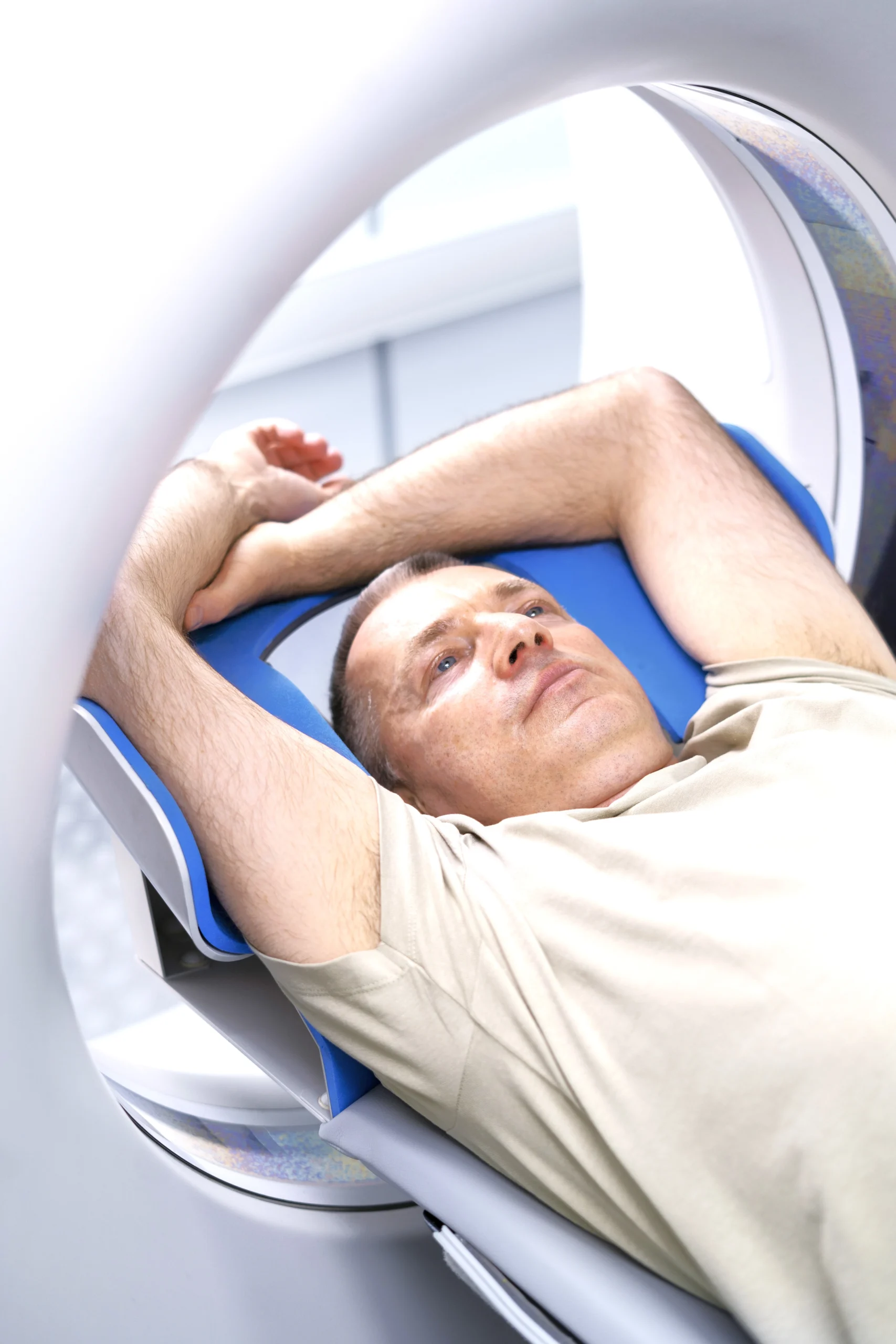
Quick Diagnosis
Rapid imaging and assessment
Pain Relief
Medical expulsion and comfort care
Prevention
Stone analysis and tailored diet
Looking for kidney stone treatment in Dubai? At Doctors Clinic Diagnostic Center, with on-site CT and ultrasound at our DHCC ground-floor clinic, we provide rapid imaging, pain relief, and targeted medical expulsion therapy to get you comfortable fast. Our kidney stone specialist team is among the most experienced nephrologists near me for stone management.
We use low-dose CT or ultrasound to locate stones, then tailor treatment based on size and type. Prevention is central: we analyze stone composition, adjust diet, and consider medications to reduce recurrence.
Same-day appointments are often available; capacity is limited, so book early. Our kidney stone treatment cost is covered by most insurance plans, and our aim is to treat current stones safely and prevent future ones so you stay pain free.
Dubai's hot climate increases kidney stone risk significantly, as dehydration concentrates minerals in the urine that can crystallize into stones. Studies show that UAE residents have higher stone rates than many other populations, making hydration awareness and prevention strategies particularly important. Our nephrologists understand the local risk factors and tailor prevention plans to your lifestyle, diet, and metabolic profile to reduce recurrence rates.
We believe that treating the stone is only half the job. prevention is equally critical. Approximately 50% of people who have had one kidney stone will develop another within 5-10 years without preventive measures. Our comprehensive approach includes metabolic evaluation (24-hour urine collection), stone composition analysis when available, personalized dietary counseling, and preventive medications tailored to your stone type. This proactive strategy significantly reduces recurrence and protects your kidneys long-term.
Quick Diagnosis
Rapid imaging and assessment
Pain Relief
Medical expulsion and comfort care
Prevention
Stone analysis and tailored diet
Expert Stone Management
Pain Relief and Long-term Prevention
Looking for kidney stone treatment in Dubai? At Doctors Clinic Diagnostic Center, with on-site CT and ultrasound at our DHCC ground-floor clinic, we provide rapid imaging, pain relief, and targeted medical expulsion therapy to get you comfortable fast. Our kidney stone specialist team is among the most experienced nephrologists near me for stone management.
We use low-dose CT or ultrasound to locate stones, then tailor treatment based on size and type. Prevention is central: we analyze stone composition, adjust diet, and consider medications to reduce recurrence.
Same-day appointments are often available; capacity is limited, so book early. Our kidney stone treatment cost is covered by most insurance plans, and our aim is to treat current stones safely and prevent future ones so you stay pain free.
Dubai's hot climate increases kidney stone risk significantly, as dehydration concentrates minerals in the urine that can crystallize into stones. Studies show that UAE residents have higher stone rates than many other populations, making hydration awareness and prevention strategies particularly important. Our nephrologists understand the local risk factors and tailor prevention plans to your lifestyle, diet, and metabolic profile to reduce recurrence rates.
We believe that treating the stone is only half the job. prevention is equally critical. Approximately 50% of people who have had one kidney stone will develop another within 5-10 years without preventive measures. Our comprehensive approach includes metabolic evaluation (24-hour urine collection), stone composition analysis when available, personalized dietary counseling, and preventive medications tailored to your stone type. This proactive strategy significantly reduces recurrence and protects your kidneys long-term.

Dr. Manish Tripathi
Explore Our Services
Comprehensive kidney stones services at DCDC Dubai Healthcare City.

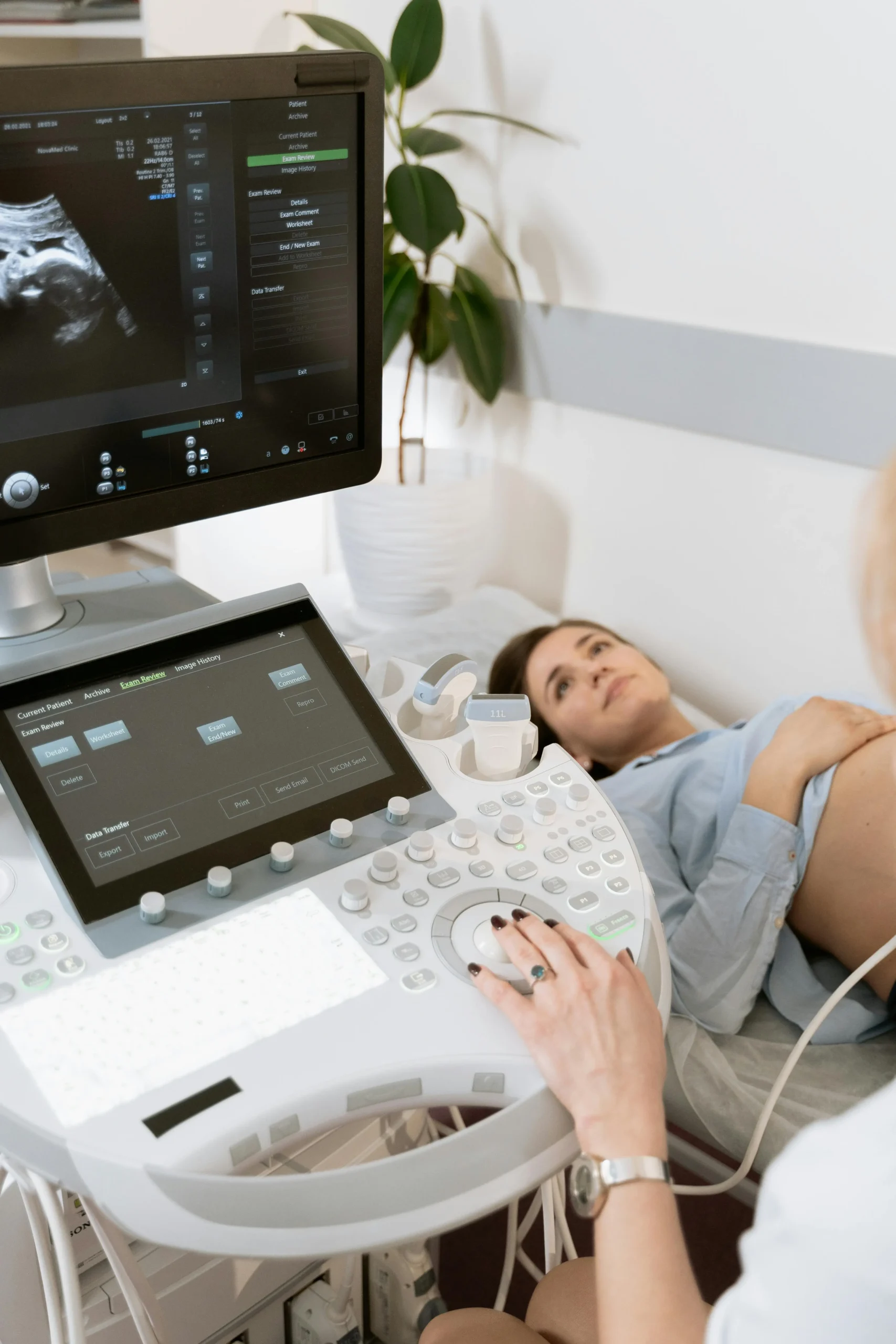
All services performed by DHA-licensed specialists
Who Should Get Kidney Stones?
Seek help promptly if you suspect a kidney stone or have recurrent stones.
Severe pain in back or side
Blood in urine (pink/red)
Nausea and vomiting with pain
Frequent urge to urinate
Fever and chills (infection risk)
History of previous stones
Why Choose DCDC for Kidney Stones in Dubai?
MOHAP-licensed nephrology clinic in Dubai Healthcare City with rapid imaging, pain control, and prevention plans. Same-day appointments often available; limited capacity.
MOHAP Licensed
Licensed facility in DHCC (MOHAP license NIMY7VY5-240925) meeting strict safety standards.
Stone Specialists
Nephrologists experienced in stone diagnosis, medical expulsion, and prevention.
Same-Day Access
Same-day stone assessments when available; urgent pain prioritized.
Imaging Precision
Low dose CT and ultrasound to guide safest treatment.
Prevention Focus
Metabolic evaluation, stone analysis, and tailored diet plans.
Prime DHCC Location
Building 64, Block A, DCDC with easy access and parking.
Your Comfortable Visit
A simple, step-by-step Kidney scan process designed for comfort, speed, and accuracy.
Kidney Stone Consultation Fees
Kidney pricing in Dubai varies by service type and insurance coverage for various service types.
- Pricing varies by scan type and whether contrast is required
- Insurance coverage accepted with referral and verification
- Transparent self-pay rates available with instant quote on request
Insurance verification in minutes • No hidden fees • Fast response on WhatsApp
Patient Guide
What to Expect During Your Stone Visit
Fast imaging, pain relief, and prevention planning to keep you stone free.
Insurance & Location
Insurance Partners
- •20+ insurance providers in Dubai including Daman, AXA, ADNIC, and others
- •Pre-authorization support and direct billing (where applicable)
- •Coverage verification before your appointment at our Dubai Healthcare City clinic
- •Transparent pricing with no hidden fees for kidney stones services








Visit Us in Dubai Healthcare City
Doctors Clinic Diagnostic Center
Building 64, Block A, Al Razi Medical Complex, Dubai Healthcare City, Dubai, UAE
Near Oud Metha Road · Easy access from Bur Dubai, Downtown Dubai, Business Bay · Free dedicated parking available
Working Hours
Mon-Thu, Sat: 8AM - 10:30PM | Sun: 8:30AM - 10:30PM | Fri: 9AM - 10PM
How Insurance Works at DCDC
Check Coverage
Verify your plan covers Kidney Stones
Get a Referral
Some insurers require a GP referral — we can guide you
Pre-Authorization
We handle pre-auth directly with your insurer
Direct Billing
No upfront payment — we bill your insurer directly
Co-Pay Only
You only pay any applicable co-pay at the clinic
Check Coverage
Verify your plan covers Kidney Stones
Get a Referral
Some insurers require a GP referral — we can guide you
Pre-Authorization
We handle pre-auth directly with your insurer
Direct Billing
No upfront payment — we bill your insurer directly
Co-Pay Only
You only pay any applicable co-pay at the clinic
Your Specialist
Dr. Manish Tripathi
Specialist Nephrologist
MD, Specialist Nephrologist
English · Hindi
Patient Guide
Kidney Stones: Causes, Treatment, and Prevention in Dubai's Climate
Kidney stones are hard mineral deposits that form inside the kidneys when the concentration of certain substances in the urine becomes too high, allowing crystals to nucleate and grow. Affecting approximately 10% of the UAE population at some point in their lives, kidney stones are particularly prevalent in the Gulf region due to the hot climate, dietary patterns, and high rates of conditions like diabetes and obesity that increase stone risk. Understanding the factors that contribute to stone formation is the first step toward effective treatment and prevention.
The formation of kidney stones is influenced by a complex interplay of factors including inadequate fluid intake, dietary habits, metabolic conditions, genetics, and urinary chemistry. When the urine becomes supersaturated with stone-forming minerals (calcium, oxalate, uric acid, or phosphate), crystals can form and aggregate into stones ranging from tiny grains to large staghorn calculi filling the entire renal pelvis. Protective factors in urine, such as citrate and magnesium, normally inhibit crystal formation, and deficiency of these substances increases stone risk. The balance between stone-promoting and stone-inhibiting factors determines whether an individual develops stones.
Acute management of kidney stones focuses on pain control, facilitating stone passage, and treating any associated complications. Renal colic from a moving stone is one of the most severe pains in medicine, requiring aggressive pain management with NSAIDs and sometimes opioid analgesics. Medical expulsion therapy with alpha-blockers relaxes the ureter and improves passage rates for stones under 10mm. Adequate hydration helps flush the stone through the urinary tract. If a stone causes complete obstruction, especially with infection, emergency intervention is needed to place a stent or nephrostomy tube to relieve the blockage. Once the acute episode resolves, attention turns to determining stone composition and developing a prevention plan.
Prevention is the most important aspect of kidney stone management, as recurrence rates exceed 50% within 10 years without preventive measures. A comprehensive prevention strategy begins with stone composition analysis and metabolic evaluation through 24-hour urine collection. Based on results, specific interventions are recommended: adequate hydration to produce over 2 liters of dilute urine daily, dietary modifications tailored to stone type (sodium restriction, appropriate protein intake, oxalate management), and medications when indicated (thiazide diuretics for hypercalciuria, potassium citrate for low citrate, allopurinol for hyperuricosuria). In Dubai's hot climate, particular emphasis is placed on maintaining hydration throughout the day, especially during summer months when fluid losses from sweating are substantial.
Stone-Related Conditions We Diagnose and Treat
Calcium Oxalate Stones
The most common stone type, managed with hydration, dietary oxalate reduction, sodium restriction, and medications like thiazide diuretics.
Uric Acid Stones
Stones formed in acidic urine, often associated with gout, treatable with urine alkalinization and dietary purine restriction.
Renal Colic
Acute pain management with NSAIDs and alpha-blockers, with medical expulsion therapy to facilitate stone passage.
Obstructive Uropathy
Assessment and urgent referral for stones causing complete urinary tract obstruction requiring stent or nephrostomy placement.
Infected Kidney Stones
Emergency management of stones with concurrent urinary infection, requiring antibiotics and often urgent drainage.
Recurrent Stone Disease
Comprehensive metabolic evaluation with 24-hour urine analysis and personalized prevention plans to reduce recurrence.
Related Articles
Kidney Health: Prevention Tips for Dubai Residents
Essential strategies for protecting your kidneys, with a focus on hydration and diet in the UAE climate.
Renal Doppler Ultrasound: Assessing Your Kidneys
How ultrasound helps detect kidney stones, obstruction, and blood flow abnormalities.
Ultrasound Results Explained: What Your Scan Means
Understanding kidney ultrasound findings including stones, hydronephrosis, and cysts.
Related Services
Explore other diagnostic and consultation services available at our Dubai Healthcare City clinic.
Frequently Asked Questions
Common questions about Kidney Stones in Dubai.
Small stones under 5mm have approximately an 80-90% chance of passing on their own with adequate hydration (2.5-3 liters daily) and medical expulsion therapy using alpha-blockers to relax the ureter. Stones between 5-10mm have a lower spontaneous passage rate and may require intervention if they do not pass within 4-6 weeks or cause ongoing symptoms. Stones larger than 10mm rarely pass naturally and typically require procedures such as extracorporeal shock wave lithotripsy (ESWL), ureteroscopy, or percutaneous nephrolithotomy. Your nephrologist will recommend the best approach based on stone size, location, and your symptoms.
Renal colic (the pain from a moving kidney stone) is often described as one of the most intense pains a person can experience, sometimes compared to childbirth. The pain occurs when a stone moves from the kidney into the ureter, causing spasm and obstruction. Pain typically comes in waves, radiating from the back or flank to the groin, and may be accompanied by nausea and vomiting. We provide effective pain management including NSAIDs (which reduce ureteral spasm), opioid analgesics for severe pain, anti-nausea medication, and alpha-blockers to facilitate stone passage. Emergency department referral is arranged if pain is uncontrollable or complications develop.
Prevention is customized based on your stone type and metabolic evaluation. Universal recommendations include drinking 2.5-3.5 liters of water daily (enough to produce over 2 liters of urine), reducing sodium intake to under 2g daily, maintaining adequate calcium intake from food (paradoxically, dietary calcium reduces stone risk), and limiting animal protein. For calcium oxalate stones, reducing high-oxalate foods (spinach, rhubarb, nuts, chocolate) helps. For uric acid stones, limiting purine-rich foods and alkalinizing urine with citrate supplements is effective. For recurrent stone formers, medications such as thiazide diuretics, potassium citrate, or allopurinol may be prescribed based on metabolic testing results.
Different dietary factors contribute to different stone types. For calcium oxalate stones (the most common type), high-oxalate foods such as spinach, rhubarb, beets, nuts, chocolate, and tea increase risk. Excessive sodium causes the kidneys to excrete more calcium, promoting stone formation. High animal protein intake increases uric acid and calcium excretion while reducing protective urinary citrate. Surprisingly, adequate dietary calcium (from food, not supplements) actually reduces stone risk by binding oxalate in the gut. Sugary drinks, especially those with fructose, also increase stone risk. We provide individualized dietary counseling based on your specific stone composition and metabolic profile.
Surgical intervention is recommended for stones that are too large to pass naturally (typically over 10mm), stones causing persistent obstruction or pain despite medical management, stones associated with urinary tract infection (which can be life-threatening), and stones causing significant kidney damage. Options include ESWL (shock wave lithotripsy) which uses sound waves to break stones into passable fragments, ureteroscopy where a thin scope is inserted through the urinary tract to remove or laser-fragment the stone, and percutaneous nephrolithotomy for very large stones requiring a small incision in the back. We coordinate with experienced urologists to determine the best approach for your specific situation.
Kidney stones are classified by their mineral composition, which determines prevention strategy. Calcium oxalate stones are the most common (about 70-80%), formed when calcium combines with oxalate in concentrated urine. Calcium phosphate stones are less common and may indicate underlying metabolic conditions. Uric acid stones (5-10%) form in acidic urine and are often associated with gout or high-protein diets. they are unique in being dissolvable with urine alkalinization. Struvite stones form from urinary tract infections and can grow rapidly. Cystine stones are rare and genetic. Stone analysis, when a stone is recovered, guides targeted prevention strategies.
Diagnosis begins with clinical assessment of your symptoms and physical examination. A non-contrast CT scan of the abdomen and pelvis is the gold standard for detecting kidney stones, providing precise information about stone size, number, location, and any obstruction of the urinary tract. Low-dose CT protocols minimize radiation exposure. Ultrasound is a radiation-free alternative that can detect most kidney stones and hydronephrosis (kidney swelling from obstruction), making it preferred for pregnant women and follow-up monitoring. Urine tests check for blood, infection, and pH. Blood tests assess kidney function and electrolytes. Once a stone is identified, these investigations guide treatment decisions.
Yes, kidney stones can cause permanent damage if left untreated, particularly when they cause prolonged obstruction of urine flow. A blocked ureter leads to pressure buildup in the kidney (hydronephrosis), which over time can damage kidney tissue and reduce function. Infected stones with obstruction (pyonephrosis) represent a urological emergency requiring urgent drainage. Recurrent stone formation can also gradually impair kidney function through repeated inflammation and scarring. This is why prompt treatment of symptomatic stones and effective prevention of recurrence are both critically important for long-term kidney health.
Key Facts
Medical Review & Oversight
All services are provided under the supervision of licensed medical professionals in our MOHAP-accredited facility.