Key Takeaways
- Cortisol blood tests at DCDC Dubai Healthcare City start from AED 120, with same-day results available for morning samples
- Morning cortisol must be drawn before 9-10 AM for accurate results because cortisol follows a strict circadian rhythm, peaking at 6-8 AM
- Normal morning cortisol ranges from 6 to 23 mcg/dL (166-635 nmol/L); values outside this range warrant further investigation by a specialist
- High cortisol (hypercortisolism) can cause weight gain, moon face, muscle weakness, and elevated blood sugar — potentially indicating Cushing's syndrome
- Low cortisol (hypocortisolism) can cause chronic fatigue, dizziness, weight loss, and low blood pressure — potentially indicating adrenal insufficiency or Addison's disease
- Three test types serve different purposes: morning blood cortisol for screening, 24-hour urine for integrated daily output, late-night salivary cortisol for Cushing's diagnosis
- DCDC offers integrated care: cortisol results are reviewed by in-house endocrinology and general practice teams, often on the same day, with 20+ insurance partners for direct billing
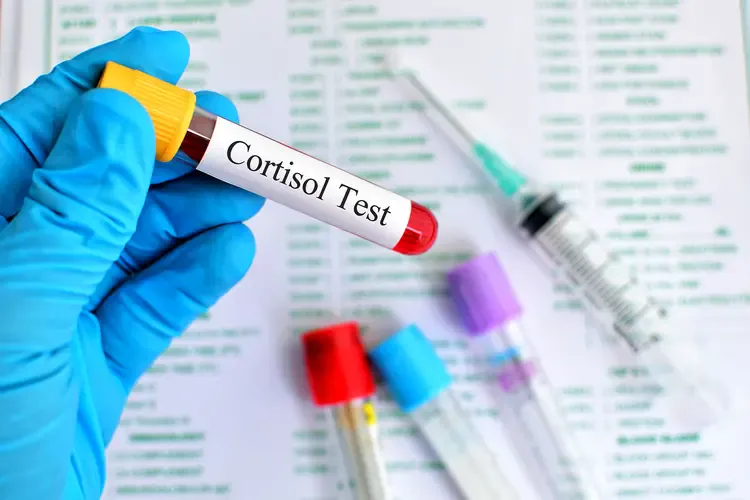
Cortisol is your body's primary stress hormone, produced by the adrenal glands and involved in metabolism, immune response, blood pressure regulation, and the sleep-wake cycle. When cortisol levels are too high or too low, the effects can be wide-ranging and debilitating — from unexplained weight gain and chronic fatigue to anxiety, muscle weakness, and impaired immunity. A cortisol test at DCDC in Dubai Healthcare City provides accurate measurement of your stress hormone levels from AED 120, with most results available on the same day and specialist consultation available in the same building.
This guide covers everything you need to know about cortisol testing in Dubai: what cortisol does, the different types of tests available, normal reference ranges by time of day, what high and low cortisol levels mean, a detailed comparison of Cushing's syndrome vs Addison's disease, when you should get tested, how the ACTH stimulation test works, how chronic stress affects cortisol, how much it costs, and what to expect during your visit to DCDC.
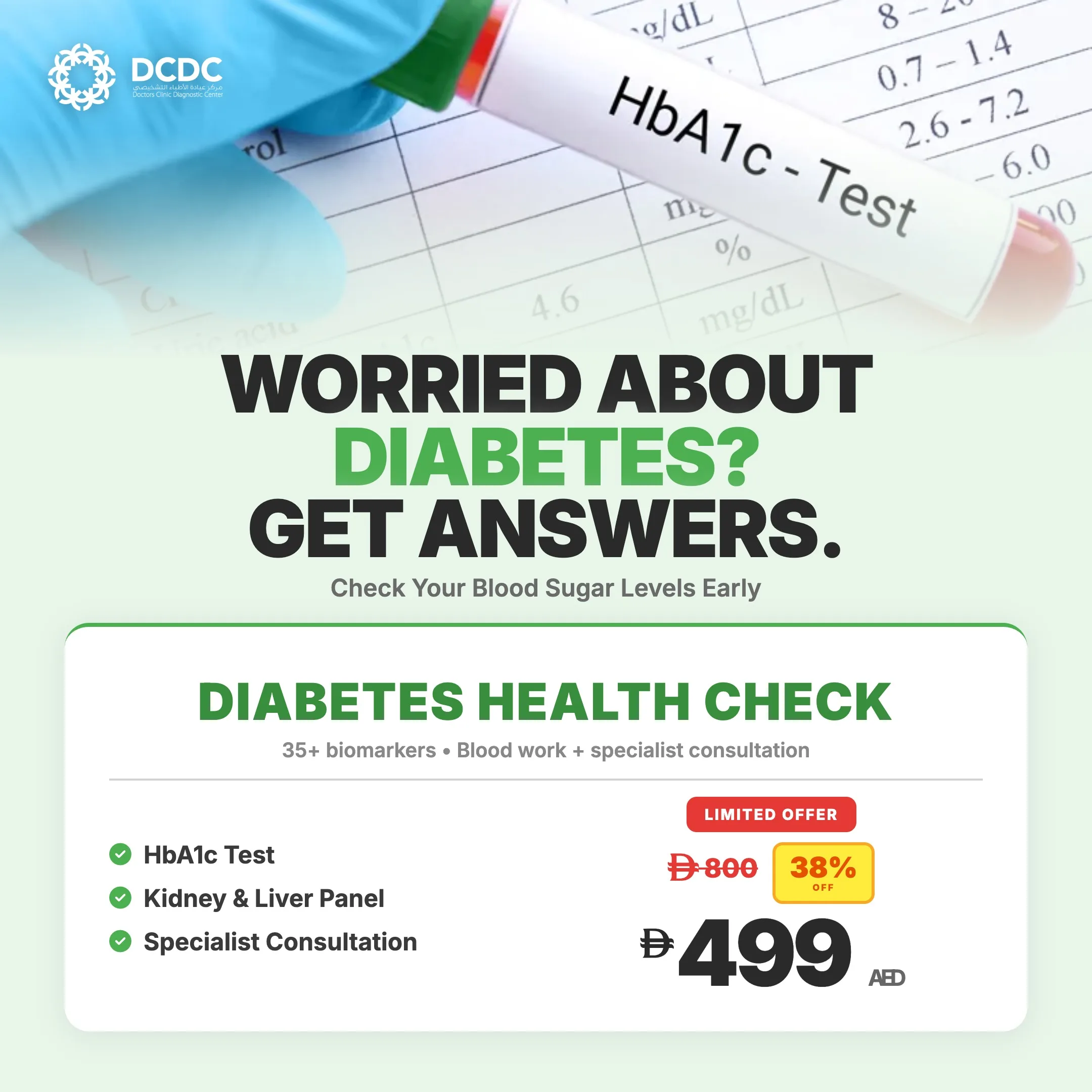
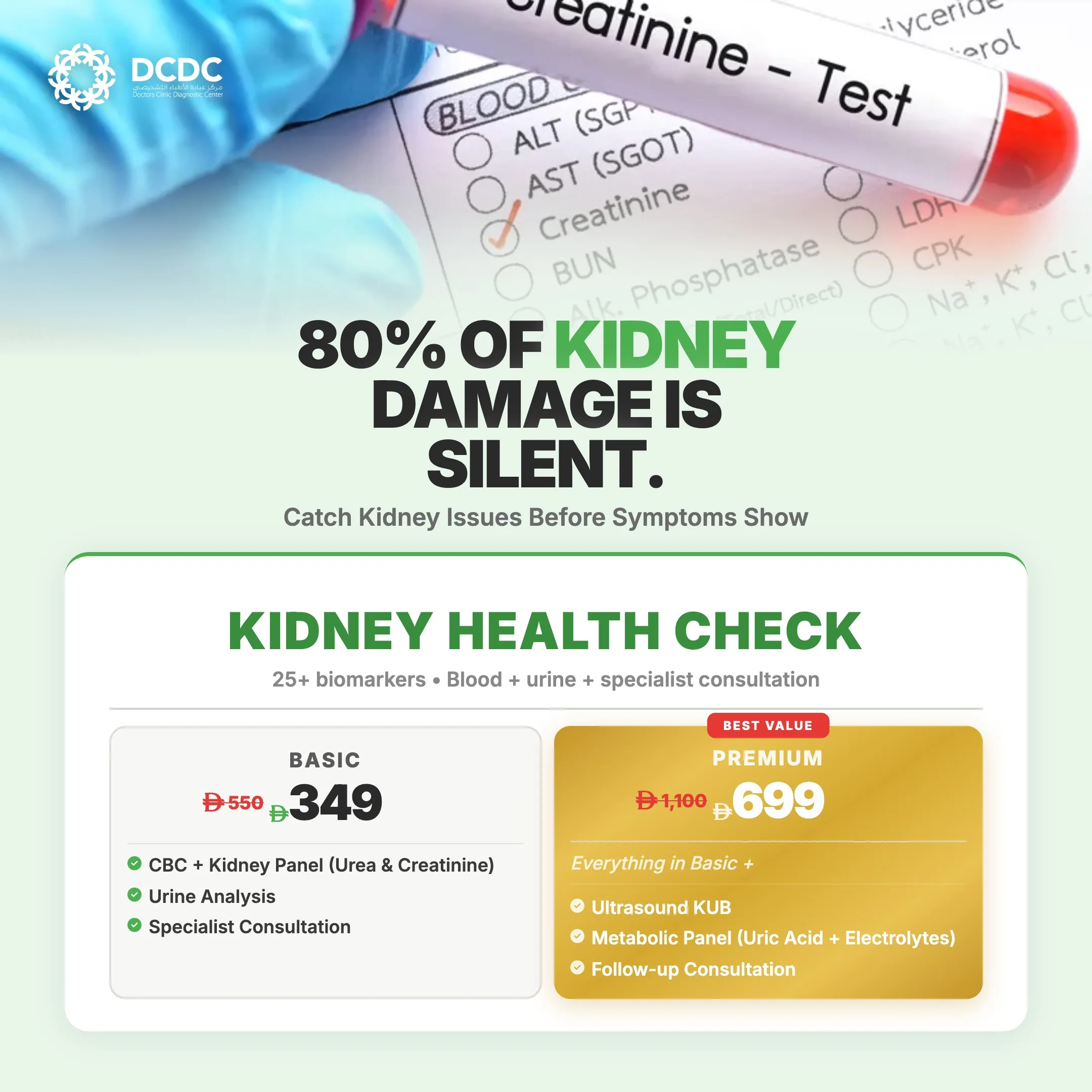
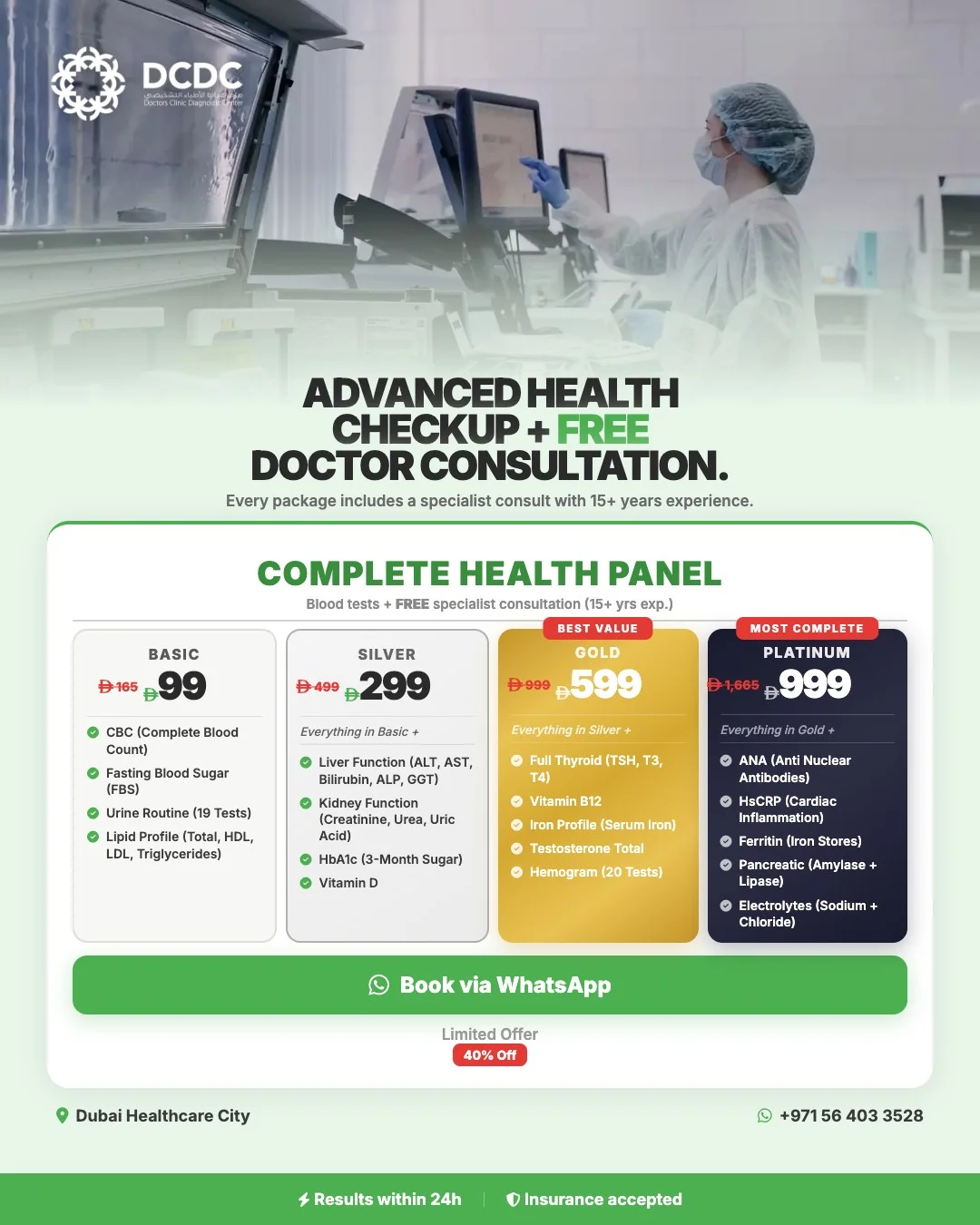
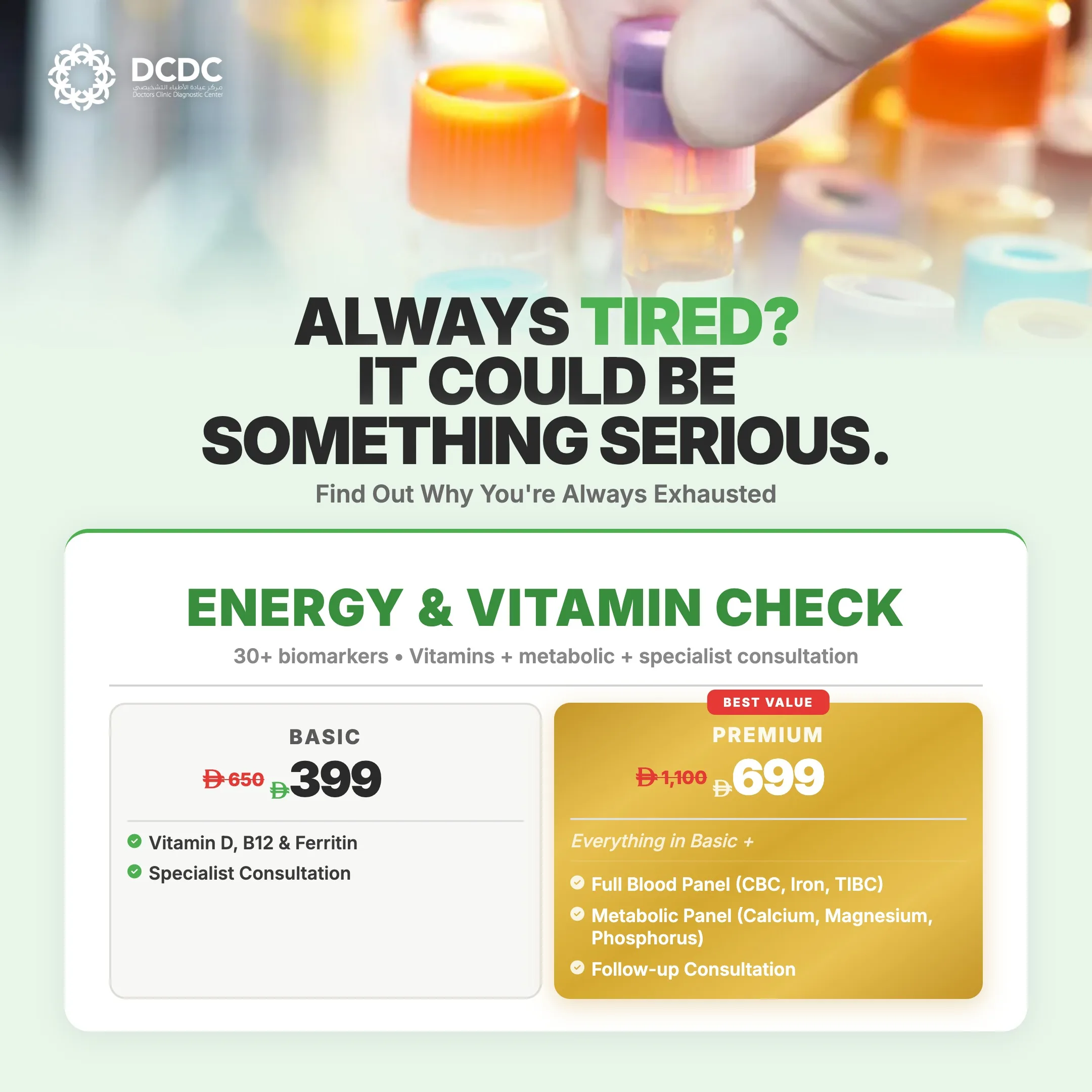
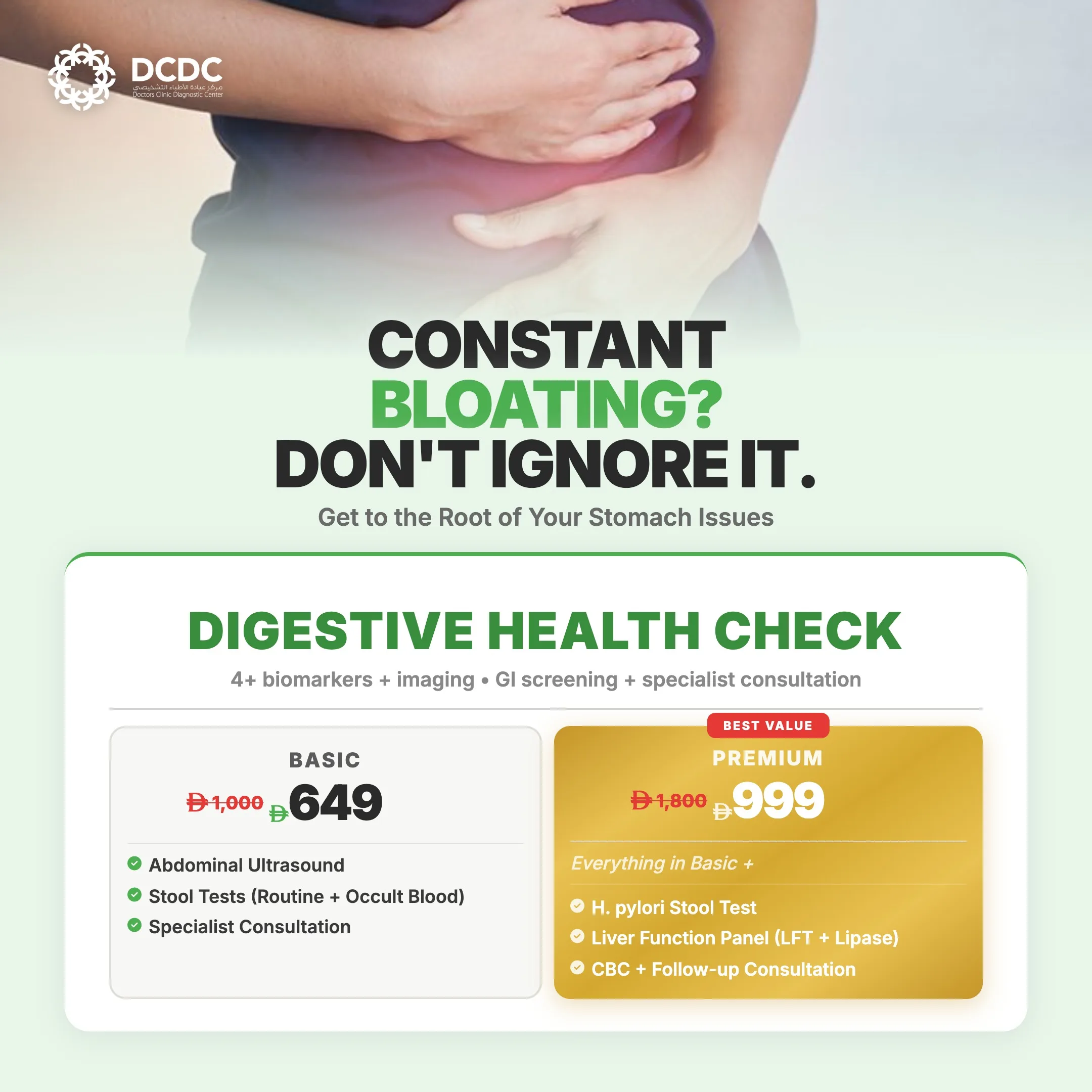
Health Screening Packages
Save with our bundled screening packages — specialist consultation included

What Is Cortisol and Why Does a Cortisol Test Matter?
Cortisol is a steroid hormone produced by the adrenal cortex — the outer layer of the two small adrenal glands that sit on top of your kidneys. Often called the 'stress hormone,' cortisol does far more than respond to stress. It regulates blood sugar levels by promoting gluconeogenesis, controls metabolism of fats, proteins, and carbohydrates, suppresses inflammation and modulates immune function, maintains blood pressure through its effect on blood vessels, and influences your circadian rhythm and sleep patterns.
Cortisol secretion follows a diurnal (circadian) pattern: levels peak between 6 and 8 AM, providing the energy surge that helps you wake up, then gradually decline throughout the day, reaching their lowest point around midnight. This predictable rhythm is why the timing of your cortisol test matters enormously — a result that appears normal at 8 AM could be abnormally high if the same value were measured at 4 PM.
The hypothalamic-pituitary-adrenal (HPA) axis controls cortisol production through a feedback loop. The hypothalamus releases corticotropin-releasing hormone (CRH), which signals the pituitary gland to release adrenocorticotropic hormone (ACTH), which in turn stimulates the adrenal glands to produce cortisol. Disruption at any point in this axis — from pituitary tumours to adrenal disease to chronic psychological stress — can result in abnormal cortisol levels that require testing and clinical evaluation.
Cortisol Levels by Time of Day: Complete Reference Ranges
Understanding how cortisol varies throughout the day is essential for interpreting your results correctly. Cortisol follows a strict circadian rhythm, and a value that is normal at 8 AM would be abnormally high at midnight. The following table shows cortisol reference ranges at each time point, helping you understand exactly what your results mean.
| Time of Day | Serum Cortisol Range | Clinical Significance |
|---|---|---|
| Early morning (6-8 AM) | 10-23 mcg/dL (275-635 nmol/L) | Peak cortisol — this is the standard screening window. Values below 3 mcg/dL strongly suggest adrenal insufficiency |
| Mid-morning (8-10 AM) | 6-23 mcg/dL (166-635 nmol/L) | Acceptable screening window — values begin declining but remain clinically useful for screening |
| Afternoon (12-4 PM) | 3-15 mcg/dL (83-414 nmol/L) | Naturally lower due to circadian decline — must not be compared to morning reference ranges |
| Evening (4-8 PM) | 2-10 mcg/dL (55-276 nmol/L) | Significantly lower — elevated values at this time suggest loss of circadian rhythm (Cushing's) |
| Late night (11 PM-midnight) | Below 5 mcg/dL (138 nmol/L) serum; below 0.15 mcg/dL (4.0 nmol/L) salivary | Should be at nadir — elevated late-night cortisol is a hallmark finding in Cushing's syndrome |
| 24-hour urine (UFC) | 3.5-45 mcg/24h (10-125 nmol/24h) | Integrated daily cortisol output — eliminates single time-point variability. Elevated UFC is a first-line Cushing's screen |
Cortisol reference ranges by time of day (2026). Values vary slightly between laboratories depending on assay method. DCDC provides laboratory-specific reference ranges on every report.
It is critical to note that certain medications and conditions can affect cortisol results regardless of timing. Oral contraceptives and estrogen therapy increase cortisol-binding globulin, which raises total serum cortisol without affecting free cortisol. Pregnancy also raises cortisol-binding globulin. Medications including phenytoin, phenobarbital, and rifampicin can accelerate cortisol metabolism, producing falsely low results. Your physician will take these factors into account when interpreting your results.
Cortisol Test in Dubai: Why Stress Hormone Testing Is Increasingly Important
Dubai's fast-paced lifestyle places unique demands on the adrenal system. Long working hours, high-pressure corporate environments, irregular sleep patterns due to shift work or social habits, extreme heat exposure, and the stress of expatriate life all contribute to sustained activation of the HPA axis. While short-term cortisol elevation is a normal and healthy stress response, chronic elevation can lead to metabolic syndrome, insulin resistance, weight gain, impaired immunity, and mental health disturbances.
According to the Endocrine Society, cortisol testing should be considered whenever clinical features suggest either cortisol excess (Cushing's syndrome) or cortisol deficiency (adrenal insufficiency). However, many patients in Dubai seek cortisol testing proactively as part of comprehensive wellness assessments, particularly those experiencing persistent fatigue, difficulty losing weight, sleep disturbances, or anxiety that does not respond to conventional treatment. At DCDC Dubai Healthcare City, our hormone testing service offers same-day cortisol results with specialist interpretation available in the same building. For a broader overview of stress-related testing, see our complete hormone test guide for Dubai.
Types of Cortisol Tests Available in Dubai
There are four primary methods for measuring cortisol, each with specific clinical applications. The choice of test depends on what your physician is investigating — whether it is a screening test, a confirmatory test, or monitoring of known disease.
1. Serum Cortisol (Blood Test) — First-Line Screening
The serum cortisol blood test is the most commonly ordered cortisol test and the standard first-line screening tool. A blood sample is drawn from a vein, typically in the morning between 7 and 9 AM when cortisol is at its physiological peak. The test measures total cortisol, which includes both protein-bound cortisol (approximately 90%, bound to cortisol-binding globulin) and free cortisol (the biologically active form). Results are typically available within a few hours to one day. This is the test most commonly ordered at DCDC for initial evaluation.
2. 24-Hour Urinary Free Cortisol (UFC) — Cushing's Screening
The 24-hour urine test measures the total amount of free (unbound) cortisol excreted by the kidneys over a full day. This eliminates the variability of single time-point measurements and provides an integrated picture of cortisol production. The Endocrine Society recommends 24-hour UFC as one of the initial screening tests for Cushing's syndrome. Patients collect all urine produced over 24 hours in a special container provided by the laboratory. Elevated results (typically above 50-100 mcg per 24 hours, depending on the assay) suggest hypercortisolism. At least two elevated UFC results are needed before proceeding to confirmatory testing.
3. Late-Night Salivary Cortisol — Home-Based Cushing's Screen
Salivary cortisol testing measures free cortisol in saliva, which closely correlates with free serum cortisol levels. The test is most useful when performed late at night (around 11 PM to midnight), when cortisol should be at its lowest. An elevated late-night salivary cortisol is a strong indicator of Cushing's syndrome because it demonstrates loss of the normal circadian nadir. This test can be performed at home by the patient, making it convenient for repeat measurements. The Endocrine Society considers two elevated late-night salivary cortisol measurements as one of three recommended first-line screening tests for Cushing's syndrome.
Comparison: Blood vs Urine vs Salivary Cortisol Tests
Each cortisol test method has specific strengths and limitations. The following comparison helps you understand which test is most appropriate for your clinical situation.
| Feature | Morning Blood Cortisol | 24-Hour Urine Cortisol | Late-Night Salivary Cortisol |
|---|---|---|---|
| What it measures | Total cortisol (bound + free) at one time point | Free cortisol excreted over 24 hours | Free cortisol at the circadian nadir |
| Primary use | General screening, initial evaluation | Cushing's syndrome screening | Cushing's syndrome screening |
| Collection method | Venous blood draw at clinic | Collect all urine for 24 hours in container | Saliva sample at home at 11 PM |
| Affected by estrogen/OCP | Yes — raises total cortisol (false elevation) | No — measures free cortisol only | No — measures free cortisol only |
| Affected by hydration | Minimally | Yes — incomplete collection invalidates results | Minimally — avoid eating/brushing before collection |
| Convenience | Requires clinic visit during morning hours | Inconvenient — 24-hour collection at home | Convenient — done at home in 1 minute |
| Cost at DCDC | From AED 120 | From AED 200 | From AED 180 |
| Result turnaround | Same day to 24 hours | 2-3 days | 2-3 days |
| Sensitivity for Cushing's | Moderate (single time point) | High when elevated on 2+ collections | High when elevated on 2 separate nights |
| Limitations | Single snapshot; affected by acute stress | Incomplete collection = invalid results | Contamination possible if patient eats/brushes teeth before collection |
Comparison of cortisol testing methods available in Dubai (2026). The Endocrine Society recommends at least two concordant screening tests before pursuing Cushing's workup.
ACTH Stimulation Test (Synacthen Test): How It Works
The ACTH stimulation test (also called the Synacthen test or cosyntropin stimulation test) is the definitive test for evaluating adrenal insufficiency. Unlike the standard morning cortisol blood test, which provides a single snapshot, the ACTH stimulation test measures the adrenal glands' ability to respond to stimulation — directly assessing their functional capacity.
Step-by-Step Protocol
- Step 1 — Baseline blood draw: A blood sample is drawn to measure baseline cortisol and ACTH levels. This is ideally performed in the morning (8-9 AM) but can be done at any time if clinically indicated
- Step 2 — Synacthen injection: 250 mcg of synthetic ACTH (cosyntropin) is administered intravenously or intramuscularly. This dose stimulates the adrenal glands maximally, mimicking the strongest physiological ACTH signal
- Step 3 — Follow-up blood draws: Blood samples are drawn at 30 minutes and 60 minutes after injection to measure the cortisol response
- Step 4 — Interpretation: A normal response is a cortisol rise to above 18-20 mcg/dL (500-550 nmol/L) at either the 30-minute or 60-minute mark, regardless of baseline. This confirms adequate adrenal reserve
Interpreting ACTH Stimulation Test Results
| Result | Peak Cortisol at 30 or 60 min | Clinical Interpretation |
|---|---|---|
| Normal response | Above 18-20 mcg/dL (500-550 nmol/L) | Adequate adrenal reserve — adrenal insufficiency is excluded |
| Blunted response | Below 18 mcg/dL (500 nmol/L) | Suggestive of adrenal insufficiency — further workup with ACTH level, aldosterone, and imaging needed |
| Flat response (no rise) | Less than 5 mcg/dL rise from baseline | Strongly suggestive of primary adrenal failure (Addison's disease) — urgent specialist referral |
ACTH stimulation test interpretation. A blunted response requires further investigation to distinguish primary from secondary adrenal insufficiency.
The test takes approximately 90 minutes from start to finish and is performed at DCDC's laboratory under physician supervision. Results are typically available the same day. If the result is abnormal, further testing with baseline ACTH level, aldosterone/renin, adrenal antibodies, and potentially adrenal CT imaging is arranged. All cortisol and adrenal function tests are available through our hormone testing service at DCDC, with specialist endocrinology referral available in the same building if results require further workup.
High Cortisol: Symptoms Checklist and When to Test
Chronically elevated cortisol — whether from endogenous overproduction (Cushing's syndrome) or exogenous corticosteroid use — produces a characteristic constellation of symptoms that affect multiple body systems. Use the following checklist to assess whether cortisol testing is warranted. If you experience 3 or more of these symptoms simultaneously, discuss cortisol testing with your doctor.
- Central weight gain: Fat accumulates in the abdomen, face ('moon face'), and upper back ('buffalo hump') while arms and legs may become thinner due to muscle wasting
- Skin changes: Thin, fragile skin that bruises easily; wide purple or red stretch marks (striae) on the abdomen, thighs, and arms; slow wound healing; facial flushing (plethora)
- Muscle weakness: Proximal muscle weakness affecting the shoulders and hips, making it difficult to climb stairs, rise from a chair, or lift arms overhead
- Metabolic effects: Elevated blood sugar (steroid-induced diabetes or worsening of existing diabetes), high blood pressure resistant to treatment, high cholesterol, and increased cardiovascular risk
- Bone loss: Accelerated osteoporosis and increased fracture risk — sometimes the first presentation of Cushing's. See our DEXA scan guide for bone density testing
- Mood and cognitive changes: Anxiety, irritability, depression, difficulty concentrating, memory problems, and insomnia. Depression occurs in up to 70% of Cushing's syndrome cases
- Immune suppression: Increased susceptibility to infections, slow wound healing, and recurrent skin or urinary infections
- Reproductive effects: Irregular menstrual periods or amenorrhea in women, decreased libido, and erectile dysfunction in men
- Appearance changes: Hirsutism (excess facial hair in women), acne, hair thinning on the scalp, and darkening of skin in creases
Cushing's syndrome is relatively rare, affecting approximately 10-15 per million people annually. However, subclinical cortisol excess and chronic stress-driven cortisol elevation are far more common, particularly in high-pressure environments. If you experience several of these symptoms, a cortisol test is a critical first step. Unexplained weight gain combined with fatigue and mood changes is a particularly common presentation — read more in our guide on unexplained weight gain causes in Dubai.
Low Cortisol: Signs of Adrenal Insufficiency
Insufficient cortisol production — whether from primary adrenal failure (Addison's disease), secondary adrenal insufficiency (pituitary dysfunction), or abrupt withdrawal of long-term corticosteroid therapy — produces symptoms that are often initially vague and easily attributed to other causes.
- Chronic fatigue: Persistent, debilitating tiredness that does not improve with rest — often the earliest and most prominent symptom
- Low blood pressure: Orthostatic hypotension (dizziness upon standing) due to cortisol's role in maintaining vascular tone — may cause fainting
- Unexplained weight loss: Reduced appetite, nausea, and sometimes abdominal pain leading to gradual weight loss of 5-15 kg
- Hyperpigmentation: Darkening of skin, particularly in creases, scars, gums, and sun-exposed areas (specific to primary adrenal insufficiency due to elevated ACTH)
- Salt cravings: Due to aldosterone deficiency (in primary adrenal insufficiency), causing sodium loss and dehydration
- Hypoglycaemia: Low blood sugar episodes, particularly after fasting or exercise — can cause confusion, shakiness, and sweating
- Joint and muscle pain: Generalised aches, weakness, and sometimes severe limb pain
- Mood disturbances: Depression, irritability, and difficulty handling even minor stress
Adrenal crisis — a life-threatening emergency caused by severely low cortisol — can be triggered by infection, surgery, or physical trauma in patients with undiagnosed adrenal insufficiency. Symptoms include severe hypotension, confusion, vomiting, and loss of consciousness. This underscores the importance of testing cortisol levels in patients with suggestive symptoms, particularly those with a history of long-term steroid use. For additional testing options, see our complete blood test guide for Dubai.
Cushing's Syndrome vs Addison's Disease: Complete Comparison
Cushing's syndrome (cortisol excess) and Addison's disease (cortisol deficiency) are opposite ends of the cortisol spectrum. Despite being mirror-image conditions, they share some overlapping symptoms (fatigue, mood changes, weight changes), which can cause diagnostic confusion. The following comparison table highlights the key differences to help you and your doctor determine which direction to investigate.
| Feature | Cushing's Syndrome (High Cortisol) | Addison's Disease (Low Cortisol) |
|---|---|---|
| Cortisol level | Elevated (high morning cortisol, elevated UFC, elevated late-night salivary) | Low (low morning cortisol, blunted ACTH stimulation test) |
| Prevalence | 10-15 per million per year | 100-140 per million (higher than Cushing's) |
| Weight | Central weight gain (abdomen, face, upper back) | Weight loss (5-15 kg) with reduced appetite |
| Blood pressure | High blood pressure (often resistant to medication) | Low blood pressure, orthostatic hypotension, dizziness |
| Blood sugar | Elevated — steroid-induced diabetes or worsening diabetes | Low blood sugar (hypoglycaemia), especially after fasting |
| Skin | Thin, fragile, bruises easily, purple stretch marks, facial plethora | Hyperpigmentation (darkening in creases, scars, gums), vitiligo in some cases |
| Muscle | Proximal weakness (difficulty climbing stairs) | Generalised weakness and fatigue |
| Mood | Anxiety, depression, insomnia, psychosis in severe cases | Depression, irritability, inability to cope with stress |
| Immune system | Suppressed — frequent infections, slow healing | Normal to overactive (Addison's is often autoimmune) |
| Salt/fluid | Fluid retention, oedema | Salt craving, dehydration, low sodium (hyponatraemia) |
| Bone health | Accelerated osteoporosis | May have osteoporosis (less common) |
| ACTH level | Low (adrenal Cushing's) or high (pituitary Cushing's/ectopic) | High (primary adrenal failure) or low (secondary/pituitary) |
| Main diagnostic test | 24-hour UFC, late-night salivary cortisol, dexamethasone suppression test | Morning cortisol, ACTH stimulation test (Synacthen) |
| Onset | Gradual (months to years) | Gradual (weeks to months), can present acutely as adrenal crisis |
| Treatment | Surgery (pituitary/adrenal), medication to lower cortisol, radiation | Lifelong cortisol replacement (hydrocortisone), stress dosing during illness |
| Emergency risk | Rare — mainly from surgical complications | Adrenal crisis — life-threatening; requires emergency IV hydrocortisone and fluids |
Cushing's syndrome vs Addison's disease comparison. Both conditions require specialist endocrine evaluation. At DCDC, initial testing can be arranged by your GP with same-day endocrinology referral if results are abnormal.
How Chronic Stress Affects Cortisol: The Dubai Factor
While Cushing's syndrome and Addison's disease are distinct medical conditions, chronic stress-related cortisol dysregulation is far more common and particularly prevalent in Dubai's high-performance culture. Understanding how chronic stress affects cortisol helps explain many of the symptoms that drive patients to seek testing.
The Stress-Cortisol Cascade
In a healthy stress response, cortisol rises briefly in response to a perceived threat, mobilises energy, enhances focus, and then returns to baseline once the stressor passes. This is adaptive and beneficial. In chronic stress, however, the HPA axis becomes dysregulated — cortisol may remain persistently elevated, lose its normal circadian rhythm (staying high at night), or eventually decline below normal as the adrenal system becomes exhausted (sometimes called 'HPA axis dysfunction' or informally 'adrenal fatigue').
Common Stressors in Dubai's Expatriate Population
- Work pressure: Long hours (50-60+ hour weeks are common in finance, hospitality, and construction), high performance expectations, and job insecurity
- Financial stress: High cost of living, remittance obligations, and lack of permanent residency security
- Social isolation: Distance from family and support networks, frequent relocation, and transient social circles
- Sleep disruption: Late-night socialising, Ramadan schedule changes, and shift work in healthcare, aviation, and hospitality
- Heat stress: Summer temperatures exceeding 45°C are a physiological stressor that directly activates cortisol release
- Nutritional stress: Irregular eating patterns, excessive caffeine consumption, and reliance on processed foods
Chronic stress does not cause Cushing's syndrome (which requires a tumour or exogenous steroid exposure), but it can produce a condition called pseudo-Cushing's — where cortisol levels are mildly elevated and some Cushing's-like symptoms (weight gain, mood changes, sleep disruption) are present without an underlying tumour. Distinguishing pseudo-Cushing's from true Cushing's syndrome requires specialist evaluation with dynamic testing. If your cortisol results are mildly elevated, your DCDC physician will assess whether further workup is needed.
When Should You Get a Cortisol Test in Dubai?
Your doctor may recommend cortisol testing if you present with specific clinical features, but you can also request testing proactively. The following situations warrant cortisol evaluation:
- Persistent fatigue that does not improve with adequate sleep and is not explained by thyroid dysfunction or anaemia
- Unexplained weight gain, particularly central obesity with facial rounding and upper body fat distribution
- Unexplained weight loss with reduced appetite, nausea, or dizziness
- Recurrent episodes of low blood pressure or dizziness upon standing
- New-onset high blood sugar or difficulty controlling existing diabetes
- Muscle weakness affecting the hips and shoulders
- Purple stretch marks, easy bruising, or thin skin
- History of long-term corticosteroid use (oral, inhaled, or topical) with planned tapering or recent discontinuation
- Suspected pituitary or adrenal gland disorder
- Chronic stress symptoms that do not respond to lifestyle modifications
- Abnormal findings on other hormone tests suggesting HPA axis dysfunction
- Hyperpigmentation of skin creases, scars, or gums (suggests Addison's disease)
- Recurrent infections or impaired wound healing (suggests cortisol excess)
If your cortisol results are abnormal, your physician may also order DHEA-S (dehydroepiandrosterone sulfate), ACTH, aldosterone, and renin to further evaluate adrenal function. These tests help distinguish between primary adrenal disease, pituitary disorders, and functional HPA axis dysfunction. For a comprehensive view of how thyroid and adrenal hormones interact, see our thyroid test guide for Dubai.
What to Expect at DCDC: Your Cortisol Test Visit
Getting a cortisol test at DCDC in Dubai Healthcare City is straightforward. Our MOHAP-licensed laboratory is equipped with state-of-the-art immunoassay analysers for precise hormone measurement, and our team ensures accurate sample collection and fast turnaround.
Before Your Test
- Book an early morning appointment — cortisol blood draws should ideally be done between 7 and 9 AM for accurate morning levels
- Fasting is generally not required for a cortisol blood test, but your doctor may advise fasting if additional tests are being drawn simultaneously
- Inform the laboratory staff of any medications you are taking, especially corticosteroids (prednisone, hydrocortisone, dexamethasone), oral contraceptives, or estrogen therapy, as these can affect results
- Try to minimise physical and emotional stress before the blood draw, as acute stress can temporarily elevate cortisol by 50-100%
- Avoid strenuous exercise on the morning of the test
During Your Visit
On arrival at DCDC (Building 64, Block A, Al Razi Medical Complex, Dubai Healthcare City), you will find free dedicated on-site parking. The average wait time for laboratory appointments is approximately 15 minutes. A phlebotomist will draw a blood sample from a vein in your arm — the process takes less than five minutes. If a 24-hour urine collection has been ordered, you will receive a collection container with instructions.
After Your Test
Results for morning serum cortisol are typically available on the same day or within 24 hours. Your results will include the laboratory reference range alongside your measured value, with abnormal results flagged for physician review. If further testing is needed — such as an ACTH stimulation test, dexamethasone suppression test, or additional hormone panels — our physicians can order these during the same visit. DCDC's integrated care model means that if your results indicate an endocrine disorder, a specialist referral can be arranged within the same building, often on the same day.
Book Your Cortisol Test at DCDC
Morning cortisol blood tests from AED 120. Comprehensive adrenal panels from AED 450. ACTH stimulation testing available. Same-day results at Dubai Healthcare City.
Call +971 56 403 3528 or WhatsApp to book your early morning slot
Cortisol Test Cost in Dubai: 2026 Pricing Guide
Cortisol test costs in Dubai vary depending on the type of test, the laboratory, and whether you are using insurance or self-pay. At DCDC, we offer transparent pricing with no hidden fees. The following table compares cortisol test pricing for 2026.
| Test | DCDC Price | Dubai Market Range |
|---|---|---|
| Morning serum cortisol (single draw) | From AED 120 | AED 90-250 |
| 24-hour urinary free cortisol (UFC) | From AED 200 | AED 150-400 |
| Late-night salivary cortisol | From AED 180 | AED 150-350 |
| DHEA-S (dehydroepiandrosterone sulfate) | From AED 150 | AED 120-300 |
| ACTH (adrenocorticotropic hormone) | From AED 200 | AED 150-350 |
| ACTH stimulation test (Synacthen) | From AED 500 | AED 400-800 |
| Adrenal function panel (cortisol + DHEA-S + ACTH) | From AED 450 | AED 350-700 |
| Comprehensive hormone panel (including cortisol) | From AED 750 | AED 500-1,500 |
| Dexamethasone suppression test (overnight) | From AED 300 | AED 200-500 |
Cortisol and adrenal function test pricing in Dubai (2026). DCDC offers direct billing with 20+ insurance partners.
DCDC accepts direct billing with over 20 major insurance providers in Dubai, including Daman, AXA, Bupa, MetLife, and Cigna. Most insurance plans cover cortisol testing when ordered by a physician for a medical indication such as suspected Cushing's syndrome, adrenal insufficiency, or investigation of abnormal findings on other tests. Self-pay patients receive transparent pricing with no hidden charges. For patients who need preparation guidance for multiple lab tests on the same day, our lab test preparation guide for Dubai covers fasting and timing requirements.
Understanding Your Cortisol Test Results
Interpreting cortisol results requires clinical context — a single value in isolation rarely tells the full story. Your physician will consider the time of collection, your symptoms, medications, and other test results when evaluating your cortisol levels.
High Cortisol Results
A morning serum cortisol above 23 mcg/dL (635 nmol/L) or elevated 24-hour UFC may indicate Cushing's syndrome (from a pituitary or adrenal tumour, or ectopic ACTH production), exogenous corticosteroid use (the most common cause of elevated cortisol), chronic severe stress or major depression (pseudo-Cushing's), obesity (which can mildly elevate cortisol), or pregnancy (physiological increase in cortisol-binding globulin). If initial screening is abnormal, confirmatory testing is required. The Endocrine Society recommends at least two positive screening tests before pursuing imaging or invasive procedures. Confirmatory tests include the dexamethasone suppression test, repeated UFC measurements, and midnight salivary cortisol.
Low Cortisol Results
A morning serum cortisol below 3 mcg/dL (83 nmol/L) is strongly suggestive of adrenal insufficiency. Values between 3 and 10 mcg/dL are indeterminate and typically require a stimulation test for clarification. Causes of low cortisol include Addison's disease (autoimmune destruction of the adrenal cortex), secondary adrenal insufficiency (pituitary failure or suppression), abrupt withdrawal of long-term corticosteroid therapy, pituitary tumours or surgery affecting ACTH production, and certain infections (tuberculosis, fungal infections affecting the adrenals). An ACTH stimulation test is the standard confirmatory test: a cortisol rise to above 18-20 mcg/dL after synthetic ACTH injection indicates adequate adrenal reserve.
Cortisol and Related Hormones: Comprehensive Adrenal Function Testing
Cortisol is rarely tested in complete isolation. To fully evaluate adrenal function, your physician may order several related tests alongside cortisol.
- DHEA-S (Dehydroepiandrosterone Sulfate): Produced almost exclusively by the adrenal glands, DHEA-S serves as a precursor to testosterone and estrogen. Low DHEA-S combined with low cortisol supports a diagnosis of adrenal insufficiency. DHEA-S declines naturally with age but an abrupt drop can indicate adrenal pathology.
- ACTH (Adrenocorticotropic Hormone): Measuring ACTH alongside cortisol is essential for localising the problem. High ACTH with low cortisol = primary adrenal disease (Addison's). Low ACTH with low cortisol = secondary/pituitary disease. Low ACTH with high cortisol = adrenal Cushing's. High ACTH with high cortisol = pituitary or ectopic Cushing's.
- Aldosterone and Renin: These are tested when primary adrenal insufficiency is suspected, as the adrenal cortex also produces aldosterone, which regulates sodium and potassium balance. Low aldosterone with high renin confirms primary adrenal involvement.
- Testosterone and Estradiol: Adrenal hormones contribute to sex hormone production, particularly in women. Adrenal insufficiency can cause low testosterone in both sexes. For men, see our testosterone test guide for Dubai.
- TSH and Thyroid Hormones: Thyroid and adrenal function are closely linked. Hypothyroidism and adrenal insufficiency share overlapping symptoms (fatigue, weight changes, cold intolerance), and both should be evaluated when investigating these complaints.
Dr. Hadeel Elnur's Clinical Perspective on Cortisol Testing
As a General Practitioner and the first point of contact for many patients at DCDC, Dr. Hadeel Elnur frequently coordinates cortisol testing as part of multi-specialty workups. 'In my practice, I see many patients presenting with fatigue, unexplained weight changes, and difficulty managing stress — symptoms that often overlap between thyroid dysfunction, vitamin deficiency, and cortisol imbalance. A morning cortisol test is a simple, cost-effective screening tool that I include in my evaluation whenever the clinical picture suggests adrenal involvement. What makes DCDC particularly effective for these patients is our integrated model: I can order the test, review results the same day, and if an abnormality is found, refer directly to our endocrinologist without the patient needing to visit another facility. For patients with borderline results, I often arrange an ACTH stimulation test on the same visit to get a definitive answer rather than waiting weeks for a follow-up appointment. The majority of cortisol tests I order come back normal, which itself is valuable because it allows us to confidently rule out adrenal pathology and focus the investigation elsewhere.'
Lifestyle Tips for Healthy Cortisol Balance
Whether your cortisol test results are normal or you are managing a diagnosed cortisol imbalance, lifestyle modifications play a critical role in supporting healthy adrenal function and optimising your stress response.
- Prioritise consistent sleep: Aim for 7-9 hours per night at consistent times. Irregular sleep disrupts cortisol's circadian rhythm. Avoid screens for one hour before bed and keep your bedroom cool and dark.
- Exercise regularly but avoid overtraining: Moderate exercise (30-45 minutes of walking, swimming, or cycling) reduces cortisol, while excessive high-intensity exercise without adequate recovery can chronically elevate it. Recovery days are as important as training days.
- Manage stress actively: Incorporate evidence-based stress reduction techniques such as mindfulness meditation, deep breathing exercises, yoga, or progressive muscle relaxation. Even 10 minutes daily has measurable effects on cortisol levels.
- Eat a balanced, anti-inflammatory diet: Emphasise whole grains, lean proteins, fruits, vegetables, and omega-3 fatty acids. Avoid excessive caffeine (limit to 1-2 cups of coffee before noon, as caffeine directly stimulates cortisol release) and reduce refined sugar intake.
- Stay hydrated: Dehydration is a physiological stressor that can elevate cortisol. In Dubai's heat, aim for 2.5-3.5 litres of water daily.
- Limit alcohol consumption: Alcohol acutely elevates cortisol and disrupts sleep architecture, both of which impair cortisol regulation over time.
- Maintain social connections: Positive social interaction has been shown to reduce cortisol levels. Isolation and loneliness are associated with chronic cortisol elevation.
- Address underlying conditions: If you have a diagnosed hormonal imbalance, insulin resistance, or thyroid disorder, ensuring these are well-managed is essential for cortisol regulation. See our guide on hormonal imbalance treatment in Dubai for more information.
Why Choose DCDC for Your Cortisol Test in Dubai?
- MOHAP-licensed laboratory: State-of-the-art immunoassay analysers ensuring accurate cortisol and hormone measurements
- Rated 4.8/5 from 1,000+ reviews: Consistently high patient satisfaction reflecting quality care and service
- Early morning testing slots: Appointments available from 8 AM to ensure optimal morning cortisol collection
- Same-day results: Morning cortisol results available within hours for routine tests
- ACTH stimulation testing available: Full dynamic adrenal testing performed on-site with physician supervision
- Integrated specialist access: Endocrinology and internal medicine specialists available in the same building for immediate follow-up
- 20+ insurance partners: Direct billing with Daman, AXA, Bupa, MetLife, Cigna, and more — no out-of-pocket paperwork
- Free on-site parking: Dedicated parking at Building 64, Al Razi Medical Complex, DHCC
- 98% patient satisfaction: Reflecting our commitment to accurate results, clear communication, and minimal wait times (average 15 minutes)
Check Your Cortisol Levels Today
Morning cortisol blood test from AED 120. Comprehensive adrenal panels from AED 450. ACTH stimulation test from AED 500. Same-day results at DCDC Dubai Healthcare City.
WhatsApp +971 56 403 3528 to book your early morning slot
Related Services at DCDC
Expert care and advanced diagnostics at Dubai Healthcare City
Frequently Asked Questions
Final Thoughts
Cortisol is a hormone that touches nearly every system in your body — from metabolism and immunity to mood and cardiovascular health. Whether you are experiencing symptoms that suggest Cushing's syndrome or Addison's disease, dealing with chronic stress-related symptoms, or simply want to establish a baseline as part of a wellness assessment, a cortisol test is a straightforward, affordable, and clinically valuable investigation.
At DCDC in Dubai Healthcare City, our MOHAP-licensed laboratory provides accurate cortisol testing from AED 120, with early morning appointments to ensure optimal sample timing and same-day results for routine tests. We offer the full range of adrenal testing — from simple morning cortisol to ACTH stimulation tests — and our integrated model means that if your results require specialist evaluation, an endocrinologist is available in the same building, often on the same day. Book your cortisol test today by calling +971 56 403 3528 or sending us a WhatsApp message.
Sources & References
This article was reviewed by our medical team and references the following sources:
- Endocrine Society — Diagnosis of Cushing's Syndrome: Clinical Practice Guideline
- Endocrine Society — Primary Adrenal Insufficiency Guideline Resources
- Cleveland Clinic — Cortisol Test: What It Is, Purpose, Types & Results
- Mayo Clinic — Cushing Syndrome: Diagnosis and Treatment
- NHS — Addison's Disease Overview and Diagnosis
- European Society of Endocrinology — Diagnosis and Therapy of Glucocorticoid-Induced Adrenal Insufficiency
- Mayo Clinic — Addison's Disease: Symptoms and Causes
- Cleveland Clinic — ACTH Stimulation Test
Medical content on this site is reviewed by DHA-licensed physicians. See our editorial policy for more information.

Written by
Dr. Hadeel Elnur
General Practitioner
MD, General Practice
Dr. Hadeel Elnur is a General Practitioner at Doctors Clinic Diagnostic Center (DCDC) in Dubai Healthcare City.
Related Articles
Hormone Test Dubai: Types, Cost & Guide
Thyroid Test Dubai: TSH, T3 & T4 Guide
Testosterone Test Dubai: Cost & Levels Guide
Blood Test Dubai: Types, Cost & Fasting Guide

Hormonal Imbalance Dubai: Signs & Treatment
More in General Health

Blood Pressure by Age Dubai: Normal Ranges (2026)
Read More
Low Magnesium Symptoms Dubai: Testing Guide (2026)
Read More
Summer Health Risks in Dubai: Expert Guide (2026)
Read More
Allergy vs Sinus Infection Dubai: Signs (2026)
Read MoreGP vs Specialist Dubai: When to See Which (2026)
Read MoreLeg Cramps at Night Dubai: Causes & Fix (2026)
Read More© 2026 Doctors Clinic Diagnostic Center (DCDC), Dubai Healthcare City. Originally published at https://doctorsclinicdubai.ae/blog/cortisol-test-dubai-guide. All rights reserved. Unauthorized reproduction is prohibited.