Key Takeaways
- Unexplained weight gain of more than 2-3 kg over 6-12 months without diet or lifestyle changes warrants medical investigation.
- Hypothyroidism is the most common medical cause of unexplained weight gain, affecting up to 5% of the population.
- PCOS, insulin resistance, Cushing's syndrome, and hormonal imbalances are other leading causes that require specific blood tests to diagnose.
- A comprehensive diagnostic workup — including thyroid function, fasting insulin, HbA1c, cortisol, and hormone panels — can identify the root cause.
- DEXA body composition scanning provides precise measurement of fat distribution, lean mass, and visceral fat levels to guide treatment.
- Dubai-specific lifestyle factors — vitamin D deficiency, indoor sedentary habits due to extreme heat, and high-calorie diets — compound medical causes of weight gain.
- Many common medications (antidepressants, steroids, beta-blockers, insulin, antipsychotics) can cause significant weight gain as a side effect.
- Early diagnosis and targeted treatment can reverse or manage most medical causes of unexplained weight gain effectively.
You have not changed your diet. Your exercise routine is the same. Yet the scale keeps creeping upward — 3 kg, 5 kg, sometimes more — and nothing you try seems to stop it. Unexplained weight gain is one of the most frustrating symptoms patients bring to our clinic in Dubai, and it is rarely caused by willpower alone. In most cases, a treatable medical condition is driving the change. At DCDC's endocrine and metabolic services in Dubai Healthcare City, we use targeted blood panels, hormone testing, and DEXA body composition scanning to identify the exact cause — so treatment addresses the root problem, not just the symptom.
This guide covers the most common medical causes of unexplained weight gain, the warning signs that indicate you need testing, what diagnostic workup to expect, and how much it costs in Dubai. Whether your weight gain is linked to your thyroid, hormones, blood sugar, medications, or lifestyle factors unique to living in the UAE, you will find evidence-based answers here.
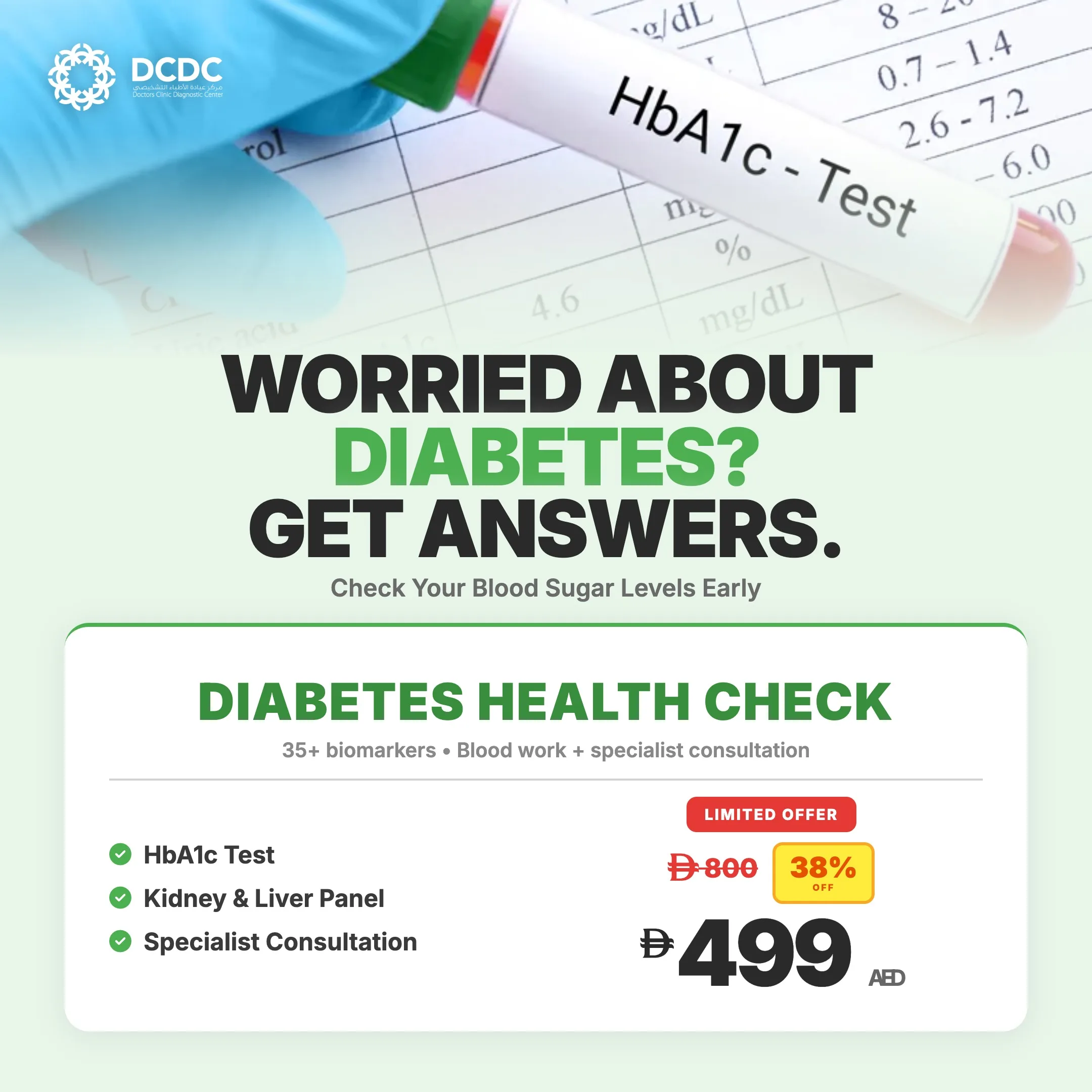
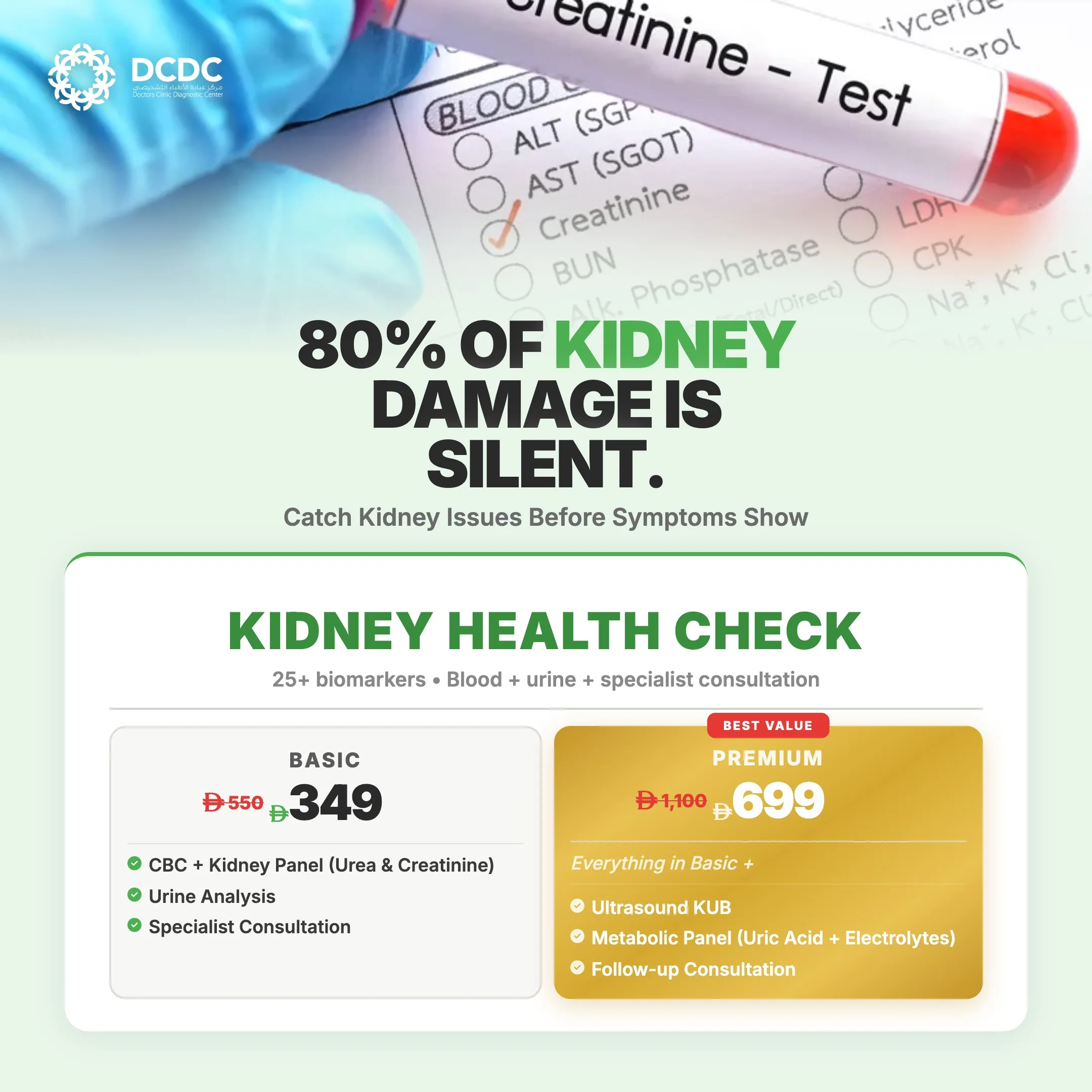
Health Screening Packages
Save with our bundled screening packages — specialist consultation included




What Counts as Unexplained Weight Gain?
Clinically, unexplained weight gain refers to an increase in body weight that cannot be attributed to changes in calorie intake, physical activity, or fluid retention from obvious causes. A gain of more than 2-3 kg (5-7 lbs) over 6-12 months without a clear dietary or lifestyle explanation is considered significant enough to warrant medical investigation.
It is important to distinguish between true fat gain and temporary water retention. Hormonal fluctuations during the menstrual cycle, high sodium intake, and certain medications can cause fluid shifts of 1-2 kg that resolve on their own. Persistent, progressive weight gain that does not fluctuate with your cycle or fluid intake is the type that points to an underlying medical cause.
The pattern of weight gain also matters diagnostically. Central or abdominal weight gain (gaining around the midsection while arms and legs remain relatively unchanged) may suggest cortisol excess or metabolic syndrome. Generalized weight gain with fatigue and cold intolerance often points to thyroid dysfunction. Where you gain weight, combined with your other symptoms, helps your doctor narrow the differential diagnosis before ordering tests.
Top 8 Medical Causes of Unexplained Weight Gain
When patients visit our clinic in Dubai with unexplained weight gain, we systematically evaluate the following conditions. Each has a distinct mechanism, specific symptoms, and targeted diagnostic tests.
1. Hypothyroidism (Underactive Thyroid)
Hypothyroidism is the number one medical cause of unexplained weight gain. The thyroid gland produces hormones (T3 and T4) that regulate your basal metabolic rate — the number of calories your body burns at rest. When thyroid hormone production drops, your metabolism slows by 15-40%, leading to gradual weight gain even when eating normally. Patients typically gain 2-10 kg and notice fatigue, cold sensitivity, dry skin, hair thinning, constipation, and brain fog alongside the weight change.
Hypothyroidism affects approximately 5% of the general population and is 5-8 times more common in women. Subclinical hypothyroidism — where TSH is mildly elevated but T4 remains normal — can also cause weight gain and is often missed if only basic screening is performed. A complete thyroid panel (TSH, Free T4, Free T3, and thyroid antibodies) is essential for accurate diagnosis.
2. Polycystic Ovary Syndrome (PCOS)
PCOS affects up to 20% of women of reproductive age and is one of the most common causes of unexplained weight gain in women aged 18-45. The condition involves hormonal imbalance — elevated androgens (male hormones), insulin resistance, and irregular ovulation — that promotes fat storage, particularly around the abdomen. Women with PCOS often find that despite eating moderately and exercising, they gain weight or find it extremely difficult to lose weight.
Other hallmark symptoms include irregular or absent periods, acne, excess facial or body hair (hirsutism), and thinning hair on the scalp. Diagnosis requires hormone testing (testosterone, DHEA-S, LH, FSH), fasting insulin levels, and often a pelvic ultrasound. Importantly, not all women with PCOS are overweight — lean PCOS exists — but the insulin resistance component drives weight gain in the majority of cases.
3. Insulin Resistance and Pre-Diabetes
Insulin resistance occurs when your cells become less responsive to insulin, forcing your pancreas to produce more of it. Elevated insulin levels are a powerful signal for fat storage — insulin literally tells your body to store energy as fat rather than burn it. This creates a vicious cycle: insulin resistance causes weight gain, and weight gain worsens insulin resistance.
Insulin resistance often precedes type 2 diabetes by 5-10 years, making early detection critical. Symptoms include weight gain concentrated around the waist, intense sugar cravings, energy crashes after meals, darkened skin patches (acanthosis nigricans) in the neck and armpit folds, and difficulty losing weight despite calorie restriction. Fasting insulin, fasting glucose, HbA1c, and an oral glucose tolerance test (OGTT) are the key diagnostic tests.
4. Cushing's Syndrome (Cortisol Excess)
Cushing's syndrome results from prolonged exposure to high cortisol levels, either from your adrenal glands overproducing cortisol or from long-term corticosteroid medication use. It causes a very distinctive pattern of weight gain: fat accumulates in the face ("moon face"), upper back ("buffalo hump"), and abdomen, while the arms and legs may actually become thinner due to muscle wasting.
Additional symptoms include purple stretch marks on the abdomen, easy bruising, thin fragile skin, high blood pressure, high blood sugar, mood changes, and in women, irregular periods. Though less common than thyroid or insulin problems, Cushing's syndrome is important to rule out because untreated cortisol excess carries serious cardiovascular and metabolic risks. Diagnosis involves 24-hour urinary free cortisol, late-night salivary cortisol, or a dexamethasone suppression test.
5. Medication-Induced Weight Gain
Many commonly prescribed medications cause significant weight gain as a side effect, and patients are often unaware of the connection. The most common culprits include:
- Antidepressants — SSRIs (paroxetine, sertraline), SNRIs, tricyclics, and mirtazapine can cause 2-10 kg of weight gain over months
- Corticosteroids — Prednisone and similar drugs increase appetite and promote fat storage, especially with long-term use
- Beta-blockers — Atenolol, metoprolol, and propranolol slow metabolism and reduce exercise capacity
- Insulin and sulfonylureas — Diabetes medications that lower blood sugar can promote weight gain
- Antipsychotics — Olanzapine, quetiapine, and risperidone are strongly associated with metabolic weight gain
- Anticonvulsants — Valproate, carbamazepine, and gabapentin can increase appetite and weight
- Hormonal contraceptives — Some women experience 2-5 kg of weight gain, particularly with injectable or implant forms
If your weight gain started within weeks to months of beginning a new medication, this is an important clue. Never stop prescribed medication without consulting your doctor — alternatives with lower weight gain risk often exist.
6. Menopause and Perimenopause
The hormonal transition of menopause causes an average weight gain of 2.3 kg (5 lbs) during the menopausal transition, with some women gaining significantly more. Declining estrogen levels shift fat distribution from the hips and thighs to the abdomen, increasing visceral fat even if total weight does not change dramatically. This redistribution increases cardiovascular and metabolic risk.
Perimenopause — the 4-8 years before menstrual periods stop — often brings the most noticeable changes. Fluctuating estrogen and progesterone levels affect insulin sensitivity, appetite regulation, sleep quality, and stress hormones, all of which contribute to weight gain. Hormone testing (FSH, estradiol, progesterone) combined with metabolic screening helps guide management during this transition.
7. Chronic Stress and Cortisol Dysregulation
Chronic psychological stress elevates cortisol levels persistently, even without clinical Cushing's syndrome. Elevated cortisol promotes visceral fat storage (the deep abdominal fat surrounding your organs), increases appetite for high-calorie comfort foods, disrupts sleep, and impairs insulin sensitivity. The combination creates a metabolic environment that strongly favours weight gain.
In Dubai's high-pressure work environment — where long hours, financial pressures, and expatriate isolation are common — stress-related weight gain is particularly prevalent. Cortisol testing (morning serum cortisol, salivary cortisol rhythm) can quantify whether your stress response is contributing to weight gain, and targeted interventions can break the cycle.
8. Sleep Disorders and Sleep Deprivation
Poor sleep quality or insufficient sleep duration directly disrupts the hormones that regulate hunger and satiety. Sleep deprivation increases ghrelin (the hunger hormone) by up to 28% and decreases leptin (the satiety hormone) by 18%, creating a hormonal environment that drives overeating. Studies show that sleeping less than 6 hours per night increases obesity risk by 30%.
Obstructive sleep apnea (OSA) is a particularly important and underdiagnosed cause of weight gain in the UAE. OSA fragments sleep, elevates cortisol, worsens insulin resistance, and reduces the motivation and energy for physical activity. If you snore heavily, wake unrefreshed, or experience daytime sleepiness alongside unexplained weight gain, a sleep study may be warranted.
Warning Signs Your Weight Gain Needs Medical Attention
Not all weight gain requires a doctor visit. However, certain patterns and accompanying symptoms indicate that a medical evaluation is important. See your doctor if you experience any of the following alongside unexplained weight gain:
- Gaining more than 2-3 kg over several months without changes in diet or exercise
- Persistent fatigue, low energy, or feeling cold all the time
- Irregular menstrual periods, absent periods, or new-onset heavy periods
- Hair loss, thinning hair, or new excess facial or body hair
- Skin changes — acne, darkened skin patches, purple stretch marks, or easy bruising
- Intense sugar cravings, energy crashes after meals, or feeling shaky between meals
- Swelling in the face, hands, ankles, or feet that does not resolve
- Mood changes — depression, anxiety, or irritability alongside weight gain
- Weight gain concentrated in the abdomen while arms and legs stay thin
- Weight gain that started after beginning a new medication
- Difficulty losing weight despite consistent calorie restriction and exercise
If you recognize three or more of these signs, a structured diagnostic workup is strongly recommended. Early identification of the underlying cause allows for targeted treatment rather than ongoing frustration with generic diet advice. You can learn more about the specific signs of thyroid disorders in our detailed guide.
Diagnostic Tests for Unexplained Weight Gain
A systematic diagnostic workup is the cornerstone of identifying why you are gaining weight. At DCDC, we follow evidence-based clinical guidelines to determine which tests are appropriate for each patient. The workup typically begins with a comprehensive blood panel and narrows based on initial findings.
First-Line Blood Tests
These are the tests ordered for virtually every patient presenting with unexplained weight gain:
- Thyroid Function Panel (TSH, Free T4, Free T3) — The single most important first-line test. An elevated TSH with low Free T4 confirms hypothyroidism. Thyroid antibodies (anti-TPO, anti-thyroglobulin) are added if autoimmune thyroiditis (Hashimoto's) is suspected.
- Fasting Glucose and HbA1c — Screen for diabetes and pre-diabetes. HbA1c reflects average blood sugar control over 2-3 months and is more reliable than a single fasting glucose reading.
- Fasting Insulin — Detects insulin resistance before blood sugar becomes abnormal. Elevated fasting insulin with normal glucose is the hallmark of early insulin resistance.
- Lipid Panel — Total cholesterol, LDL, HDL, and triglycerides. Abnormal lipids often accompany metabolic causes of weight gain.
- Complete Blood Count (CBC) — Rules out anemia and other conditions that can cause fatigue and secondary weight changes.
- Vitamin D Level — Vitamin D deficiency is extremely common in Dubai (affecting up to 80% of residents) and is linked to metabolic syndrome, insulin resistance, and increased fat storage.
Second-Line and Specialized Tests
Based on clinical suspicion and first-line results, your doctor may order additional investigations. For a comprehensive guide to all available hormone tests in Dubai, including costs and preparation, see our dedicated article.
- Hormone Panel (Testosterone, DHEA-S, LH, FSH, Estradiol, Progesterone) — Essential for evaluating PCOS, menopause, and androgen excess
- Cortisol Testing — Morning serum cortisol, 24-hour urinary free cortisol, or late-night salivary cortisol to evaluate for Cushing's syndrome
- Prolactin — Elevated levels can indicate pituitary adenoma, which may cause weight gain and menstrual irregularities
- Liver Function Tests (ALT, AST, GGT) — Screens for fatty liver disease, which is both a cause and consequence of metabolic dysfunction
- Kidney Function Tests (Creatinine, eGFR) — Kidney disease can cause fluid retention and weight gain
- DEXA Body Composition Scan — Provides precise measurement of body fat percentage, lean muscle mass, visceral fat area, and bone density — far more informative than BMI or bathroom scales
Cost of Diagnostic Tests for Weight Gain in Dubai
Understanding the cost of diagnostic testing helps you plan your investigation. At DCDC, our on-site laboratory provides same-day results for most blood tests, eliminating the need for external lab visits. The following table outlines typical costs for weight gain-related diagnostic tests in Dubai, with DCDC pricing as an accessible benchmark.
| Diagnostic Test | What It Screens For | DCDC Price (AED) | Dubai Average (AED) |
|---|---|---|---|
| Health Checkup Package (Basic) | Thyroid, glucose, lipids, CBC, vitamin D | From AED 249 | AED 350-600 |
| Thyroid Panel (TSH, FT4, FT3) | Hypothyroidism / hyperthyroidism | From AED 399 | AED 399 |
| HbA1c | Diabetes / pre-diabetes (3-month average) | From AED 149 | AED 149 |
| Fasting Insulin | Insulin resistance | From AED 199 | AED 120-250 |
| Diabetes Screening Panel | Glucose, HbA1c, insulin, lipids | From AED 399 | AED 500-900 |
| Hormone Panel (Female) | PCOS, menopause, hormonal imbalance | From AED 350 | AED 500-1,200 |
| Cortisol (Morning Serum) | Cushing's syndrome / adrenal dysfunction | From AED 120 | AED 150-300 |
| Vitamin D (25-OH) | Vitamin D deficiency | From AED 99 | AED 99 |
| DEXA Body Composition Scan | Fat %, lean mass, visceral fat, bone density | From AED 450 | AED 600-1,500 |
| Comprehensive Metabolic Workup | Full weight gain investigation panel | From AED 699 | AED 1,000-2,500 |
Prices reflect typical 2026 rates. DCDC offers direct billing with 20+ insurance partners including Daman, AXA, Bupa, MetLife, and Cigna. <a href="/services/internal-medicine/endocrine-metabolic-disorders" class="text-primary-600 hover:underline">View our endocrine services</a> for full pricing details.
Conditions Behind Unexplained Weight Gain: A Deeper Look
Understanding the mechanism behind each condition helps patients recognize which diagnosis fits their symptoms and why specific treatments work. Below is a more detailed clinical perspective on the most commonly diagnosed conditions.
Hypothyroidism and Weight: The Metabolic Slowdown
Your thyroid gland, a butterfly-shaped organ at the base of your neck, acts as the body's metabolic thermostat. When it underproduces thyroid hormones, every cell in your body runs slower — your heart rate drops, your gut motility decreases (causing constipation), your body temperature falls (causing cold intolerance), and your basal metabolic rate declines. This metabolic slowdown means you burn fewer calories at rest, leading to gradual weight gain even when eating the same amount.
Hashimoto's thyroiditis, an autoimmune condition where the immune system attacks the thyroid gland, is the most common cause of hypothyroidism. It develops gradually over years, meaning many patients have subclinical hypothyroidism for a long time before diagnosis. Regular thyroid screening is particularly important if you have a family history of thyroid disease, other autoimmune conditions, or are a woman over 35. For a detailed guide on what thyroid tests involve and how to prepare, see our article on thyroid testing in Dubai.
Insulin Resistance: The Silent Weight Driver
Insulin resistance is often called the silent epidemic because it can drive weight gain for years before blood sugar levels become abnormal enough to diagnose diabetes. When your cells resist insulin's signal, your pancreas compensates by producing more insulin. These chronically elevated insulin levels do two things: they tell your body to store more fat (especially visceral abdominal fat) and they make it extremely difficult to burn stored fat for energy.
This explains why many patients with insulin resistance report that calorie restriction and exercise produce minimal weight loss — their hormonal environment is biochemically fighting against fat breakdown. Identifying insulin resistance early allows for interventions (dietary changes, exercise prescription, and sometimes metformin) that can reverse the process before type 2 diabetes develops. Learn more about recognizing insulin resistance signs and when to get tested.
PCOS: Hormonal Weight Gain in Women
PCOS is fundamentally a disorder of hormone regulation that creates a metabolic environment favouring weight gain. Elevated androgens (testosterone, DHEA-S) promote abdominal fat accumulation. Insulin resistance — present in 70-80% of women with PCOS — drives further fat storage. And disrupted ovulation affects the normal cyclical variation in estrogen and progesterone that supports metabolic health.
The weight gain in PCOS creates a self-reinforcing cycle: excess body fat produces more estrogen and inflammatory chemicals that worsen hormonal imbalance, which in turn promotes more weight gain. Breaking this cycle requires addressing the underlying insulin resistance and hormonal imbalance simultaneously. For comprehensive information on diagnosis and management options, read our guide on PCOS treatment and diagnosis in Dubai.
When to See a Doctor About Weight Gain
Knowing when to seek medical evaluation versus when to try lifestyle adjustments first can save time and unnecessary worry. Use this urgency guide to determine your next step:
See a Doctor Within 1-2 Weeks
- Gaining weight steadily despite no changes in eating habits or activity level
- Weight gain accompanied by persistent fatigue, hair loss, or menstrual changes
- Weight gain that started after beginning a new medication
- Difficulty losing weight despite months of consistent effort
- Family history of thyroid disease, diabetes, or PCOS
See a Doctor Promptly (Within Days)
- Rapid weight gain of more than 5 kg in a few weeks
- Swelling in the face, hands, feet, or abdomen
- Purple stretch marks appearing on the abdomen, thighs, or upper arms
- Darkened skin patches in neck folds, armpits, or groin
- Severe mood changes, depression, or cognitive difficulties alongside weight gain
Seek Urgent Medical Attention
- Sudden, rapid weight gain (more than 3 kg in a week) with swelling and shortness of breath — may indicate heart failure or kidney problems
- Weight gain with severe abdominal distension and pain
- Weight gain with vision changes, severe headaches, or neurological symptoms
What to Expect at DCDC: The Diagnostic Journey
Understanding what happens during your visit removes uncertainty and helps you prepare. Here is the step-by-step process when you visit DCDC in Dubai Healthcare City for unexplained weight gain investigation.
Step 1: Initial Consultation (30-45 minutes)
Dr. Hadeel Elnur or another physician will take a detailed history covering your weight timeline, dietary habits, exercise patterns, sleep quality, stress levels, menstrual history (if applicable), medication list, and family medical history. A focused physical examination checks for clinical signs of thyroid disease, PCOS, Cushing's syndrome, and other conditions. The average wait time at DCDC is just 15 minutes, and our clinic is located in Building 64, Block A, Al Razi Medical Complex, Dubai Healthcare City, with free dedicated on-site parking.
Step 2: Targeted Blood Work (Same Day)
Based on your clinical assessment, your doctor orders a tailored blood panel. DCDC's on-site laboratory processes most blood tests with same-day results, meaning you often receive preliminary findings before leaving the clinic. Tests are typically drawn fasting (8-12 hours overnight) for accurate glucose, insulin, and lipid results.
Step 3: Body Composition Analysis (Optional, Same Day)
If body fat distribution assessment is clinically relevant, a DEXA body composition scan is performed on-site. This 10-minute scan measures your total body fat percentage, regional fat distribution, lean muscle mass, visceral fat area, and bone mineral density — providing a baseline that is far more meaningful than BMI alone for guiding treatment decisions.
Step 4: Results Review and Treatment Plan
Your doctor reviews all test results with you, explains the diagnosis (or diagnoses — multiple contributing factors are common), and creates a personalized treatment plan. This may include medication (thyroid hormone replacement, metformin, hormonal management), targeted lifestyle modifications, nutritional guidance, and follow-up testing to monitor progress. If specialist referral is needed — such as to an endocrinologist or gynecologist — DCDC coordinates this within our multi-specialty clinic.
Concerned About Unexplained Weight Gain?
Book a diagnostic consultation at DCDC Dubai Healthcare City. Comprehensive metabolic workup with on-site lab testing and same-day results. Health checkup packages from AED 249.
MOHAP Licensed | 4.8/5 Google Rating | 20+ Insurance Partners with Direct Billing
Treatment Options Based on Diagnosis
The most important principle in treating unexplained weight gain is that treatment must address the root cause, not just the symptom. Generic advice to "eat less and move more" fails when a hormonal or metabolic condition is driving the weight gain. Here is how treatment differs based on diagnosis:
Hypothyroidism Treatment
Thyroid hormone replacement therapy (levothyroxine) restores normal metabolic rate. Most patients notice improvement in energy, mood, and weight stabilization within 4-8 weeks, though full metabolic normalization may take 3-6 months. Dosing is individualized based on TSH levels and adjusted at 6-8 week intervals until optimal levels are achieved. For more on managing thyroid conditions, see our hypothyroidism treatment guide.
Insulin Resistance and Pre-Diabetes Treatment
Treatment combines dietary modification (reducing refined carbohydrates, increasing fibre and protein), structured exercise (both aerobic and resistance training), and sometimes metformin to improve insulin sensitivity. Weight loss of even 5-7% of body weight can significantly improve insulin sensitivity. Regular monitoring with fasting insulin and HbA1c tracks progress and guides treatment adjustments.
PCOS Management
A multi-pronged approach addresses the hormonal, metabolic, and symptom-specific aspects of PCOS. This typically includes insulin-sensitizing medication (metformin or inositol), anti-androgen therapy if needed, hormonal contraceptives to regulate cycles, dietary modification focusing on blood sugar stability, and regular monitoring of metabolic markers.
Medication-Related Weight Gain
When medication is identified as the cause, your doctor may switch to a weight-neutral alternative. For example, bupropion is an antidepressant with lower weight gain risk, and ACE inhibitors can replace beta-blockers for blood pressure management. Any medication changes must be managed carefully by your prescribing doctor to avoid withdrawal effects or loss of therapeutic benefit.
Dubai Lifestyle Factors That Contribute to Weight Gain
Living in Dubai presents unique environmental and lifestyle challenges that compound medical causes of weight gain. Understanding these factors is essential for both prevention and treatment.
Vitamin D Deficiency and Metabolic Health
Despite abundant sunshine, up to 80% of UAE residents are vitamin D deficient due to limited outdoor sun exposure, indoor lifestyles, and protective clothing. Vitamin D deficiency is clinically linked to insulin resistance, metabolic syndrome, and increased fat storage. Research shows that correcting vitamin D deficiency improves insulin sensitivity and may support weight loss efforts. DCDC tests vitamin D levels as part of our standard metabolic workup.
Sedentary Indoor Lifestyle
Dubai's extreme summer temperatures (regularly exceeding 45 degrees Celsius) push residents indoors for 6-8 months of the year. Air-conditioned malls, offices, and homes become the default environment, drastically reducing incidental physical activity — the walking, climbing, and moving that people in temperate climates do naturally. This reduction in non-exercise activity thermogenesis (NEAT) can decrease daily calorie expenditure by 200-400 calories.
Dietary Patterns
Dubai's food culture — featuring generous portion sizes, frequent dining out, food delivery convenience, and a wide availability of high-calorie foods — creates an environment where calorie overconsumption is easy and common. Combined with late-night eating habits (many residents dine after 9 PM), these patterns can impair metabolic health and promote weight gain, especially in individuals already predisposed by hormonal or genetic factors.
DEXA Body Composition: Beyond the Scale
Traditional measures of weight — bathroom scales and BMI calculations — tell you very little about what is actually happening in your body. Two people can weigh the same but have vastly different health profiles depending on their ratio of fat to lean muscle and where their fat is distributed.
DEXA (Dual-Energy X-ray Absorptiometry) body composition scanning, available on-site at DCDC, provides clinical-grade measurement of total body fat percentage, regional fat distribution (arms, legs, trunk), lean muscle mass, visceral adipose tissue (the metabolically dangerous fat around your organs), and bone mineral density. This information is invaluable for diagnosing metabolic risk, tracking treatment progress, and distinguishing between fat gain and muscle loss — which BMI cannot do.
For a detailed comparison of body composition scanning technologies, including how DEXA compares with bioelectrical impedance devices, read our guide on DEXA vs InBody accuracy.
Dr. Hadeel Elnur's Clinical Perspective
"In my practice at DCDC, I see patients who have been struggling with unexplained weight gain for months or even years before seeking medical evaluation. Many have tried multiple diets, joined gyms, and followed wellness trends — all without lasting results. The reason is straightforward: when an underlying medical condition is driving the weight gain, lifestyle changes alone cannot overcome it."
"The most important message I share with patients is this — unexplained weight gain is a symptom, not a character flaw. It deserves the same thorough diagnostic approach as any other medical symptom. In the majority of cases, we identify a treatable cause: an underactive thyroid, insulin resistance, hormonal imbalance, or a combination of factors. Once we address the root cause, patients are often surprised by how much easier weight management becomes."
"I encourage anyone in Dubai experiencing unexplained weight gain — especially if accompanied by fatigue, menstrual changes, or difficulty losing weight despite effort — to come in for a proper evaluation. A simple blood panel can provide answers that months of frustration cannot. Our 98% patient satisfaction rate reflects our commitment to thorough, compassionate diagnostic care."
The Role of Metabolic Syndrome in Weight Gain
Metabolic syndrome is a cluster of interconnected metabolic abnormalities — abdominal obesity, high blood pressure, elevated blood sugar, high triglycerides, and low HDL cholesterol — that significantly increase cardiovascular disease and type 2 diabetes risk. It represents a state where your metabolism is fundamentally dysregulated, and weight gain is both a cause and a consequence.
Diagnosis requires meeting three or more of five criteria: waist circumference above 102 cm (men) or 88 cm (women), triglycerides above 1.7 mmol/L, HDL cholesterol below 1.0 mmol/L (men) or 1.3 mmol/L (women), blood pressure above 130/85 mmHg, and fasting glucose above 5.6 mmol/L. If you suspect metabolic syndrome, our comprehensive guide on metabolic syndrome warning signs covers the five diagnostic criteria and available testing in detail.
Prevention and Long-Term Weight Management
Once the medical cause of weight gain is identified and treated, sustainable weight management becomes achievable. Evidence-based strategies for maintaining a healthy weight in Dubai include:
- Regular metabolic screening: Annual health checkups including thyroid function, fasting glucose, HbA1c, and lipids to catch recurrence early
- Vitamin D optimization: Supplementation guided by blood levels, typically 2,000-4,000 IU daily for deficient individuals in the UAE
- Structured physical activity: At least 150 minutes per week of moderate aerobic exercise plus 2-3 resistance training sessions, using indoor facilities during summer months
- Sleep hygiene: Maintaining 7-9 hours of quality sleep per night to support hormone regulation
- Stress management: Evidence-based techniques including structured exercise, mindfulness, and adequate social support
- Meal timing: Eating the majority of calories earlier in the day and avoiding late-night meals, which impair metabolic health
- Medication reviews: Discussing weight effects of any prescribed medications with your doctor at each visit
Get Answers About Your Weight Gain
Visit DCDC in Dubai Healthcare City for a comprehensive metabolic evaluation. On-site lab with same-day results, DEXA body composition scanning, and 20+ insurance partners with direct billing. Diabetes screening from AED 399, health checkups from AED 249.
Building 64, Block A, Al Razi Medical Complex, DHCC | Sat-Thu 8 AM-10:30 PM, Fri 9 AM-10 PM | Free Parking
Hormonal Imbalance and Weight Gain Beyond Thyroid and PCOS
While thyroid dysfunction and PCOS account for the majority of hormone-related weight gain, other hormonal imbalances can contribute. Low testosterone in men can increase body fat and decrease lean muscle mass. Elevated prolactin from pituitary adenomas affects metabolism and appetite. Growth hormone deficiency, though uncommon, impairs the body's ability to maintain lean tissue and regulate fat distribution.
A comprehensive hormone evaluation, guided by clinical suspicion, ensures that less common but treatable causes are not overlooked. For an overview of all hormonal causes and testing options, see our article on hormonal imbalance signs and treatment.
Related Services at DCDC
Expert care and advanced diagnostics at Dubai Healthcare City
Frequently Asked Questions
Final Thoughts
Unexplained weight gain is one of the most common yet most misunderstood medical complaints. Patients often blame themselves or are told to simply eat less, when in reality a diagnosable, treatable medical condition is driving the change in the majority of cases. Whether the cause is an underactive thyroid, insulin resistance, PCOS, cortisol dysregulation, or medication effects, the right blood tests can identify it — and targeted treatment can address it.
At DCDC in Dubai Healthcare City, we approach unexplained weight gain as the medical symptom it is. Our on-site laboratory provides same-day results, our DEXA scanner delivers clinical-grade body composition analysis, and our multi-specialty team ensures that whatever the diagnosis, the right treatment plan follows. If you are gaining weight without explanation, stop guessing and start testing. A straightforward diagnostic workup can provide the answers — and the path forward — that months of frustration cannot.
Sources & References
This article was reviewed by our medical team and references the following sources:
- American Thyroid Association — Hypothyroidism Guidelines
- Endocrine Society — PCOS Diagnosis and Treatment Guidelines
- American Diabetes Association — Standards of Care in Diabetes (2026)
- National Institute of Diabetes and Digestive and Kidney Diseases — Cushing's Syndrome
- International Journal of Obesity — Medication-Induced Weight Gain Review
- North American Menopause Society — Menopause Practice Guidelines
- Sleep Foundation — Sleep and Weight Gain Relationship
Medical content on this site is reviewed by DHA-licensed physicians. See our editorial policy for more information.

Written by
Dr. Hadeel Elnur
General Practitioner
MD, General Practice
Dr. Hadeel Elnur is a General Practitioner at Doctors Clinic Diagnostic Center (DCDC) in Dubai Healthcare City.
Related Articles
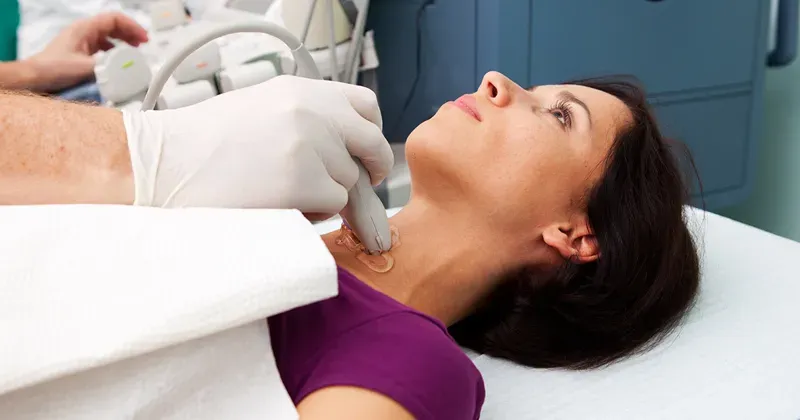
Thyroid Problems: Symptoms to Watch For

Insulin Resistance Dubai: Signs & Testing
Hormone Test Dubai: Types, Cost & Guide

Metabolic Syndrome: 5 Warning Signs

PCOS Treatment & Diagnosis Dubai
More in Internal Medicine
Signs of Lupus Dubai: Autoimmune Guide (2026)
Read More
Elevated Liver Enzymes: Causes & Next Steps (2026)
Read More
H. Pylori Test Cost Dubai: From AED 300 (2026)
Read More
Iron Infusion Cost Dubai: From AED 500 (2026)
Read More
Enlarged Prostate Dubai: BPH Symptoms (2026)
Read More
Hiatal Hernia Dubai: Symptoms & Treatment (2026)
Read More© 2026 Doctors Clinic Diagnostic Center (DCDC), Dubai Healthcare City. Originally published at https://doctorsclinicdubai.ae/blog/unexplained-weight-gain-causes-dubai. All rights reserved. Unauthorized reproduction is prohibited.