النقاط الرئيسية
- تتراوح رسوم استشارة أخصائي الغدة الدرقية في دبي بين 300-800 درهم في أنحاء المدينة، بينما تُقدم DCDC استشارات الغدد الصماء من 250 درهماً مع الفوترة المباشرة لأكثر من 20 شريك تأميني
- تتراوح تكلفة لوحة الدم الكاملة للغدة الدرقية (TSH، T3، T4) بين AED 399، مع نتائج في نفس اليوم متاحة في مختبر DCDC الداخلي للفحوصات الروتينية
- تُعدّ التكاليف الشهرية لأدوية الغدة الدرقية منخفضة نسبياً بـ 30-100 درهم للثيروكسين، مما يجعل الإدارة طويلة الأمد ميسورة مقارنةً بكثير من الأمراض المزمنة
- تُغطي معظم خطط التأمين في دبي علاج الغدة الدرقية بما فيه الاستشارات وفحوصات الدم والموجات فوق الصوتية والأدوية عند وصفها من طبيب مرخص
- تستلزم حالات الغدة الدرقية مراقبة مستمرة — توقع إجراء فحوصات دم كل 6-8 أسابيع بعد تغييرات الجرعة، ثم كل 6-12 شهراً بمجرد استقرار مستويات الهرمون
- يُعدّ التشخيص المبكر وعلاج اضطرابات الغدة الدرقية وقاية من مضاعفات مكلفة تشمل أمراض القلب وهشاشة العظام ومشاكل الخصوبة والتدهور الصحي النفسي
تصيب اضطرابات الغدة الدرقية ما يُقدَّر بـ 200 مليون شخص حول العالم، وسكان الإمارات ليسوا استثناءً — إذ تُشير الدراسات إلى أن خلل وظائف الغدة الدرقية يُعدّ من أكثر حالات الغدد الصماء شيوعاً في عيادات دبي. إذا كنت تشك في مشكلة بالغدة الدرقية أو سبق تشخيص حالتك، فإن فهم تكلفة علاج الغدة الدرقية في دبي يُساعدك على التخطيط للتشخيص الأولي والإدارة طويلة الأمد. في DCDC بمدينة دبي الطبية، تبدأ استشارات الغدد الصماء من 250 درهماً، مع لوحات فحص الغدة الدرقية الشاملة من 150-400 درهم والموجات فوق الصوتية الداخلية من 300-600 درهم.
يُفصّل هذا الدليل كل مكوّن من مكونات تكلفة رعاية الغدة الدرقية في دبي — من أول استشارة وتحاليل الدم التشخيصية وصولاً إلى الدواء المستمر والمتابعة واستشارات الأخصائيين. سواء كنت تتعامل مع قصور الغدة الدرقية أو فرط نشاطها أو عقيداتها أو التهاب هاشيموتو أو مرض غريفز، ستجد هنا أسعاراً شفافة وإرشادات تأمينية ونصائح عملية لإدارة التكاليف في DCDC مدينة دبي الطبية.



كم تبلغ تكلفة علاج الغدة الدرقية في دبي؟
تتباين تكاليف علاج الغدة الدرقية في دبي تبعاً لنوع الرعاية التي تحتاجها — إذ تبلغ تكلفة الفحص التشخيصي لمرة واحدة أقل بكثير من الإدارة المستمرة التي تشمل استشارات الأخصائيين واختبارات الدم الدورية والدواء اليومي. يُلخّص الجدول التالي مكونات التكلفة الرئيسية التي يمكن توقعها عند البحث عن رعاية للغدة الدرقية في دبي.
| الخدمة | النطاق الإجمالي في دبي (درهم) | أسعار DCDC (درهم) |
|---|---|---|
| استشارة أخصائي الغدد الصماء / الغدة الدرقية | 300 – 800 | من 250 |
| لوحة فحص الدم للغدة الدرقية (TSH، T3، T4) | 150 – 400 | من 150 |
| اختبارات أجسام مضادة الغدة الدرقية (TPO، TgAb) | 200 – 500 | من 200 |
| الموجات فوق الصوتية للغدة الدرقية | 300 – 600 | من 300 |
| أدوية الغدة الدرقية (شهرياً) | 30 – 100 | 30 – 100 |
| خزعة الإبرة الدقيقة (FNAB) | 1,500 – 3,000 | متاحة بالإحالة |
| استشارة متابعة | 200 – 500 | من 200 |
الأسعار تقريبية. تواصل مع DCDC للتأكد من الأسعار الحالية والتحقق من التأمين. جميع الأسعار بالدرهم الإماراتي.
بالنسبة لمعظم المرضى المصابين بحالات الغدة الدرقية الشائعة كقصور الغدة الدرقية، تتراوح التكلفة السنوية للعلاج في دبي — بما فيها استشارتان إلى أربع وفحوصات دم منتظمة ودواء يومي — عادةً بين 1,500 و4,000 درهم تبعاً لتغطية التأمين واستقرار الحالة. سيكون المرضى المُشخَّصون حديثاً أو الذين يحتاجون إلى تعديل الجرعات في الشريحة الأعلى بسبب كثرة الاختبارات.
رسوم استشارة الغدة الدرقية في دبي
تبدأ رحلة علاج الغدة الدرقية باستشارة أخصائي. في دبي، تُدار حالات الغدة الدرقية عادةً من قِبَل أخصائيي الغدد الصماء أو أطباء الباطنية ذوي الخبرة في اضطرابات الغدد الصماء. تعتمد رسوم الاستشارة على تخصص الطبيب والمنشأة وما إذا كانت زيارة أولى أو متابعة.
تتراوح الاستشارة الأولى للغدة الدرقية في منشآت الرعاية الصحية الخاصة في دبي عموماً بين 300-800 درهم. هذه الزيارة الأولى هي الأشمل — إذ يأخذ فيها طبيبك تاريخاً طبياً مفصّلاً ويُجري فحصاً جسدياً للرقبة والغدة الدرقية ويراجع أي فحوصات دم أو تصوير سابقة ويضع خطة تشخيصية أو علاجية. في DCDC، تبدأ استشارات الغدد الصماء من 250 درهماً، وتتوفر زيارات المتابعة من 200 درهم.
استشارات المتابعة أقصر وأقل تكلفةً، وتتراوح عادةً بين 200-500 درهم. خلال هذه الزيارات، يراجع طبيبك نتائج فحوصات الدم الأخيرة ويُقيّم أعراضك ويُعدّل جرعات الدواء إذا لزم ويطلب أي اختبارات إضافية. تعتمد تكرار المتابعات على مدى ضبط مستويات الغدة الدرقية — قد يحتاج المرضى المُشخَّصون حديثاً إلى زيارات كل 6-8 أسابيع، في حين يلتقي المرضى المستقرون عادةً طبيبهم كل 6-12 شهراً.
تكلفة فحوصات دم الغدة الدرقية (TSH، T3، T4)
فحوصات الدم هي ركيزة تشخيص الغدة الدرقية ومتابعتها المستمرة. اختبار الهرمون المحفز للغدة الدرقية (TSH) هو أداة الفحص الأولية — يقيس مدى عمل الغدة النخامية لتنبيه الغدة الدرقية وهو المؤشر الأكثر حساسية وحيداً على خلل وظائف الغدة الدرقية. وفقاً للجمعية الأمريكية للغدة الدرقية، يُعدّ TSH الاختبار الأول الموصى به لتقييم مشاكل الغدة الدرقية المشتبه بها.
تتراوح تكلفة اختبار TSH الأساسي في دبي بين 149 درهم عند طلبه منفرداً، لكن معظم الأطباء يطلبون لوحة الغدة الدرقية الكاملة التي تشمل TSH وT3 الحر وT4 الحر لصورة أشمل. تتراوح تكلفة هذه اللوحة بين 150-400 درهم في منشآت دبي. إذا اشتُبه في حالة مناعية ذاتية للغدة الدرقية كهاشيموتو أو غريفز، تُضاف اختبارات الأجسام المضادة (مضاد TPO، مضاد ثيروغلوبولين) بتكلفة إضافية 200-500 درهم.
في DCDC، تُجرى فحوصات دم الغدة الدرقية في المختبر الداخلي مع نتائج في نفس اليوم للوحات الروتينية. هذا يعني أن طبيبك يستطيع في كثير من الأحيان مراجعة نتائجك خلال نفس الزيارة أو الاتصال بك في نفس اليوم بخطة علاجية — مما يُلغي التأخيرات والزيارات الإضافية الشائعة حين تُرسَل عينات الدم إلى مختبرات خارجية. كما تعني ملاءمة الاختبار الداخلي قلة أحداث الفوترة المنفصلة، مما يُبسّط عملية المطالبة بالتأمين.
تكلفة الموجات فوق الصوتية للغدة الدرقية في دبي
الموجات فوق الصوتية للغدة الدرقية دراسة تصوير غير جراحية تستخدم الموجات الصوتية عالية التردد لتصوير بنية الغدة الدرقية وحجمها وأي عقيدات أو تشوهات. لا يحتاج كل مريض غدة درقية إلى موجات فوق صوتية — وعادةً ما تُطلب حين يلمس طبيبك كتلة أو تضخماً عند الفحص الجسدي، أو حين تُشير فحوصات الدم إلى مشكلة هيكلية، أو لمتابعة مستمرة لعقيدات الغدة الدرقية المعروفة.
تتراوح تكاليف الموجات فوق الصوتية للغدة الدرقية في دبي بين 300-600 درهم تبعاً للمنشأة. يستغرق الفحص نحو 15-20 دقيقة ولا يحتاج إعداداً ولا يُصدر إشعاعاً وتتوفر نتائجه عادةً خلال 24 ساعة. في DCDC، تتوفر الموجات فوق الصوتية للغدة الدرقية داخلياً، مما يعني أن أخصائي الغدد الصماء يستطيع مراجعة الصور جنباً إلى جنب مع فحوصات الدم لتقييم شامل في زيارة واحدة.
إذا كشفت الموجات فوق الصوتية عن عقيدة مشتبه بها، قد يوصي طبيبك بـ خزعة الإبرة الدقيقة (FNAB) لتحديد ما إذا كانت العقيدة حميدة أم خبيثة. تتراوح تكلفة هذا الإجراء بين 1,500-3,000 درهم ويُجرى بتوجيه بالموجات فوق الصوتية من قِبَل أخصائي. وفقاً للجمعية الأمريكية للغدة الدرقية، فإن الغالبية العظمى من عقيدات الغدة الدرقية حميدة — نحو 95% منها تبيّن أنها غير سرطانية.
تكاليف الأدوية لحالات الغدة الدرقية
البشرى السارة لمرضى الغدة الدرقية أن الأدوية الأكثر وصفاً تُعدّ من بين أكثر علاجات الأمراض المزمنة بأسعار معقولة. يعتمد الدواء المحدد على تشخيصك.
دواء قصور الغدة الدرقية (خمول الغدة)
قصور الغدة الدرقية هو اضطراب الغدة الدرقية الأكثر شيوعاً ويُعالَج بـ الليفوثيروكسين، وهو هرمون غدة درقية اصطناعي يحل محل ما لا تستطيع غدتك الدرقية الخاملة إنتاجه. الليفوثيروكسين قرص يومي يؤخذ على معدة فارغة، عادةً قبل 30-60 دقيقة من الإفطار. الأسماء التجارية المتاحة في الإمارات تشمل Euthyrox وEltroxin.
تتراوح تكاليف الليفوثيروكسين الشهرية في دبي بين 30-100 درهم تبعاً للعلامة التجارية والجرعة والصيدلية. هذا يعادل تقريباً 1-3 دراهم يومياً — مما يجعل قصور الغدة الدرقية من أكثر الأمراض المزمنة اعتدالاً في التكلفة من حيث الدواء. تُغطي معظم خطط التأمين الليفوثيروكسين بحد أدنى أو معدوم من الاشتراك.
دواء فرط نشاط الغدة الدرقية (نشاط مفرط)
يُعالَج فرط نشاط الغدة الدرقية بـ الأدوية المضادة للغدة الدرقية كالكاربيمازول أو الميثيمازول التي تُقلل إنتاج هرمونات الغدة الدرقية. تتراوح تكلفة هذه الأدوية بين 40-120 درهم شهرياً. تتباين مدة العلاج — قد يحتاج بعض المرضى إلى الأدوية المضادة للغدة الدرقية لمدة 12-18 شهراً تتبعها هدأة محتملة، بينما يحتاج آخرون إلى إدارة أطول أمداً أو علاجات بديلة كاليود المشع أو الجراحة.
كثيراً ما تُوصَف حاصرات بيتا (كالبروبرانولول) جنباً إلى جنب مع الأدوية المضادة للغدة الدرقية لإدارة الأعراض كتسارع القلب والرعشة والقلق ريثما يأخذ الدواء الأساسي مفعوله. تُضيف حاصرات بيتا نحو 20-50 درهم شهرياً وعادةً ما تحتاجها بضعة أسابيع فقط.
العوامل المؤثرة في تكلفة علاج الغدة الدرقية
تُحدد عدة متغيرات ما ستدفعه في نهاية المطاف لرعاية الغدة الدرقية في دبي. فهم هذه العوامل يُساعدك في المقارنة بين الخيارات وتوقع النفقات.
- نوع حالة الغدة الدرقية: قصور الغدة الدرقية عموماً الأقل تكلفةً في الإدارة (دواء ميسور الثمن وفحوصات دم دورية). قد يكلف فرط نشاط الغدة الدرقية أكثر بسبب المتابعة الإضافية والعلاجات الأكثر تكلفةً. عقيدات الغدة الدرقية التي تستلزم خزعة أو جراحة هي الأكثر تكلفةً في التقييم والعلاج
- مرحلة التشخيص: التشخيص المبكر حين تكون الأعراض خفيفة عادةً ما يعني تكاليف أقل. المرضى المُشخَّصون متأخراً مع مضاعفات — كمشاكل القلب المرتبطة بالغدة الدرقية أو الاضطراب الأيضي الشديد أو تضخم الغدة الكبير — يحتاجون إلى فحوصات وعلاج أكثر استفاضةً (وأكثر تكلفة)
- نوع المنشأة: عادةً ما تتقاضى المستشفيات الكبيرة في دبي أكثر من العيادات الخارجية المتخصصة. يُقدم النموذج الخارجي لـ DCDC في مدينة دبي الطبية رعاية بمستوى الأخصائي بأسعار أكثر تنافسية من أقسام الغدد الصماء في المستشفيات
- تكرار الفحوصات: يحتاج المرضى المُشخَّصون حديثاً أو الذين يخضعون لتعديل الجرعات إلى فحوصات دم كل 6-8 أسابيع. بمجرد الاستقرار، تنخفض الفحوصات إلى كل 6-12 شهراً، مما يُقلل التكاليف السنوية بشكل ملحوظ
- تغطية التأمين: عادةً ما يدفع المرضى المؤمَّن عليهم اشتراكاً فقط (10-20% من التكلفة الإجمالية). يدفع غير المؤمَّن عليهم المبلغ كاملاً لكن قد يستفيدون من أسعار الباقات أو أسعار الدفع الذاتي
- الفحوصات الإضافية: يحتاج بعض المرضى إلى موجات فوق صوتية أو خزعة أو إحالات إلى أخصائيين آخرين (قلب، نساء وتوليد) تبعاً لأعراضهم ومضاعفاتهم، مما يزيد التكلفة الإجمالية
هل يُغطي التأمين علاج الغدة الدرقية في دبي؟
نعم — يُغطي علاج الغدة الدرقية معظمُ خطط التأمين الصحي في دبي. وفقاً للوائح هيئة الصحة بدبي، يجب إدراج خدمات التشخيص والعلاج الأساسية للحالات المشارة إليها طبياً في تغطية التأمين المعيارية. تُصنَّف اضطرابات الغدة الدرقية حالاتٍ طبية مزمنة ويُعدّ علاجها ضرورةً طبية عند تشخيصه من قِبَل طبيب مرخص.
تشمل التغطية عادةً استشارات الأخصائيين وفحوصات دم الغدة الدرقية (TSH، T3، T4، أجسام مضادة) والموجات فوق الصوتية للغدة الدرقية والأدوية الموصوفة وزيارات المتابعة. تشترط معظم الخطط إحالة من طبيب عام قبل زيارة الأخصائي وقد تستلزم موافقة مسبقة لإجراءات كخزعة الإبرة الدقيقة. اشتراكك عادةً لخدمات الغدة الدرقية المُغطاة 10-20% من المبلغ المعتمد.
يعمل DCDC مع أكثر من 20 شريكاً تأمينياً بما فيهم Daman وAXA وBupa وCigna وMetLife، ويوفر الفوترة المباشرة حتى تدفع اشتراكك فقط عند زيارتك. يتحقق فريق الاستقبال من تغطيتك قبل موعدك ويتعامل مع جميع متطلبات الموافقة المسبقة، مما يُعلمك بتكاليفك من الجيب مسبقاً. للمرضى غير المؤمَّن عليهم، يوفر DCDC أسعاراً شفافة للدفع الذاتي دون رسوم خفية.
تحقق من تغطية تأمينك
تواصل مع DCDC للتحقق من تغطية تأمينك لاستشارة الغدة الدرقية والفحوصات والعلاج. الفوترة المباشرة متاحة مع أكثر من 20 شركة.
ما الذي تتوقعه في DCDC لعلاج الغدة الدرقية
فهم رحلة المريض من الزيارة الأولى إلى الإدارة المستمرة يُساعدك على التخطيط لوقتك وميزانيتك. إليك ما يبدو عليه مسار علاج الغدة الدرقية النموذجي في DCDC مدينة دبي الطبية.
الاستشارة الأولى والتشخيص
تبدأ زيارتك الأولى بتقييم شامل. سيناقش طبيبك أعراضك — التي قد تشمل الإعياء وتغيرات الوزن والحساسية للحرارة وتساقط الشعر وتغيرات المزاج أو تورم الرقبة — ويأخذ تاريخاً طبياً وعائلياً مفصّلاً. يشمل الفحص الجسدي جس الغدة الدرقية للتحقق من التضخم أو العقيدات أو الحساسية. إذا كنت تعاني علامات خلل وظائف الغدة الدرقية، سيطلب طبيبك فحوصات الدم المناسبة التي يمكن سحبها في نفس اليوم في مختبر DCDC الداخلي.
فحوصات الدم التشخيصية
بناءً على أعراضك وفحصك، سيطلب طبيبك لوحة الغدة الدرقية. بالنسبة لمعظم المرضى، تشمل هذه على الأقل TSH وT3 الحر وT4 الحر. إذا اشتُبه في مرض الغدة الدرقية المناعي الذاتي، تُضاف أجسام مضادة بيروكسيداز الغدة الدرقية (مضاد TPO) وأجسام مضادة ثيروغلوبولين (مضاد TgAb). قد يفحص طبيبك أيضاً مؤشرات ذات صلة كـ مستويات فيتامين D ودراسات الحديد وتعداد الدم الكامل، إذ يمكن لنقص هذه العناصر تفاقم أعراض الغدة الدرقية أو تعقيد علاجها.
خطة العلاج والمتابعة
بمجرد تأكيد تشخيصك، سيضع طبيبك خطة علاجية فردية. لقصور الغدة الدرقية، يعني ذلك عادةً بدء الليفوثيروكسين بجرعة محسوبة على أساس وزنك وعمرك ومدى نقص الهرمون لديك. لفرط نشاط الغدة الدرقية، يُبدأ دواء مضاد للغدة الدرقية مع ضبط دقيق للجرعة. ستُحدد لك موعد لفحص دم متابعة بعد 6-8 أسابيع لتقييم استجابتك وتعديل الجرعة إذا لزم. تستمر دورة الفحص-التعديل-إعادة الفحص حتى تستقر مستويات الغدة الدرقية، وعندها تمتد المتابعة إلى كل 6-12 شهراً.
التكلفة طويلة الأمد لإدارة حالات الغدة الدرقية
حالات الغدة الدرقية عادةً مدى الحياة، وفهم التكلفة السنوية للإدارة المستمرة يُساعدك على وضع ميزانية فعّالة. البشرى السارة أن التكاليف السنوية تنخفض بشكل ملحوظ بمجرد استقرار حالتك.
| مكوّن التكلفة | السنة الأولى (درهم) | السنوات التالية (درهم) |
|---|---|---|
| استشارات الأخصائي (الأولى + المتابعات) | 750 – 1,500 | 400 – 800 |
| فحوصات الدم (لوحات TSH، T3، T4) | 600 – 1,600 | 300 – 800 |
| الموجات فوق الصوتية للغدة الدرقية (إذا لزمت) | 300 – 600 | 0 – 600 |
| الأدوية (ليفوثيروكسين أو مضادة للغدة الدرقية) | 360 – 1,200 | 360 – 1,200 |
| الإجمالي السنوي التقديري | 2,010 – 4,900 | 1,060 – 3,400 |
التقديرات مستندة إلى الإدارة النموذجية لقصور الغدة الدرقية. تعتمد التكاليف الفعلية على شدة الحالة وتكرار الفحوصات وتغطية التأمين.
السنة الأولى هي الأكثر تكلفةً لأنها تشمل الفحص التشخيصي الأولي (مع الموجات فوق الصوتية واختبارات الأجسام المضادة في الغالب) وزيارات متابعة أكثر لتحسين جرعات الدواء. من السنة الثانية فصاعداً، قد يحتاج مريض قصور الغدة الدرقية المستقر إلى استشارتين فقط ولوحتَي فحص في السنة إلى جانب دوائه الشهري — مما يُبقي التكلفة السنوية الإجمالية نحو 1,000-3,400 درهم قبل التأمين. مع تغطية التأمين لـ 80-90% من معظم الخدمات، يمكن أن تكون تكلفتك الفعلية من الجيب سنوياً منخفضةً كـ 200-500 درهم.
الاستثمار في إدارة الغدة الدرقية بشكل صحيح أكثر فعالية بكثير من ترك الحالة دون علاج. يمكن أن يُفضي قصور الغدة الدرقية غير المُدار إلى ارتفاع الكوليسترول وأمراض القلب والعقم والاكتئاب وفي حالات شديدة غيبوبة المخاط (حالة طارئة مهددة للحياة). كما يحمل فرط نشاط الغدة الدرقية غير المُدار مخاطر الرجفان الأذيني وهشاشة العظام وعاصفة الغدة الدرقية. تكاليف علاج هذه المضاعفات تتجاوز بكثير نفقات إدارة الغدة الدرقية الروتينية المتواضعة.
متى ترى أخصائي الغدة الدرقية في دبي؟
لا يستدعي كل عرض زيارة أخصائي فورية، لكن علامات معينة ينبغي أن تدفعك إلى طلب تقييم الغدة الدرقية دون تأخير. تُقدّر منظمة الصحة العالمية أن اضطرابات الغدة الدرقية يُقل تشخيصها على مستوى العالم، مما يعني أن كثيراً من الناس يعيشون مع حالات قابلة للعلاج لسنوات قبل الحصول على تشخيص.
- إعياء مستمر غير مبرر لا يتحسن مع الراحة الكافية والنوم — وهذا الشكوى الأكثر شيوعاً في قصور الغدة الدرقية
- زيادة أو فقدان وزن غير مبرر رغم عدم وجود تغييرات ملحوظة في النظام الغذائي أو عادات التمرين
- تورم مرئي أو ملموس في الرقبة — أي كتلة أو تضخم أو عدم تماثل في مقدمة الرقبة يستوجب التقييم
- خفقان القلب أو تسارع ضربات القلب في حالة الراحة، ولا سيما إذا اقترن بالرعشة والقلق أو الحساسية للحرارة — مما يُشير إلى فرط نشاط الغدة الدرقية
- الحساسية للبرد وجفاف البشرة وتساقط الشعر — علامات كلاسيكية لخمول الغدة الدرقية
- عدم انتظام الدورة الشهرية أو مخاوف الخصوبة — تؤثر هرمونات الغدة الدرقية مباشرةً في الوظيفة التناسلية للمرأة والرجل
- التاريخ العائلي لأمراض الغدة الدرقية — أقارب الأشخاص المصابين بأمراض الغدة الدرقية المناعية الذاتية من الدرجة الأولى لديهم خطر أعلى بكثير ويستفيدون من الفحص
- مستوى TSH غير طبيعي في فحص دم روتيني — إذا أشارت نتيجة فحص دم عام إلى مستوى غدة درقية غير طبيعي، تابع مع أخصائي للتقييم الكامل
في DCDC، لا تحتاج إلى إحالة لحجز استشارة الغدة الدرقية. العيادة مفتوحة من السبت إلى الخميس من الساعة 8 صباحاً حتى 10 مساءً ويوم الجمعة من 9 صباحاً حتى 9 مساءً، مع مواقف مجانية ومتوسط وقت انتظار 15 دقيقة فقط. التفضّل بدون موعد مرحّب به، وإن كان الحجز المسبق يضمن حداً أدنى من الانتظار.
كيف توفر في تكاليف علاج الغدة الدرقية في دبي؟
رغم أن علاج الغدة الدرقية يُعدّ بالفعل من أكثر الأمراض المزمنة اعتدالاً في التكلفة، ثمة عدة استراتيجيات لتقليص تكاليفك من الجيب في دبي.
- استخدم تأمينك: احرص دائماً على فوترة رعاية غدتك الدرقية عبر التأمين. تعني الفوترة المباشرة لـ DCDC مع أكثر من 20 شركة تأمين أنك تدفع اشتراكك فقط — عادةً 10-20% من الإجمالي
- اختر عيادة بمختبر داخلي: توفر المنشآت التي تُجري فحوصات الدم والموجات فوق الصوتية داخلياً وقتك ونفقات زيارات مختبر ومركز تصوير منفصلة. يُجري DCDC جميع فحوصات دم الغدة الدرقية والموجات فوق الصوتية داخلياً
- ادمج المواعيد: جدوِل فحوصات الدم قبل 1-2 يوم من استشارة المتابعة حتى يتمكن طبيبك من مراجعة النتائج خلال زيارتك، متجنباً رسوم استشارة إضافية
- التزم بالدواء: تناول دواء الغدة الدرقية بانتظام كما وُصف يُبقي مستوياتك مستقرة، مما يعني تعديلات أقل للجرعة وفحوصات دم أقل وزيارات طارئة أقل
- اسأل عن الأدوية الجنيسة: الليفوثيروكسين الجنيس معادل بيولوجياً للأصناف التجارية ويكلف أقل. ناقش مع طبيبك ما إذا كان الخيار الجنيس مناسباً لك
- لا تُخطئ مواعيد المتابعة: قد يبدو تخطي المواعيد مقتصداً لكنه كثيراً ما يؤدي إلى ضبط سيئ لمستويات الغدة الدرقية وأعراض أكثر وفي نهاية المطاف رعاية طارئة أكثر تكلفةً
الدكتورة هديل النور حول علاج الغدة الدرقية في DCDC
«اضطرابات الغدة الدرقية من أكثر الحالات التي أراها في الممارسة السريرية، والبشرى السارة أن الغالبية العظمى منها تستجيب جيداً للعلاج. ما يُقلقني أكثر هو عدد المرضى الذين يتأخرون في طلب الرعاية لافتراضهم أن علاج الغدة الدرقية مكلف. في الحقيقة، استشارة الغدة الدرقية في DCDC تبدأ من 250 درهماً والدواء الشهري قد يكلف 30 درهماً فقط. مفتاح إدارة الغدة الدرقية الفعّالة هو التشخيص المبكر وتحسين الجرعة عبر مراقبة الدم المنتظمة والمتابعة المستمرة. في DCDC، نتميز بوجود فحوصات الدم الداخلية بنتائج في نفس اليوم والموجات فوق الصوتية للغدة الدرقية تحت سقف واحد، مما يعني أننا نستطيع في كثير من الأحيان إتمام فحصك التشخيصي الكامل في زيارة واحدة سلسة. للمرضى ذوي حالات الغدة الدرقية المعقدة، يُتيح لنا نموذج الرعاية المنسقة التعاون الوثيق مع أطباء القلب وأخصائيي النساء والتوليد داخل العيادة — لضمان معالجة تأثير خلل الغدة الدرقية على قلبك وأيضك وصحتك التناسلية بشكل شامل.»
نظرة عامة على حالات الغدة الدرقية المعالجة في دبي
تتباين تكاليف علاج الغدة الدرقية جزئياً بسبب التنوع الواسع في حالات الغدة الدرقية، كل منها يستلزم مناهج تشخيصية وإدارة مختلفة. إليك نظرة عامة على الحالات الأكثر شيوعاً وكيف تؤثر في تكاليف العلاج.
قصور الغدة الدرقية (الخمول)
يحدث قصور الغدة الدرقية حين لا تُنتج الغدة الدرقية هرمونات كافية (T3 وT4)، مما يُبطّئ العمليات الأيضية في جميع أنحاء الجسم. تشمل الأعراض الإعياء وزيادة الوزن والحساسية للبرد والإمساك وجفاف البشرة وتساقط الشعر والاكتئاب والضباب الذهني. وفقاً لهيئة الخدمات الصحية الوطنية البريطانية NHS، يصيب قصور الغدة الدرقية نحو 2 من كل 100 شخص في عامة السكان، والنساء وكبار السن فوق 60 الأكثر عرضةً. السبب الأكثر شيوعاً عالمياً هو التهاب الغدة الدرقية هاشيموتو، وهو حالة مناعية ذاتية. يُعدّ العلاج بالليفوثيروكسين اليومي فعّالاً للغاية، وبمجرد تحديد الجرعة الصحيحة تصبح تكاليف الإدارة ضئيلة — تتكون بصورة رئيسية من فحوصات دم واستشارات دورية.
فرط نشاط الغدة الدرقية (النشاط المفرط)
ينتج فرط نشاط الغدة الدرقية عن إنتاج مفرط لهرمون الغدة الدرقية يُسرّع أيض الجسم. تشمل الأعراض فقدان الوزن غير المتعمد وتسارع ضربات القلب أو عدم انتظامها والرعشة والقلق والحساسية للحرارة وزيادة التعرق وصعوبة النوم. السبب الأكثر شيوعاً هو مرض غريفز، وهو حالة مناعية ذاتية أخرى. العلاج أكثر تعقيداً وتكلفةً محتملاً من قصور الغدة الدرقية — وقد يشمل الأدوية المضادة للغدة الدرقية (كاربيمازول أو ميثيمازول) أو علاج اليود المشع أو في بعض الحالات جراحة الغدة الدرقية. يحتاج المرضى المصابون بفرط نشاط الغدة الدرقية عادةً إلى مراقبة أكثر تكراراً في الأشهر الأولى، بما فيها فحوصات دم منتظمة وأحياناً تقييم قلبي مع لوحة هرمونية موسّعة.
عقيدات الغدة الدرقية وتضخم الغدة
عقيدات الغدة الدرقية كتل صلبة أو مملوءة بالسائل داخل الغدة الدرقية. إنها شائعة للغاية — تُقدّر مايو كلينيك أن ما يصل إلى 50% من الناس لديهم عقيدات الغدة الدرقية قابلة للكشف بالموجات فوق الصوتية، وإن كان نحو 5% فقط منها كبيرة بما يكفي للإحساس بها. معظم العقيدات حميدة ولا تتطلب سوى المراقبة بموجات فوق صوتية دورية. غير أن العقيدات المتنامية أو ذات السمات المشتبه بها على الموجات فوق الصوتية أو المصحوبة بأعراض (صعوبة البلع أو بحة الصوت) قد تستلزم خزعة إبرة دقيقة بتكلفة 1,500-3,000 درهم لاستبعاد سرطان الغدة الدرقية. أما تضخم الغدة الدرقية — التضخم العام للغدة — فقد يكون ناتجاً عن نقص اليود أو الأمراض المناعية الذاتية أو التغيرات متعددة العقيدات ويُقيَّم بنفس مجموعة فحوصات الدم والموجات فوق الصوتية.
الرعاية المنسقة للغدة الدرقية في DCDC
لا يوجد خلل وظائف الغدة الدرقية في عزلة — بل يؤثر فعلياً في كل جهاز عضوي في الجسم. لهذا يكون النموذج متعدد التخصصات في DCDC ذا قيمة خاصة لمرضى الغدة الدرقية. حين يؤثر مرض الغدة الدرقية في جهازك القلبي الوعائي (كما يفعل فرط نشاط الغدة الدرقية في كثير من الأحيان مسبباً الرجفان الأذيني أو الخفقان)، يتنسق فريق الغدد الصماء مباشرةً مع أطباء قلب DCDC. وللنساء اللواتي يعانين عدم انتظام الدورة الشهرية أو تحديات الخصوبة المرتبطة بالغدة الدرقية، يضمن التنسيق الداخلي مع أمراض النساء خطة علاجية سلسة.
هذا النهج المنسق يُقلل التكاليف أيضاً. بدلاً من زيارة منشآت متعددة لكل منها تسجيل ومختبر ورسوم استشارة منفصلة، يستفيد مرضى DCDC من السجلات الطبية المشتركة والتشخيص الداخلي وعملية فوترة واحدة. رخصة MOHAP (NIMY7VY5-240925) وموقع العيادة في مدينة دبي الطبية — المنطقة الحرة الطبية المخصصة في المنطقة — يوفران طبقة إضافية من الرقابة التنظيمية وضمان الجودة.
احجز استشارة الغدة الدرقية
جدوِل استشارة الغدة الدرقية في DCDC مدينة دبي الطبية. استشارات الغدد الصماء من 250 درهماً. فحوصات الدم والموجات فوق الصوتية داخلياً.
خدمات ذات صلة في DCDC
رعاية متخصصة وتشخيص متقدم في مدينة دبي الطبية
الأسئلة الشائعة
التخطيط لعلاج الغدة الدرقية في دبي
اضطرابات الغدة الدرقية حالات قابلة للعلاج بشكل كبير، وتكلفة الإدارة الصحيحة في دبي أكثر إمكانيةً مما يتوقع كثير من المرضى. مع استشارات الأخصائيين من 250 درهماً ولوحات الدم الشاملة من 150 درهماً والتكاليف الشهرية للدواء المنخفضة إلى 30 درهماً، تُعدّ رعاية الغدة الدرقية من أكثر مجالات إدارة الأمراض المزمنة فعالية من حيث التكلفة. النفقة الحقيقية تأتي من تأخير التشخيص والعلاج، مما قد يُفضي إلى مضاعفات خطيرة تمس قلبك وعظامك وأيضك وصحتك النفسية.
في DCDC مدينة دبي الطبية، يعني الجمع بين فحوصات المختبر الداخلية بنتائج في نفس اليوم والموجات فوق الصوتية الداخلية للغدة الدرقية وأخصائيي الغدد الصماء والفوترة المباشرة مع أكثر من 20 شركة تأمين أنك تستطيع الحصول على تقييم كامل للغدة الدرقية — من الاستشارة إلى التشخيص وبدء العلاج — في زيارة واحدة سلسة. موقع العيادة في البناء 64، الجناح A، مجمع الرازي الطبي، مع مواقف مجانية وساعات عمل ممتدة (السبت إلى الخميس 8 صباحاً - 10 مساءً، الجمعة 9 صباحاً - 9 مساءً)، يجعل إدارة الغدة الدرقية المستمرة بأقصى قدر من اليسر.
إذا كنت تؤجل تقييم الغدة الدرقية بسبب مخاوف التكلفة، اعلم أن العلاج المبكر هو القرار الطبي الأفضل والأكثر اقتصاداً في آنٍ واحد. تواصل مع DCDC للتحقق من تغطية تأمينك ومعرفة تكاليفك من الجيب وحجز استشارة الغدة الدرقية اليوم.
المصادر والمراجع
تمت مراجعة هذا المقال من قبل فريقنا الطبي ويستند إلى المصادر التالية:
- الجمعية الأمريكية للغدة الدرقية — اختبارات وظائف الغدة الدرقية
- منظمة الصحة العالمية — نقص اليود واضطرابات الغدة الدرقية
- هيئة الخدمات الصحية الوطنية البريطانية NHS — قصور الغدة الدرقية
- مايو كلينيك — عقيدات الغدة الدرقية
- جمعية الغدد الصماء — إرشادات الممارسة السريرية لقصور الغدة الدرقية
- هيئة الصحة بدبي — معايير المنشآت الرعاية الصحية المرخصة
يتم مراجعة المحتوى الطبي على هذا الموقع من قبل أطباء مرخصين من هيئة الصحة. اطلع على سياستنا التحريرية لمزيد من المعلومات.

كتبه
Dr. Hadeel Elnur
الممارسة العامة
دكتوراه في الطب، الممارسة العامة
الدكتورة هديل النور طبيبة عامة في DCDC بمدينة دبي الطبية.
مقالات ذات صلة
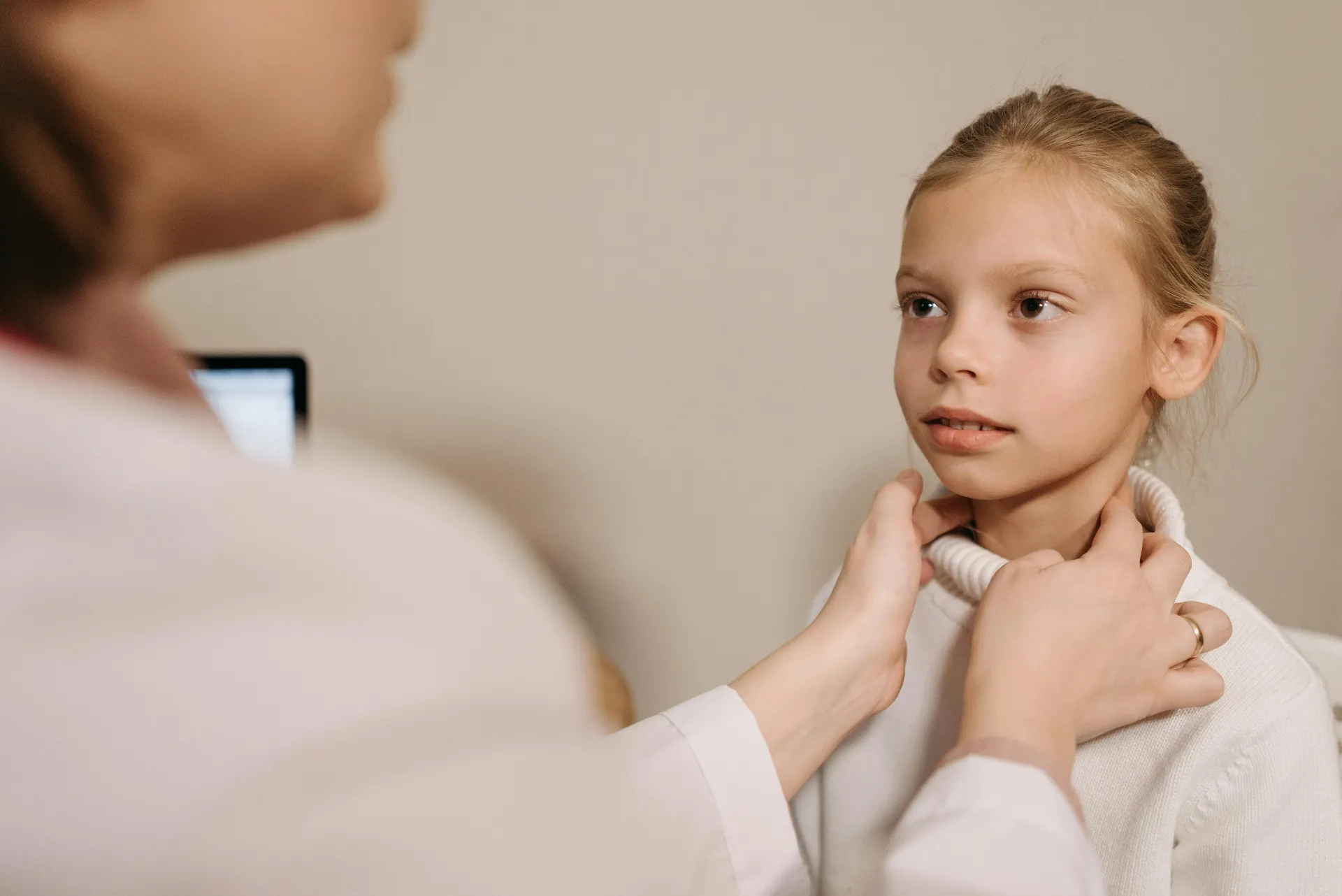
علاج قصور الغدة الدرقية في دبي: دليل شامل
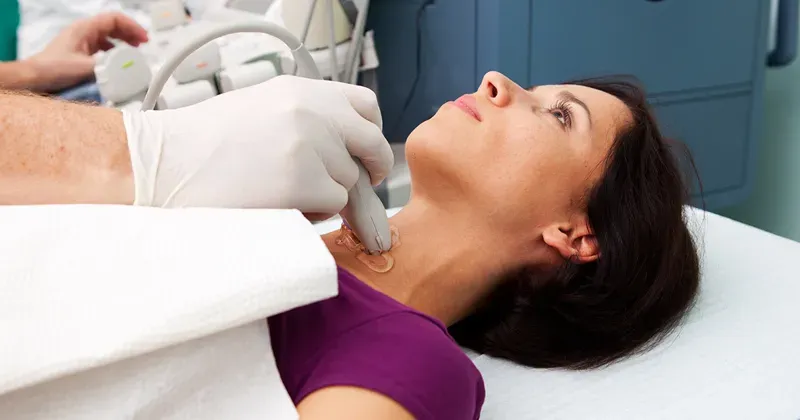
فحص الغدة الدرقية في دبي: دليل TSH وT3 وT4
أعراض مشاكل الغدة الدرقية في دبي
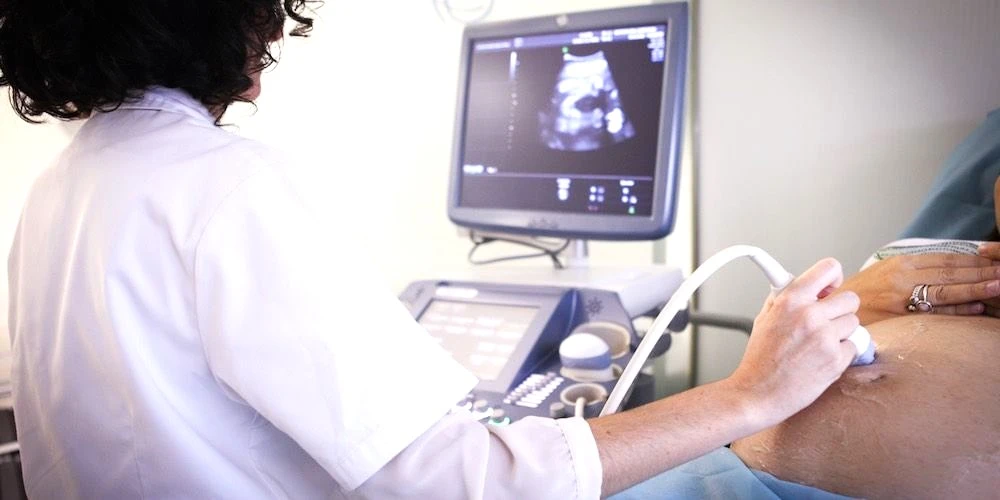
الموجات فوق الصوتية للغدة الدرقية في دبي: متى تحتاجها
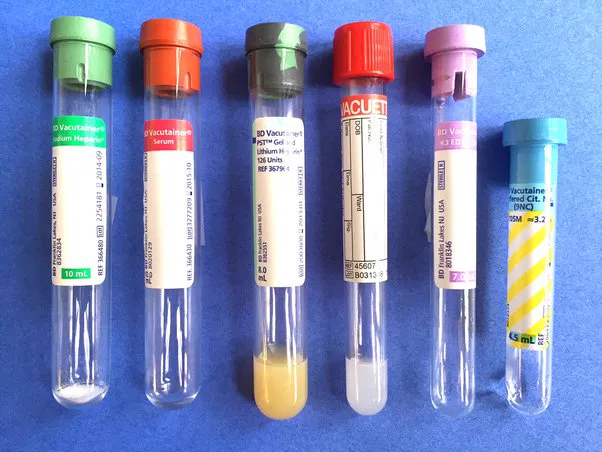
فحص الهرمونات في دبي: الأنواع والتكلفة والدليل
المزيد في Internal Medicine

Enlarged Prostate Dubai: BPH Symptoms (2026)
اقرأ المزيد
Hiatal Hernia Dubai: Symptoms & Treatment (2026)
اقرأ المزيدDiabetic Foot Care Dubai: Warning Signs (2026)
اقرأ المزيدColonoscopy vs Endoscopy Dubai: Guide (2026)
اقرأ المزيدDiabetic Diet Plan Dubai: Foods & Tips (2026)
اقرأ المزيدCholesterol-Lowering Foods & Diet Dubai (2026)
اقرأ المزيد© 2026 Doctors Clinic Diagnostic Center (DCDC), Dubai Healthcare City. Originally published at https://doctorsclinicdubai.ae/blog/thyroid-treatment-cost-dubai. All rights reserved. Unauthorized reproduction is prohibited.