Key Takeaways
- Most diarrhea in Dubai is short-lived and caused by viral gastroenteritis, bacterial infection, or food poisoning -- resolving within 2-4 days with fluids and rest.
- Dehydration risk is significantly higher in Dubai's climate, where summer temperatures exceeding 45 degrees C accelerate fluid loss on top of the fluid lost through diarrhea itself.
- Oral rehydration solution (ORS) -- not plain water or juice -- is the single most important treatment for acute diarrhea, replacing both fluid and lost electrolytes.
- Red-flag symptoms requiring urgent medical attention include blood in stool, fever above 38.5 degrees C, diarrhea lasting more than 2 days, severe abdominal pain, or signs of dehydration.
- Stool culture, blood tests, and an electrolyte panel are available on-site at DCDC with same-day results for routine tests, allowing a complete diagnostic workup in a single visit.
- Chronic diarrhea lasting more than 4 weeks often points to an underlying condition such as IBS, celiac disease, lactose intolerance, or inflammatory bowel disease and needs specialist evaluation.
- Children dehydrate far faster than adults during diarrheal illness, making early ORS use and prompt medical review essential for infants and young children in Dubai's heat.
Diarrhea is one of the most common reasons patients visit gastroenterology and general medicine clinics in Dubai, especially during the summer months when heat, travel, and dining-out culture all increase exposure to triggers. The World Health Organization estimates that diarrheal disease causes an enormous global health burden every year, and while most cases in adults are mild and self-limiting, Dubai's extreme climate adds a layer of risk that residents and visitors often underestimate: dehydration can set in far faster here than in temperate countries. This guide explains the common causes of diarrhea, Dubai-specific triggers, when it becomes a medical emergency, and how DCDC diagnoses and treats it.
At Doctors Clinic Diagnostic Center (DCDC) in Dubai Healthcare City, diarrhea is one of the most frequent presenting complaints we see across all age groups -- from new expats adjusting to local food and water, to residents who have picked up a stomach bug from a buffet, to long-term UAE residents dealing with recurring digestive issues. Because dehydration progresses quickly in high heat, our approach prioritizes rapid assessment, on-site testing, and same-day treatment. This article covers everything from acute viral and bacterial causes to chronic conditions like IBS and celiac disease, along with the diagnostic tests and treatments available at our clinic.
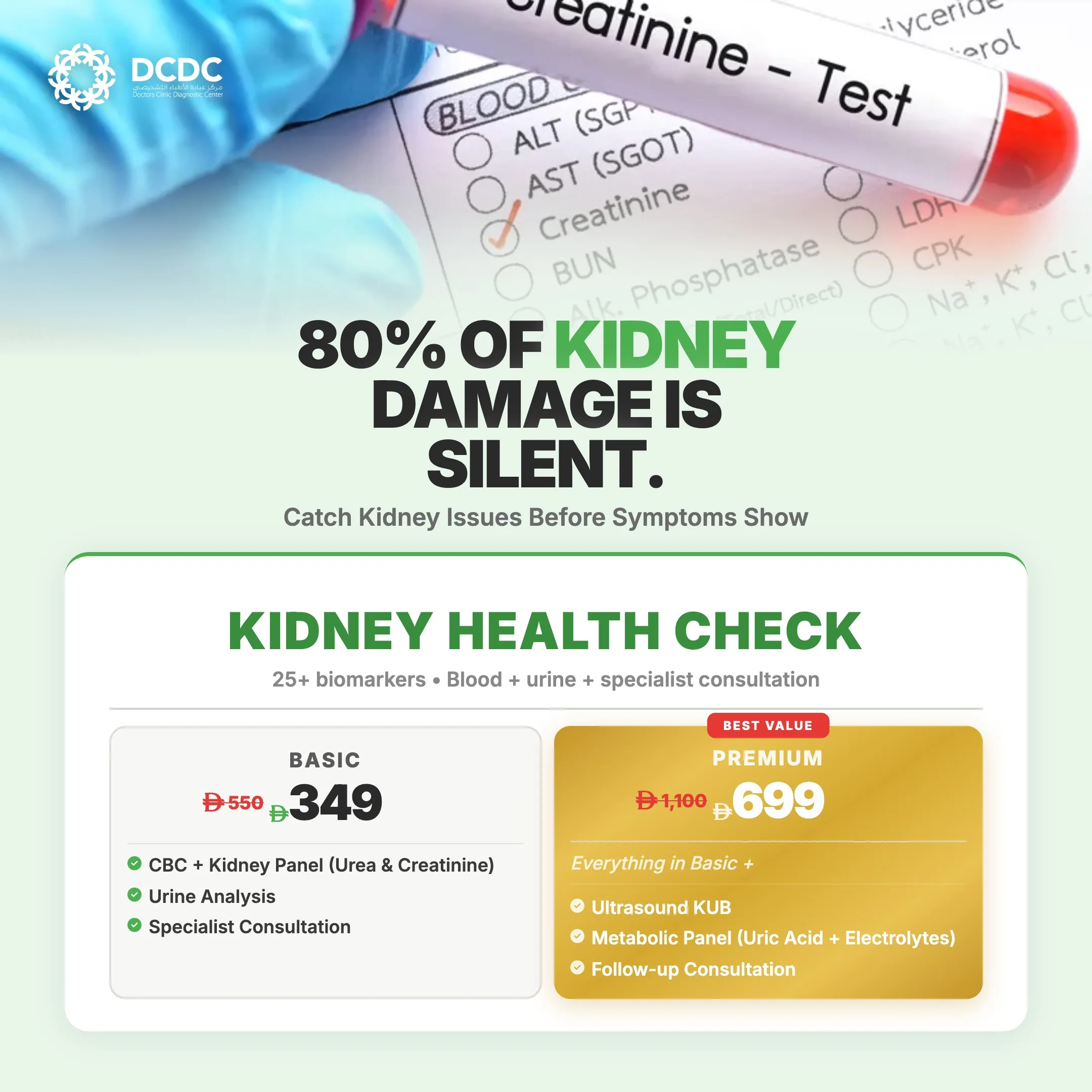
Health Screening Packages
Save with our bundled screening packages — specialist consultation included





What Is Diarrhea? Acute vs. Chronic
Diarrhea is defined clinically as passing three or more loose or watery stools within 24 hours. It is a symptom, not a disease itself, and can result from infection, inflammation, food intolerance, medication side effects, or a chronic digestive disorder. Understanding the type and duration of your diarrhea is the first step in identifying the cause and choosing the right treatment.
- Acute diarrhea: Lasts less than 2 weeks and is most commonly caused by a viral, bacterial, or parasitic infection, or by food poisoning. This is the most common presentation seen in Dubai clinics.
- Persistent diarrhea: Lasts 2-4 weeks and may indicate an unresolved infection, early inflammatory bowel disease, or a lingering post-infectious gut disturbance.
- Chronic diarrhea: Lasts longer than 4 weeks and typically points to a non-infectious cause such as IBS, celiac disease, lactose intolerance, or inflammatory bowel disease (IBD), all of which require specialist investigation.
Common Causes of Diarrhea
The vast majority of acute diarrhea cases fall into one of four categories. Below is a breakdown of the most common causes we diagnose at DCDC.
- Viral gastroenteritis: Norovirus and rotavirus are the leading causes of acute diarrhea worldwide. Highly contagious, spreading through contaminated surfaces, food, and close contact -- often accompanied by nausea, vomiting, and low-grade fever.
- Bacterial infection: Salmonella, Campylobacter, Shigella, and E. coli are common bacterial causes, frequently linked to undercooked meat, unwashed produce, or cross-contaminated food. Bacterial diarrhea is more likely to cause fever and blood in the stool than viral causes.
- Food poisoning: Caused by consuming food contaminated with bacteria, toxins, or their by-products. Symptoms typically start within hours of eating and can be severe but short-lived. Our detailed guide on food poisoning symptoms and treatment in Dubai covers this in depth.
- Travelers' diarrhea: Affects new arrivals and tourists adjusting to unfamiliar food, water sources, and gut flora. It is one of the most common travel-related illnesses worldwide and is a frequent complaint among new expats in the first weeks after relocating to Dubai.
- Parasitic infection: Giardia and other parasites cause prolonged, often greasy or foul-smelling diarrhea that does not resolve on its own and requires specific stool testing and antiparasitic treatment.
- Medication side effects: Antibiotics, magnesium-containing antacids, and certain other medications commonly cause diarrhea as a side effect.
- Stomach infections and gastritis flare-ups: Infections of the stomach lining can trigger diarrhea alongside nausea and abdominal discomfort -- see our guide on stomach infection treatment in Dubai for more detail.
Dubai-Specific Triggers for Diarrhea
Living in or visiting Dubai introduces a specific set of environmental and lifestyle factors that increase the likelihood of developing diarrhea. Recognizing these triggers can help you take preventive precautions.
- Summer heat and food safety: When outdoor temperatures exceed 45 degrees C, food left out of refrigeration -- even briefly, such as during catering, delivery transit, or buffet service -- can reach unsafe bacterial growth temperatures far faster than in cooler climates.
- Street food and food trucks: Dubai's diverse and vibrant street food scene is generally well regulated, but inconsistent food handling, especially with perishable sauces, dairy-based items, and seafood, remains a common source of bacterial diarrhea.
- Tap water concerns: While Dubai's municipal tap water is treated and generally safe, storage tank hygiene in older buildings and villas can occasionally introduce contamination. Many residents prefer filtered or bottled water as a precaution, particularly for young children.
- New expat gut adjustment: New arrivals to Dubai often experience a period of digestive adjustment as their gut flora adapts to different food preparation methods, spice levels, and water sources -- a mild, self-limiting form of travelers' diarrhea.
- Dining-out and buffet culture: Dubai's frequent brunches, buffets, and shared platters increase exposure to food that may have sat at unsafe temperatures, particularly seafood, mayonnaise-based dishes, and rice dishes.
- Air travel and Ramadan fasting patterns: Frequent international travel through Dubai's airports exposes residents to new pathogens, while the sudden dietary shifts during Ramadan iftar meals can also disrupt normal digestive function.
Dehydration Risk in Dubai's Extreme Heat
Dehydration is the most dangerous complication of diarrhea, and Dubai's climate makes it a far more urgent concern than in temperate regions. Diarrhea causes fluid and electrolyte loss through the gut, while high ambient temperatures -- often exceeding 45 degrees C in summer -- cause additional fluid loss through sweat. This combination can push a patient into moderate or severe dehydration within hours rather than days.
Signs of Dehydration to Watch For
- Excessive thirst and a dry mouth or tongue
- Dark yellow or minimal urine output
- Dizziness or lightheadedness, especially when standing
- Fatigue, weakness, or confusion
- Sunken eyes and, in infants, a sunken soft spot on the head
- Rapid heartbeat or low blood pressure in more severe cases
If you suspect significant fluid loss, our related guide on dehydration symptoms and treatment in Dubai outlines the full spectrum of warning signs and when IV rehydration becomes necessary.
ORS and Rehydration: The First Line of Treatment
Oral rehydration solution (ORS) is the single most important intervention for diarrhea, recommended by the WHO for both adults and children. Unlike plain water, ORS contains a precise balance of glucose and electrolytes (sodium, potassium, chloride) that maximizes fluid absorption in the small intestine even during active diarrhea.
- Why plain water is not enough: Drinking large volumes of water alone without electrolytes can dilute your remaining sodium levels, worsening symptoms in severe cases.
- Why juice and soda should be avoided: High-sugar drinks can draw more water into the gut through an osmotic effect, potentially worsening diarrhea.
- How much to drink: Adults should aim to replace lost fluids with small, frequent sips of ORS -- roughly 200-400 ml after each loose stool. In Dubai's heat, total daily fluid intake should be increased further to offset sweat losses.
- Where to find ORS in Dubai: ORS sachets are widely available at pharmacies across Dubai without a prescription, and are also provided on-site at DCDC for patients presenting with acute diarrhea.
When Diarrhea Needs Medical Attention
Most cases of diarrhea resolve on their own with rest, fluids, and dietary adjustment. However, certain symptoms indicate that you should seek medical evaluation promptly rather than waiting it out.
Red-Flag Symptoms
- Blood or mucus in the stool: May indicate a bacterial infection, parasitic infection, or inflammatory bowel disease requiring targeted treatment.
- Fever above 38.5 degrees C: Suggests a bacterial or more aggressive infectious cause rather than a simple viral illness.
- Diarrhea lasting more than 2 days in adults without improvement, or any diarrhea lasting more than 24 hours in a young child.
- Signs of moderate to severe dehydration: Dizziness, minimal urination, rapid heartbeat, or confusion.
- Severe abdominal pain that is worsening rather than improving, which may indicate a more serious underlying cause -- see our guide on abdominal pain causes and diagnosis in Dubai for more information.
- Recent travel or antibiotic use before symptoms began, which raises suspicion for a specific infectious or antibiotic-associated cause requiring targeted stool testing.
- Diarrhea in infants, young children, the elderly, or immunocompromised individuals, all of whom face a substantially higher risk of rapid dehydration and complications.
Diagnostic Workup for Diarrhea at DCDC
When diarrhea persists, worsens, or presents with red-flag symptoms, a targeted diagnostic workup helps identify the cause and guide treatment. DCDC's on-site laboratory performs stool culture, blood work, and electrolyte panels with same-day results for routine tests, meaning you can complete your entire evaluation in a single visit rather than being referred elsewhere and waiting days for answers.
| Service / Test | What It Detects | Turnaround Time | Indicative Cost |
|---|---|---|---|
| GP Consultation | Clinical assessment, history, and examination to guide the diagnostic plan | Same visit | From AED 250 |
| Stool Culture & Analysis | Bacterial, parasitic infection, occult blood, inflammation markers | Same-day to 2-3 days for culture | From AED 200 |
| Complete Blood Count (CBC) | Signs of infection, inflammation, anemia | Same-day results | From AED 150 |
| Electrolyte Panel | Sodium, potassium, chloride imbalance from fluid loss | Same-day results | From AED 180 |
| Health Checkup Package | Broader screening including digestive and metabolic markers | Same-day to next-day results | From AED 249 |
Diagnostic services available at DCDC Dubai Healthcare City. Prices shown are indicative starting ranges and may vary based on insurance coverage and the specific panel ordered (2026).
For patients who want to understand their results in more detail once testing is complete, our stool test results guide for Dubai explains what each finding means and what typically happens next.
Treatment Options for Diarrhea
Treatment is guided by the underlying cause, severity, and duration of symptoms. Below is an overview of the main treatment strategies used at DCDC.
Rehydration and Diet
- ORS first: As outlined above, oral rehydration solution is the cornerstone of treatment for nearly all cases of diarrhea, regardless of cause.
- The BRAT-style diet: Bland, low-fiber foods such as bananas, rice, applesauce, and toast are easier to digest during the acute phase and help firm up stools.
- Avoid dairy, caffeine, alcohol, and fatty foods temporarily, as these can worsen symptoms or irritate an already sensitive gut.
- Reintroduce normal food gradually once symptoms begin to improve, typically over 24-48 hours.
Medication
- Anti-diarrheal medication (loperamide): Can reduce stool frequency in mild-to-moderate cases but should generally be avoided if fever or bloody stool is present, as it may prolong bacterial infections.
- Probiotics: Certain strains may modestly shorten the duration of infectious diarrhea, particularly in children.
- Antiemetics: Used when nausea and vomiting accompany diarrhea to help patients tolerate oral rehydration.
When Antibiotics Are Needed
Antibiotics are not routinely prescribed for diarrhea, since most cases are viral and self-limiting, and unnecessary antibiotic use can worsen symptoms or contribute to resistance. Antibiotics are reserved for confirmed bacterial infections identified through stool culture, certain cases of severe travelers' diarrhea, or specific parasitic infections such as giardiasis, where targeted antiparasitic medication is required. This is why stool testing before starting antibiotics is strongly recommended whenever the cause is unclear.
Experiencing Diarrhea That Won't Settle?
Get a same-day assessment at DCDC. Our on-site laboratory offers stool culture, blood work, and electrolyte panels with same-day results for routine tests, so you get answers and treatment in a single visit. View our gastroenterology services or call to book.
Open Sat-Thu 8 AM-10 PM, Fri 9 AM-9 PM. Free dedicated parking. Direct billing with 20+ insurance providers.
Dr. Hadeel Elnur's Perspective on Diarrhea Management
Dr. Hadeel Elnur, General Practitioner at DCDC, is typically the first point of contact for patients presenting with diarrhea, whether it is a sudden bout of suspected food poisoning or a recurring pattern that has lasted for weeks.
"In Dubai, the question I ask first is not just 'what did you eat', but 'how hydrated are you right now'," explains Dr. Elnur. "Our climate changes the risk calculation. A patient who might safely wait a day or two to see how symptoms evolve in a cooler country can dehydrate here within hours, especially if they have been outdoors or are not replacing fluids properly. My priority is always to assess hydration status first, then work through the likely causes -- viral, bacterial, food-related, or something chronic that has simply flared up. When the history or exam points to an infection, I order a stool culture and basic blood work through our on-site lab so we are not guessing. And because I coordinate across departments here, if a patient's pattern suggests something like IBS, celiac disease, or inflammatory bowel disease rather than a simple infection, I can refer them directly to our gastroenterology team for further workup without sending them elsewhere."
This coordinated, first-contact model is central to how DCDC operates -- patients are triaged quickly, dehydration risk is assessed immediately, and testing or specialist referral happens without delay, all within the same Dubai Healthcare City facility.
What to Expect at DCDC: Your Diarrhea Evaluation Journey
If you are visiting DCDC for the first time with diarrhea symptoms, here is what a typical visit looks like from arrival to treatment plan. Our average wait time is just 15 minutes, which matters when you are feeling unwell and want fast reassurance.
Step 1: Arrival and Registration
Park in our free dedicated on-site parking at Building 64, Block A, Al Razi Medical Complex, Dubai Healthcare City. Our multilingual reception team (Arabic, English, Farsi, Urdu, and Hindi) will verify your insurance -- we offer direct billing with 20+ providers including Daman, AXA, and Bupa -- and record your vitals.
Step 2: Clinical Assessment
Your doctor will assess your hydration status, review the onset, frequency, and character of your diarrhea, and ask about recent food, travel, and medication history. A focused abdominal examination follows to check for tenderness or other findings that might change the diagnostic approach.
Step 3: On-Site Diagnostics if Needed
If your symptoms warrant testing, you will proceed directly to our on-site laboratory for stool culture, a complete blood count, and an electrolyte panel -- all within the same building, with no need to travel to an external lab.
Step 4: Treatment and Rehydration
Depending on your hydration status, you may receive oral rehydration guidance on-site or, in more significant cases, supportive fluids. Your doctor will explain the likely cause, discuss any test results, and prescribe medication if appropriate -- including antibiotics only where a bacterial or parasitic cause is confirmed or strongly suspected.
Step 5: Follow-Up
For persistent or recurring diarrhea, a follow-up appointment is scheduled to review test results, assess response to treatment, and, if needed, arrange a referral for further gastroenterology evaluation.
Chronic Diarrhea: When It's Not Just an Infection
When diarrhea persists for more than four weeks, or keeps recurring in a pattern, an infectious cause becomes less likely and a chronic digestive condition should be considered. These conditions require a different diagnostic approach and long-term management plan.
- Irritable Bowel Syndrome (IBS): A functional gut disorder causing recurring diarrhea, often alternating with constipation, along with bloating and abdominal pain. Diagnosis is largely clinical, supported by tests that rule out other causes. Our guide to IBS treatment and symptoms in Dubai covers management strategies in detail.
- Celiac disease: An autoimmune reaction to gluten that damages the small intestinal lining, causing chronic diarrhea, bloating, fatigue, and weight loss. Diagnosed with a blood antibody test followed by confirmatory endoscopy if positive.
- Lactose intolerance: A deficiency in the enzyme needed to digest lactose, causing diarrhea, gas, and bloating within hours of consuming dairy. Diagnosed with a lactose breath test or a trial elimination period.
- Inflammatory Bowel Disease (IBD): Crohn's disease and ulcerative colitis cause chronic inflammation of the digestive tract, leading to persistent diarrhea often accompanied by blood, weight loss, and fatigue. Diagnosis requires blood tests, stool markers such as calprotectin, and endoscopic evaluation.
- Post-infectious IBS: Some patients develop ongoing bowel irregularity for weeks or months after an acute gastrointestinal infection has cleared, due to lingering changes in gut sensitivity and motility.
Diarrhea in Children: A Higher-Risk Situation
Children -- and especially infants -- dehydrate far more quickly than adults during a diarrheal illness, because they have a proportionally larger fluid turnover and smaller reserves. In Dubai's heat, this risk is amplified further, making prompt attention essential.
- Start ORS early: Offer small, frequent sips of a pediatric oral rehydration solution as soon as diarrhea begins, rather than waiting to see if it worsens.
- Watch for fewer wet diapers: A noticeable drop in urine output or wet diaper frequency is one of the earliest and most reliable signs of dehydration in infants.
- Continue breastfeeding or normal feeding: Current pediatric guidance recommends continuing age-appropriate feeding alongside rehydration rather than withholding food.
- Seek care promptly if a child has diarrhea lasting more than 24 hours, a sunken soft spot, persistent vomiting, lethargy, or a high fever.
Worried About Diarrhea in Your Child?
Dehydration progresses faster in children, especially in Dubai's heat. Bring your child in for a prompt assessment -- our team can evaluate hydration status and run same-day tests if needed. Book a consultation today.
Rated 4.8/5 from 1,000+ Google reviews. 98% patient satisfaction. MOHAP Licensed.
Prevention: Reducing Your Risk of Diarrhea in Dubai
While not every case of diarrhea is preventable, the following habits meaningfully reduce your risk, particularly relevant to Dubai's climate and dining culture.
- Practice thorough hand hygiene: Wash hands with soap for at least 20 seconds before eating and after using the restroom -- the single most effective defense against fecal-oral transmission of viruses and bacteria.
- Be cautious with buffets and shared platters: Choose freshly prepared, hot food over items that may have been sitting at room temperature, especially seafood, mayonnaise-based dishes, and dairy items.
- Wash produce thoroughly and avoid unpeeled fruit from uncertain sources when eating out.
- Use filtered or bottled water if you have concerns about storage tank hygiene in your building, particularly for young children and new arrivals still adjusting.
- Stay extra hydrated in summer to build in a buffer against rapid fluid loss, since baseline dehydration makes any subsequent illness more dangerous.
- Keep perishable food refrigerated promptly after delivery or purchase, especially during Dubai's hottest months when bacterial growth accelerates within a much shorter window.
How to Prepare for Your Diarrhea Consultation
A little preparation helps your doctor reach a diagnosis faster and ensures your visit is as efficient as possible.
- Track frequency and duration: Note when symptoms started, how many episodes per day, and whether anything (specific foods, stress, travel) seems to trigger or worsen them.
- Note associated symptoms: Fever, vomiting, blood or mucus in stool, and abdominal pain all help narrow the likely cause.
- Recall recent food and travel history: Recent meals out, new foods, or travel in the days before symptoms began are important clues.
- List current medications: Especially recent antibiotics or new supplements, which can be a direct cause of diarrhea.
- Bring previous test results if you have had stool or blood tests done elsewhere, to avoid unnecessary repeat testing.
Related Services at DCDC
Expert care and advanced diagnostics at Dubai Healthcare City
Frequently Asked Questions
Final Thoughts
Most diarrhea in Dubai resolves within a few days with proper rehydration, dietary care, and rest. The key is recognizing which symptoms are simply your body clearing an infection or adjusting to something new, and which symptoms signal that medical evaluation is needed -- particularly given how quickly dehydration can progress in Dubai's climate.
At DCDC in Dubai Healthcare City, our integrated model -- with on-site stool culture, blood work, and electrolyte testing all under one roof -- means you can move from consultation to diagnosis and treatment in a single visit. With same-day appointments, free parking, direct insurance billing, and a 4.8/5 Google rating from over 1,000 reviews, we aim to make getting care for diarrhea as fast and stress-free as possible.
If diarrhea is not improving, keeps recurring, or is accompanied by any red-flag symptoms, do not wait it out. Book a consultation and get a clear answer.
Sources & References
This article was reviewed by our medical team and references the following sources:
- World Health Organization -- Diarrhoeal Disease Fact Sheet
- NHS -- Diarrhoea: Causes, Symptoms and Treatment
- Mayo Clinic -- Diarrhea: Symptoms and Causes
- Cleveland Clinic -- Diarrhea: Causes, Treatment & Prevention
- Munos MK, Walker CL, Black RE -- The Effect of Oral Rehydration Solution and Recommended Home Fluids on Diarrhoea Mortality (International Journal of Epidemiology, PubMed)
- CDC Yellow Book -- Travelers' Diarrhea
Medical content on this site is reviewed by DHA-licensed physicians. See our editorial policy for more information.

Written by
Dr. Hadeel Elnur
General Practitioner
MD, General Practice
Dr. Hadeel Elnur is a General Practitioner at Doctors Clinic Diagnostic Center (DCDC) in Dubai Healthcare City.
Related Articles

Food Poisoning Dubai: Symptoms & Treatment

Dehydration Dubai: Symptoms & Treatment
IBS Treatment Dubai: Symptoms & Relief

Stomach Infection Treatment Dubai
Stool Test Results Guide Dubai
More in Internal Medicine

Colonoscopy Prep Dubai: Diet & Bowel Guide (2026)
Read More
Hypothyroidism vs Hyperthyroidism Dubai (2026)
Read More
Iron Infusion Cost Dubai: From AED 500 (2026)
Read More
Kidney Diet: Foods to Avoid in Dubai (2026)
Read MoreCeliac Disease Symptoms Dubai: Diagnosis (2026)
Read MorePancreatitis Dubai: Symptoms & Treatment (2026)
Read More© 2026 Doctors Clinic Diagnostic Center (DCDC), Dubai Healthcare City. Originally published at https://doctorsclinicdubai.ae/blog/diarrhea-causes-treatment-dubai. All rights reserved. Unauthorized reproduction is prohibited.