النقاط الرئيسية
- يعاني تساقط الشعر ما يُقدَّر بـ 85% من الرجال و40% من النساء بحلول سن الخمسين، وتُعدّ الثعلبة الأندروجينية النوع الأكثر شيوعاً.
- تبدأ تكلفة علاج PRP للشعر في دبي من AED 700-1,500 للجلسة، ويحتاج معظم المرضى إلى 3-6 جلسات للحصول على أفضل النتائج.
- يُعدّ إجراء تحليل دم شامل (حديد وفيريتين وغدة درقية وفيتامين D وهرمونات) ضرورياً لتحديد الأسباب القابلة للعلاج قبل البدء بأي علاج.
- يُسهم مناخ دبي والتعرض الشديد للأشعة فوق البنفسجية وانتشار نقص فيتامين D رغم الشمس في ترقق شعر السكان.
- التدخل المبكر أمر بالغ الأهمية — العلاجات كالمينوكسيديل والفيناستيريد أكثر فاعلية عند البدء قبل التصغير المعتد به لبصيلات الشعر.
- يقدم DCDC في مدينة دبي الطبية علاج PRP وبانيلات الدم التشخيصية وفحوصات الهرمونات لمعالجة تساقط الشعر بشكل شامل.
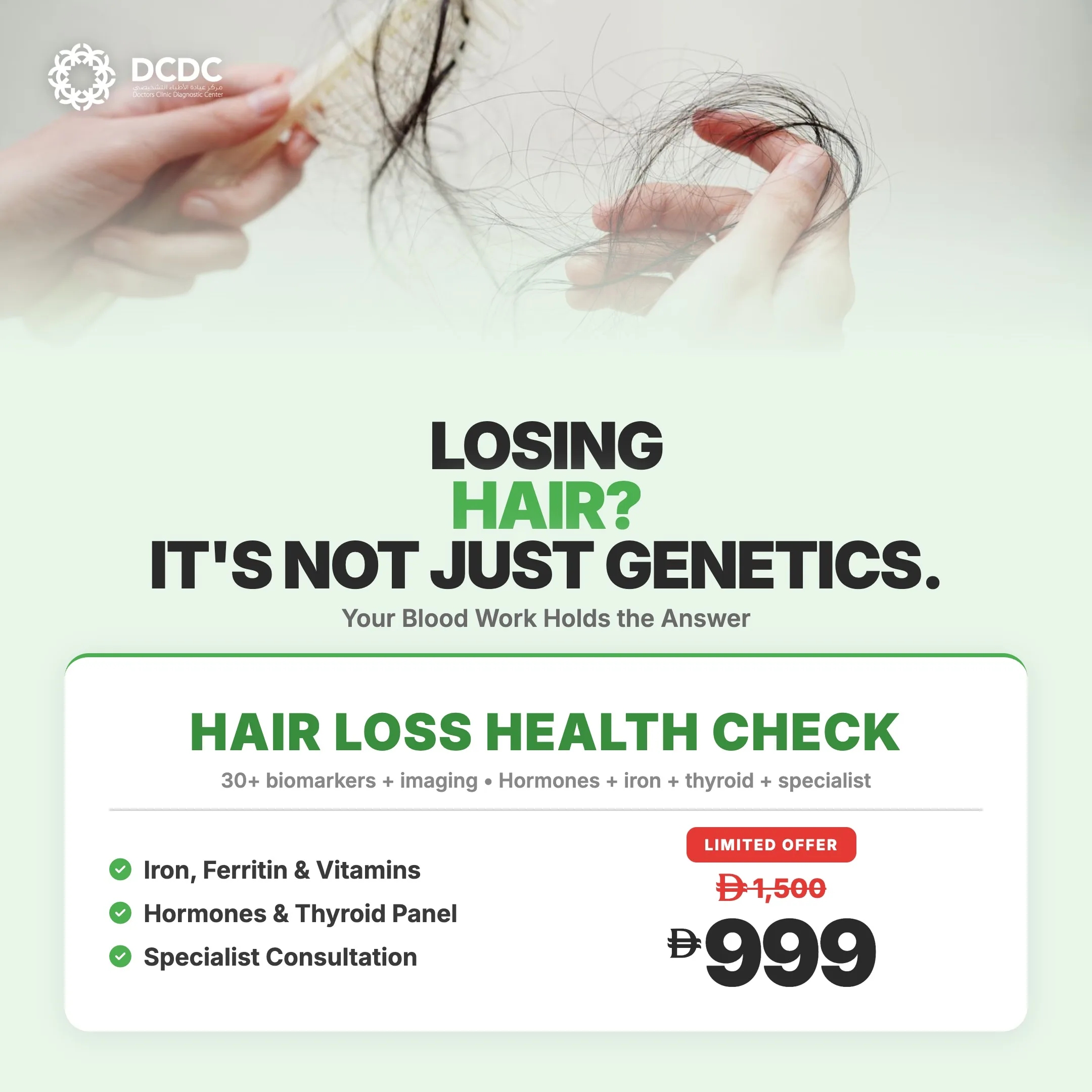
يُعدّ تساقط الشعر من أكثر الأسباب شيوعاً التي تدفع المرضى إلى عيادتنا، ويؤثر على الرجال والنساء في جميع الفئات العمرية. سواء كنت تلاحظ ترققاً تدريجياً في منطقة التاج أو تراجعاً في خط الشعر أو خصلات في بالوعة الدش، فإن فهم السبب هو الخطوة الأولى نحو علاج فعّال. في مركز DCDC، تشمل خدمات علاج تساقط الشعر في مدينة دبي الطبية علاج PRP وتحاليل الدم الشاملة وتقييم الهرمونات — كل ذلك تحت سقف واحد. يغطي هذا الدليل كل علاجات تساقط الشعر المتاحة في دبي، والفحوصات التشخيصية المطلوبة، والتكاليف الواقعية، والاستراتيجيات الوقائية المبنية على الأدلة.
يعاني ما يُقدَّر بـ 50% من الرجال و40% من النساء من تساقط ملحوظ للشعر بحلول سن الخمسين، وفقاً للأكاديمية الأمريكية للأمراض الجلدية. في دبي، يمكن لعوامل مثل الحرارة الشديدة والمياه العسرة وظاهرة تناقض فيتامين D (أسلوب الحياة الداخلي رغم الشمس الدائمة طوال العام) والبيئات المهنية عالية الضغط أن تُسرّع من ترقق الشعر. والخبر السار أن معظم أشكال تساقط الشعر قابلة للعلاج — خاصةً عند اكتشافها مبكراً.




ما أسباب تساقط الشعر؟ شرح الأنواع الشائعة
تساقط الشعر — المعروف طبياً بالثعلبة — له عشرات الأسباب المحتملة. تحديد النوع المحدد لتساقط الشعر أمر ضروري لأن كل نوع يتطلب نهجاً علاجياً مختلفاً. عادةً ما يُشخّص الطبيب المعتمد النوع من خلال الفحص السريري مع تحاليل الدم.
الثعلبة الأندروجينية (تساقط الشعر بالنمط الوراثي)
الثعلبة الأندروجينية هي الشكل الأكثر شيوعاً لتساقط الشعر في العالم، وتؤثر على ما يصل إلى 80% من الرجال و50% من النساء طوال حياتهم. عند الرجال، تظهر عادةً بتراجع خط الشعر وترقق في منطقة التاج (شكل حرف M الكلاسيكي). أما عند النساء، فتسبب ترققاً منتشراً في أعلى فروة الرأس مع الحفاظ على خط الشعر الأمامي. يتحكم في هذا النوع كل من الوراثة وهرمون ثنائي هيدروتستوستيرون (DHT) الذي يُصغّر بصيلات الشعر تدريجياً.
الثعلبة التيلوجينية (التساقط الناجم عن الضغط)
الثعلبة التيلوجينية هي ثاني أكثر أسباب تساقط الشعر شيوعاً. تحدث عندما تدخل كميات كبيرة من بصيلات الشعر في آنٍ واحد في مرحلة الراحة (التيلوجين)، مما يؤدي إلى تساقط منتشر بعد 2-3 أشهر من الحدث المُثير. المحفزات الشائعة تشمل الضغط الشديد والجراحة والولادة والحمية القاسية والحمى العالية وتغيير الأدوية. الخبر السار: الثعلبة التيلوجينية عادةً مؤقتة وتزول من تلقاء نفسها بمجرد معالجة السبب.
الثعلبة البقعية (المناعية الذاتية)
تؤثر الثعلبة البقعية على نحو 2% من سكان العالم (نحو 160 مليون شخص). في هذه الحالة المناعية الذاتية، يهاجم الجهاز المناعي بصيلات الشعر، مما يُسبب بقعاً ناعمة دائرية من تساقط الشعر في فروة الرأس أو اللحية أو الجسم. يمكن أن تتطور إلى ثعلبة كاملة (تساقط شعر فروة الرأس بالكامل) أو ثعلبة شاملة (تساقط شعر الجسم كله). توفر مثبطات JAK المعتمدة من FDA علاجاً فعّالاً للحالات الشديدة.
أنواع أخرى من تساقط الشعر
- ثعلبة الشد — ناجمة عن تسريحات الشعر المشدودة (الضفائر وذيل الحصان والإضافات) التي تشد بصيلات الشعر بمرور الوقت
- تساقط الشعر بنقص التغذية — من نقص الحديد والفيريتين وفيتامين D والزنك أو البيوتين
- تساقط الشعر المرتبط بالغدة الدرقية — يُسبب قصور وفرط الغدة الدرقية ترققاً منتشراً
- تساقط الشعر الهرموني — متلازمة تكيس المبايض وانقطاع الطمث والتغيرات بعد الولادة واختلالات الأندروجين
- الثعلبة التندبية — حالات كحزاز مسطح الشعراء أو الثعلبة الجبهية الليفية تُدمّر البصيلات بشكل دائم
- تساقط الشعر المُحدَث بالأدوية — آثار جانبية للعلاج الكيميائي ومضادات التخثر وحاصرات بيتا وبعض مضادات الاكتئاب
خيارات علاج تساقط الشعر في دبي
تتوفر في دبي طيف واسع من علاجات تساقط الشعر، من العلاجات غير الجراحية إلى عمليات زراعة الشعر الجراحية. يعتمد أفضل علاج على نوع تساقط الشعر وشدته وعمرك وصحتك العامة وتفضيلاتك الشخصية. إليك نظرة عامة على فئات العلاج الرئيسية المتاحة.
| العلاج | آلية العمل | الأنسب لـ | الجدول الزمني للنتائج |
|---|---|---|---|
| علاج PRP | تُحقن الصفائح الدموية المركّزة من دمك في فروة الرأس لتحفيز نمو البصيلات | الثعلبة الأندروجينية، ترقق الشعر، تساقط الشعر في المرحلة المبكرة | 4-6 أشهر لنتائج ملموسة |
| المينوكسيديل (موضعي) | يُطبَّق على فروة الرأس مرتين يومياً لتعزيز تدفق الدم وإطالة مرحلة نمو الشعر | تساقط الشعر النمطي عند الرجال والنساء | 3-6 أشهر من الاستخدام المنتظم |
| الفيناستيريد (فموي) | يحجب إنتاج DHT لإبطاء تساقط الشعر وتعزيز إعادة النمو | الثعلبة الأندروجينية الذكورية | 6-12 شهراً للتأثير الكامل |
| حقن الكورتيكوستيرويدات | حقن مضادة للالتهاب مباشرةً في بقع تساقط الشعر | الثعلبة البقعية | 4-8 أسابيع لكل دورة علاجية |
| مثبطات JAK | أدوية فموية تُهدئ الجهاز المناعي المفرط النشاط | الثعلبة البقعية الشديدة | 3-6 أشهر |
| العلاج بالليزر منخفض الكثافة | أجهزة العلاج بالضوء الأحمر تحفز عملية التمثيل الغذائي الخلوي في البصيلات | الترقق الخفيف، مكمّل للعلاجات الأخرى | 6-12 شهراً |
| زراعة الشعر (FUE/FUT) | إعادة توطين جراحية لبصيلات الشعر من المنطقة المانحة إلى المناطق المُترقِّقة | الثعلبة الأندروجينية المتقدمة مع منطقة مانحة مستقرة | 12-18 شهراً للنتيجة النهائية |
خيارات علاج تساقط الشعر المتاحة في دبي — مقارنة بين الطرق والمؤشرات والجداول الزمنية المتوقعة
علاج PRP لتساقط الشعر: كيف يعمل
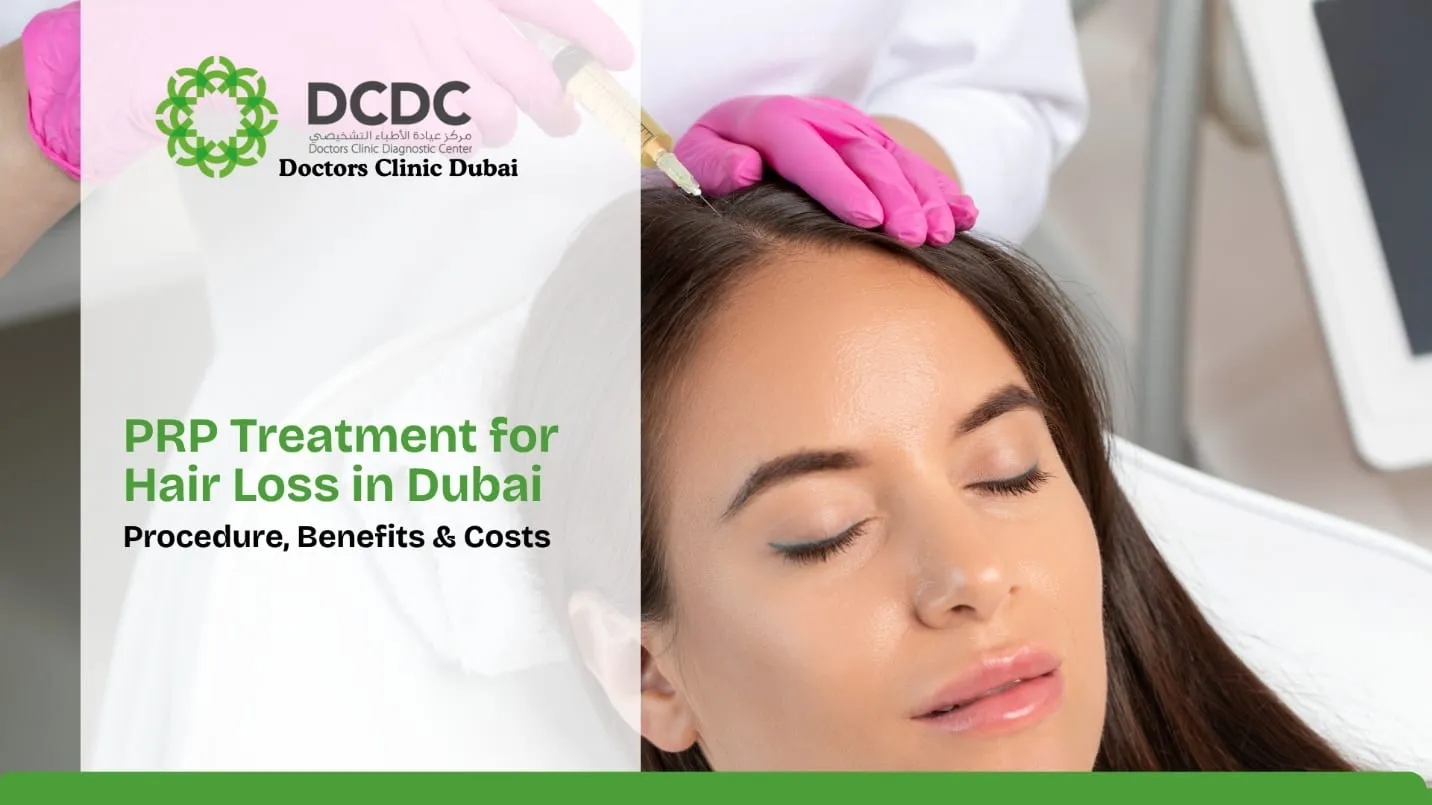
أصبح علاج البلازما الغنية بالصفائح الدموية (PRP) من أكثر علاجات تساقط الشعر غير الجراحية شعبيةً في دبي. يتضمن الإجراء سحب كمية صغيرة من دمك (عادةً 10-20 مل)، ومعالجتها في جهاز الطرد المركزي لتركيز الصفائح الدموية وعوامل النمو، ثم حقن هذه البلازما المركّزة في مناطق فروة الرأس التي تعاني من الترقق.
عملية علاج PRP للشعر
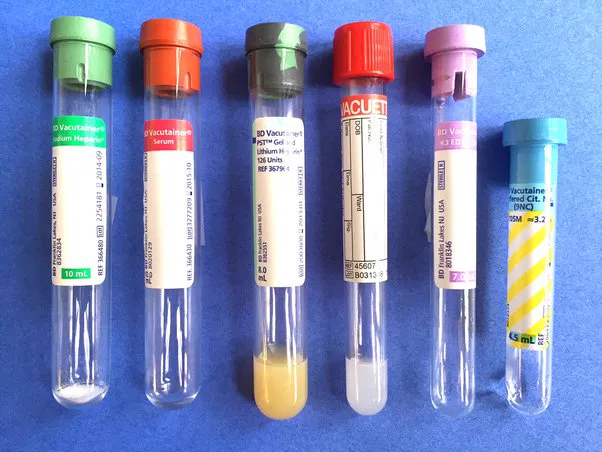
- الخطوة 1: سحب الدم — تُؤخذ عينة دم صغيرة من ذراعك، مشابهة لفحص الدم الروتيني
- الخطوة 2: الطرد المركزي — يُدار الدم في جهاز الطرد المركزي لمدة 10-15 دقيقة لفصل البلازما الغنية بالصفائح عن مكونات الدم الأخرى
- الخطوة 3: التحضير — تُستخلص البلازما الغنية بالصفائح المركّزة ويمكن تنشيطها قبل الحقن
- الخطوة 4: الحقن — يُحقن PRP في فروة الرأس عند نقاط متعددة عبر المناطق المُترقِّقة باستخدام إبر رفيعة
- الخطوة 5: التعافي — يعود معظم المرضى إلى أنشطتهم الطبيعية في نفس اليوم مع أدنى توقف عن النشاط
تُظهر الأبحاث المنشورة في مجلة الجلدية التجميلية أن علاج PRP يمكن أن يزيد عدد الشعر بنسبة 30-40% بعد سلسلة من العلاجات. تُوصي معظم البروتوكولات بـ 3-6 جلسات أولية بفاصل 4-6 أسابيع، تعقبها جلسات صيانة كل 3-6 أشهر. للاطلاع على تفاصيل بروتوكول PRP لدينا، اقرأ دليلنا حول علاج PRP للشعر في دبي.
العلاجات الطبية لتساقط الشعر في دبي
المينوكسيديل (روغين)
المينوكسيديل دواء موضعي معتمد من FDA متاح دون وصفة طبية في صيدليات دبي. يعمل عبر توسيع الأوعية الدموية في فروة الرأس وتحسين تدفق الدم لبصيلات الشعر وإطالة مرحلة الأناجين (النمو) من دورة الشعر. يُوصى بمحلول 5% للرجال، في حين يُوصف محلول 2% عادةً للنساء. تُظهر الدراسات أن 40-60% من المستخدمين يرون تحسناً ملموساً بعد 6 أشهر من الاستخدام المنتظم مرتين يومياً.
الفيناستيريد (بروبيشيا)
الفيناستيريد دواء فموي بوصفة طبية يعمل عبر تثبيط إنزيم 5-ألفا ريدوكتاز الذي يُحوّل التستوستيرون إلى DHT. من خلال خفض مستويات DHT بنحو 70%، يُبطئ الفيناستيريد تصغير بصيلات الشعر ويمكنه تعزيز إعادة النمو. تُظهر التجارب السريرية أن 86% من الرجال الذين يتناولون الفيناستيريد يحافظون على عدد شعرهم أو يزيدونه خلال سنتين، مقارنةً بخسارة ملحوظة في مجموعة العلاج الوهمي. الفيناستيريد متاح في دبي بوصفة طبية.
العلاج المدمج
يُوصي الأطباء الجلديون بشكل متزايد بالجمع بين العلاجات للحصول على نتائج أفضل. بروتوكول شائع في دبي يجمع علاج PRP مع المينوكسيديل اليومي و(للرجال) الفيناستيريد. تشير الدراسات إلى أن هذا النهج المدمج يمكن أن يُحسّن النتائج بنسبة 30-50% مقارنةً بأي علاج منفرد. سيضع طبيبك خطة علاج مخصصة بناءً على تشخيصك المحدد ونمط تساقط شعرك.
تساقط الشعر عند النساء مقابل الرجال: الفوارق الرئيسية
رغم أن تساقط الشعر يُعدّ في الغالب حالة ذكورية، إلا أنه يؤثر على النساء بنفس التكرار تقريباً — وإن كانت النمط والأسباب والتأثير النفسي تختلف بشكل ملحوظ.
| العامل | الرجال | النساء |
|---|---|---|
| النمط | تراجع خط الشعر وترقق التاج (مقياس هاميلتون-نورود) | ترقق منتشر في الأعلى مع الحفاظ على خط الشعر (مقياس لودفيغ) |
| الانتشار بحلول سن 50 | نحو 50% | نحو 40% |
| السبب الرئيسي | الثعلبة الأندروجينية المُحرَّكة بـ DHT | متعدد الأسباب — هرمونات ونقص حديد وغدة درقية وضغط نفسي |
| المحفزات الهرمونية | التستوستيرون/DHT | انقطاع الطمث ومتلازمة تكيس المبايض والحمل وحبوب منع الحمل |
| الدواء الأول | فيناستيريد + مينوكسيديل 5% | مينوكسيديل 2% + سبيرونولاكتون (إذا كان هرمونياً) |
| الأهلية لـ PRP | ممتازة للمراحل المبكرة إلى المتوسطة | ممتازة، خاصةً للترقق المنتشر |
مقارنة تساقط الشعر بين الرجال والنساء — النمط والأسباب وفوارق العلاج
يجب على النساء اللواتي يعانين من تساقط الشعر إجراء تقييم هرموني وغذائي شامل دائماً قبل بدء العلاج. حالات مثل متلازمة تكيس المبايض واضطرابات الغدة الدرقية وفقر الدم بسبب نقص الحديد هي أسباب قابلة للعلاج، وبمجرد معالجتها يمكن أن تُفضي إلى إعادة نمو ملحوظ للشعر دون تدخلات إضافية.
تحاليل الدم لتشخيص تساقط الشعر في دبي
قبل وصف أي علاج لتساقط الشعر، يُعدّ بانيل الدم الشامل أمراً أساسياً. كثيراً ما يفاجأ المرضى باكتشاف أن تساقط شعرهم ناجم عن نقص تغذوي قابل للتصحيح أو خلل هرموني وليس عوامل وراثية. في DCDC، نُوصي بالفحوصات التشخيصية التالية لتقييم تساقط الشعر. لمزيد من التفاصيل حول ما يتضمنه كل فحص، اطلع على دليل تحاليل الدم الشامل في دبي.
| تحليل الدم | ما يقيسه | أهميته لتساقط الشعر |
|---|---|---|
| صورة الدم الكاملة (CBC) | كريات الدم الحمراء والبيضاء والهيموغلوبين والصفائح الدموية | يكشف فقر الدم الذي يُقلّل إيصال الأكسجين لبصيلات الشعر |
| فيريتين المصل | مخازن الحديد في الجسم | الفيريتين أقل من 40 نانوغرام/مل مرتبط بتساقط الشعر حتى دون فقر دم واضح |
| بانيل الغدة الدرقية (TSH، T3، T4) | وظيفة الغدة الدرقية | يُسبب قصور وفرط الغدة الدرقية ترقق الشعر المنتشر |
| فيتامين D (25-OH) | مستويات فيتامين D | النقص شائع جداً في دبي ومرتبط بترقق الشعر |
| التستوستيرون وDHEA-S | مستويات الأندروجين | ارتفاع الأندروجينات يدفع تساقط الشعر النمطي، خاصةً عند النساء المصابات بمتلازمة تكيس المبايض |
| الزنك والبيوتين | مستويات المغذيات الدقيقة | نقص أي منهما يمكن أن يُسهم في تساقط الشعر وضعف جودته |
تحاليل الدم الأساسية لتشخيص سبب تساقط الشعر في دبي
العلاقة بين تساقط الشعر ونقص الفيتامينات
النقص التغذوي من بين أكثر أسباب تساقط الشعر شيوعاً — والأكثر قابلية للعلاج — في دبي. رغم الشمس الدائمة طوال العام، تُظهر الدراسات أن ما يصل إلى 90% من سكان الإمارات يعانون من نقص في مستويات فيتامين D بسبب أسلوب الحياة الداخلي والتكييف المفرط وتجنب التعرض للشمس. للاطلاع على مزيد من التفاصيل حول هذه المسألة، اقرأ مقالنا حول نقص فيتامين D في دبي.
النقوص التغذوية الرئيسية التي تُسبب تساقط الشعر
- الحديد والفيريتين — السبب التغذوي الأكثر شيوعاً لتساقط الشعر عند النساء. مستويات الفيريتين دون 40 نانوغرام/مل مرتبطة بزيادة التساقط. استهدف مستويات فوق 70 نانوغرام/مل لصحة الشعر المثلى.
- فيتامين D — تؤدي مستقبلات فيتامين D دوراً محورياً في دورة بصيلات الشعر. المكملات بجرعة 2,000-4,000 وحدة دولية يومياً (تحت إشراف طبي) يمكن أن تساعد في استعادة المستويات.
- الزنك — ضروري لنمو أنسجة الشعر وإصلاحها. يتسبب نقص الزنك في بطء نمو الشعر وجعله رفيعاً وهشاً.
- البيوتين (B7) — نقص البيوتين الحقيقي نادر، لكن المكملات قد تفيد من لديهم مستويات منخفضة موثقة.
- فيتامين B12 — النقص شائع بين النباتيين وقد يُسهم في اشتعال الشعر المبكر وترققه.
- أحماض أوميغا 3 الدهنية — تدعم صحة فروة الرأس وتغذية بصيلات الشعر. توجد في الأسماك الدهنية والجوز وبذور الكتان.
يمكن لفحص دم بسيط في مختبرنا تحديد هذه النقوص في غضون 24-48 ساعة. كثيراً ما يؤدي العلاج بالمكملات الموجهة إلى تحسن ملحوظ في غضون 3-6 أشهر. فهم مستويات هرموناتك مهم أيضاً — تعلم المزيد في دليل فحص الهرمونات.
احصل على تشخيص تساقط شعرك في DCDC
يستطيع أطباؤنا تحديد سبب تساقط شعرك من خلال بانيل دم شامل وفحص سريري. علاج PRP وتحاليل الدم وتقييم الهرمونات — كلها متاحة في عيادتنا بمدينة دبي الطبية.
اتصل على 56 403 3528 971+ أو عبر واتساب للحجز
تكلفة علاج تساقط الشعر في دبي
تتباين تكاليف علاج تساقط الشعر في دبي بشكل كبير بحسب نوع العلاج والعيادة وعدد الجلسات المطلوبة. فيما يلي تفصيل للتكاليف النموذجية في عيادات دبي لعام 2026.
| العلاج | التكلفة للجلسة/الدورة | عدد الجلسات المعتادة |
|---|---|---|
| الاستشارة الأولية | من AED 200-500 | 1 |
| بانيل تحليل الدم (حديد وغدة درقية وهرمونات وفيتامينات) | AED 300-800 | 1 (يمكن تكراره عند 3-6 أشهر) |
| علاج PRP للشعر | AED 700-1,500 للجلسة | 3-6 جلسات في البداية |
| PRF (الفيبرين الغني بالصفائح) | AED 900-1,800 للجلسة | 3-6 جلسات في البداية |
| المينوكسيديل (إمداد شهري) | AED 50-150 شهرياً | استخدام يومي مستمر |
| الفيناستيريد (إمداد شهري) | AED 80-200 شهرياً | استخدام يومي مستمر |
| جهاز العلاج بالليزر منخفض الكثافة | AED 1,500-5,000 (شراء مرة واحدة) | 3 مرات أسبوعياً في المنزل |
| علاج الإكسوسومات للشعر | AED 2,000-5,000 للجلسة | 2-4 جلسات |
| زراعة الشعر (FUE) | AED 10,000-30,000 إجمالاً | إجراء واحد (نتائج في 12-18 شهراً) |
تكاليف علاج تساقط الشعر في دبي (2026) — جميع الأسعار تقريبية وقد تتفاوت بين العيادات
في DCDC، يبدأ علاج PRP للشعر من AED 1,500 للجلسة. تُغطّي كثير من خطط التأمين في دبي الفحوصات التشخيصية (تحاليل الدم والاستشارة) عند توثيق تساقط الشعر كحالة طبية. نُوصي بالتحقق من تفاصيل التغطية مع مزود التأمين قبل موعدك.
تساقط الشعر في دبي: عوامل المناخ ونمط الحياة
يُقدّم العيش في دبي تحديات فريدة لصحة الشعر ينبغي أن يكون السكان على دراية بها. فهم هذه العوامل المحلية يمكن أن يساعدك على اتخاذ إجراءات وقائية.
- المياه العسرة — تحتوي مياه الصنبور المحلاة في دبي على نسبة عالية من المعادن (الكالسيوم والمغنيسيوم) التي يمكن أن تتراكم على فروة الرأس مسدودةً البصيلات ومسببةً الجفاف والتكسر. تركيب فلتر دش يمكن أن يُقلل ترسبات المعادن بشكل ملحوظ.
- التعرض للأشعة فوق البنفسجية — يُتلف التعرض الشديد للشمس طوال العام بروتينات الشعر ويُجفّف الخصلات. يُوصى بارتداء القبعات أو رش الواقي من الأشعة فوق البنفسجية عند الخروج.
- تناقض فيتامين D — رغم وفرة الشمس، يعاني ما يصل إلى 90% من سكان الإمارات من نقص فيتامين D لأن معظم الوقت يُقضى في الداخل مع التكييف. هذا النقص يؤثر مباشرةً على دورة نمو الشعر.
- التكييف — التعرض المستمر للتكييف يُجفّف فروة الرأس والشعر، مما قد يُفاقم القشرة ويُسهم في التكسر.
- أسلوب الحياة عالي الضغط — تُسهم البيئة المهنية سريعة الإيقاع في دبي في الثعلبة التيلوجينية (التساقط المرتبط بالضغط) بين المغتربين والسكان.
- الأنماط الغذائية — الأنظمة الغذائية عالية المعالجة المنخفضة في الحديد والزنك والبروتين — الشائعة في أسلوب الحياة الحضري المشغول — يمكن أن تُسرّع ترقق الشعر.
متى تراجع طبيباً لتساقط الشعر في دبي
لا يتطلب كل تساقط للشعر تدخلاً طبياً — خسارة 50-100 شعرة في اليوم تُعدّ طبيعية. ومع ذلك، ينبغي حجز استشارة إذا لاحظت أياً من العلامات التالية.
- تساقط مفاجئ أو سريع للشعر على مدى أسابيع قليلة
- بقع صلعاء ناعمة دائرية تظهر في فروة الرأس أو اللحية
- اتساع ملحوظ لخط الفرق في الشعر
- تراجع تدريجي في خط الشعر
- شعر مفرط في الفرشاة أو بالوعة الدش أو على وسادتك
- تساقط الشعر مصحوباً باحمرار فروة الرأس أو حكة أو تقشر
- تساقط الشعر عقب مرض شديد أو جراحة أو تغيير في الأدوية
- تساقط الشعر مع التعب أو تغيرات الوزن أو أعراض جهازية أخرى (يشير إلى مشاكل في الغدة الدرقية أو الهرمونات)
التدخل المبكر هو العامل الأهم في علاج تساقط الشعر بنجاح. البصيلات التي بقيت خاملة طويلاً قد تُصبح مُصغَّرة بشكل دائم وغير مستجيبة للعلاج. طلب المساعدة عند أول علامة للترقق غير الطبيعي يمنحك أفضل فرصة لإعادة النمو.
الوقاية من تساقط الشعر: نصائح مبنية على الأدلة
رغم أنه لا يمكن منع تساقط الشعر الوراثي كلياً، يمكنك إبطاء تطوره والحماية من الأسباب القابلة للوقاية من خلال هذه الاستراتيجيات المبنية على الأدلة.
- الحفاظ على مستويات كافية من الحديد والفيريتين — مهم بصفة خاصة للنساء. أدرج اللحوم الحمراء والسبانخ والعدس والحبوب المدعومة في نظامك الغذائي، أو تناول مكملات تحت إرشاد طبي.
- فحص مستويات فيتامين D وتصحيحها — اطلب فحص دم 25-هيدروكسي فيتامين D. إذا كانت المستويات دون 30 نانوغرام/مل، تناول 2,000-4,000 وحدة دولية يومياً.
- اتباع نظام غذائي غني بالبروتين — الشعر مصنوع من الكيراتين (بروتين). اهدف لـ 0.8-1.0 غرام بروتين لكل كيلوغرام من وزنك يومياً.
- إدارة الضغط النفسي — الضغط المزمن يُحفّز الثعلبة التيلوجينية. مارس الرياضة المنتظمة والنوم الكافي (7-9 ساعات) وتقنيات تخفيف الضغط.
- تجنب تسريحات الشعر المشدودة — قلل الشد على بصيلات الشعر بتجنب ذيل الحصان والضفائر والإضافات المشدودة باستمرار.
- استخدم فلتر دش — قلل تراكم معادن المياه العسرة على فروة رأسك، وهو مهم بصفة خاصة في دبي.
- قلل من التسوية بالحرارة — الاستخدام المفرط للمكواة والأدوات المجعدة ومجففات الشعر يُتلف أعواد الشعر ويزيد التكسر.
- لا تهمل العناية بفروة الرأس — التنظيف اللطيف المنتظم يمنع تراكم الزهم والتهاب البصيلات.
ابدأ رحلة علاج تساقط شعرك في DCDC
احجز استشارة مع أطبائنا في مدينة دبي الطبية. نقدم علاج PRP يبدأ من AED 1,500، وبانيلات دم شاملة، وفحوصات هرمونية لتشخيص تساقط شعرك وعلاجه بفاعلية.
اتصل على 56 403 3528 971+ أو عبر واتساب لحجز موعدك
علاج تساقط الشعر في DCDC بمدينة دبي الطبية
في مركز DCDC، نتبع نهجاً شاملاً وتشخيصياً أولاً في علاج تساقط الشعر. بدلاً من وصف العلاجات بناءً على المظهر فحسب، نُحدد السبب الكامن من خلال الفحص السريري وتحاليل الدم، وعند الحاجة، الإحالة إلى متخصص. تُقدّم عيادتنا في مدينة دبي الطبية (مبنى 64، جناح أ) خدمات تساقط الشعر التالية.
- استشارة شاملة لتساقط الشعر — فحص سريري ومراجعة التاريخ الطبي وتقييم فروة الرأس
- بانيل الدم التشخيصي — صورة الدم الكاملة والفيريتين ووظائف الغدة الدرقية وفيتامين D والهرمونات والزنك والبيوتين — النتائج خلال 24-48 ساعة
- علاج PRP للشعر — يُجريه أطباء ذوو خبرة باتباع بروتوكولات معقمة (من AED 1,500 للجلسة)
- فحص الهرمونات — التستوستيرون وDHEA-S وعلامات الغدة الدرقية لتحديد العوامل الهرمونية لتساقط الشعر
- خطة العلاج — توصيات دوائية مخصصة وإرشادات تغذوية وجدولة المتابعة
- مواعيد في نفس اليوم — استشارات عاجلة متاحة لحالات التساقط المفاجئ
نقبل معظم خطط التأمين الرئيسية في الإمارات. مرفقنا المرخص من MOHAP يقع في موقع مريح بمدينة دبي الطبية مع سهولة الوصول من الخليج التجاري ووسط المدينة وجميرا وعود ميثاء. مواقف سيارات مجانية ومصادق عليها متاحة في الموقع.
خدمات ذات صلة في DCDC
رعاية متخصصة وتشخيص متقدم في مدينة دبي الطبية
الأسئلة الشائعة
خلاصة القول
تساقط الشعر حالة شائعة لكن قابلة للعلاج بشكل كبير — المفتاح هو التشخيص الدقيق والتدخل المبكر. سواء كان تساقط شعرك ناجماً عن الوراثة أو نقص التغذية أو الاختلالات الهرمونية أو عوامل نمط الحياة الفريدة في دبي، فإن علاجات فعّالة متاحة. بانيل الدم الشامل هو الخطوة الأولى الأهم، إذ يمكنه الكشف عن أسباب قابلة للتصحيح تستجيب للمكملات البسيطة أو تعديلات الدواء.
في DCDC بمدينة دبي الطبية، نجمع بين الفحوصات التشخيصية وعلاج PRP وخطط العلاج المخصصة لمعالجة تساقط الشعر من جذوره. إذا كنت قلقاً من ترقق الشعر أو زيادة التساقط، لا تنتظر حتى يتطور — احجز استشارة اليوم بالاتصال على 56 403 3528 971+ أو إرسال رسالة واتساب. العلاج المبكر يُنتج دائماً أفضل النتائج.
كتبه
Dr. Hadeel Elnur
طبيب عام
دكتوراه في الطب، الممارسة العامة
Dr. Hadeel Elnur طبيبة عامة في مركز DCDC بمدينة دبي الطبية.
مقالات ذات صلة
علاج PRP للشعر في دبي: التكلفة والنتائج
تحليل الدم في دبي: الأنواع والتكلفة ودليل الصيام
نقص فيتامين D في دبي: العلامات والعلاج
فحص الهرمونات في دبي: الأنواع والتكلفة والدليل
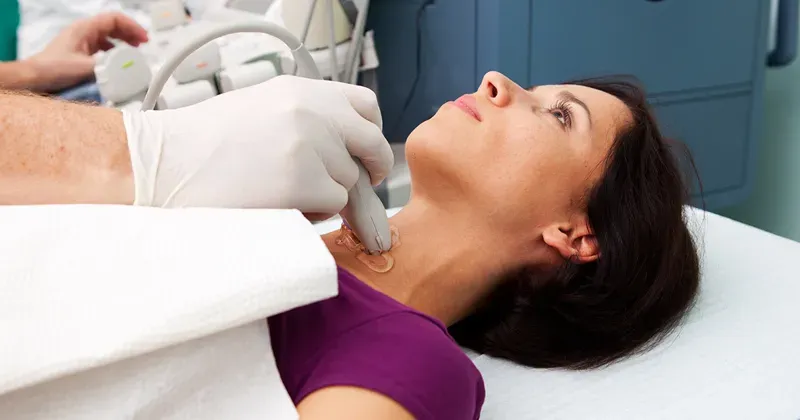
فحص الغدة الدرقية في دبي: دليل TSH وT3 وT4
المزيد في General Health
Epilepsy Treatment Dubai: Symptoms & Care (2026)
اقرأ المزيد
Food Allergy vs Food Intolerance Dubai (2026)
اقرأ المزيد
Pneumonia vs Flu Dubai: Key Differences (2026)
اقرأ المزيد
Swollen Lymph Nodes Dubai: When to Worry (2026)
اقرأ المزيدFlu vs Cold Dubai: How to Tell the Difference (2026)
اقرأ المزيد
Sleep Study Cost Dubai: Tests & Pricing (2026)
اقرأ المزيد© 2026 Doctors Clinic Diagnostic Center (DCDC), Dubai Healthcare City. Originally published at https://doctorsclinicdubai.ae/blog/hair-loss-treatment-dubai. All rights reserved. Unauthorized reproduction is prohibited.