نکات کلیدی
- آزمایشهای خون در دبی از 50 درهم برای یک مارکر (مثلاً قند خون ناشتا) تا بیش از 3,500 درهم برای پکیجهای جامع مدیریتی متغیر است — DCDC قیمتهای تنظیمشده DHA با آزمایشگاه داخلی برای نتایج سریعتر ارائه میدهد
- 12 آزمایش خون پرتقاضا عبارتند از: CBC، پنل لیپید، عملکرد کبد (LFT)، عملکرد کلیه (KFT)، پنل تیروئید (TSH/T3/T4)، HbA1c، قند خون ناشتا، ویتامین D، ویتامین B12، آهن/فریتین، پنل هورمونی و CRP — پزشک شما بر اساس علائم و عوامل خطر انتخاب میکند
- ناشتا بودن به مدت 10 تا 12 ساعت لازم است برای پنل لیپید، قند خون ناشتا و بررسی آهن — CBC، تیروئید، ویتامین D، B12 و HbA1c نیاز به ناشتا ندارند
- نتایج آزمایش خون در DCDC معمولاً ظرف 24 ساعت آماده است، نتایج CBC و بیوشیمی پایه اغلب ظرف 4 تا 6 ساعت آماده میشوند
- آزمایش خون بدون نوبت در DCDC شهر بهداشت دبی موجود است — برای اکثر آزمایشهای روتین نیازی به قرار قبلی نیست. نتایج به صورت دیجیتال ارسال میشود.
آزمایش خون آموزندهترین ابزار تشخیصی در پزشکی است — یک نمونه ساده خون میتواند خطر ابتلا به دیابت، بیماری قلبی، مشکلات کلیوی، اختلالات تیروئید، کمبودهای تغذیهای، عفونتها و دهها بیماری دیگر را آشکار کند. با این حال، بیشتر مردم در دبی فقط زمانی آزمایش خون میدهند که قبلاً بیمار شدهاند. چه نیاز به چکاپ سالانه روتین داشته باشید، چه پزشکتان آزمایشهای خاصی تجویز کرده باشد، یا بخواهید به صورت پیشگیرانه سلامت خود را پایش کنید، این راهنما تمام آزمایشهای خون موجود در دبی را پوشش میدهد: هر آزمایش چه چیزی را اندازهگیری میکند، نتایج چه معنایی دارند، هزینه چقدر است و آیا باید ناشتا باشید.
از درک تفاوت بین CBC و CMP تا رمزگشایی نتایج پنل تیروئید، دانستن اینکه کدام آزمایشها نیاز به ناشتا دارند و کدام ندارند، مقایسه هزینهها در دبی و انتخاب بین مراجعه به کلینیک و نمونهگیری در منزل — این جامعترین راهنمای آزمایش خون برای ساکنان و بازدیدکنندگان دبی است. بررسی شده توسط دکتر هادی کمشی، متخصص طب داخلی در DCDC شهر بهداشت دبی.
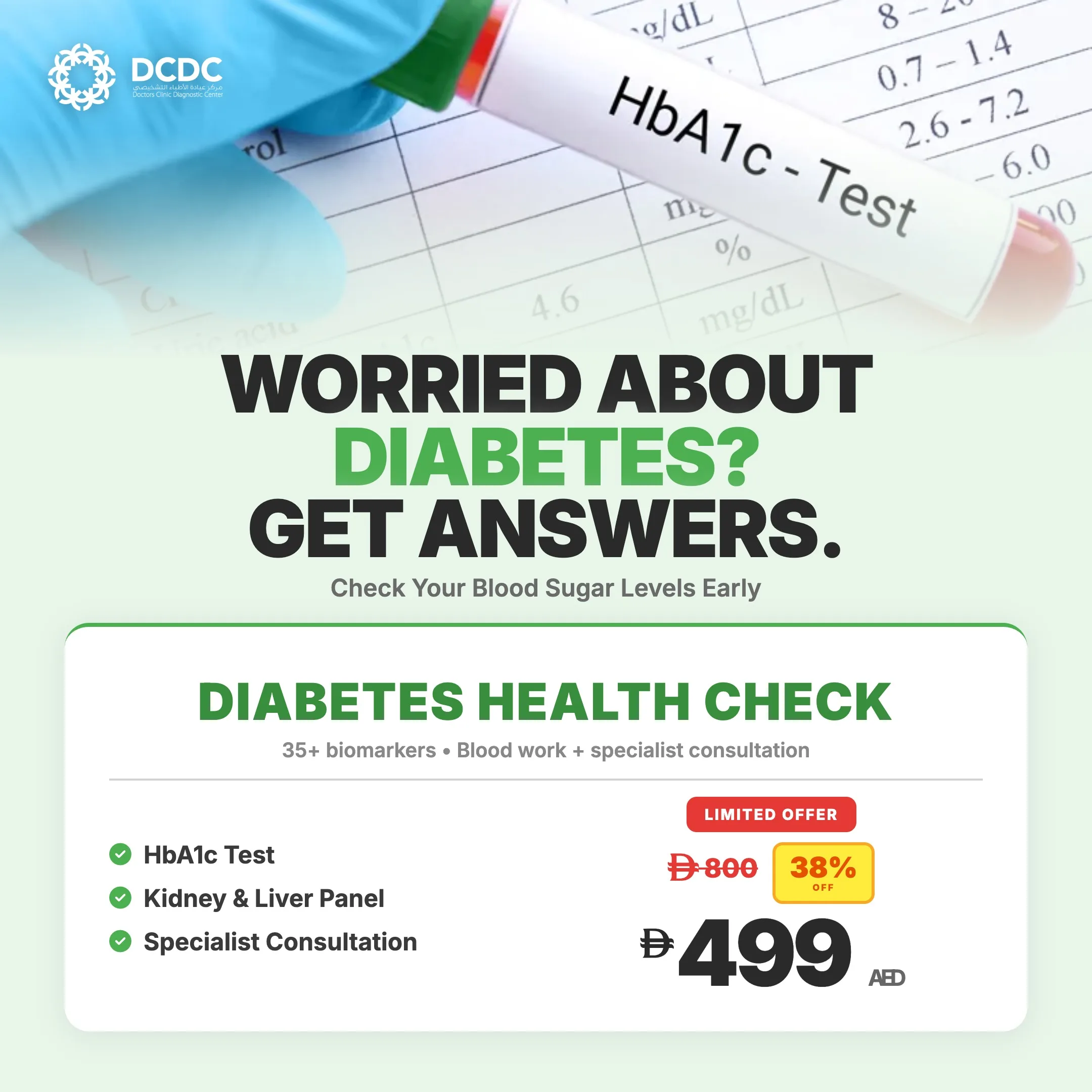
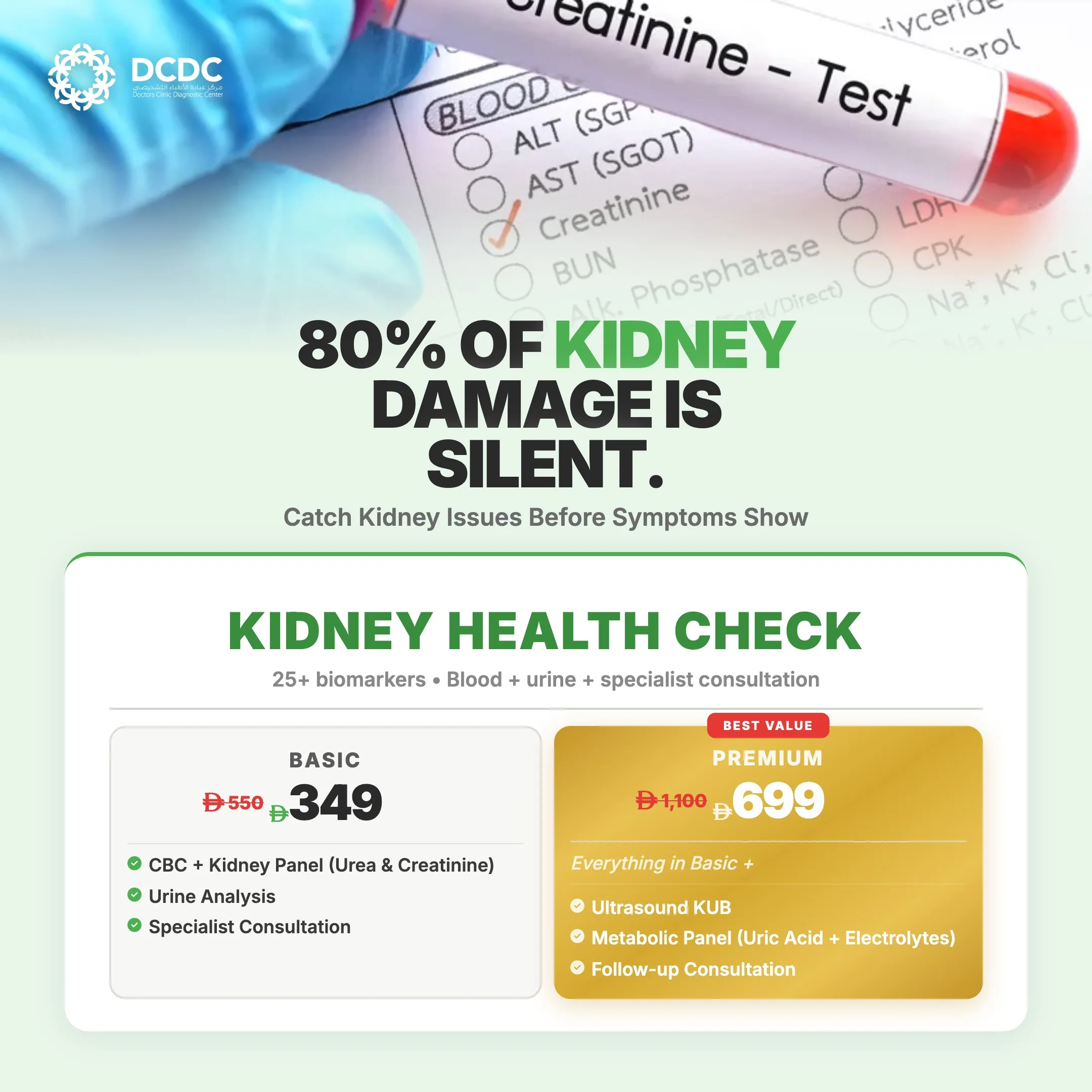
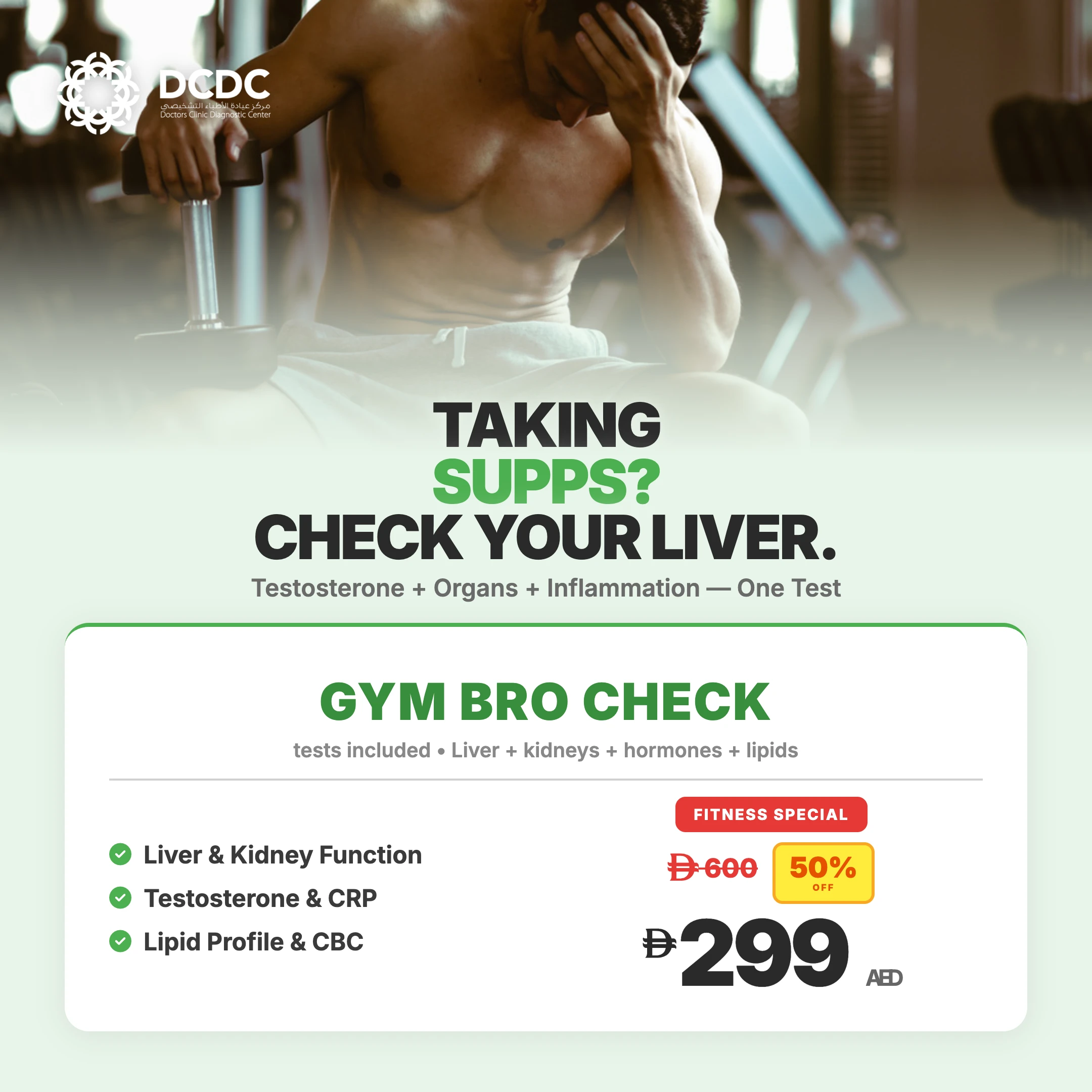
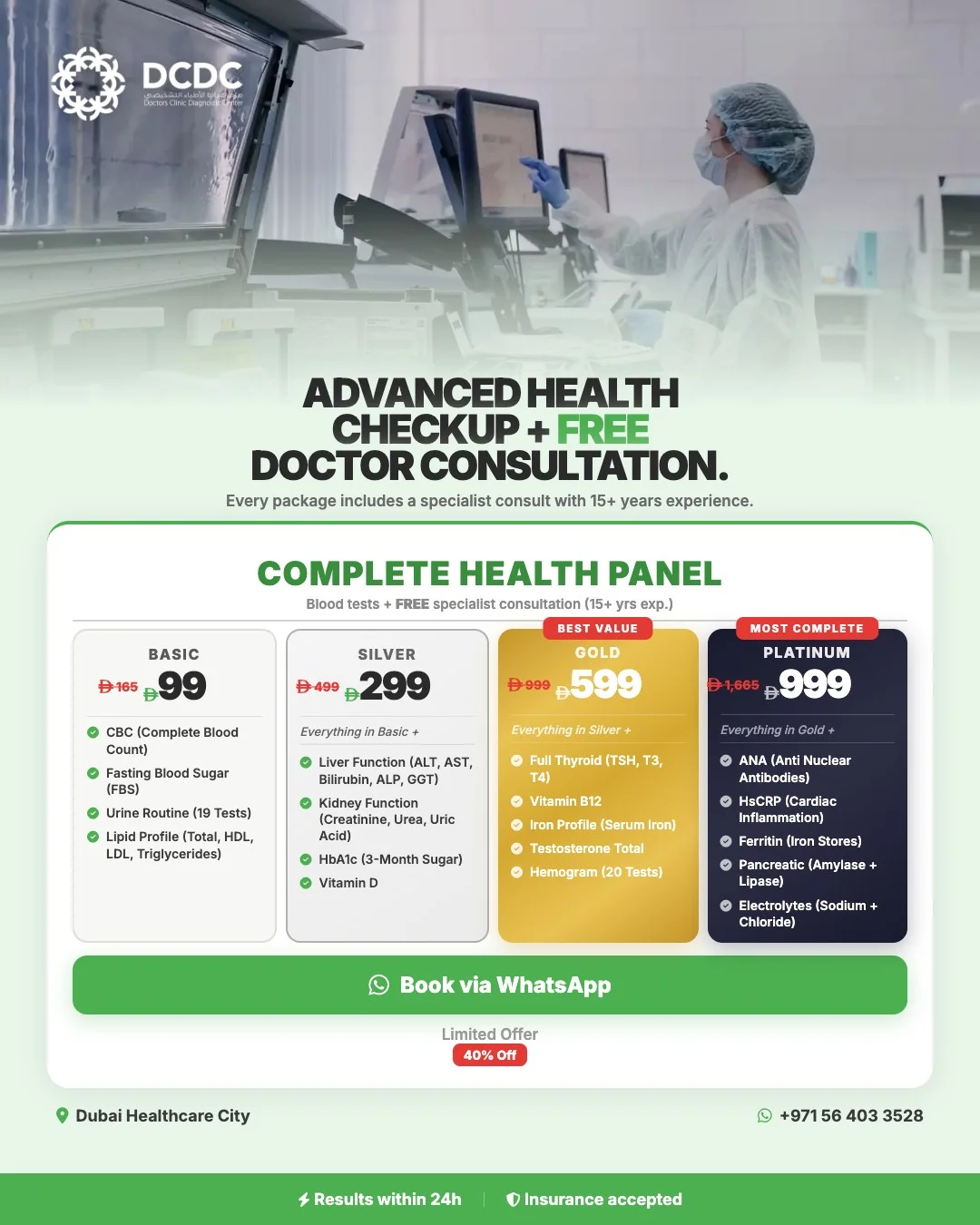
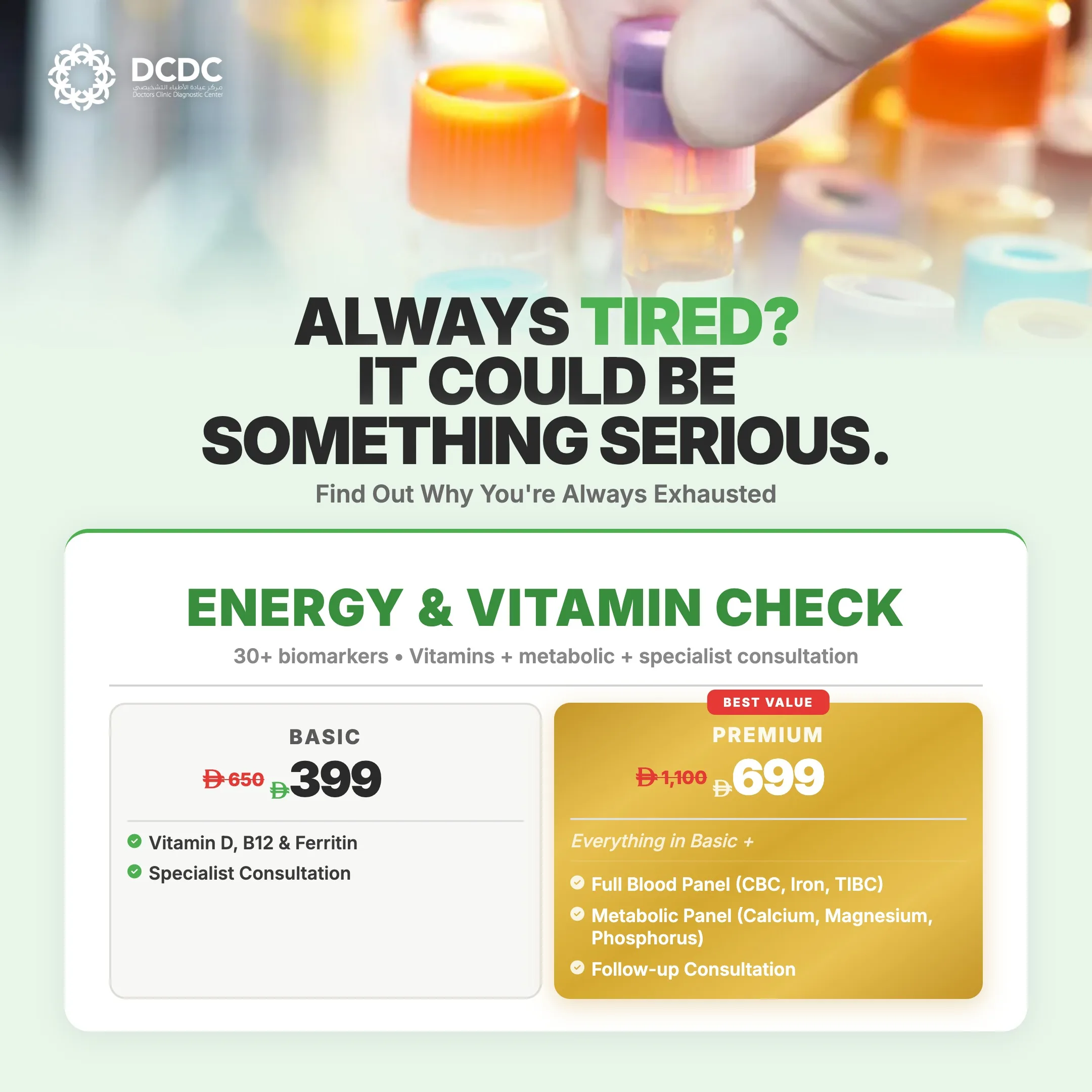
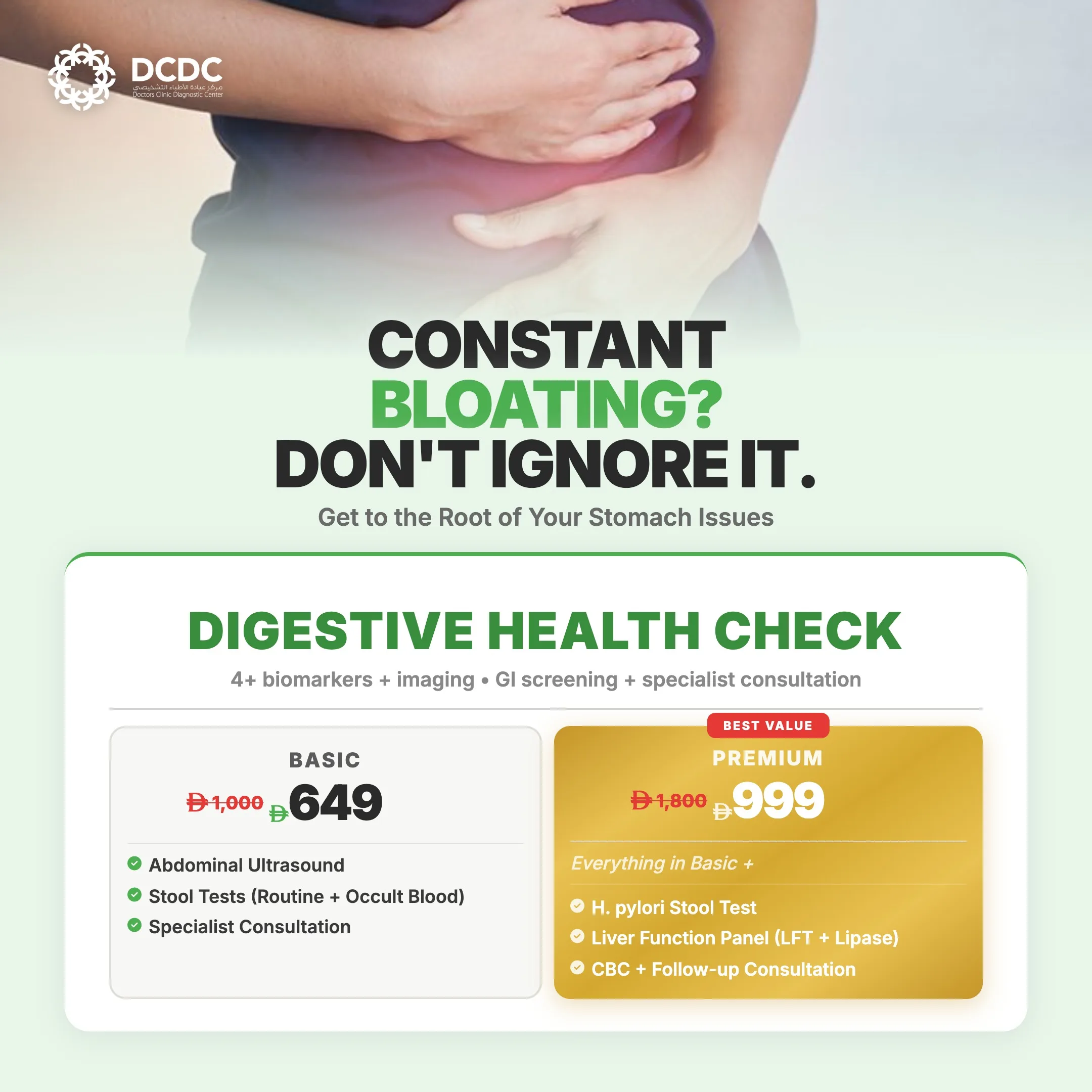
Health Screening Packages
Save with our bundled screening packages — specialist consultation included
آزمایشهای خون رایج و آنچه بررسی میکنند
صدها آزمایش خون موجود است، اما بیشتر مردم فقط به یک مجموعه اصلی نیاز دارند. در اینجا راهنمای جامعی از پرتقاضاترین آزمایشها در دبی، آنچه هر کدام اندازهگیری میکند، آیا نیاز به ناشتا دارید و هزینه معمول آن ارائه شده است:
| نام آزمایش | چه چیزی اندازهگیری میکند | ناشتا؟ | هزینه (درهم) |
|---|---|---|---|
| شمارش کامل خون (CBC) | گلبولهای قرمز/سفید، هموگلوبین، پلاکت — تشخیص کمخونی، عفونت، اختلالات خونی | خیر | 50 – 200 |
| پنل لیپید (کلسترول) | کلسترول کل، LDL، HDL، تریگلیسرید — خطر بیماری قلبی | بله (10-12 ساعت) | 100 – 350 |
| آزمایش عملکرد کبد (LFT) | ALT، AST، ALP، بیلیروبین، آلبومین — سلامت کبد | خیر (ناشتا ترجیحی) | 150 – 400 |
| آزمایش عملکرد کلیه (KFT) | کراتینین، BUN، eGFR، اسید اوریک — سلامت کلیه | خیر | 150 – 450 |
| پنل تیروئید (TSH، T3، T4) | سطح هورمونهای تیروئید — خستگی، تغییرات وزن | خیر | 150 – 400 |
| HbA1c (هموگلوبین گلیکوزیله) | میانگین قند خون 3 ماهه — غربالگری دیابت | خیر | 80 – 200 |
| قند خون ناشتا | قند خون پس از ناشتا — غربالگری دیابت | بله (8-12 ساعت) | 30 – 100 |
| ویتامین D | 25-هیدروکسی ویتامین D — سلامت استخوان، ایمنی | خیر | 100 – 250 |
| ویتامین B12 | سطح کوبالامین — خستگی، علائم عصبی | خیر | 100 – 250 |
| بررسی آهن (فریتین) | آهن سرم، فریتین، TIBC — کمخونی، ریزش مو | بله (صبح) | 150 – 400 |
| پنل هورمونی | تستوسترون، استروژن، FSH، LH — باروری، انرژی | خیر (صبح ترجیحی) | 300 – 1,200 |
| CRP / ESR | نشانگرهای التهاب — عفونت، خودایمنی | خیر | 50 – 200 |
| نشانگرهای تومور | PSA، CA-125، CEA، AFP — غربالگری سرطان | خیر | 200 – 600 هر کدام |
| پنل آلرژی (IgE) | آنتیبادیهای آلرژن خاص — آلرژیها | خیر | 500 – 3,000 |
هزینههای آزمایش خون محدودههای تقریبی برای دبی (2025-2026) هستند. قیمت واقعی بسته به مرکز و بیمه متفاوت است.
در DCDC، تمام این آزمایشها از طریق آزمایشگاه داخلی تأیید شده DHA ما موجود است. پنلهای تخصصی نیز موجود است: آزمایش تیروئید، پنل ویتامین، غربالگری دیابت، آزمایش هورمون و پنل آلرژی.
پکیجهای آزمایش خون در دبی: شامل چه چیزهایی و هزینهها
آزمایشهای تکی به سرعت جمع میشوند. پکیجهای آزمایش خون مهمترین آزمایشها را با تخفیف قابل توجه گرد هم میآورند. در اینجا سطوح استاندارد موجود در اکثر کلینیکهای دبی آمده است:
پکیج سلامت پایه (300 – 800 درهم)
شامل: CBC، پنل لیپید، قند خون ناشتا، عملکرد کبد، عملکرد کلیه، آنالیز ادرار. بهترین برای: بزرگسالان جوان زیر 30 سال بدون عوامل خطر، غربالگری سالانه، خط پایه سلامت عمومی. این پکیج نشانگرهای ضروری را پوشش میدهد که رایجترین بیماریها را شناسایی میکنند.
پکیج سلامت جامع (800 – 2,000 درهم)
شامل: همه چیز در پکیج پایه بهعلاوه پنل تیروئید (TSH، T3، T4)، HbA1c، ویتامین D، ویتامین B12، بررسی آهن، CRP، پنل متابولیک کامل. بهترین برای: بزرگسالان بالای 30، هر کسی با عوامل خطر (سابقه خانوادگی، استرس، سبک زندگی کمتحرک) و اولین غربالگری جامع. این محبوبترین پکیج در DCDC است.
پکیج سلامت مدیریتی (2,000 – 3,500 درهم)
شامل: همه چیز در پکیج جامع بهعلاوه پنل هورمونی کامل، نشانگرهای تومور (PSA برای مردان، CA-125 برای زنان)، غربالگری آلرژی، نشانگرهای قلبی (تروپونین، BNP)، نوار قلب و مشاوره تفصیلی پزشک. بهترین برای: مدیران، بزرگسالان بالای 40، سابقه خانوادگی سرطان یا بیماری قلبی، غربالگری سالانه جامع. راهنمای چکاپ سلامت مدیریتی ما را برای جزئیات کامل بخوانید.
پکیج سلامت زنان (1,000 – 2,500 درهم)
شامل: پنل جامع کامل بهعلاوه هورمونهای زنانه (استرادیول، FSH، LH، پروژسترون)، پنل تیروئید گسترده، آهن/فریتین (حیاتی برای زنان قاعدهدار)، ویتامین D (کمبود بالا در زنان امارات)، با گزینه اضافه پاپاسمیر. بهترین برای: زنان در هر سنی، بهویژه آنهایی با قاعدگی نامنظم، خستگی، ریزش مو یا نگرانیهای باروری.
پکیج سلامت مردان (1,000 – 2,500 درهم)
شامل: پنل جامع کامل بهعلاوه تستوسترون (کل و آزاد)، PSA (غربالگری پروستات)، نشانگرهای قلبی، HbA1c. بهترین برای: مردان بالای 40، کسانی با انرژی کم، افزایش وزن یا سابقه خانوادگی سرطان پروستات یا بیماری قلبی.
آزمایش خون بدون نوبت در DCDC دبی
برای اکثر آزمایشهای خون نیازی به قرار قبلی نیست. آزمایشگاه داخلی تأیید شده DHA با نتایج ظرف 24 ساعت. خدمات آزمایشگاه ما را ببینید یا به DCDC شهر بهداشت دبی مراجعه کنید.
ناشتا برای آزمایش خون: راهنمای کامل
یکی از رایجترین سؤالات درباره آزمایش خون این است: آیا باید ناشتا باشم؟ پاسخ بستگی به آزمایشهای انجامشده دارد. در اینجا یک راهنمای قطعی آمده است:
| آزمایش | ناشتا لازم؟ | مدت | آنچه باید بدانید |
|---|---|---|---|
| پنل لیپید | بله | 10-12 ساعت | آب مجاز است. تریگلیسریدها بیشترین تأثیر را از غذا میگیرند |
| قند خون ناشتا | بله | 8-12 ساعت | آب مجاز است. آزمایش صبحگاهی پس از ناشتای شبانه ایدهآل است |
| بررسی آهن | بله | شبانه | خونگیری صبحگاهی ترجیحی. سطح آهن صبح به اوج میرسد |
| CBC | خیر | — | هر زمانی قابل انجام است. غذا روی نتایج تأثیر ندارد |
| پنل تیروئید | خیر | — | آزمایش صبحگاهی ترجیحی (TSH تغییرات شبانهروزی دارد) اما الزامی نیست |
| ویتامین D | خیر | — | هر زمانی قابل انجام است. تحت تأثیر غذا قرار نمیگیرد |
| ویتامین B12 | خیر | — | هر زمانی قابل انجام است |
| HbA1c | خیر | — | میانگین 3 ماهه را اندازهگیری میکند — تحت تأثیر وعدههای اخیر قرار نمیگیرد |
| عملکرد کبد | خیر (ترجیحی) | — | ناشتا نتایج یکنواختتری میدهد اما کاملاً الزامی نیست |
| عملکرد کلیه | خیر | — | هر زمانی قابل انجام است. برای کراتینین دقیق هیدراته بمانید |
| پنل هورمونی | خیر | — | آزمایش صبحگاهی ترجیحی (8-10 صبح) برای تستوسترون، کورتیزول |
| CRP / ESR | خیر | — | هر زمانی قابل انجام است |
قوانین ناشتا: چه چیزی مجاز و چه چیزی ممنوع است
- آب: بله — آب ساده همیشه در طول ناشتا مجاز است و توصیه میشود تا هیدراته بمانید و خونگیری آسانتر شود
- قهوه سیاه یا چای: عموماً خیر — کافئین میتواند روی گلوکز و کورتیزول تأثیر بگذارد. با آزمایشگاه خود چک کنید
- داروها: معمولاً بله — مصرف داروهای معمول خود را ادامه دهید مگر اینکه پزشکتان خلاف آن را توصیه کرده باشد
- بهترین زمان: آزمایشهای خون ناشتا را برای اول صبح (7-9 صبح) بعد از ناشتای شبانه برنامهریزی کنید — این آسانترین روش ناشتا بودن است
- آدامس: خیر — حتی آدامس بدون قند میتواند آنزیمهای گوارشی را فعال کند که روی نتایج تأثیر میگذارند
اگر ناشتا نباشید چه اتفاقی میافتد؟
اگر تصادفاً قبل از آزمایش ناشتا غذا خوردید، نگران نشوید. اثرات اصلی: پنل لیپید — تریگلیسریدها میتوانند 20 تا 30 درصد بالاتر از سطح واقعی ناشتا باشند و ممکن است خوانش "بالا" کاذب ایجاد کنند. قند خون ناشتا — گلوکز بعد از غذا را نشان میدهد، نه خط پایه شما. بررسی آهن — ممکن است کمی بالاتر باشد. پزشک شما ممکن است از شما بخواهد آزمایش را به صورت ناشتا تکرار کنید، یا نتایج را با در نظر گرفتن وضعیت غیرناشتا تفسیر کند. پنلهای لیپید غیرناشتا به طور فزایندهای برای غربالگری پذیرفته میشوند.
روند آزمایش خون: آنچه انتظار دارید
قبل از آزمایش
- رزرو یا مراجعه حضوری: DCDC آزمایش خون بدون نوبت را میپذیرد. برای پکیجهای جامع، رزرو قبلی حداقل انتظار را تضمین میکند
- شناسنامه بیاورید: کارت شناسایی امارات (ساکنان) یا پاسپورت (بازدیدکنندگان/گردشگران)
- آزمایشگاه را مطلع کنید: بگویید آیا ناشتا هستید، چه داروهایی مصرف میکنید و آیا سابقه غش کردن هنگام خونگیری دارید
- آستین کوتاه بپوشید: یا لباسی با آستینهایی که به راحتی بالای آرنج بالا میروند
- هیدراته بمانید: نوشیدن آب (حتی هنگام ناشتا) رگها را آسانتر پیدا میکند و خونگیری سریعتر میشود
هنگام خونگیری
خونگیری واقعی 5 تا 10 دقیقه طول میکشد. فرآیند قدم به قدم: (1) ثبتنام و تأیید سفارش آزمایش شما، (2) روی صندلی فلبوتومی مینشینید و بازوی خود را روی دسته صندلی قرار میدهید، (3) یک تورنیکه الاستیک بالای آرنج بسته میشود، (4) فلبوتومیست ناحیه داخلی آرنج را با سواب الکلی تمیز میکند، (5) یک سوزن استریل وارد میشود — یک نیش کوتاه 1 تا 2 ثانیهای احساس خواهید کرد، (6) خون در 1 تا 4 لوله جمعآوری جریان مییابد (هر کدام با رنگهای متفاوت برای آزمایشهای مختلف) — این 10 تا 30 ثانیه طول میکشد، (7) سوزن خارج شده و گلوله پنبه یا بانداژ اعمال میشود. همین.
بعد از خونگیری
- بانداژ را 15 تا 30 دقیقه نگه دارید تا از کبودی جلوگیری شود
- آب بنوشید — بهویژه اگر ناشتا بودید، برای آبرسانی مجدد و بازیابی سریعتر
- از بلند کردن اجسام سنگین اجتناب کنید با بازویی که برای خونگیری استفاده شد به مدت 2 تا 3 ساعت
- کبودی خفیف در محل سوراخ طبیعی است و طی چند روز محو میشود
- به طور عادی غذا بخورید — اگر ناشتا بودید، بعد از خونگیری یک وعده سبک یا میانوعده بخورید
نکاتی برای بیمارانی که از سوزن میترسند
- نگاه نکنید: بیشتر اضطراب از تماشا کردن ناشی میشود، نه از حس واقعی
- تنفس عمیق: نفسهای آهسته و عمیق فشار خون را کاهش داده و حس سوزش را کم میکنند
- قبلاً خوب هیدراته شوید: بیمارانی که خوب هیدراته هستند رگهای برجستهتری دارند که خونگیری را سریعتر و آسانتر میکند
- به فلبوتومیست بگویید: فلبوتومیستهای باتجربه میتوانند از سوزنهای کوچکتر و تکنیکهای حواسپرتی برای بیماران مضطرب استفاده کنند
درک نتایج آزمایش خون شما
نحوه خواندن محدودههای مرجع
هر نتیجه آزمایش خون با یک محدوده مرجع همراه است — محدودهای از مقادیر که برای آن آزمایش "طبیعی" تلقی میشوند. مقادیر خارج از محدوده به عنوان H (بالا) یا L (پایین) نشانهگذاری میشوند. با این حال، یک نشانه غیرطبیعی همیشه به معنای بیماری نیست. محدودههای مرجع بر اساس میانگینهای جمعیتی هستند و بر حسب سن، جنسیت و آزمایشگاه متفاوتاند. انحرافات خفیف رایج و اغلب از نظر بالینی بیاهمیت هستند.
محدودههای مرجع کلیدی آزمایش خون
| آزمایش | محدوده طبیعی | واحد | بالا بودن ممکن است نشاندهنده | پایین بودن ممکن است نشاندهنده |
|---|---|---|---|---|
| هموگلوبین | 12.0 – 17.5 | g/dL | کمآبی، پلیسیتمی | کمخونی، کمبود آهن |
| WBC | 4.0 – 11.0 | ×10⁹/L | عفونت، التهاب | سرکوب ایمنی |
| پلاکت | 150 – 400 | ×10⁹/L | التهاب، کمبود آهن | مشکلات مغز استخوان |
| کلسترول کل | < 5.2 | mmol/L | خطر بیماری قلبی | مشکلات کبدی (نادر) |
| LDL ("بد") | < 3.4 | mmol/L | خطر قلبیعروقی | — |
| HDL ("خوب") | > 1.0 | mmol/L | — | خطر بیماری قلبی |
| تریگلیسرید | < 1.7 | mmol/L | سندرم متابولیک | — |
| ALT (کبد) | 7 – 56 | U/L | آسیب کبدی، هپاتیت | — |
| کراتینین | 44 – 97 | μmol/L | اختلال کلیوی | توده عضلانی کم |
| eGFR | > 90 | mL/min | — | مراحل بیماری کلیوی |
| TSH | 0.4 – 4.0 | mIU/L | کمکاری تیروئید | پرکاری تیروئید |
| HbA1c | < 5.7% | % | > 6.5% = دیابت | — |
| ویتامین D | > 50 | nmol/L | مصرف بیش از حد مکمل | < 30 = کمبود |
| فریتین | 20 – 250 | μg/L | التهاب، اضافهبار آهن | کمبود آهن |
محدودههای مرجع راهنماهای کلی هستند. آزمایشگاه شما ممکن است محدودههای کمی متفاوت استفاده کند. همیشه نتایج را با پزشک خود بررسی کنید.
چه زمانی باید نگران نتایج غیرطبیعی شوید
- غیرطبیعیهای خفیف تکی رایج هستند و معمولاً قبل از هر تشخیصی نیاز به تکرار دارند — برای یک مقدار کمی بالا یا پایین وحشت نکنید
- زمینه مهم است: پزشک شما نتایج را همراه با علائم، سابقه، داروها و سایر مقادیر آزمایش تفسیر میکند
- روندها در طول زمان مهمتر از نتایج تکی هستند — به همین دلیل آزمایش خون سالانه یک خط پایه ارزشمند ایجاد میکند
- مقادیر بحرانی غیرطبیعی (بسیار خارج از محدوده مرجع) فوری اطلاع داده میشوند — آزمایشگاهها فوراً پزشک تجویزکننده را مطلع میکنند
- همیشه نتایج را با یک پزشک واجد صلاحیت بررسی کنید. تفسیر خودسرانه نتایج آزمایشگاهی میتواند منجر به اضطراب غیرضروری یا از دست رفتن نشانههای هشدار شود
برای درک نتایج خود کمک نیاز دارید؟
برای بررسی و توضیح نتایج آزمایش خون خود با متخصص طب داخلی ما مشاوره رزرو کنید. رزرو مشاوره در DCDC شهر بهداشت دبی.
نمونهگیری خون در منزل در مقابل مراجعه به کلینیک
خدمات نمونهگیری خون در منزل در دبی به سرعت رشد کردهاند، با شرکتهایی که بازدید فلبوتومیست از 100 تا 200 درهم علاوه بر هزینه آزمایش ارائه میدهند. در حالی که راحت است، ملاحظات مهمی وجود دارد:
- راحتی: نمونهگیری در منزل برای بیماران مسن، افرادی با مشکلات حرکتی یا حرفهایهای پرمشغله که نمیتوانند در ساعات کاری به کلینیک مراجعه کنند ایدهآل است
- یکپارچگی نمونه: برخی آزمایشها (بهویژه پنلهای هورمونی، کورتیزول و برخی آزمایشهای انعقادی) نیاز به پردازش فوری دارند. تأخیر در حمل میتواند روی نتایج تأثیر بگذارد
- زمان بازگشت نتایج: نمونهگیری در منزل زمان حمل اضافه میکند. آزمایشگاههای کلینیکی نمونهها را فوراً پردازش میکنند — در DCDC، نتایج CBC و بیوشیمی پایه ظرف 4 تا 6 ساعت آماده میشوند
- هزینه: بازدید منزل معمولاً 100 تا 200 درهم به قیمت آزمایش اضافه میکند. مراجعه حضوری به کلینیک این هزینه اضافی را حذف میکند
- پیگیری: اگر نتایج نیاز به بررسی بیشتر داشته باشند (آزمایشهای اضافی، تصویربرداری، ارجاع به متخصص)، به هر حال نیاز به مراجعه به کلینیک خواهید داشت
برای اکثر بیماران، مراجعه حضوری بدون نوبت به آزمایشگاه داخلی DCDC بهترین ترکیب سرعت، دقت و ارزش را ارائه میدهد. نیازی به قرار قبلی نیست، پردازش فوری، و اگر مشاوره پزشک لازم باشد، همان روز در همان ساختمان امکانپذیر است.
آزمایش خون در DCDC شهر بهداشت دبی
- آزمایشگاه داخلی تأیید شده DHA: تمام آزمایشها در محل پردازش میشوند — بدون تأخیر برونسپاری
- خدمات بدون نوبت: برای اکثر آزمایشهای خون روتین نیازی به قرار قبلی نیست. در ساعات کاری کلینیک باز است
- بازگشت سریع نتایج: CBC و بیوشیمی پایه ظرف 4 تا 6 ساعت. پنلهای جامع ظرف 24 ساعت. آزمایشهای تخصصی (هورمونها، نشانگرهای تومور) 24 تا 48 ساعت
- منوی آزمایش کامل: هماتولوژی، بیوشیمی، ایمونولوژی، هورمونها، نشانگرهای تومور، پنلهای آلرژی، آزمایش بیماریهای عفونی
- ارسال دیجیتال نتایج: نتایج از طریق ایمیل یا پورتال بیمار ارسال میشوند — بهراحتی قابل اشتراکگذاری با هر پزشکی در جهان
- بیمه پذیرفته میشود: ما با شبکههای بیمه اصلی دبی کار میکنیم. پرداخت نقدی با قیمتهای تنظیمشده DHA موجود است
- مشاوره پزشک موجود: اگر نتایج شما نیاز به تفسیر یا پیگیری داشته باشند، متخصصان طب داخلی ما برای مشاوره همان روز در دسترس هستند
- قیمتگذاری رقابتی: نرخهای تنظیمشده DHA. بدون هزینههای پنهان. تخفیفهای پکیجی موجود است
امروز برای آزمایش خون مراجعه کنید
DCDC شهر بهداشت دبی — آزمایشگاه تأیید شده DHA، بدون نوبت، نتایج ظرف 24 ساعت. واقع در شهر بهداشت دبی با ایستگاه مترو اختصاصی.
خدمات مرتبط در DCDC
مراقبت تخصصی و تشخیص پیشرفته در شهر بهداشت دبی
سؤالات متداول
آزمایشهای خون شما، نقشه راه سلامت شما
آزمایش خون مقرونبهصرفهترین سرمایهگذاری سلامتی است که میتوانید انجام دهید. یک خونگیری ساده به قیمت چند صد درهم میتواند بیماریها را سالها قبل از ظاهر شدن علائم تشخیص دهد — از دیابت و اختلالات تیروئید تا کمبود ویتامین و بیماری کلیه. در دبی، با امکانات آزمایشگاهی در سطح جهانی و قیمتهای رقابتی، هیچ دلیلی برای نادیده گرفتن آزمایش خون سالانه وجود ندارد.
در DCDC شهر بهداشت دبی، آزمایشگاه داخلی تأیید شده DHA ما ماهانه هزاران آزمایش را با بازگشت سریع نتایج، ارسال دیجیتال و امکان مشاوره فوری پزشک در صورت نیاز به بررسی نتایج پردازش میکند. امروز مراجعه کنید، یا از طریق واتساپ با ما تماس بگیرید تا درباره آزمایشهای خون مناسب سن، سبک زندگی و اهداف سلامتی شما مشورت کنید.
منابع و مراجع
این مقاله توسط تیم پزشکی ما بررسی شده و به منابع زیر ارجاع میدهد:
- سازمان بهداشت دبی — استانداردها و مقررات آزمایشگاهی
- انجمن آمریکایی شیمی بالینی — آزمایشهای آزمایشگاهی آنلاین
- سازمان بهداشت جهانی — استفاده از هموگلوبین گلیکوزیله در تشخیص دیابت
- مایو کلینیک — آزمایشهای خون: درک انواع رایج
- NHS — مروری بر آزمایشهای خون
محتوای پزشکی این سایت توسط پزشکان دارای مجوز DHA بررسی میشود. مشاهده سیاست تحریریه برای اطلاعات بیشتر.
نوشته شده توسط
Dr. Hadi Komshi
طب داخلی
متخصص طب داخلی، DCDC شهر بهداشت دبی
دکتر هادی کمشی متخصص طب داخلی در DCDC شهر بهداشت دبی است. او مراقبتهای تشخیصی و پیشگیرانه جامعی ارائه میدهد و در چکاپهای سلامت، تفسیر آزمایش خون و مدیریت بیماریهای مزمن برای ساکنان و بیماران بینالمللی تخصص دارد.
مقالات مرتبط
چکاپ سلامت مدیریتی: مزایا و آنچه انتظار دارید

کمبود ویتامین D در دبی: علائم، آزمایش و درمان
مدیریت دیابت در دبی: راهنمای کامل
سونوگرافی تیروئید: راهنمای کامل
بیشتر در General Health

AC Sickness Dubai: Summer Cold Symptoms (2026)
بیشتر بخوانید
Allergy Specialist Dubai: Tests & Guide (2026)
بیشتر بخوانیدAllergy Testing Dubai: IgE Blood Panels & Cost (2026)
بیشتر بخوانیدCancer Screening Dubai: Tests & Cost by Age (2026)
بیشتر بخوانید
Cortisol Test Dubai: Levels & Cost Guide (2026)
بیشتر بخوانید
DNA & Genetic Testing Dubai: Types & Cost (2026)
بیشتر بخوانید© 2026 Doctors Clinic Diagnostic Center (DCDC), Dubai Healthcare City. Originally published at https://doctorsclinicdubai.ae/blog/blood-test-dubai-guide. All rights reserved. Unauthorized reproduction is prohibited.