Key Takeaways
- Allergy testing in Dubai includes blood-based IgE panels (from AED 200–600), which identify specific allergen sensitivities without the discomfort or risk of skin prick testing
- DCDC offers comprehensive allergy panels covering food allergens, environmental allergens (dust mites, pollen, pet dander, mould), and drug allergies through its on-site MOHAP-licensed laboratory
- Common allergies in Dubai include dust mite allergy (extremely prevalent due to indoor AC environments), pollen allergies (seasonal from certain trees and grasses), and food allergies (dairy, nuts, shellfish, eggs)
- Allergy symptoms range from mild (sneezing, itchy eyes, hives) to severe (anaphylaxis) — accurate testing identifies triggers so you can avoid them and carry appropriate emergency medication
- An ENT specialist or allergist consultation at DCDC coordinates testing, interprets results, and develops a management plan including avoidance strategies and medication
- Children with suspected food allergies should be tested early — DCDC's paediatric team provides age-appropriate allergy assessment and family guidance
Allergies affect an estimated 30–40% of the global population, and Dubai's unique environmental factors — year-round air conditioning, construction dust, indoor allergen accumulation, and a diverse food landscape — make allergic conditions particularly prevalent among residents. Whether you are dealing with chronic sneezing and nasal congestion, unexplained skin rashes, suspected food allergies, or more serious reactions, finding the right allergy specialist in Dubai is the first step toward accurate diagnosis and effective management. At DCDC's allergy testing service in Dubai Healthcare City, our team provides comprehensive allergy panels, specialist consultations, and personalised treatment plans.
This guide covers everything you need to know about allergy specialists and allergy testing in Dubai in 2026: the types of allergy tests available, what they cost, common allergies in Dubai, when to see a specialist, and what treatment options exist. Reviewed by Dr. Hadeel Elnur, General Practitioner at DCDC Dubai Healthcare City.
Health Screening Packages
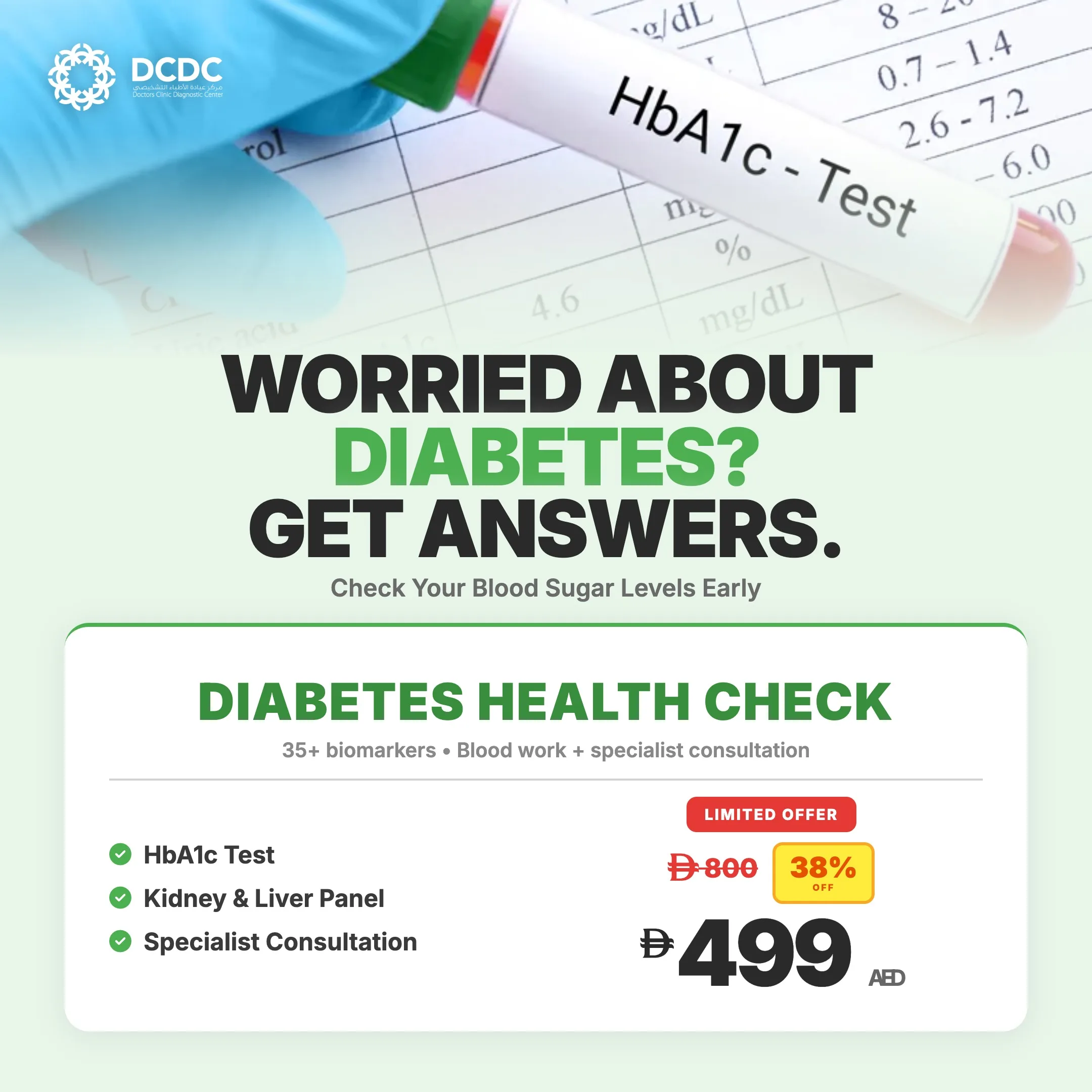
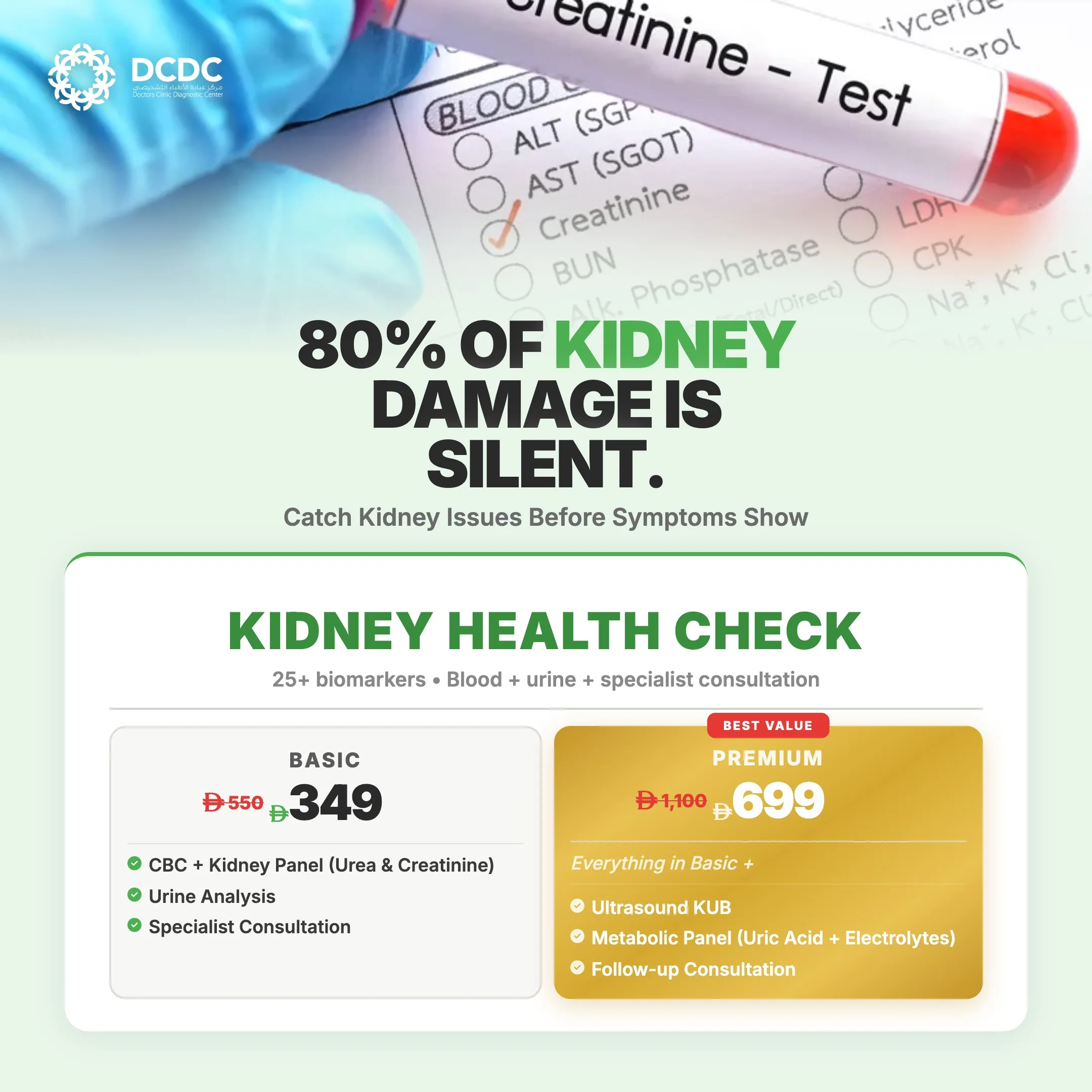
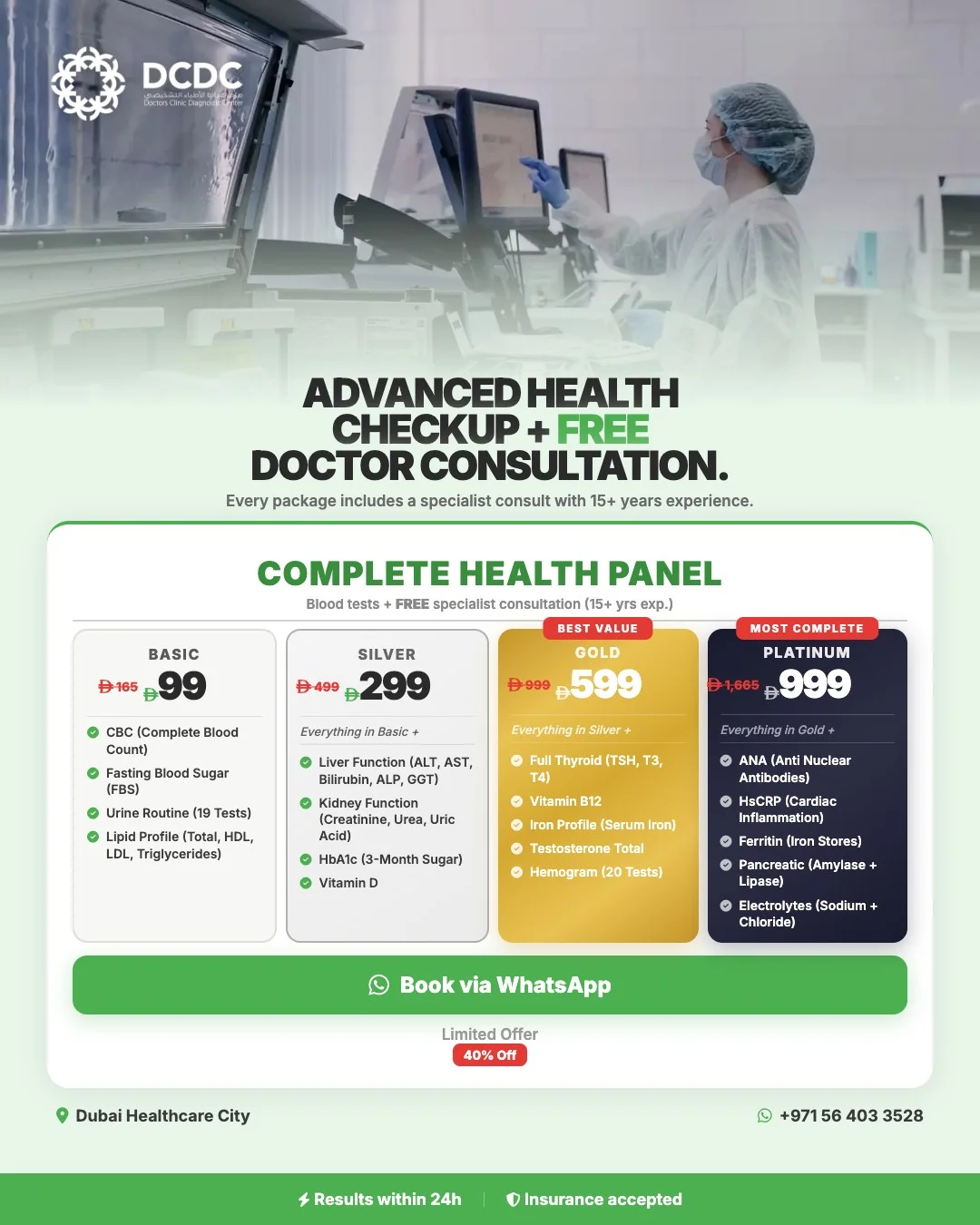
Save with our bundled screening packages — specialist consultation included



When Should You See an Allergy Specialist in Dubai?
Many people dismiss allergy symptoms as minor annoyances, but untreated allergies can significantly impair quality of life, disrupt sleep, reduce work productivity, and in some cases pose serious health risks. You should consider seeing an allergy specialist or allergist in Dubai if you experience any of the following.
- Chronic nasal congestion or rhinitis: Persistent stuffy nose, sneezing, or clear runny nose lasting more than 4 weeks that does not respond to over-the-counter antihistamines.
- Recurrent sinus infections: Three or more sinus infections per year may indicate underlying allergic rhinitis driving chronic sinus inflammation.
- Unexplained skin reactions: Chronic urticaria (hives), eczema flare-ups, or contact dermatitis without an obvious trigger.
- Suspected food allergy: Reactions after eating specific foods — hives, swelling, stomach pain, vomiting, or more serious symptoms like throat tightening or difficulty breathing.
- Asthma that is difficult to control: Allergies are the most common trigger for asthma. Identifying and managing allergens can dramatically improve asthma control.
- History of anaphylaxis: Any previous severe allergic reaction requires specialist assessment, allergy testing, and an emergency action plan with prescribed epinephrine.
- Eye symptoms: Chronic itchy, watery, or red eyes (allergic conjunctivitis) — particularly common in Dubai due to dust and pollen.
- Reactions to medications: Suspected drug allergies need to be confirmed or ruled out through proper testing, as mislabelling can limit future treatment options.
According to Dr. Hadeel Elnur, General Practitioner at DCDC Dubai Healthcare City, "Many Dubai residents live with allergy symptoms for years without getting properly tested. A simple blood-based allergy panel can identify your specific triggers in a matter of days, allowing us to create a targeted management plan that can dramatically improve your daily quality of life."
Types of Allergy Tests Available in Dubai
Several allergy testing methods are available in Dubai. The choice depends on the suspected allergens, the patient's age, skin condition, and current medications.
Blood-Based IgE Allergy Testing (Specific IgE / RAST)
Blood-based allergy testing measures the level of allergen-specific IgE antibodies in your blood. When your immune system is sensitised to a particular allergen (dust mites, pollen, a specific food), it produces IgE antibodies against that allergen. Elevated specific IgE levels confirm sensitisation. This is the primary allergy testing method used at DCDC's on-site laboratory. Advantages include no risk of allergic reaction during testing, results are not affected by antihistamines or skin conditions, suitable for all ages including infants, and can test for dozens of allergens from a single blood sample. For detailed information on IgE-based testing, read our guide on IgE allergy testing in Dubai.
Total IgE Level
A total IgE blood test measures the overall level of IgE antibodies in your blood. Elevated total IgE suggests an allergic tendency but does not identify specific allergens. It is useful as a screening tool — if total IgE is normal, significant allergic disease is less likely. If elevated, specific IgE testing follows to identify the particular allergens involved.
Comprehensive Allergy Panels
DCDC offers comprehensive allergy panels that test for multiple allergens simultaneously. These panels are grouped by category.
| Allergy Panel | Allergens Tested | Estimated Cost (AED) | Best For |
|---|---|---|---|
| Environmental Panel (Inhalant) | Dust mites, pet dander, mould, tree/grass pollen, cockroach | 200–500 | Chronic rhinitis, sneezing, asthma triggers |
| Food Allergy Panel | Milk, egg, wheat, soy, peanut, tree nuts, fish, shellfish | 300–600 | Suspected food allergies, eczema in children |
| Comprehensive Panel (Food + Environmental) | 30–50+ allergens across all categories | 500–1,200 | Unknown triggers, multiple symptoms |
| Drug Allergy Testing | Specific medications (penicillin, NSAIDs, etc.) | 200–500 | Suspected drug allergy history |
| Total IgE (screening) | Overall IgE level only | 80–150 | Initial screening for allergic tendency |
Allergy panel pricing at DCDC Dubai Healthcare City (2026). Insured patients with a physician referral pay co-pay only.
Common Allergies in Dubai: What to Watch For
Dubai's environment creates a unique allergy profile that differs from many other regions. Understanding the most prevalent allergens helps you recognise symptoms and seek appropriate testing.
- Dust mites: The most common allergen in Dubai. Year-round air conditioning creates the perfect warm, humid microenvironment for dust mites to thrive in bedding, carpets, and upholstered furniture. Studies show that dust mite sensitisation rates in the UAE exceed 40% among allergic patients.
- Mould spores: Indoor mould thrives in Dubai's air-conditioned spaces, particularly in poorly maintained AC systems, bathrooms, and areas with condensation. Outdoor mould peaks during the brief rainy season (December–February).
- Pet dander: Cat and dog allergens are common triggers. In Dubai's apartment living environment, pet allergens concentrate indoors.
- Pollen: While Dubai is not traditionally considered a high-pollen area, date palm pollen season (February–April) affects many residents, and landscaping grasses contribute to grass pollen exposure.
- Construction dust and pollution: Dubai's ongoing construction generates fine particulate matter that irritates airways and can exacerbate allergic rhinitis and asthma. Our guide on allergy testing in Dubai covers the full range of testable allergens.
- Food allergies: Common food allergens in Dubai's multicultural dining scene include shellfish, tree nuts, peanuts, dairy, eggs, wheat, and sesame. For parents, our guide on child food allergy signs covers what to watch for in children.
Get Your Allergies Tested at DCDC
Comprehensive allergy panels from AED 200 at DCDC Dubai Healthcare City. Blood-based IgE testing with same-day sample collection and results within 3–5 days.
Walk-in or book by phone/WhatsApp. Direct billing with 20+ insurers.
Allergy Treatment Options in Dubai
Once your allergy triggers are identified, treatment follows a stepwise approach combining avoidance strategies, medication, and in some cases, immunotherapy.
Allergen Avoidance
The most effective allergy treatment is avoiding the trigger. For dust mite allergy, this means using allergen-proof mattress and pillow covers, washing bedding at 60 degrees Celsius weekly, removing carpets where possible, and maintaining indoor humidity below 50%. For food allergies, strict avoidance of the identified food and carrying emergency medication (epinephrine auto-injector for severe allergies) is essential.
Medications
Second-generation antihistamines (cetirizine, loratadine, fexofenadine) are the first-line treatment for allergic rhinitis and urticaria — they are non-drowsy and safe for daily use. Intranasal corticosteroid sprays (fluticasone, mometasone) are the most effective treatment for allergic rhinitis, reducing nasal inflammation, congestion, and sneezing. Leukotriene receptor antagonists (montelukast) can benefit patients with both allergic rhinitis and asthma. Epinephrine auto-injectors (EpiPen) are prescribed for patients with a history of anaphylaxis or severe food allergies.
Immunotherapy (Allergy Desensitisation)
Allergen immunotherapy — also known as allergy shots or sublingual immunotherapy (SLIT) — is the only treatment that modifies the underlying allergic disease rather than just managing symptoms. It involves gradual exposure to increasing doses of your specific allergens over 3–5 years, training your immune system to tolerate them. Immunotherapy is most effective for environmental allergies (dust mites, pollen, pet dander) and can provide long-lasting relief even after treatment is discontinued.
What to Expect at DCDC for Allergy Assessment
DCDC Dubai Healthcare City provides a streamlined allergy assessment pathway from consultation to diagnosis to treatment. Here is what the process looks like.
- Step 1 — Consultation: Your doctor takes a detailed history of your symptoms, their timing, triggers, severity, and impact on daily life. An examination of your nose, throat, skin, and lungs helps narrow the likely allergen category.
- Step 2 — Allergy panel selection: Based on your history, the doctor selects the most appropriate allergy panel — environmental, food, comprehensive, or specific allergens.
- Step 3 — Blood draw: A single blood sample is collected at DCDC's on-site laboratory. No fasting required. The sample tests for all selected allergen-specific IgE levels simultaneously.
- Step 4 — Results (3–5 days): Results identify which allergens you are sensitised to and the level of sensitisation (low, moderate, high). Your doctor explains the results and their clinical relevance.
- Step 5 — Treatment plan: A personalised management plan is created including avoidance strategies, medication prescriptions, and referral to an ENT specialist or allergist for immunotherapy if appropriate.
With a 98% patient satisfaction rate, an average wait time of 15 minutes, and direct billing with 20+ insurers, DCDC makes allergy assessment accessible and efficient.
Allergy Testing for Children in Dubai
Children are particularly susceptible to allergies, with food allergies and eczema being most common in infants and toddlers, and environmental allergies (rhinitis, asthma) becoming more prevalent in school-age children. Blood-based IgE testing is the preferred method for children because it requires only a single blood draw (no multiple skin pricks), has no risk of triggering an allergic reaction during testing, is not affected by eczema (which can complicate skin prick testing), and results are objective and quantifiable.
DCDC's paediatric team, led by Dr. Yusra Alshaikh, provides age-appropriate allergy assessment for children of all ages. Early identification of food allergies is particularly important — it guides dietary management, prevents accidental exposures, and allows for safe introduction of allergenic foods under medical supervision when appropriate.
Frequently Asked Questions About Allergy Specialists in Dubai
Below are answers to the most commonly asked questions about finding an allergy specialist and getting allergy testing in Dubai.
Related Services at DCDC
Expert care and advanced diagnostics at Dubai Healthcare City
Frequently Asked Questions
Final Thoughts
Allergies are among the most common chronic conditions, yet they are frequently underdiagnosed and undertreated. Living in Dubai with unidentified allergy triggers means daily symptoms that could be eliminated or significantly reduced with proper testing and management. A single blood-based allergy panel can identify your specific triggers — whether they are dust mites in your bedroom, mould in your AC system, or a food you eat regularly — and transform your quality of life.
At DCDC Dubai Healthcare City, our GP, ENT, and paediatric teams provide comprehensive allergy assessment with on-site blood testing, specialist consultations, and personalised treatment plans. With a 4.8/5 Google rating, same-day appointments, and direct billing with 20+ insurers, getting your allergies properly diagnosed is easier than you think. Contact us by phone or WhatsApp to book your allergy consultation.
Sources & References
This article was reviewed by our medical team and references the following sources:
- American Academy of Allergy, Asthma & Immunology — Allergy Testing Overview
- NHS — Allergies: Diagnosis and Testing
- Mayo Clinic — Allergy Testing: Types and What to Expect
- Cleveland Clinic — Allergies: Types, Causes, Diagnosis & Treatment
- World Allergy Organization — White Book on Allergy
Medical content on this site is reviewed by DHA-licensed physicians. See our editorial policy for more information.

Written by
Dr. Hadeel Elnur
General Practitioner
MD, General Practice
Dr. Hadeel Elnur is a General Practitioner at Doctors Clinic Diagnostic Center (DCDC) in Dubai Healthcare City.
Related Articles

Allergy Testing Dubai: Complete Guide (2026)
IgE Allergy Test Dubai: Cost & Guide (2026)

Child Food Allergy Signs: What Parents Should Know
Childhood Asthma Treatment Dubai (2026)
More in General Health
Epilepsy Treatment Dubai: Symptoms & Care (2026)
Read More
Food Allergy vs Food Intolerance Dubai (2026)
Read More
Pneumonia vs Flu Dubai: Key Differences (2026)
Read More
Swollen Lymph Nodes Dubai: When to Worry (2026)
Read MoreFlu vs Cold Dubai: How to Tell the Difference (2026)
Read More
Sleep Study Cost Dubai: Tests & Pricing (2026)
Read More© 2026 Doctors Clinic Diagnostic Center (DCDC), Dubai Healthcare City. Originally published at https://doctorsclinicdubai.ae/blog/allergy-specialist-dubai-guide. All rights reserved. Unauthorized reproduction is prohibited.