
Key Takeaways
- DCDC provides DHA-licensed home wound care nurses who bring hospital-grade sterile single-use supplies, advanced dressings (foam, alginate, hydrocolloid, silver-impregnated antimicrobial), and wound irrigation solutions directly to your home in Dubai
- Home wound care visits at DCDC typically start from AED 250--500 per visit depending on wound complexity, with most major insurance plans covering medically necessary wound care when supported by a physician prescription
- Every wound care visit includes a structured wound assessment with measurements and photographs, sterile dressing change, pain evaluation, and digital documentation synced with your DCDC medical record for full continuity of care
- Wounds treated at home include post-surgical incisions, diabetic foot ulcers, pressure injuries, drain sites, chronic wounds, and suture or staple removal -- eliminating painful clinic travel during recovery
- DCDC coordinates directly with your surgeon or treating physician at our DHCC facility, ensuring that dressing protocols match surgical orders and any signs of complications are escalated immediately
- With a 4.8/5 Google rating and 98% patient satisfaction, DCDC's home wound care programme operates under MOHAP License No. NIMY7VY5-240925 with the same sterile protocols used in our Dubai Healthcare City clinic
Recovering from surgery, managing a chronic wound, or caring for a diabetic ulcer should not require painful trips to a hospital every few days. Professional wound care at home in Dubai brings hospital-grade sterile technique, advanced dressings, and clinical expertise directly to your living room -- reducing infection risk, accelerating healing, and allowing patients to recover in comfort. At DCDC (Doctors Clinic Diagnostic Center) in Dubai Healthcare City, our DHA-licensed wound care nurses follow the same evidence-based protocols used in our DHCC facility, ensuring every home visit meets clinical-grade standards.
Whether you have been discharged after a surgical procedure, are managing a diabetic foot ulcer, or need regular dressing changes for a chronic wound, this guide covers everything you need to know about home wound care in Dubai for 2026 -- from what types of wounds can be treated at home, to costs, insurance coverage, wound healing stages, and exactly what happens during a DCDC home wound care visit.
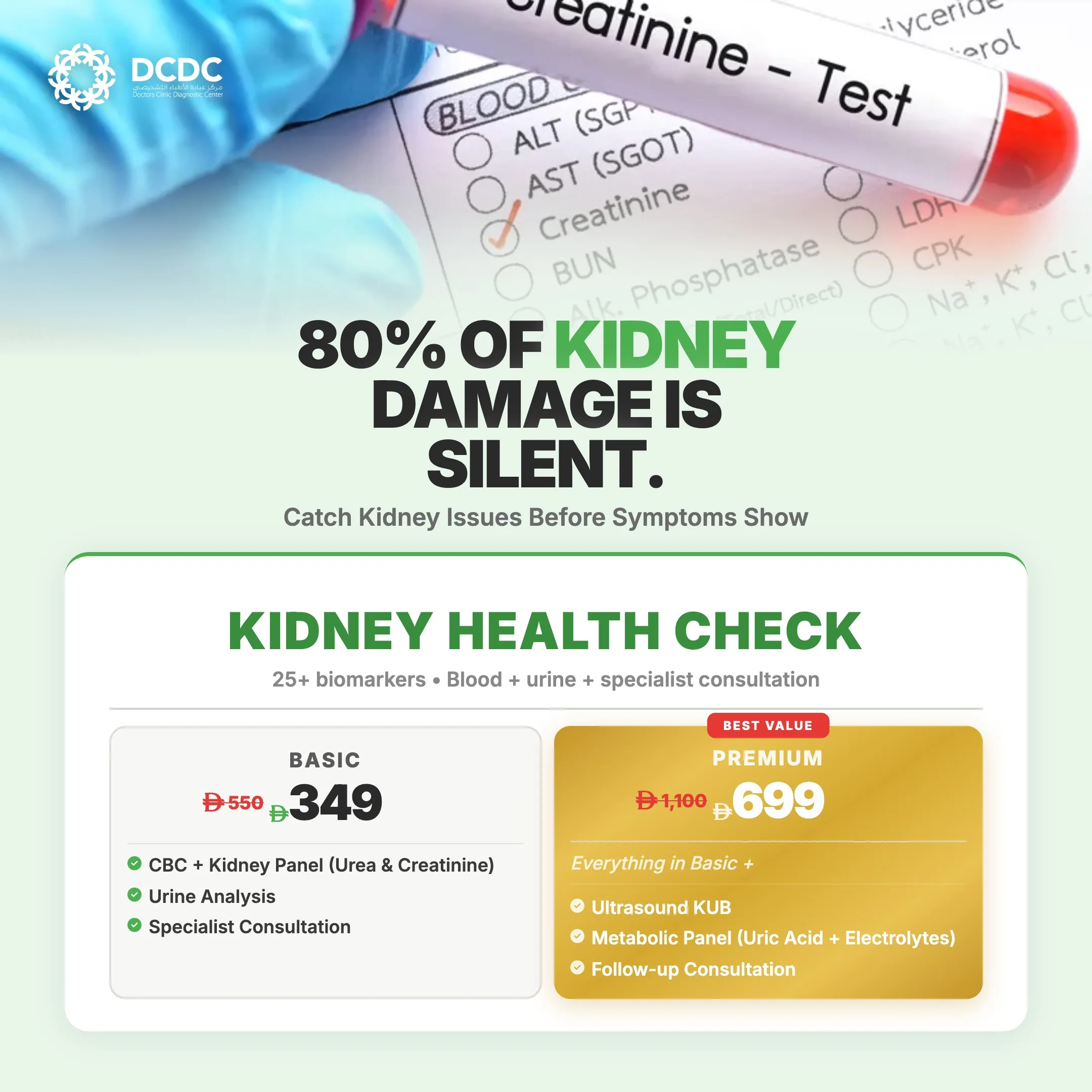
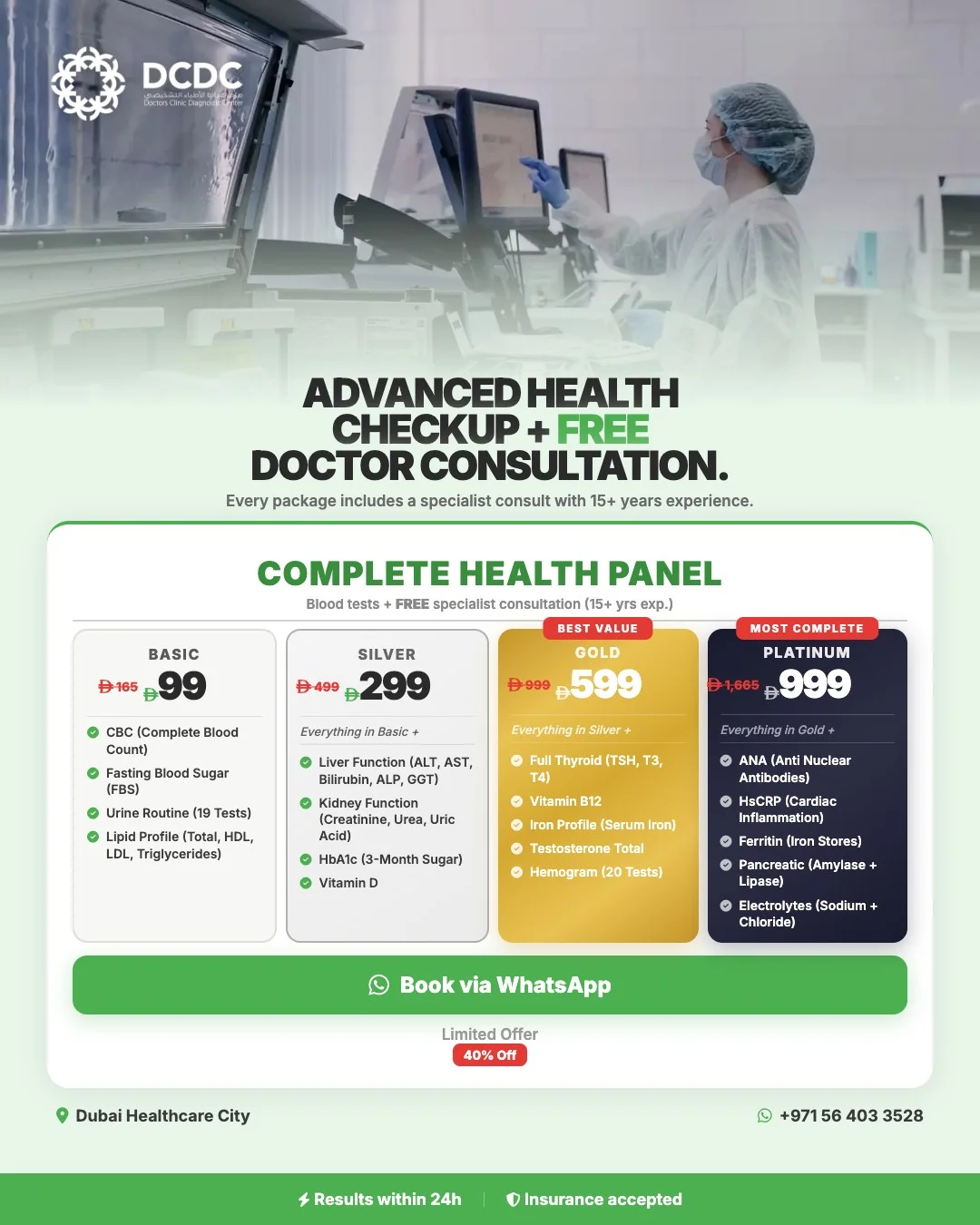
Health Screening Packages
Save with our bundled screening packages — specialist consultation included




What Is Home Wound Care?
Home wound care is a clinical nursing service in which a DHA- or MOHAP-licensed nurse visits the patient's residence to perform wound assessment, cleaning, debridement, dressing changes, and ongoing wound management. Unlike self-care with over-the-counter bandages, professional wound care follows evidence-based protocols that match hospital standards -- sterile technique, appropriate dressing selection based on wound characteristics, objective wound measurement, and documentation that feeds into the patient's medical record.
The World Health Organization estimates that surgical site infections affect up to 11% of patients undergoing surgery in low- and middle-income settings, but even in well-resourced healthcare systems, improper wound care remains a significant cause of delayed healing and complications. Professional wound management reduces these risks by ensuring that every dressing change is performed under controlled, sterile conditions -- whether it takes place in a hospital or in a patient's home.
In Dubai, the demand for home wound care has grown substantially as hospitals increasingly adopt early discharge protocols. Patients who previously stayed in hospital for five to seven days after surgery are now routinely discharged within 24--48 hours, creating a critical need for professional follow-up wound care outside the hospital setting.
Types of Wounds Treated at Home in Dubai
Not all wounds are the same, and the treatment approach varies significantly based on wound type, depth, location, and underlying health conditions. The following types of wounds are commonly managed through home wound care services in Dubai.
- Post-surgical incisions: Clean surgical wounds from orthopaedic, abdominal, gynaecological, cardiac, or cosmetic procedures that require regular sterile dressing changes and monitoring for signs of surgical site infection
- Diabetic foot ulcers: Chronic wounds on the feet of diabetic patients caused by peripheral neuropathy and impaired circulation -- the International Diabetes Federation reports that approximately 15% of people with diabetes develop a foot ulcer during their lifetime
- Pressure injuries (bedsores): Wounds that develop over bony prominences in patients with limited mobility, particularly elderly or bedridden individuals -- stages range from intact skin with non-blanchable redness (Stage 1) to full-thickness tissue loss (Stage 4)
- Traumatic wounds: Lacerations, abrasions, and puncture wounds from accidents or injuries that have been initially treated in an emergency department and require ongoing professional dressing changes
- Venous leg ulcers: Chronic wounds on the lower legs caused by venous insufficiency, often requiring compression therapy and specialised dressings over weeks to months
- Drain sites: Surgical drain insertion sites (Jackson-Pratt, Blake, Penrose drains) that require sterile care, output monitoring, and eventual drain removal
- Burn wounds: Partial-thickness burns that have been assessed in hospital and cleared for outpatient management with specialised burn dressings
- Skin graft donor and recipient sites: Areas where skin has been harvested or grafted that require specialised dressing protocols to promote healing and prevent graft failure
When Do You Need Professional Wound Care?
Many minor wounds -- small cuts, scrapes, and superficial abrasions -- heal well with basic home first aid. However, there are clear clinical situations where professional wound care is necessary to prevent complications and ensure optimal healing.
- Any surgical wound: Post-operative incisions require sterile dressing changes that most patients and family members cannot safely perform at home without training
- Wounds showing signs of infection: Increasing redness, warmth, swelling, pus or cloudy discharge, foul odour, or fever indicate possible infection requiring immediate professional assessment
- Deep or large wounds: Wounds that extend beyond the superficial skin layer or are larger than 2 centimetres generally need professional management
- Chronic wounds not healing: Any wound that has not shown improvement within two weeks despite basic care should be evaluated by a professional
- Diabetic patients with any wound: Impaired sensation and reduced blood flow mean that even minor wounds in diabetic patients carry a high risk of complications
- Patients on anticoagulants or immunosuppressants: These medications affect wound healing and increase the risk of bleeding or infection
- Wounds requiring suture or staple removal: Surgical sutures and staples must be removed at the correct time using sterile technique -- too early risks wound dehiscence, too late increases scarring
- Wounds with surgical drains: Drain management requires monitoring output volume and character, maintaining site sterility, and recognising when the drain is ready for removal
According to Dr. Hadeel Elnur, "Many patients are discharged from hospital with instructions to return for dressing changes, but clinic travel can be painful and disruptive to recovery. Our home wound care service brings hospital-grade sterile technique directly to the patient, reducing infection risk while allowing them to heal comfortably at home."
Wound Care at Home vs Clinic Visits
Patients often wonder whether they should travel to a clinic for wound care or have a nurse come to them. Both options are clinically valid, but home wound care offers distinct advantages for most patients recovering from surgery or managing chronic wounds. The comparison below highlights the key differences to help you make an informed decision.
| Factor | Home Wound Care | Clinic / Hospital Visit |
|---|---|---|
| Patient comfort | Recover in familiar surroundings, no painful travel | Requires commute -- often difficult post-surgery |
| Infection risk | Minimal -- no exposure to other patients in waiting areas | Higher cross-contamination risk in shared clinical spaces |
| One-on-one attention | Dedicated nurse, unrushed assessment, full wound documentation | Shared nursing staff, possible waiting times |
| Wound photography | Consistent lighting and angle for tracking healing progress | Variable conditions between visits |
| Continuity of care | Same DCDC records, same nurse when possible | Different staff may see the wound each visit |
| Cost | From AED 250--500 per visit at DCDC | Lower per-visit fee but add transport and time costs |
| Best for | Post-surgical wounds, chronic wounds, elderly patients, diabetic care | Complex wounds requiring physician debridement or imaging |
DCDC offers both home wound care and in-clinic wound management with shared medical records, enabling seamless transitions between settings.
For the majority of wound care scenarios -- clean surgical wounds, routine dressing changes, diabetic ulcer management, and suture removal -- home visits are equally safe and significantly more comfortable than clinic travel. Complex wounds that require surgical debridement, negative pressure wound therapy initiation, or imaging may still need a clinic or hospital visit. For a broader look at the full range of home healthcare services available in Dubai, including nursing, doctor visits, and diagnostics, see our guide on home healthcare services in Dubai.
What to Expect During a DCDC Home Wound Care Visit
A wound care visit from DCDC follows a structured clinical process identical to what you would experience in a hospital wound care clinic. Our DHA-licensed nurses are trained in advanced wound management and arrive fully equipped with hospital-grade supplies. Here is the step-by-step process from booking to completion.
- Step 1 -- Booking: Contact DCDC by phone or WhatsApp. Share your wound details (type, location, any surgeon instructions), your location in Dubai, and preferred visit date and time. Our team will confirm availability and pricing
- Step 2 -- Insurance verification: If you have health insurance, our team verifies wound care coverage and handles pre-authorisation. You will know your out-of-pocket cost before confirming
- Step 3 -- Nurse arrival: Your DHA-licensed wound care nurse arrives at your home with hospital-grade sterile single-use dressing packs, advanced wound dressings (foam, alginate, hydrocolloid, silver-impregnated antimicrobial), wound irrigation solutions, and sterile suture or staple removal kits as needed
- Step 4 -- Wound assessment: Before touching the wound, the nurse conducts a structured wound assessment. This includes measuring wound dimensions (length, width, depth), documenting wound bed characteristics (granulation, slough, necrotic tissue), assessing surrounding skin, checking for signs of infection, and photographing the wound for progress tracking
- Step 5 -- Sterile dressing change: Using strict aseptic technique, the nurse removes the old dressing, irrigates the wound with appropriate solution, applies any prescribed topical agents, and selects and applies the optimal dressing based on wound characteristics and physician orders
- Step 6 -- Pain assessment: Pain is evaluated using a standardised scale before, during, and after the procedure. If pain management needs adjustment, the nurse communicates this to the treating physician
- Step 7 -- Documentation: Every visit is documented digitally and synced with your DCDC medical record. Documentation includes wound measurements, photographs, dressing used, wound bed status, pain score, and any concerns flagged for physician review
- Step 8 -- Next visit scheduled: Based on wound healing progress and the physician's care plan, the nurse and our coordination team schedule the next visit before leaving. For single visits, a follow-up check is made within 24 hours
This structured approach ensures nothing is missed, healing is tracked objectively over time, and any deviation from expected healing trajectory is caught early. With DCDC's 4.8/5 Google rating and 98% patient satisfaction, families across Dubai trust our wound care team to deliver consistent, compassionate, clinical-grade care at home.
Diabetic Wound Care at Home
Diabetic wounds deserve special attention because the underlying disease fundamentally alters the body's ability to heal. Peripheral neuropathy means patients may not feel pain from a developing wound, peripheral arterial disease reduces blood flow to the extremities, and hyperglycaemia impairs immune function and tissue repair. The International Diabetes Federation estimates that a lower-limb amputation due to diabetes occurs every 30 seconds worldwide -- the vast majority of which begin as a preventable foot ulcer.
DCDC's diabetic wound care protocol at home includes several critical components that go beyond a simple dressing change.
- Vascular assessment: The nurse checks peripheral pulses and capillary refill time to assess blood flow to the wound area -- poor perfusion requires escalation to a vascular specialist
- Neuropathy screening: Using a monofilament test or clinical assessment, the nurse evaluates sensation in the feet and identifies areas at risk of unnoticed injury
- Blood glucose check: Wound healing is directly affected by blood sugar control. The nurse checks glucose levels at each visit and documents trends for the treating physician
- Offloading advice: For foot ulcers, pressure redistribution is critical. The nurse advises on appropriate footwear, cushioning, and activity modification to reduce pressure on the wound
- Specialised dressings: Diabetic wounds often require moisture-balancing dressings (foam, alginate) or antimicrobial dressings (silver-impregnated) that create the optimal healing environment while managing exudate
- Infection surveillance: Diabetic patients have a higher risk of wound infection, and symptoms may be subtle due to impaired immune response. The nurse uses objective criteria rather than relying solely on patient-reported symptoms
Regular professional wound care is one of the most effective interventions for preventing diabetic foot ulcer complications. Studies show that structured wound management programmes reduce the rate of lower-limb amputation by up to 85% in diabetic patients. For patients managing diabetes alongside wound care, our guide on diabetes management in Dubai covers the broader strategies for glucose control, screening, and specialist care.
Need Wound Care at Home? Book a DCDC Nurse Visit
DHA-licensed wound care nurses bring hospital-grade sterile supplies and advanced dressings to your home in Dubai. Surgical wounds, diabetic ulcers, drain care, and suture removal -- with direct insurance billing and digital documentation synced to your DCDC medical record.
Book Wound Care Now
Post-Surgical Wound Management
The quality of post-operative wound care directly influences surgical outcomes. Surgical site infections (SSIs) remain one of the most common healthcare-associated infections, with the WHO reporting that SSIs affect between 0.5% and 15% of patients depending on the type of surgery. Proper wound management during the critical first two to four weeks after surgery is essential for preventing infection and achieving optimal scar formation.
DCDC's home wound care nurses manage post-surgical wounds from a wide range of procedures performed across Dubai's hospitals and surgical centres.
- Orthopaedic surgery: Knee replacement, hip replacement, ACL reconstruction, fracture fixation -- these wounds require careful monitoring as they often involve hardware beneath the skin
- Abdominal surgery: Appendectomy, hernia repair, cholecystectomy, cesarean section -- abdominal incisions are under constant tension from movement and require secure, well-maintained dressings
- Cardiac surgery: Sternotomy wounds and catheter insertion sites require meticulous sterile care due to the high-risk nature of cardiac procedures
- Cosmetic surgery: Rhinoplasty, abdominoplasty, breast augmentation or reduction, liposuction -- cosmetic surgery patients have particular concerns about scar quality, making proper wound care especially important
- Gynaecological surgery: Hysterectomy, myomectomy, laparoscopic procedures -- wound care tailored to the specific surgical approach and incision pattern
- Drain management: JP drains, Blake drains, and Penrose drains require daily output measurement, site care, and recognition of when the drain is ready for removal
DCDC coordinates directly with your surgeon to ensure the wound care plan aligns precisely with their post-operative protocols. When a surgeon at any Dubai hospital or surgical centre specifies particular dressing materials, cleaning solutions, or wound management timelines, our nurses follow those instructions exactly while adding the extra layer of standardised wound assessment and documentation. For patients recovering from orthopaedic procedures who also need rehabilitation, our guide on post-surgery physiotherapy and recovery explains how to integrate wound care with physical rehabilitation.
Wound Healing Stages and What to Watch For
Understanding the normal stages of wound healing helps patients recognise when their wound is progressing well and when something may be wrong. All wounds go through four overlapping phases, though the timeline varies based on wound type, size, location, and the patient's overall health.
- Haemostasis (minutes to hours): Immediately after injury or surgery, the body forms a blood clot to stop bleeding. This is the shortest phase and is typically complete before the first home wound care visit
- Inflammation (days 1--5): The wound becomes red, warm, and slightly swollen as the immune system sends white blood cells to fight bacteria and clear debris. Some inflammation is normal and necessary -- the key is distinguishing normal healing inflammation from infection
- Proliferation (days 4--21): New tissue fills the wound as fibroblasts produce collagen, new blood vessels form (granulation), and the wound edges begin to contract. During this phase, the wound bed should appear pink-red with a granular texture. This is when proper dressing selection has the greatest impact on healing speed
- Remodelling (3 weeks to 2 years): Collagen reorganises and the scar matures, gradually becoming stronger and flatter. The wound may appear pink or slightly raised during this phase, eventually fading to a paler colour. Final scar strength reaches only about 80% of the original tissue
During each home wound care visit, the DCDC nurse assesses which healing phase the wound is in and whether it is progressing as expected. Delayed healing -- a wound that remains in the inflammatory phase beyond five to seven days, fails to develop granulation tissue, or shows signs of wound bed deterioration -- triggers communication with the treating physician for care plan adjustment.
How Much Does Home Wound Care Cost in Dubai?
The cost of home wound care in Dubai depends on wound complexity, the type of dressing materials required, and the duration of each visit. At DCDC, wound care visits are priced transparently with no hidden fees. The cost includes the nurse's time, sterile single-use supplies, advanced dressing materials, and digital documentation.
| Wound Care Service | Estimated Cost | Notes |
|---|---|---|
| Simple Dressing Change | From AED 300 | Clean surgical wounds, minor dressings |
| Complex Wound Management | From AED 450 | Irrigation, debridement, advanced dressings |
| Suture/Staple Removal | From AED 149 | Sterile removal with wound assessment |
| Diabetic Ulcer Management | From AED 400 | Specialised protocol, vascular assessment |
| Drain Care & Removal | From AED 350 | JP drain, Blake drain management |
Prices are indicative and may vary based on wound complexity, dressing materials used, location, and insurance coverage. Contact DCDC for a personalised quote.
When compared to the combined cost of taxi or ambulance transport, parking, clinic consultation fees, and time away from work or recovery, home wound care often represents better value -- particularly for patients who need multiple visits over several weeks. Patients who require broader home nursing services beyond wound care can refer to our detailed guide on nurse at home services and costs in Dubai for a comprehensive pricing overview.
Insurance Coverage for Home Wound Care
Most comprehensive health insurance plans in Dubai cover medically necessary home wound care, provided the service is supported by a physician's prescription or discharge instructions. Home wound care is classified as a medical service -- not a convenience -- and insurers generally recognise it as a clinically appropriate alternative to repeated clinic or hospital visits.
- Physician prescription required: Insurers require a physician's order or hospital discharge instructions specifying the type and frequency of wound care. This can come from your surgeon, GP, or the discharging hospital team
- Pre-authorisation: Some plans require pre-approval before home wound care begins. DCDC handles the entire pre-authorisation process on your behalf, submitting clinical justification and confirming coverage before dispatching the nurse
- Direct billing available: DCDC offers direct billing with 20+ insurance providers including Daman, AXA, Bupa, Cigna, and MetLife. With direct billing, you pay only your co-pay or deductible -- no upfront cash outlay and no reimbursement claims to file
- Coverage duration: Insurance typically covers wound care visits for the duration specified in the physician's order. For chronic wounds, extensions can be requested with updated clinical documentation showing medical necessity
- Self-pay transparency: If you are uninsured or your plan does not cover home wound care, DCDC provides clear upfront pricing. We also supply the documentation needed if your insurer accepts post-service reimbursement claims
The most common reason for insurance denial of home wound care is a missing or incomplete physician order. To avoid delays, ensure you have written wound care instructions from your surgeon or treating physician that specify the type of wound, dressing protocol, and frequency of visits.
Signs of Wound Infection to Watch For
Recognising the early signs of wound infection is critical for every patient managing a wound at home. While some redness and swelling are normal during the inflammatory phase of healing, certain signs indicate that bacteria may have colonised the wound and professional assessment is urgently needed.
- Increasing redness: Redness that spreads beyond the wound edges or develops red streaks extending away from the wound (cellulitis or lymphangitis)
- Warmth and swelling: The area around the wound becomes noticeably warmer and more swollen than in previous days
- Purulent discharge: Yellow, green, or cloudy discharge from the wound -- as distinct from the clear or slightly blood-tinged fluid that is normal in early healing
- Foul odour: An unpleasant smell from the wound or dressing that was not present previously
- Increased pain: Pain that worsens rather than gradually improving, especially after the first 48--72 hours post-surgery
- Fever: A temperature above 38 degrees Celsius (100.4 degrees Fahrenheit) may indicate systemic infection
- Wound breakdown: Wound edges that were previously closed begin to separate (dehiscence)
- Delayed healing: A wound that stops improving or begins to look worse after initial progress
If you notice any of these signs between scheduled wound care visits, contact DCDC immediately rather than waiting for the next appointment. Early intervention for wound infection -- typically involving wound culture, antibiotic adjustment, and increased visit frequency -- prevents complications that could otherwise lead to hospitalisation. The NHS recommends seeking same-day medical assessment for any wound showing signs of spreading infection or accompanied by fever.
How to Book Home Wound Care in Dubai
Booking wound care at home through DCDC is designed to be simple and fast, recognising that patients with wounds are often in pain and have limited mobility. Here is how to arrange your first visit.
- Contact us: Call our clinic or send a WhatsApp message. Share the type of wound (surgical, diabetic, traumatic), any discharge instructions or surgeon's wound care protocol, your location in Dubai, and your preferred date and time
- Clinical triage: Our team reviews your wound details to assign a nurse with the appropriate wound care expertise and prepare the correct dressing materials before the visit
- Insurance check: If you have health insurance, we verify coverage and handle pre-authorisation. You will know your out-of-pocket cost before confirming the booking
- Confirmation: We confirm the appointment, the assigned nurse's name and qualifications, estimated arrival time, and any preparations you need to make (such as having the wound care instructions from your surgeon ready)
- Nurse arrives: Your DCDC wound care nurse arrives with all necessary supplies -- sterile dressing packs, wound irrigation solutions, advanced dressings, suture or staple removal kits, and digital documentation tools
DCDC covers Dubai Marina, JBR, Downtown, Business Bay, Jumeirah, Al Barsha, Mirdif, and surrounding areas from our central Dubai Healthcare City location. For patients who also need ongoing elderly nursing support alongside wound care, our elderly care at home guide explains how to coordinate multiple home healthcare services through a single provider.
Professional Wound Care at Your Door -- Book Today
DCDC's DHA-licensed wound care nurses serve patients across Dubai with hospital-grade sterile supplies, advanced dressings, and full digital documentation. Post-surgical wounds, diabetic ulcers, drain care, suture removal, and chronic wound management -- all in the comfort of your home. Direct billing with 20+ insurers.
Schedule Wound Care Visit
Related Services at DCDC
Expert care and advanced diagnostics at Dubai Healthcare City
Frequently Asked Questions
Final Thoughts
Wound care is not optional -- it is a clinical intervention that directly determines whether a wound heals cleanly or develops complications that can lead to infection, prolonged recovery, or hospitalisation. For patients recovering from surgery, managing diabetic ulcers, or dealing with any wound that requires regular professional attention, home wound care removes the barriers of painful travel, clinic waiting times, and exposure to hospital-acquired infections.
The standard of care matters. A sterile dressing change performed by a DHA-licensed nurse using evidence-based protocols and documented in a proper medical record is fundamentally different from a family member changing a bandage at home without training. The structured wound assessment, progress photography, appropriate dressing selection, and physician communication that professional wound care provides can be the difference between an uncomplicated recovery and a serious complication.
At DCDC, our home wound care programme is an extension of our Dubai Healthcare City clinic -- same nurses, same protocols, same medical records. Whether you need a single suture removal visit or weeks of complex wound management, our team brings hospital-grade care to your doorstep. Contact us by phone or WhatsApp to discuss your wound care needs -- we are available seven days a week and can typically arrange the first visit within 24 hours.
Sources & References
This article was reviewed by our medical team and references the following sources:
- WHO -- Surgical Site Infections: Prevention and Treatment
- NHS -- Wound Care
- Mayo Clinic -- Wound Care: Step by Step
- Cleveland Clinic -- Wound Care and Healing
- Diabetes UK -- Foot Care and Diabetes
- International Diabetes Federation -- Diabetic Foot
Medical content on this site is reviewed by DHA-licensed physicians. See our editorial policy for more information.

Written by
Dr. Hadeel Elnur
General Practitioner
MD, General Practice
Dr. Hadeel Elnur is a General Practitioner at Doctors Clinic Diagnostic Center (DCDC) in Dubai Healthcare City.
Related Articles

Nurse at Home Dubai: Cost & Services

Elderly Care at Home Dubai: Full Guide
Home Healthcare Dubai: Services & Cost
Post-Surgery Physiotherapy: Recovery Roadmap

Diabetes Management Dubai: Complete Guide
More in General Health
Epilepsy Treatment Dubai: Symptoms & Care (2026)
Read More
Food Allergy vs Food Intolerance Dubai (2026)
Read More
Pneumonia vs Flu Dubai: Key Differences (2026)
Read More
Swollen Lymph Nodes Dubai: When to Worry (2026)
Read MoreFlu vs Cold Dubai: How to Tell the Difference (2026)
Read More
Sleep Study Cost Dubai: Tests & Pricing (2026)
Read More© 2026 Doctors Clinic Diagnostic Center (DCDC), Dubai Healthcare City. Originally published at https://doctorsclinicdubai.ae/blog/wound-care-at-home-dubai. All rights reserved. Unauthorized reproduction is prohibited.